PERSONAL LIBRARY

“Everybody ought to read books on morals, arithmetic, agriculture, geometry, astronomy, medicine, logic, philosophy, and history.”
- Abu’l-Fazl ibn Mubarak, Āʾīn-i Akbarī
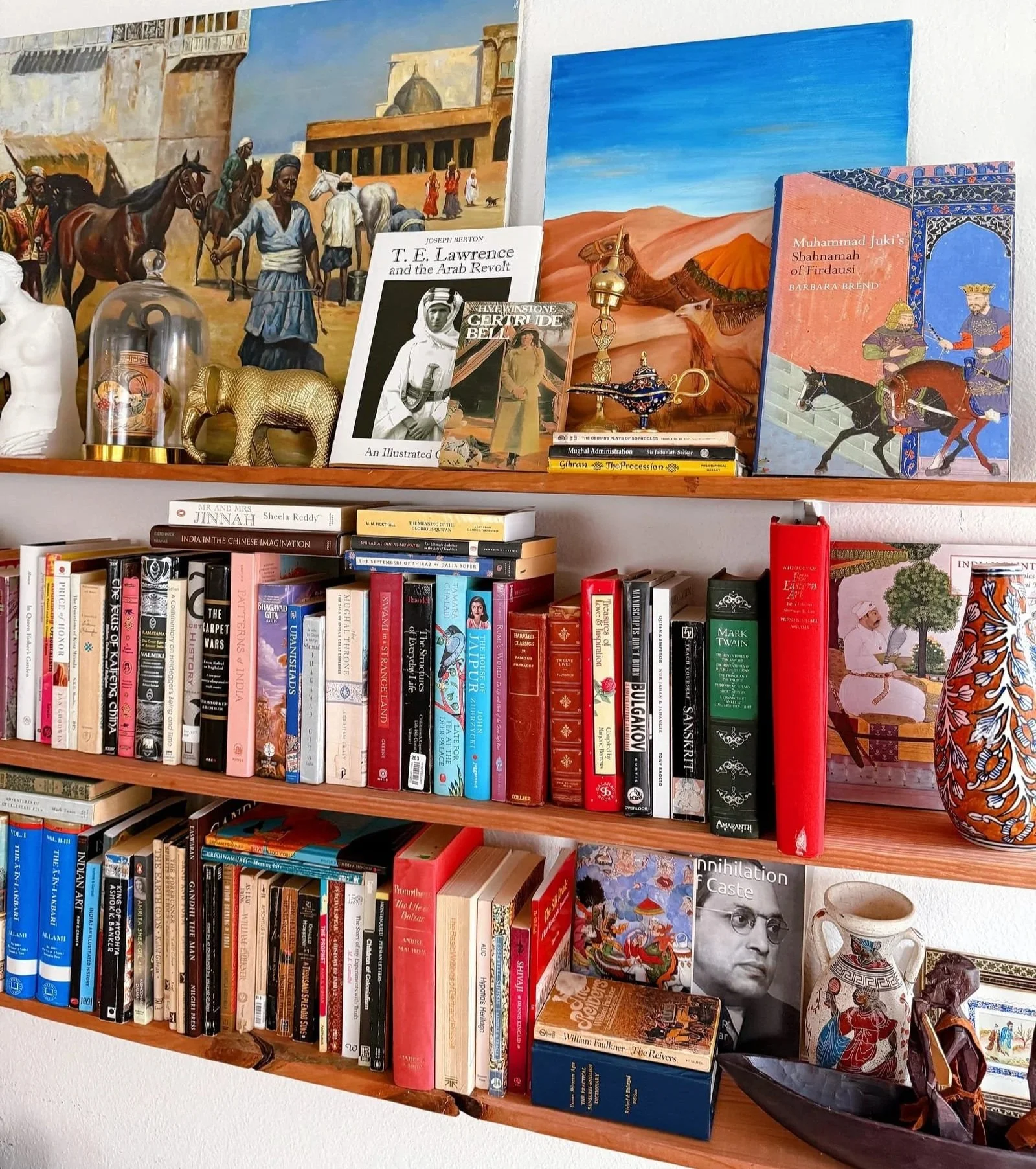
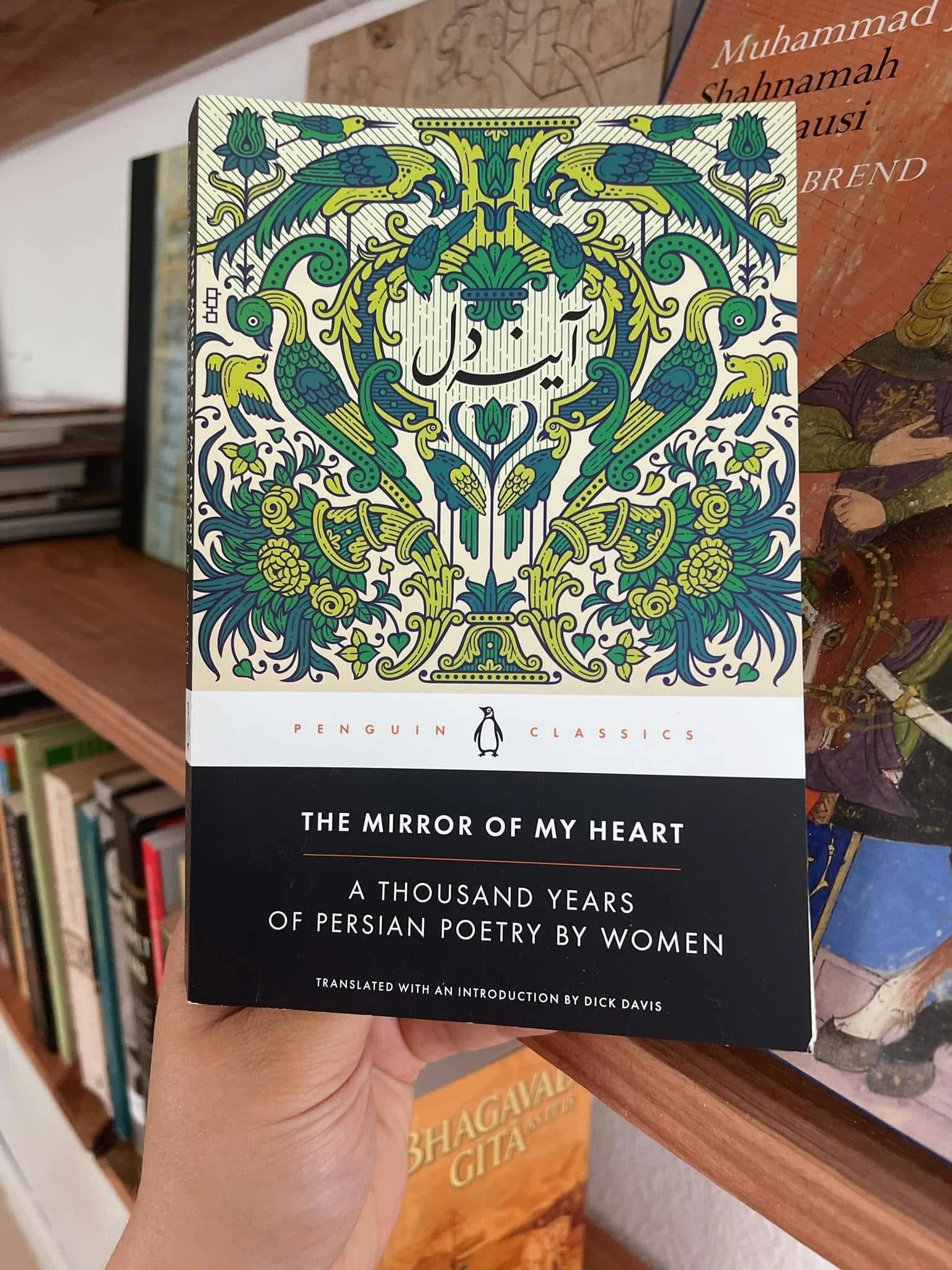
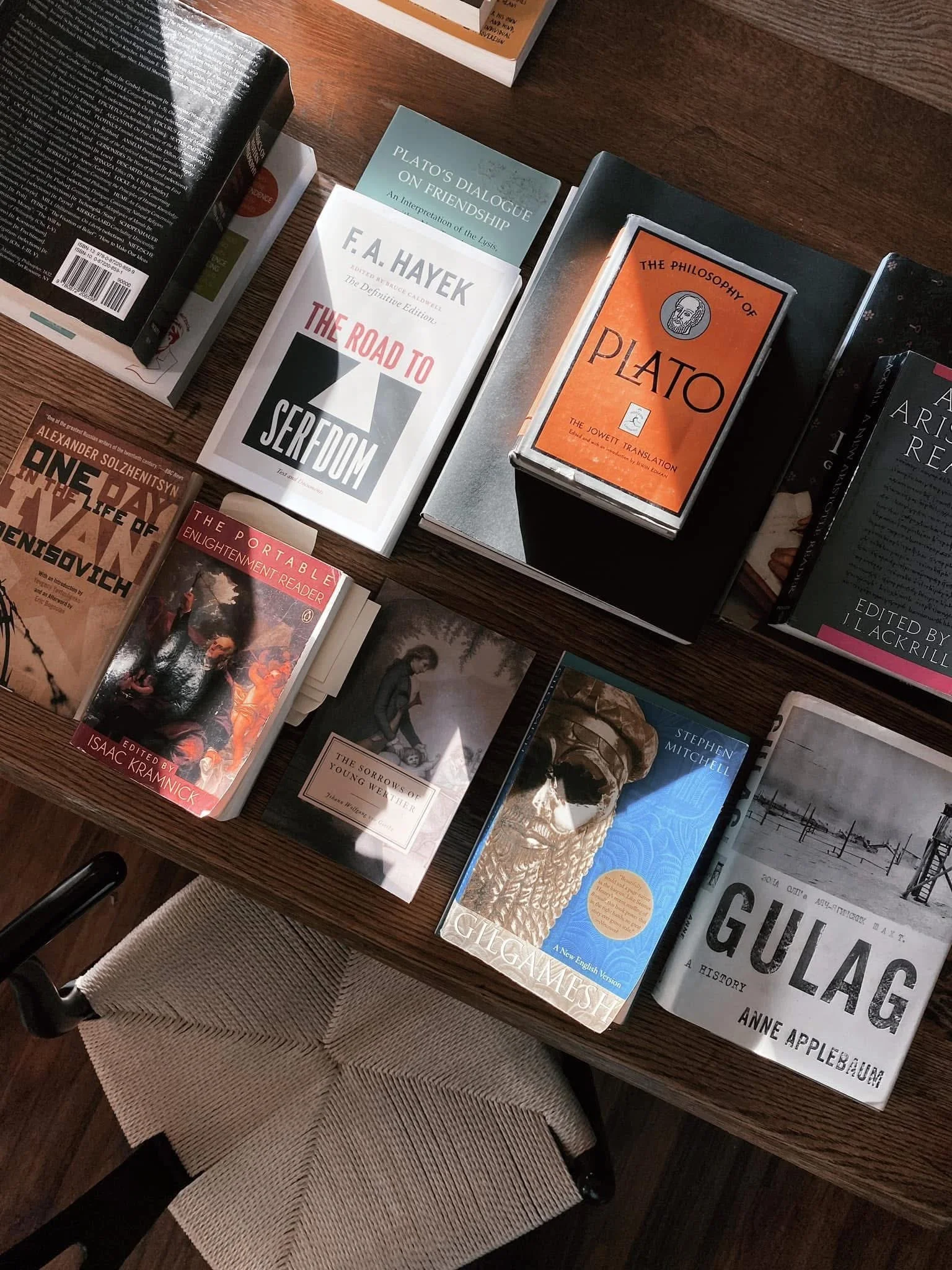
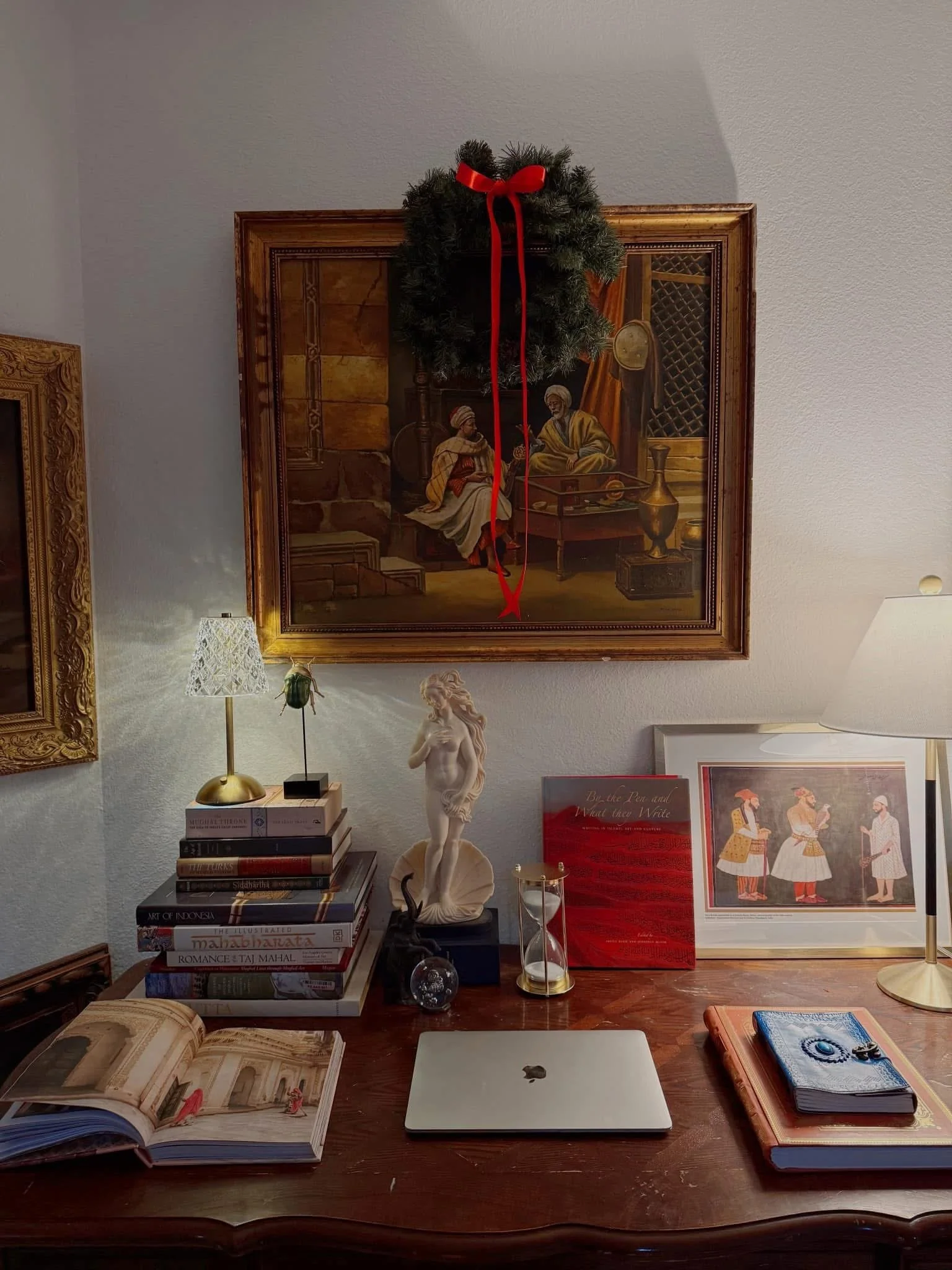
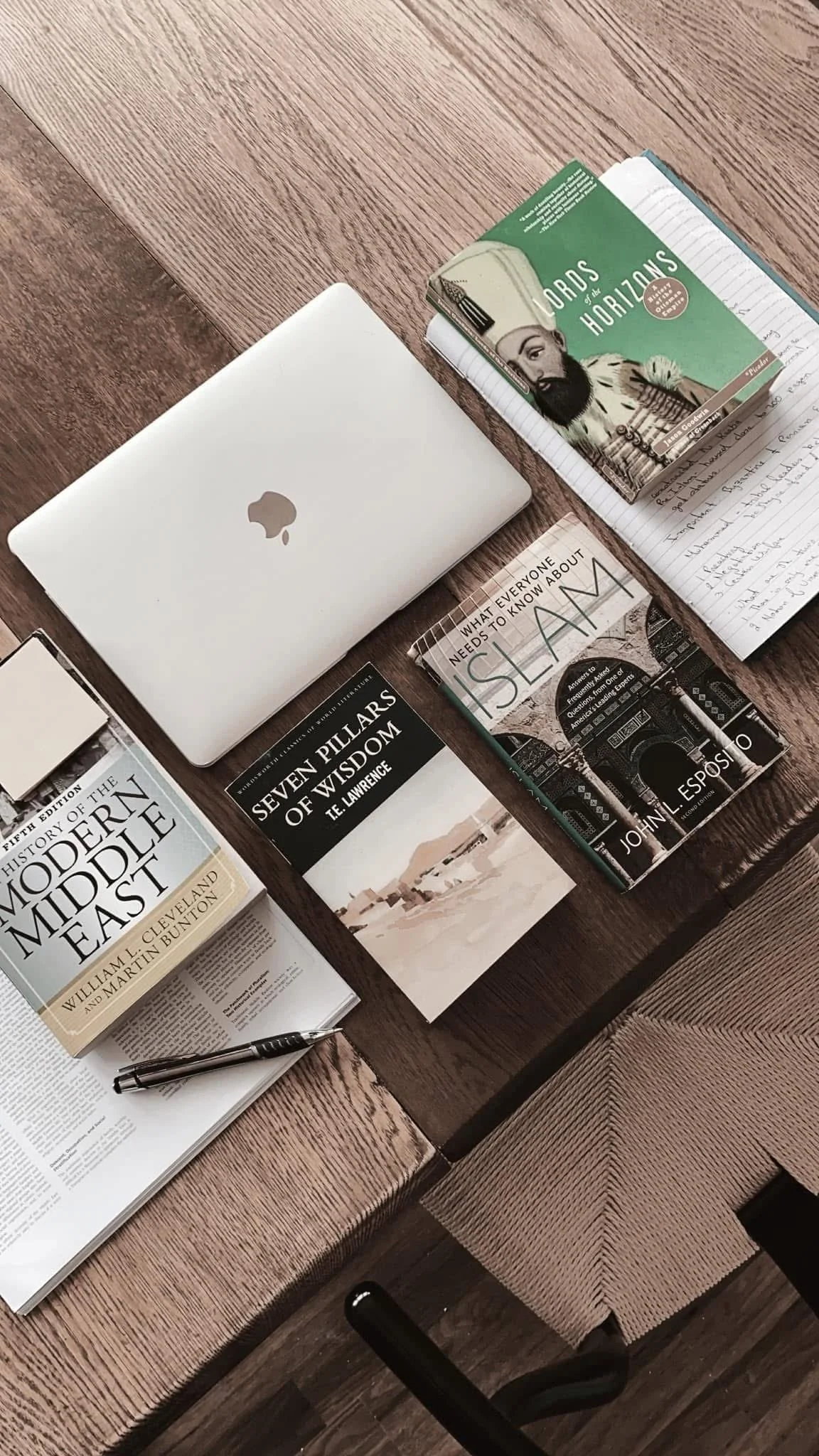
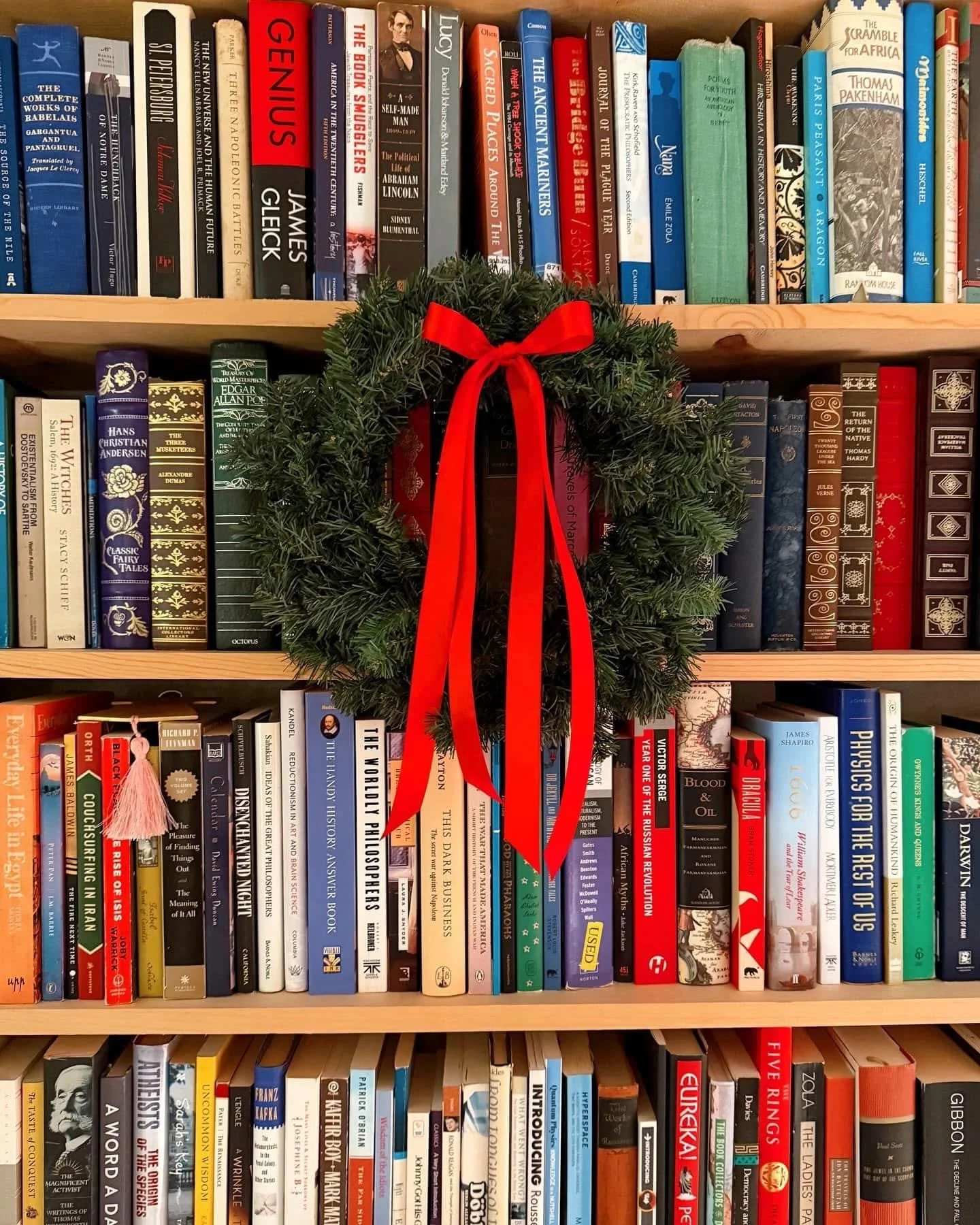
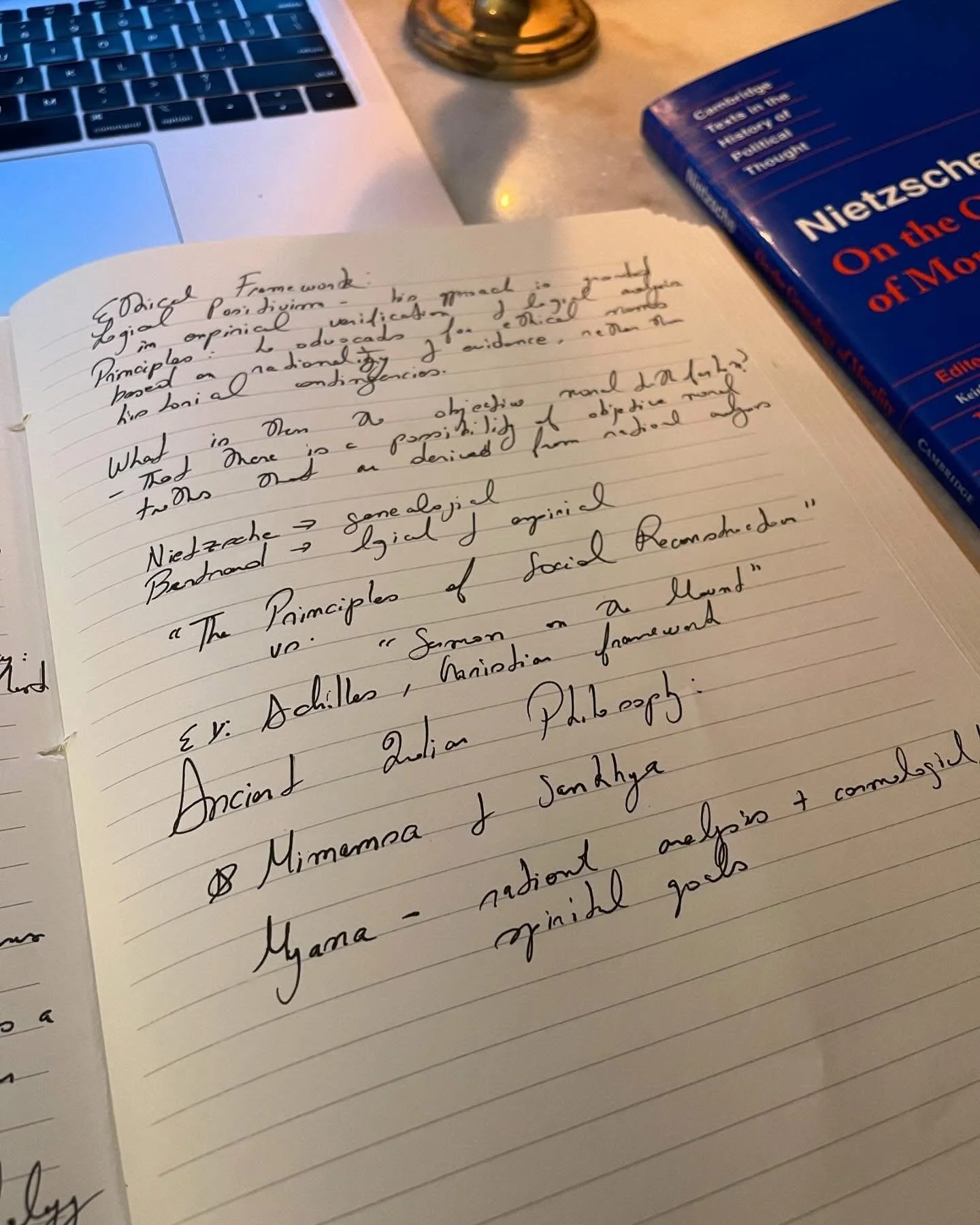
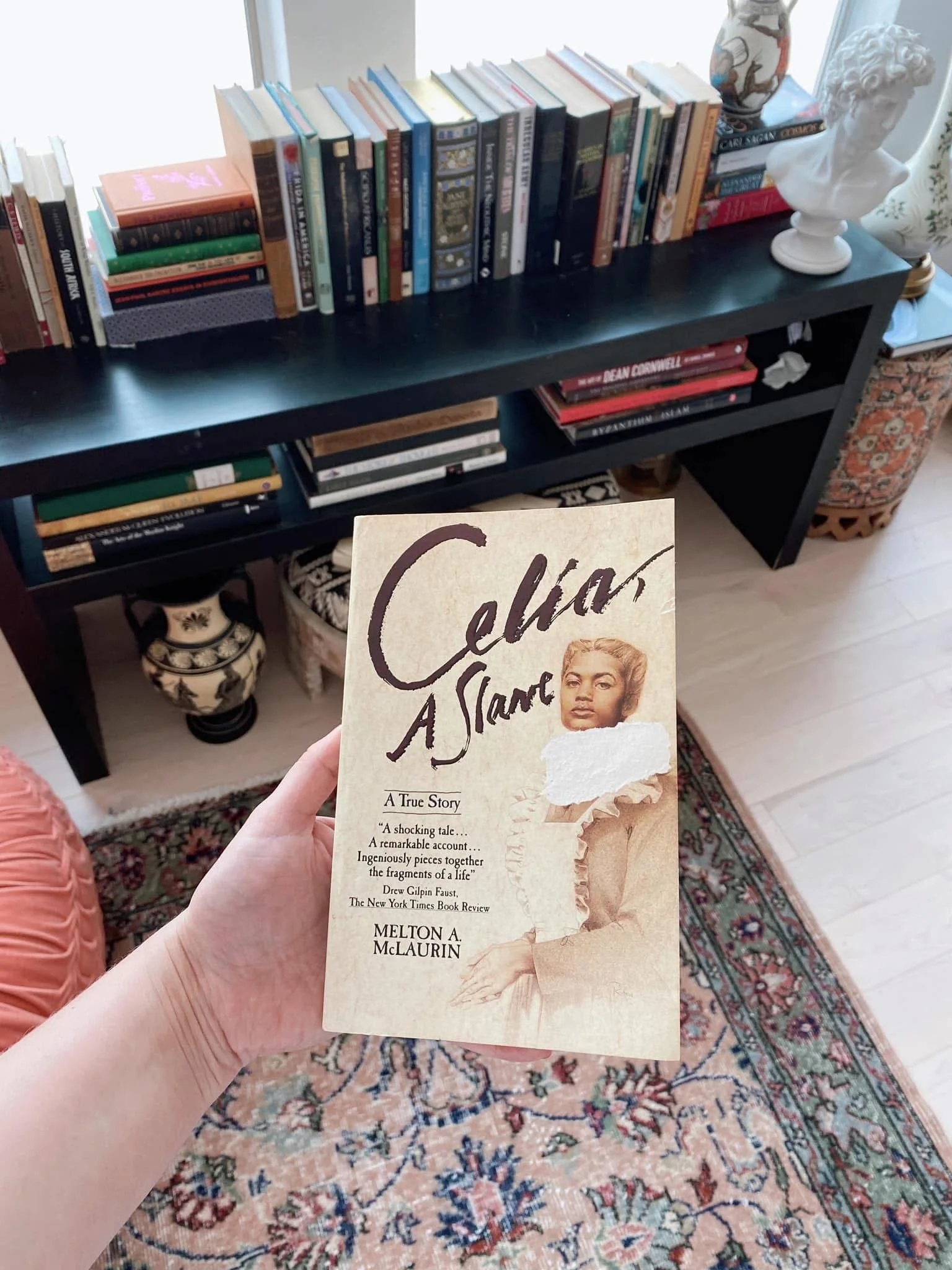
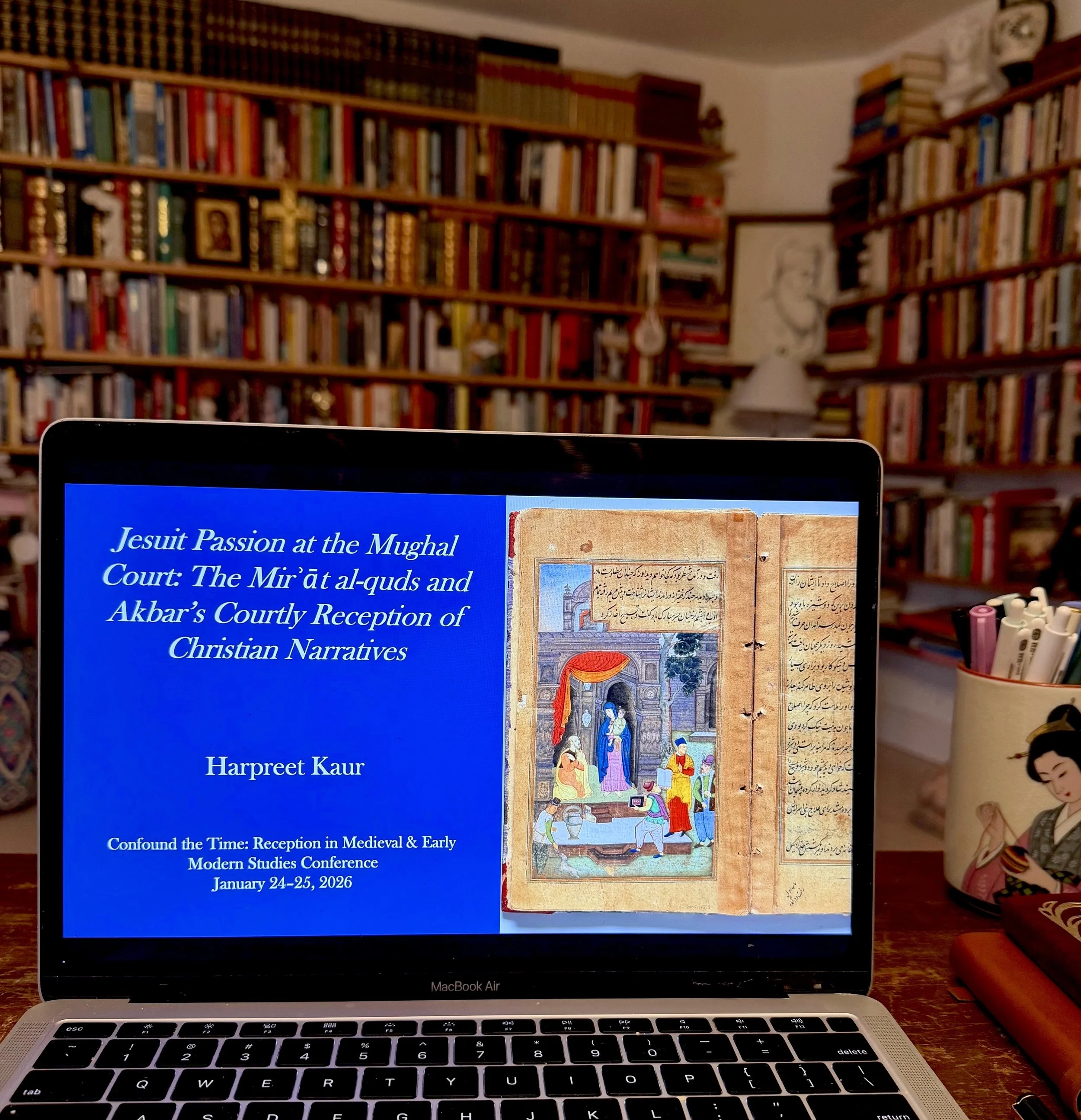
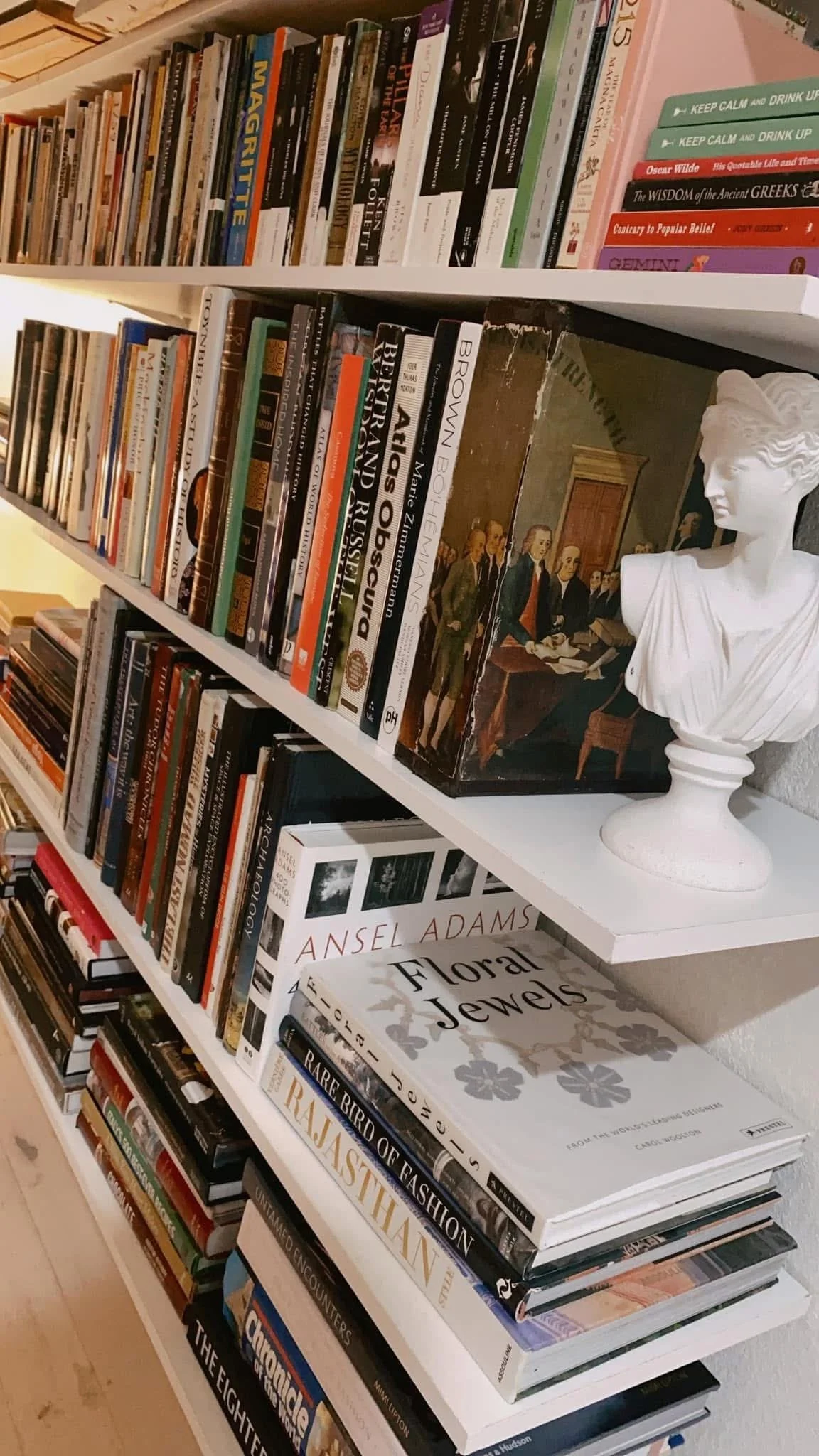
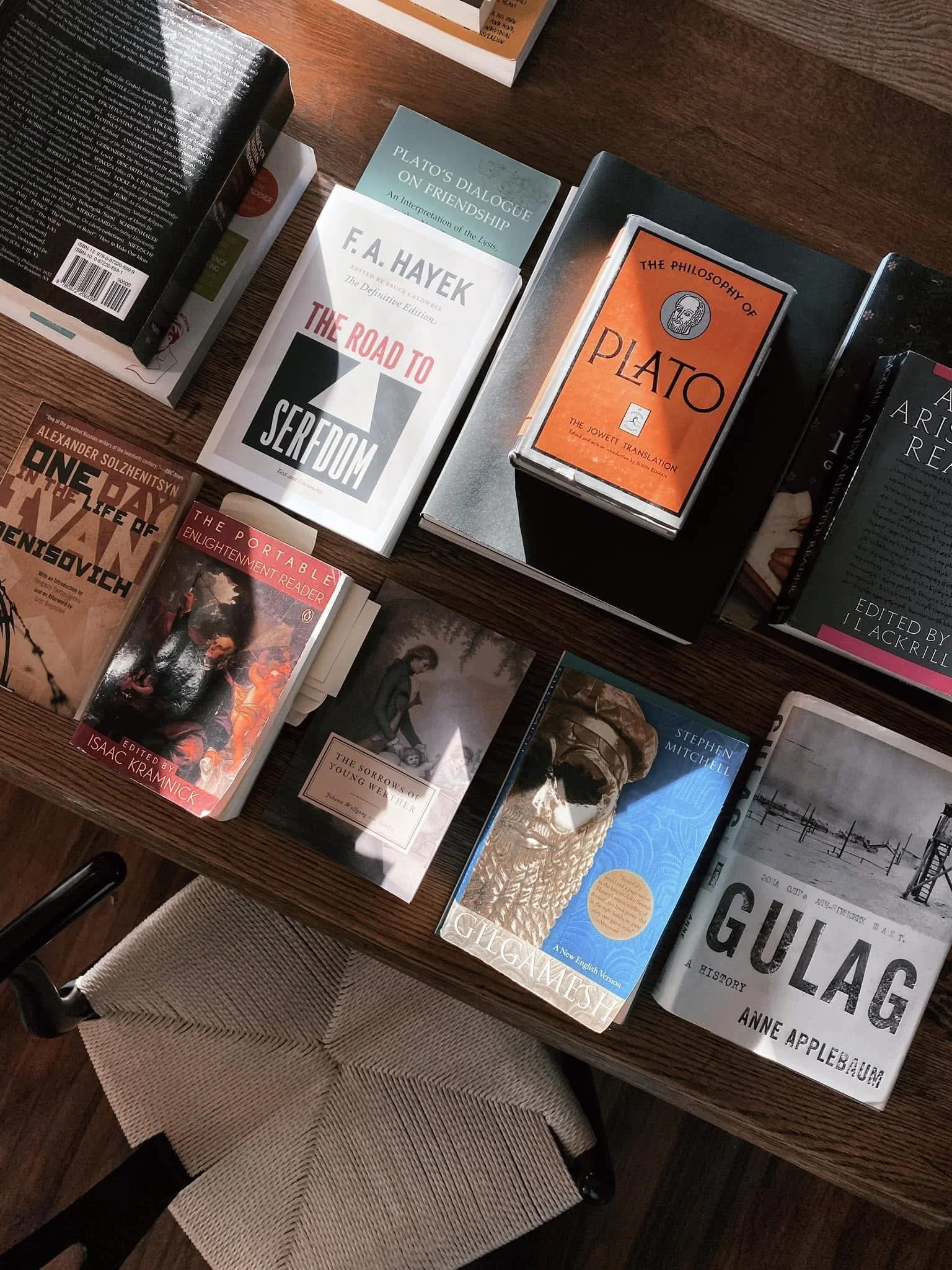
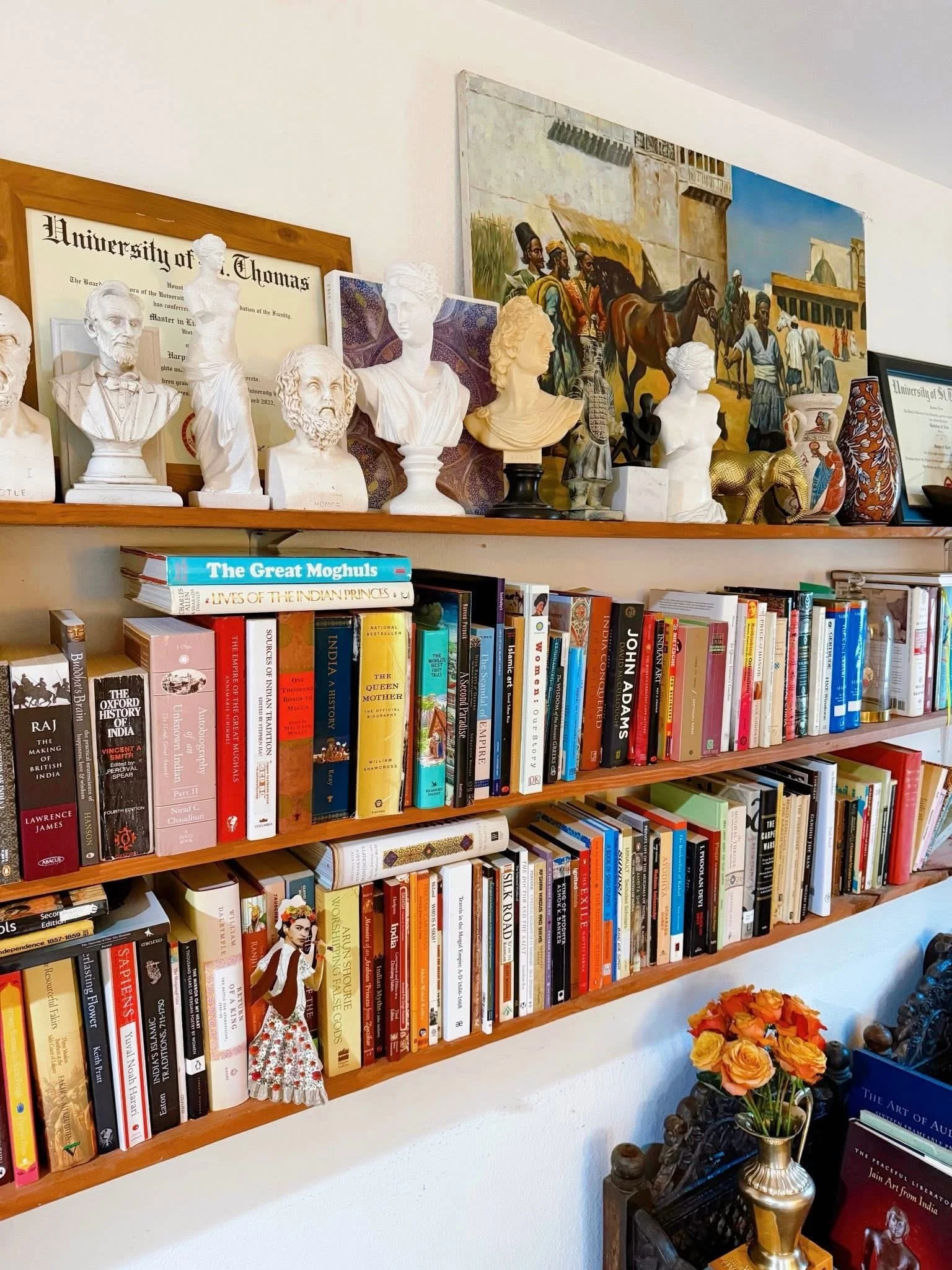
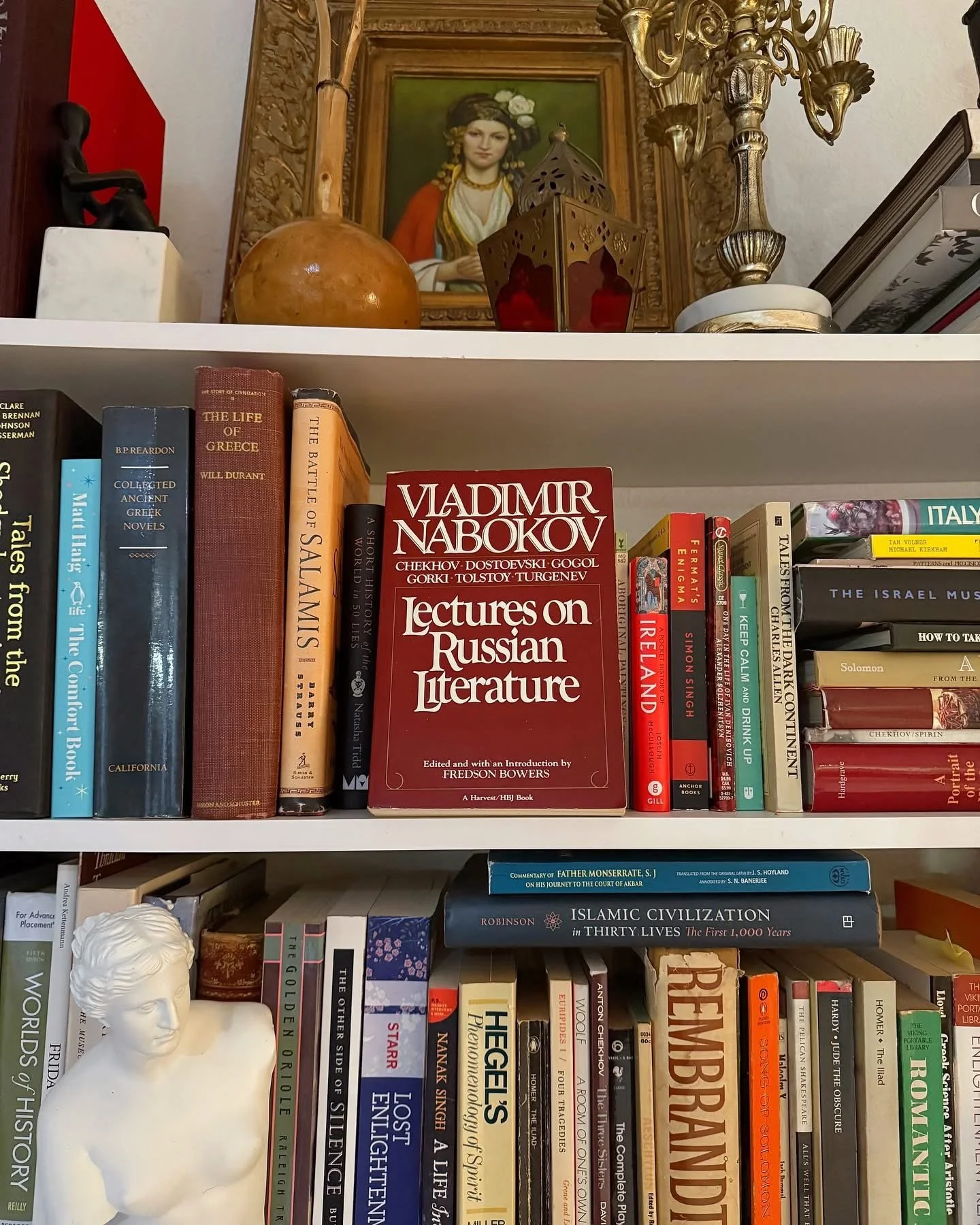
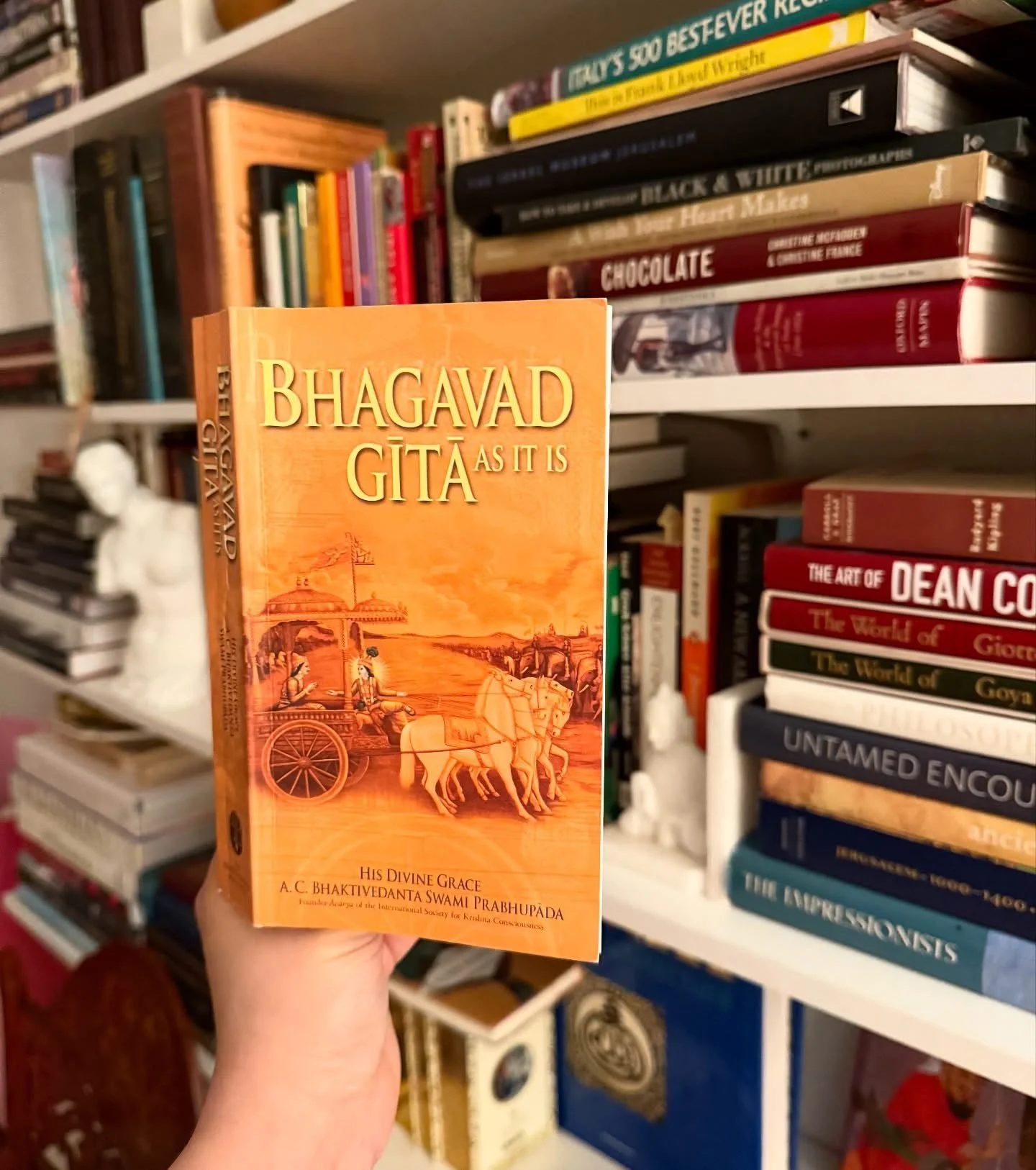
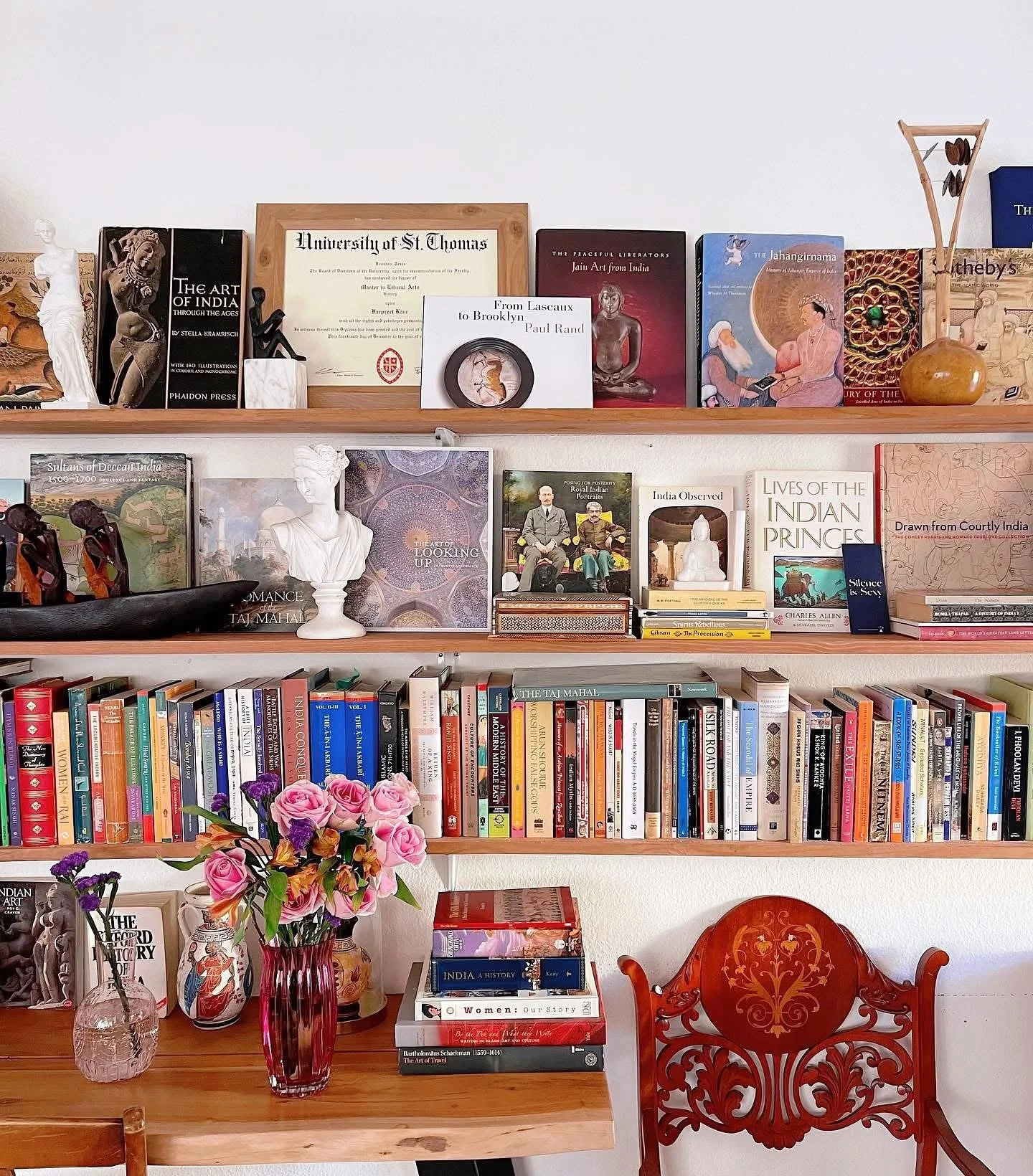
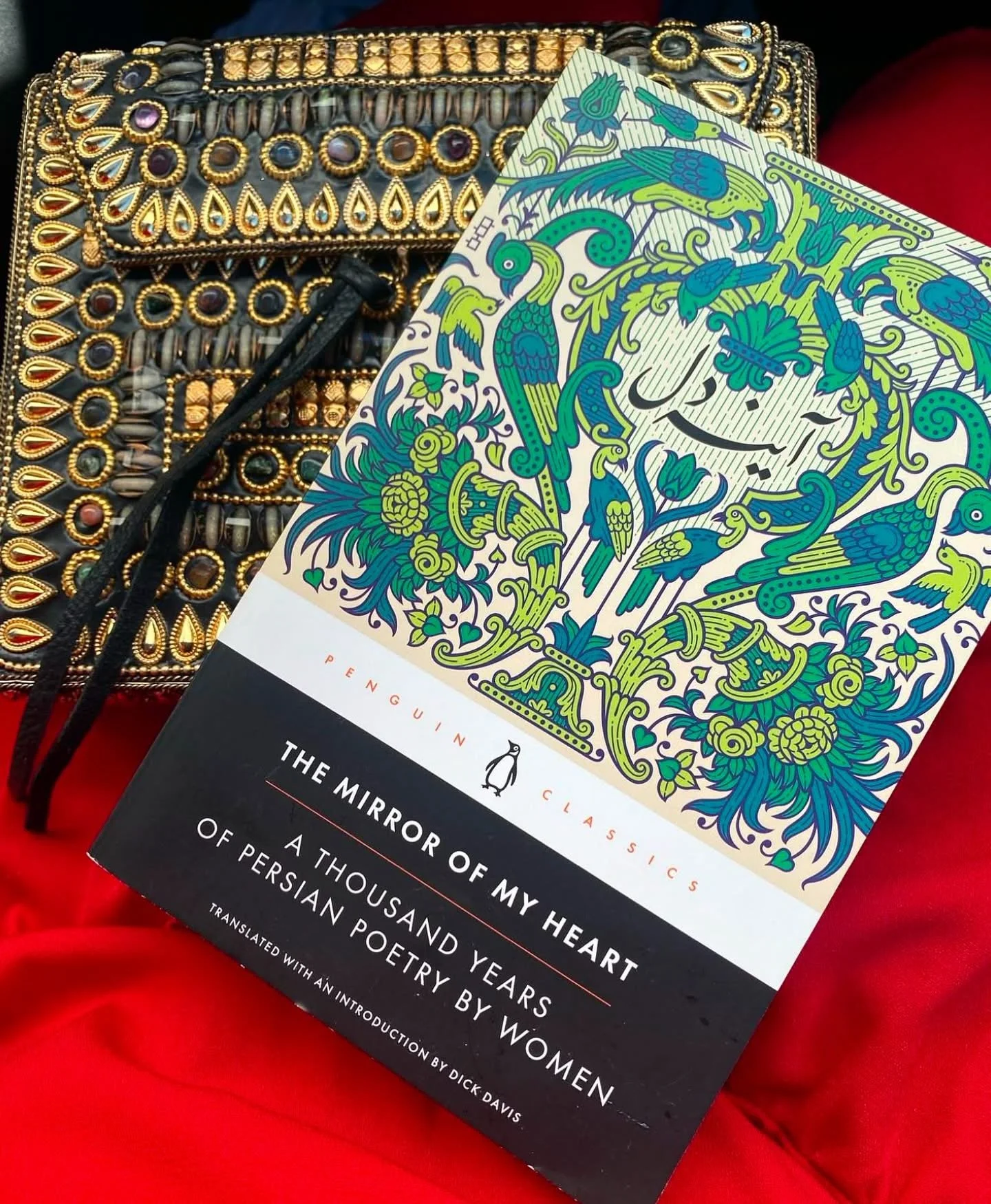
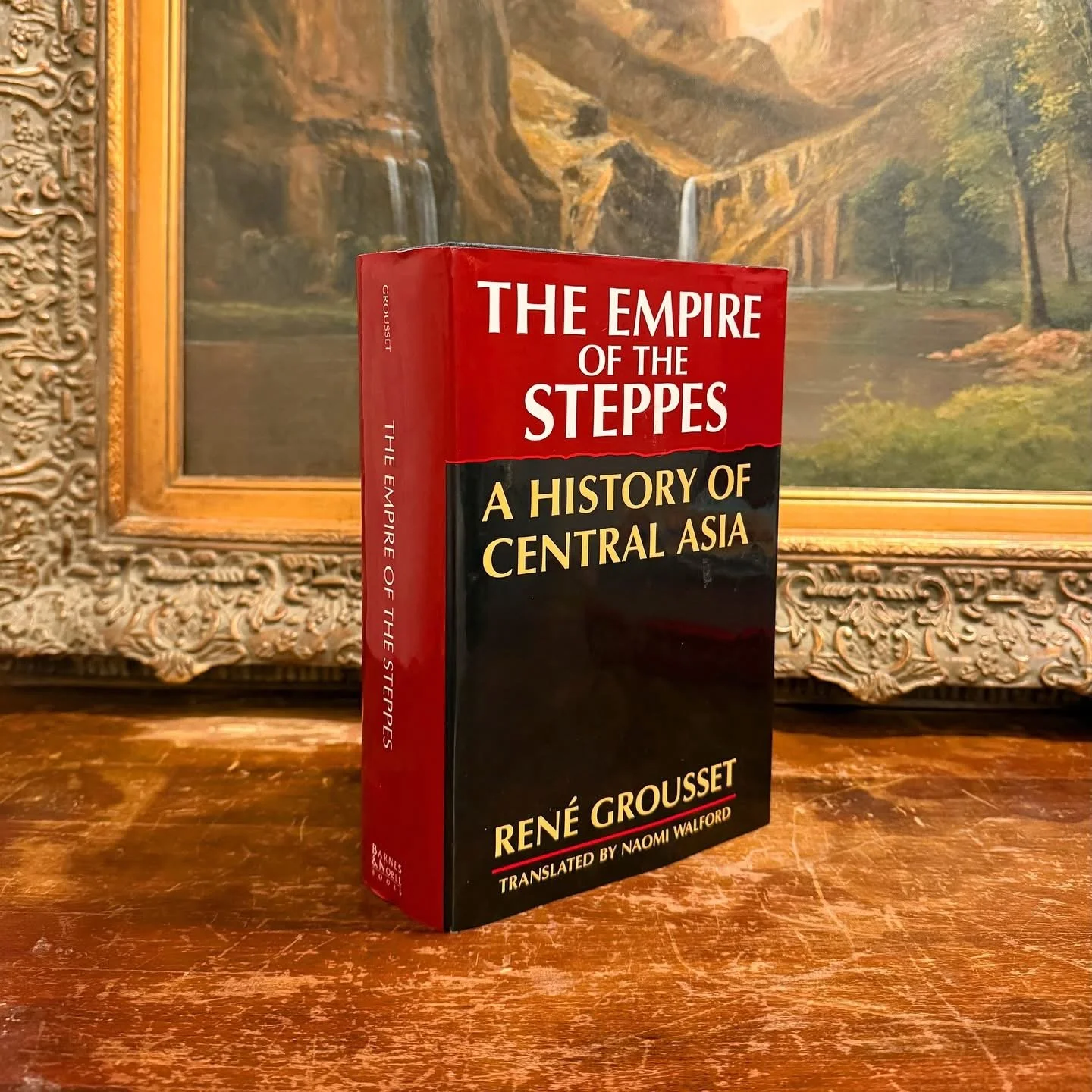
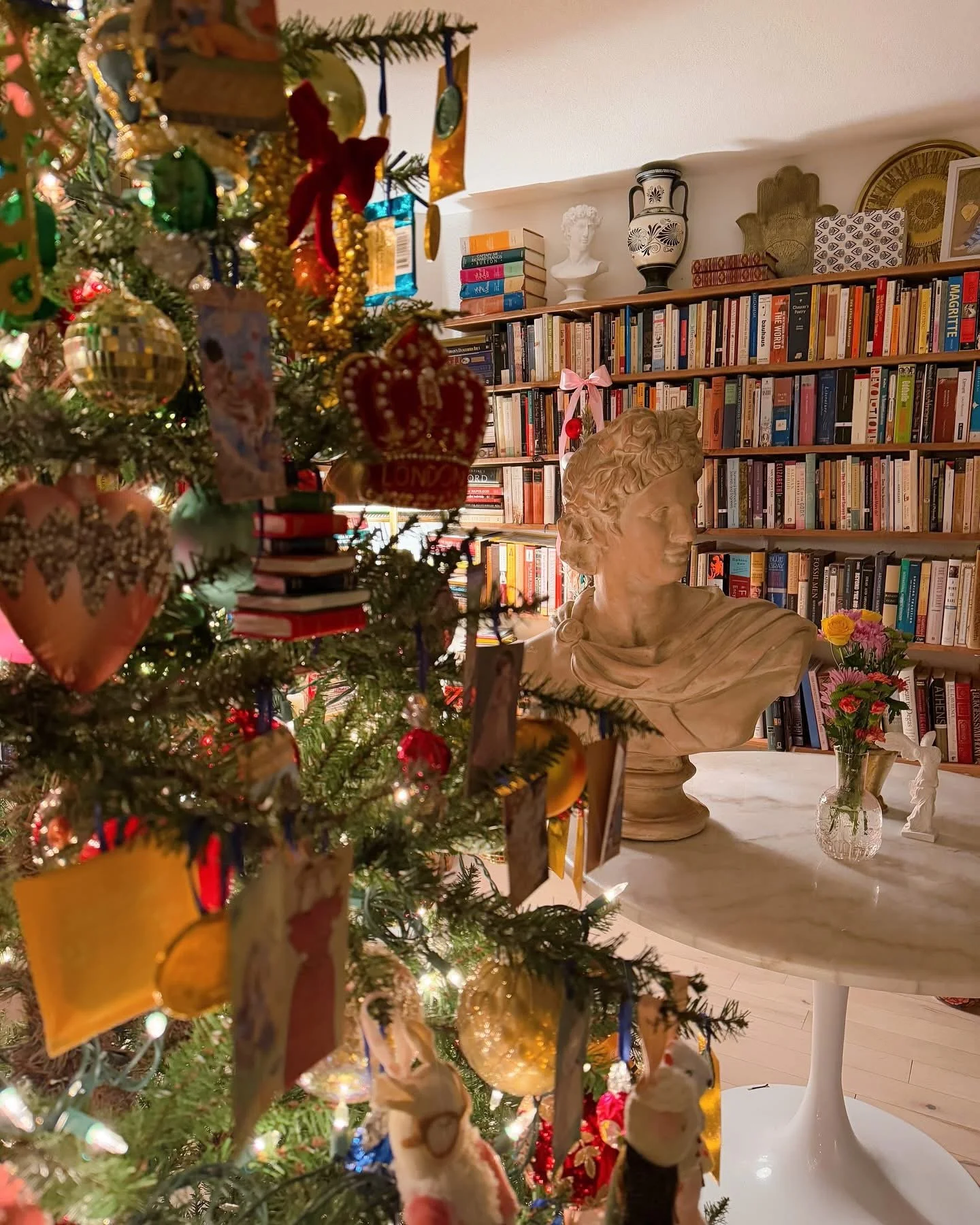
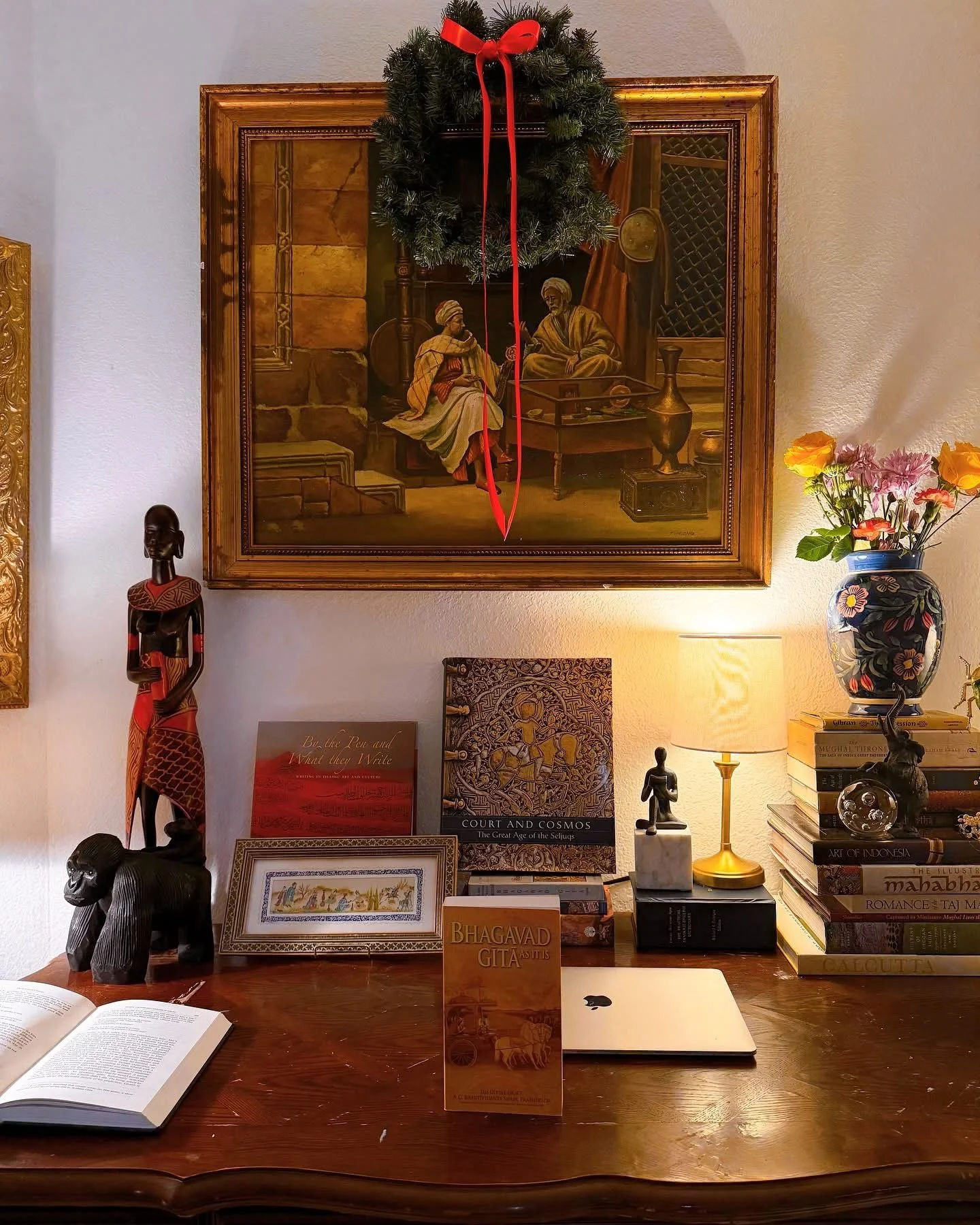
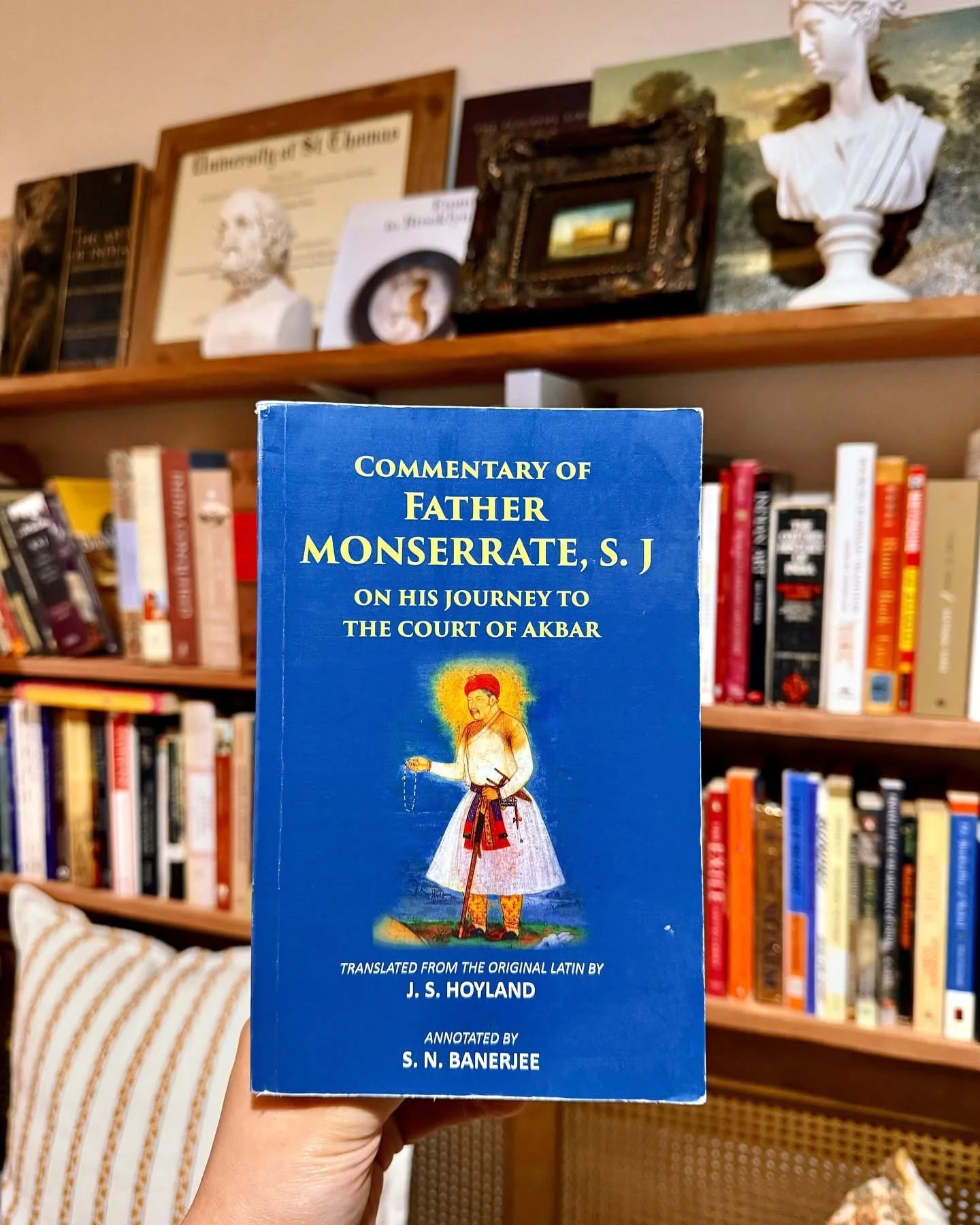
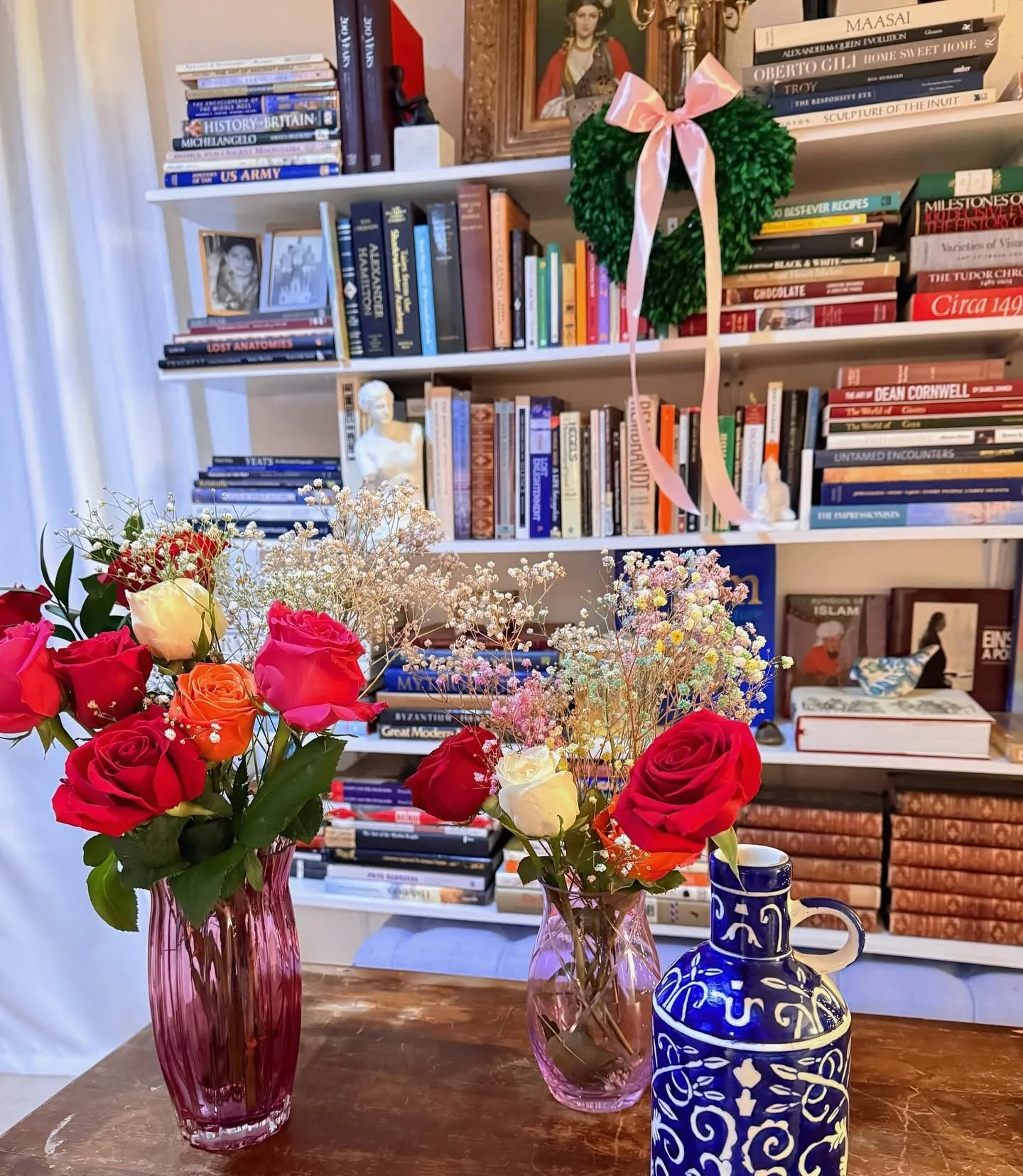
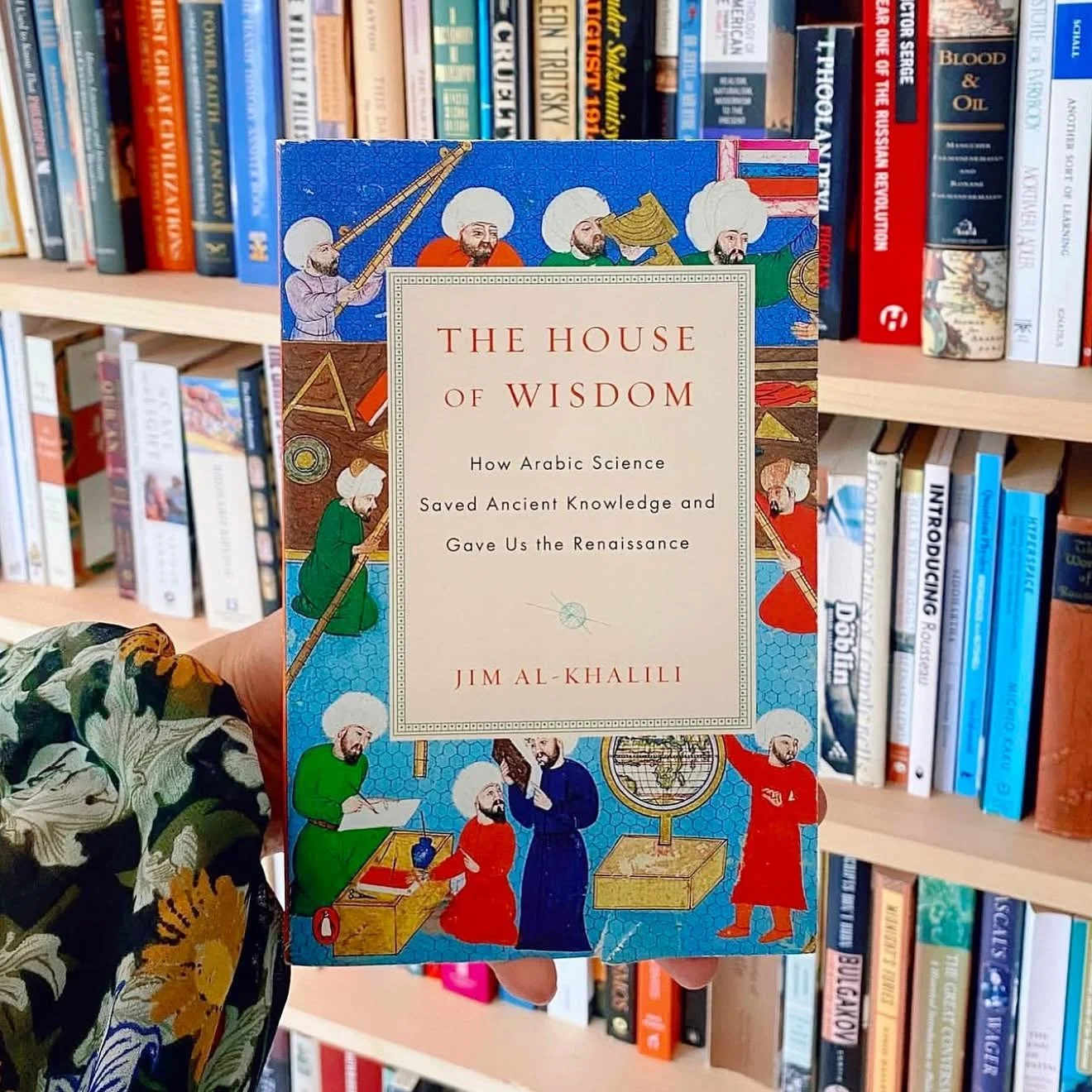
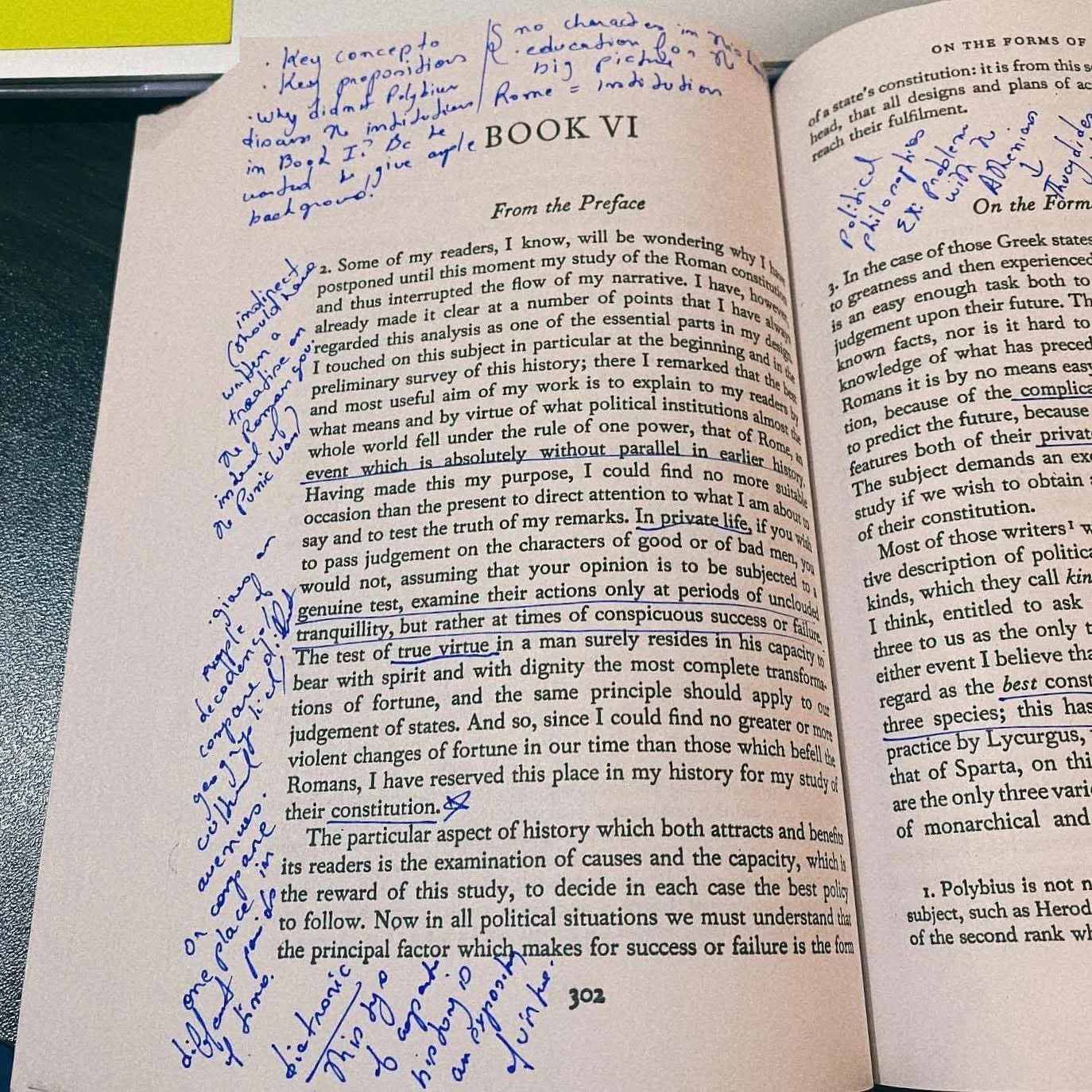
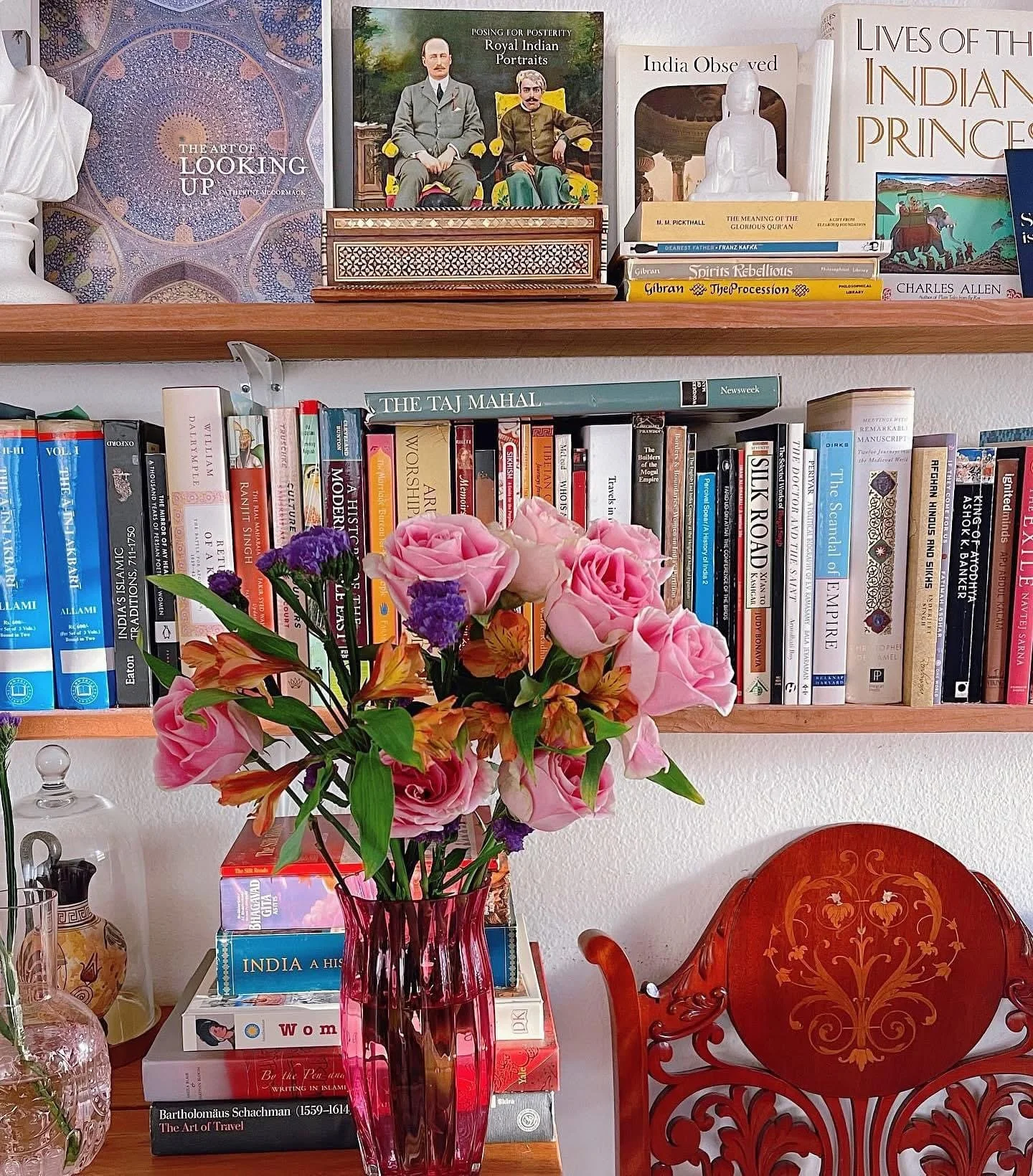
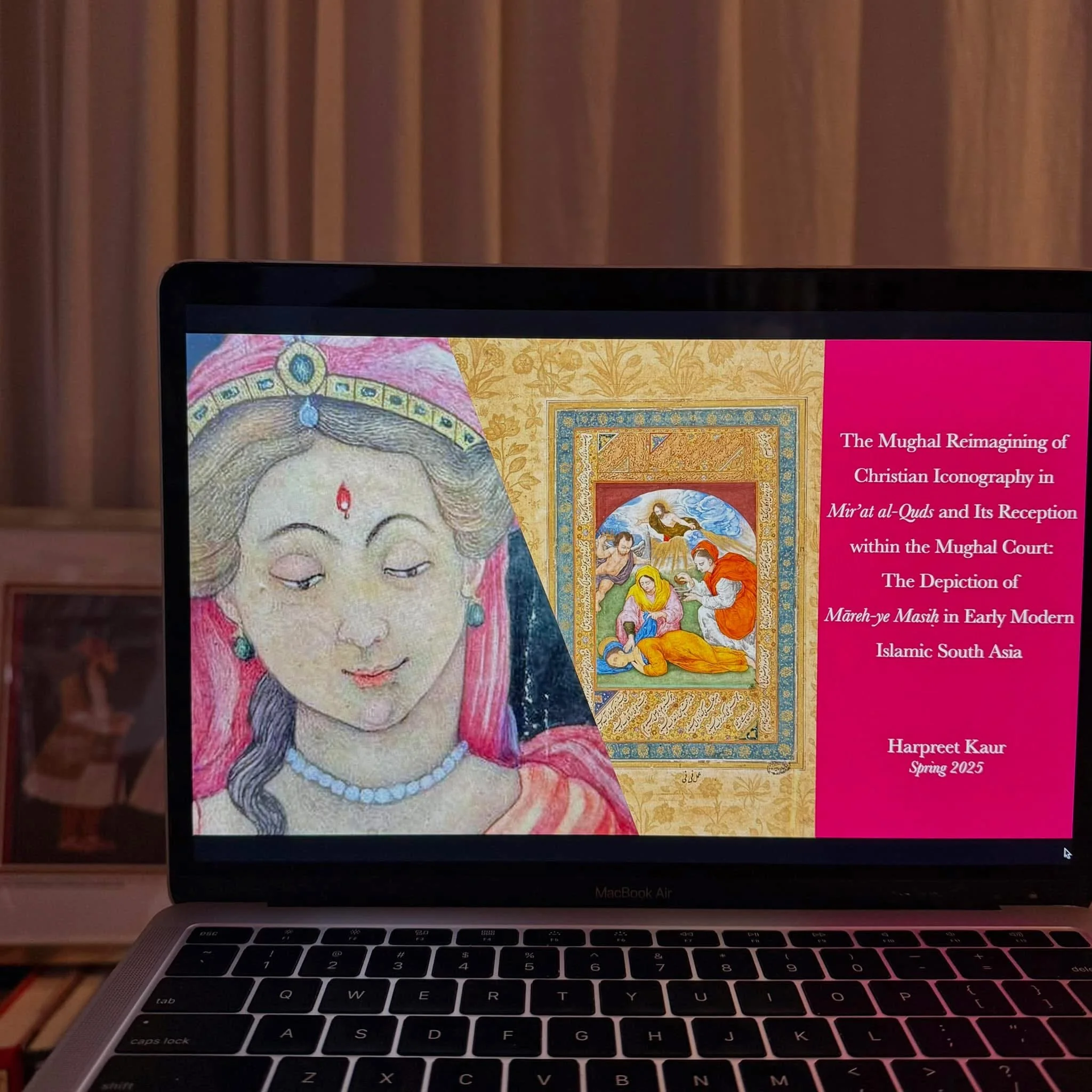
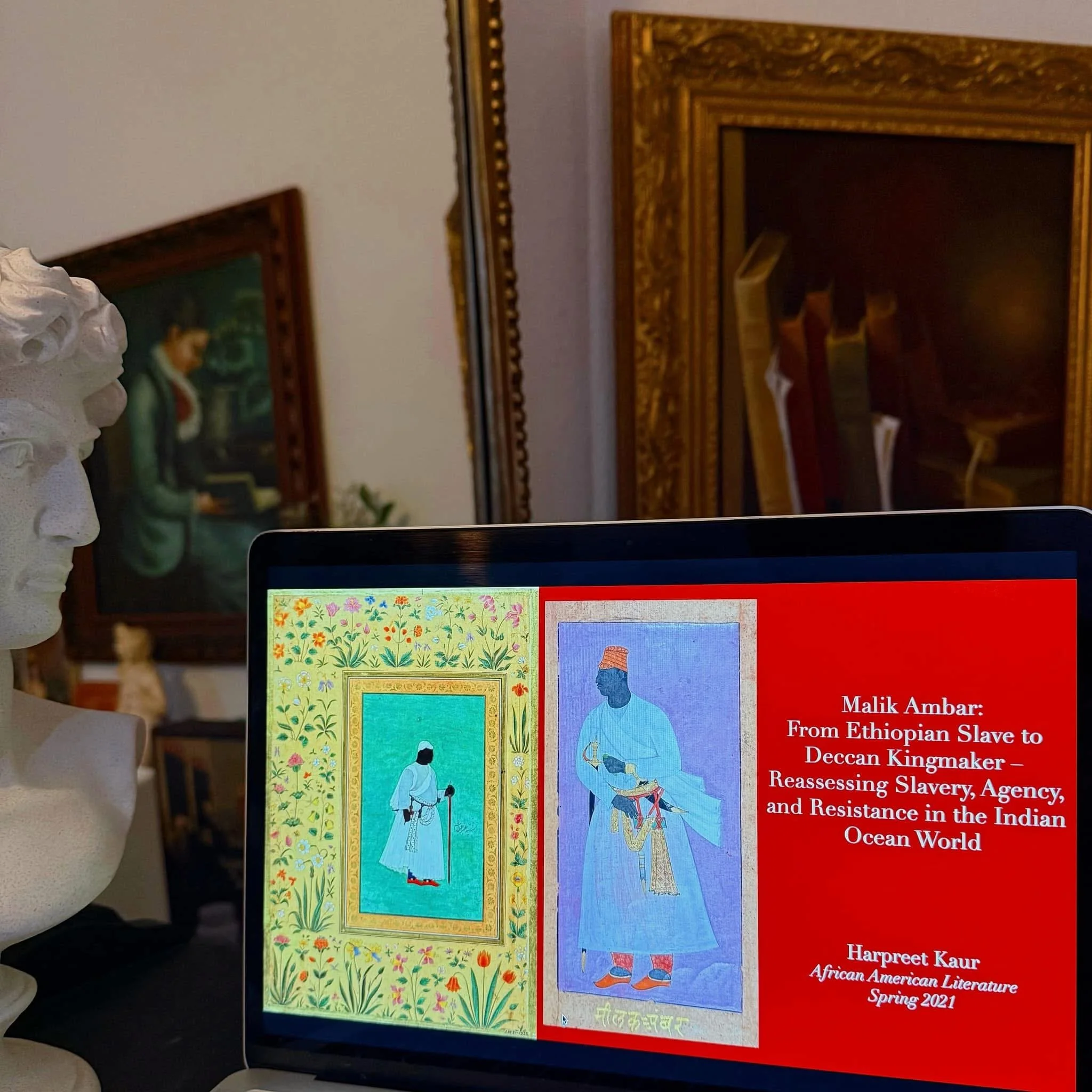
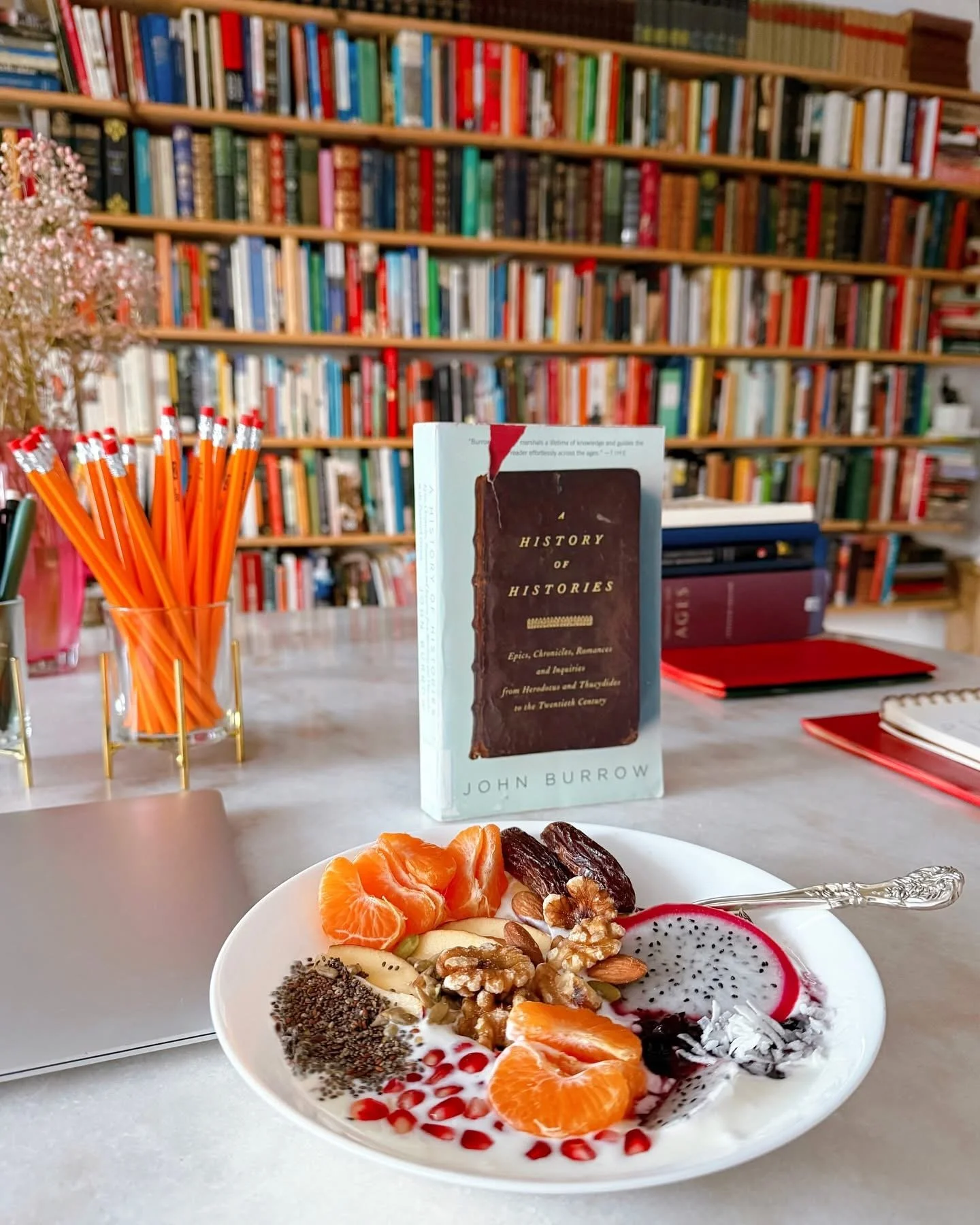
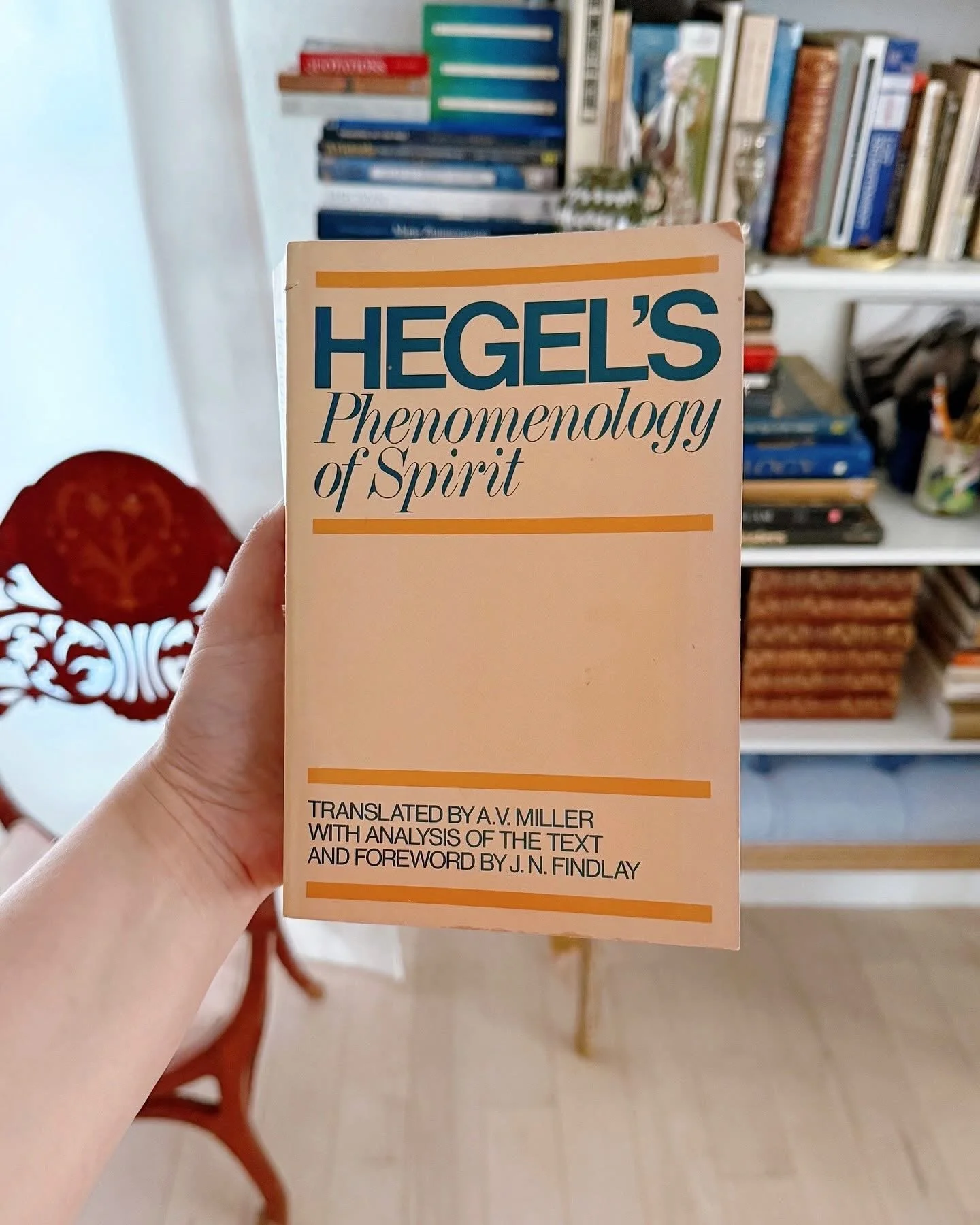
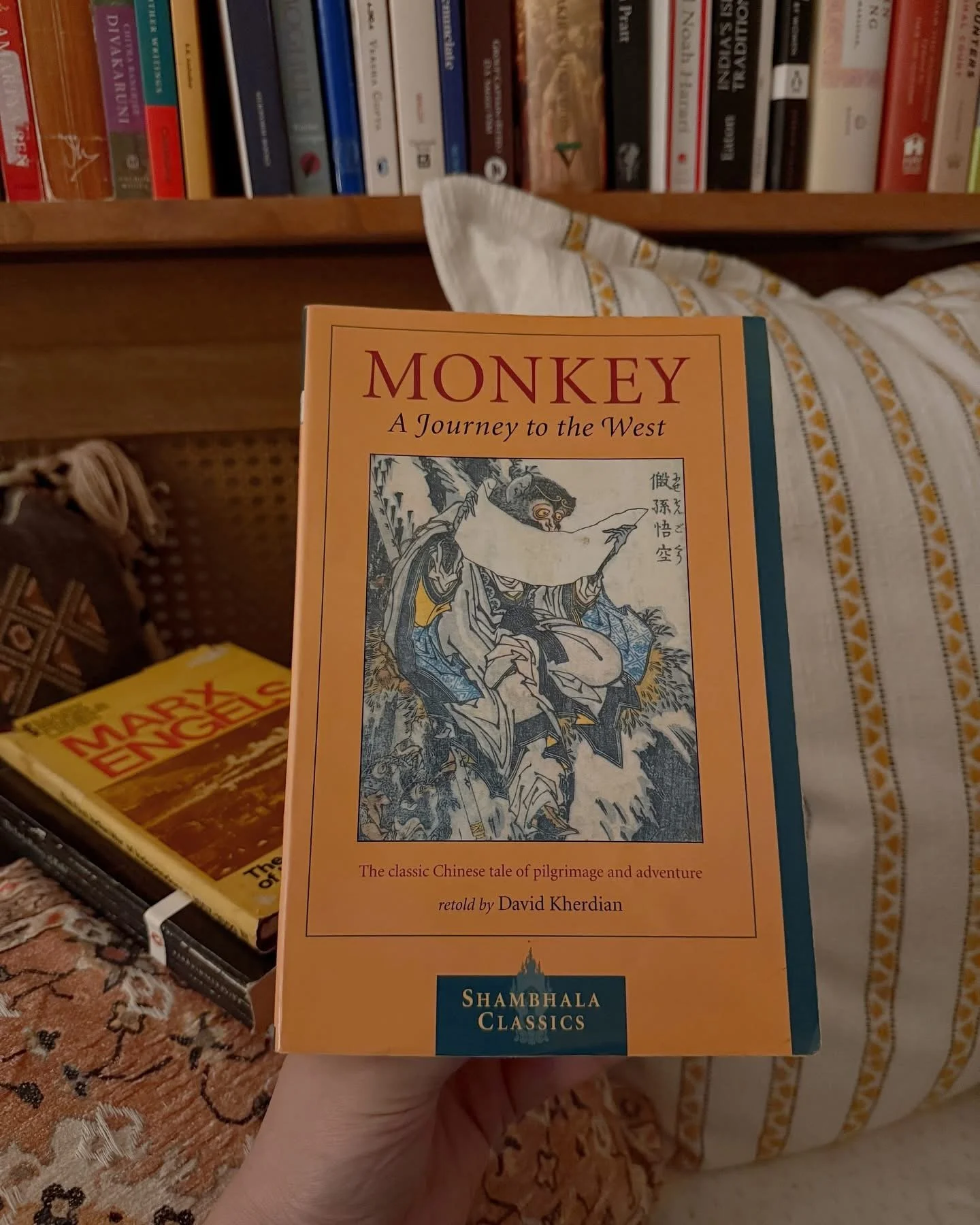
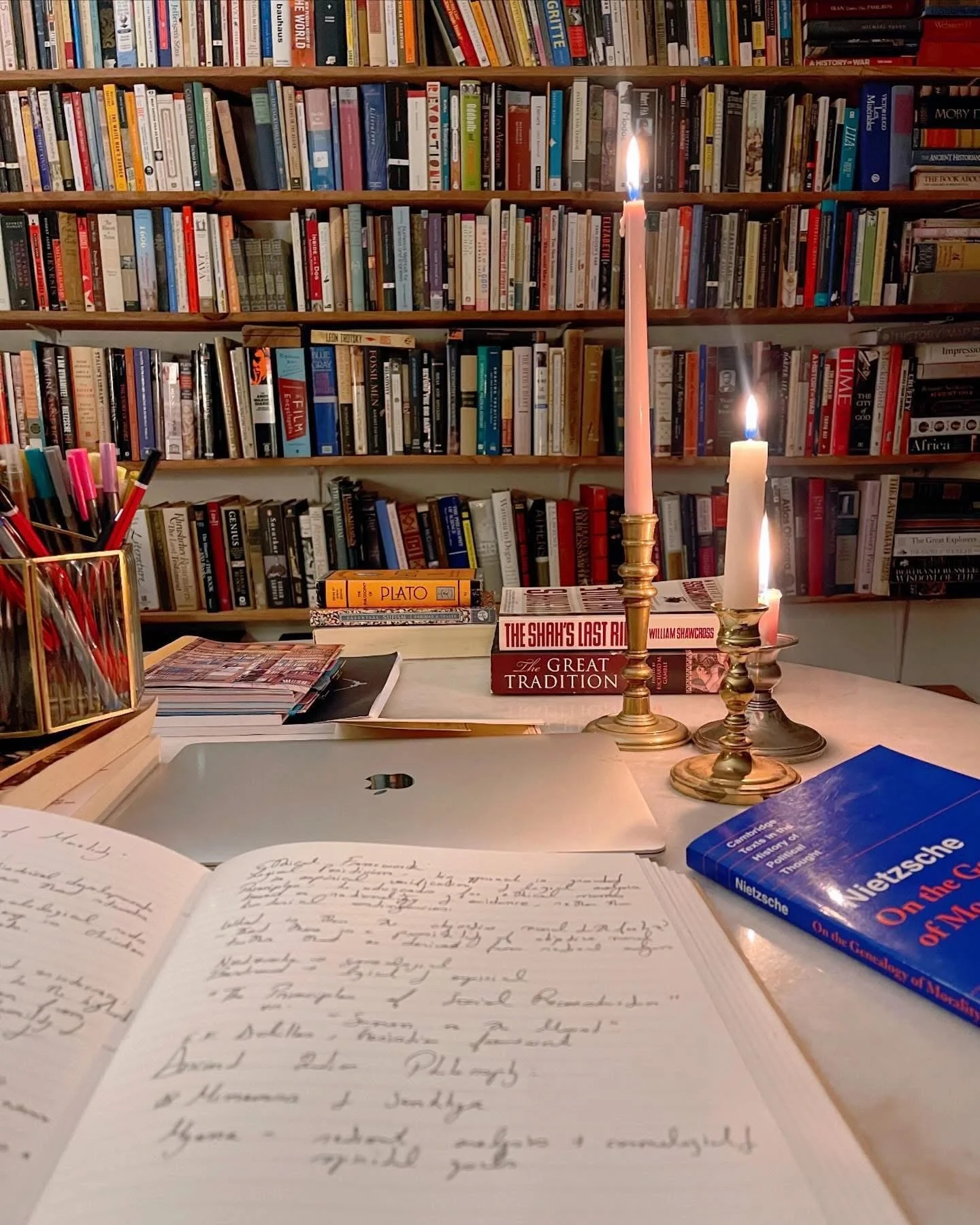
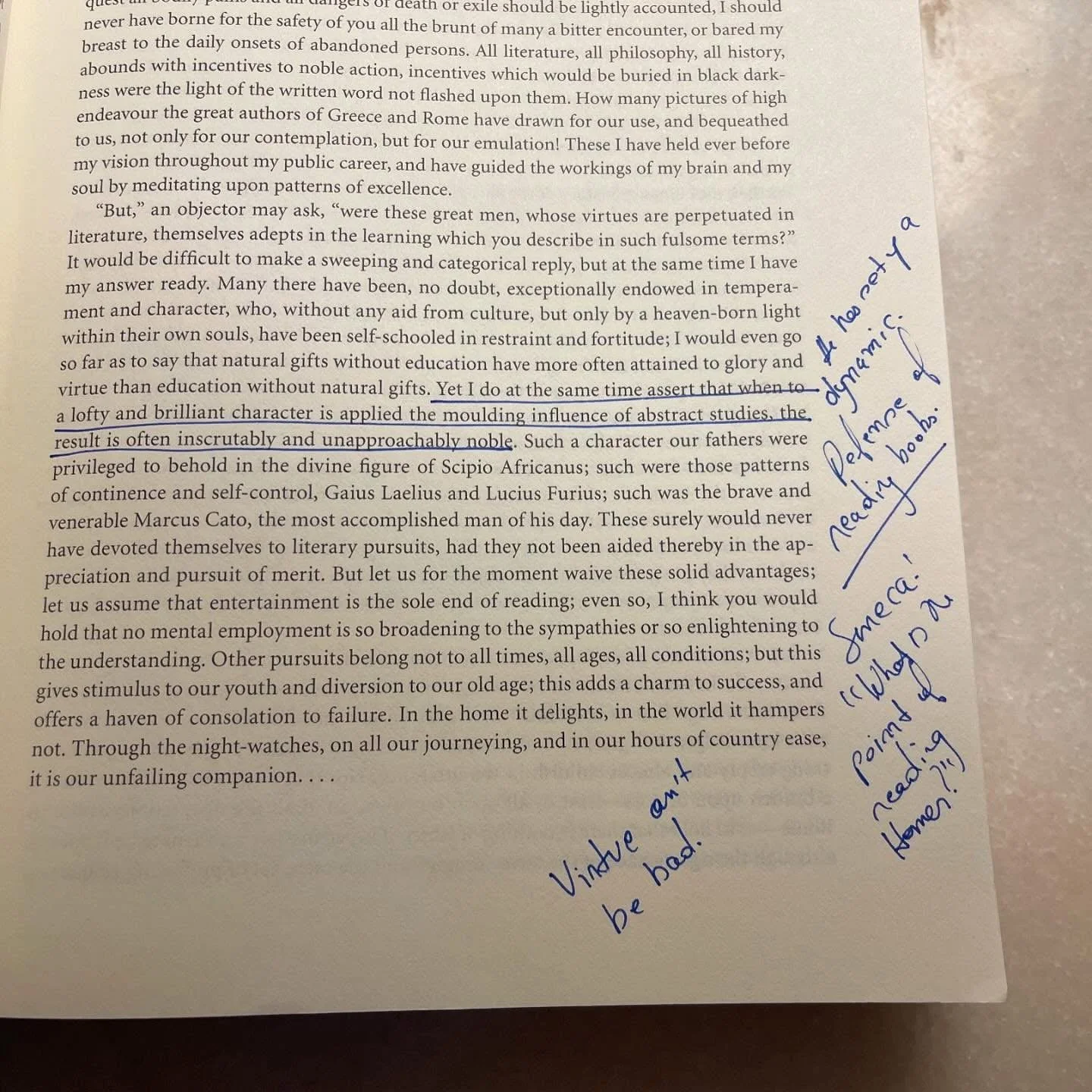
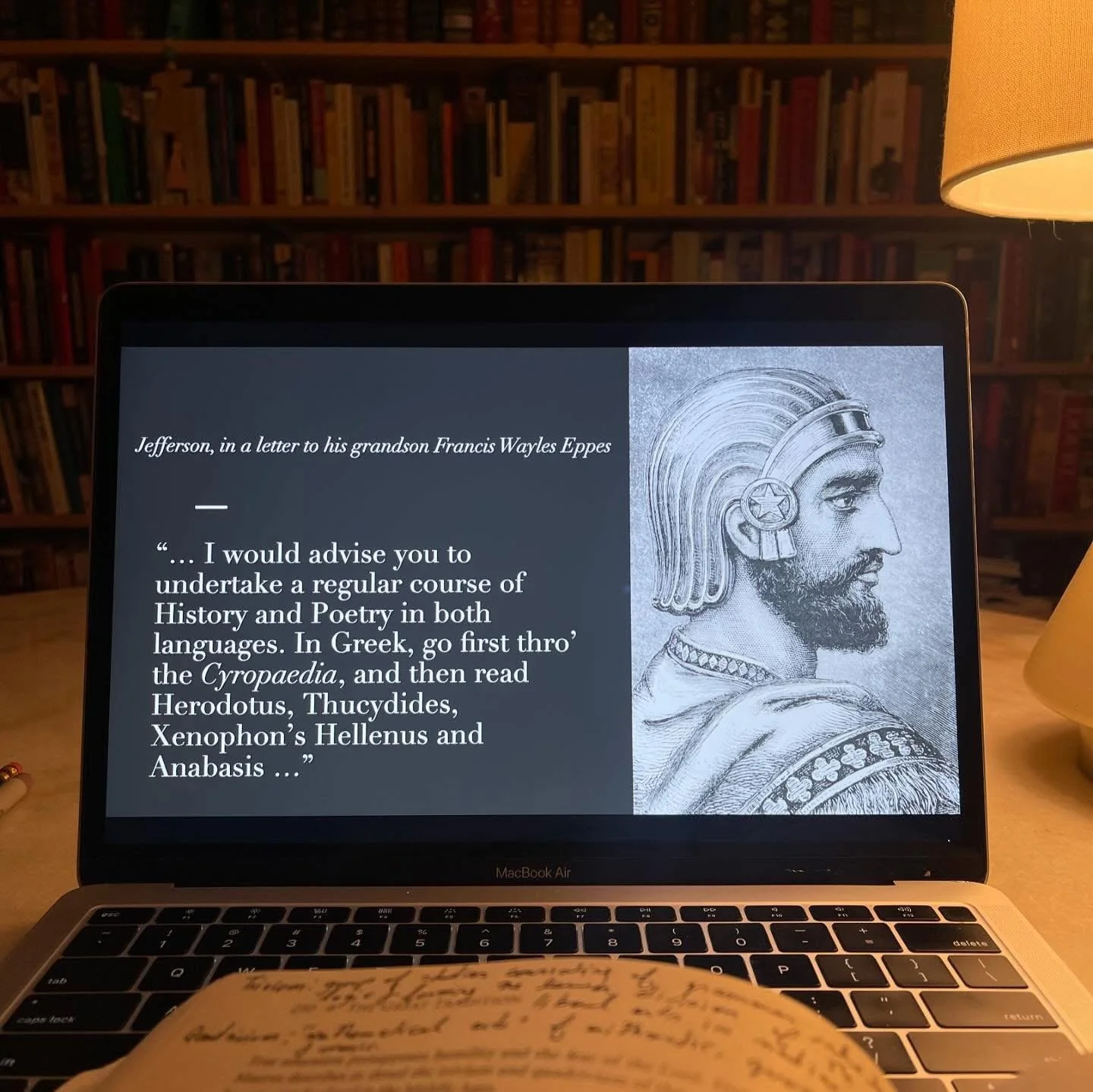
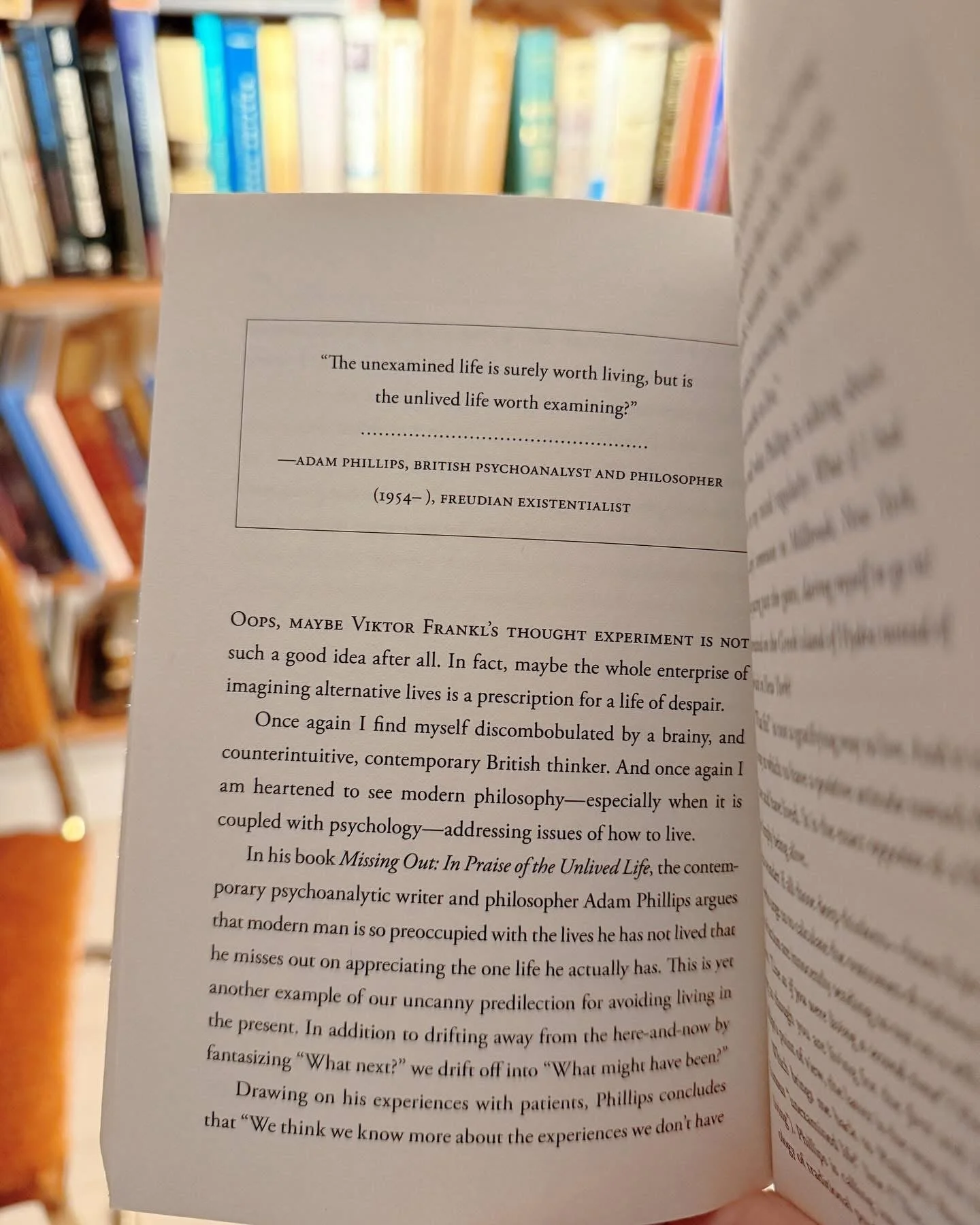
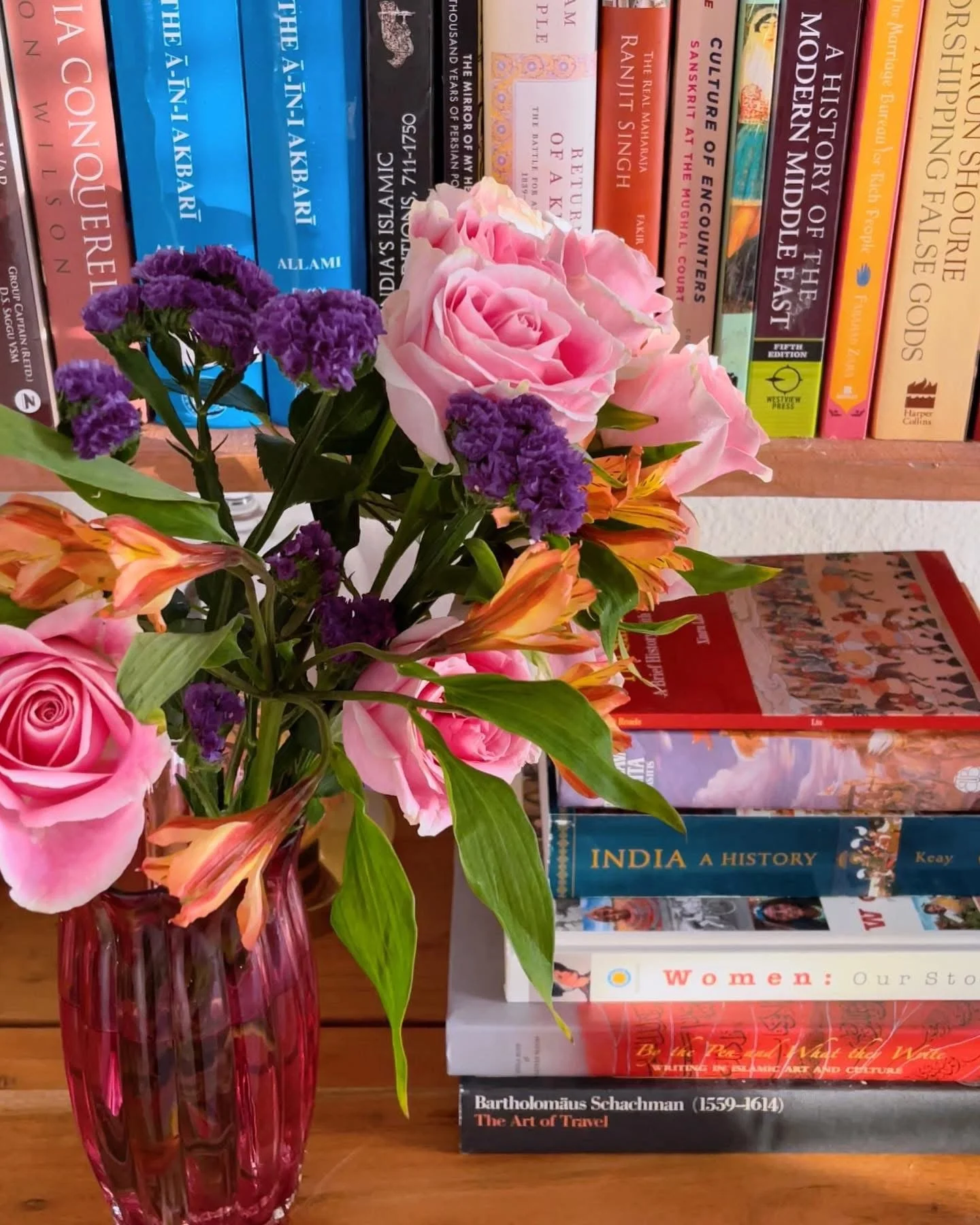
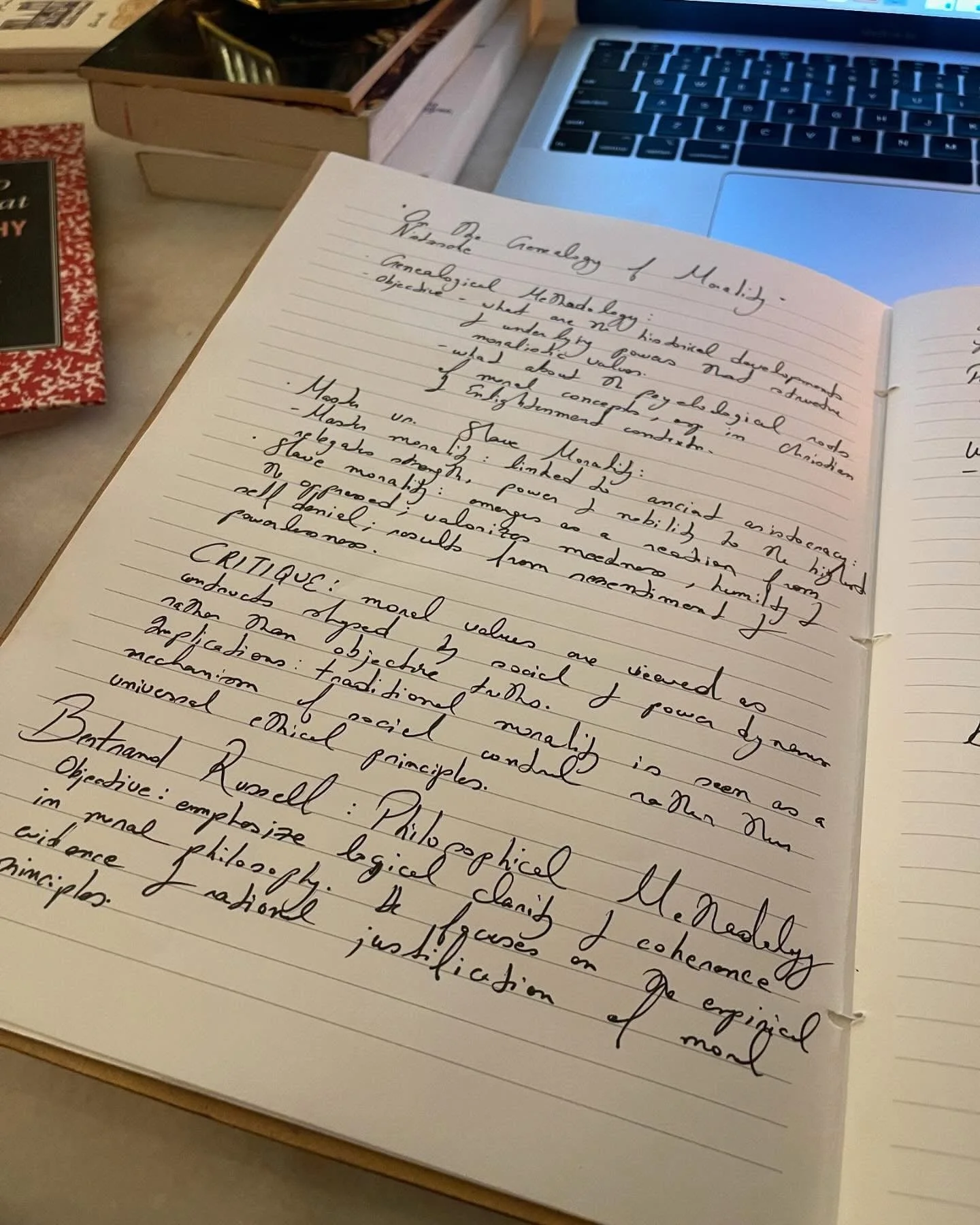
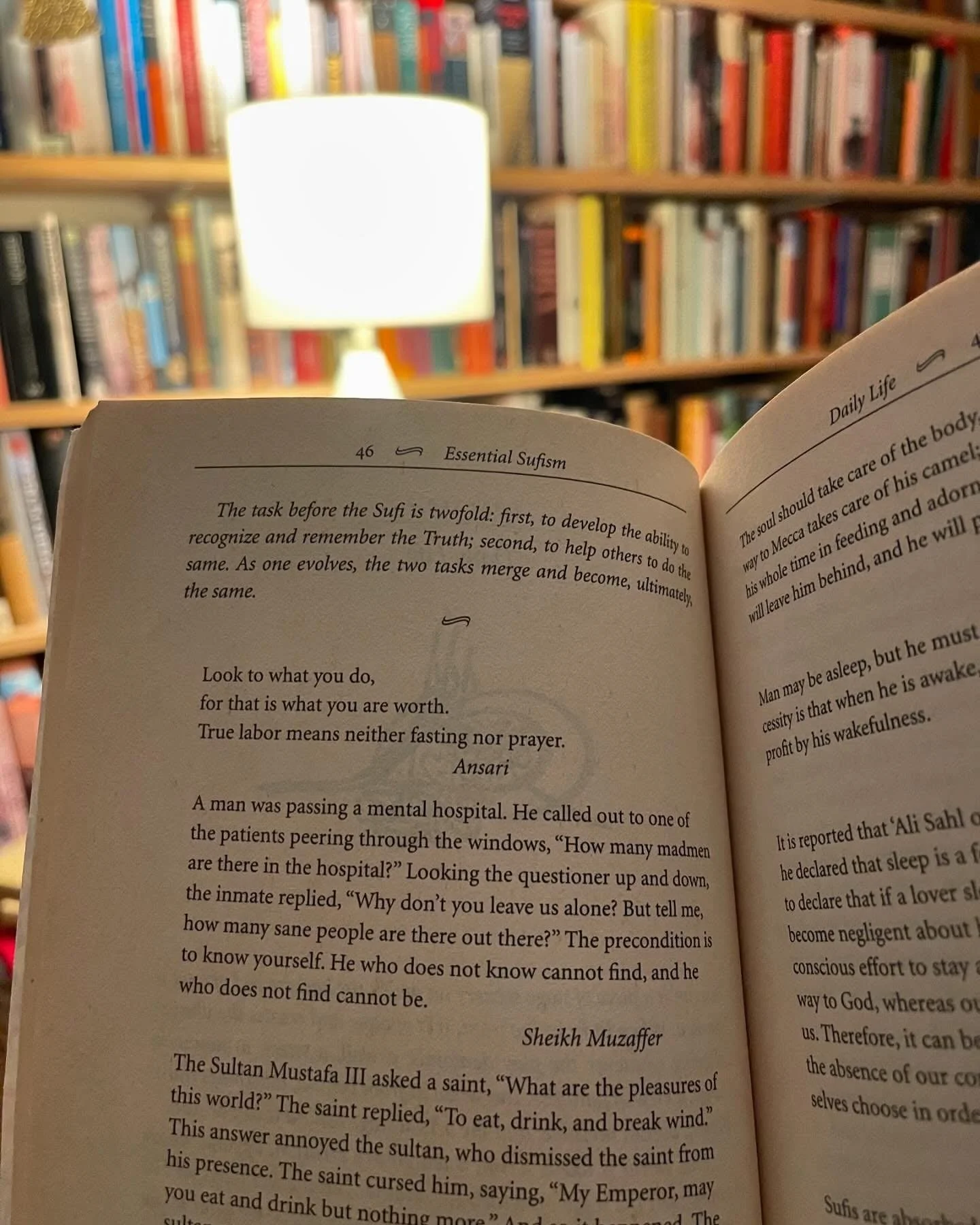
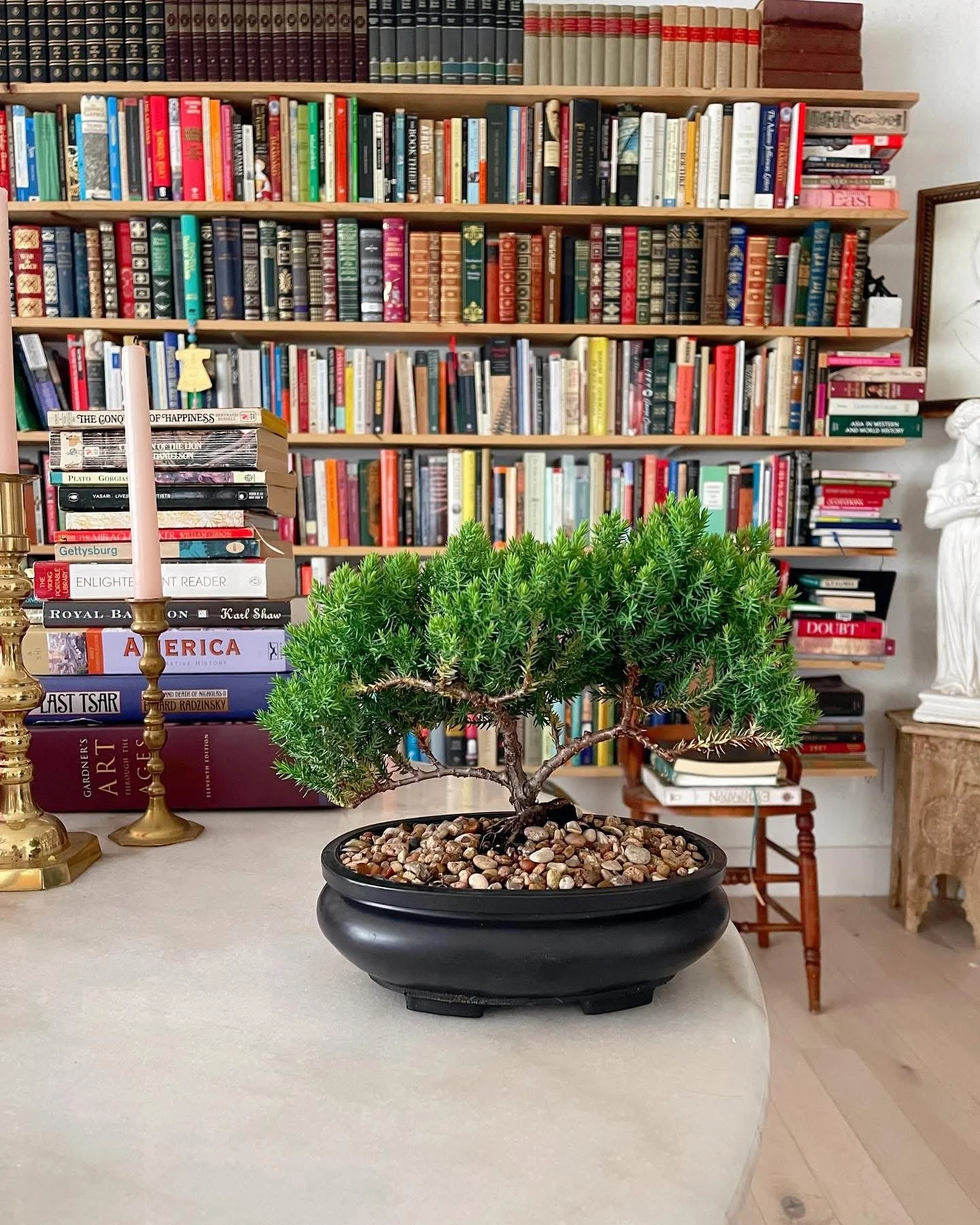
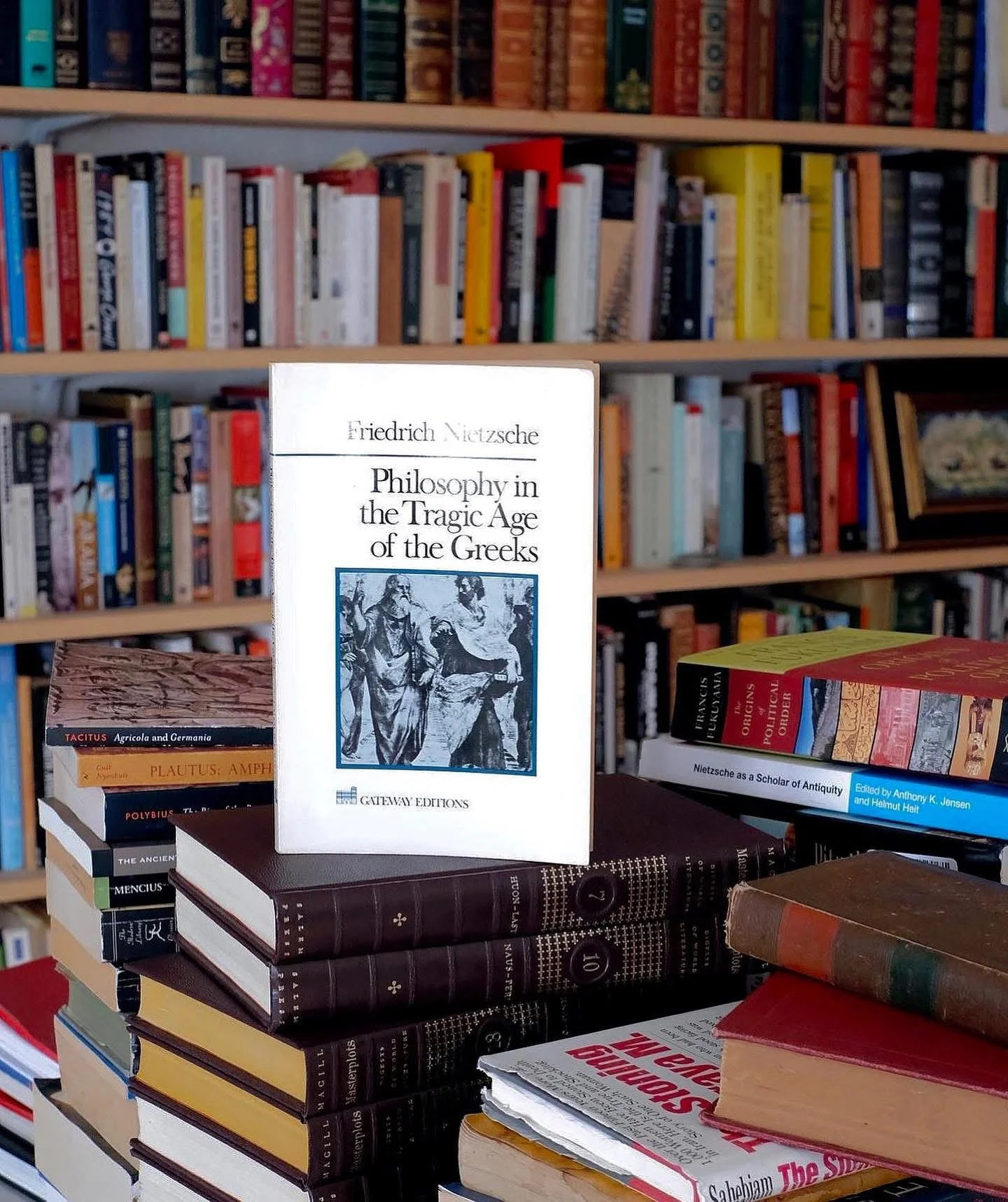
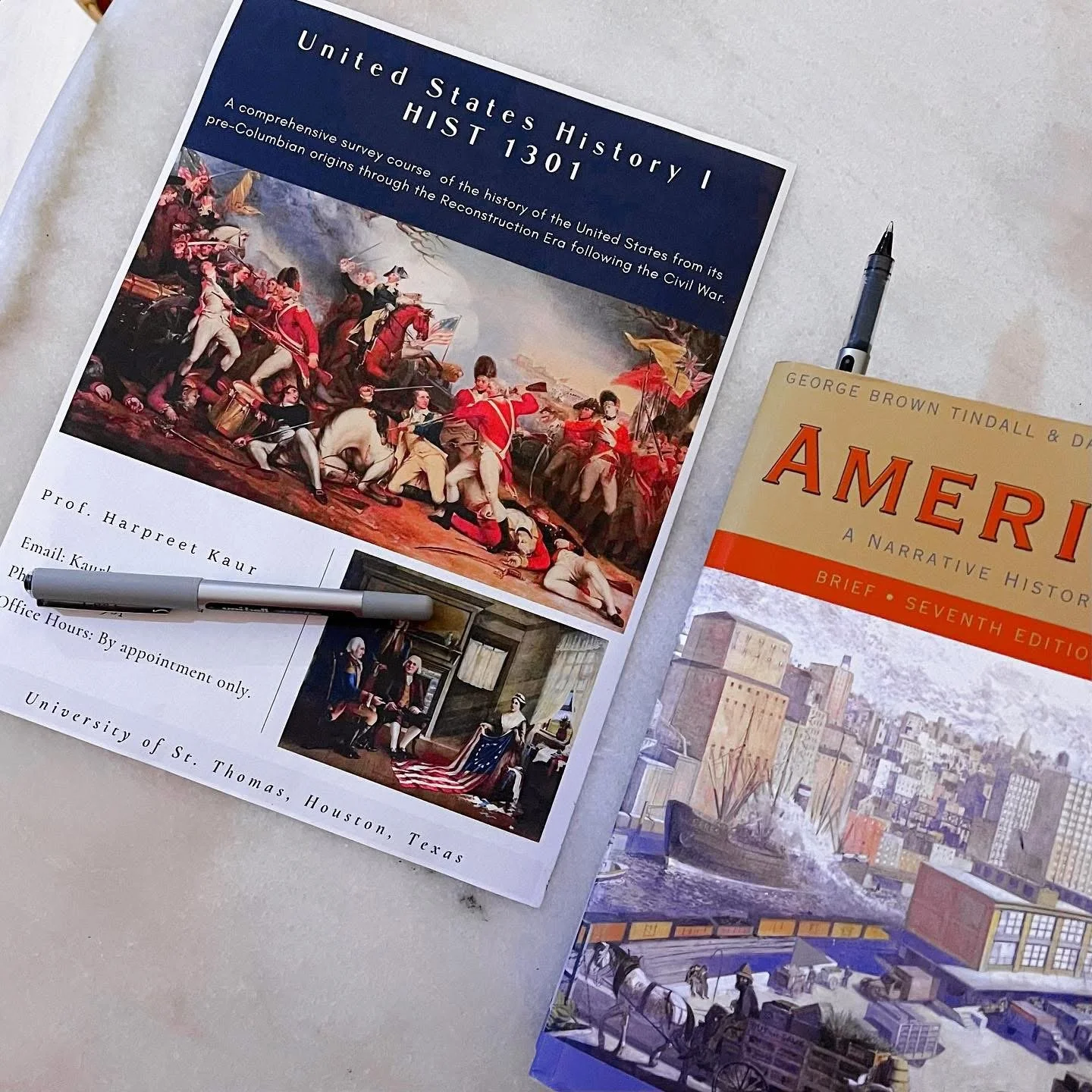
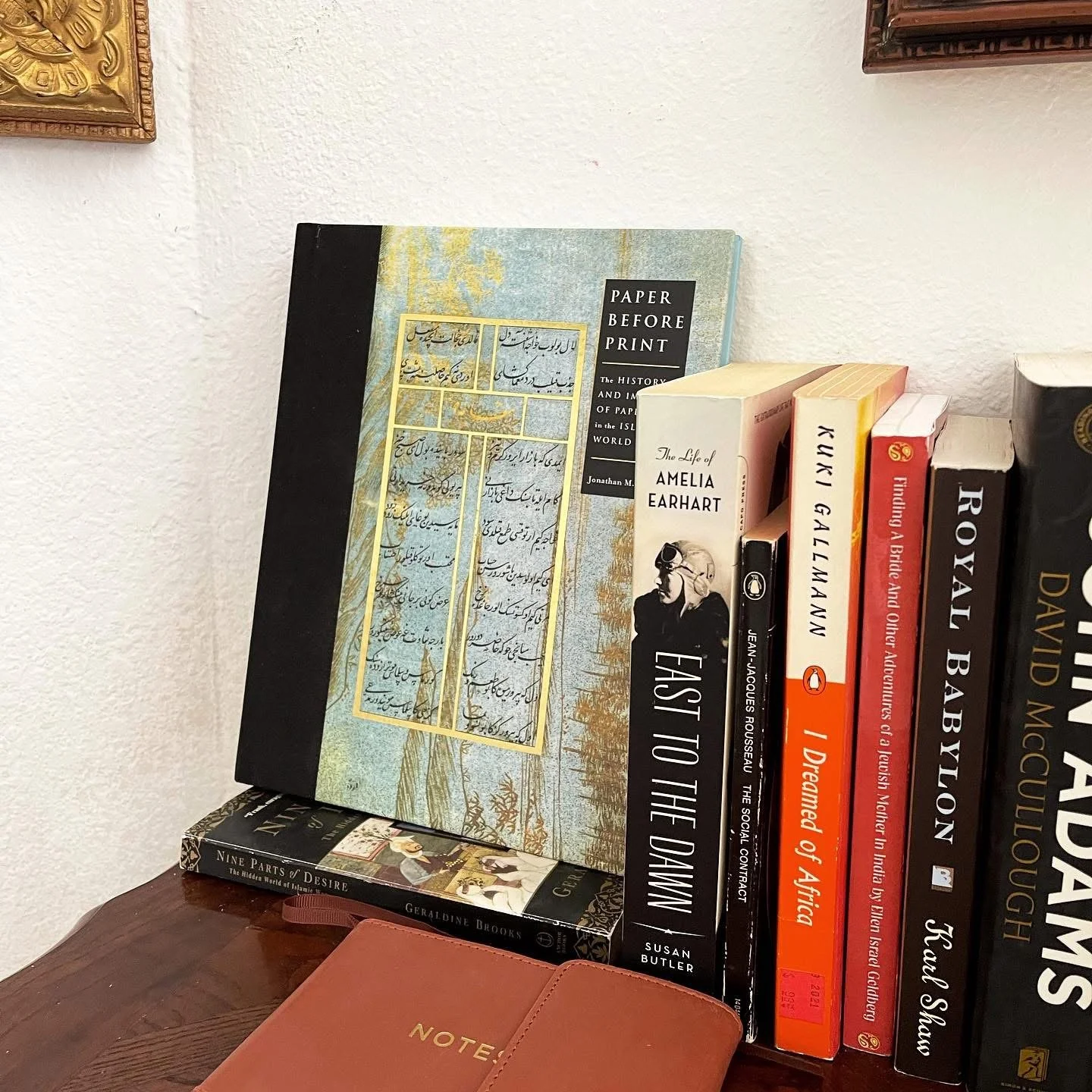
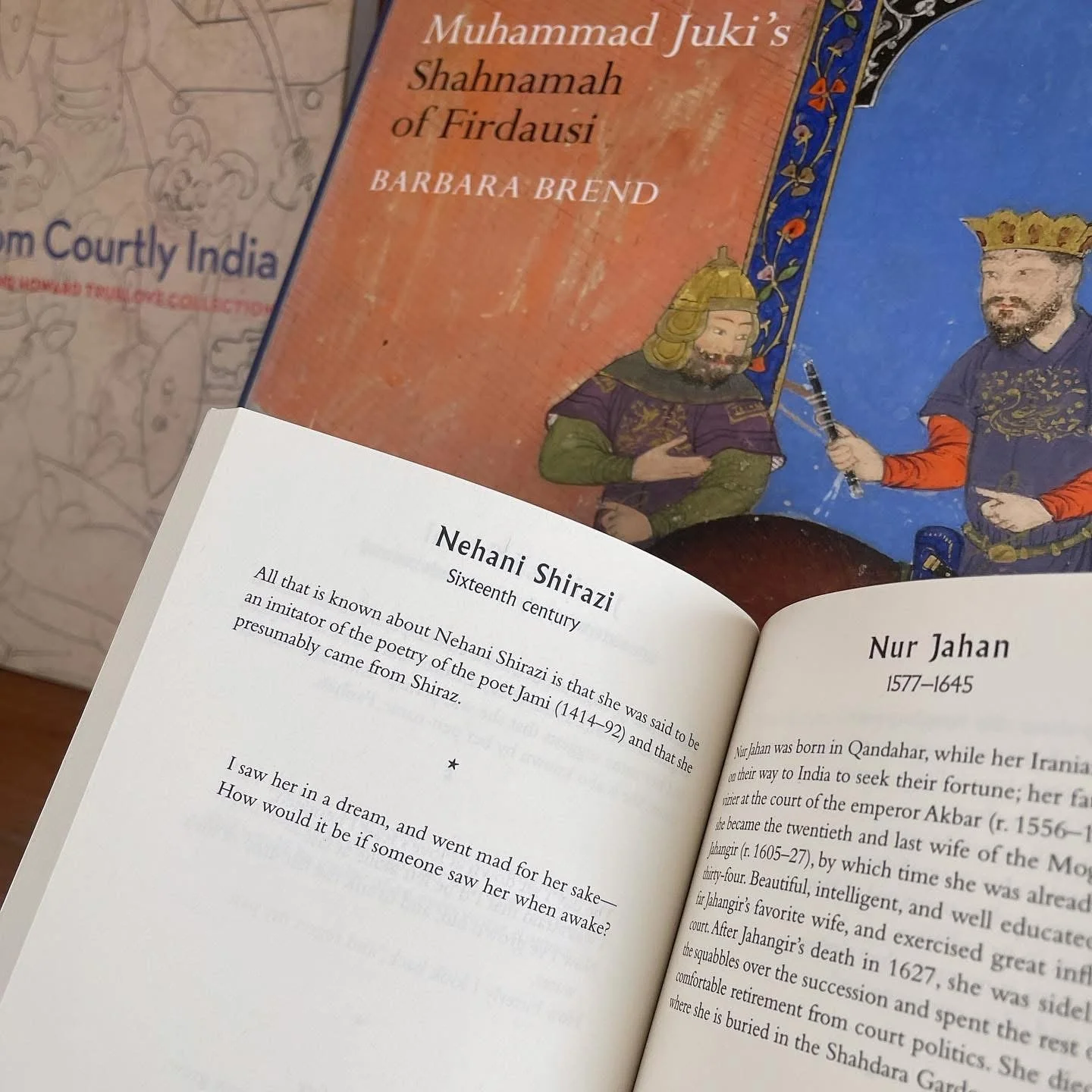
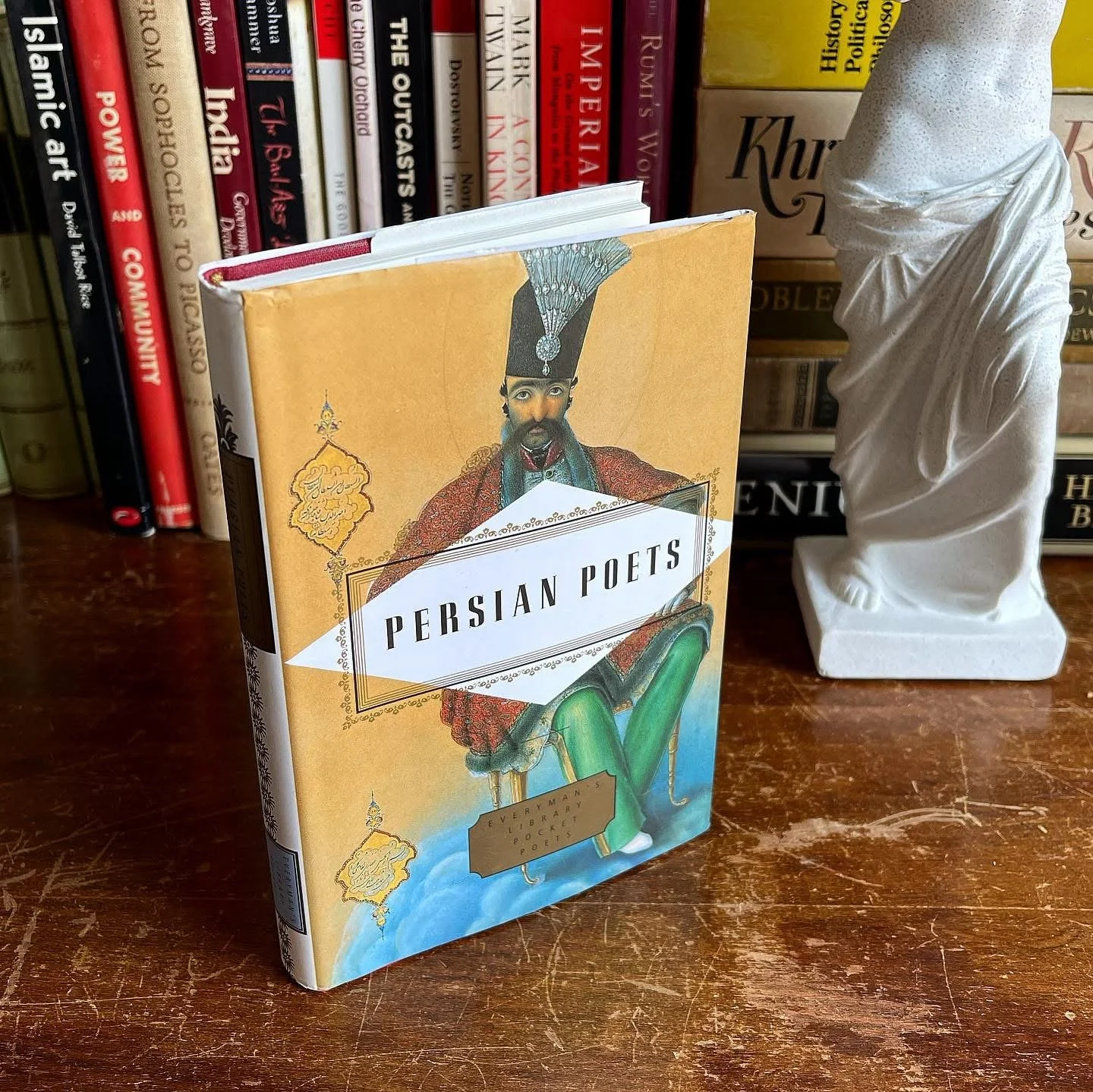
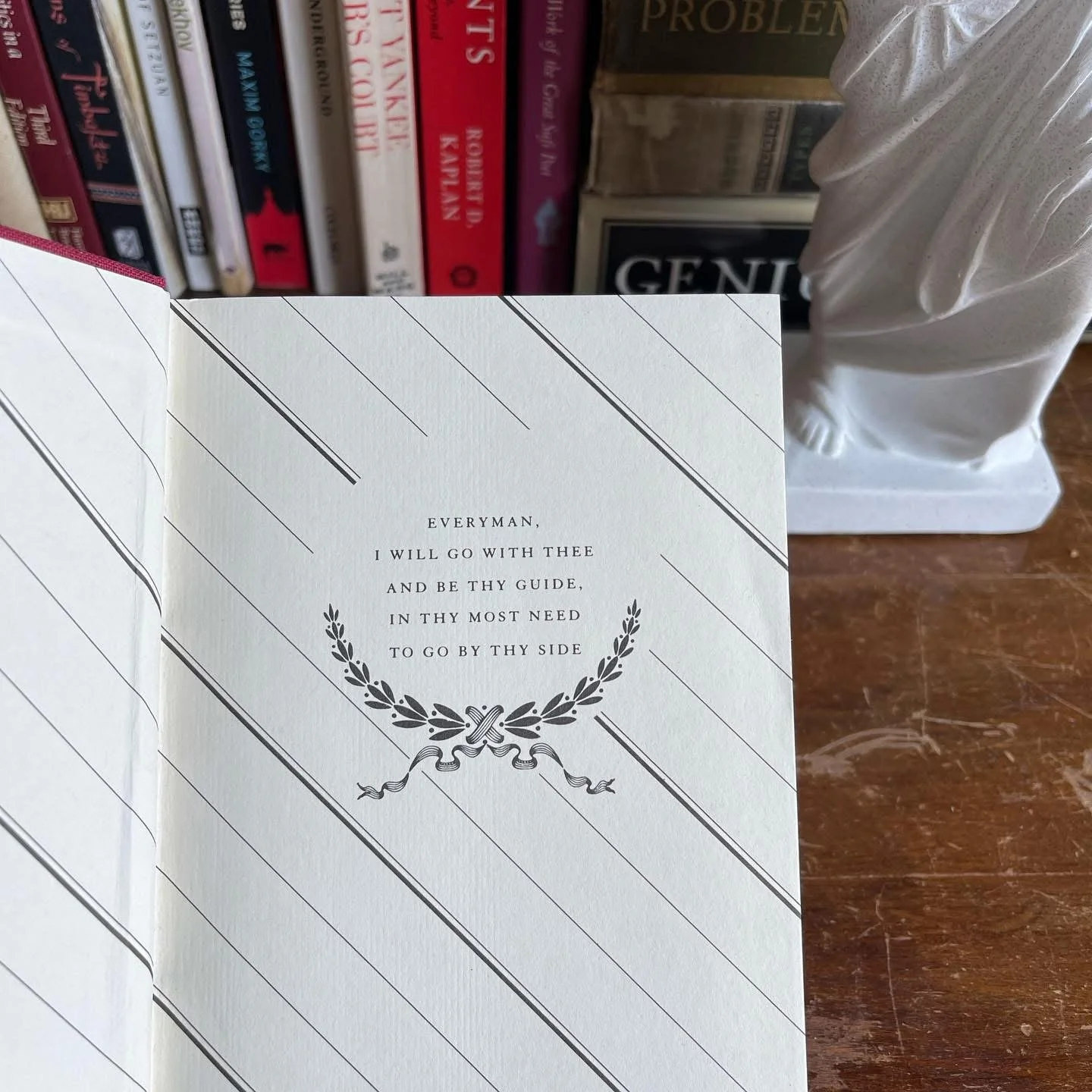
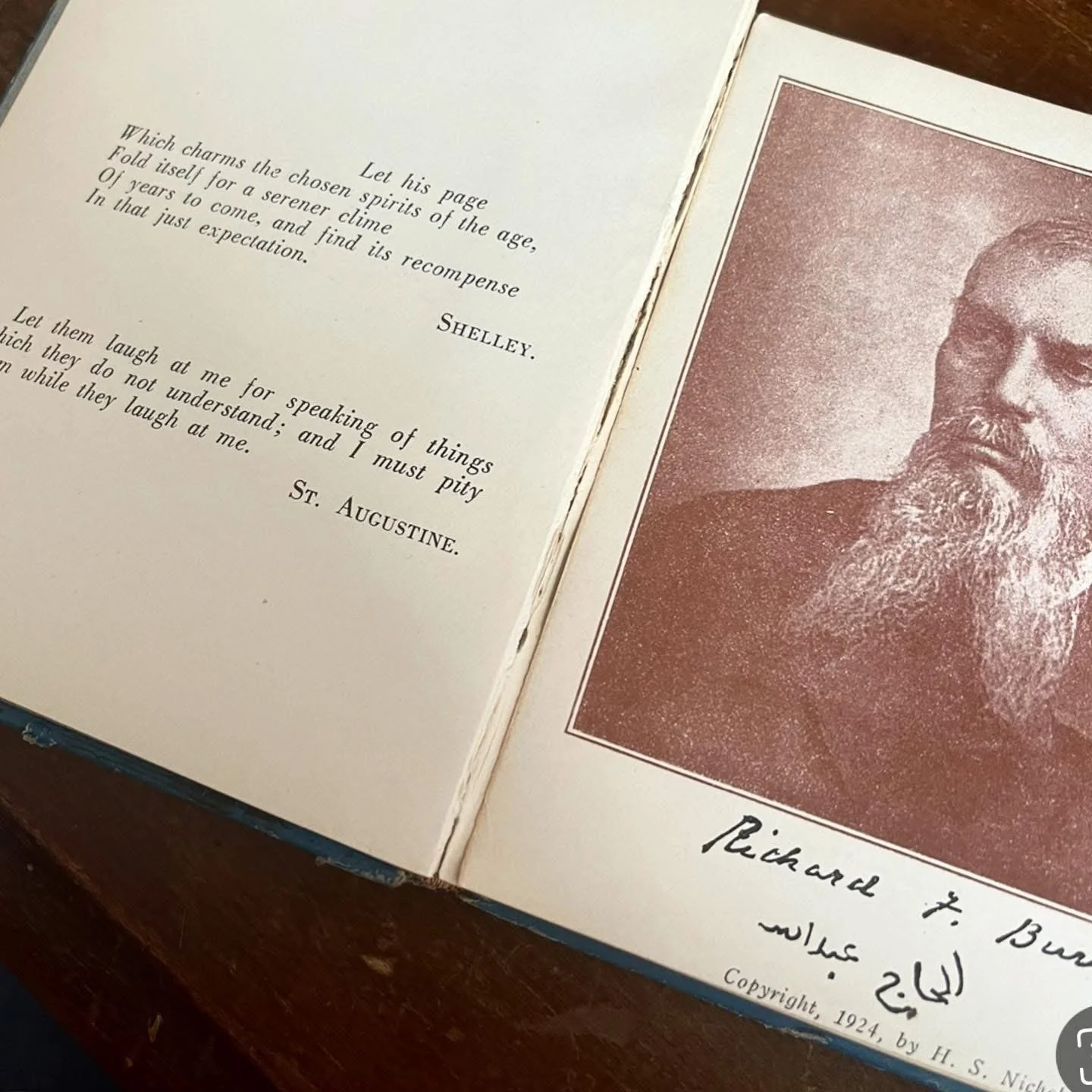
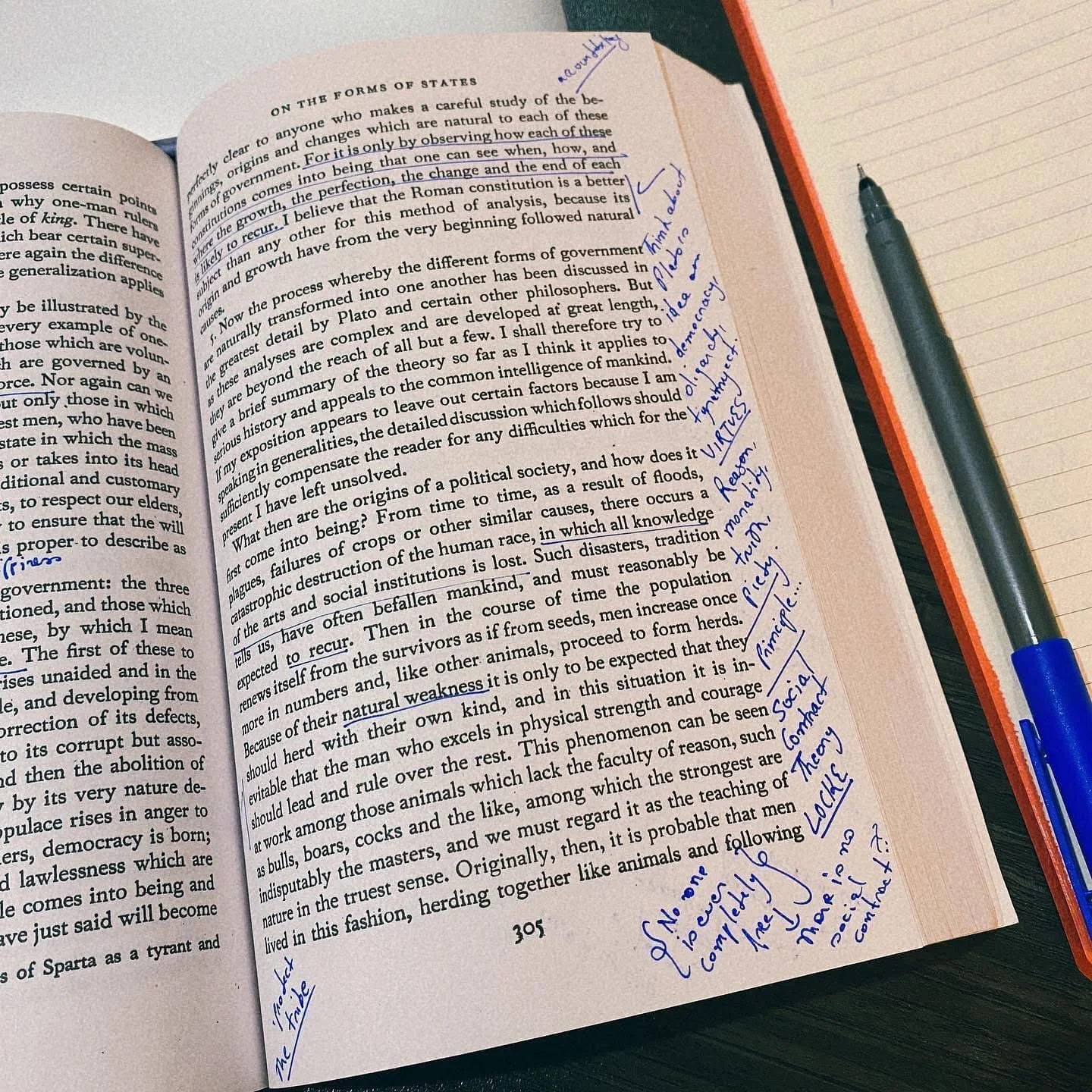
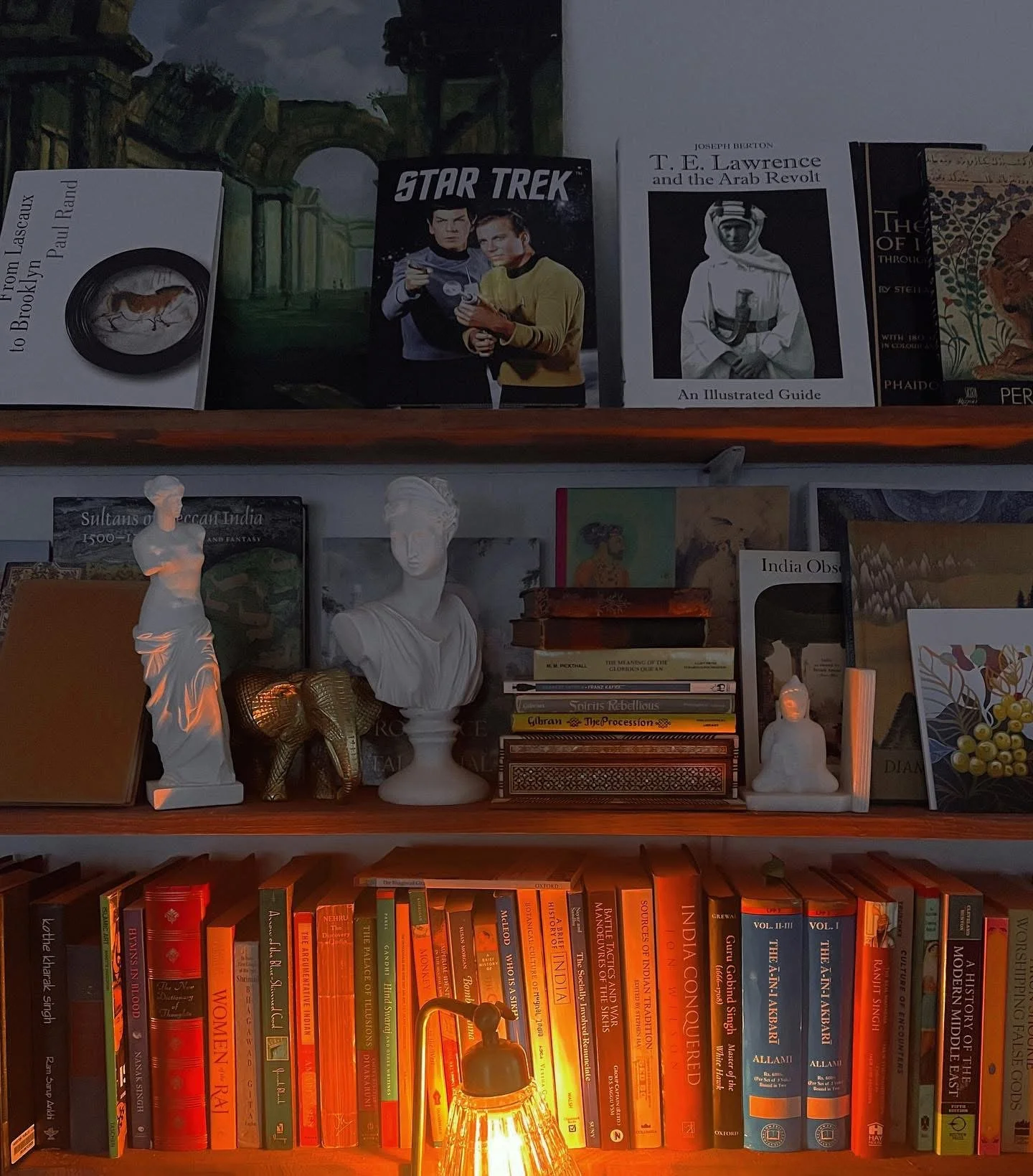
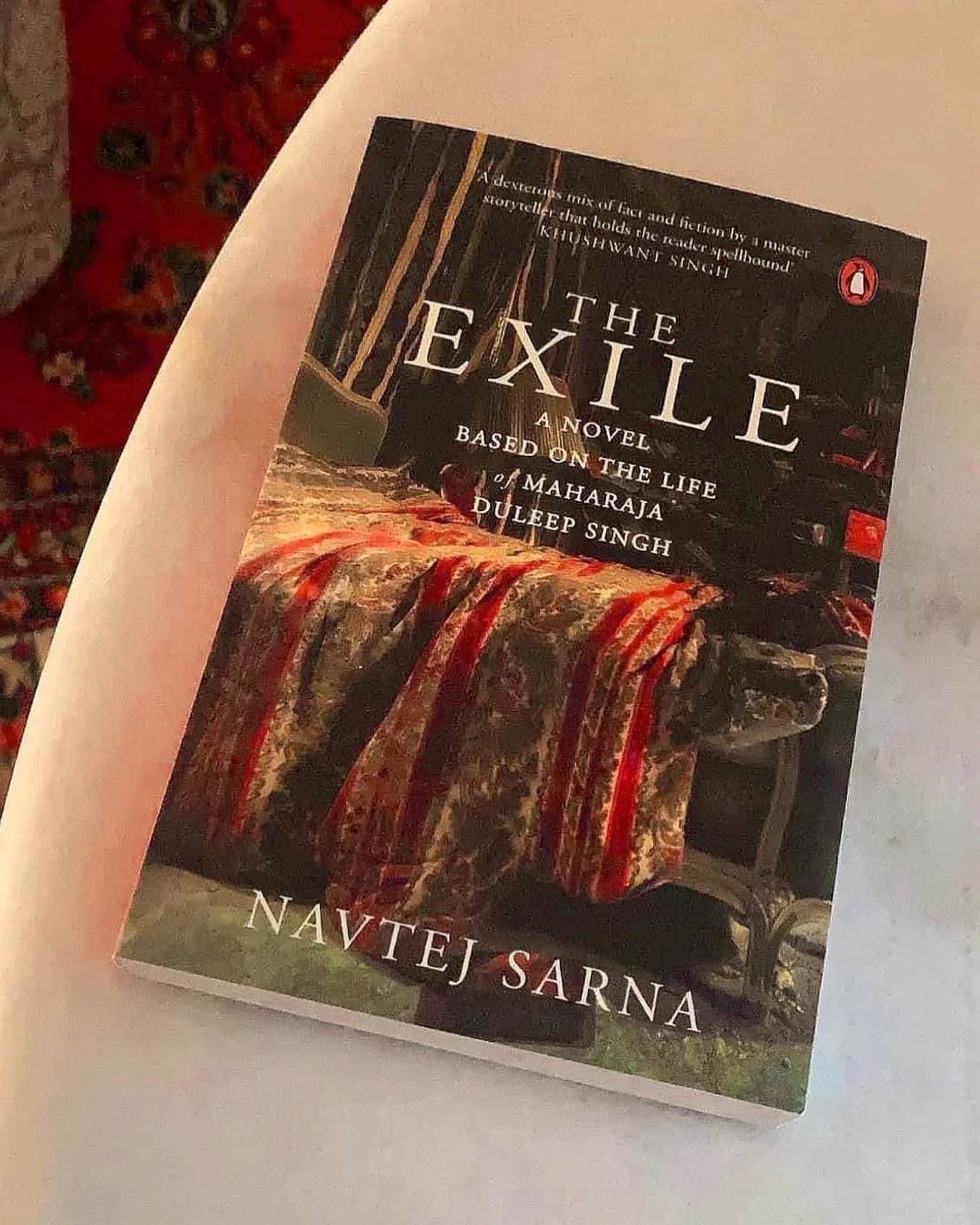
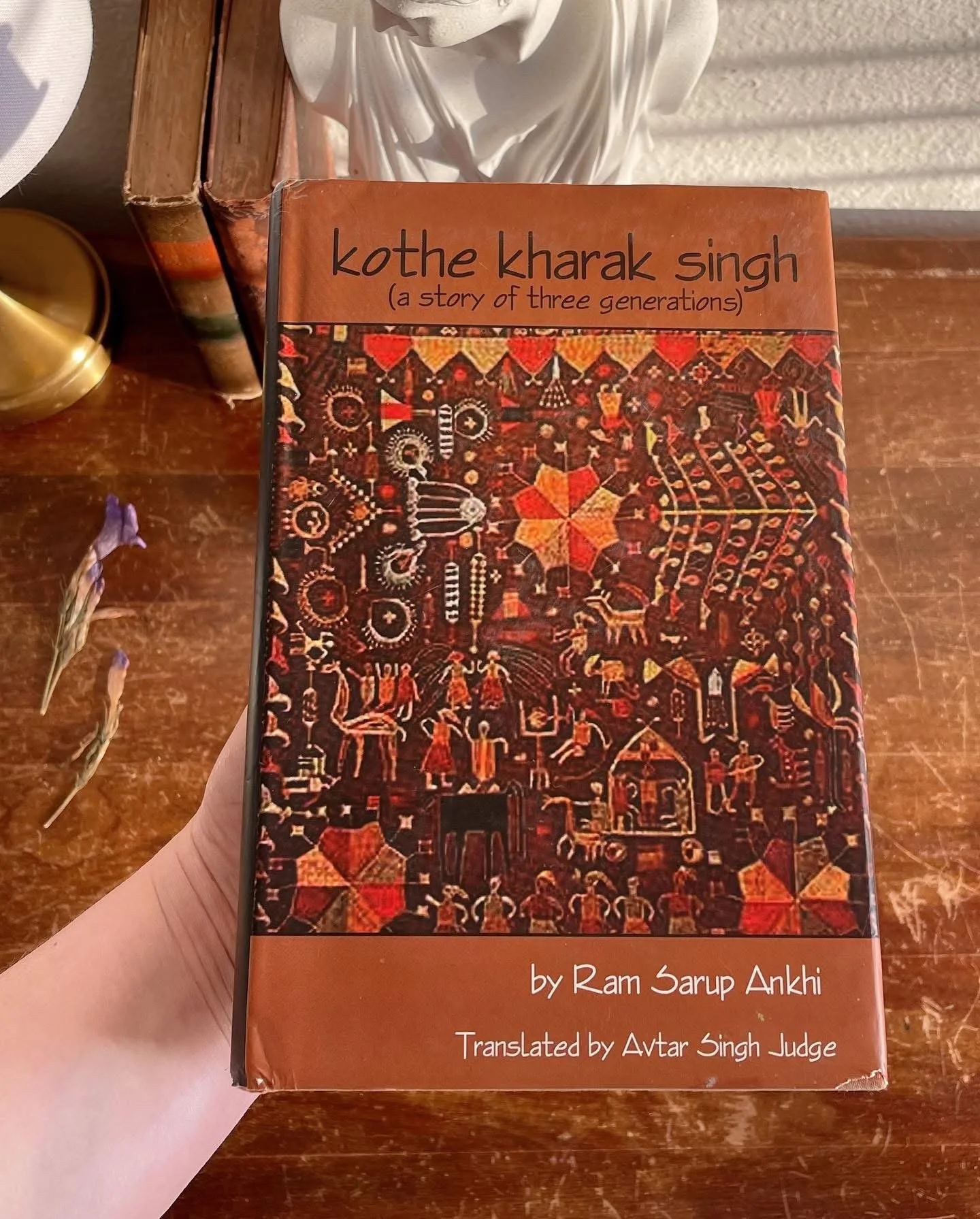
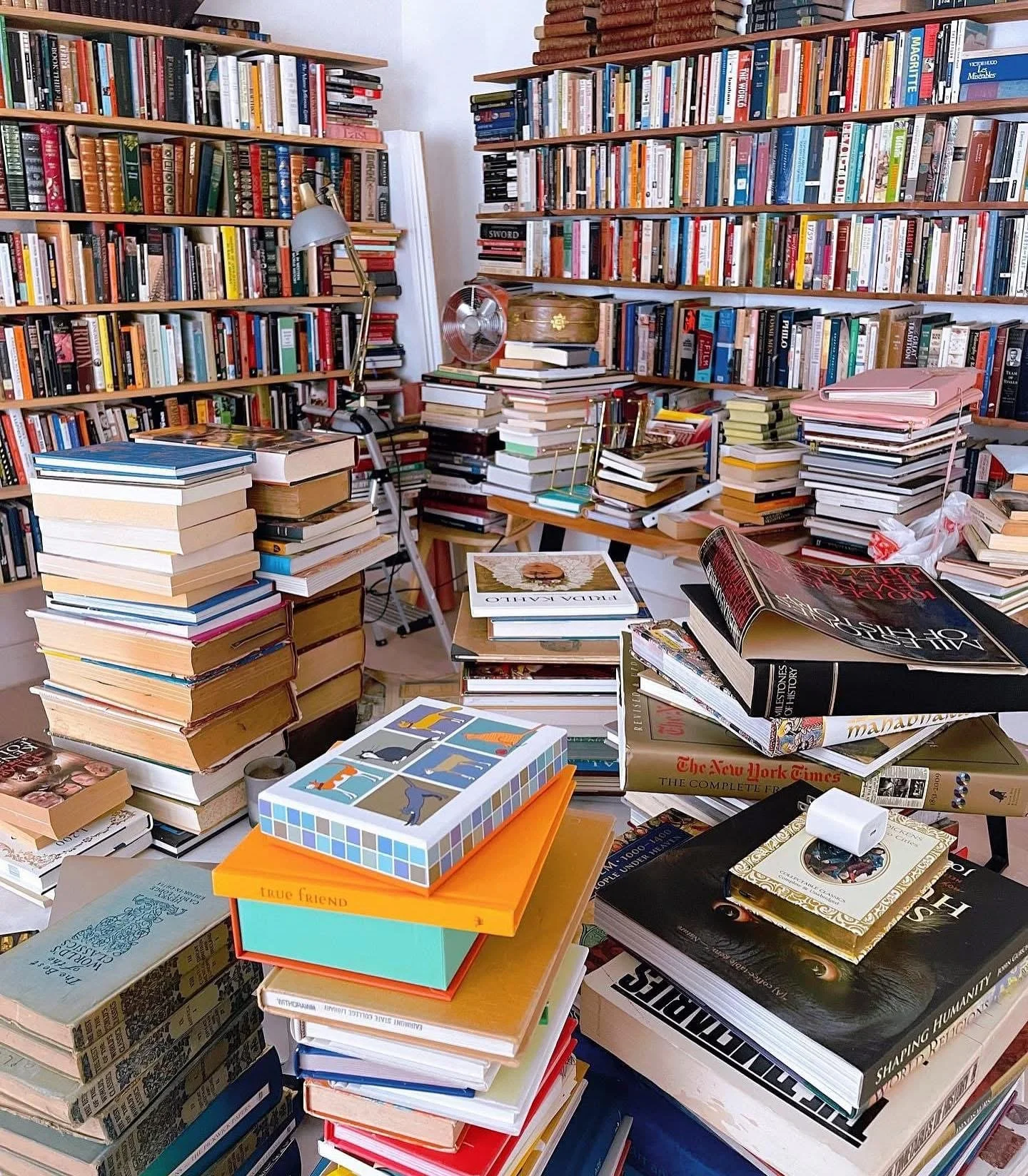
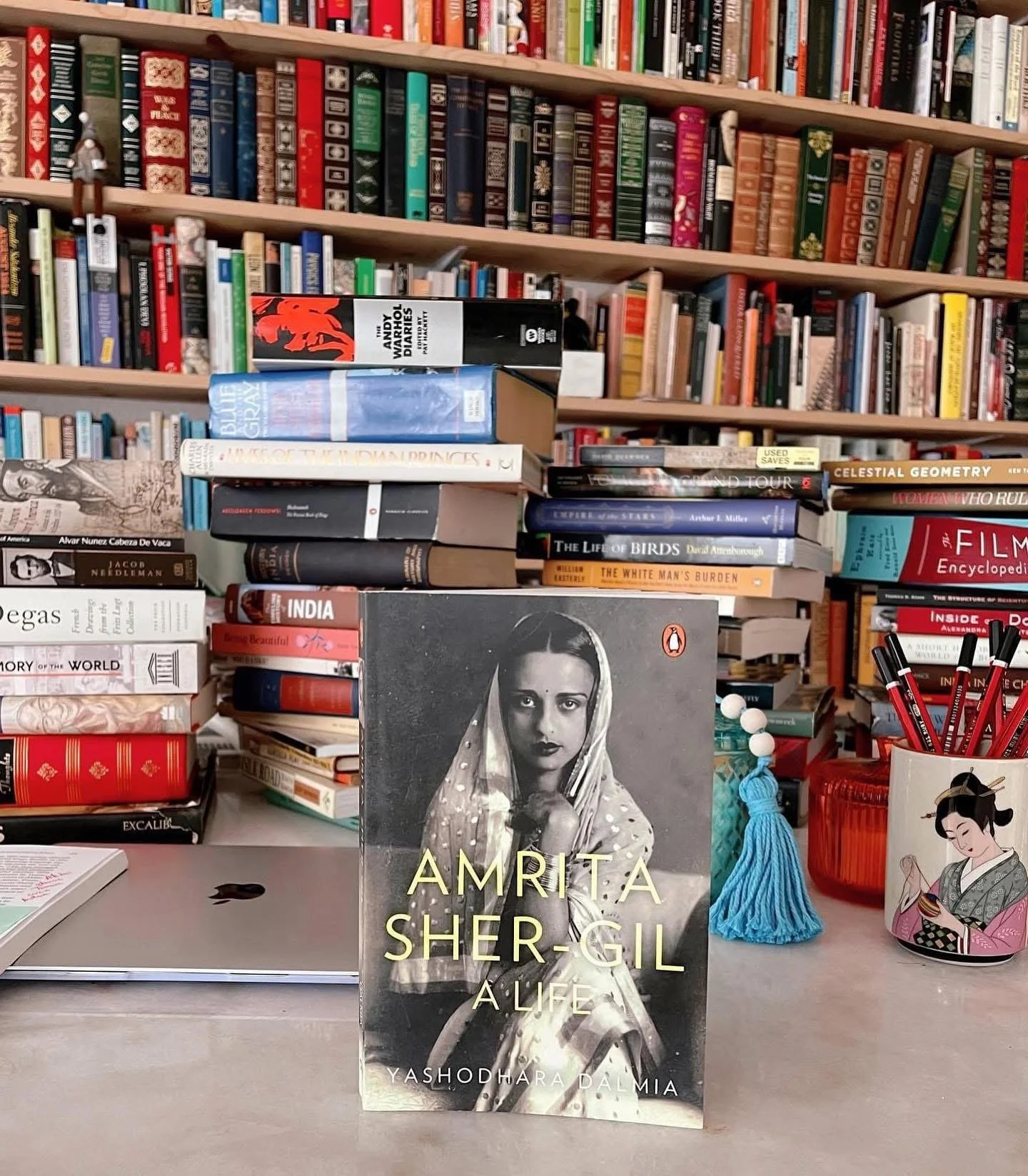
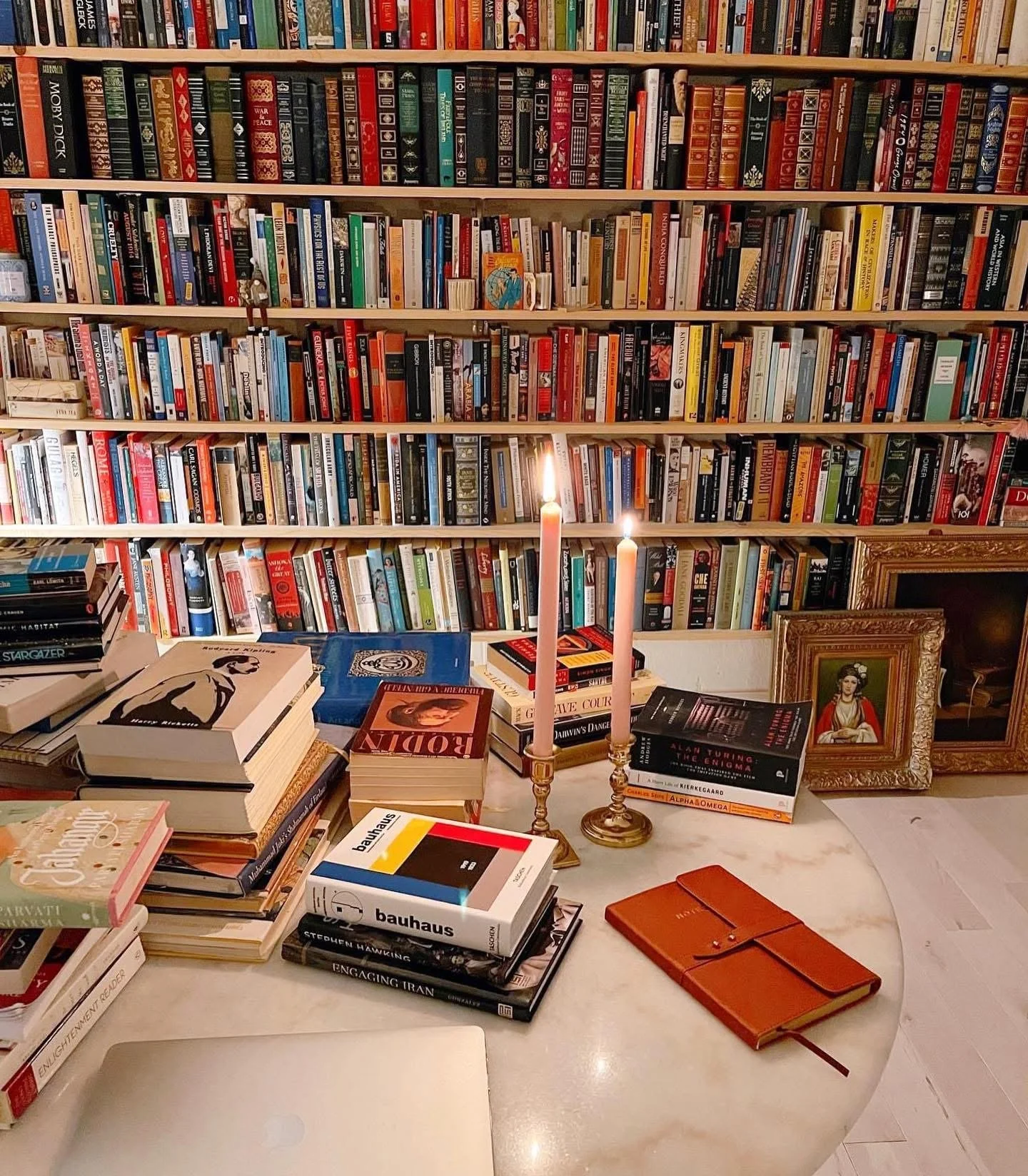
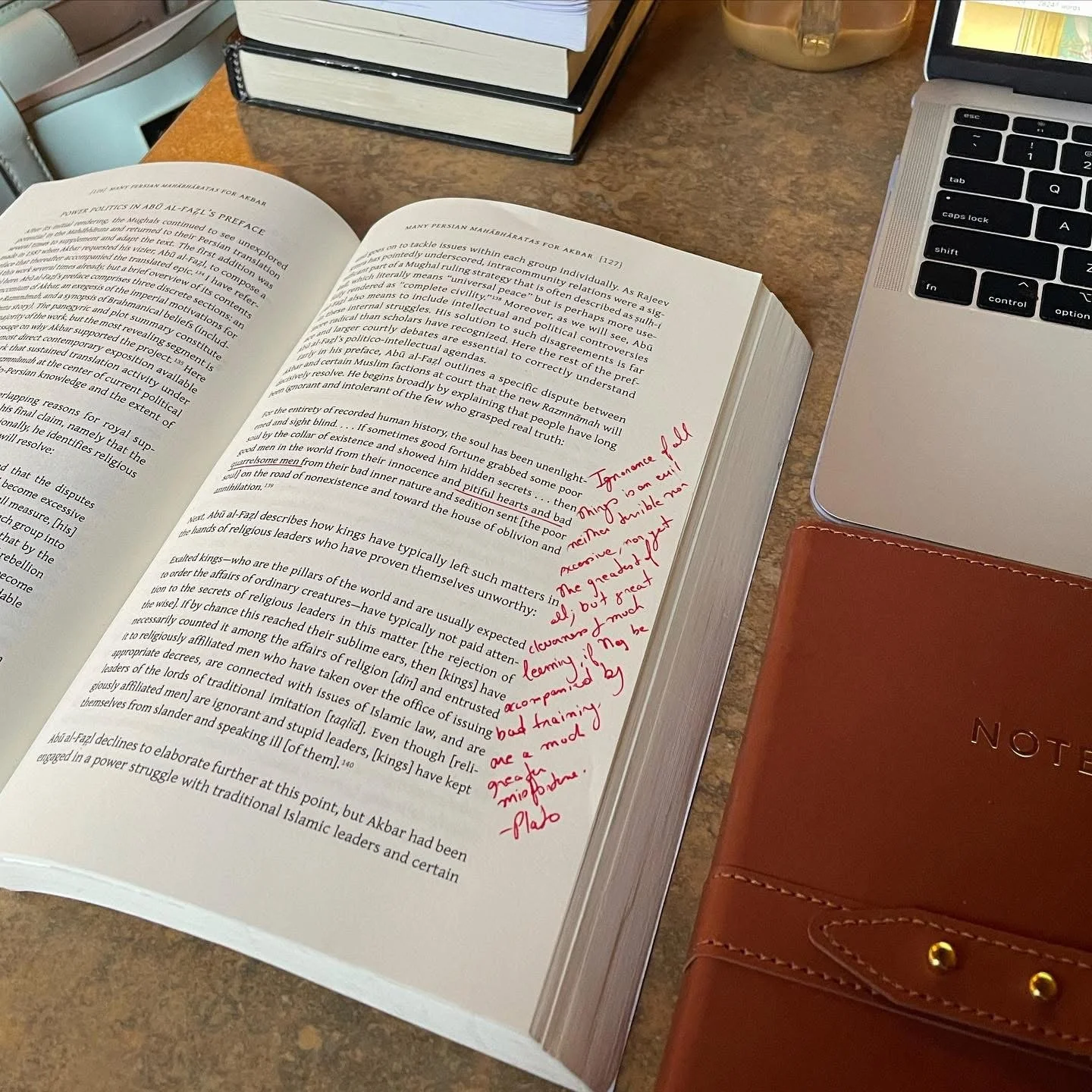
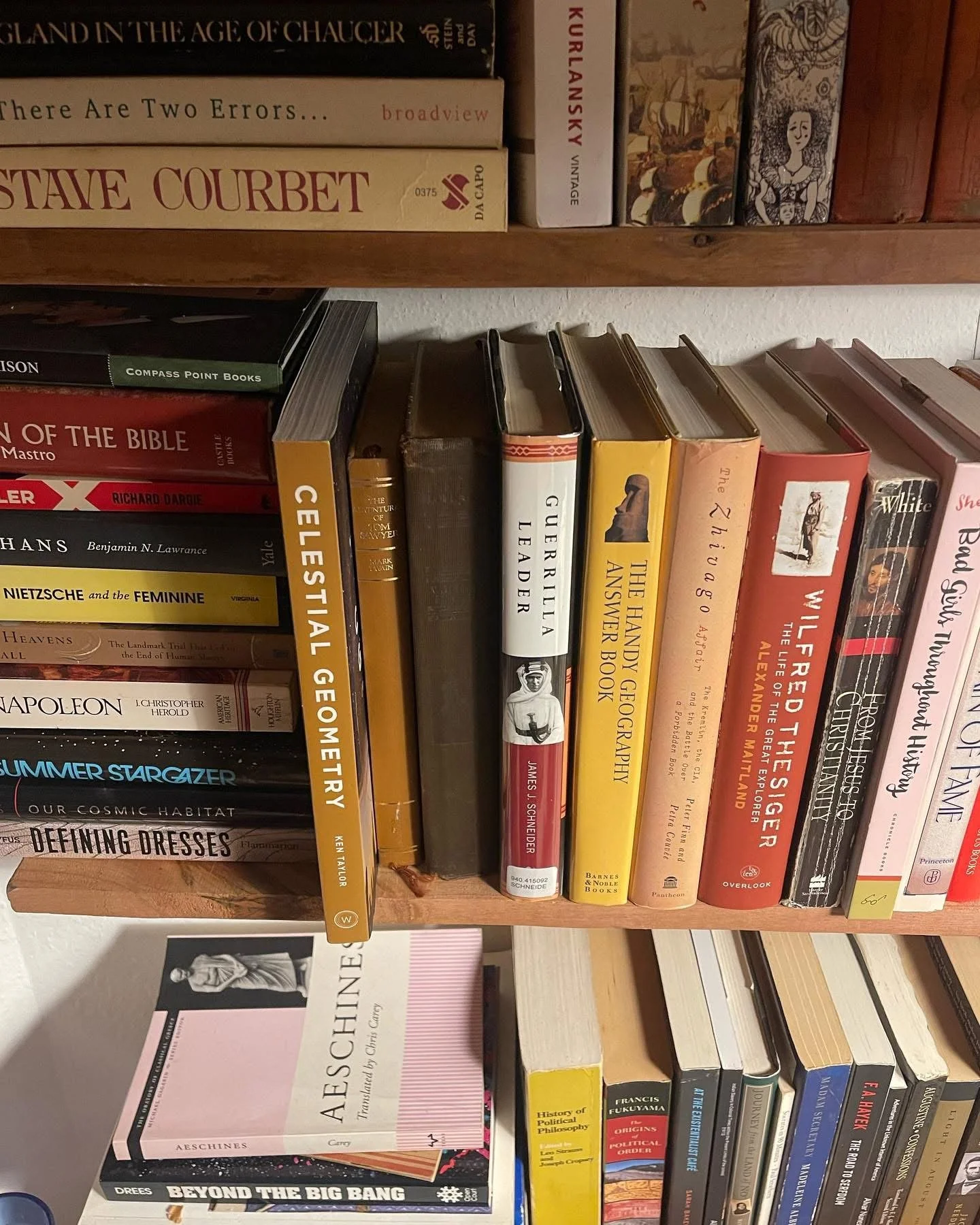
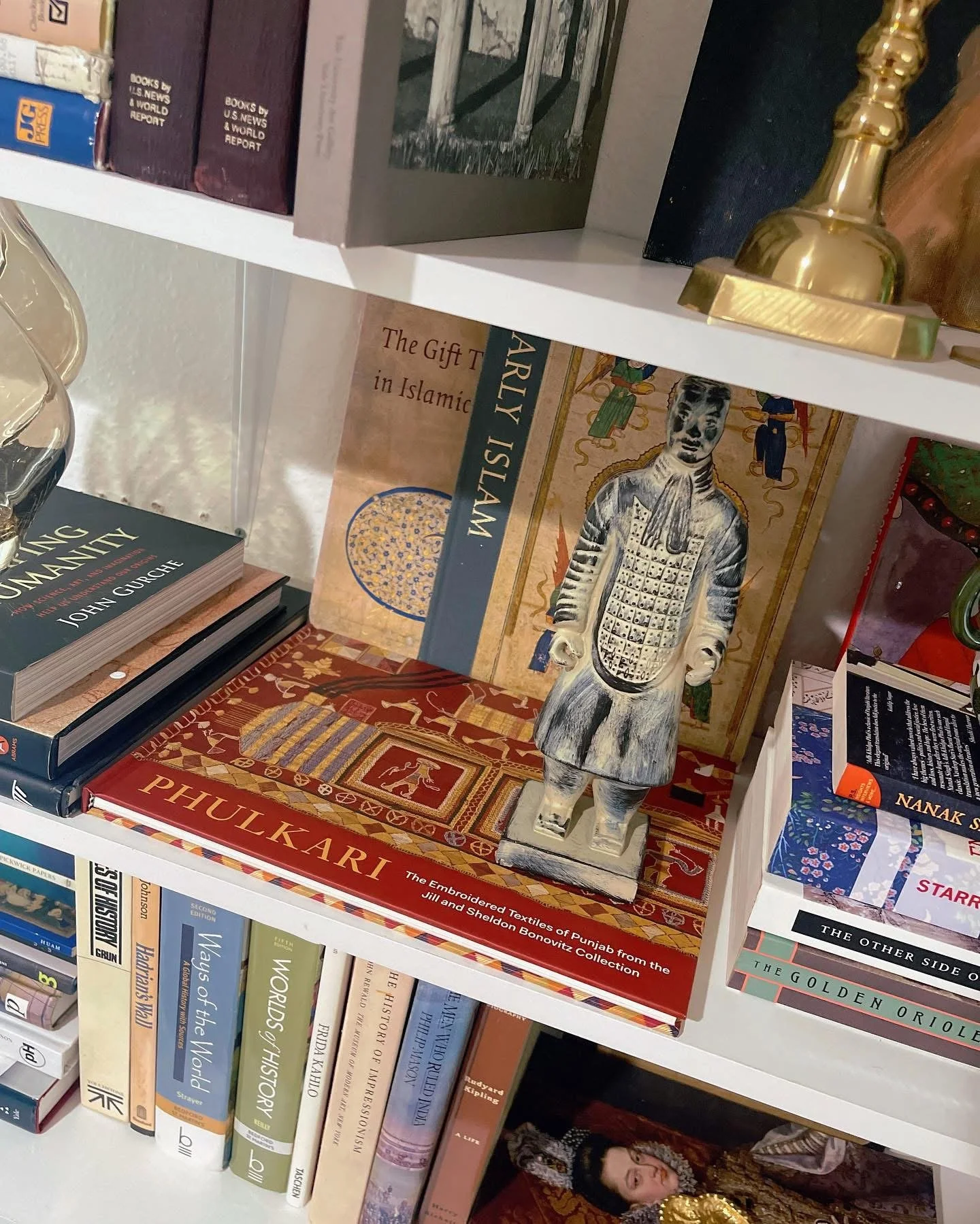
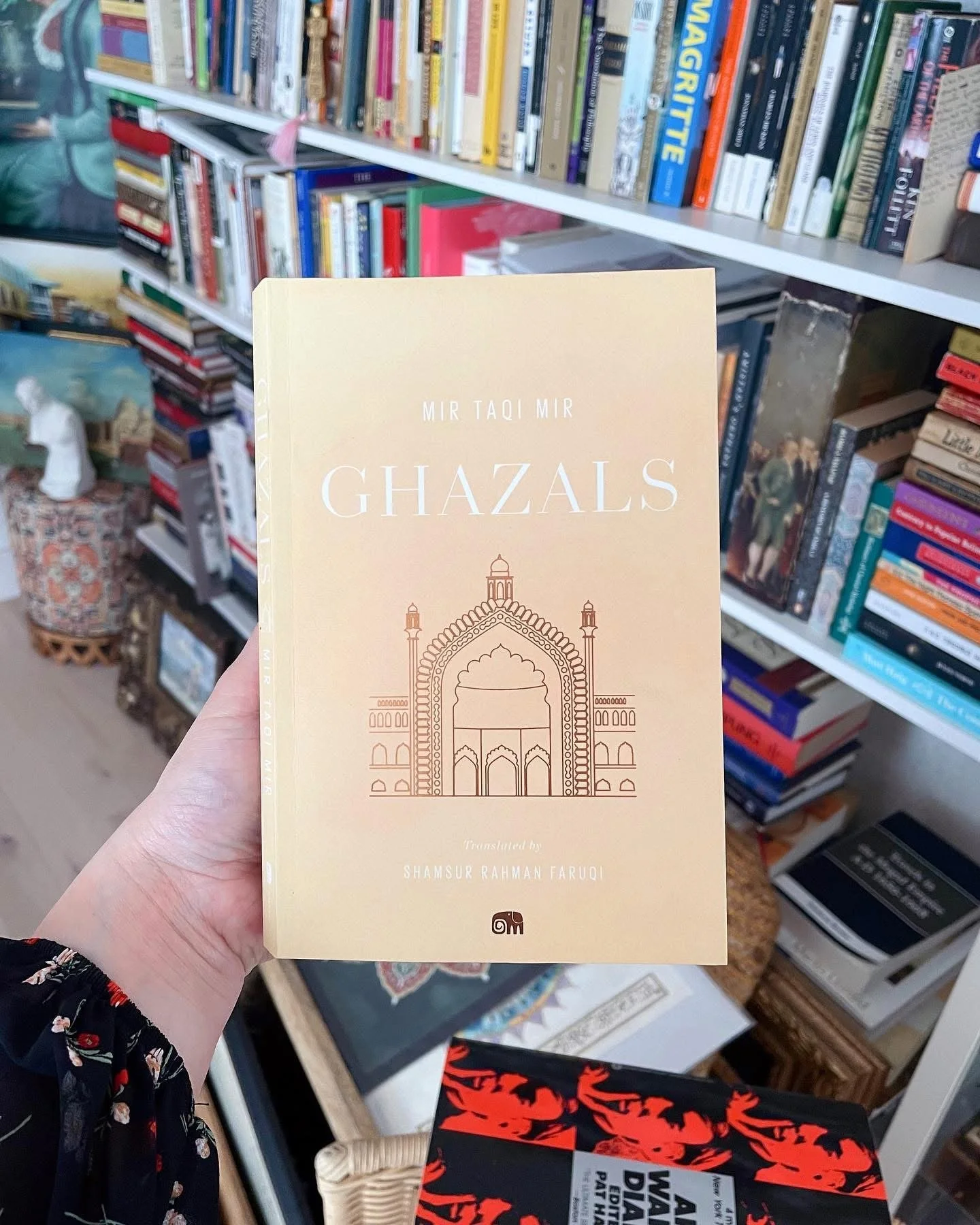
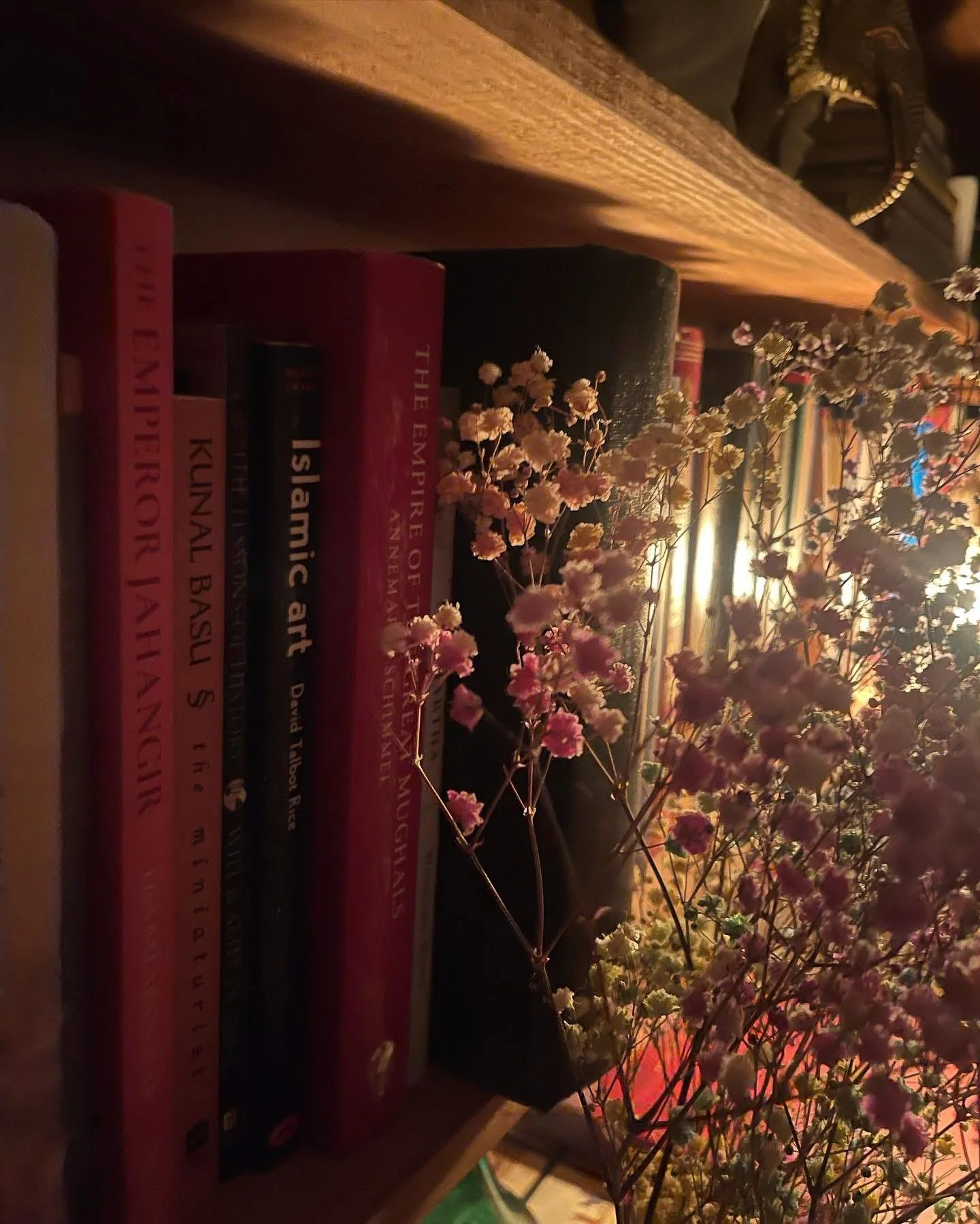
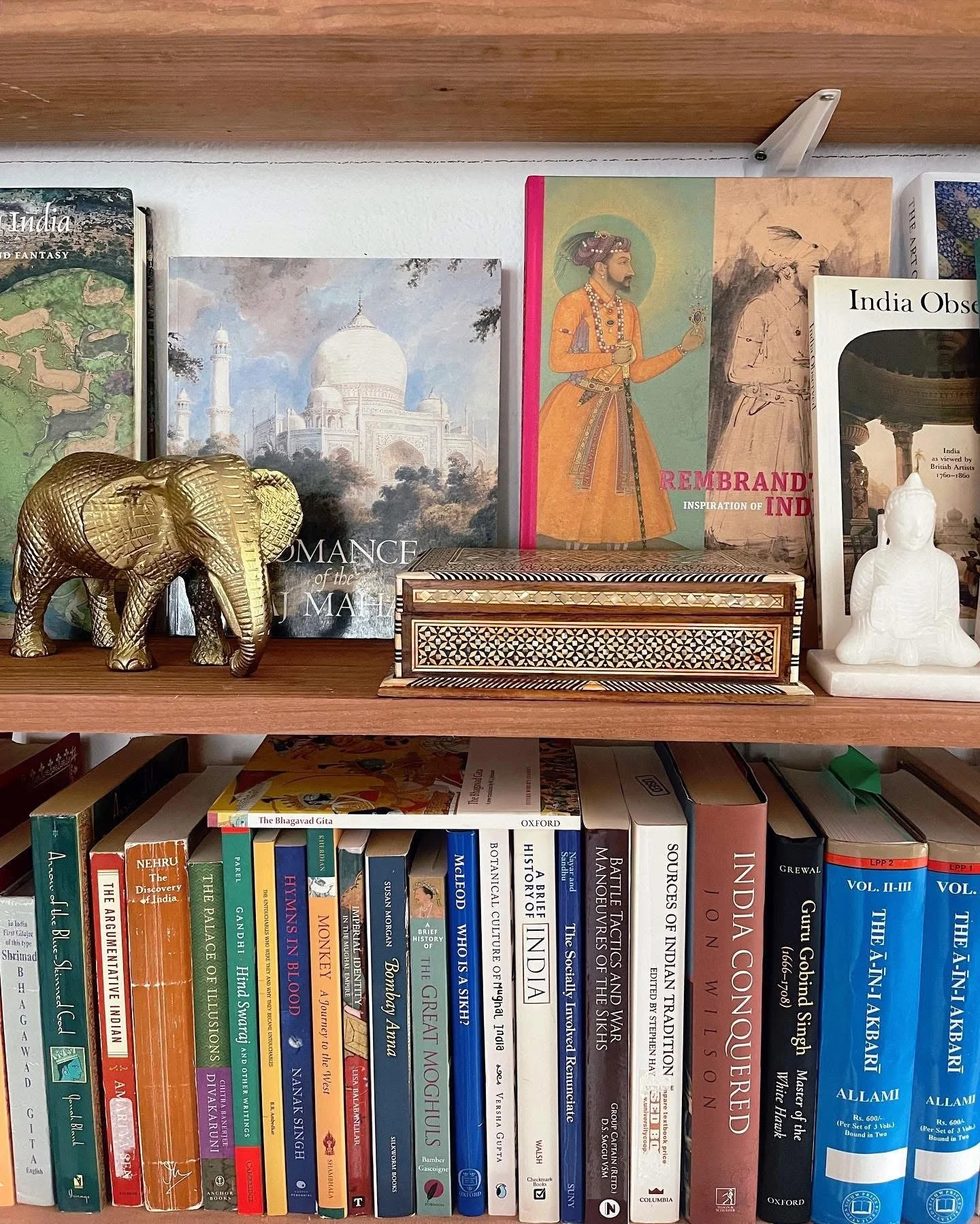
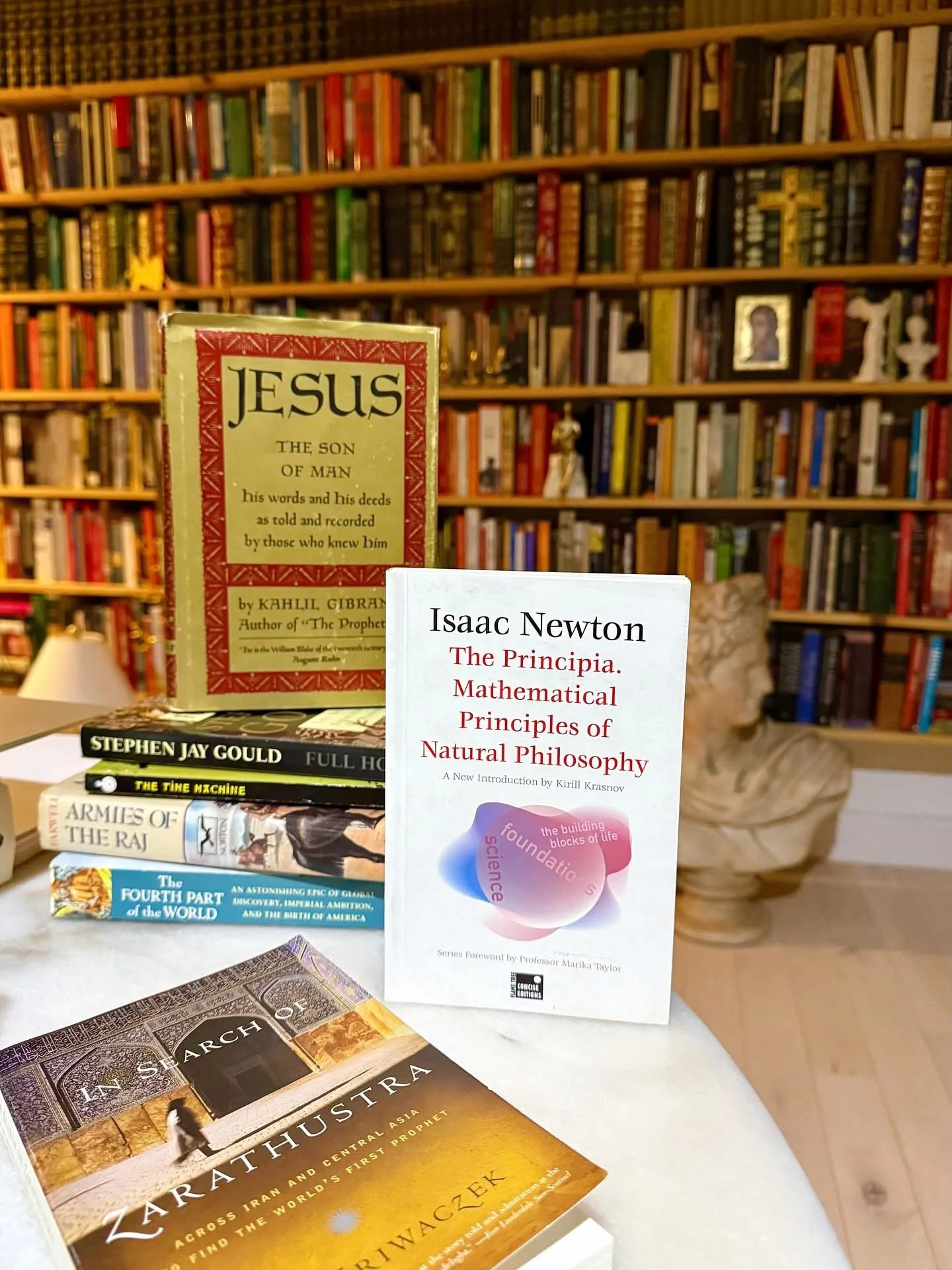
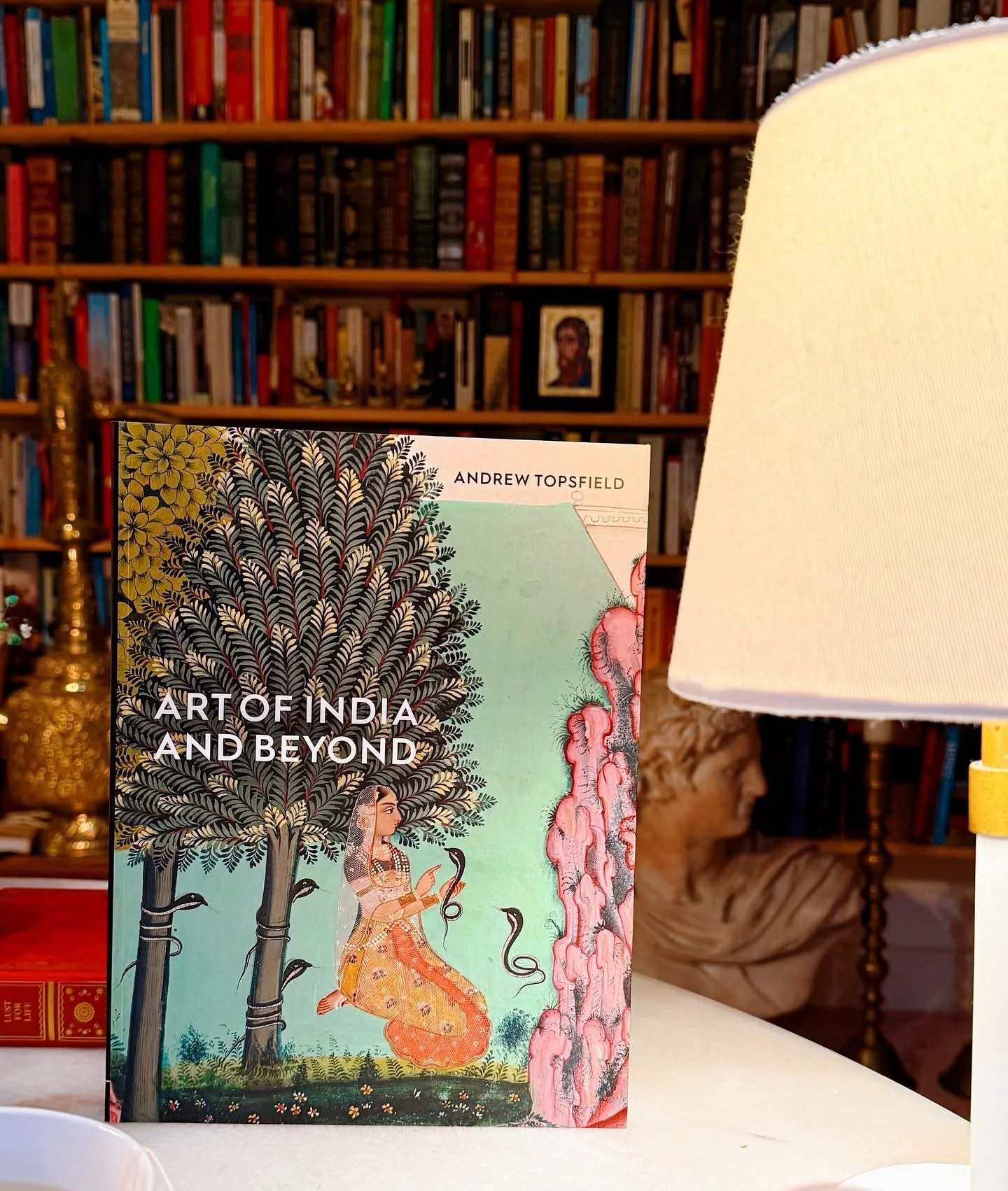
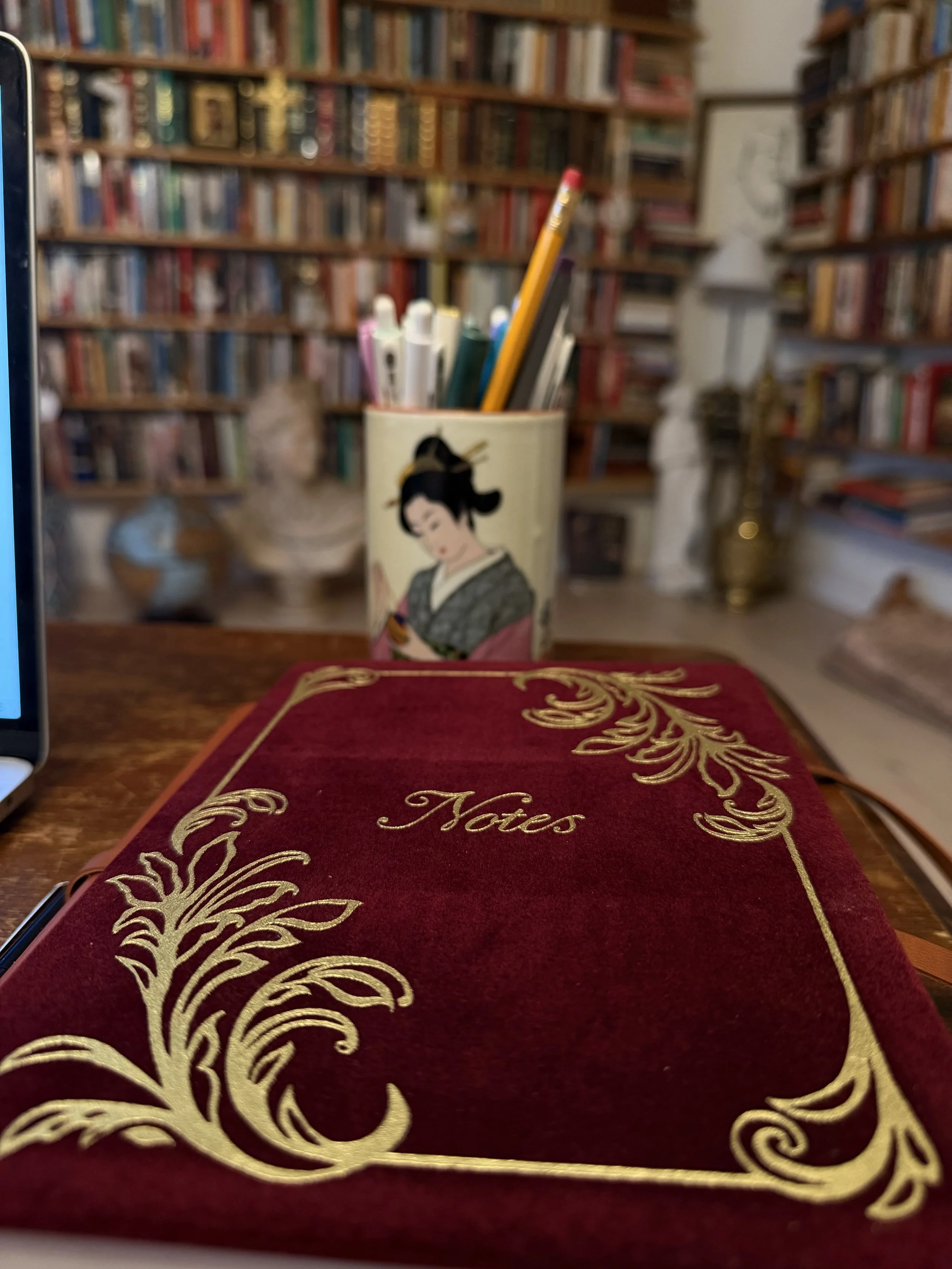
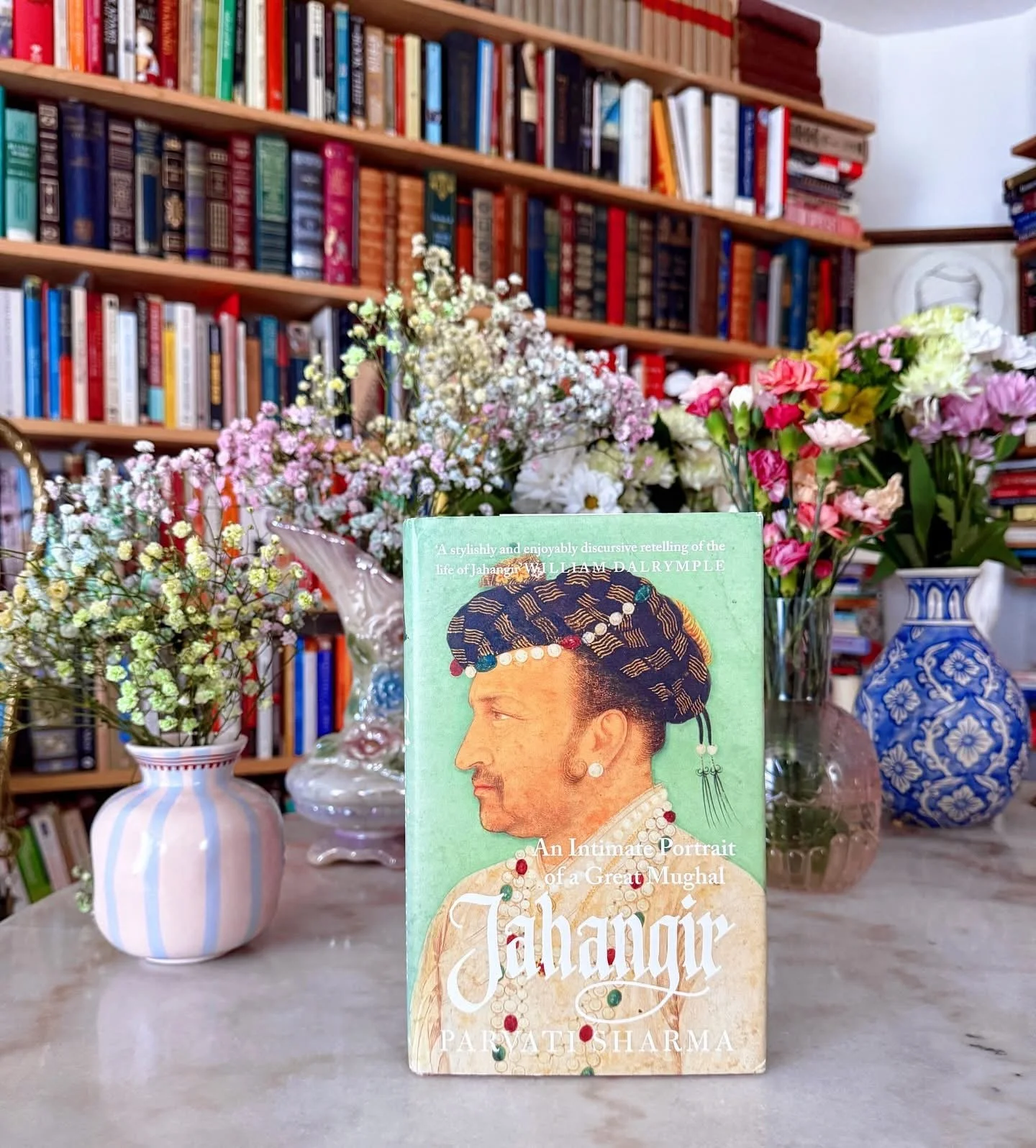
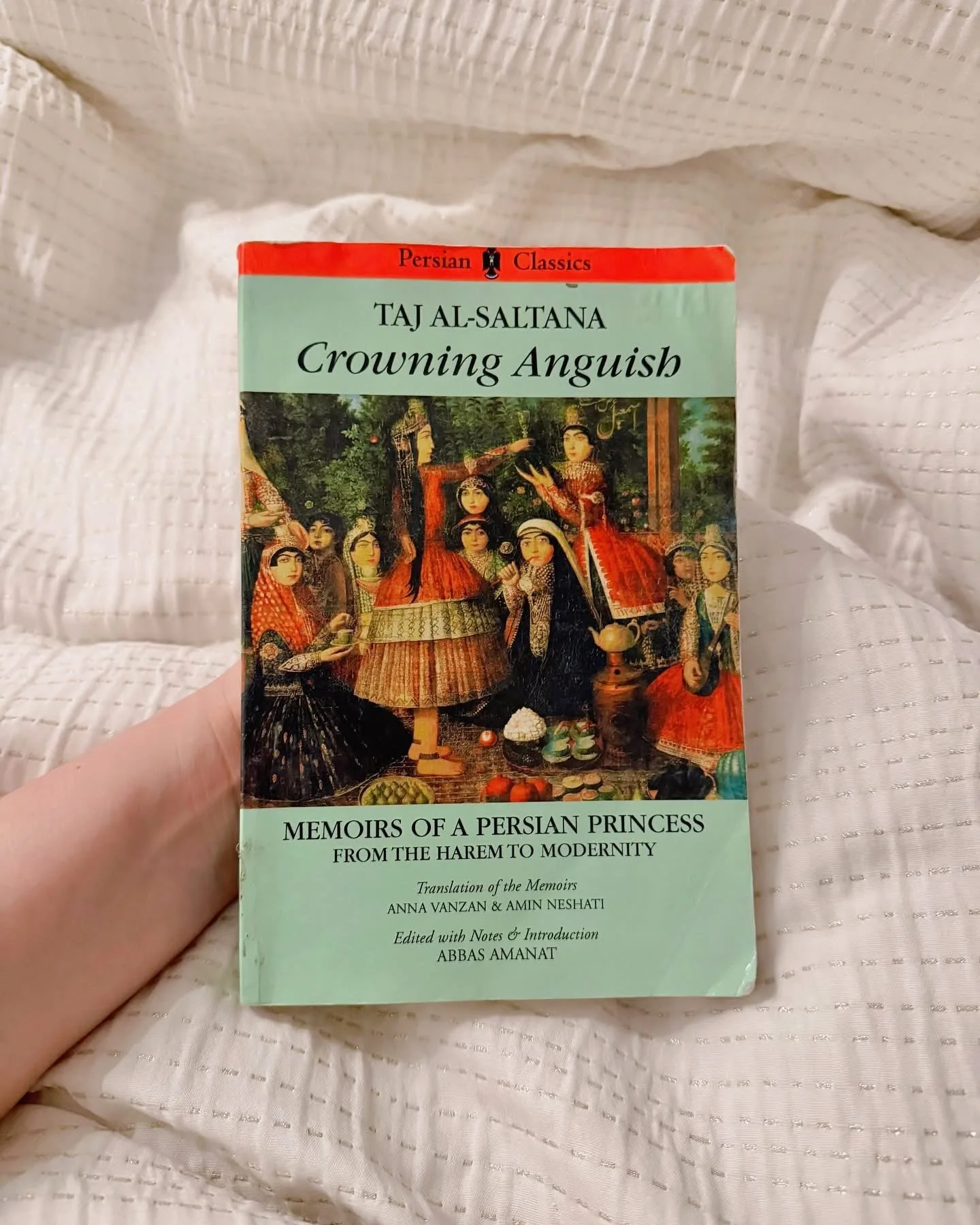
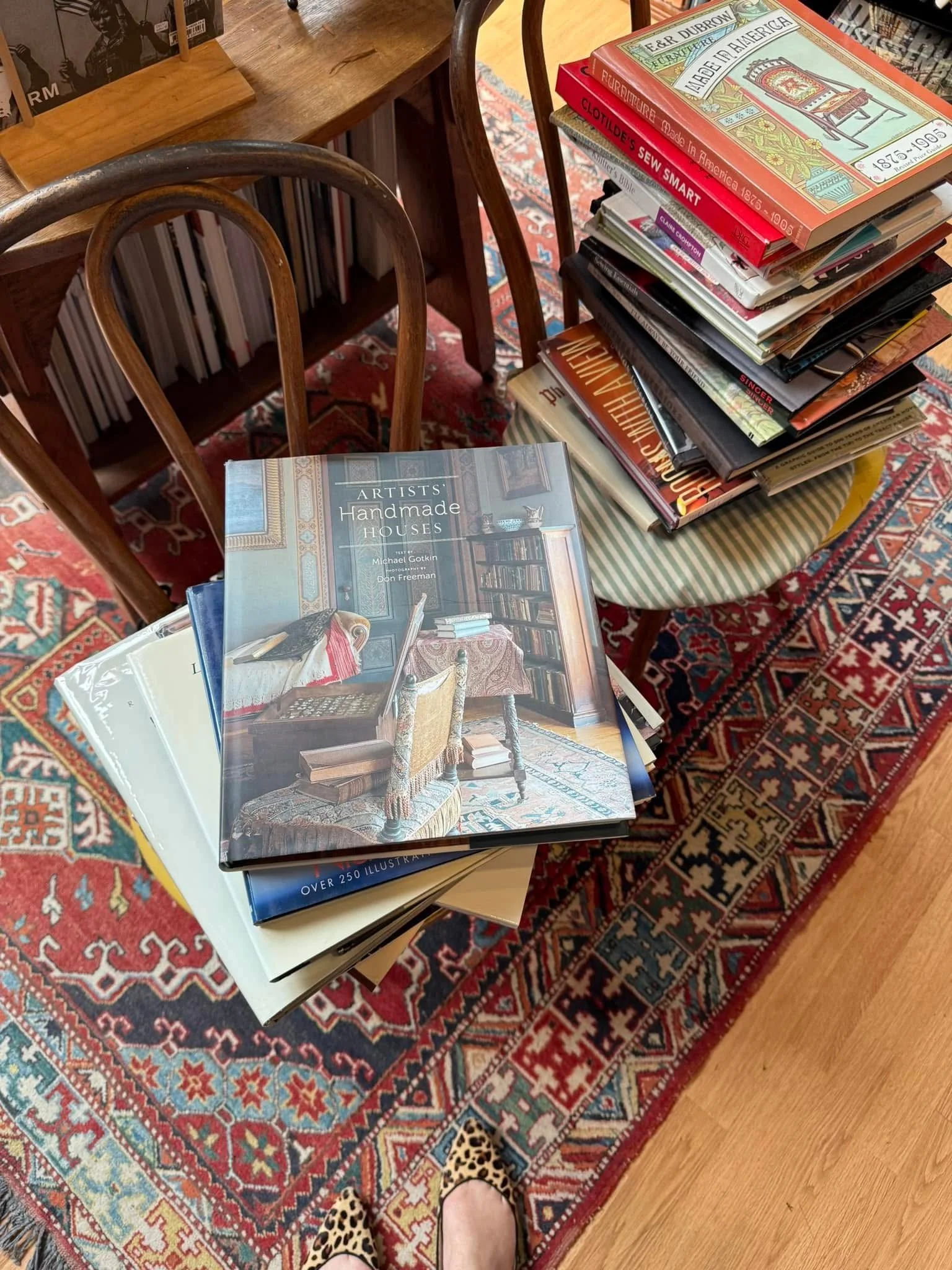
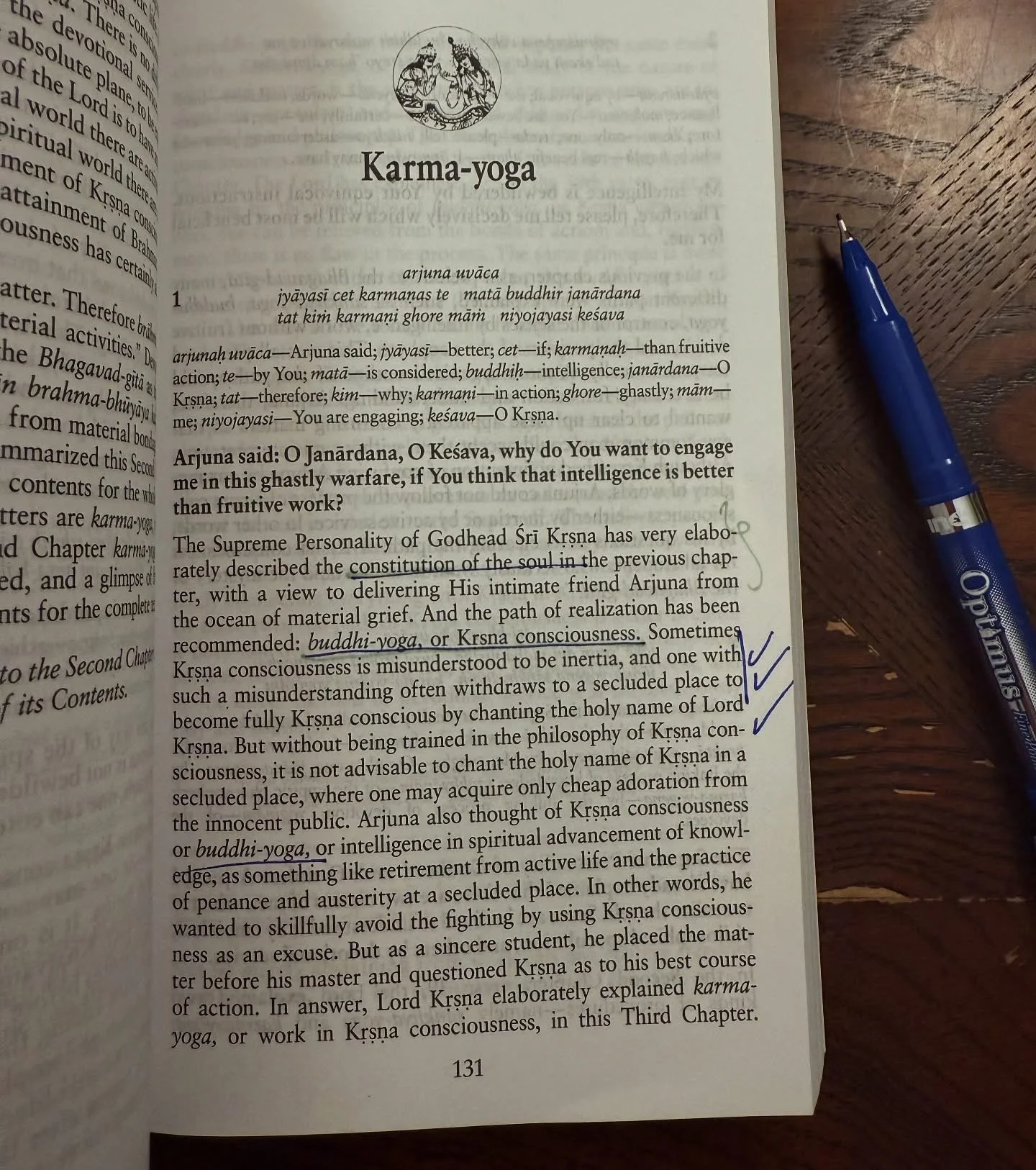
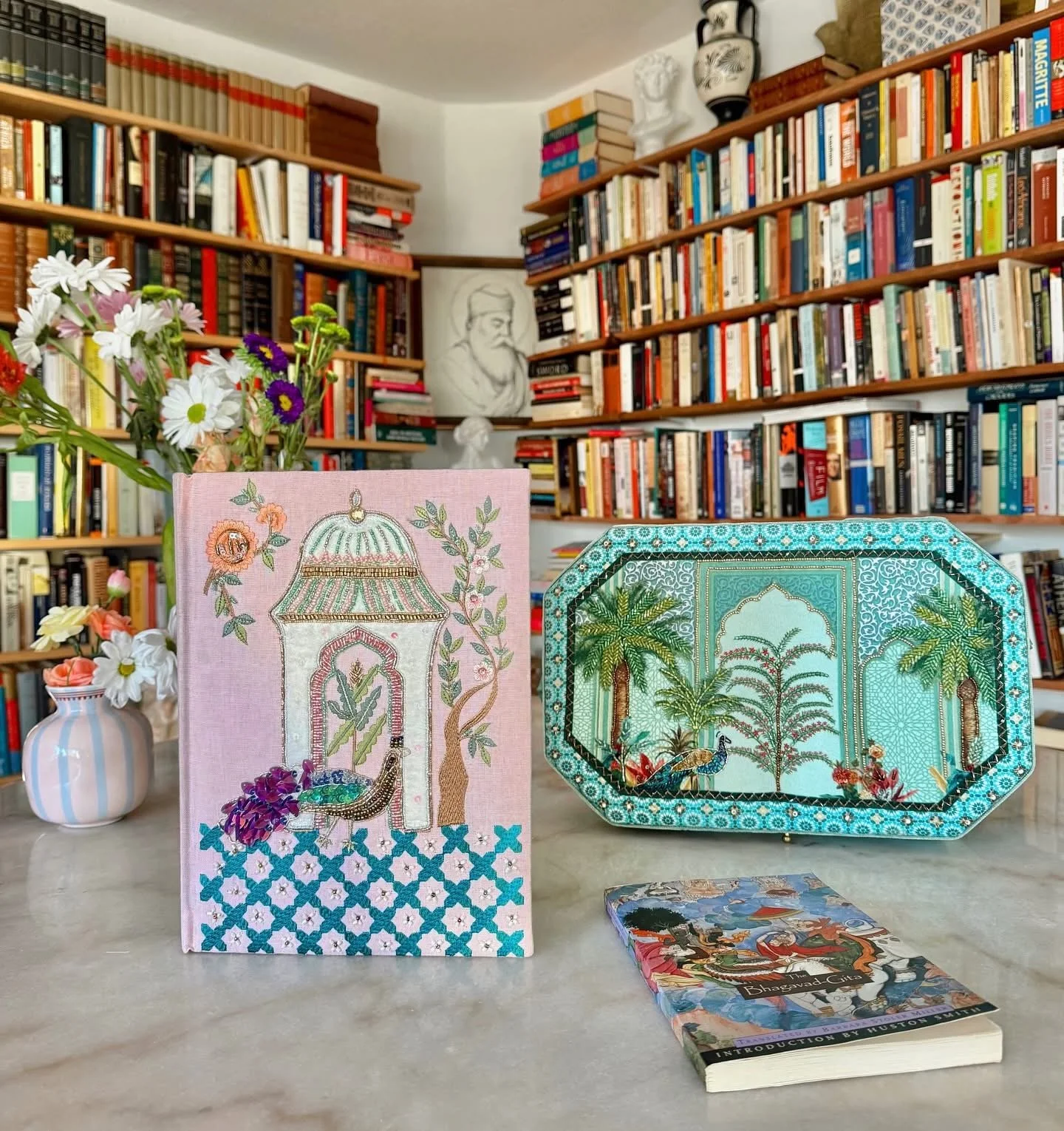
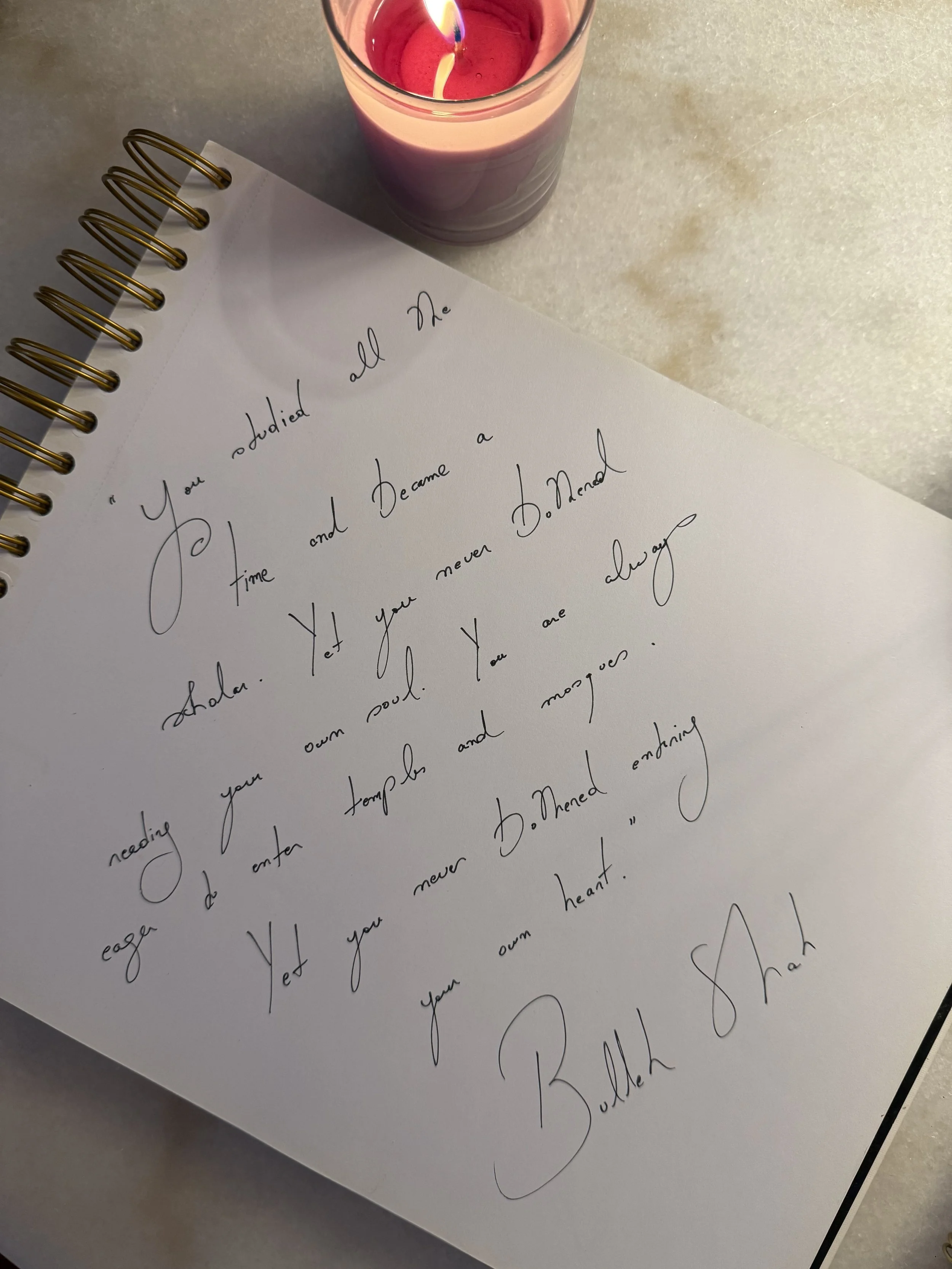
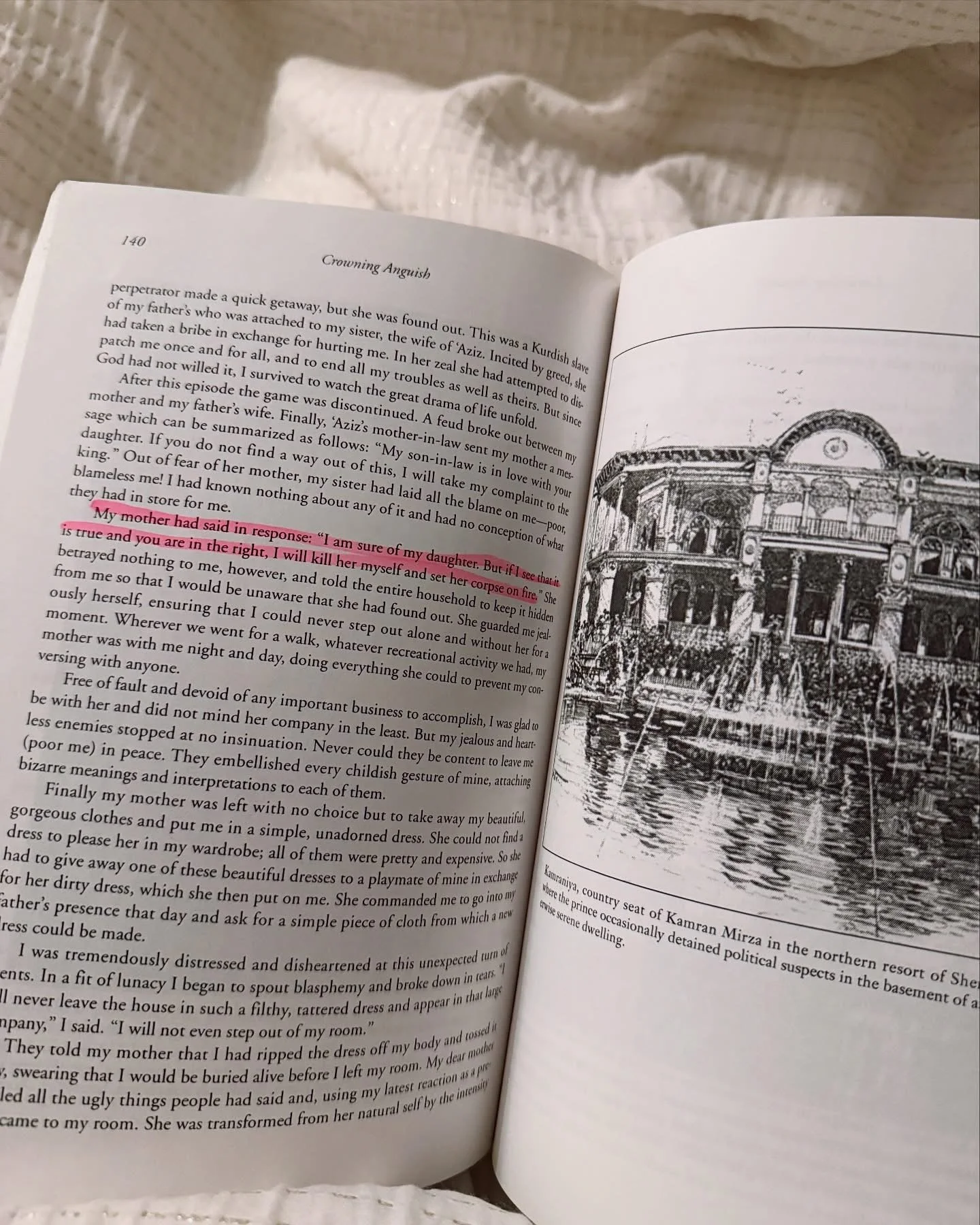
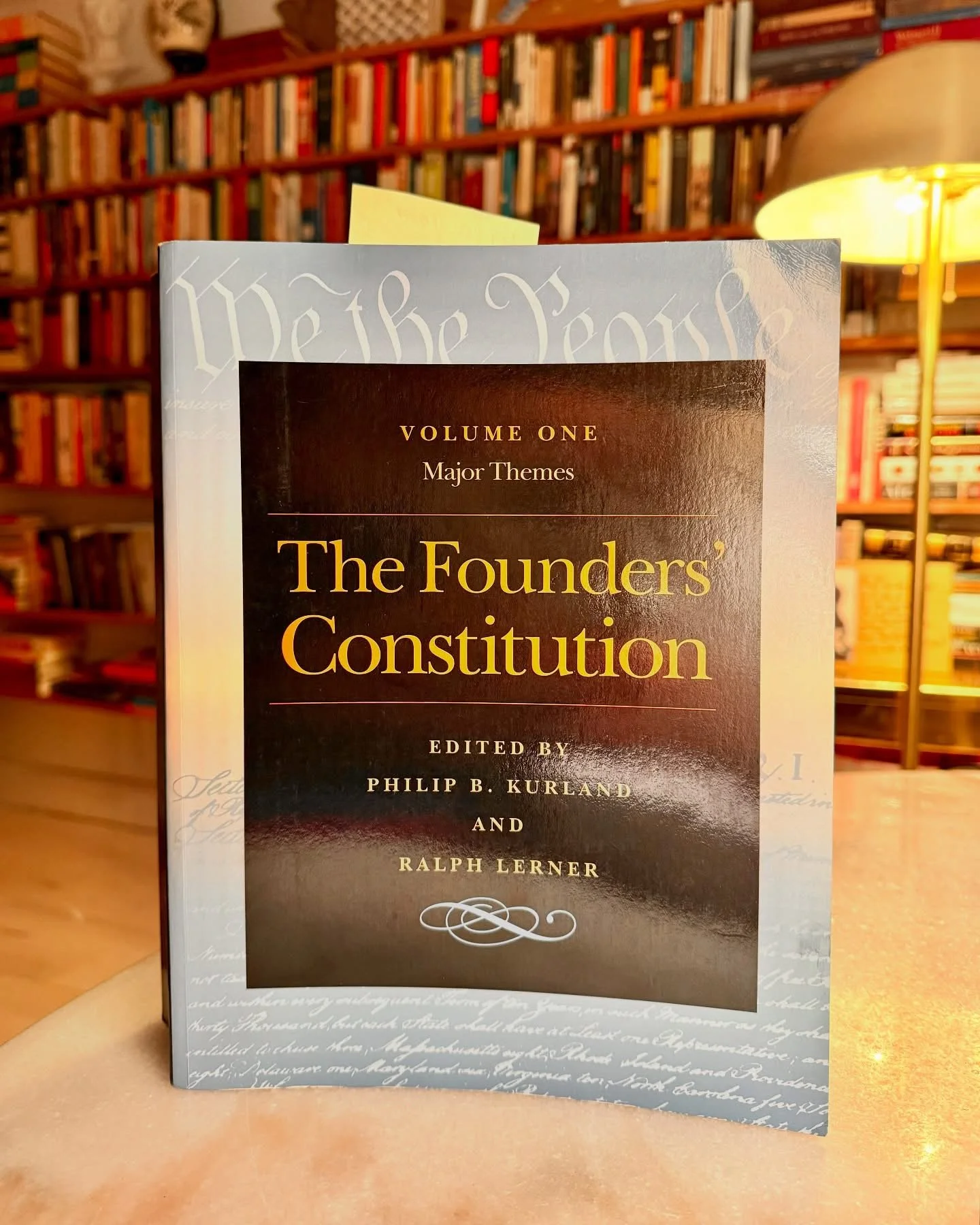
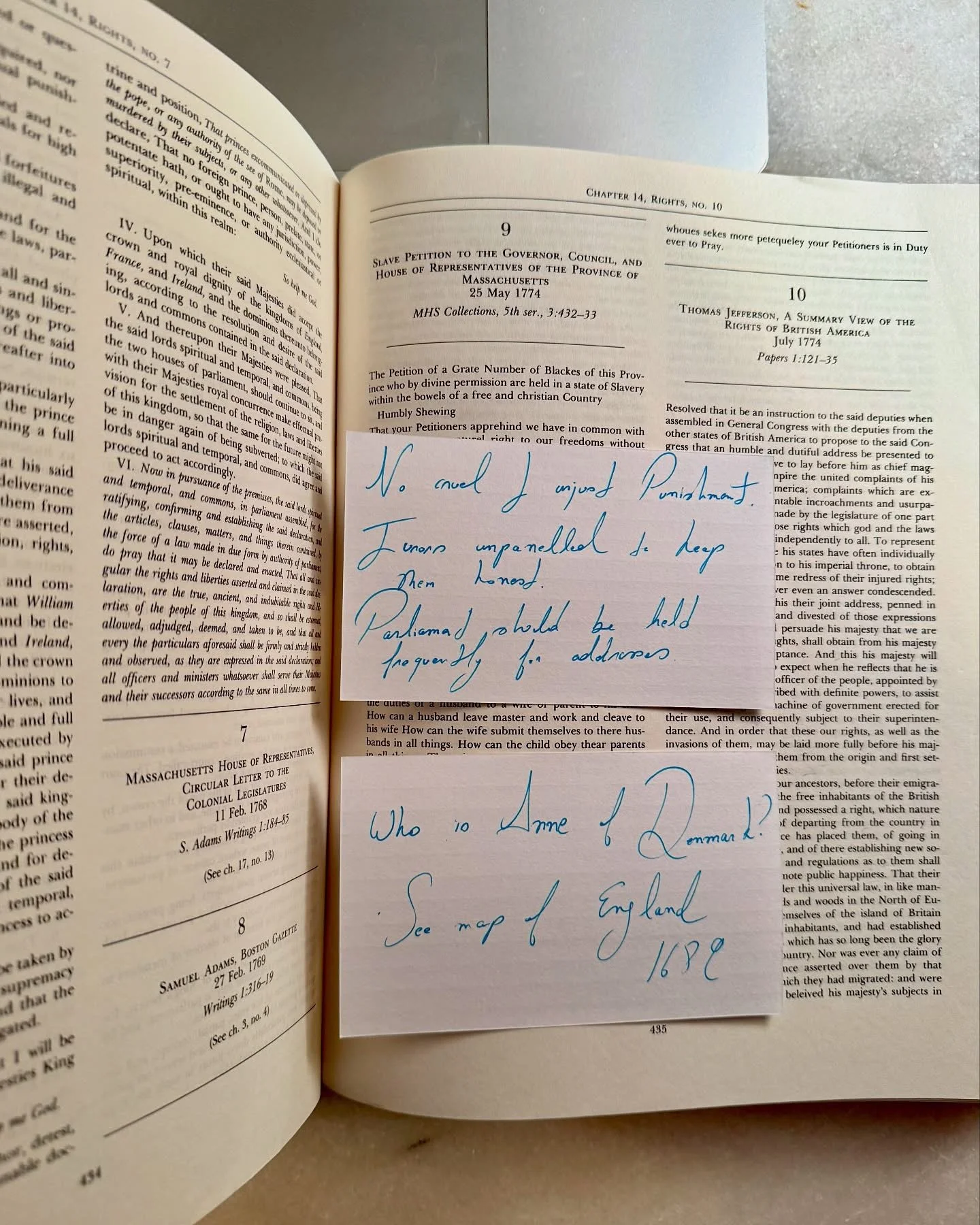
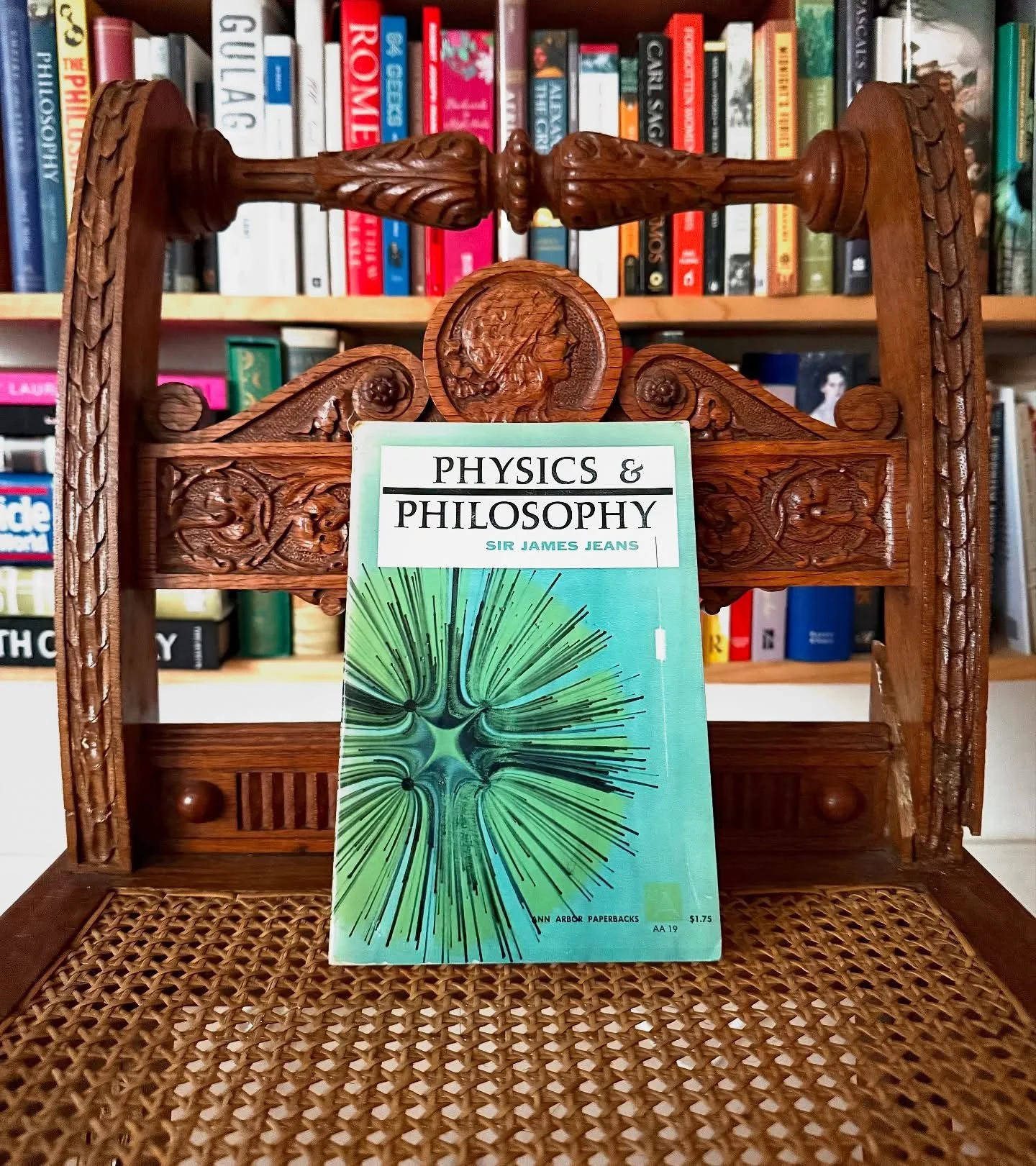
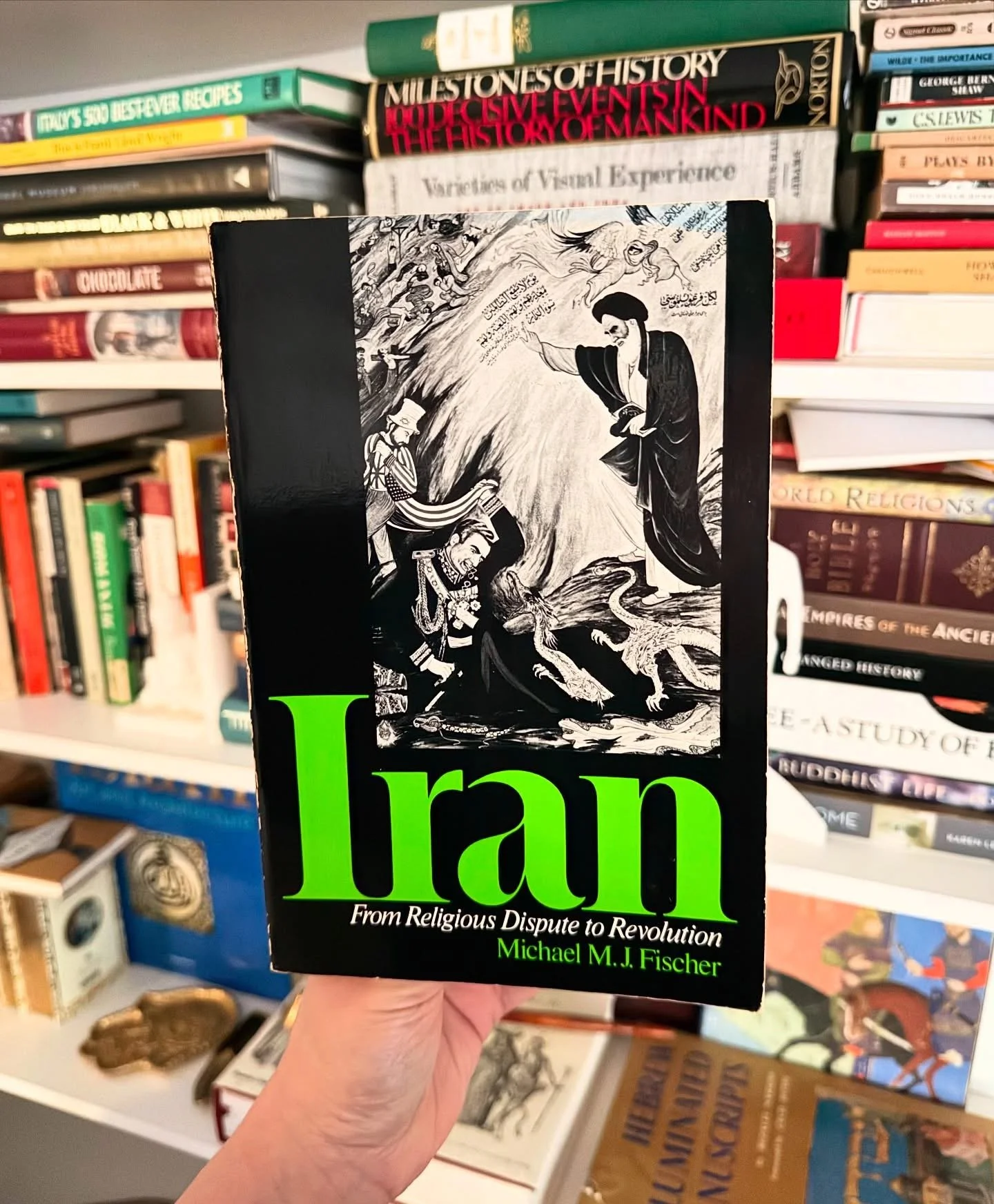
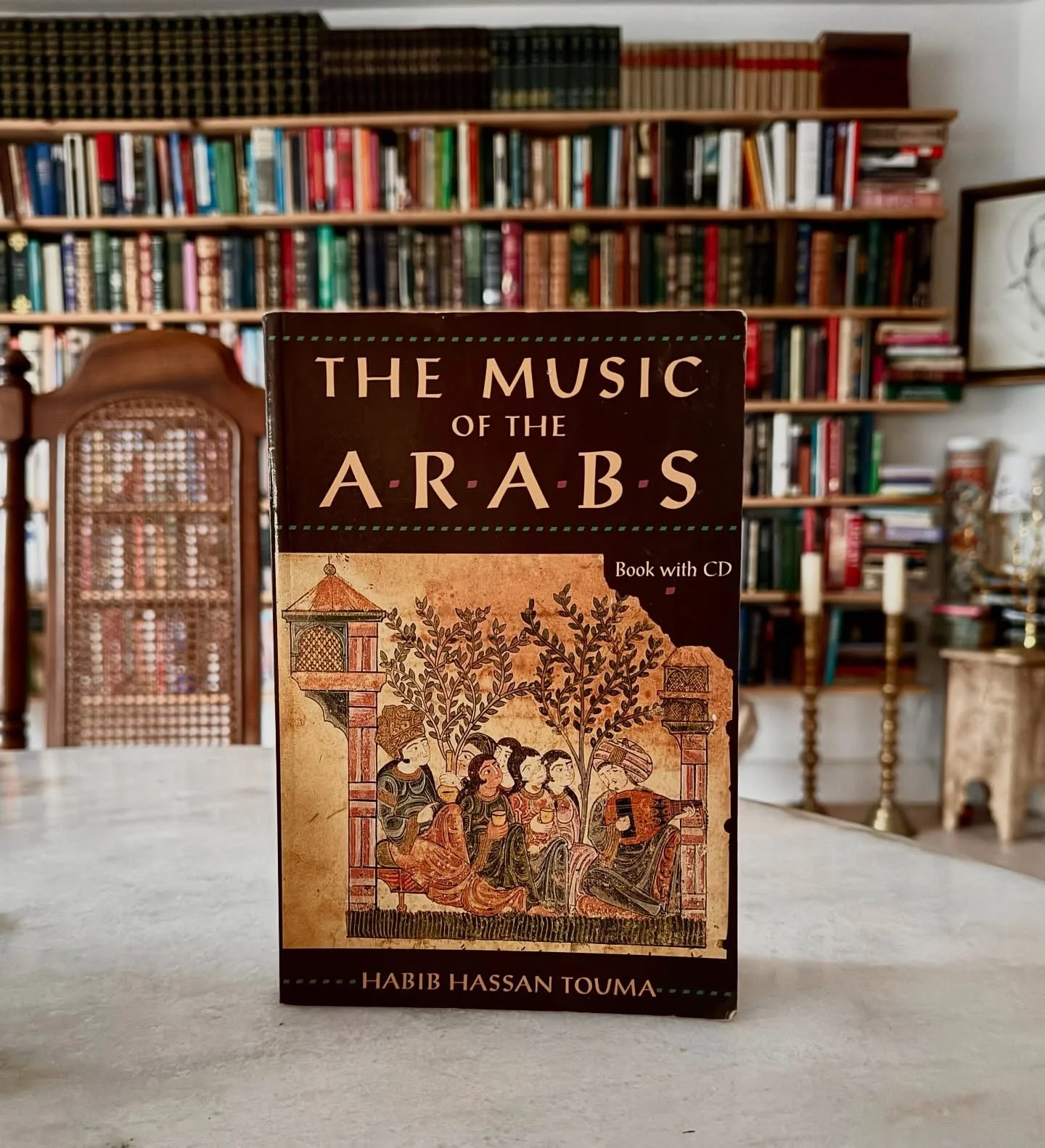
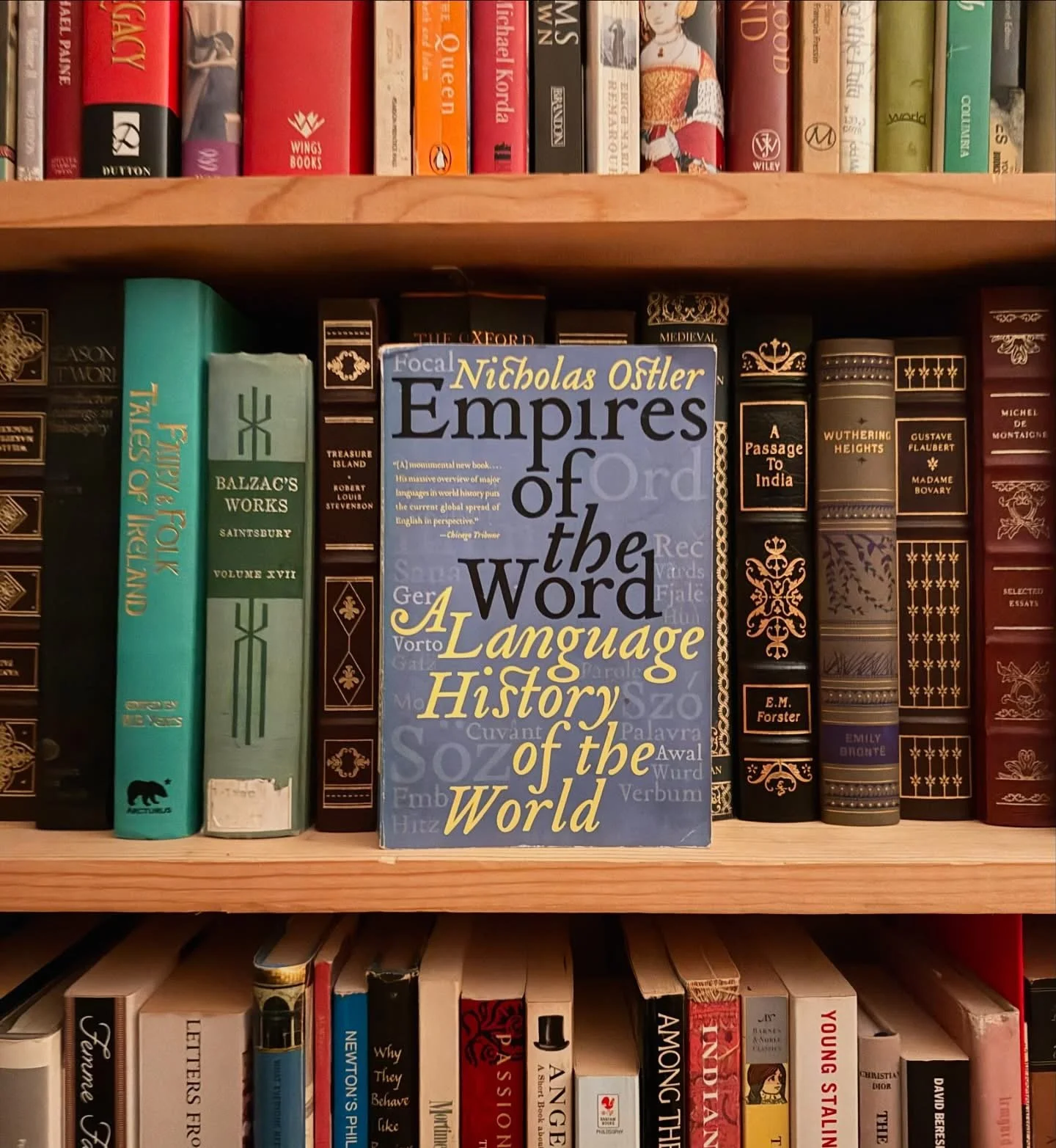
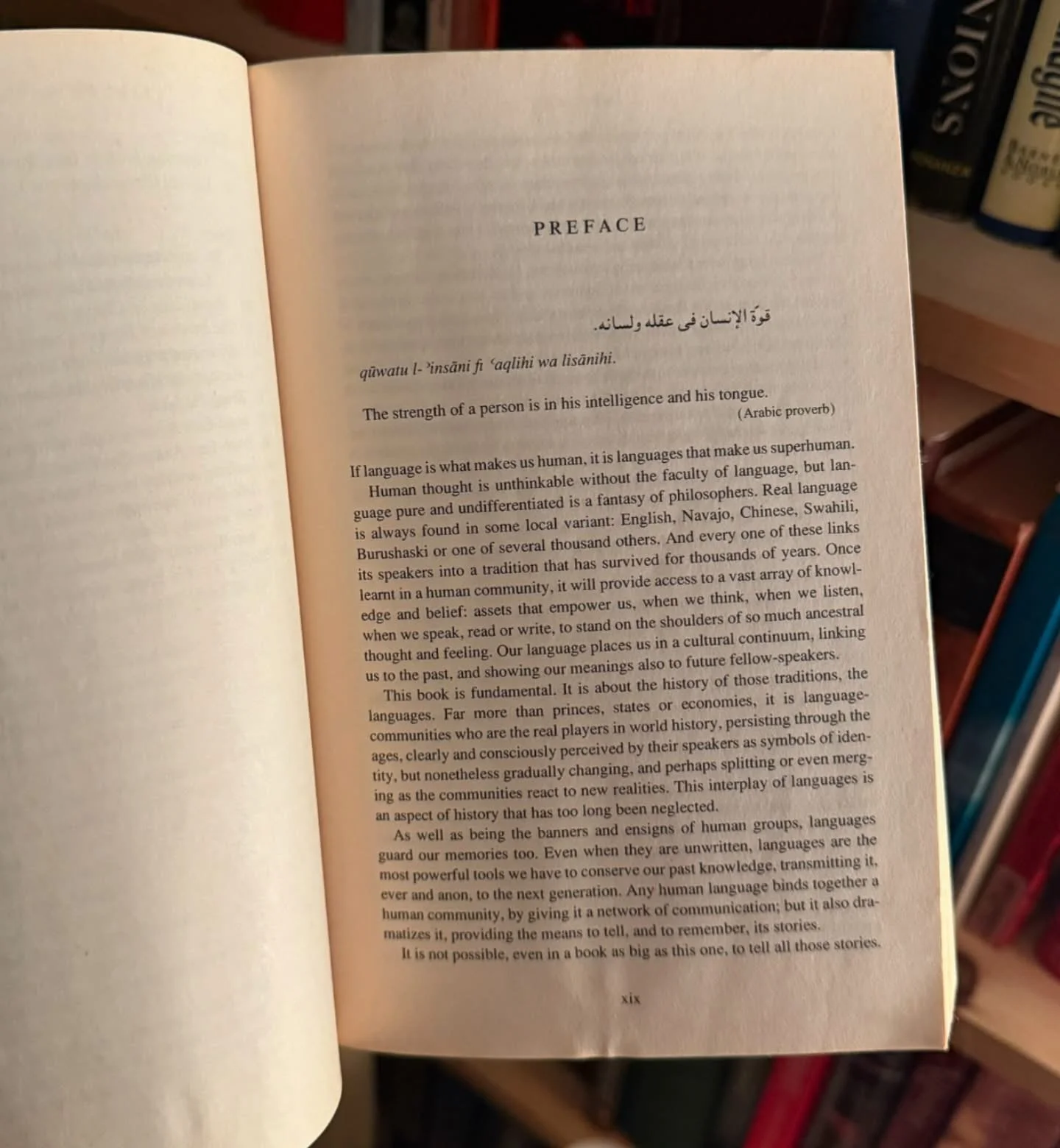
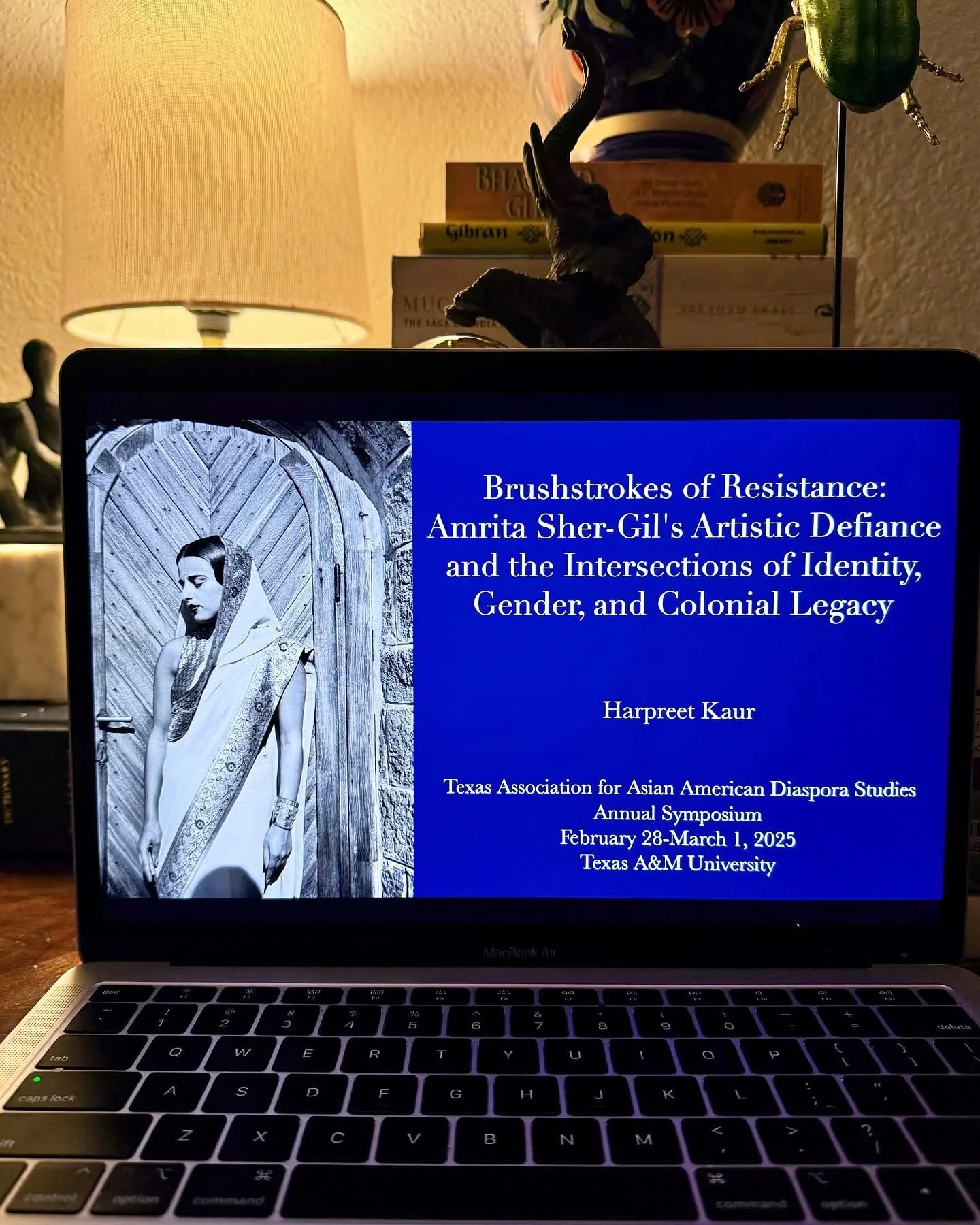
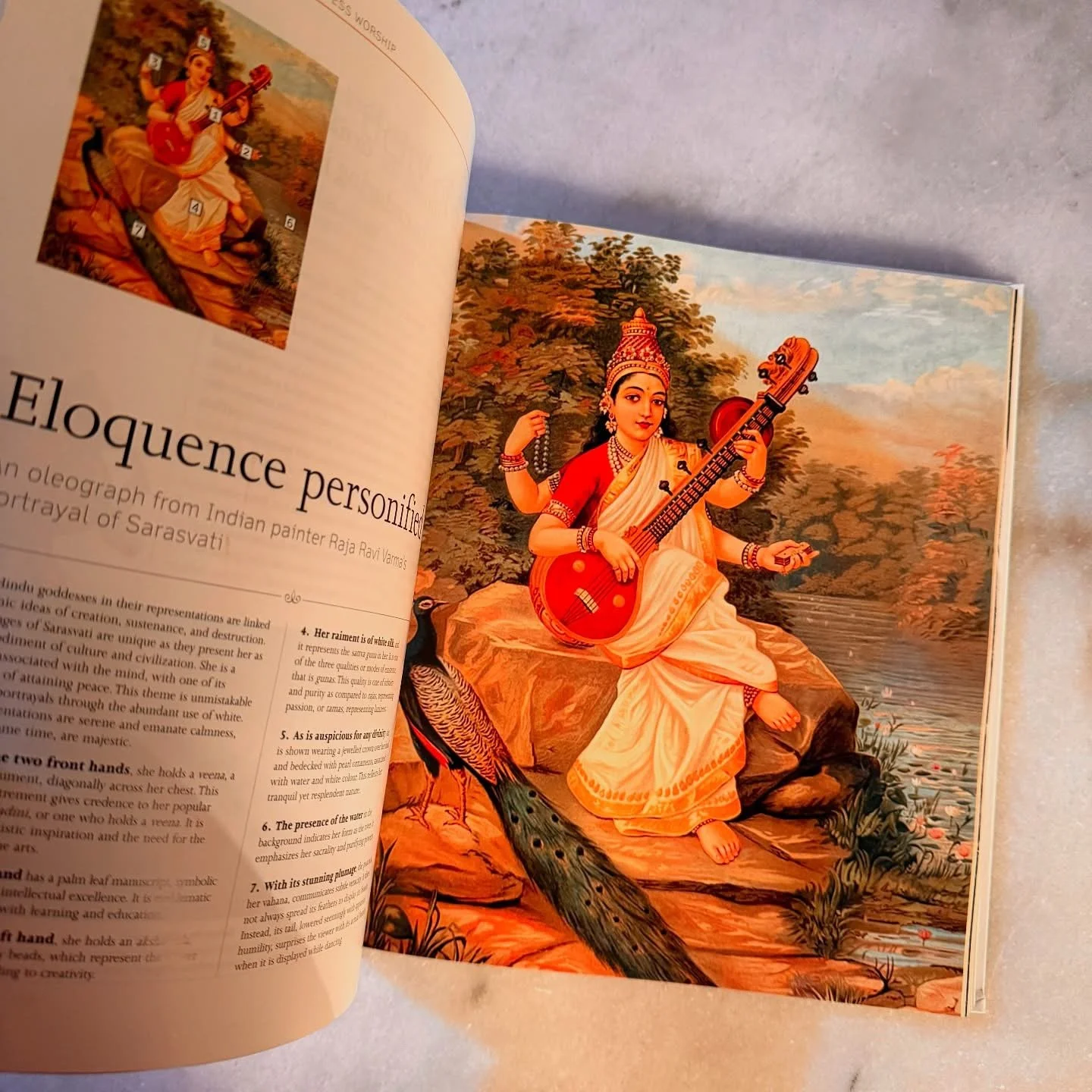
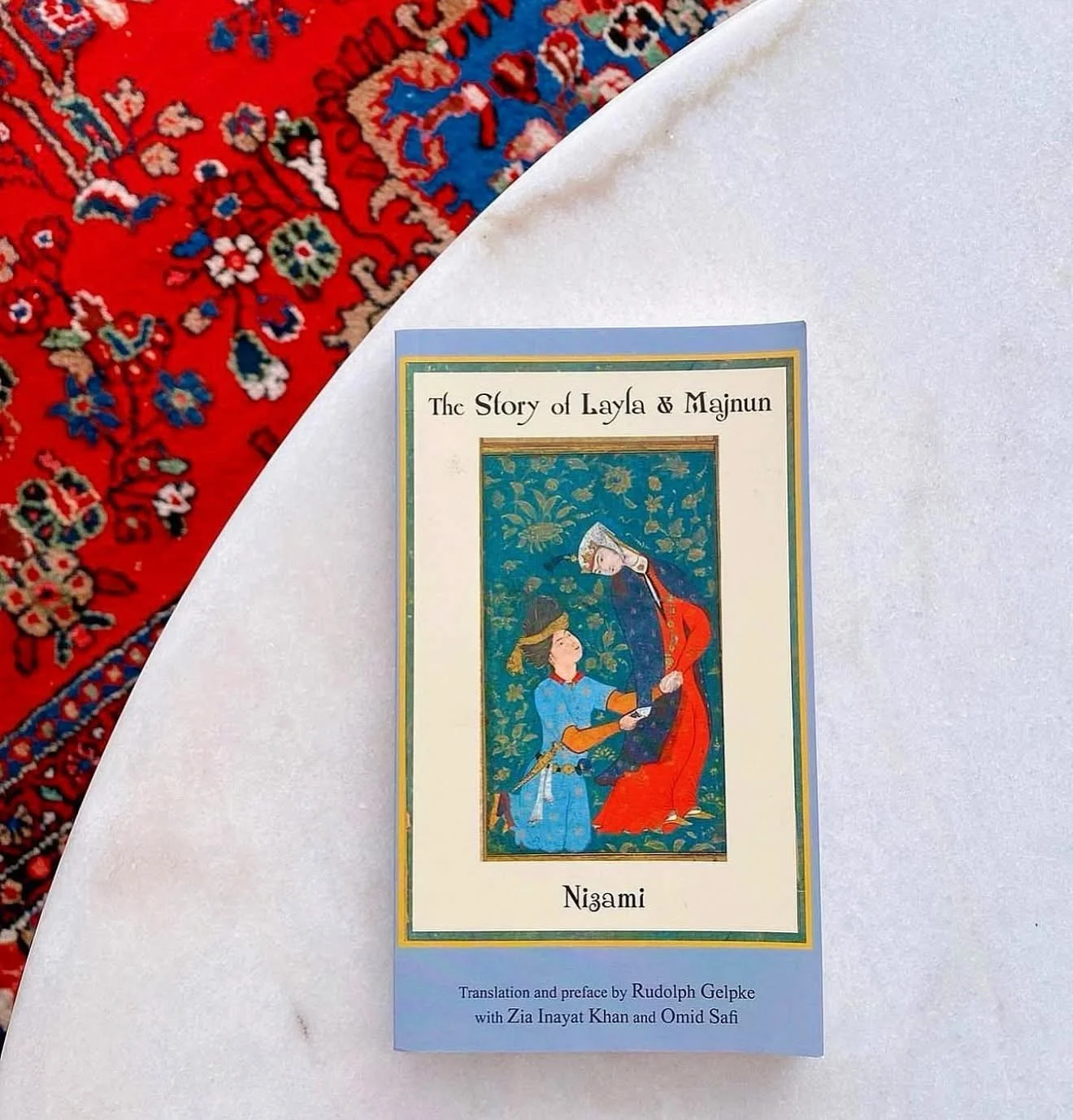
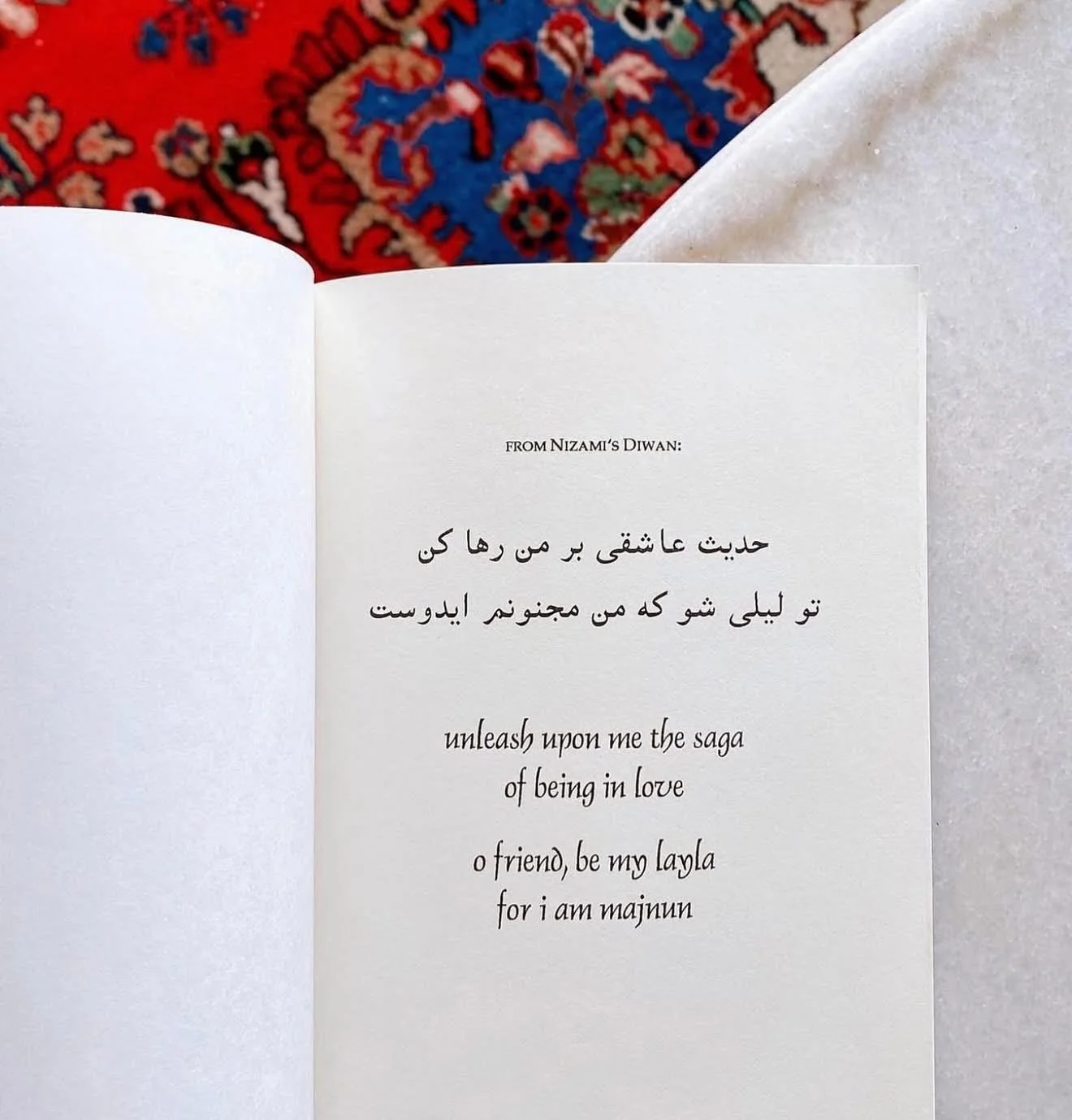
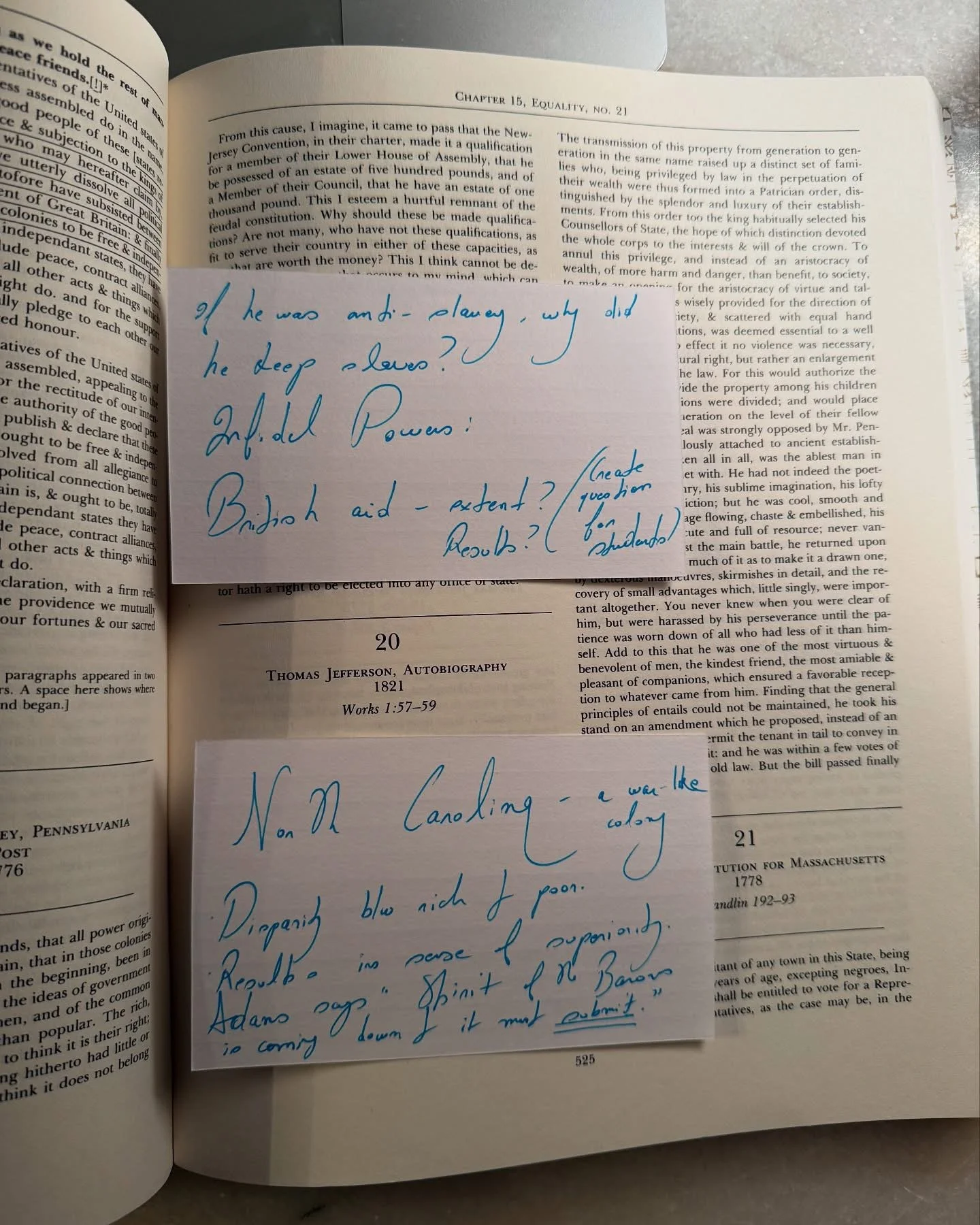
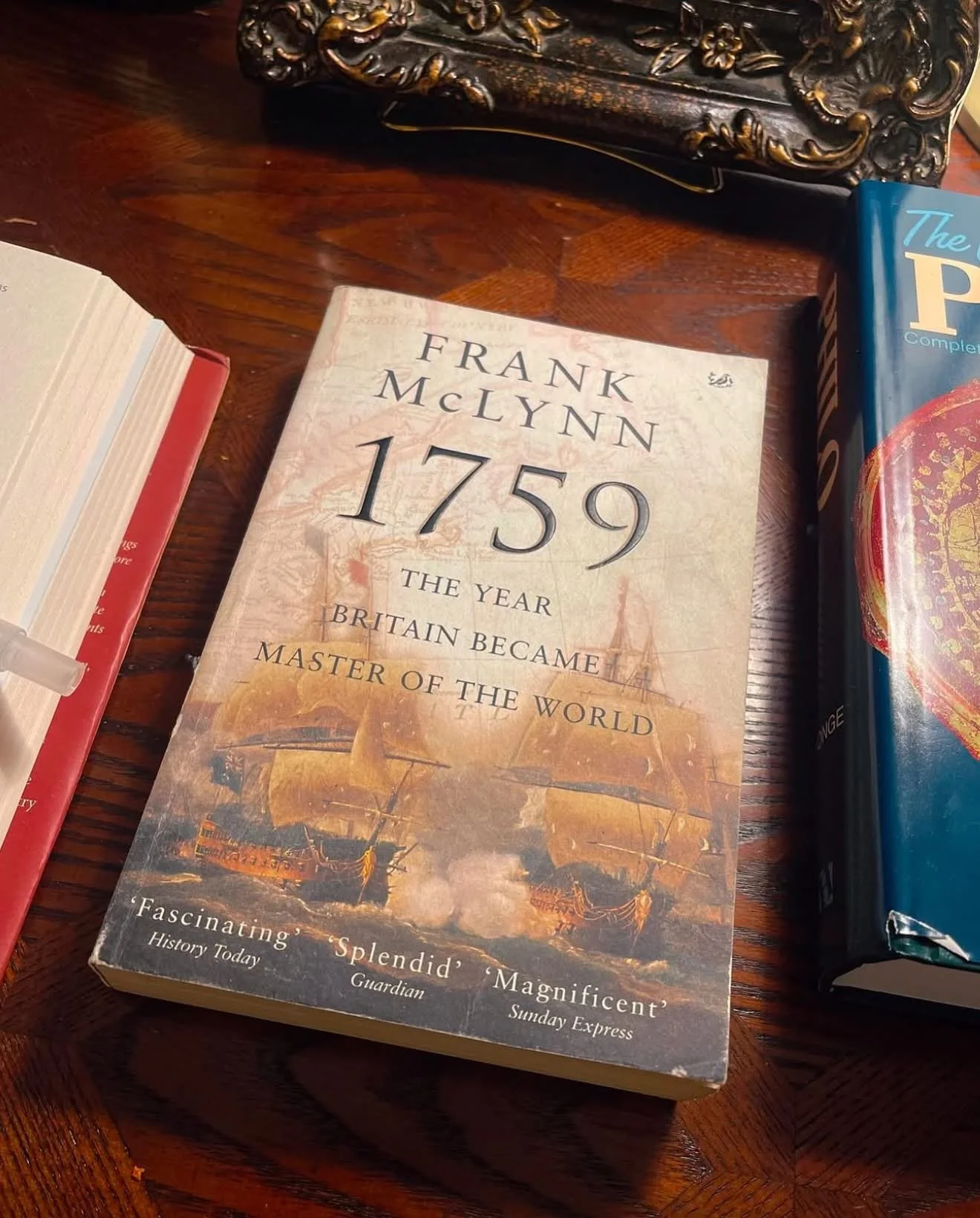
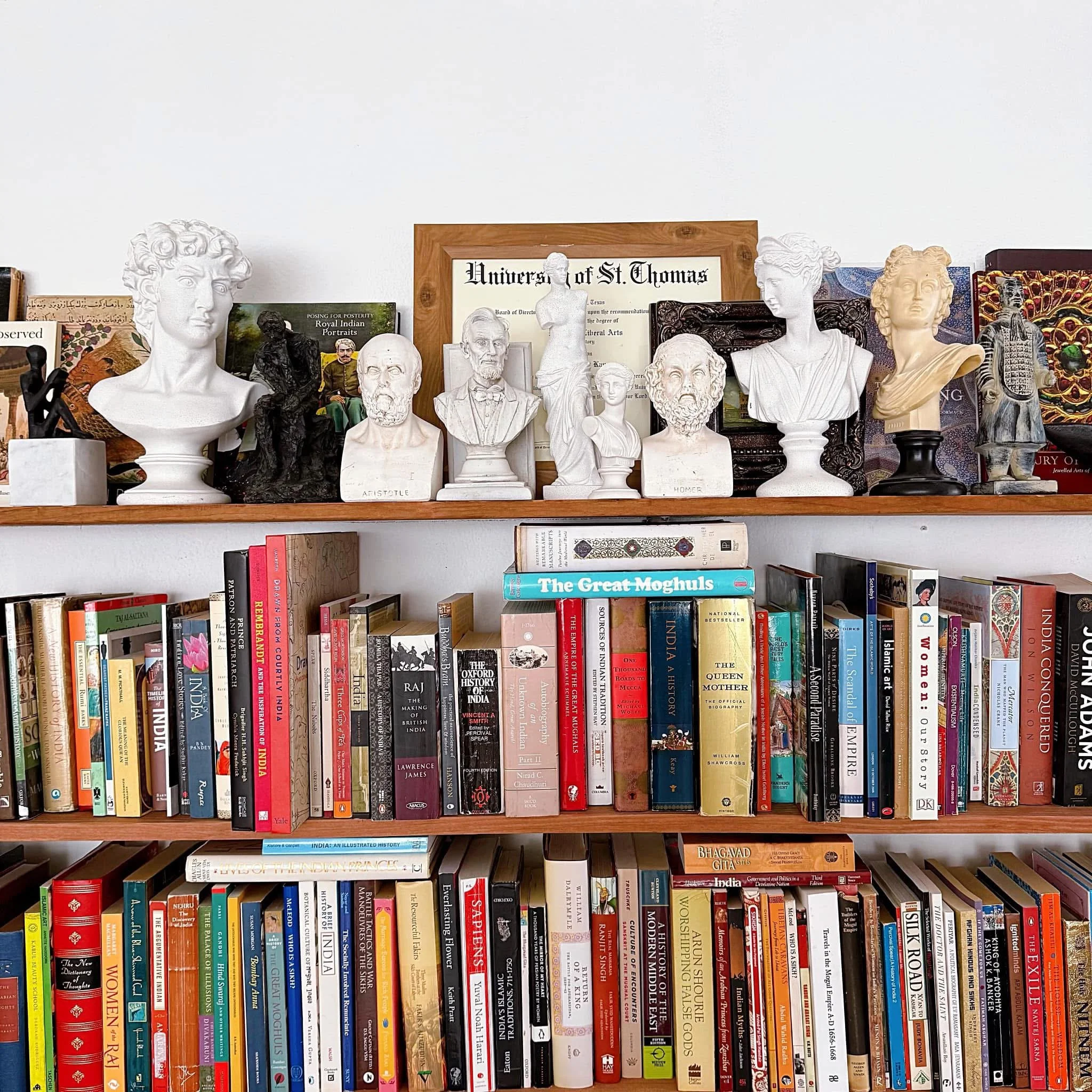
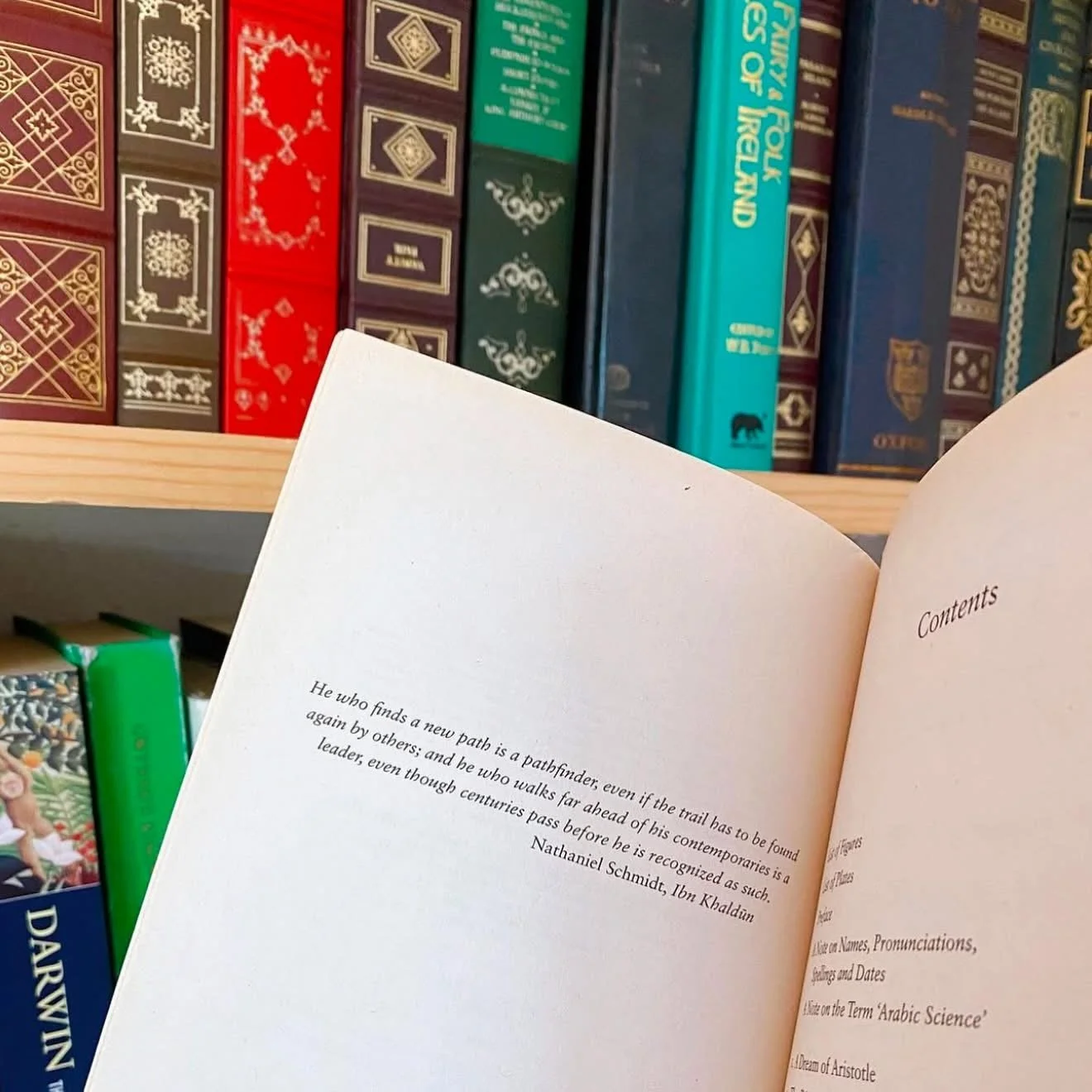
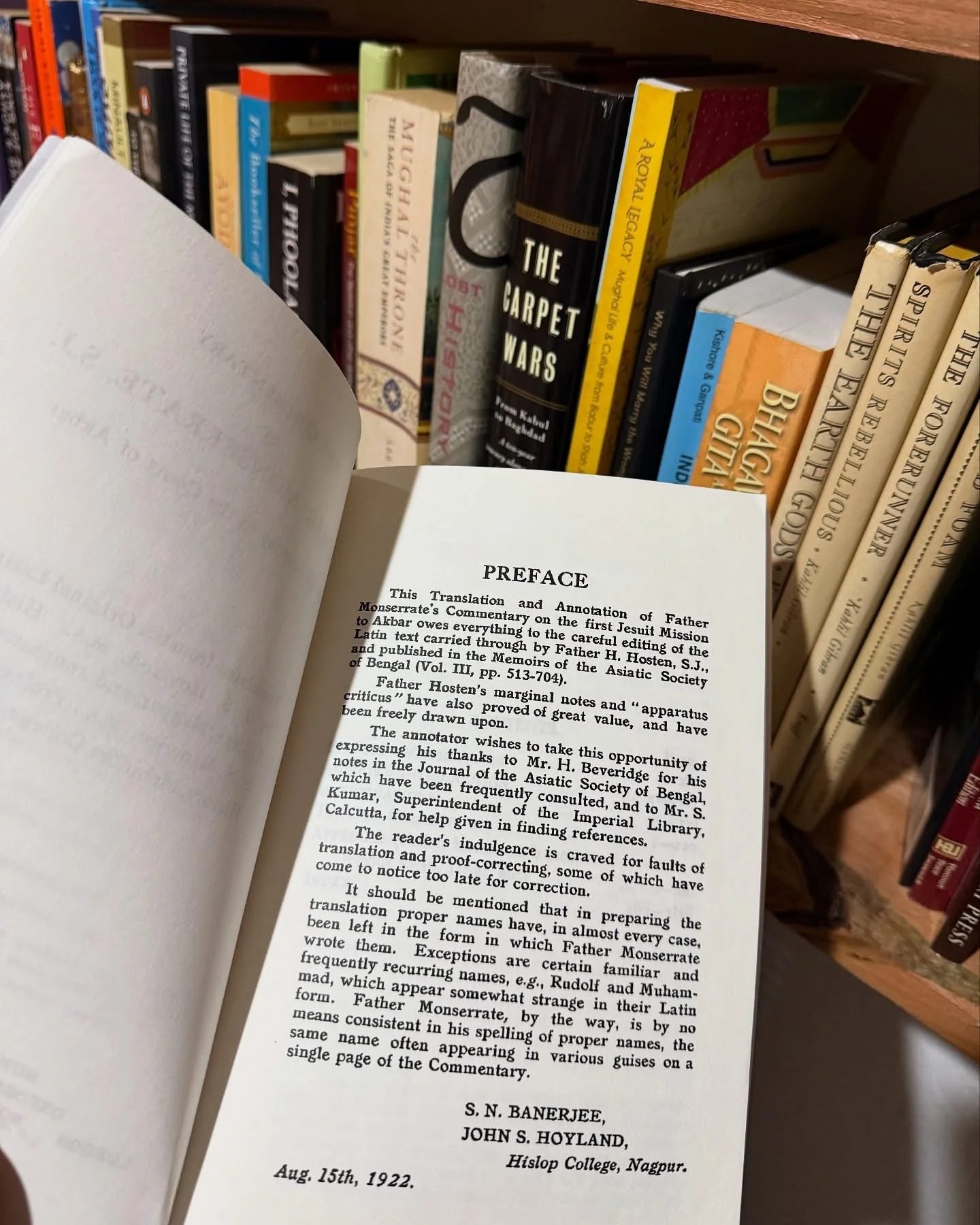
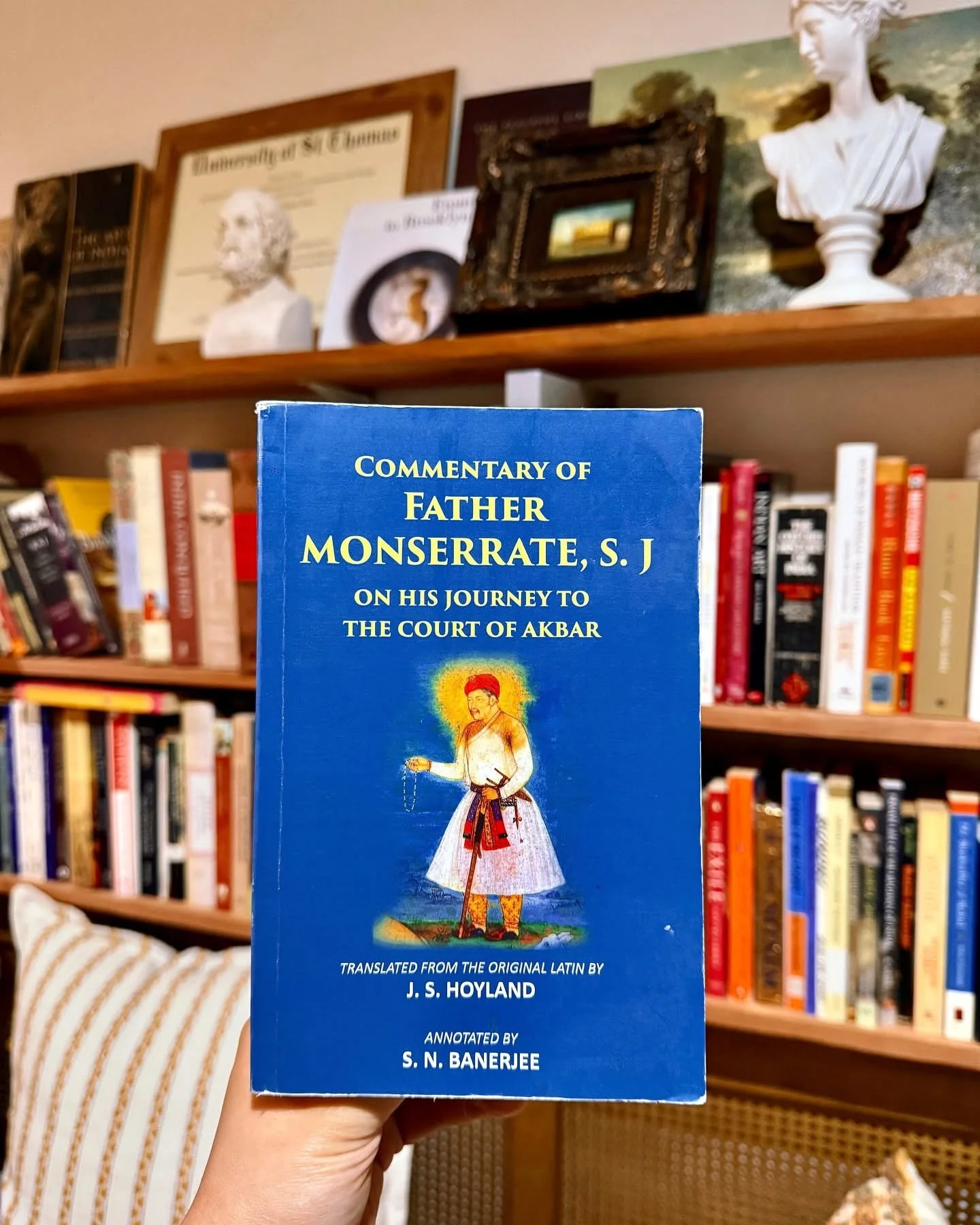
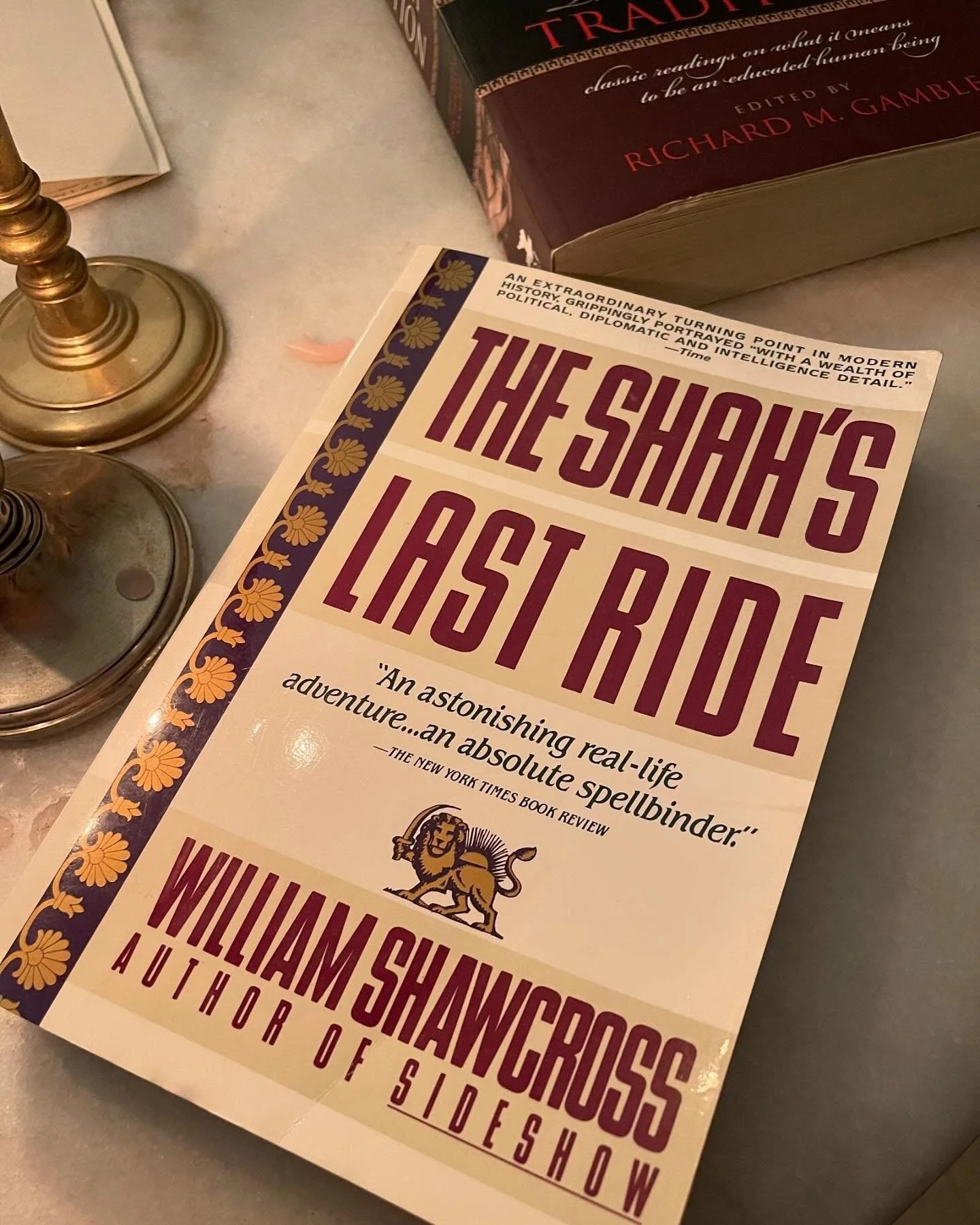
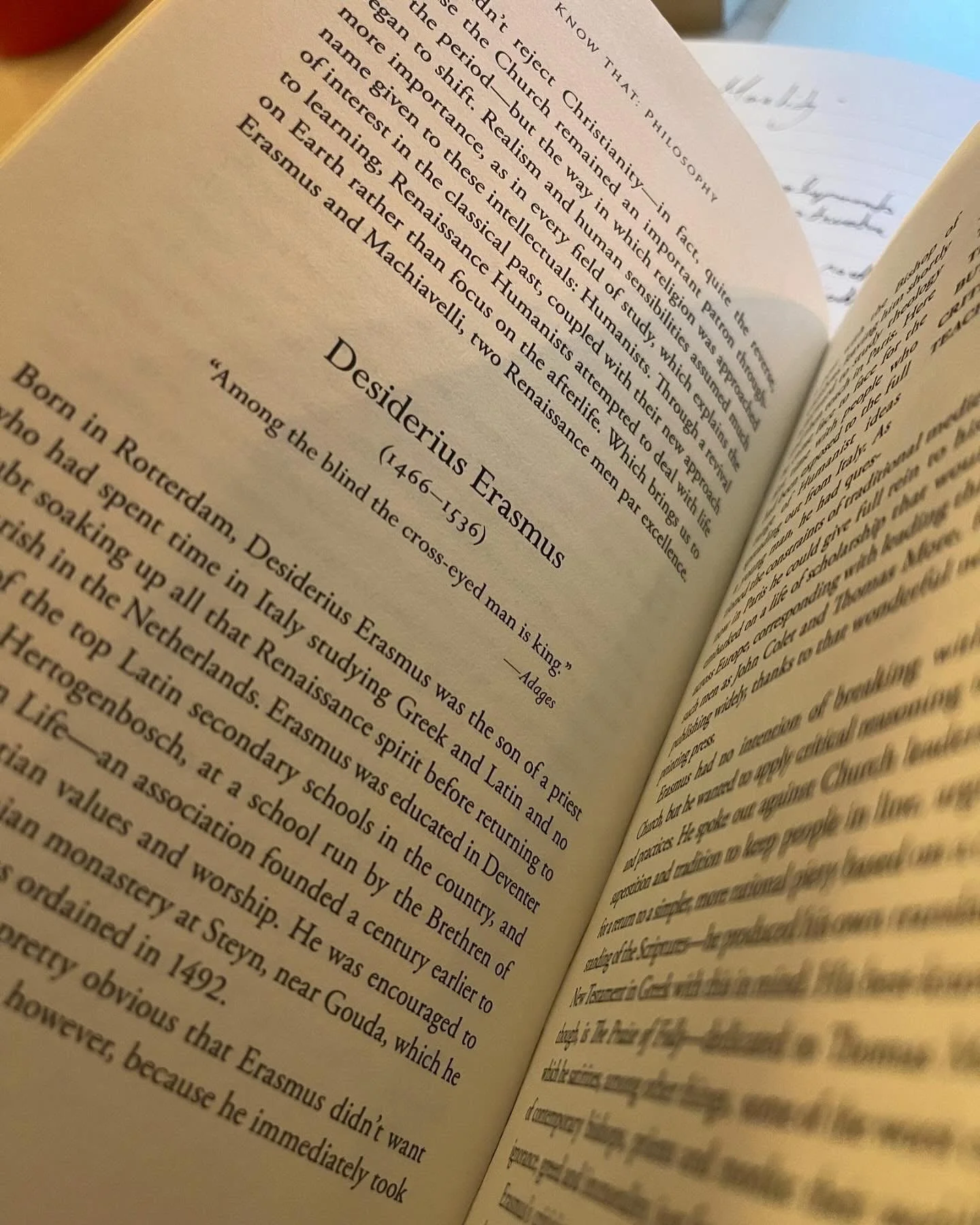
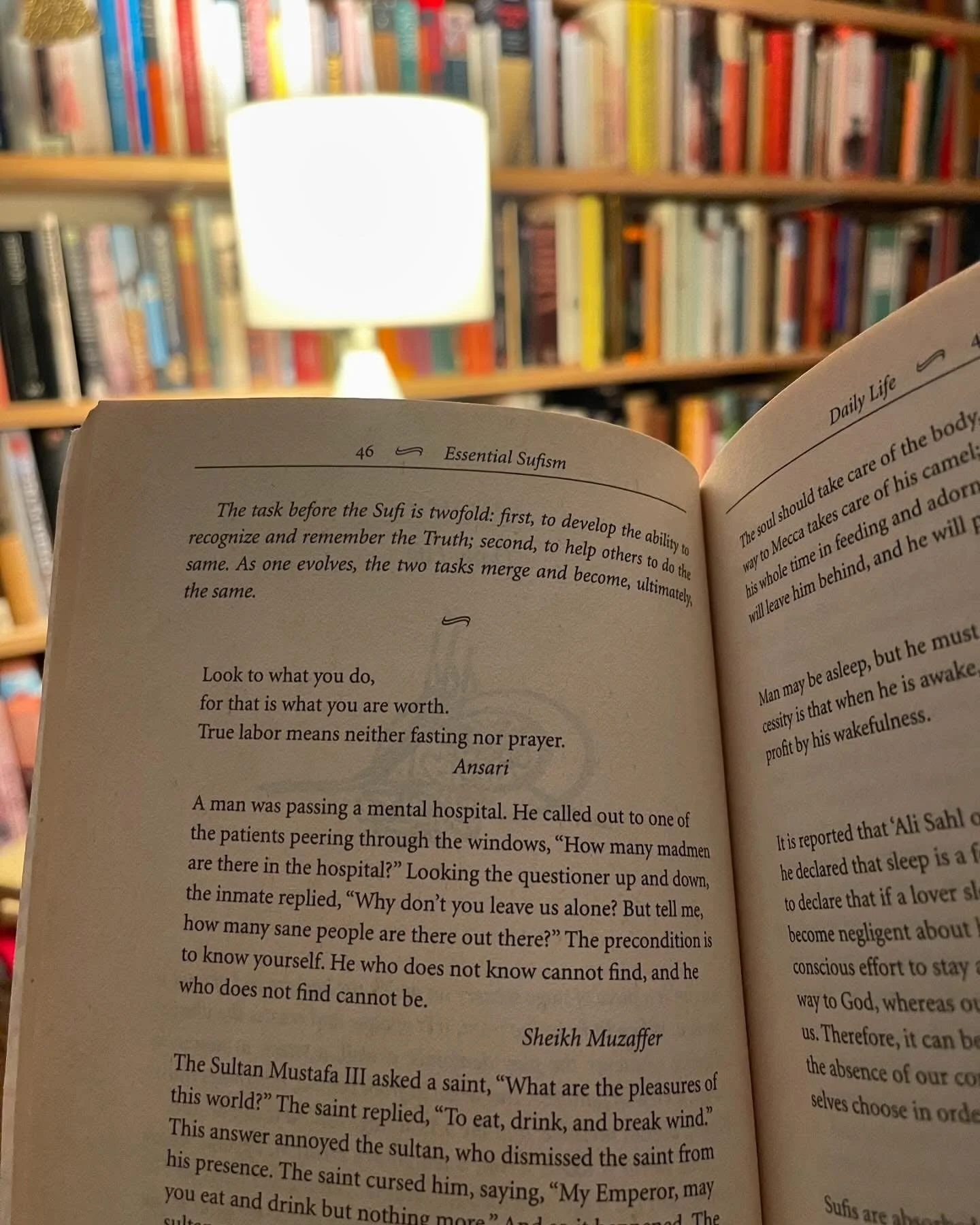
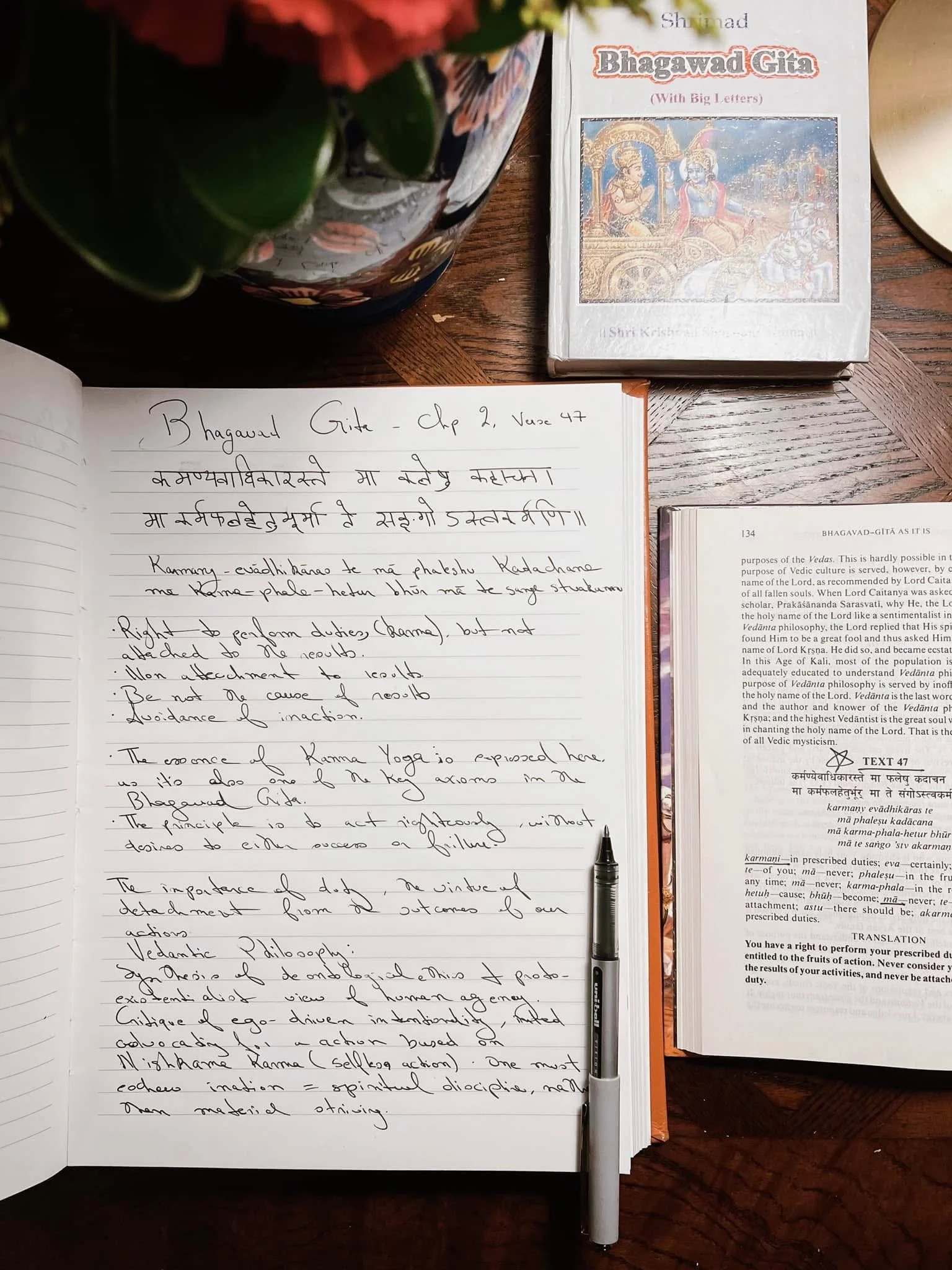
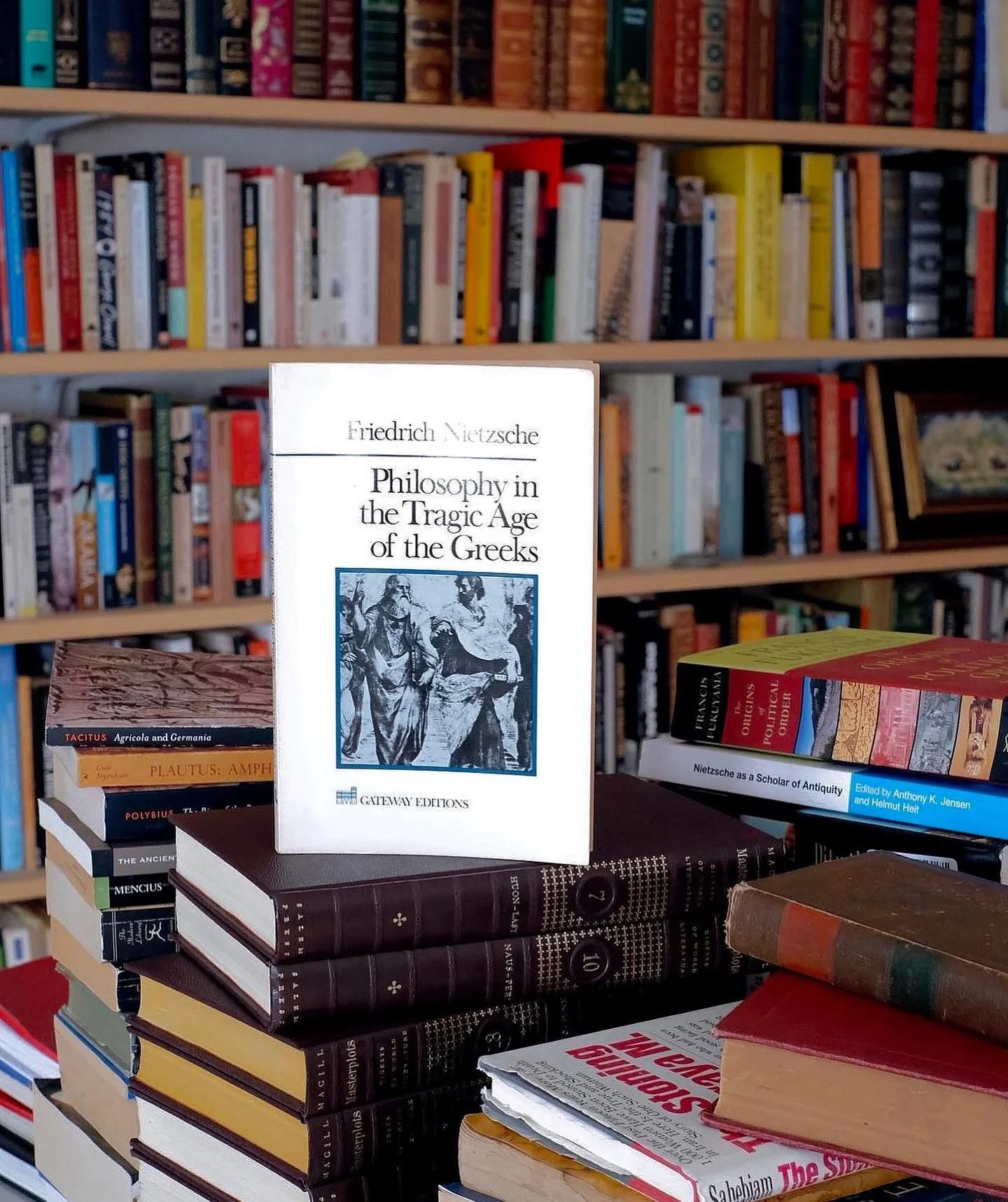
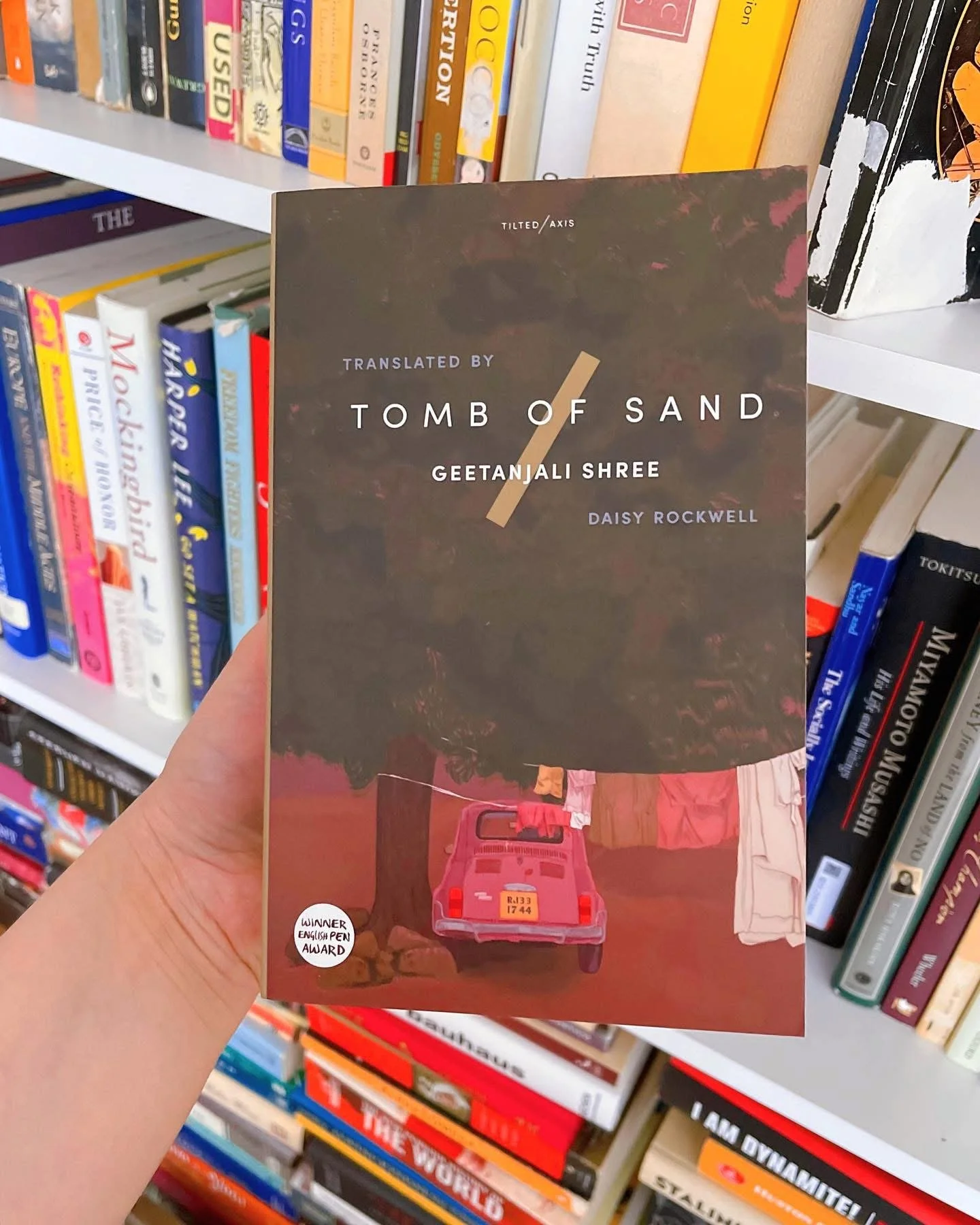
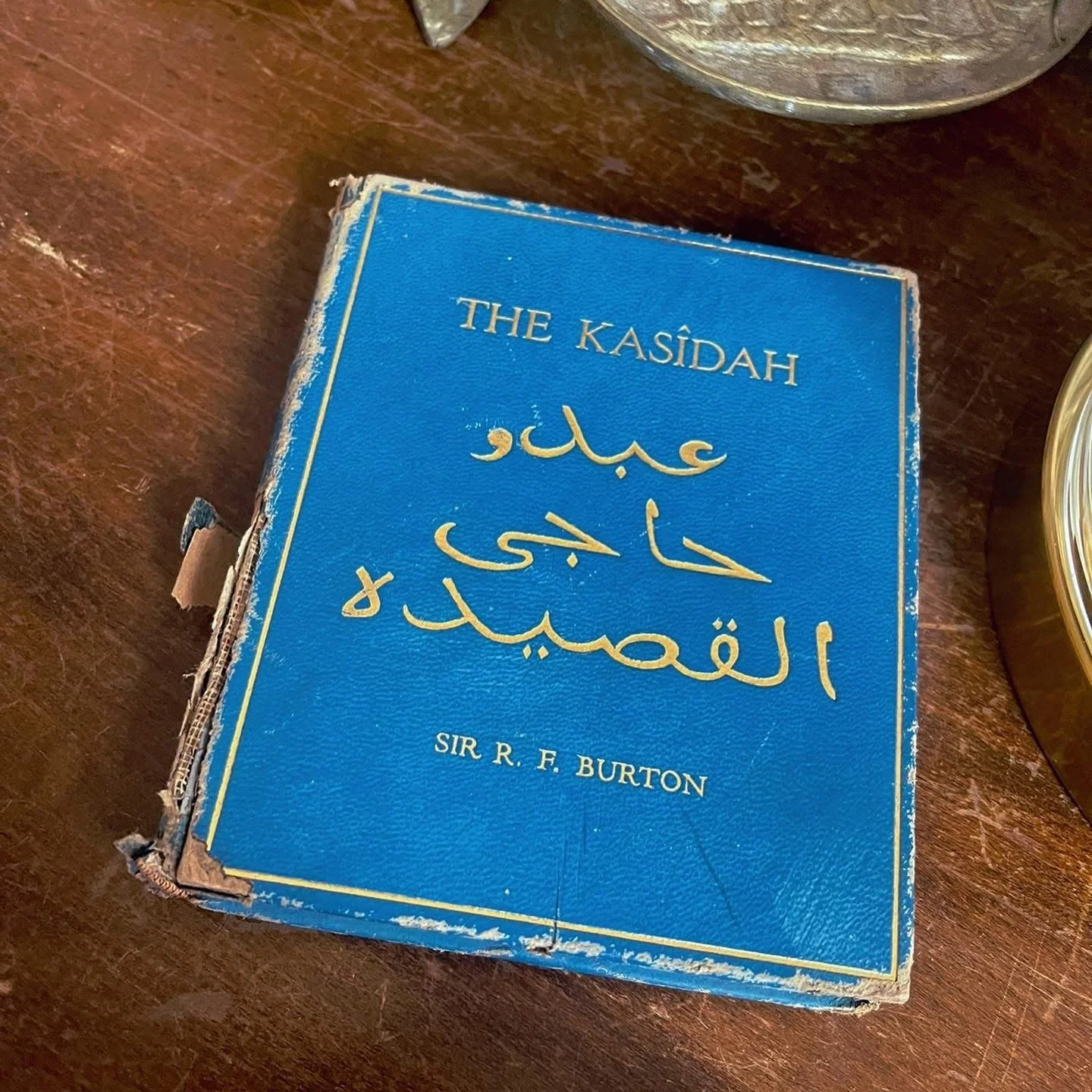
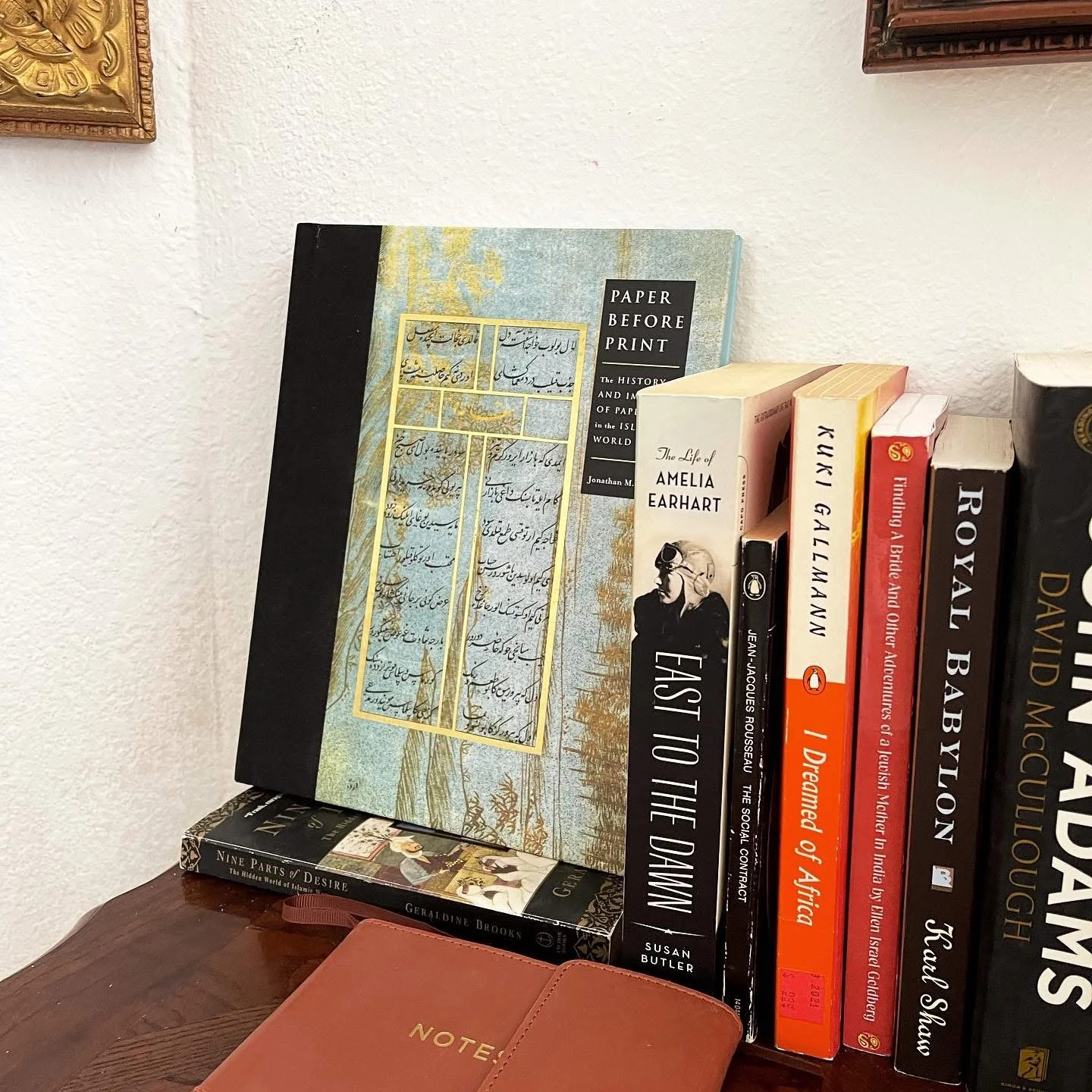
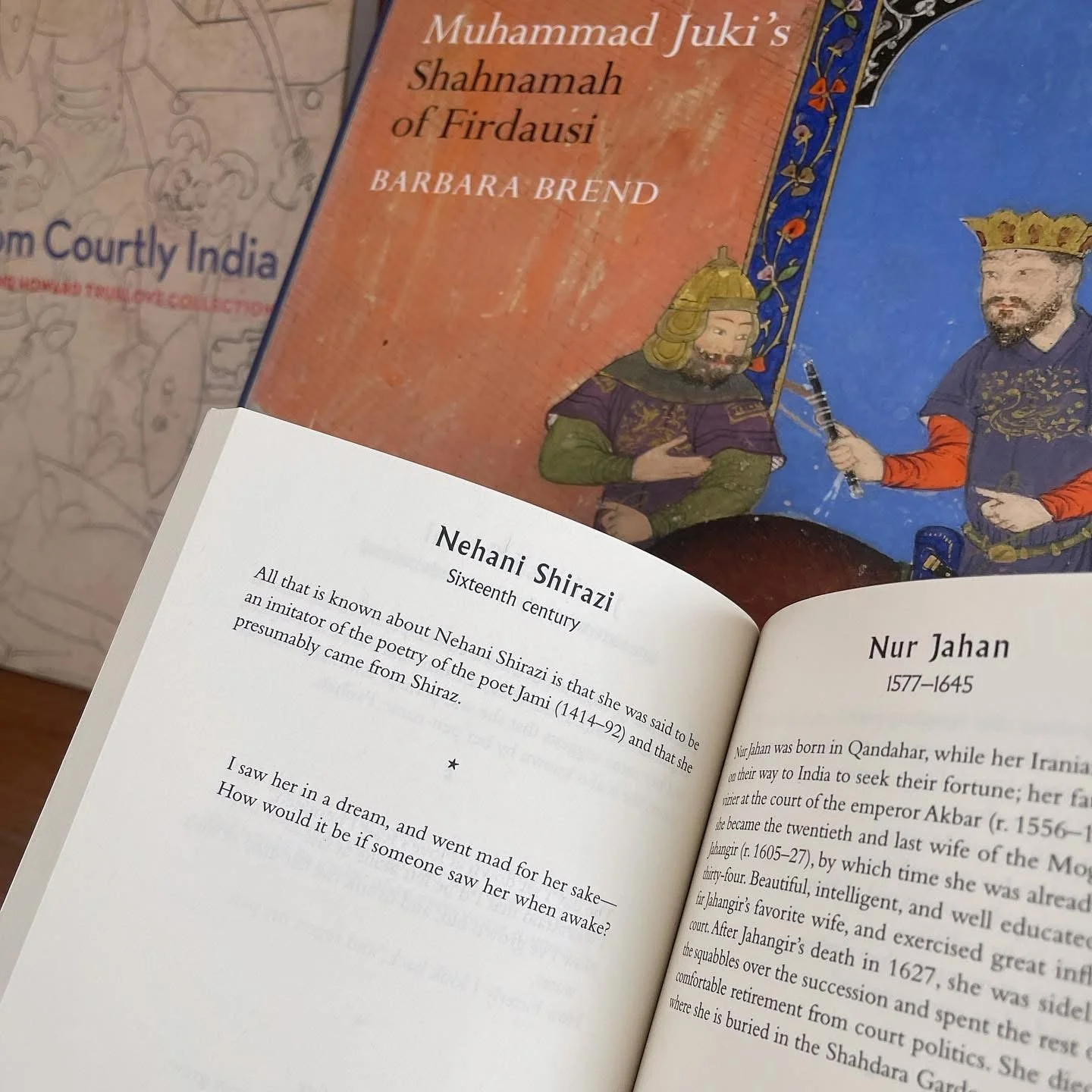
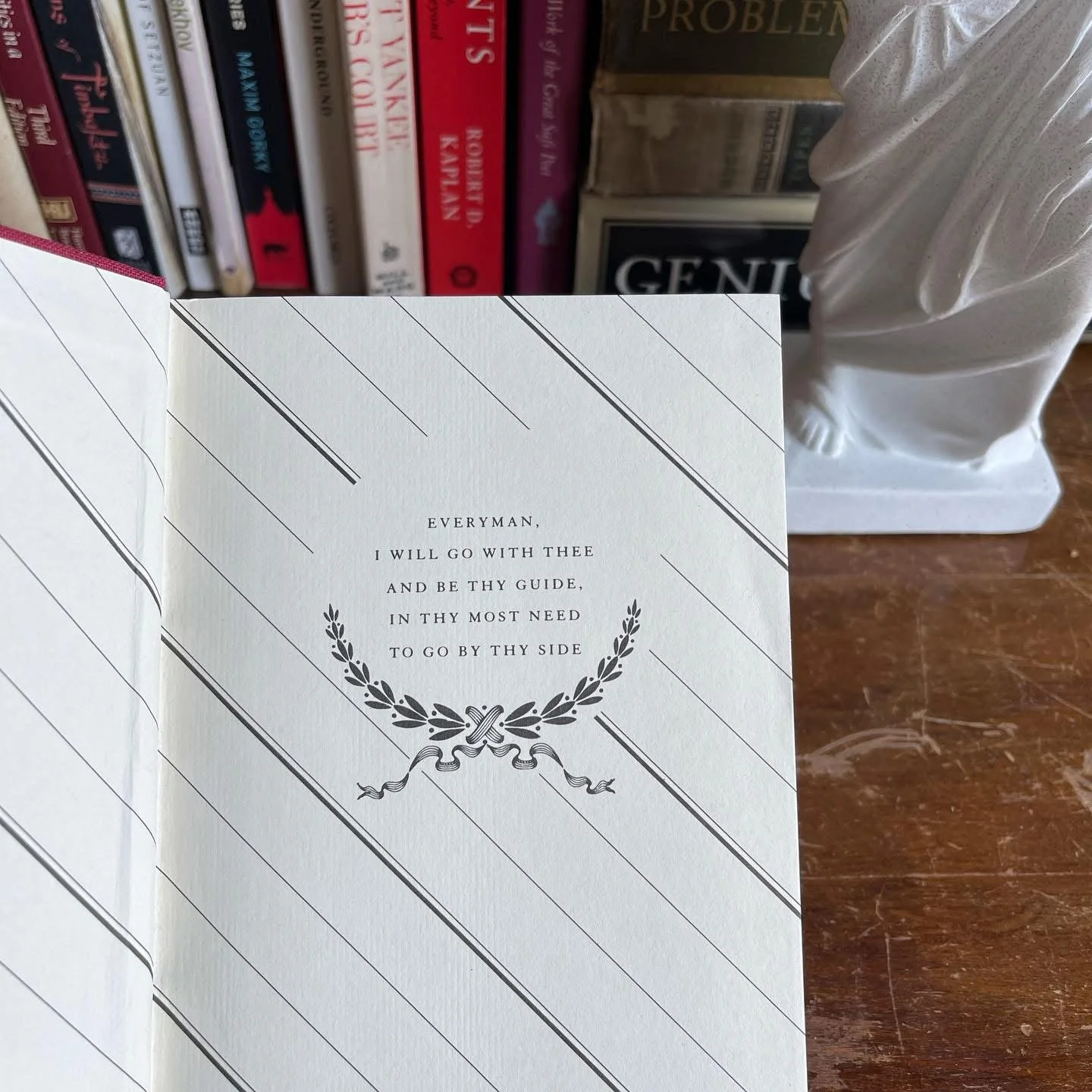
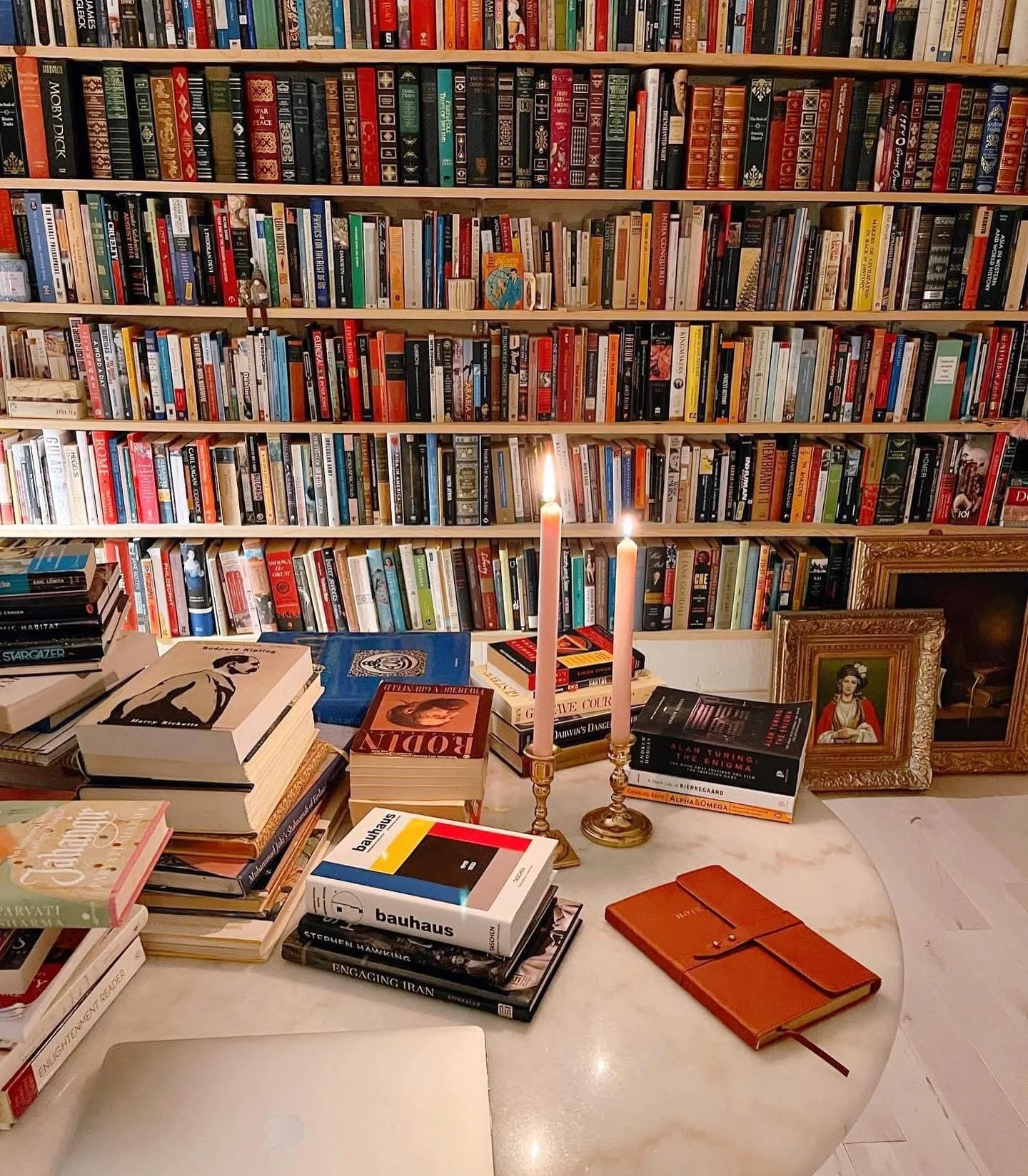
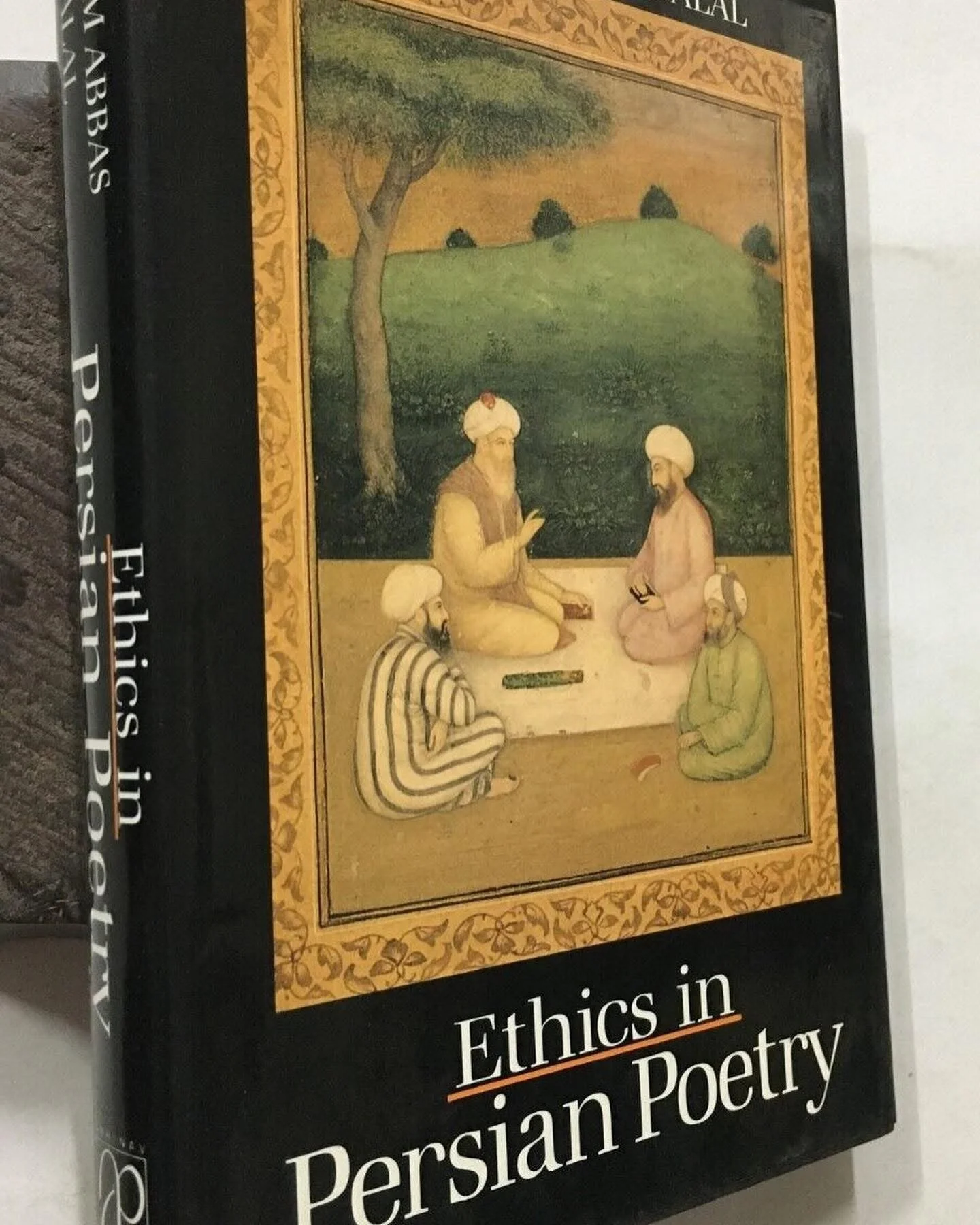
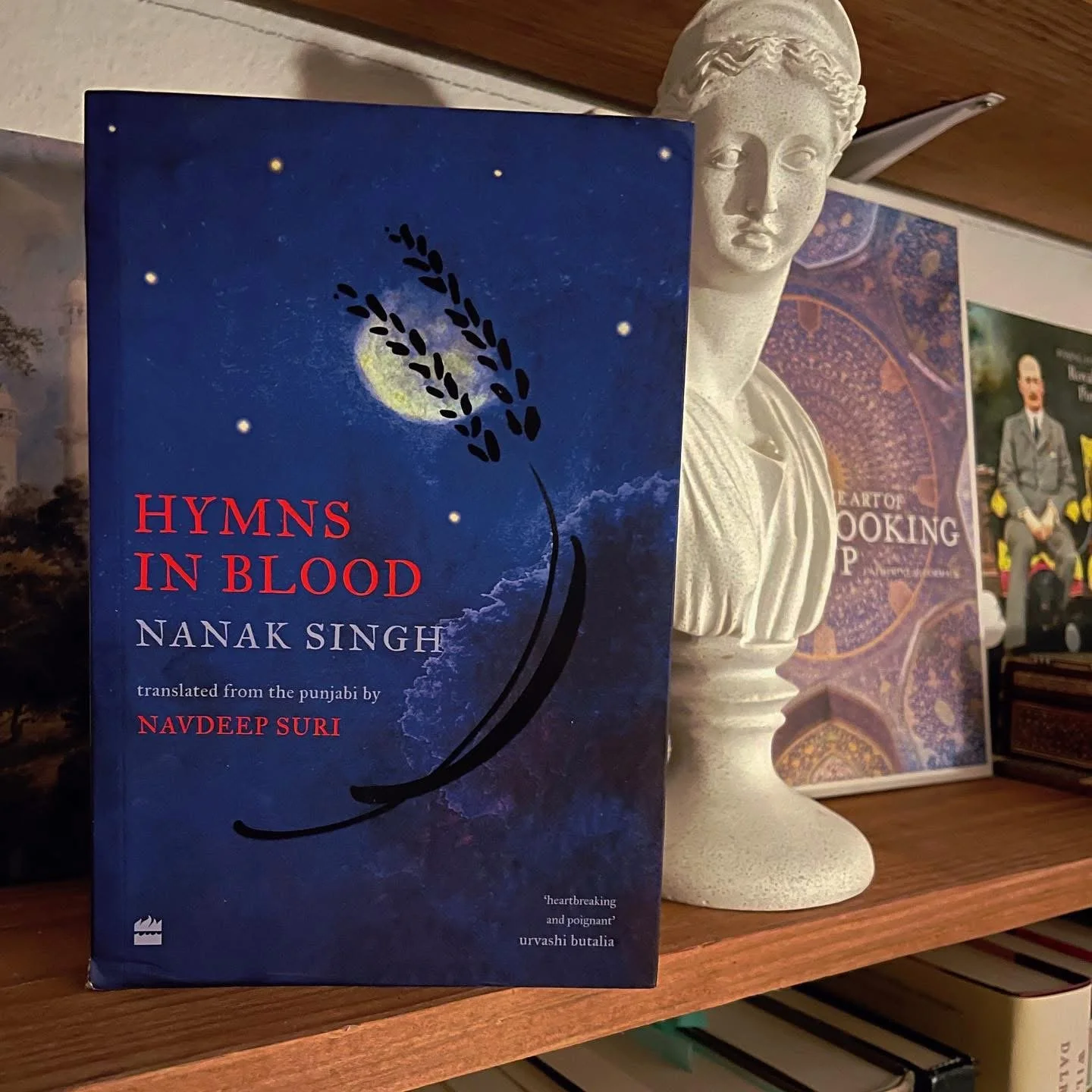
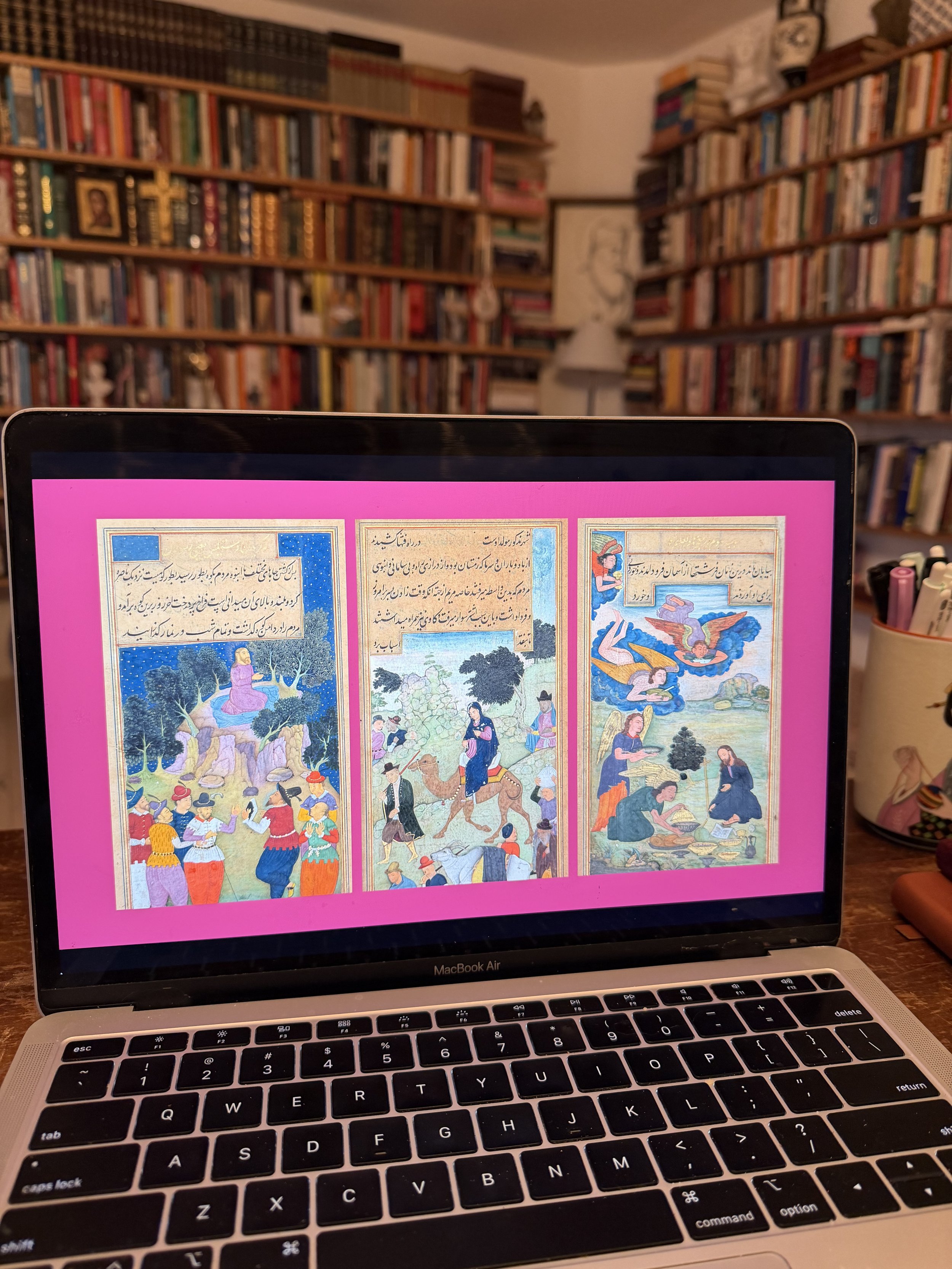
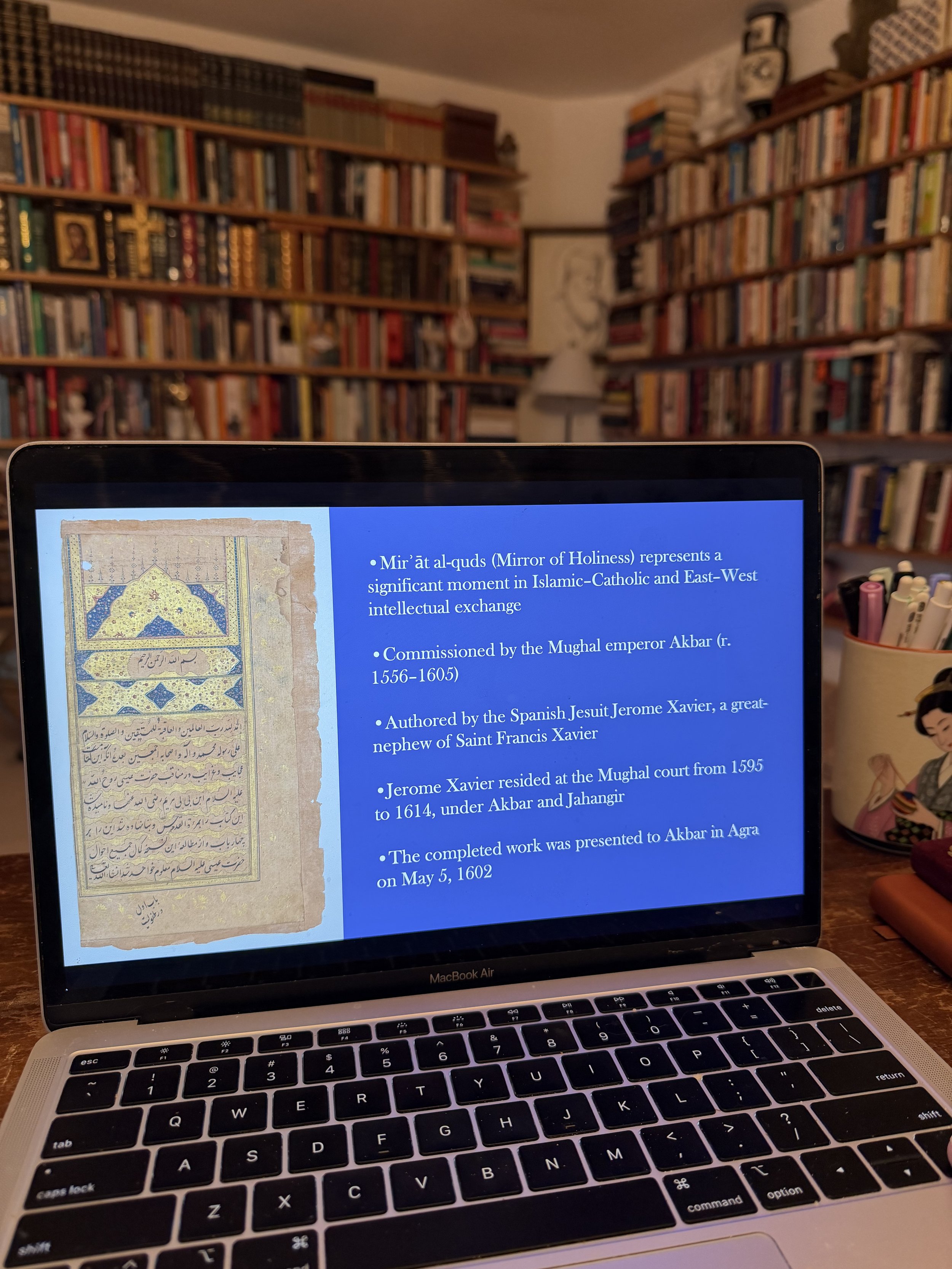
In an academic life shaped by the study of South Asian and Persian art history, my personal library has never been confined to a single discipline. Reading widely across mathematics, history, philosophy, and other forms of serious nonfiction has been essential to broadening my intellectual sensibilities as a historian. These books cultivate habits of thought that move beyond specialization, sharpening attention, structure, and historical imagination. Over time, a personal library comes to reflect individual commitments and curiosities. It becomes both a record of past inquiry and a quiet indication of the questions that continue to guide one’s work.
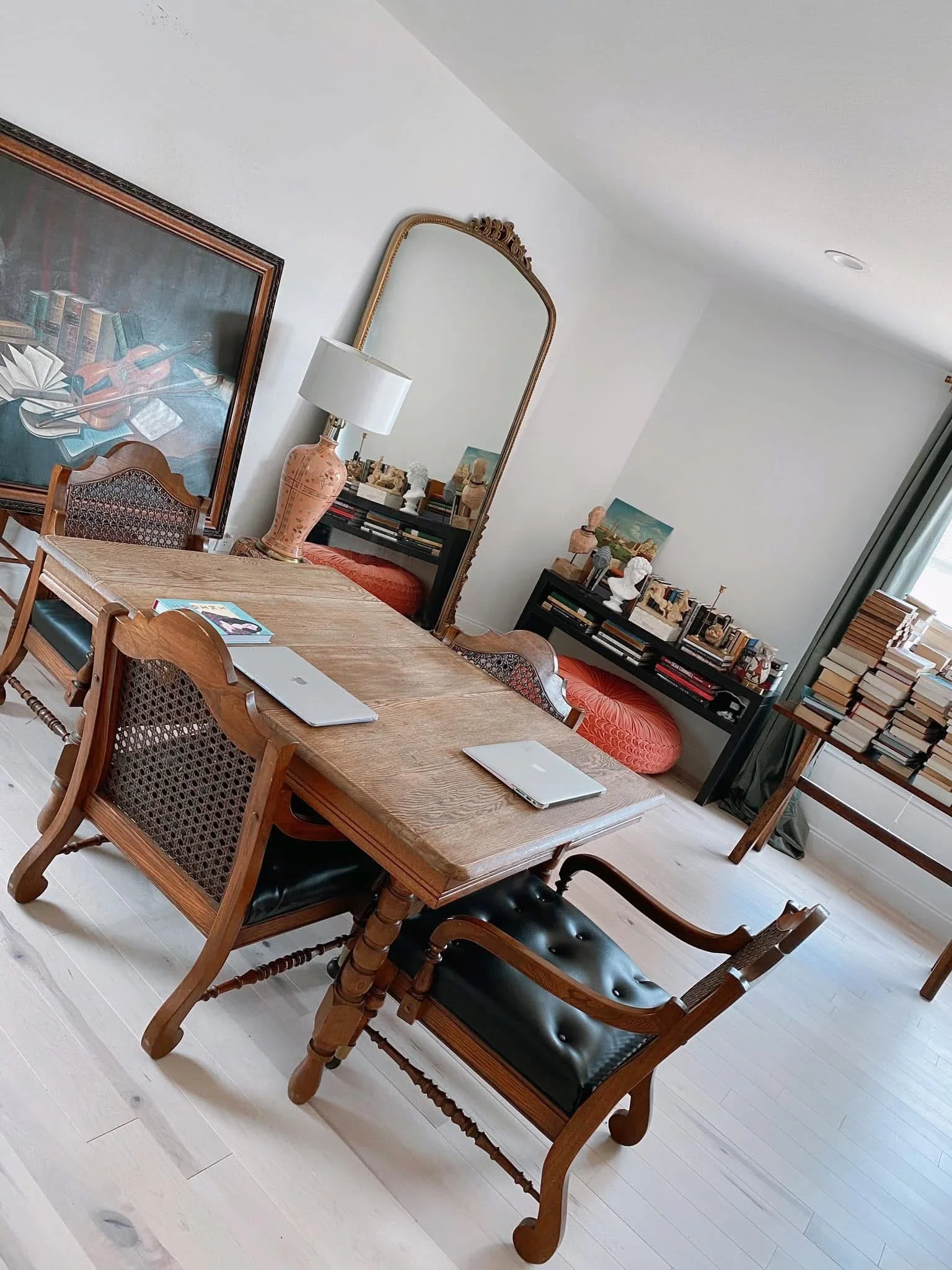
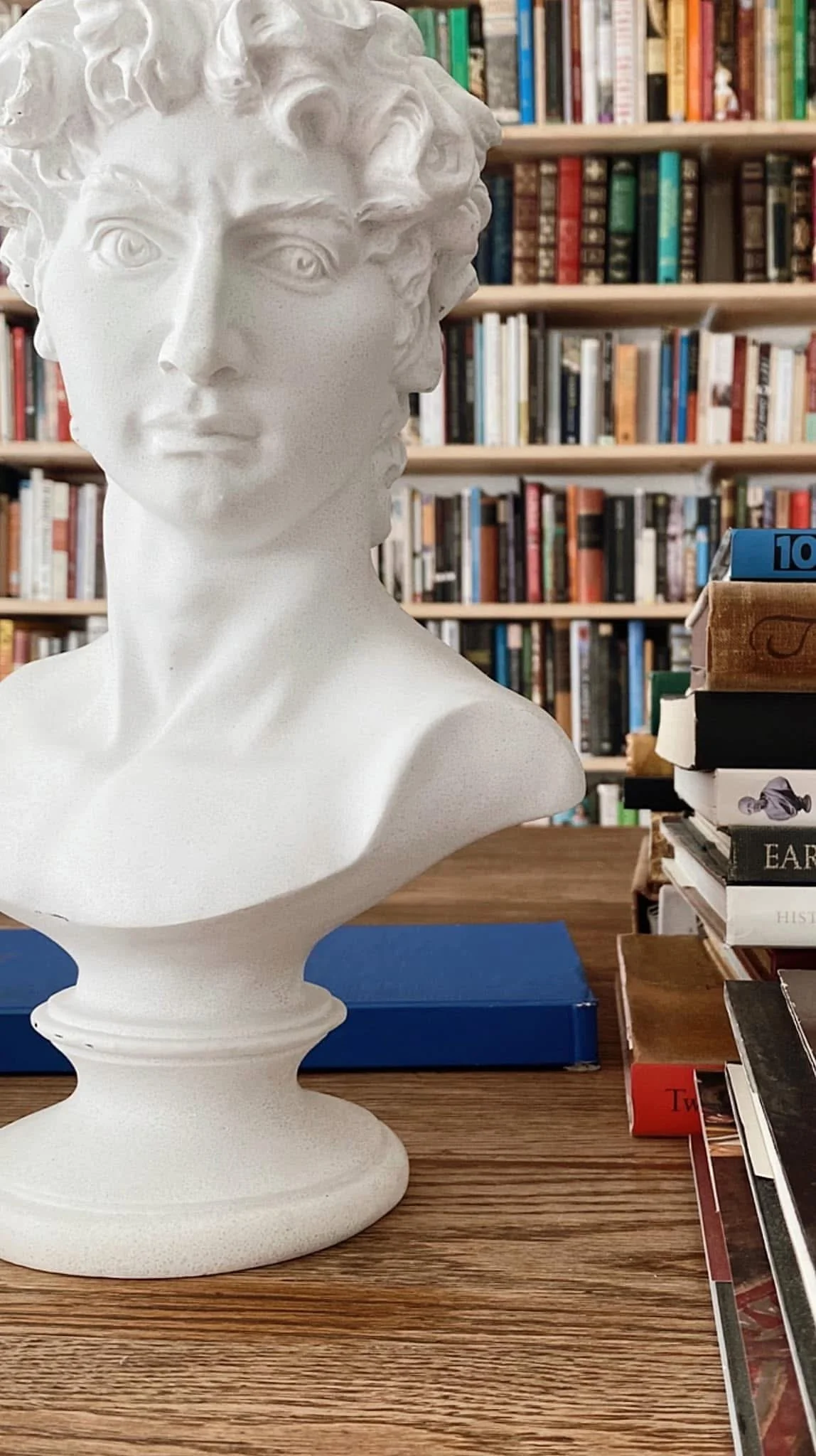
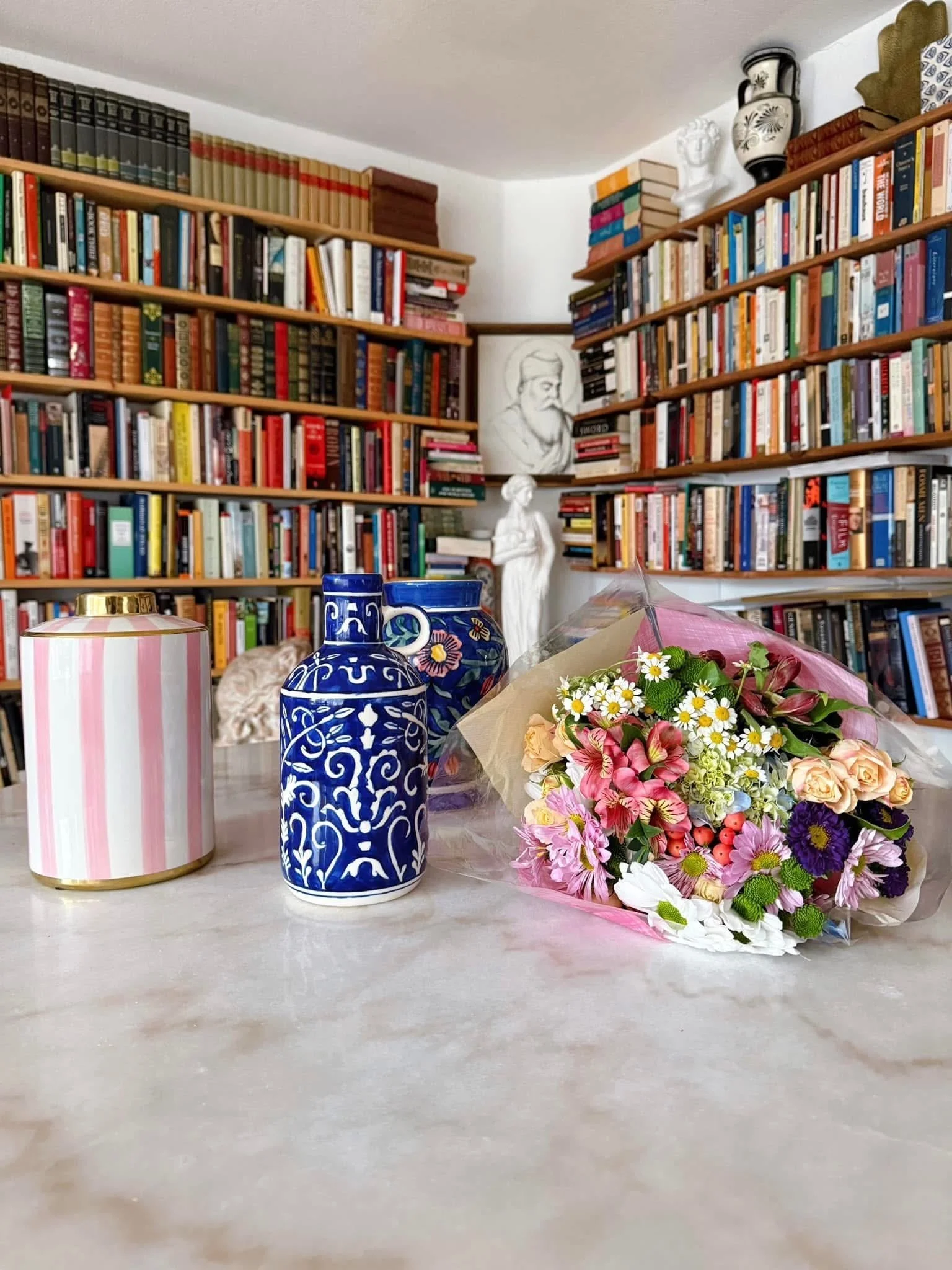
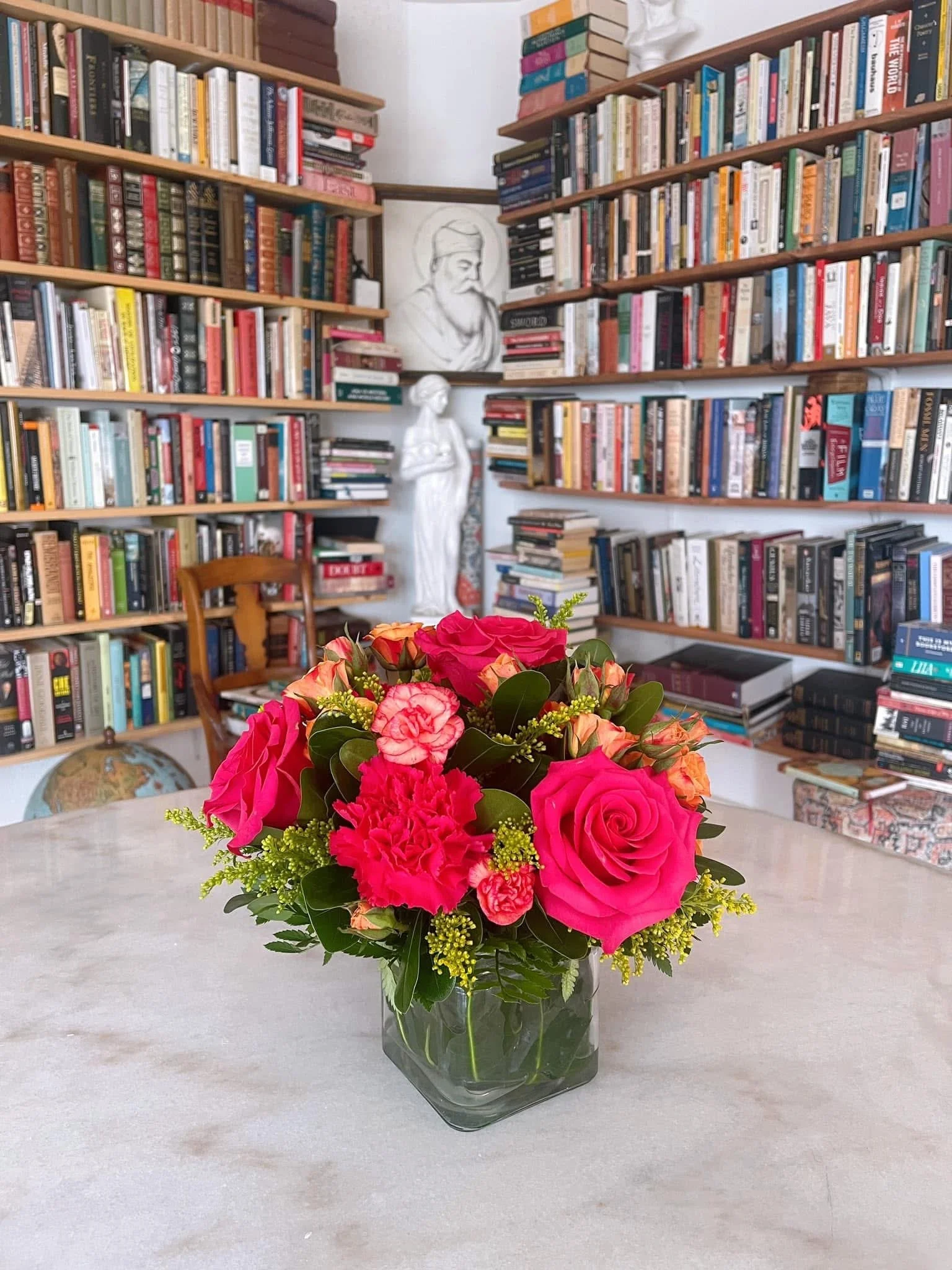
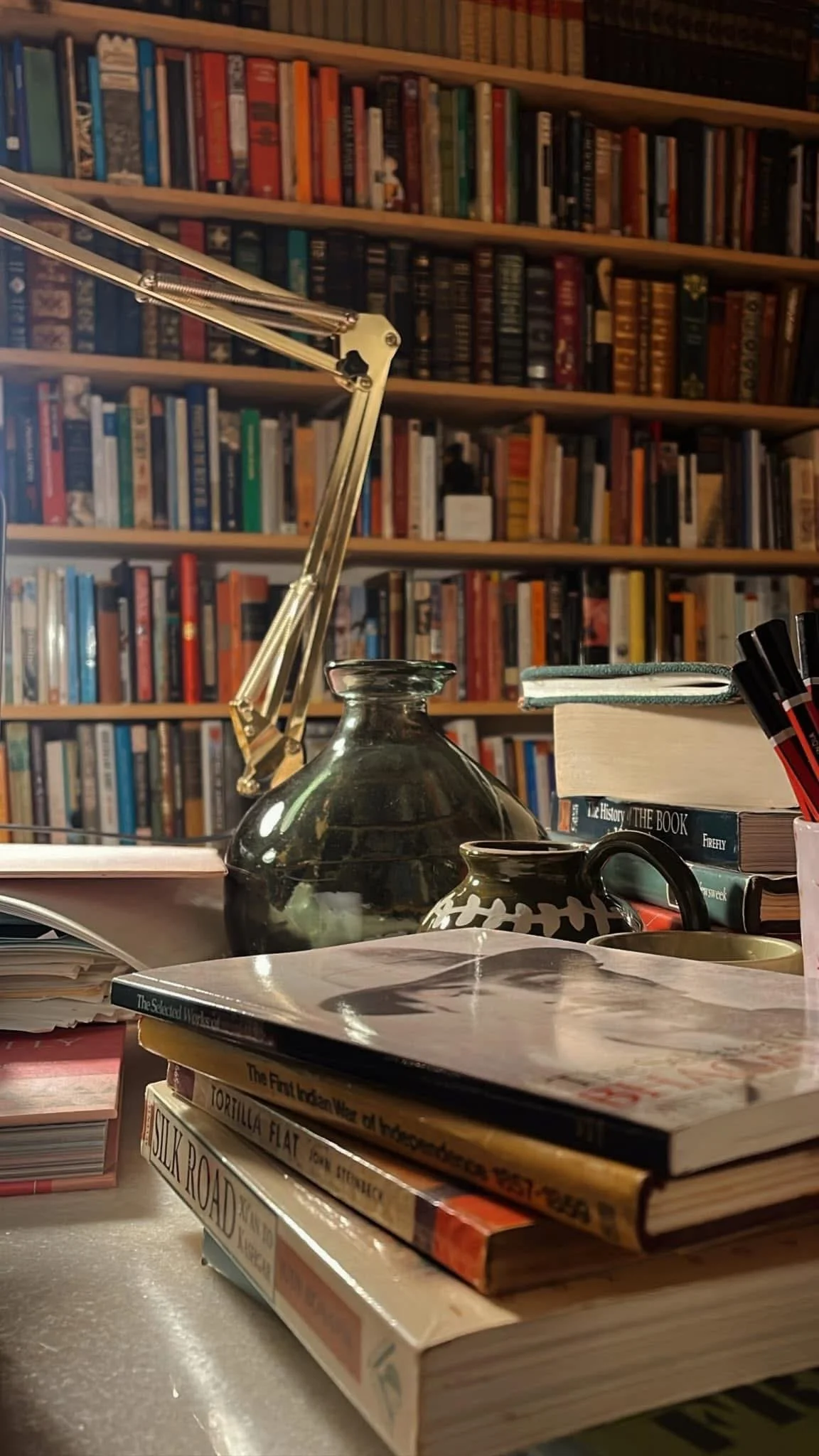
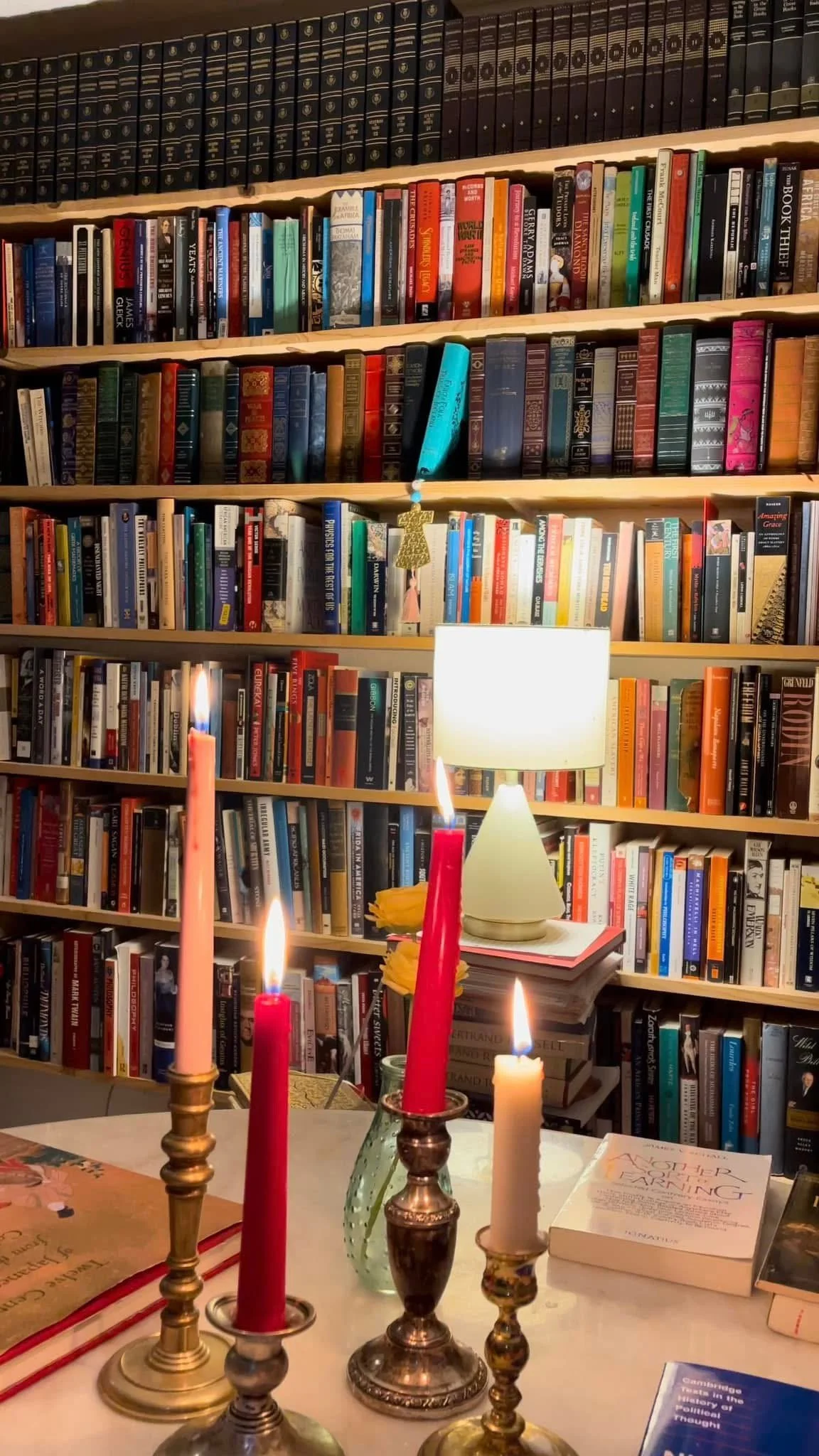
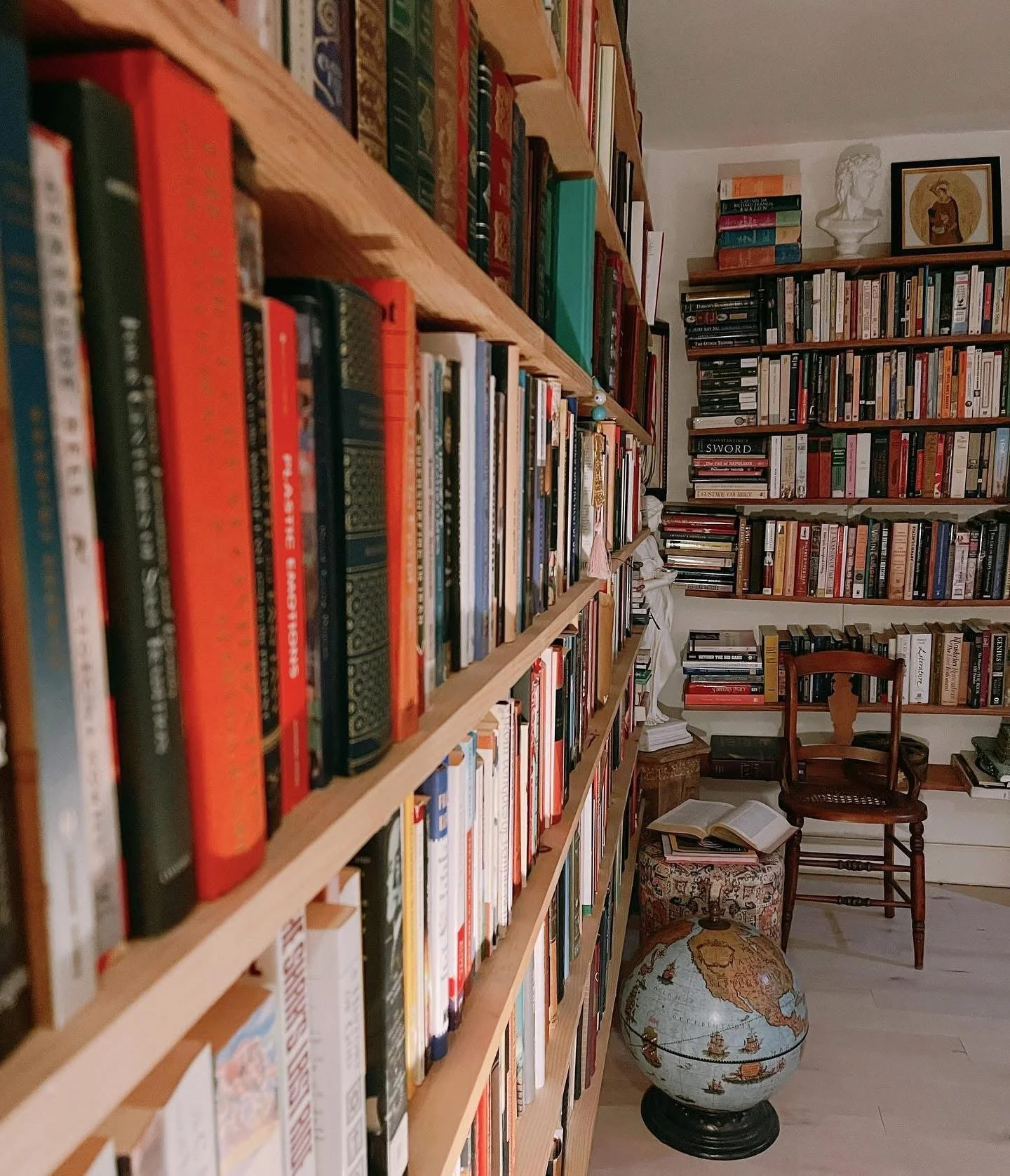
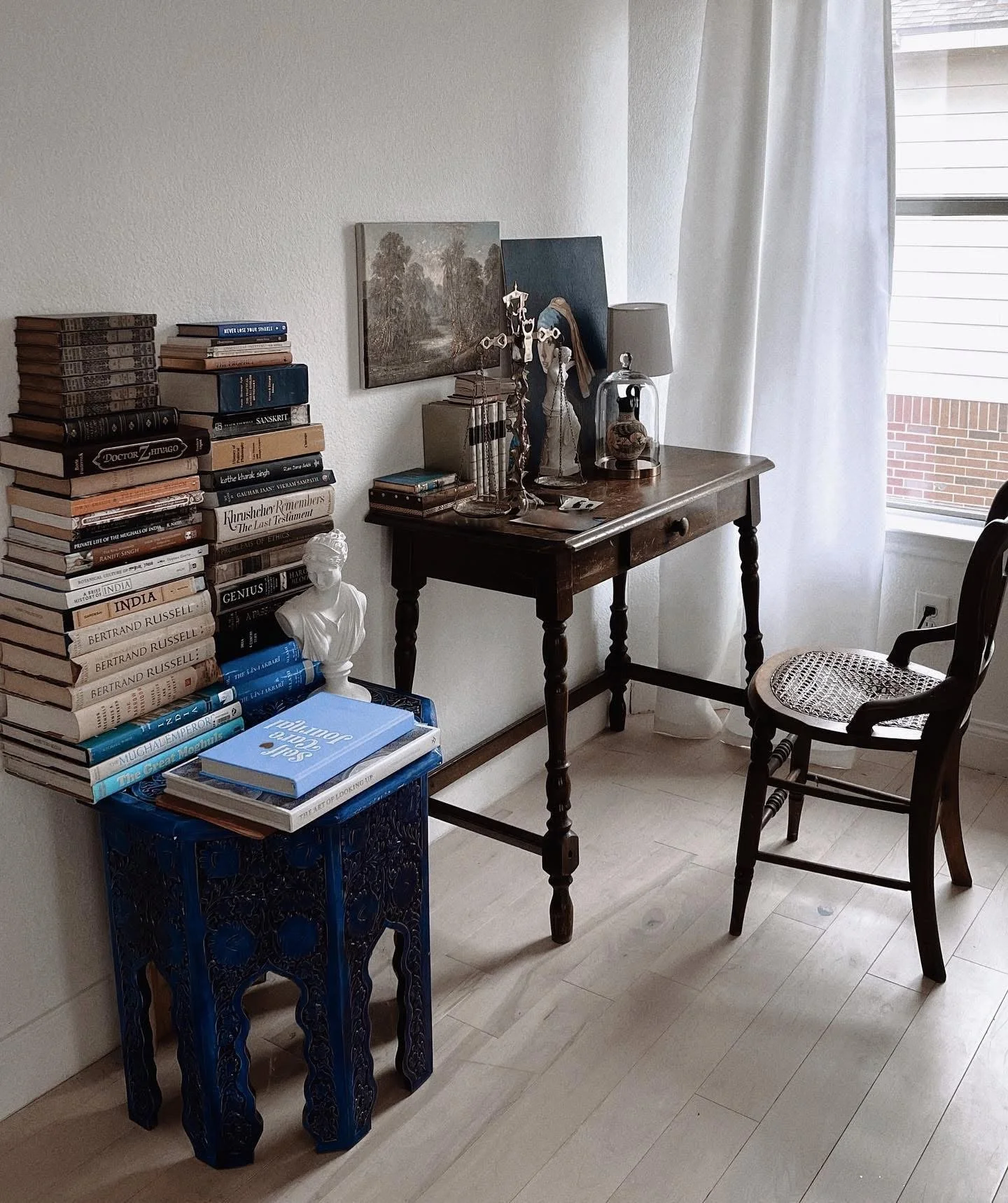
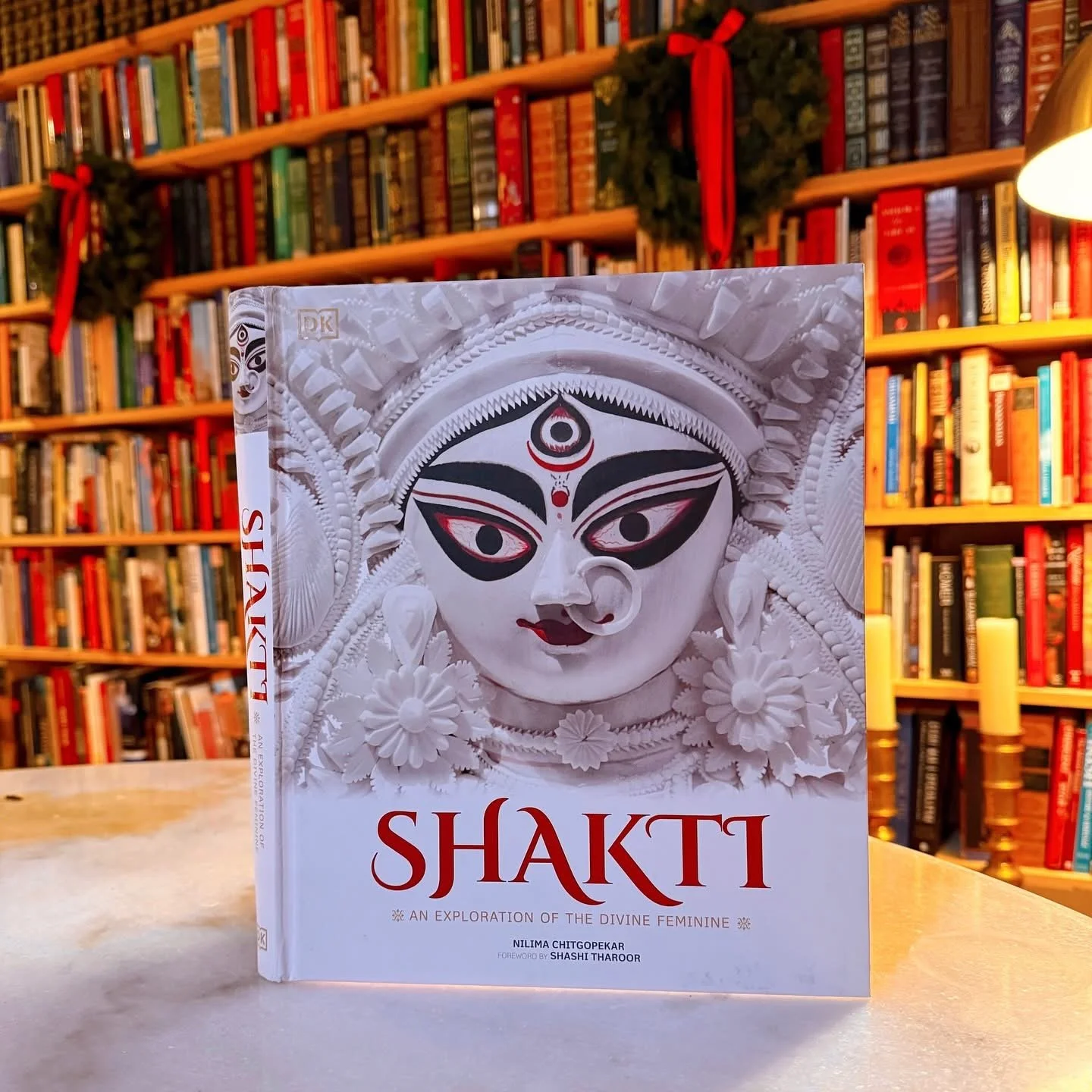
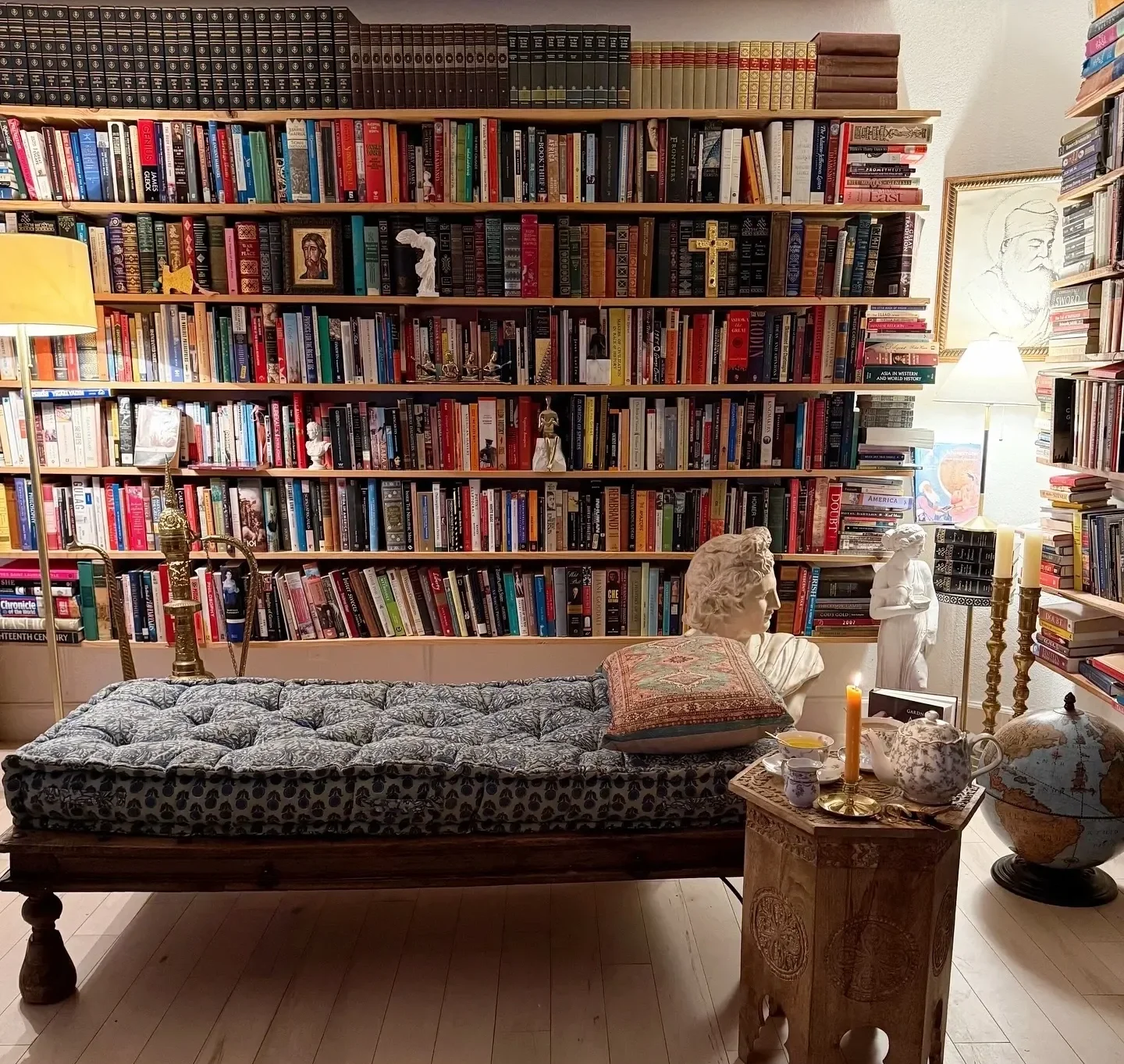
In a world that moves quickly, a dedicated space for reading offers a necessary pause and an opportunity for sustained engagement with ideas. A personal library is a reflection of who we are and who we hope to become.
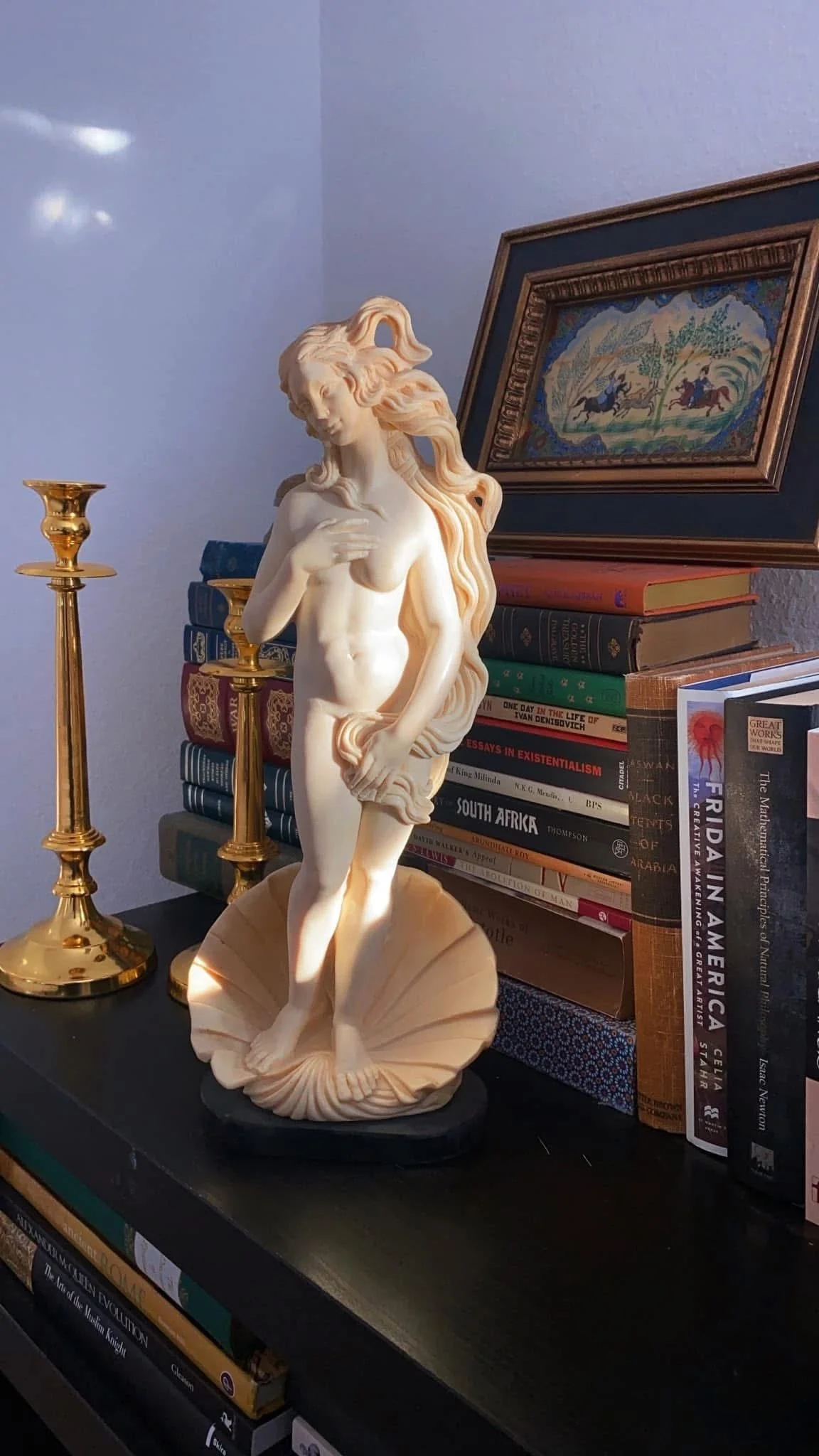
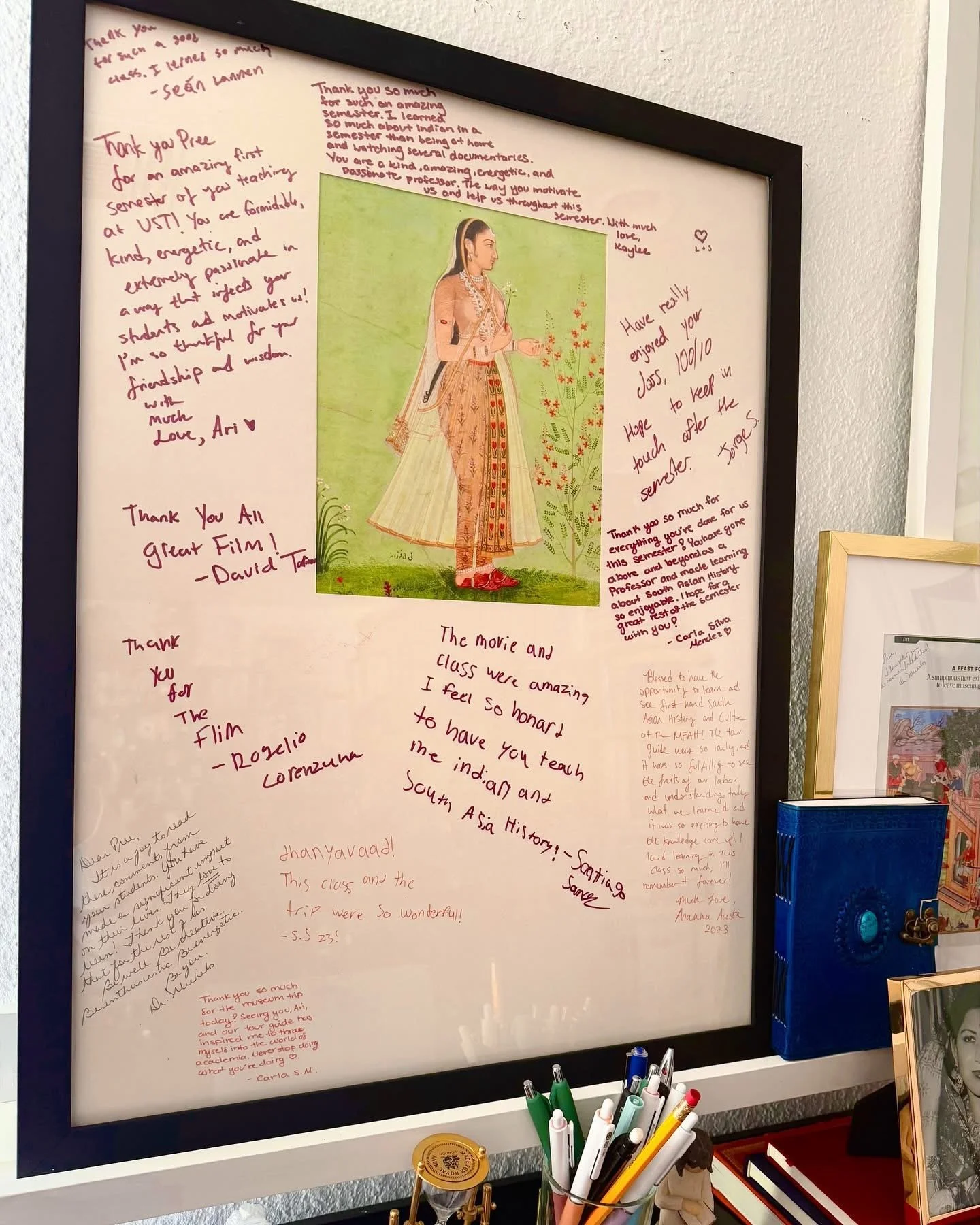
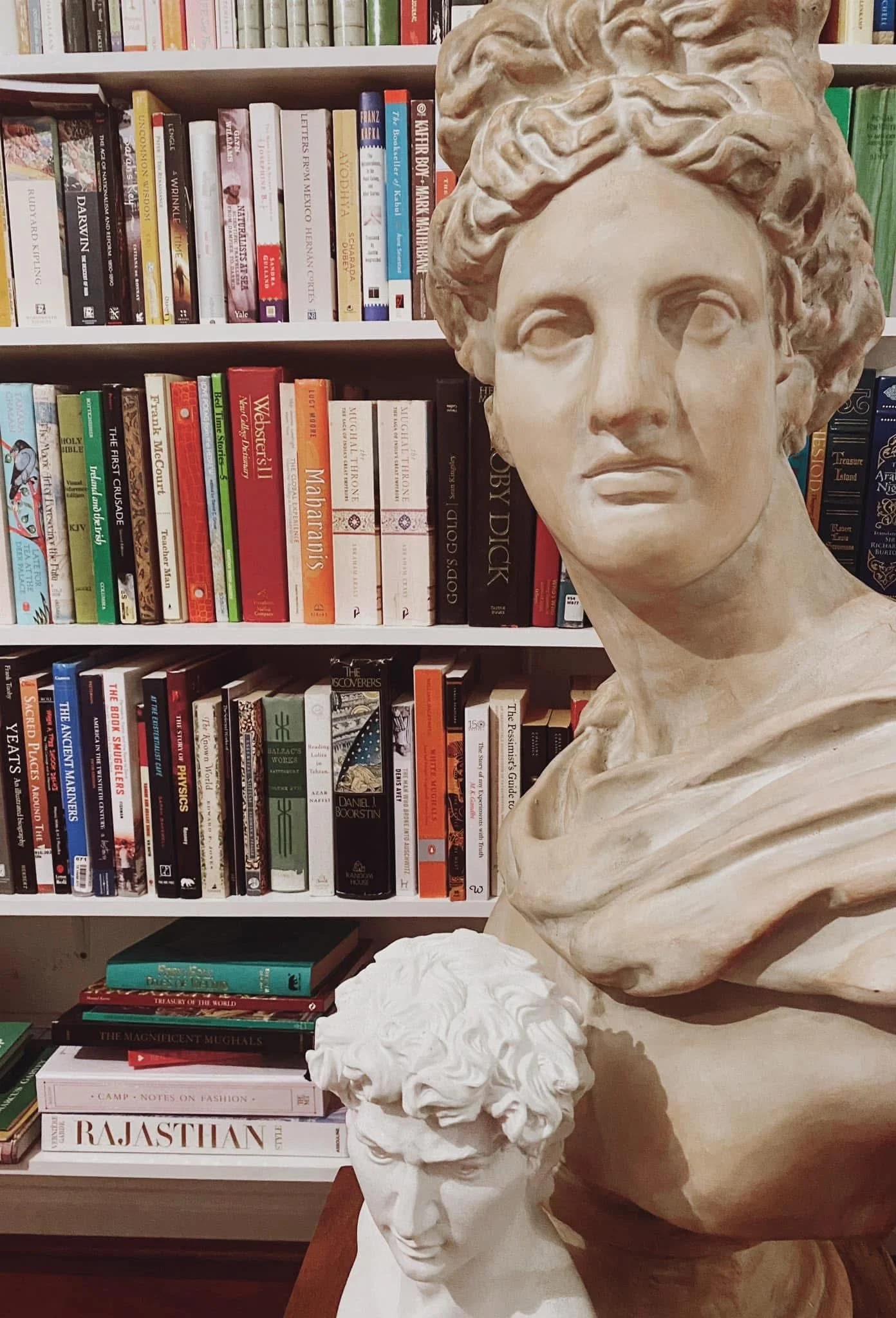
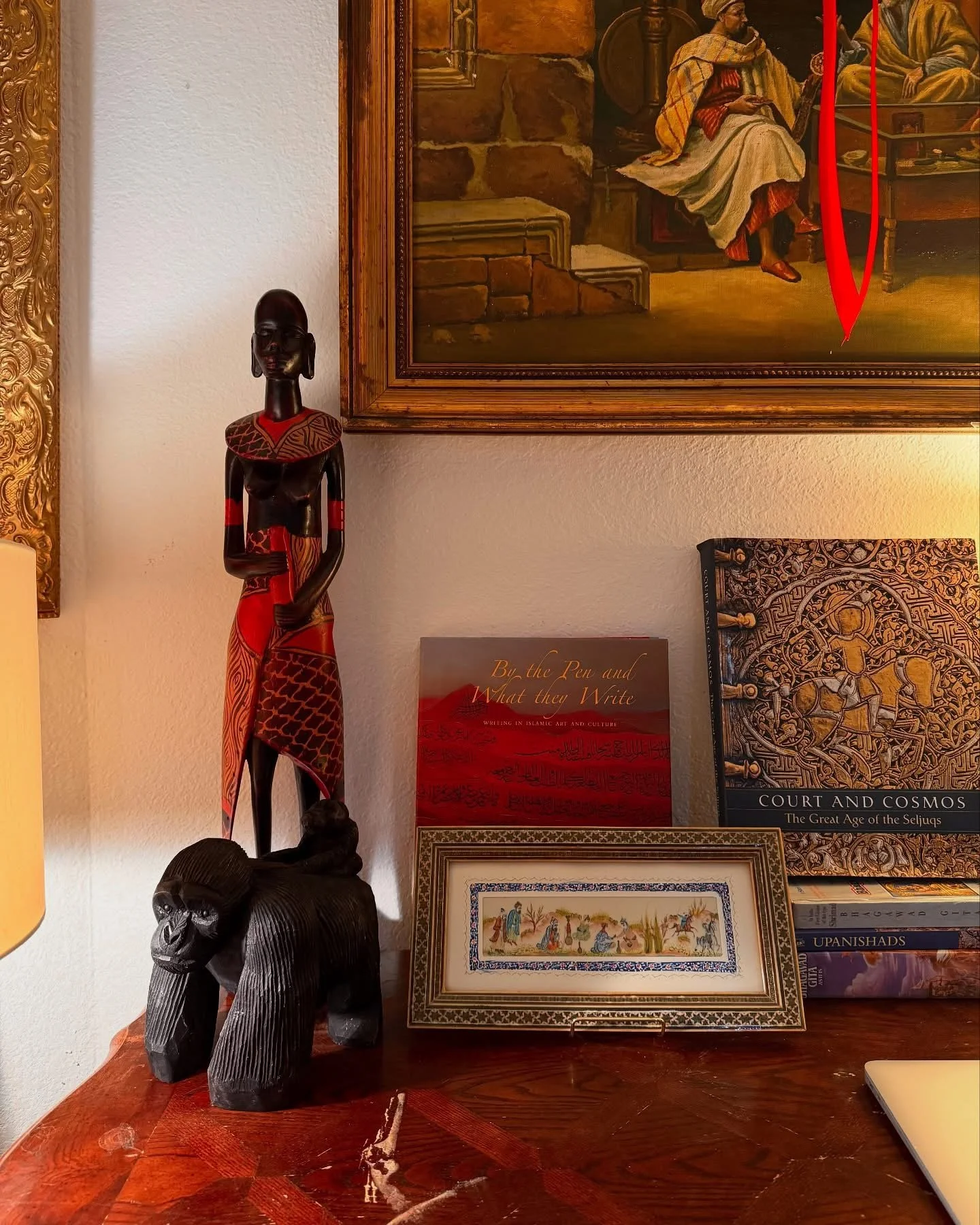
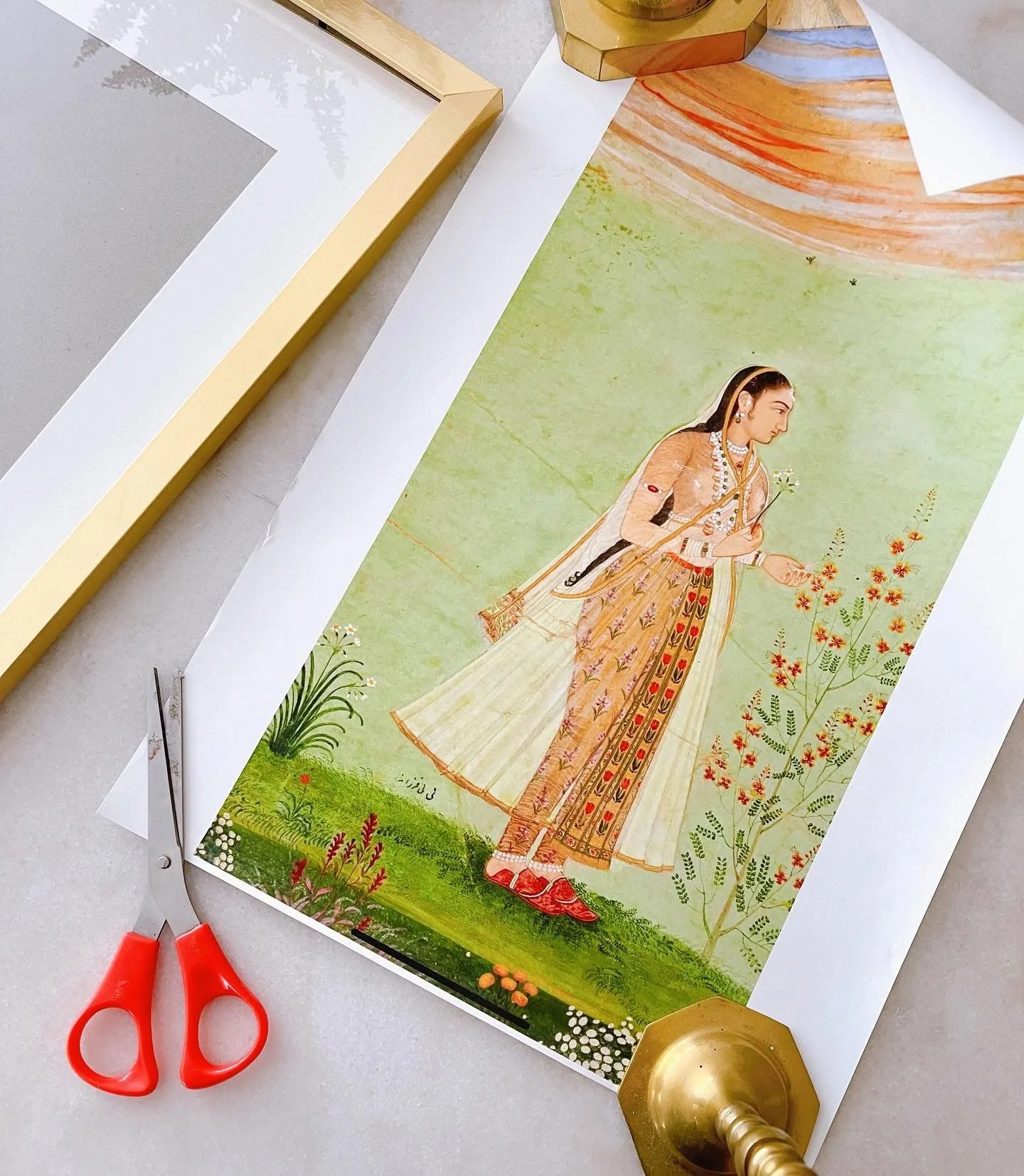
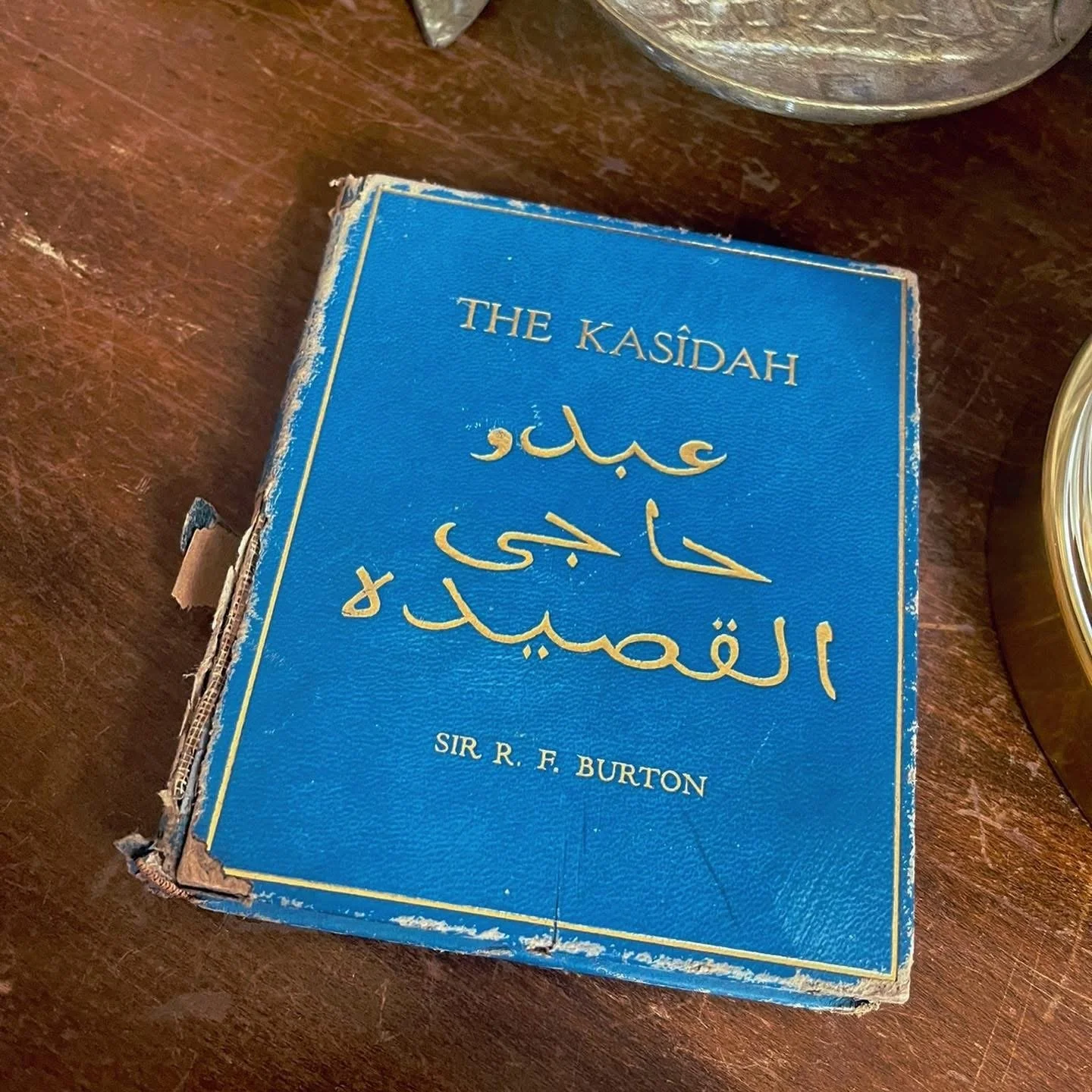
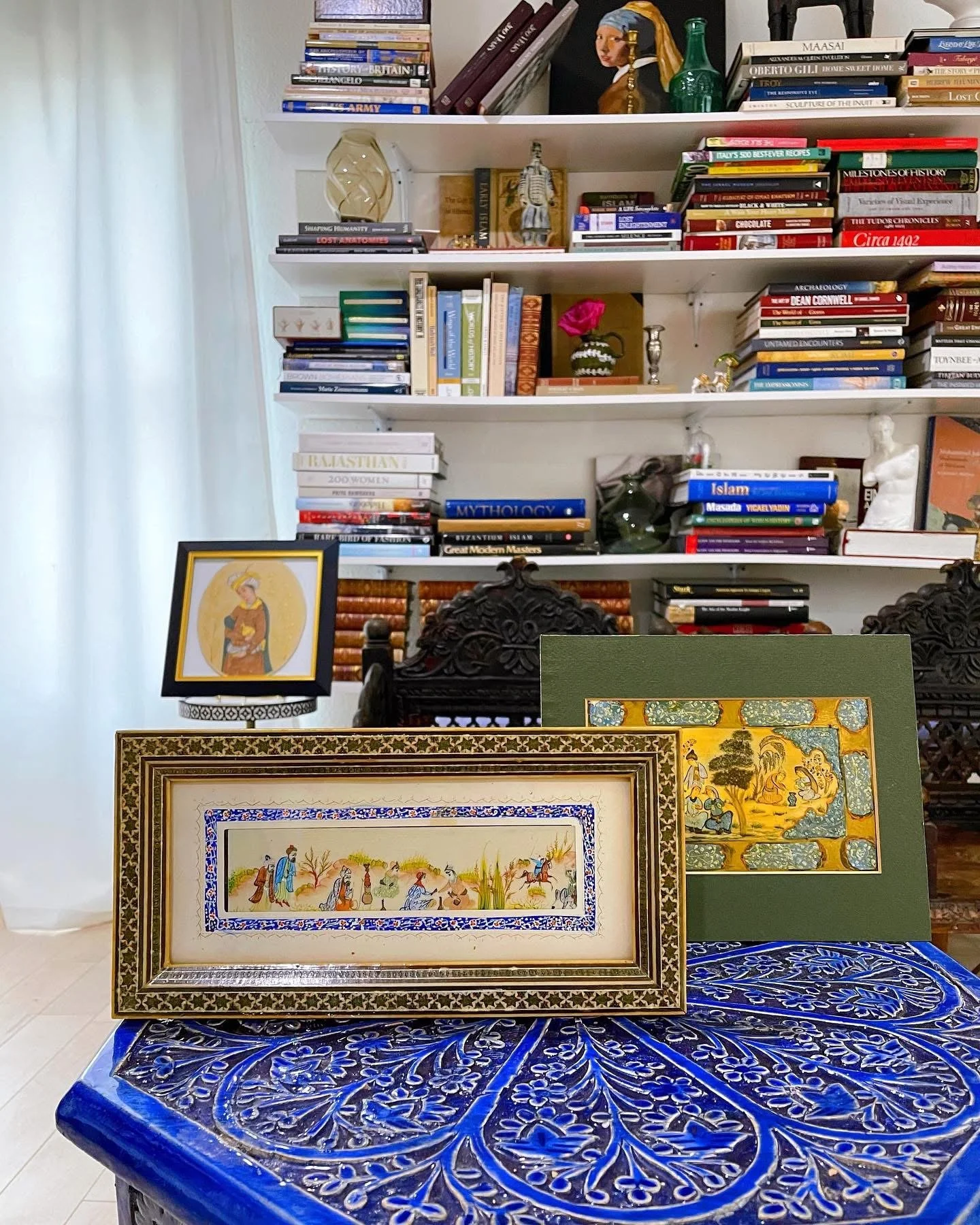
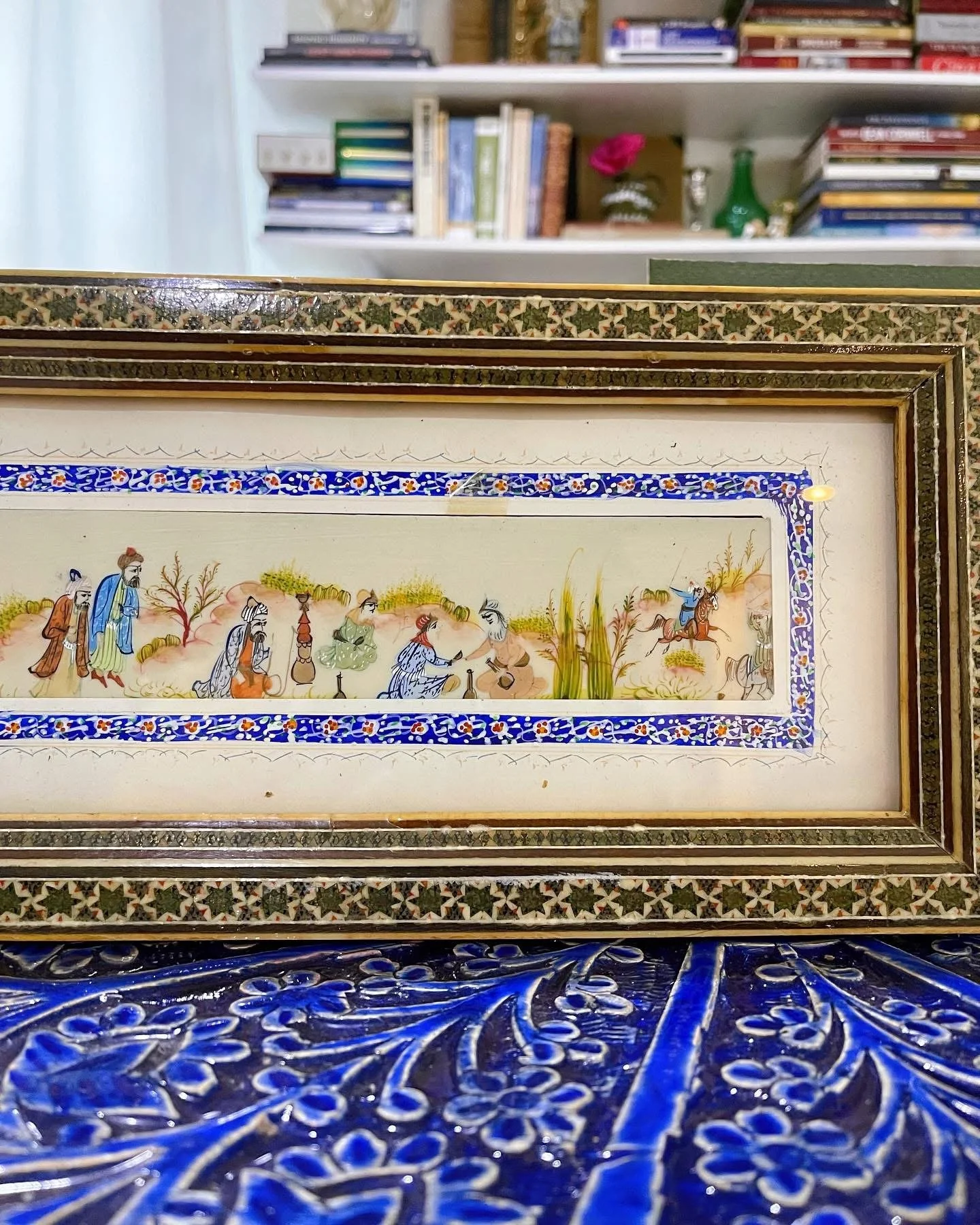
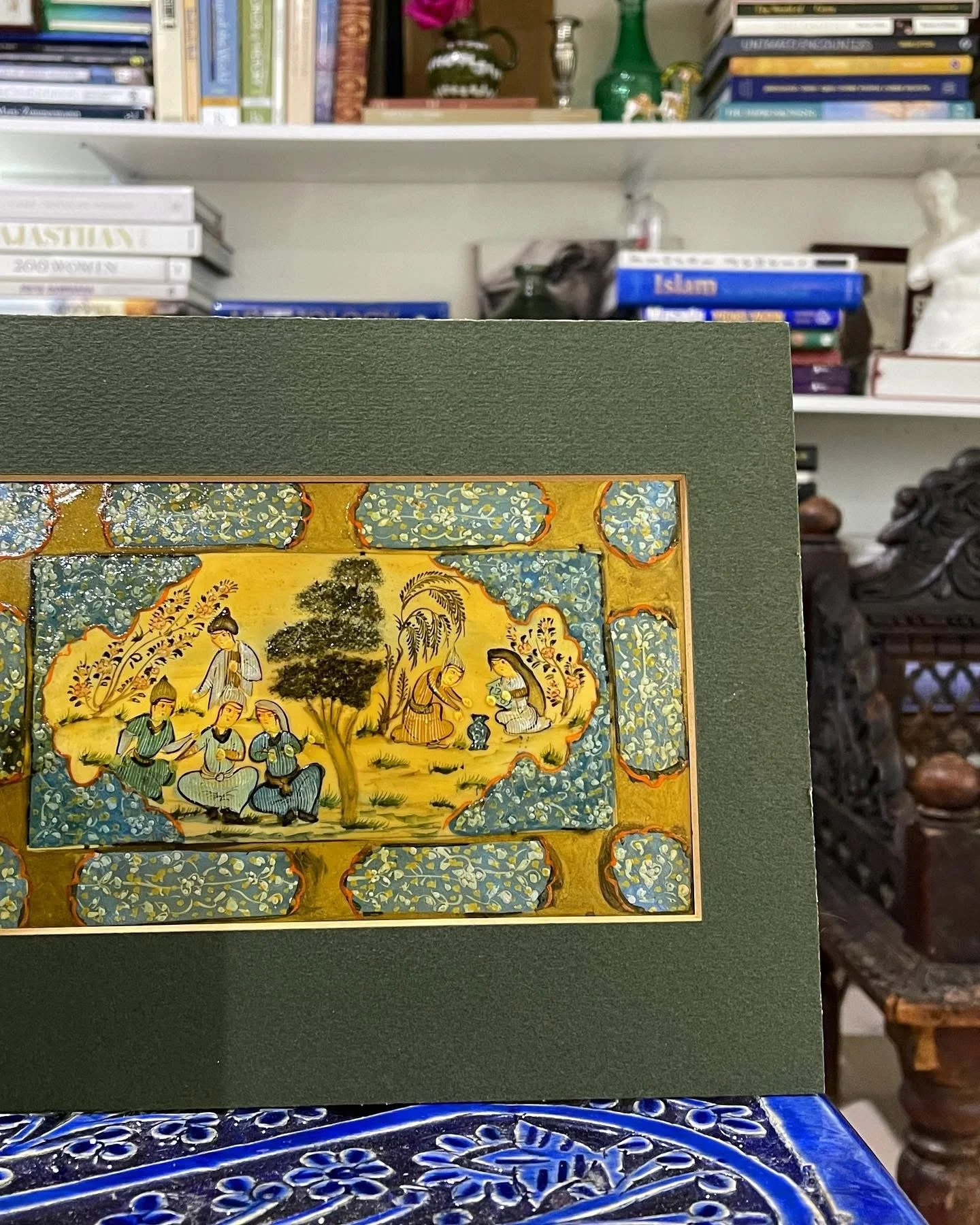
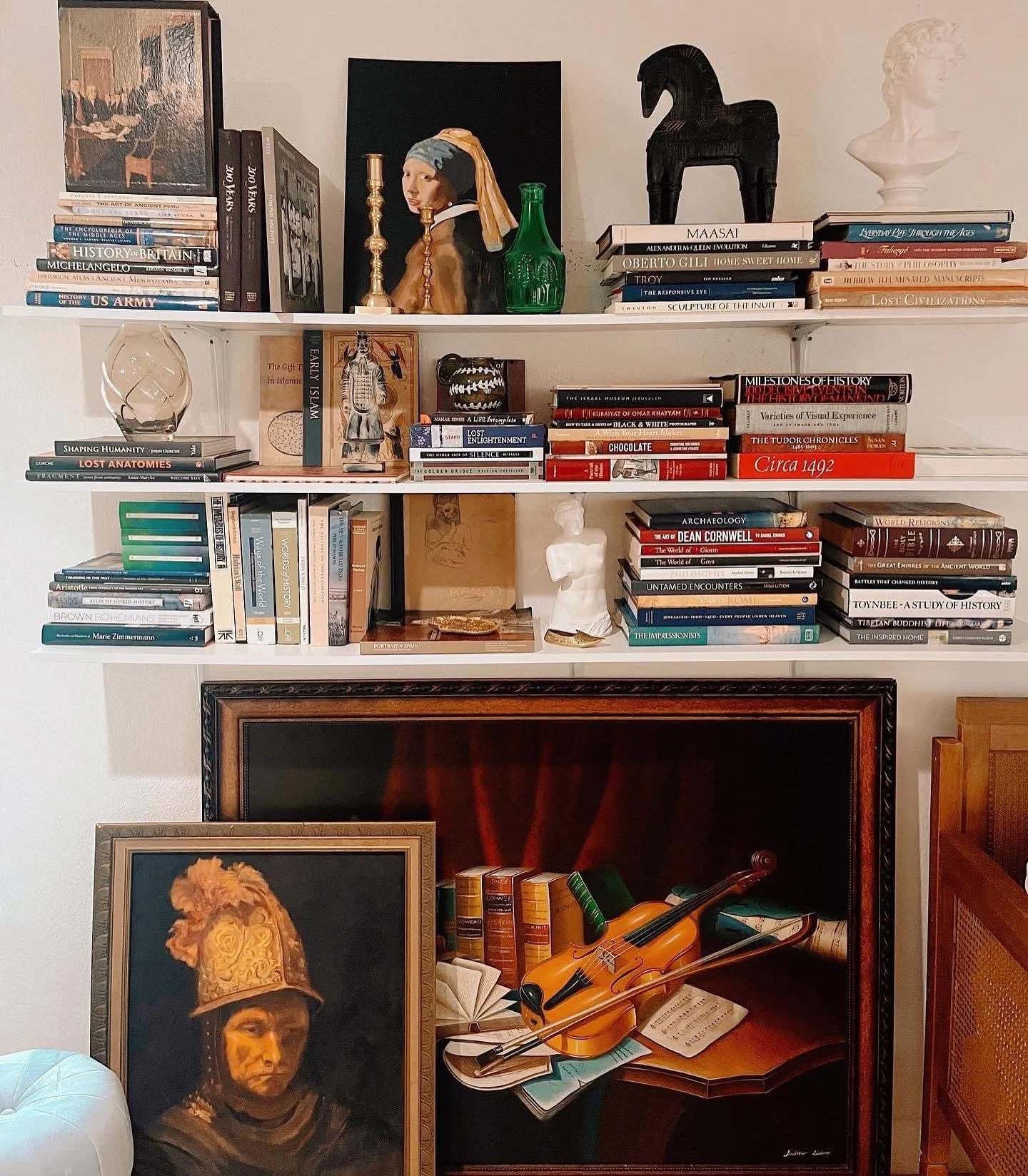
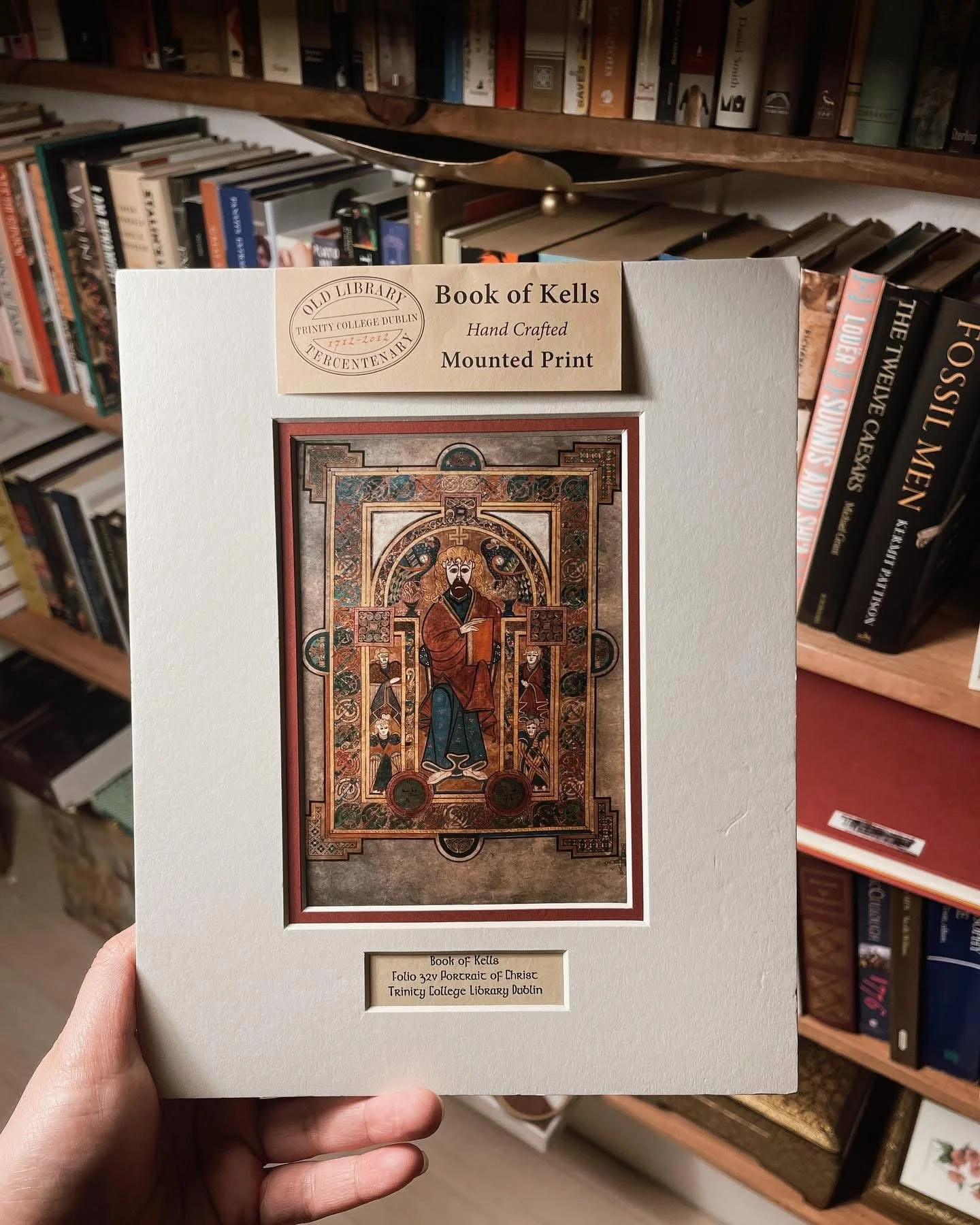
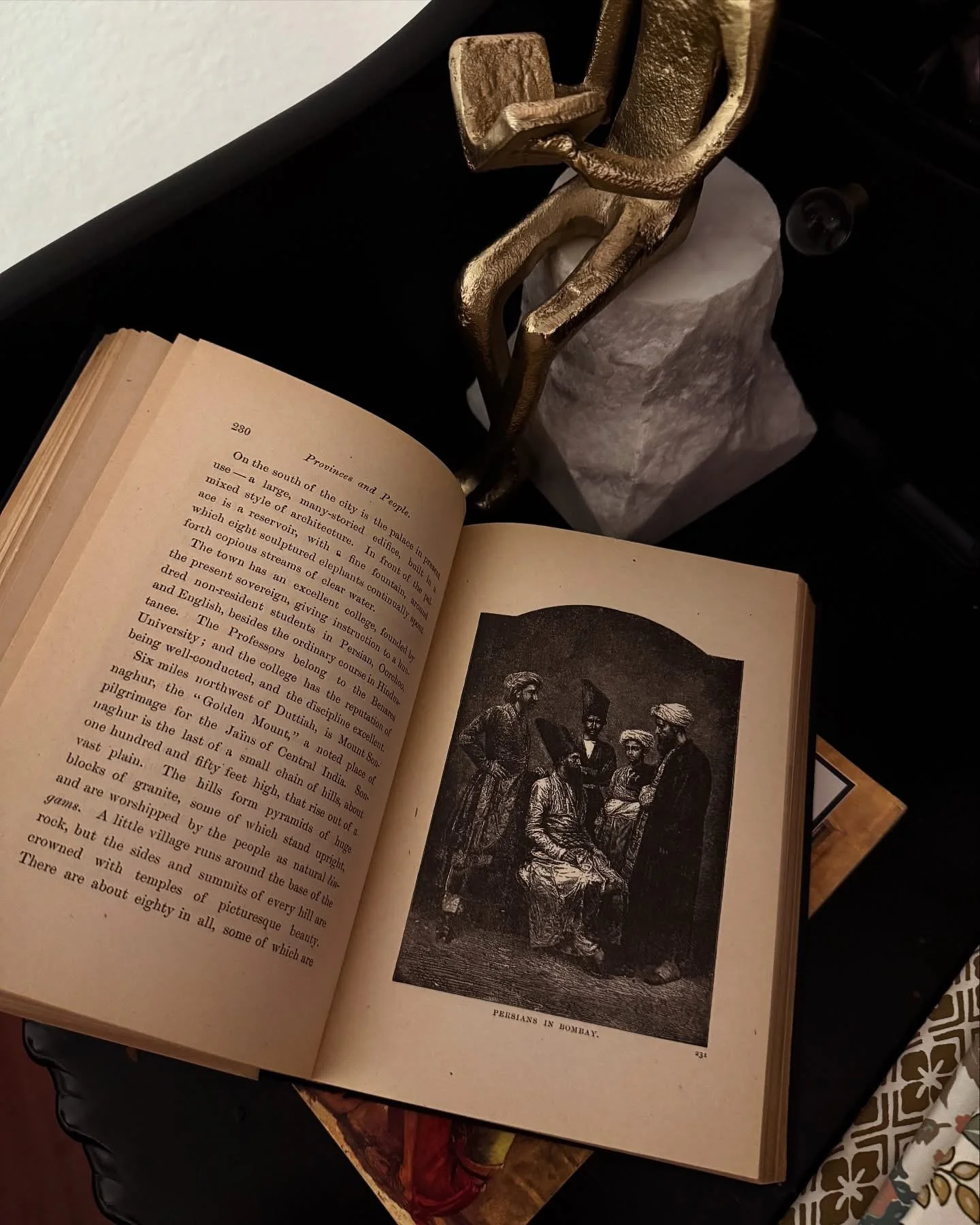
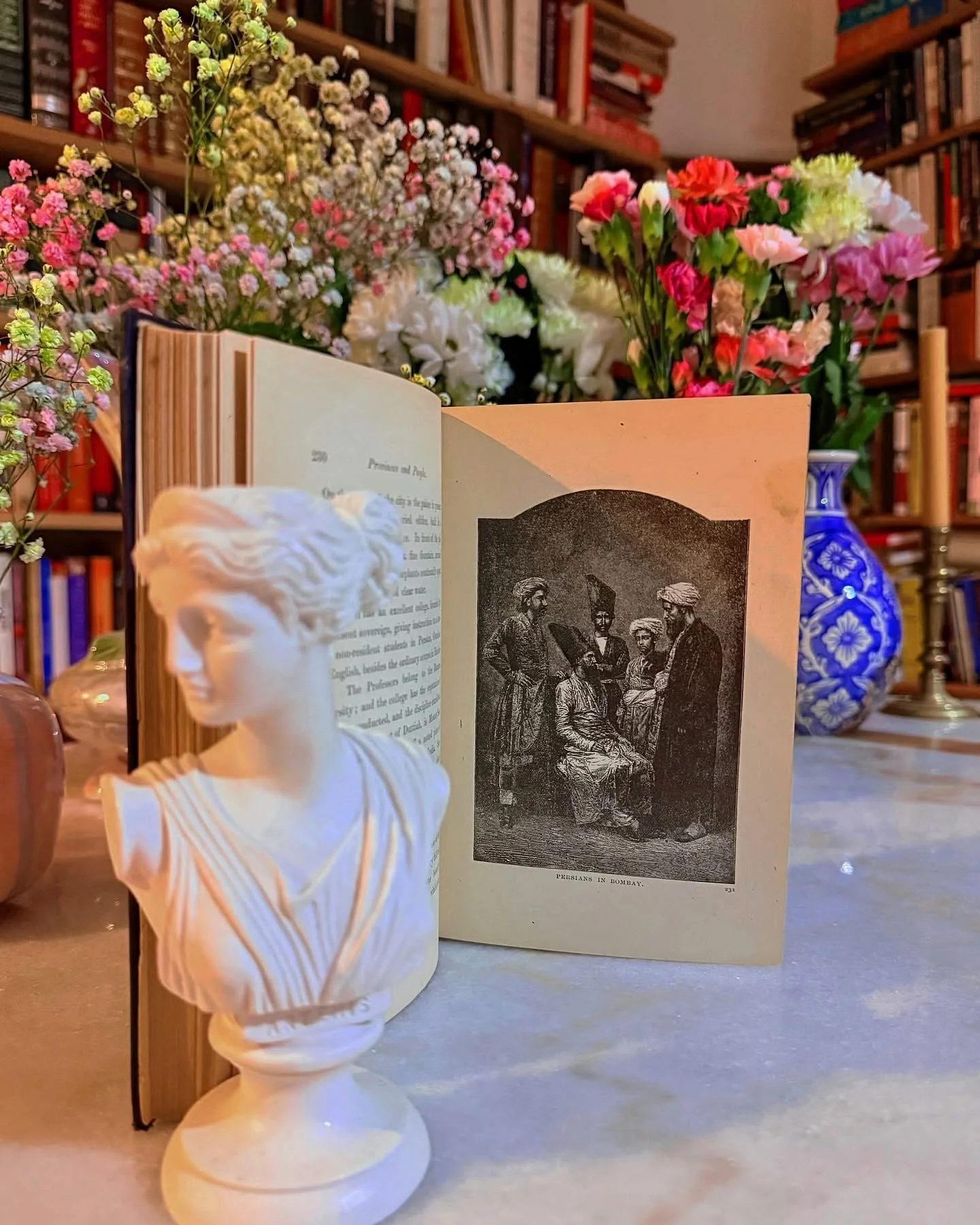
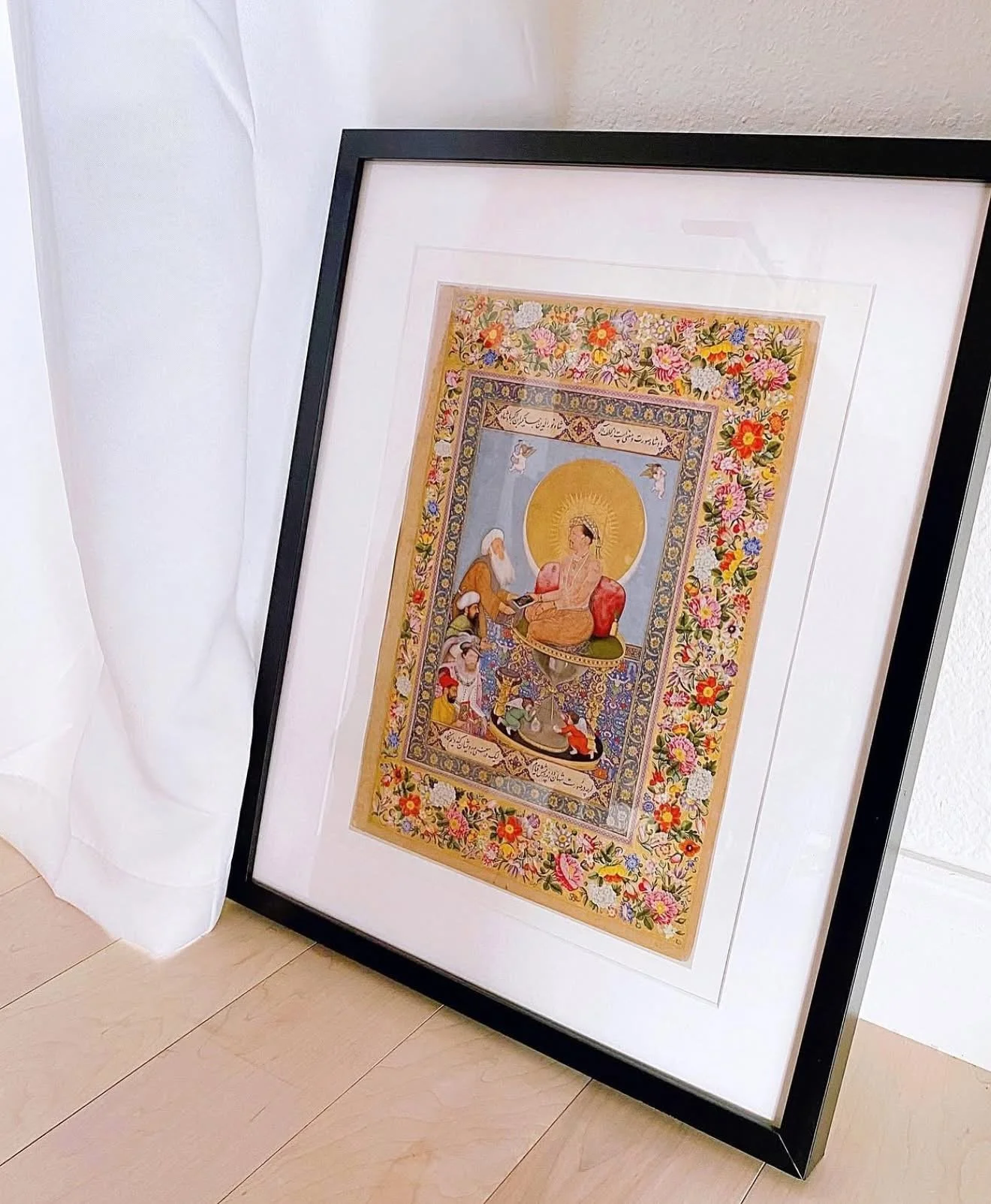
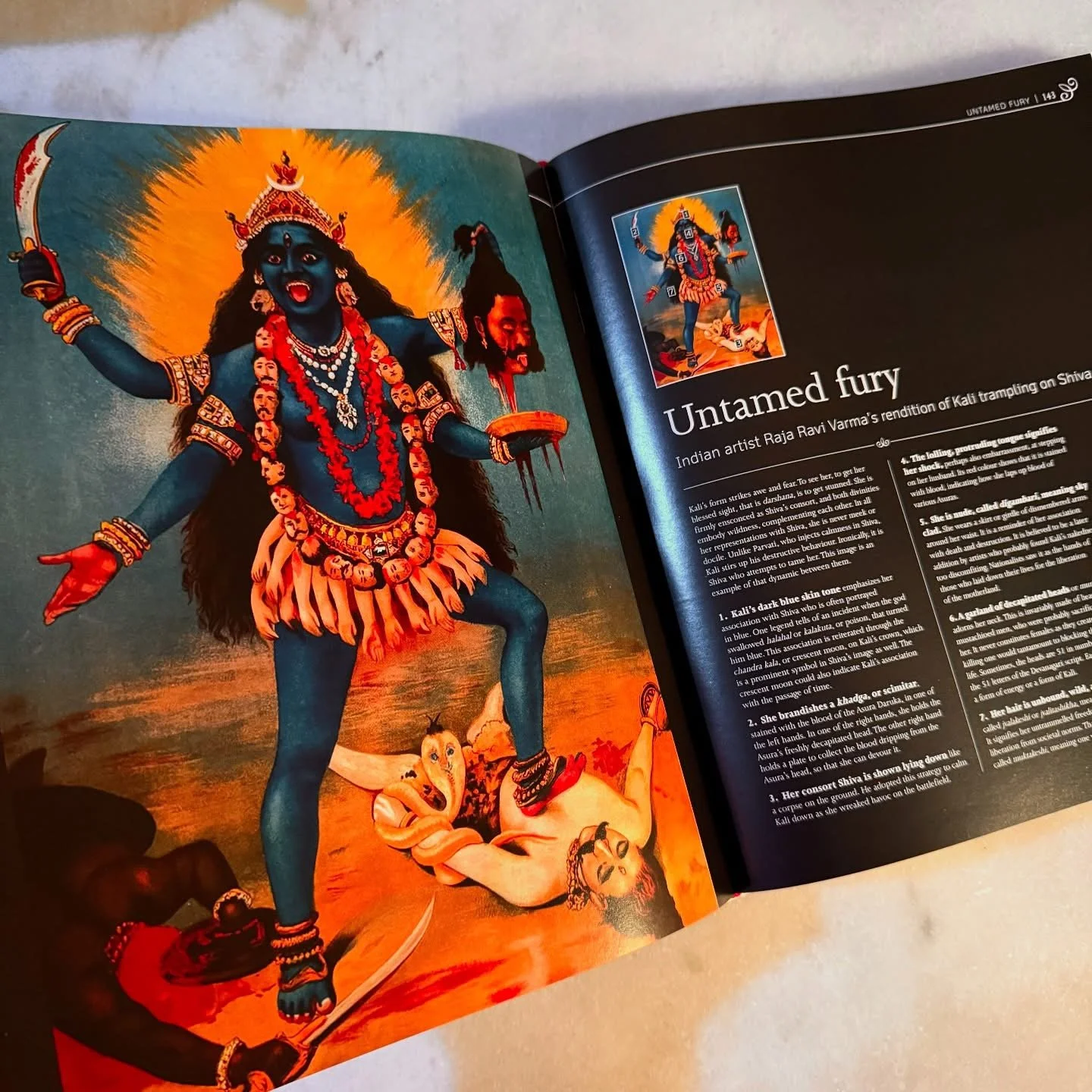
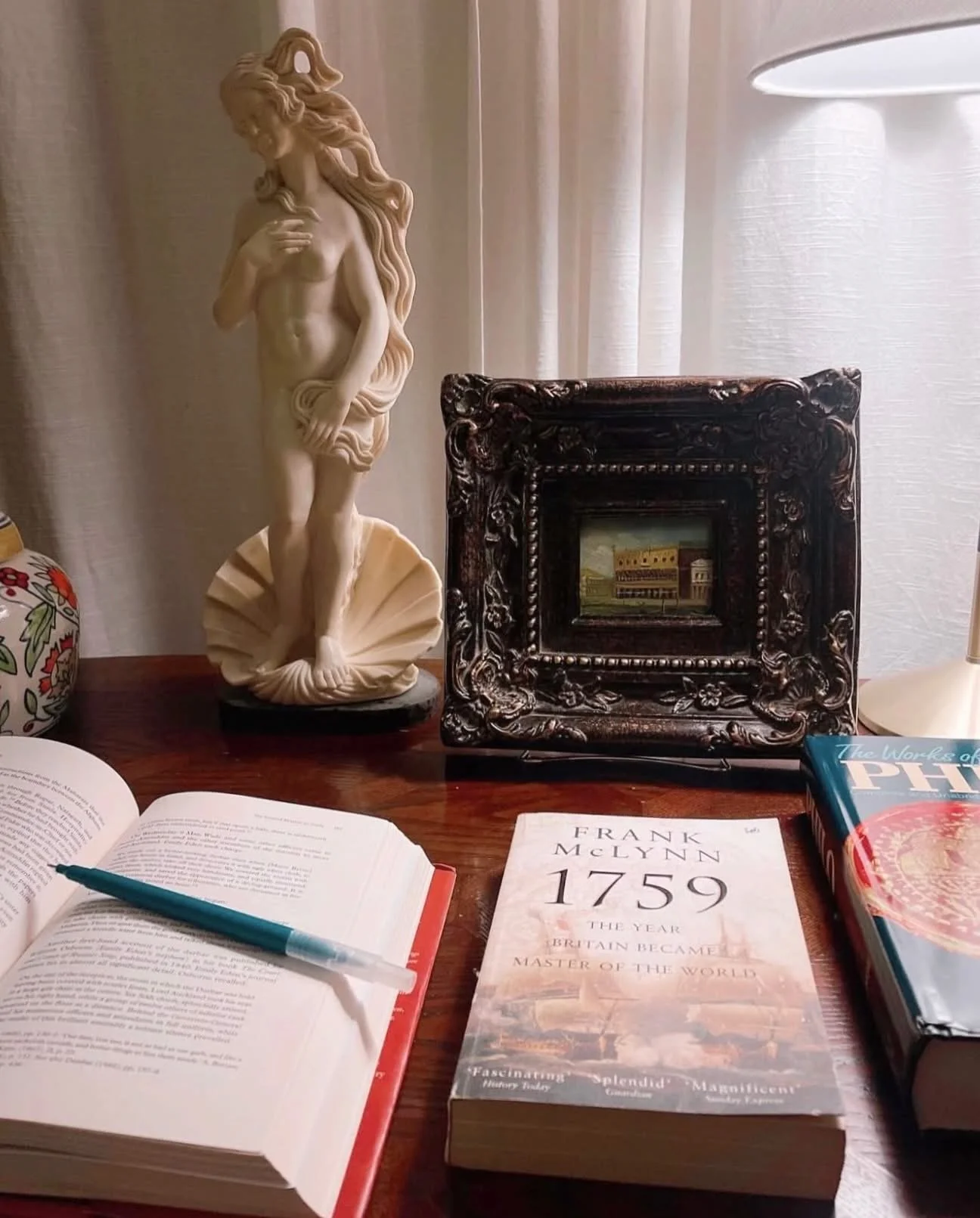
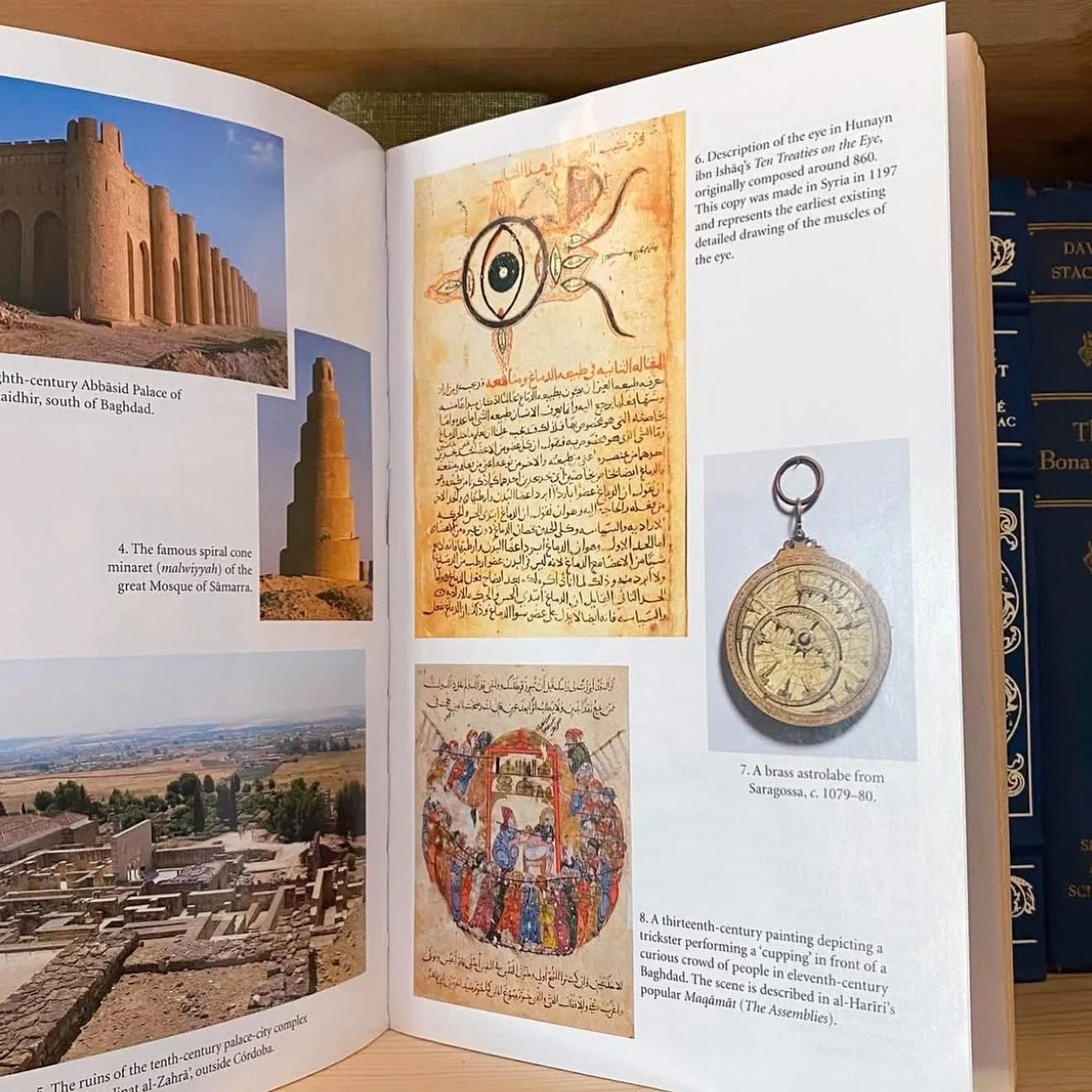
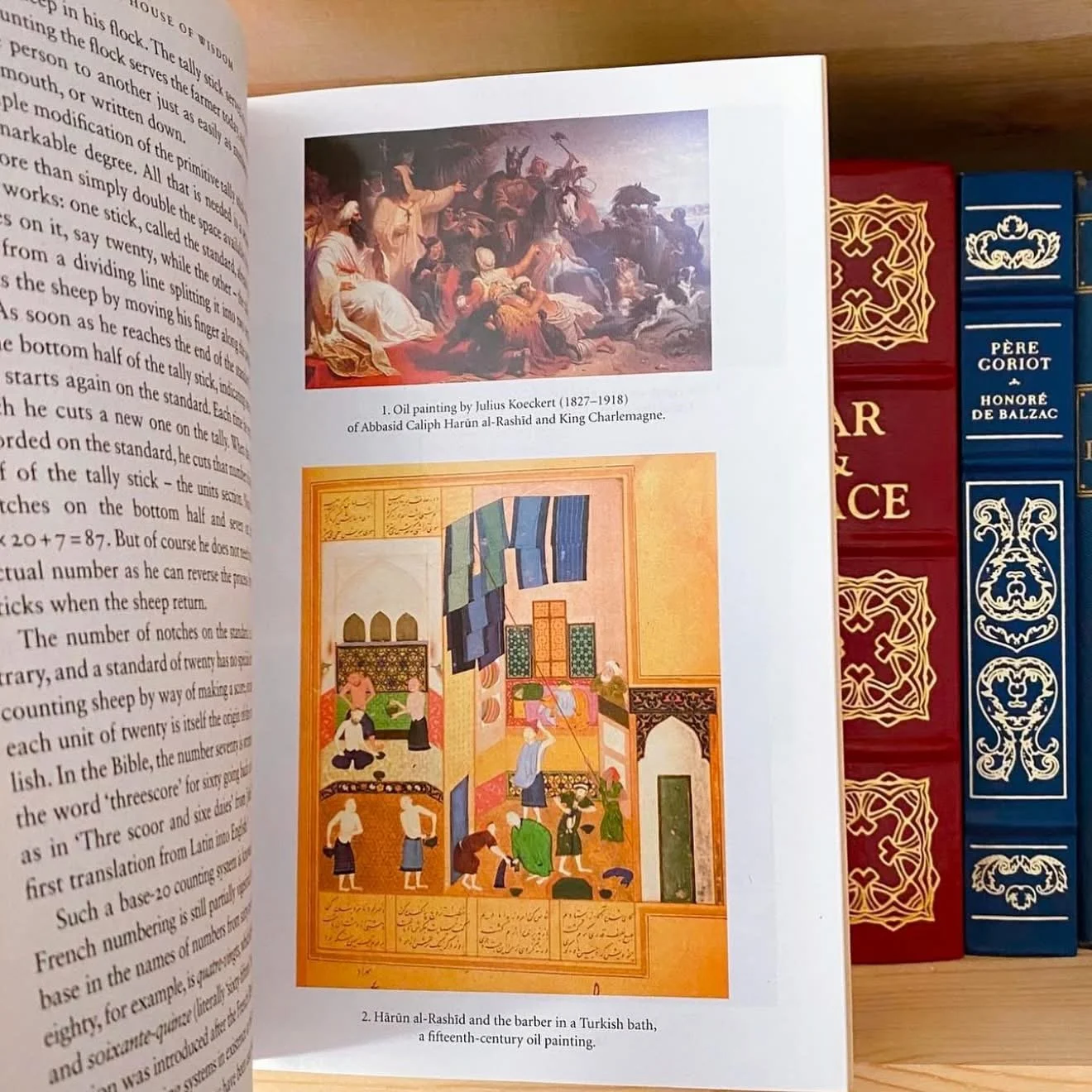
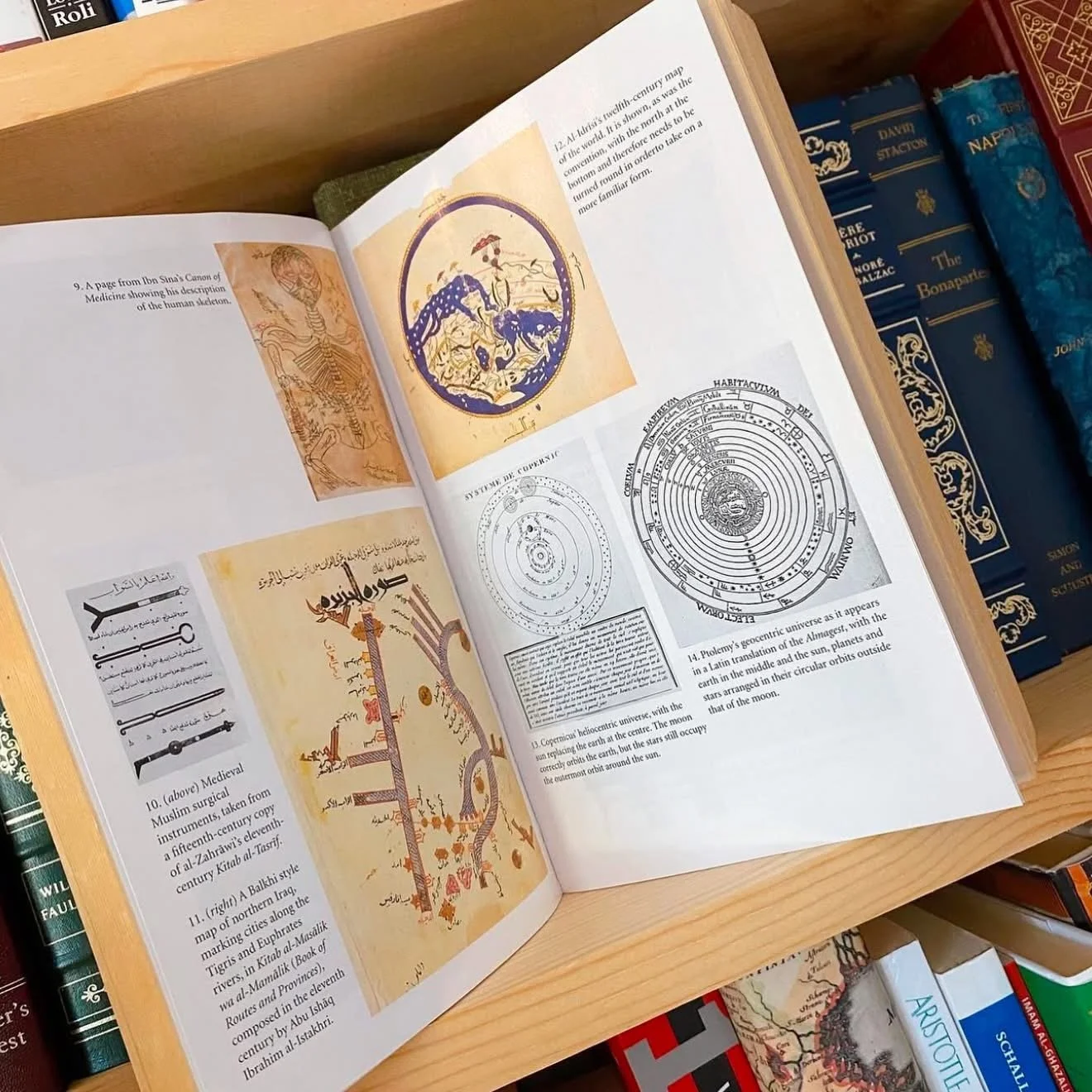
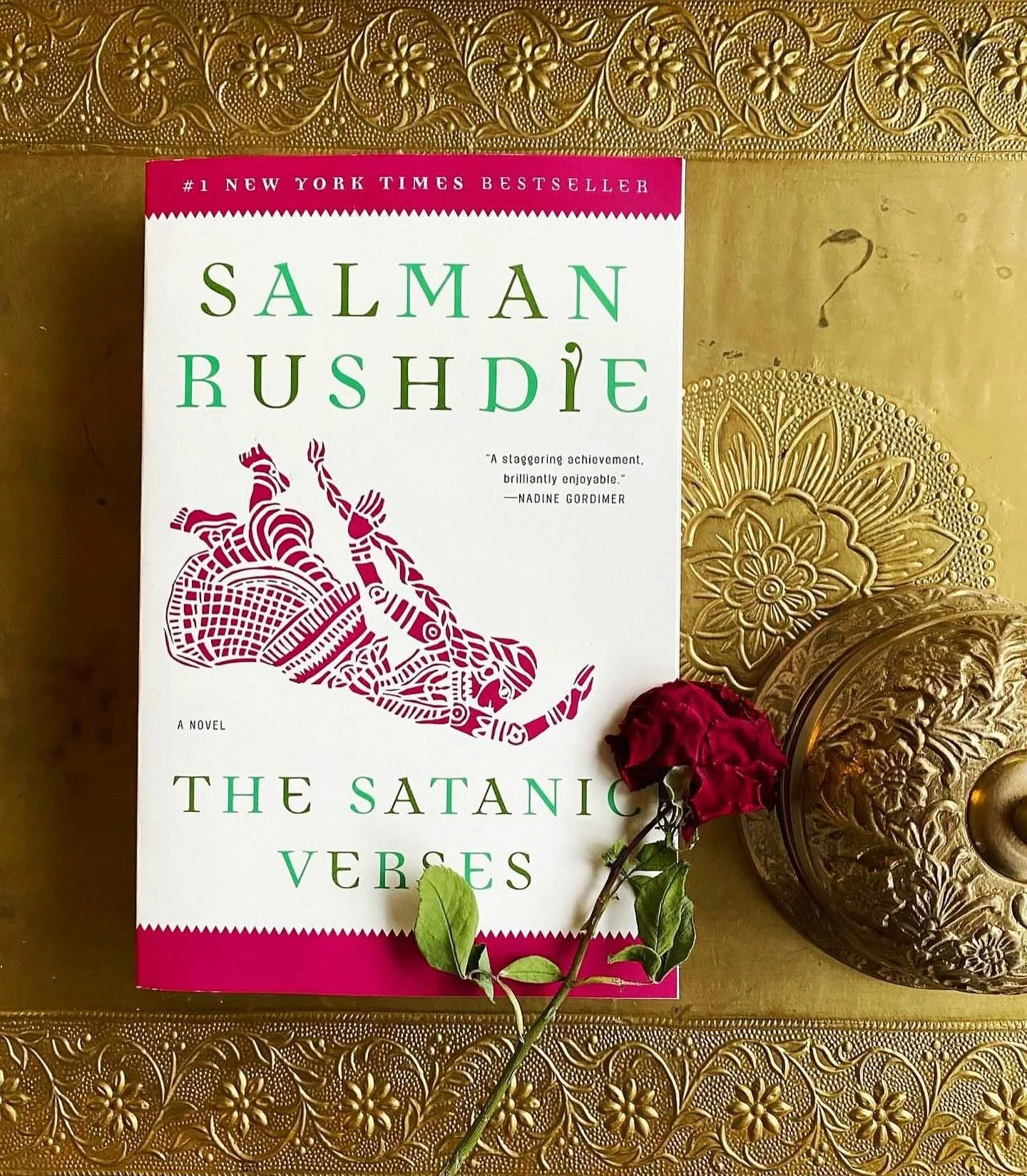
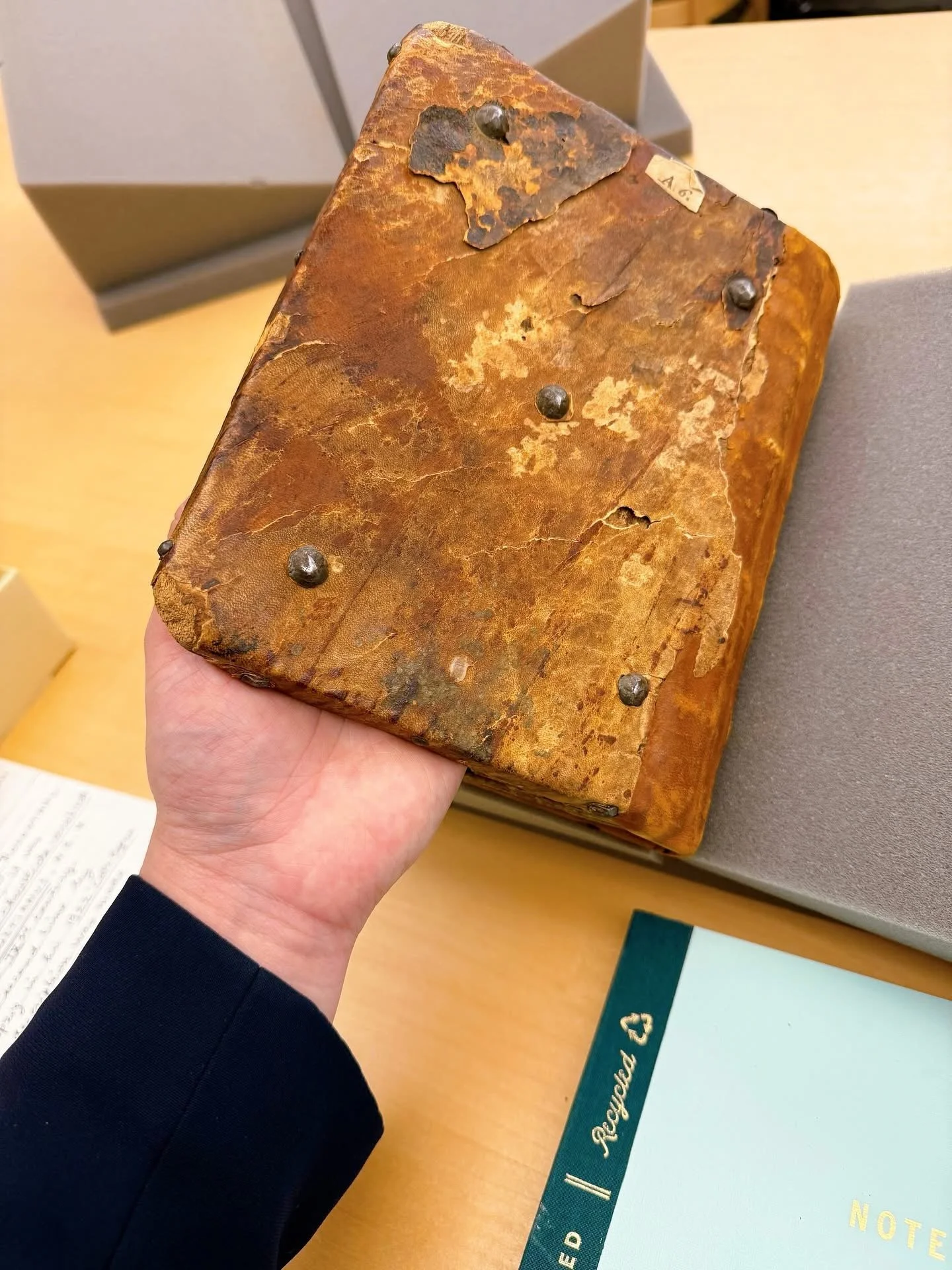
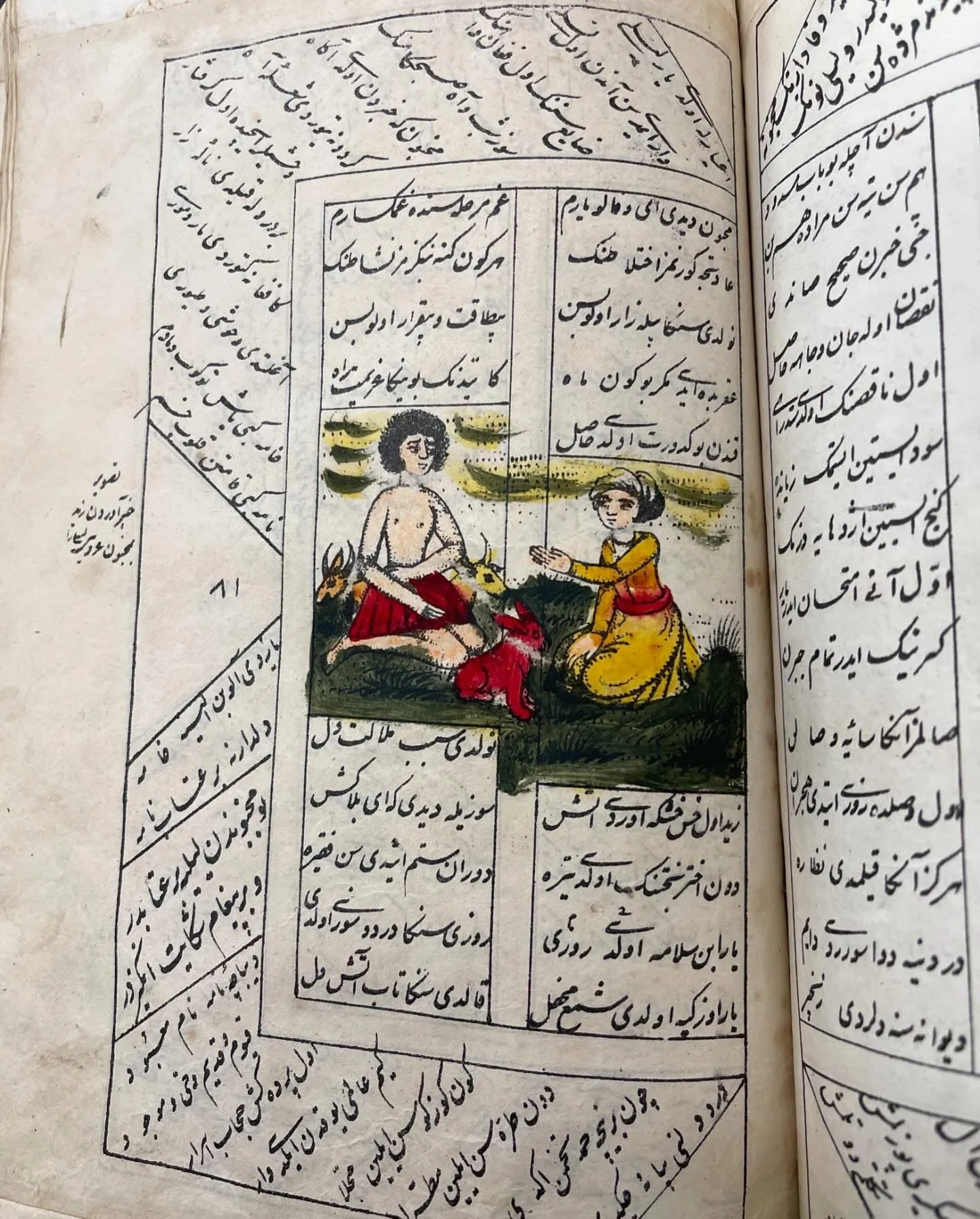
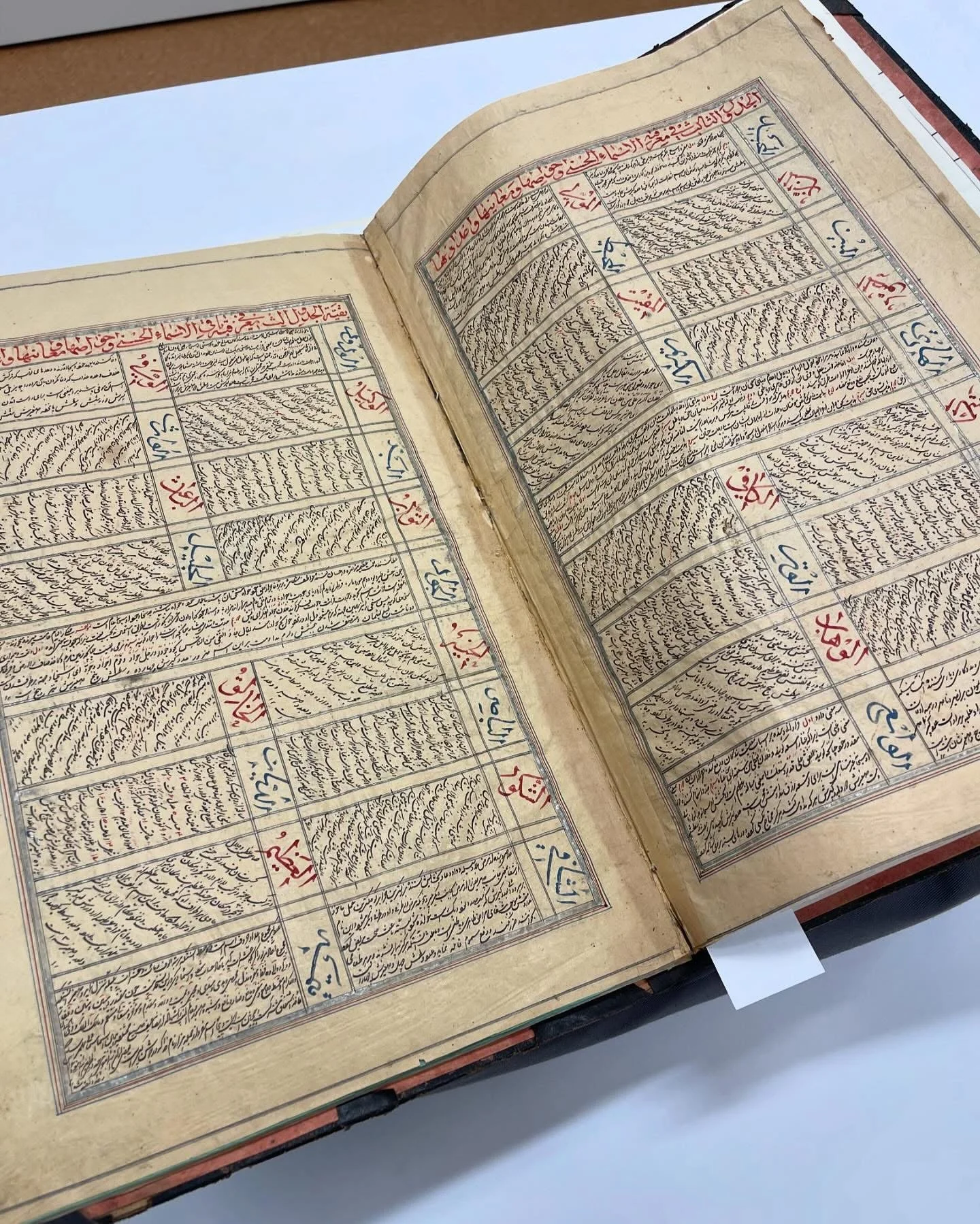
A library can begin in a corner of a room and grow gradually over time. Mine is also shaped by objects gathered during years of travel, reminders that art, too, is a form of reading, one apprehended through the eye rather than the page. Manuscripts, images, and material fragments carry histories that demand attention and interpretation, much like texts. Together, books and objects create a space in which reading extends beyond words, reinforcing the idea that knowledge is formed through sustained looking as much as through sustained reading.
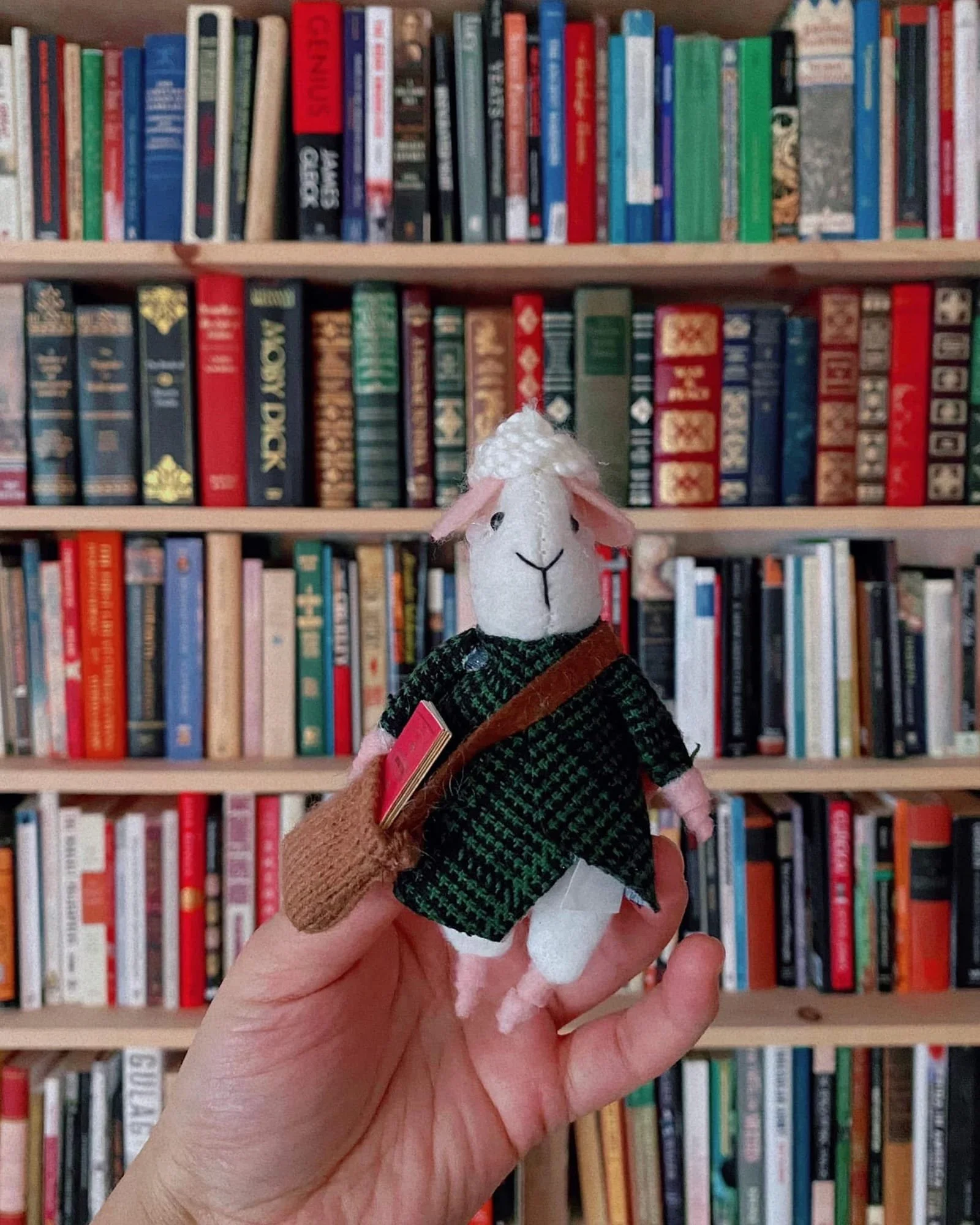
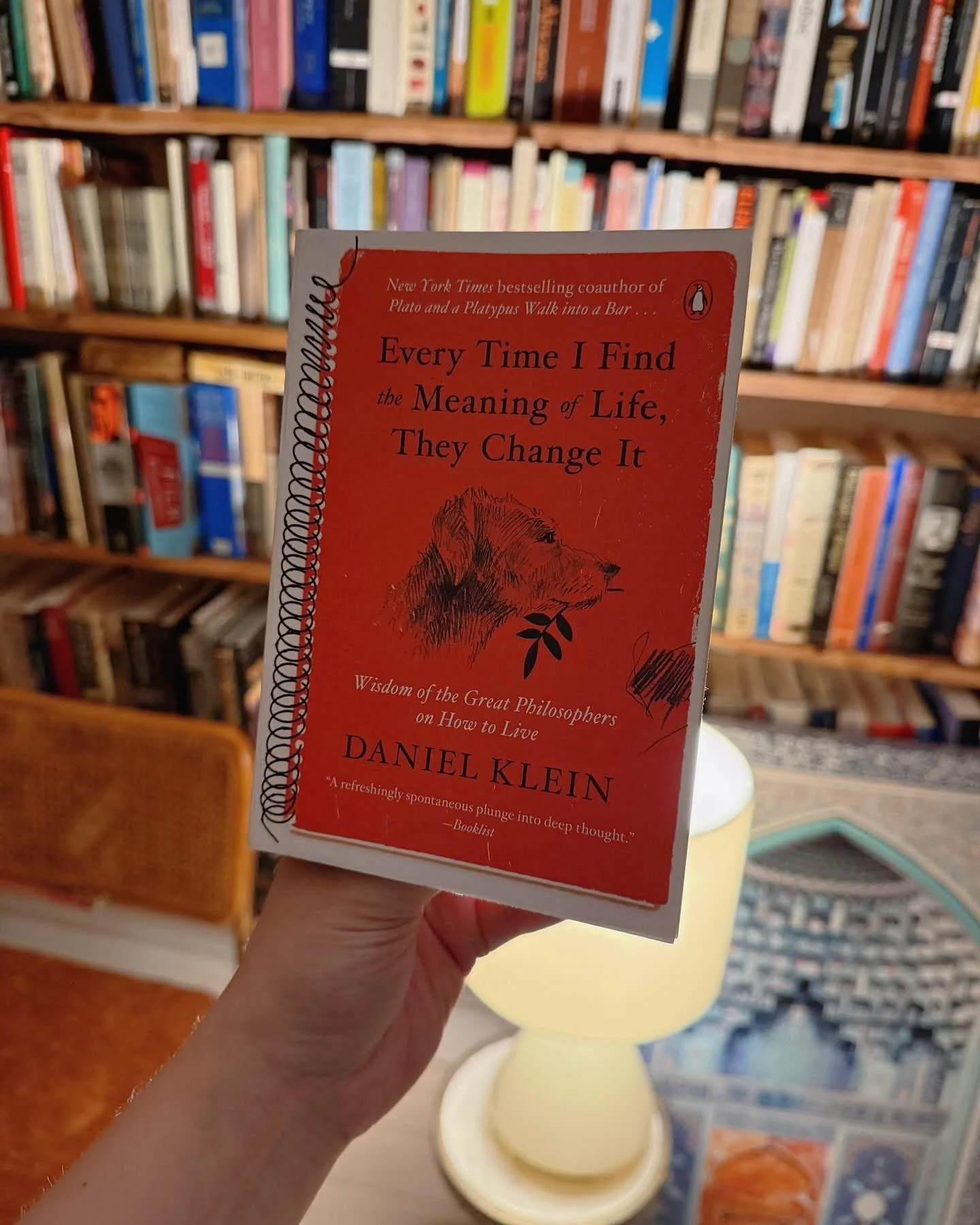
Building my home library has been a journey of discovering not only great literature but also my own tastes, interests, and curiosities. As my shelves continue to grow, so does my desire to share that joy with friends, colleagues and students - one book and one story at a time.