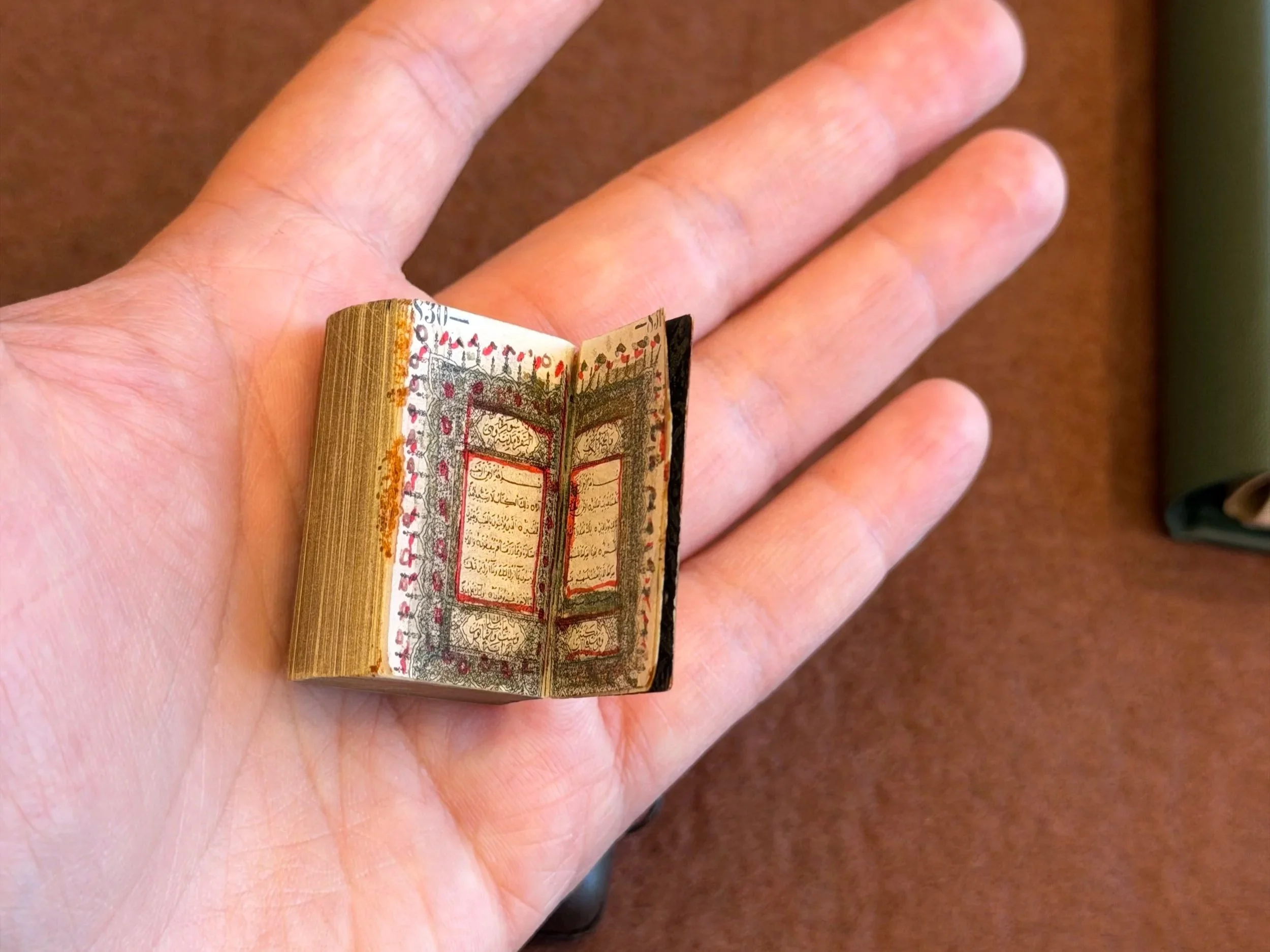
The Sacred in Miniature: An Ottoman Qur’an of 1304 AH / 1887 CE in the Beinecke Library at Yale University
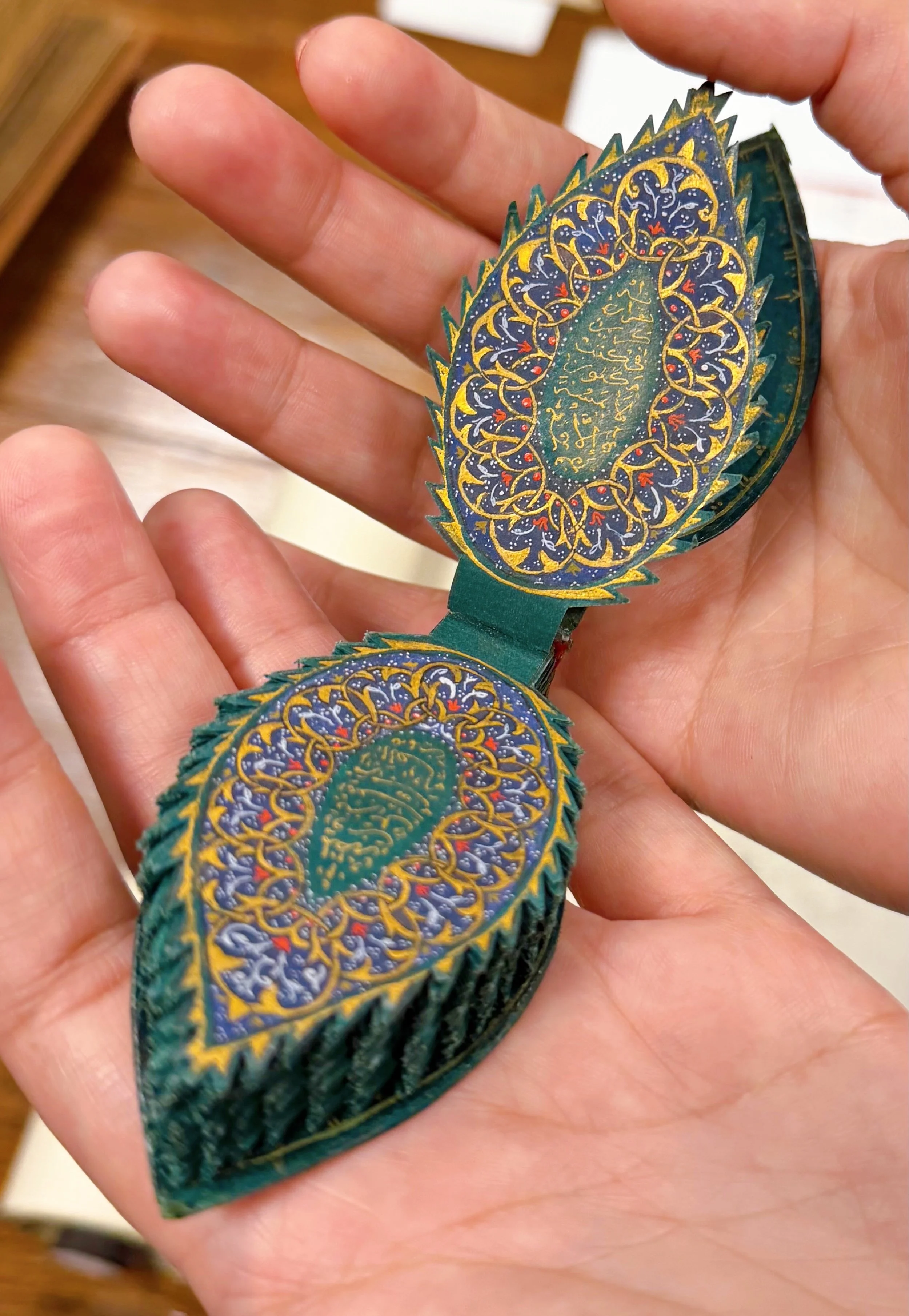
A Leaf-Shaped Qurʾan on Green-Dyed Paper with Gold and Silver Illumination (Nineteenth Century), Special Collections, University of Sydney
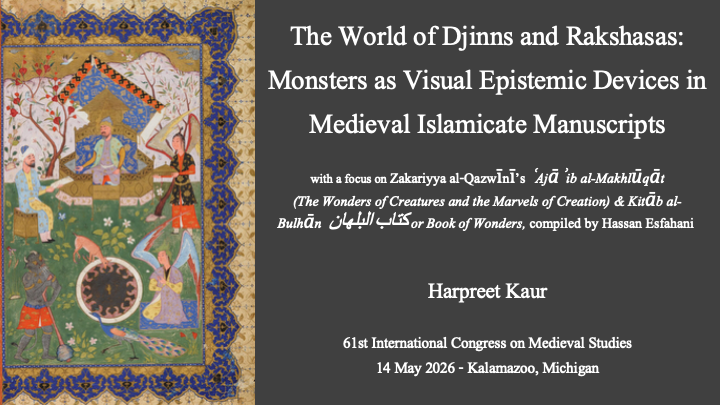
The World of Djinns and Rakshasas: Monsters as Visual Epistemic Devices in Medieval Islamicate Manuscripts
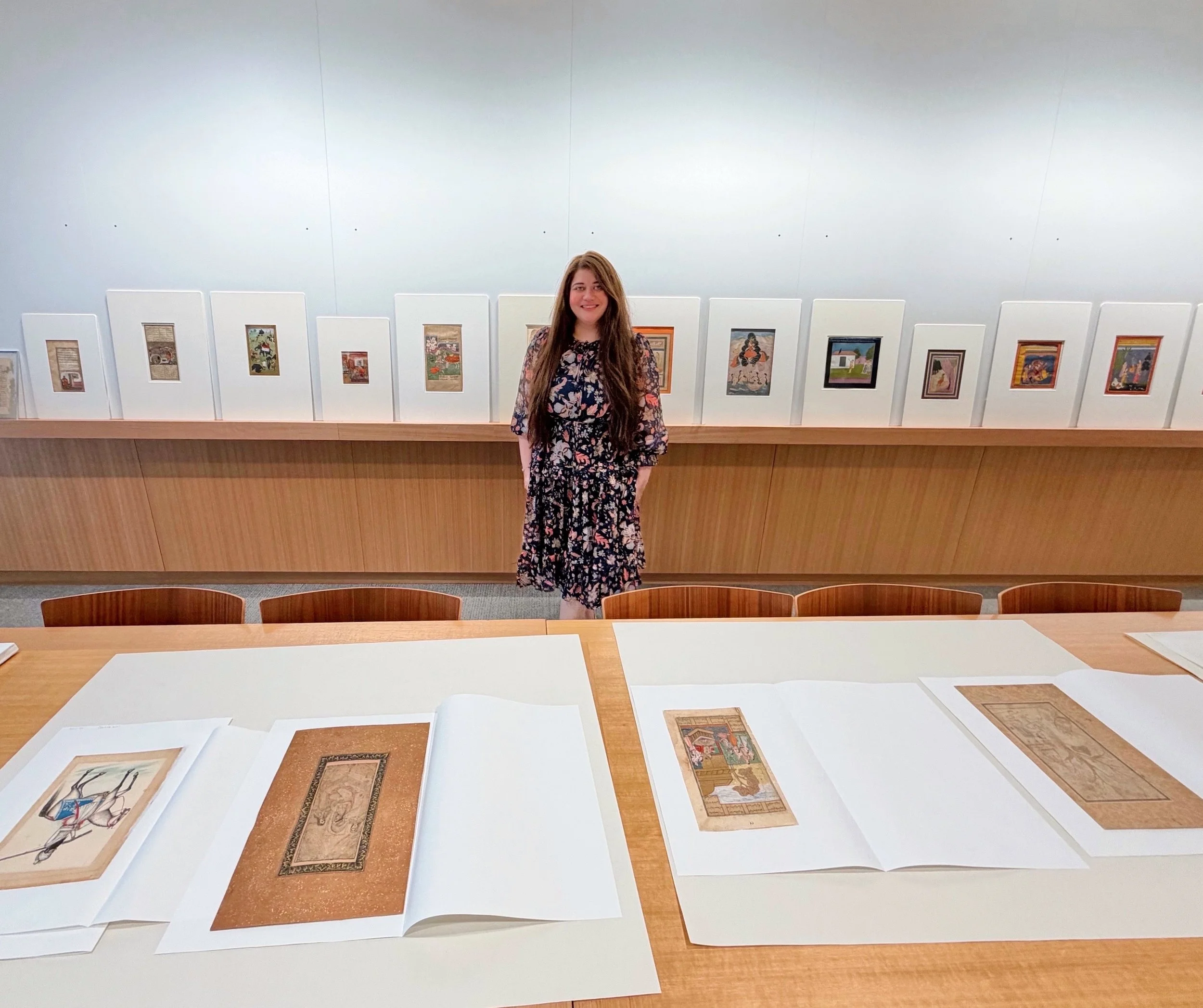
How to Read Illustrated and Illuminated Manuscripts
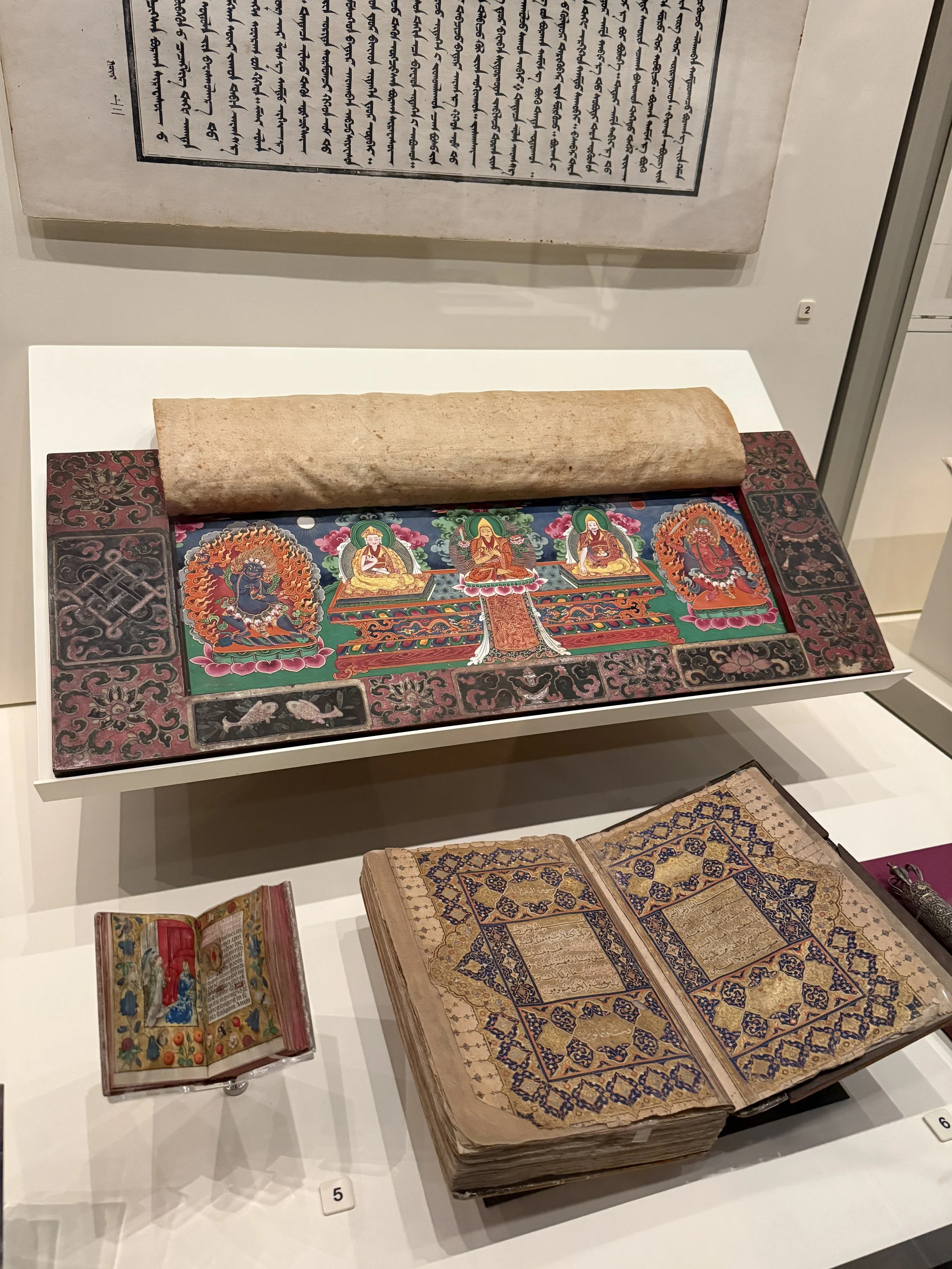
Early 17th Century Mughal Era Illuminated Qur’an at the State Library of New South Wales - 200 Years Celebration
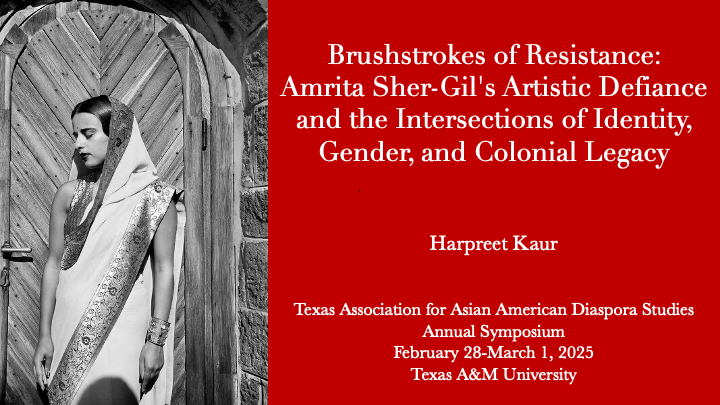
Brushstrokes of Resistance: Amrita Sher-Gil's Artistic Defiance and the Intersections of Identity, Gender, and Colonial Legacy

The Jarawa of the Andaman and Nicobar Islands:Struggle for Autonomy and Ecological Survival Among South Asian Indigenous Communities and Their Parallels with Indigenous Tribes of the Americas
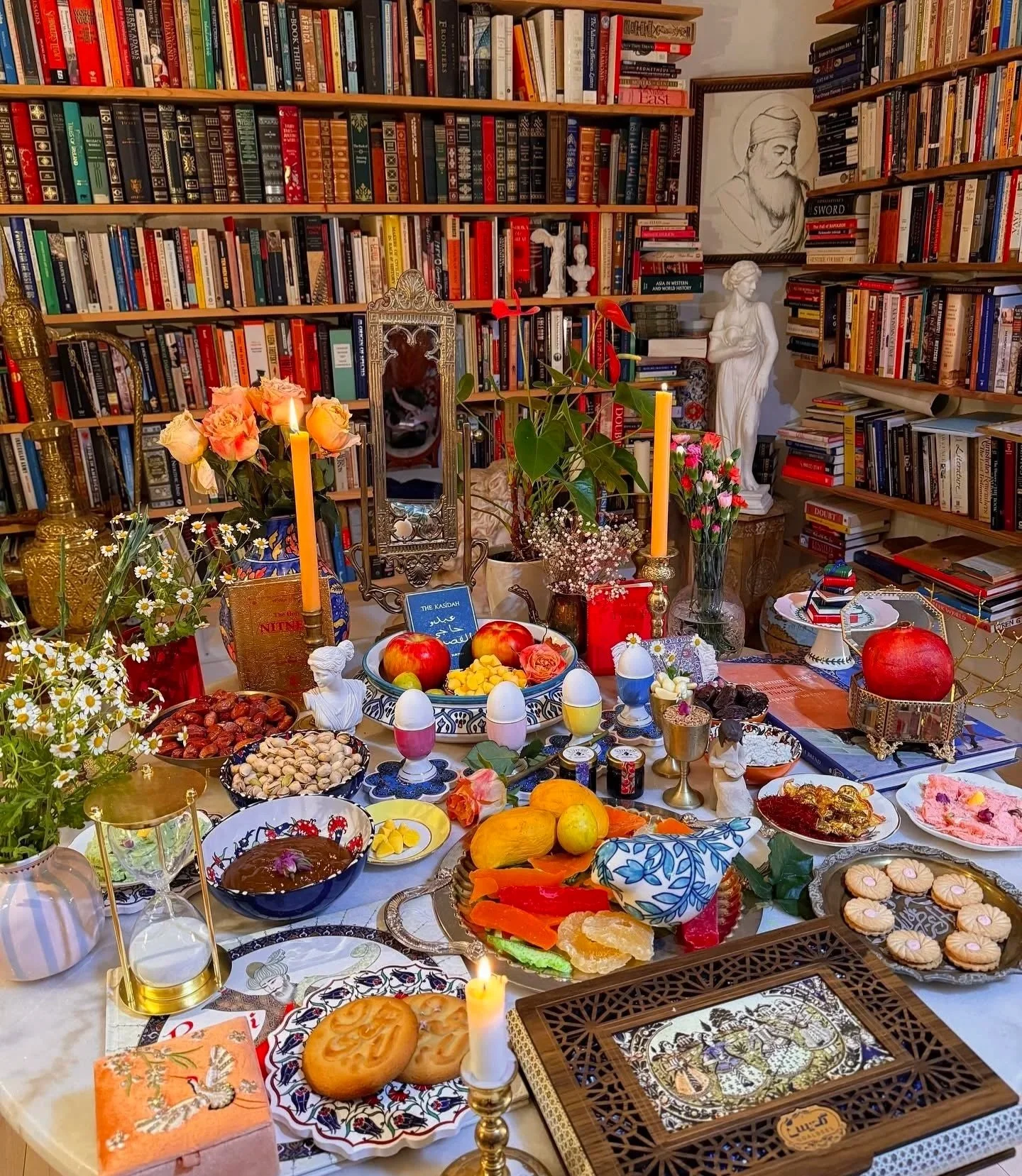
Celebrating Nowroz
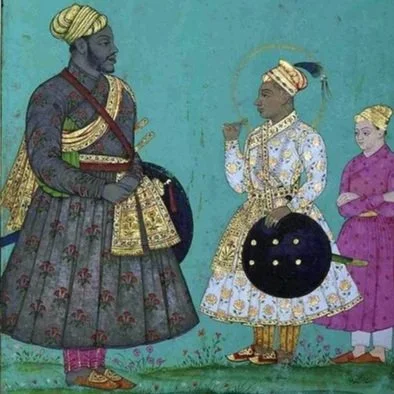
Malik Ambar’s Ascendancy in the Deccan Sultanates: From Enslavement to Military Strategist in Resistance Against Mughal Imperialism
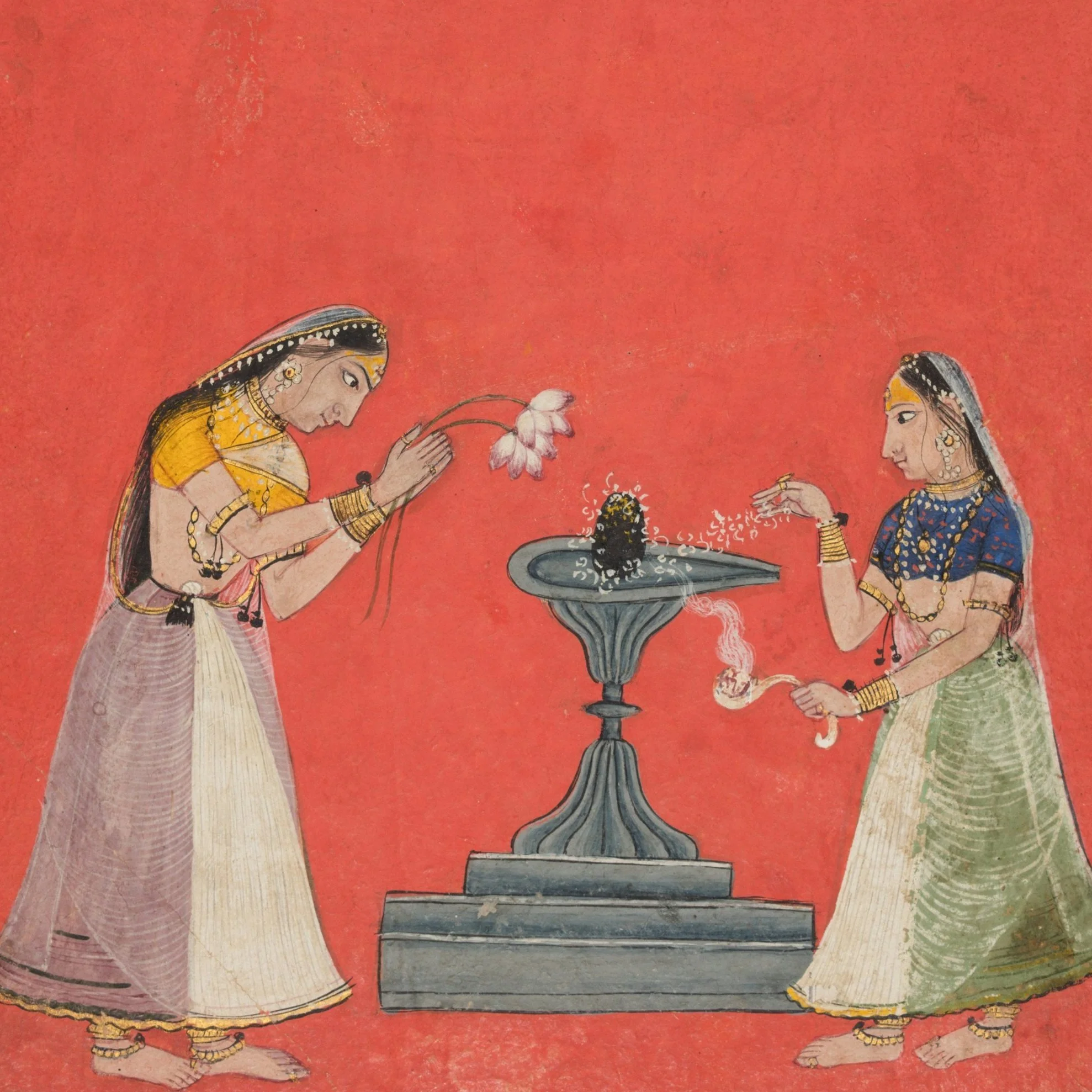
The Art of Storytelling in South Asia: From Ancient Epics to Royal Courts
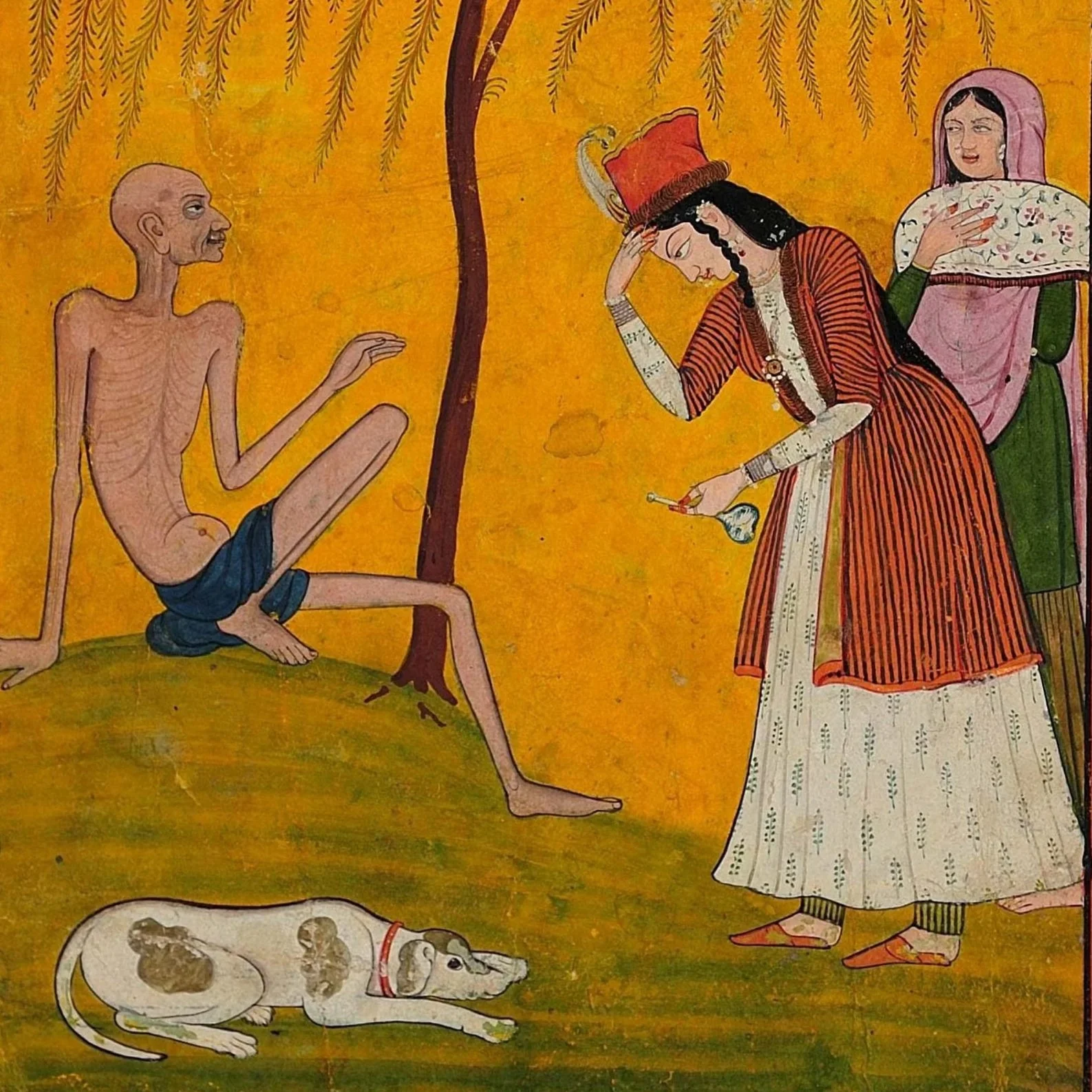
From Metaphysical Longing to Societal Critique: Analyzing the Polymorphous Depictions of Layla and Majnun in the Literary and Visual Cultures of the Islamicate World

From Entrepreneurship to Academia
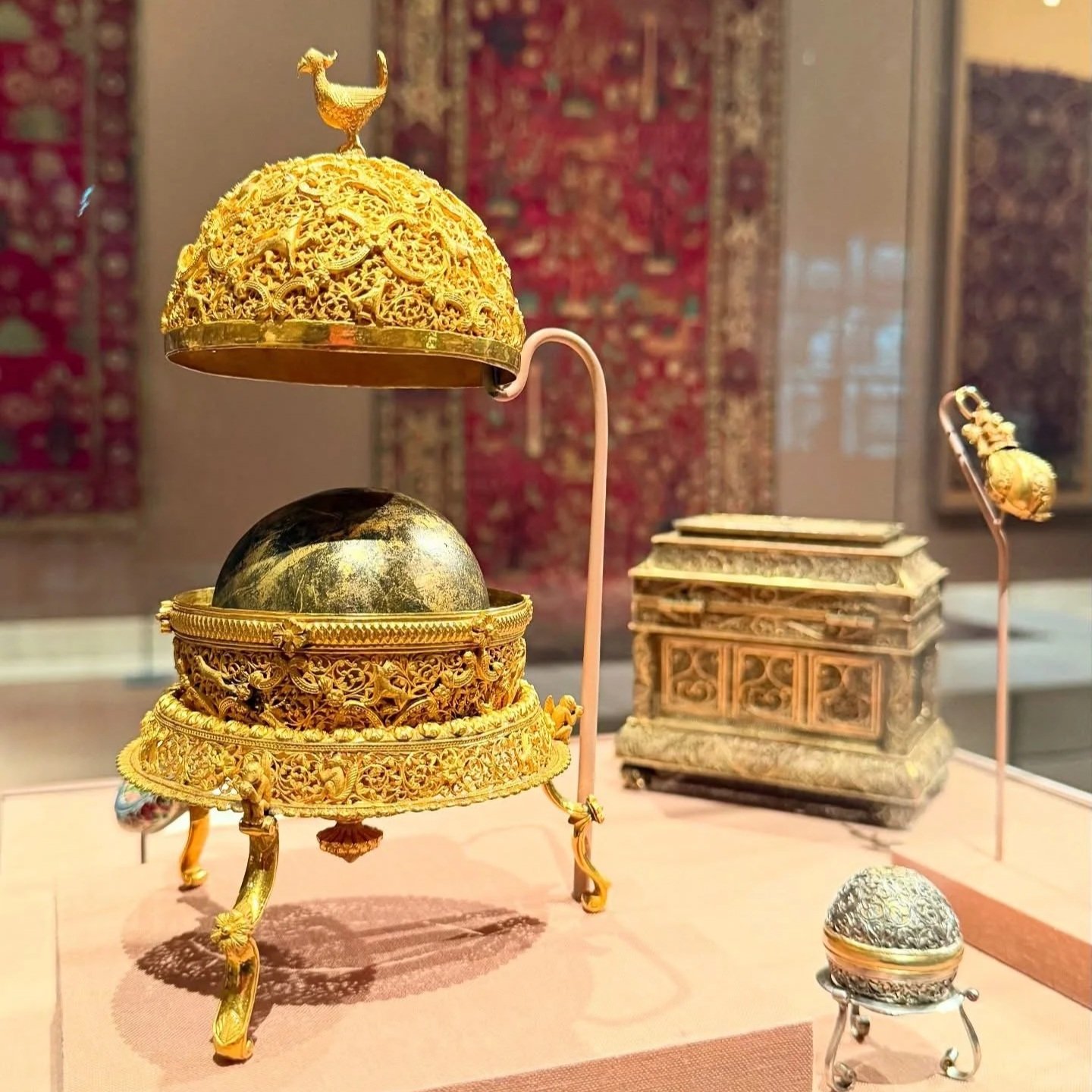
The Goa Stone: Made in India for European Elites, Displayed in the Islamic Galleries at The Met
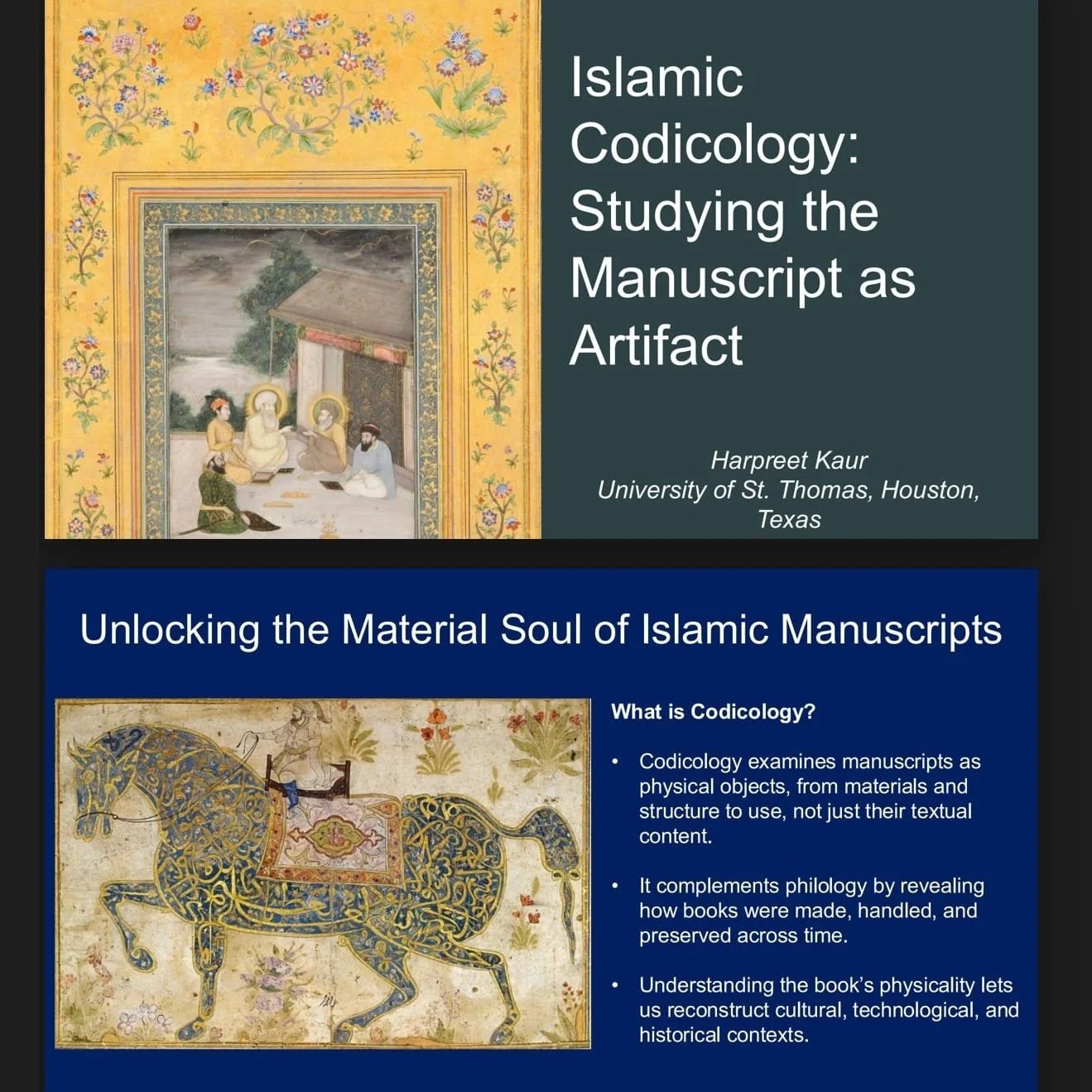
Islamic Codicology: Studying the Manuscript as Artifact
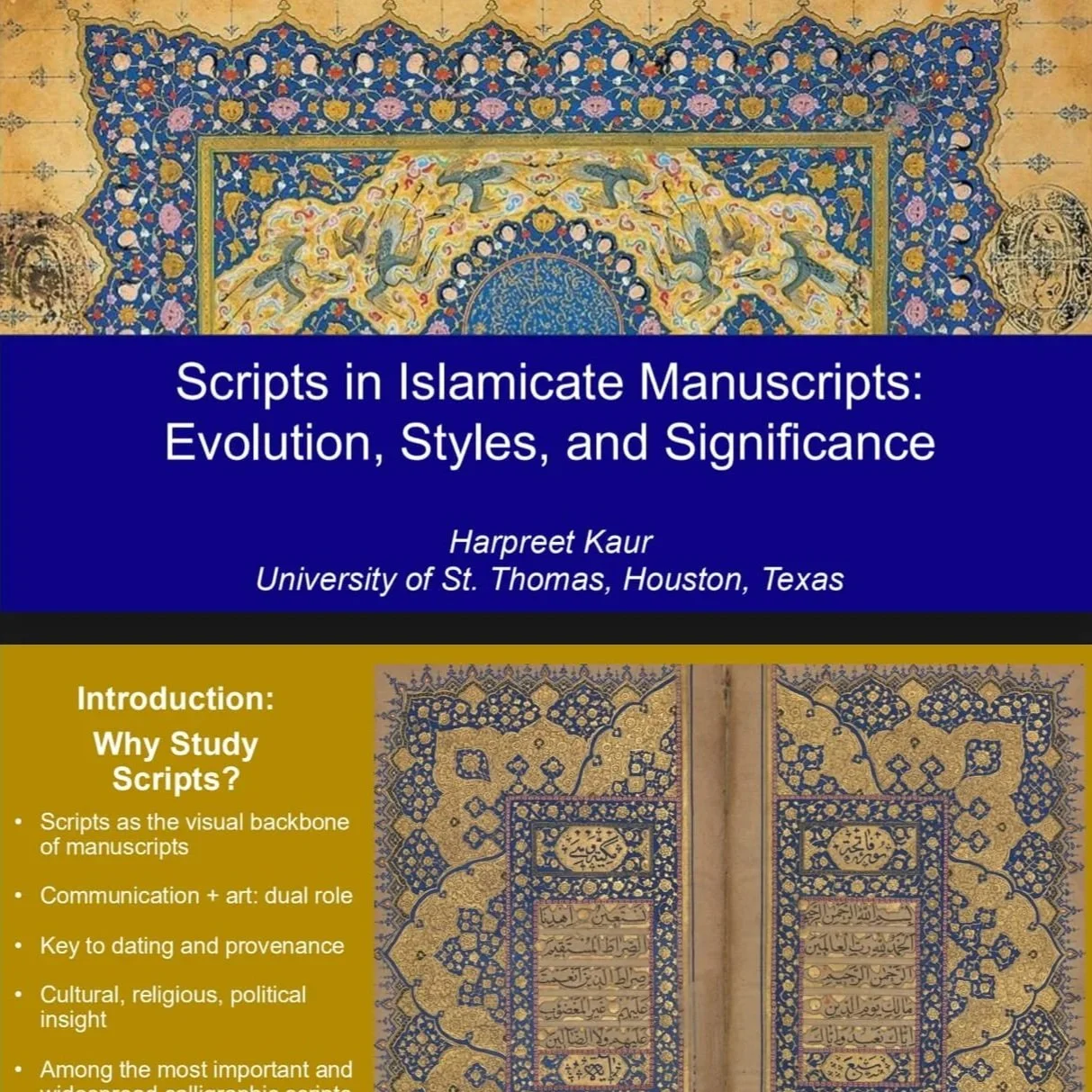
Scripts in Islamicate Manuscripts: Evolution, Styles, and Significance
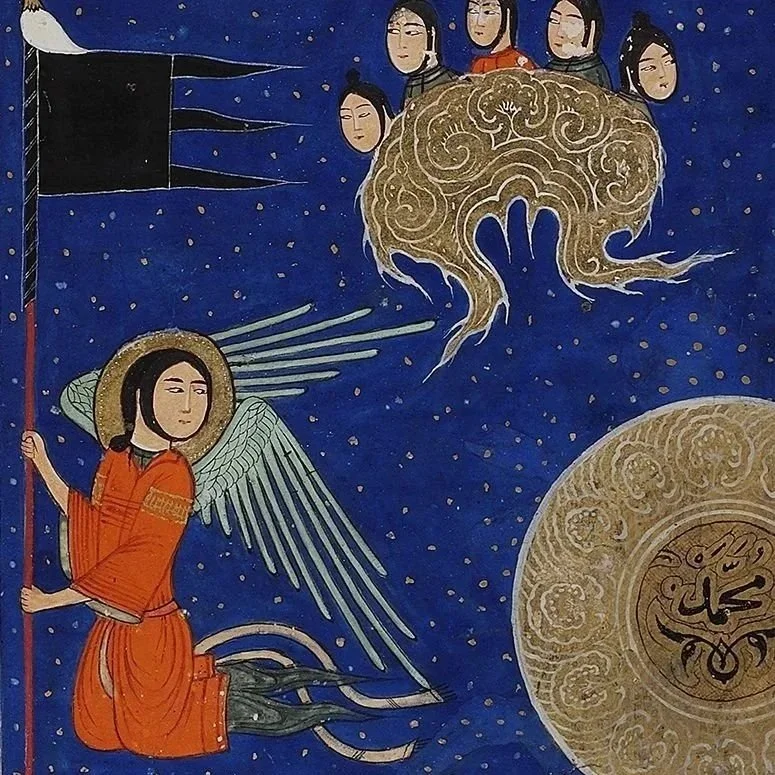
Blue Pigments in Islamicate Manuscript Painting: Materiality and Courtly Practice
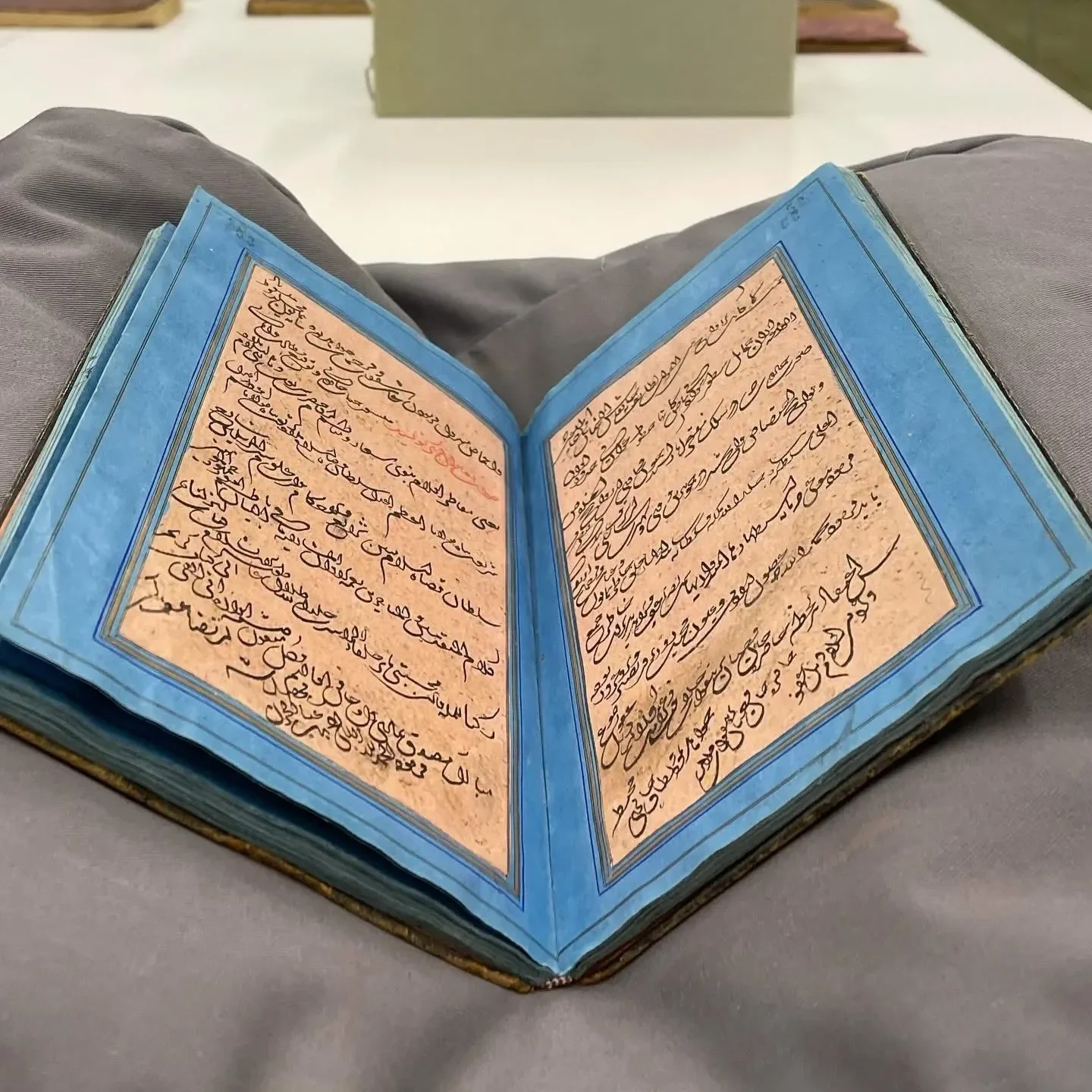
THE ROLE OF DIVANI SCRIPT IN THE FORMATION OF OTTOMAN BUREAUCRATIC AUTHORITY
The Divani script occupies a distinctive position within the history of Ottoman administrative writing. Developed in the early centuries of the empire and standardized in the sixteenth century, Divani served primarily within the imperial chancery.
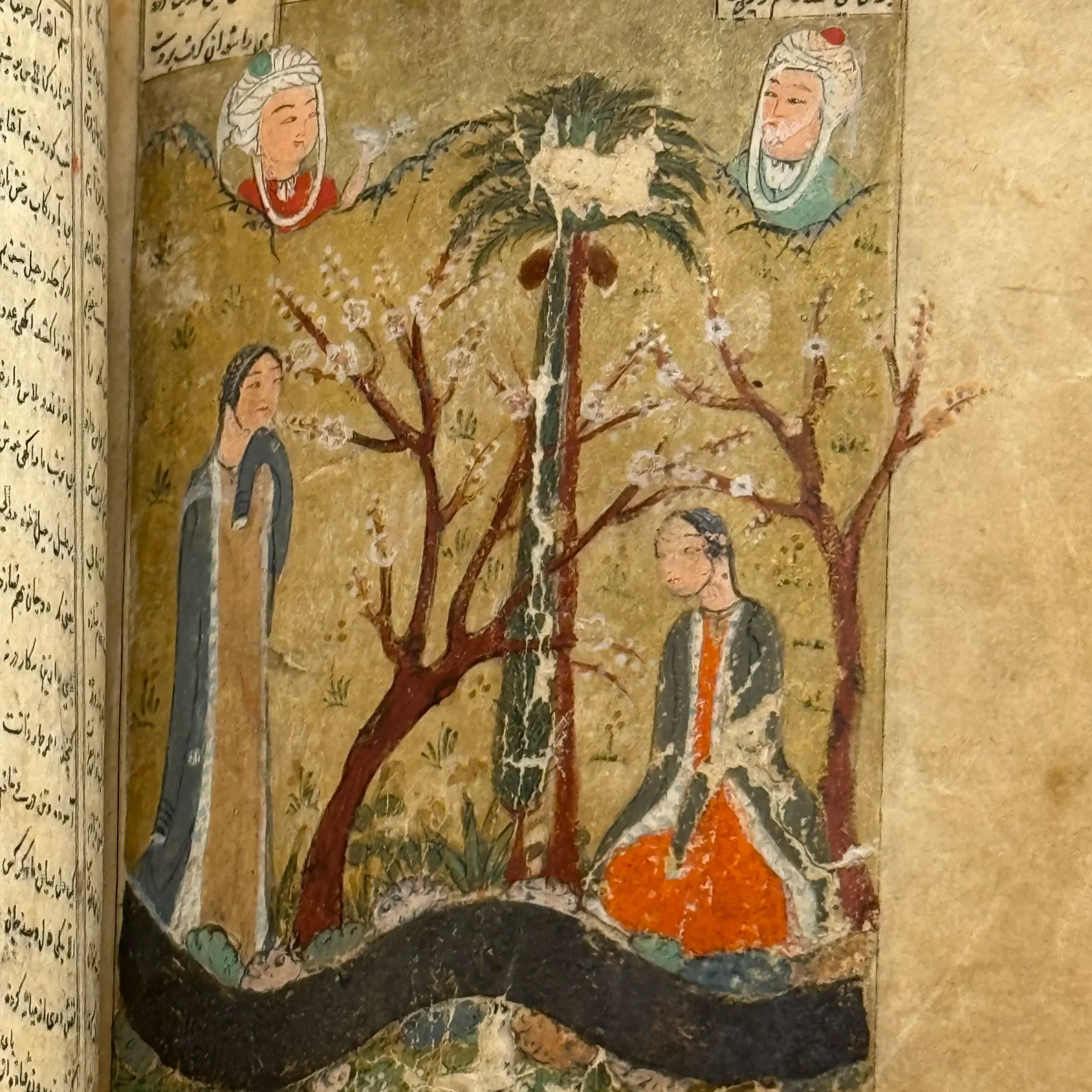
An Early 15th Century Shiraz Manuscript - Layli and Majnun by Nizami
This early 15th-century manuscript contains an incomplete copy of Nizämi's Khamsah. Present are small sections of Makhzan al-asrär, most of Layli va Majnin, approximately half of Khusraw va Shirin, and the first third of Haft Paykar; the Iskandarnämah is absent. The manuscript includes 24 miniature paintings, some unfinished, and features elaborate illuminated pages. It was copied by Hasan al-Hafiz, likely in the workshop of either Iskandar Sultän or Ibrähim Sultãn.
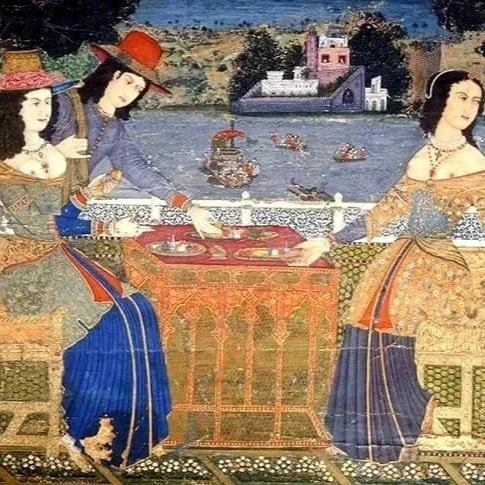
Leisure and Culture in Early Modern Goa
The scene often titled Europeans Refreshing Themselves on a Balcony offers a striking entry point into the social world of early modern Goa. The painting, produced by an anonymous artist of the Indian School and dated to the late Mughal or Deccan period, follows a visual language that blends South Asian artistic conventions with European subjects.
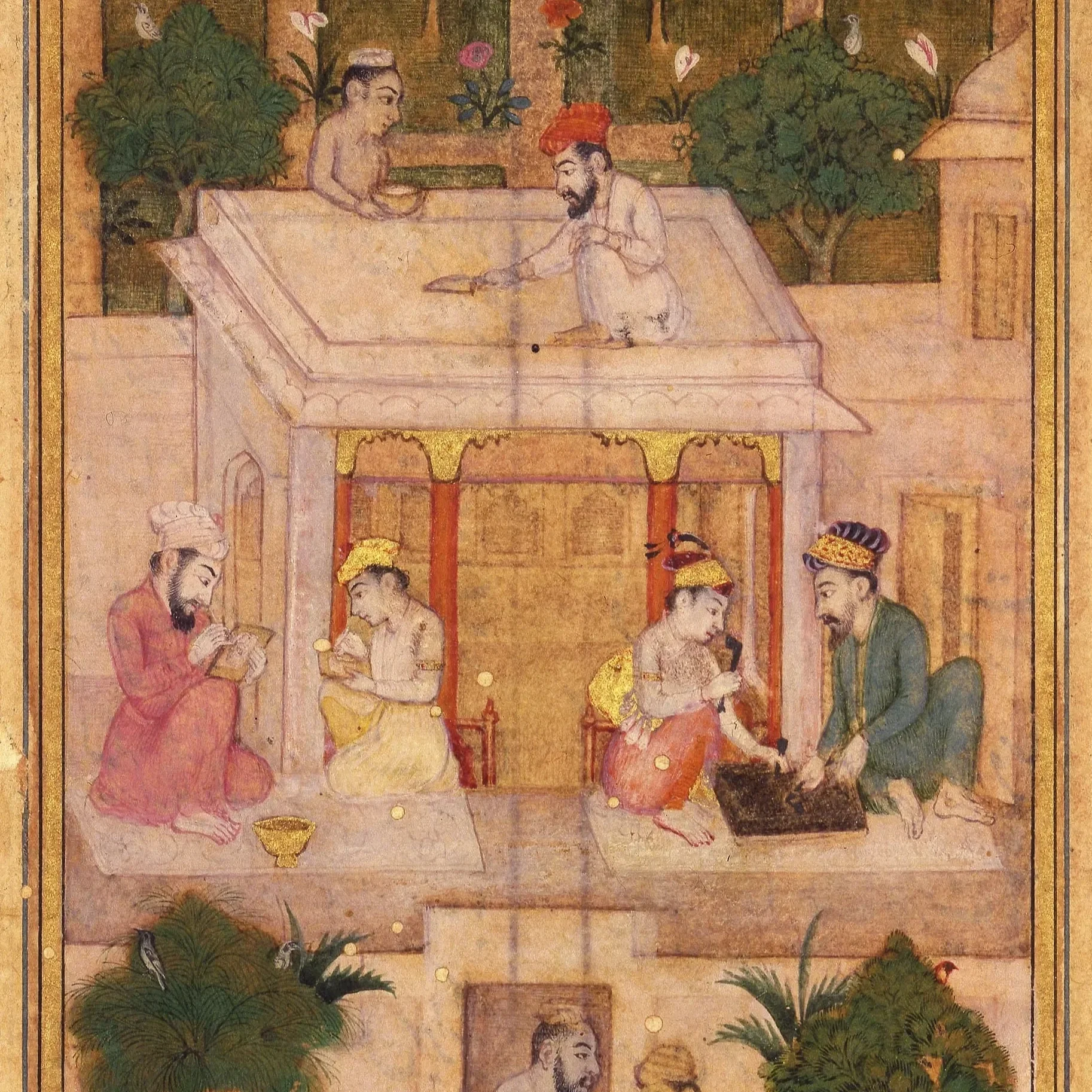
Crafting the Manuscript: Materials, Labor, and Aesthetics in Islamic and Indian Book Production, 1400–1800
Between the fifteenth and eighteenth centuries, manuscript production across the Islamic and Indian worlds constituted a sophisticated, multi-stage craft tradition integrating material technologies, artisanal specialization, and aesthetic theorization. This short essay outlines the principal stages of manuscript manufacture from paper production, preparation of inks and pigments, calligraphy, illumination, binding, and circulation.