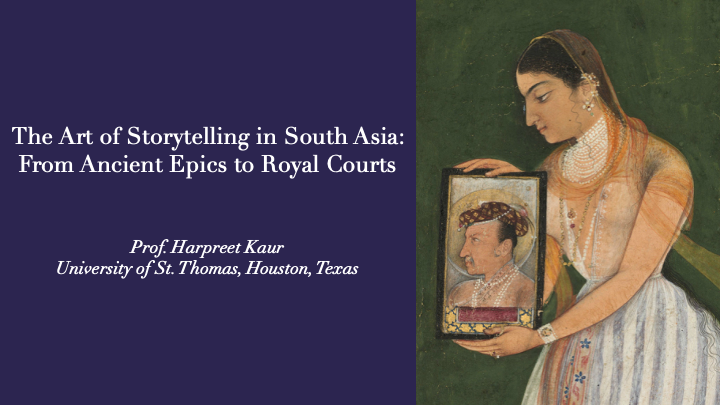
The Art of Storytelling in South Asia: From Ancient Epics to Royal Courts
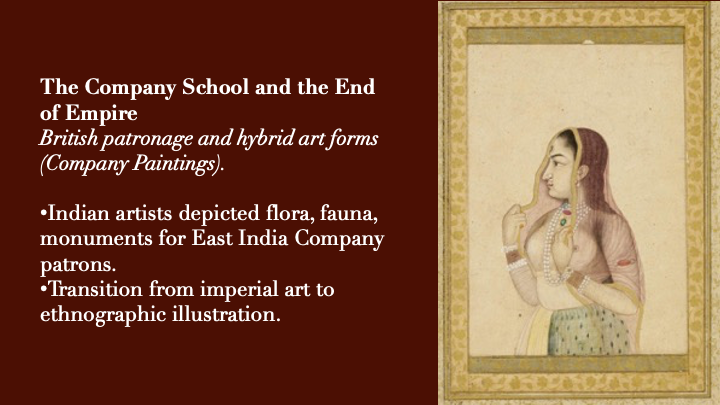
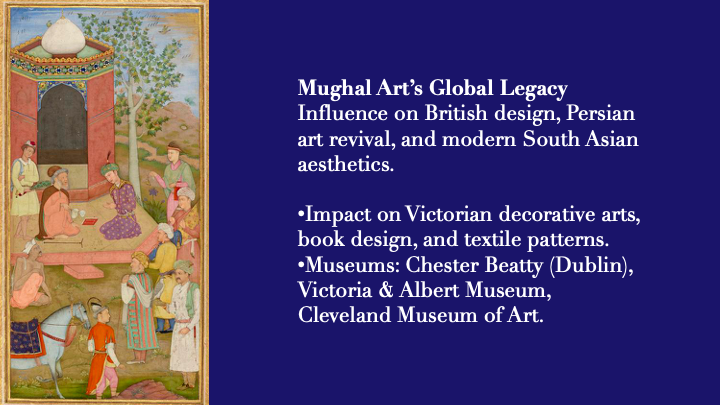
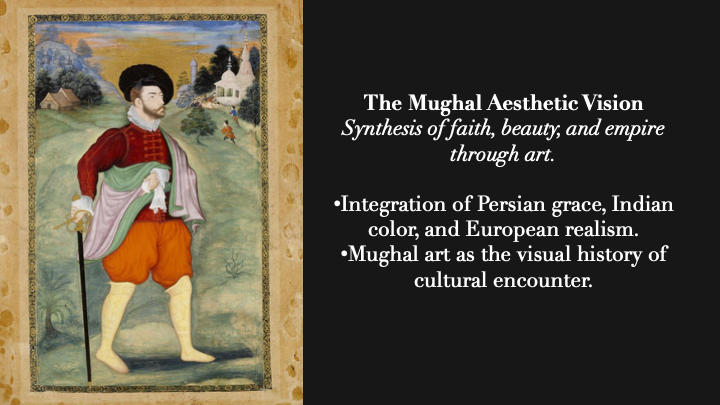
This lecture introduces the arts of India as a living continuum, tracing visual traditions from ancient sacred forms to the refined aesthetics of the royal courts. Rather than presenting artworks in isolation, the course explores how religion, power, materials, and cultural exchange shaped artistic expression across time. Through architecture, sculpture, painting, and courtly objects, students are invited to see Indian art not only as historical evidence but as a dynamic language that responded to shifting social and political worlds. The accompanying slides emphasize close looking and contextual storytelling, offering a framework for understanding how artistic innovation emerged from both continuity and transformation.
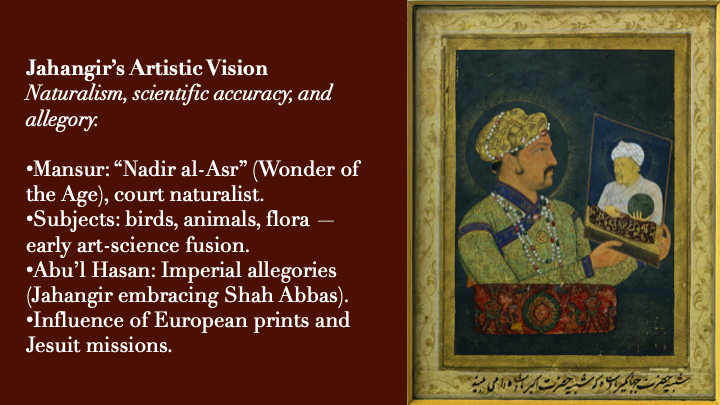
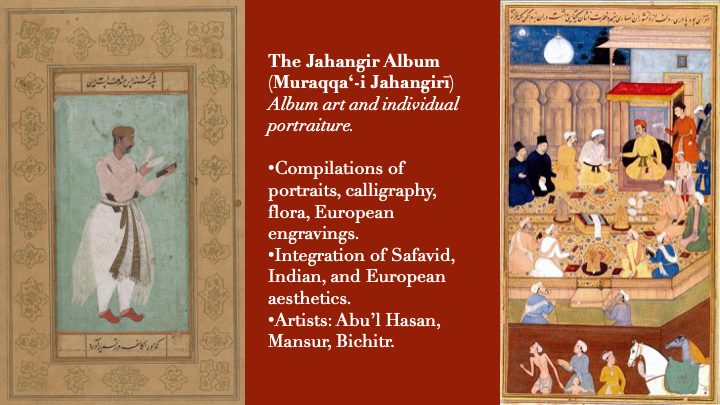
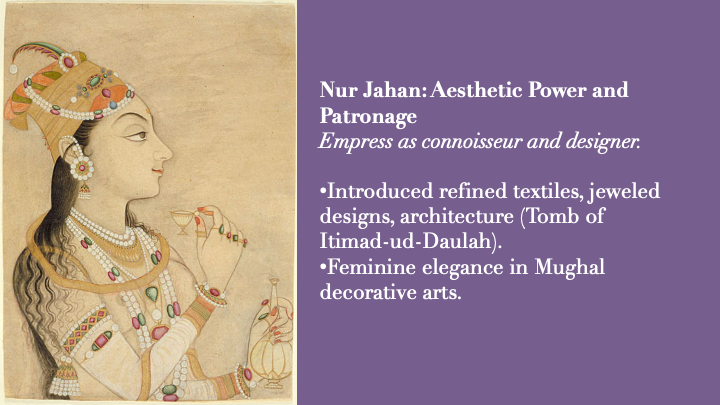
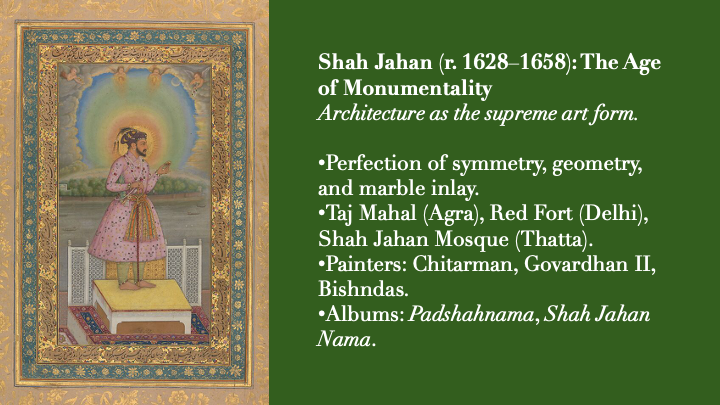
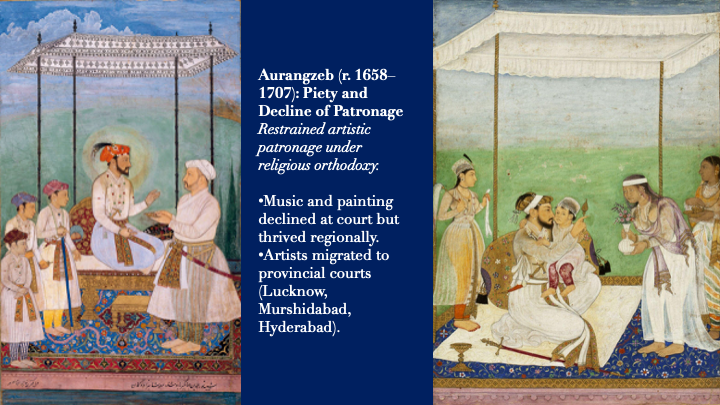
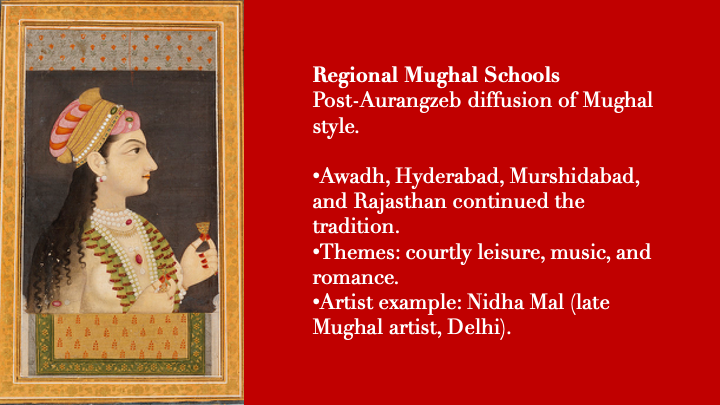
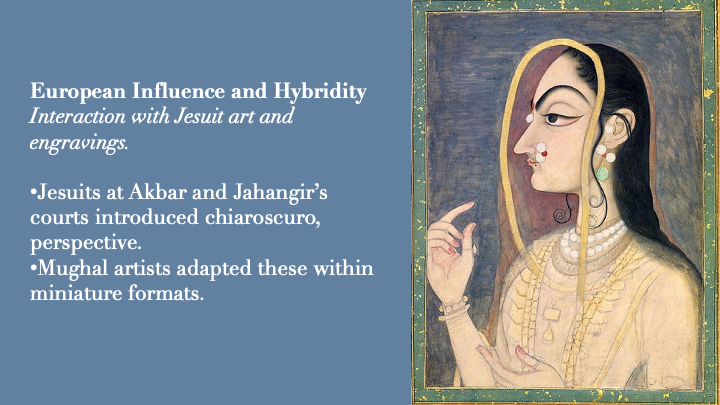
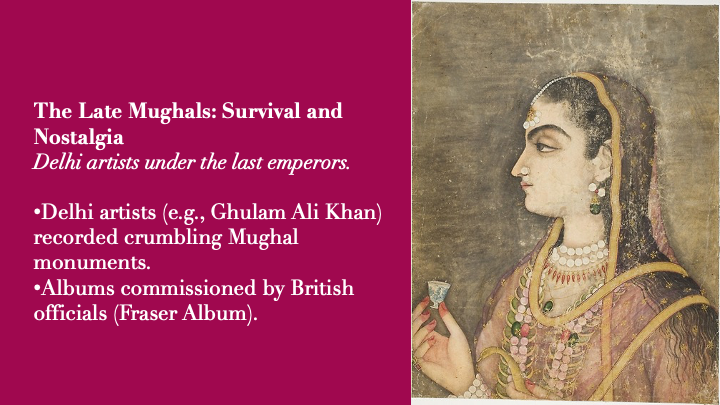
Note: These lecture slides are shared to support learning and scholarly engagement. I kindly ask that they not be copied, distributed, or shared beyond this context without prior permission.