From Metaphysical Longing to Societal Critique: Analyzing the Polymorphous Depictions of Layla and Majnun in the Literary and Visual Cultures of the Islamicate World
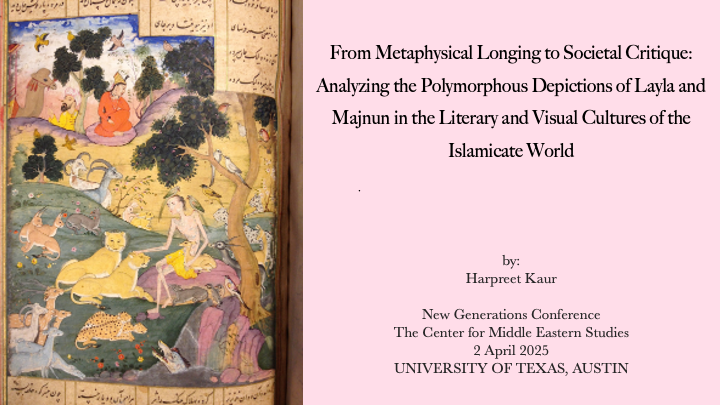
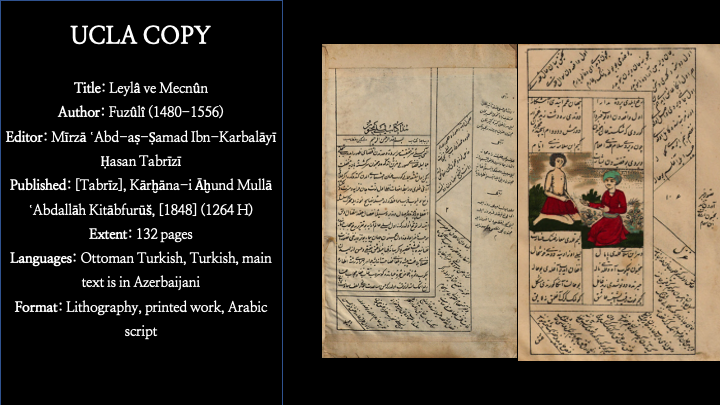
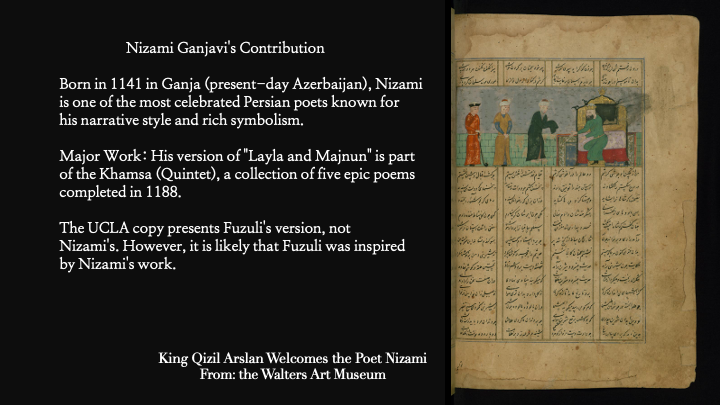
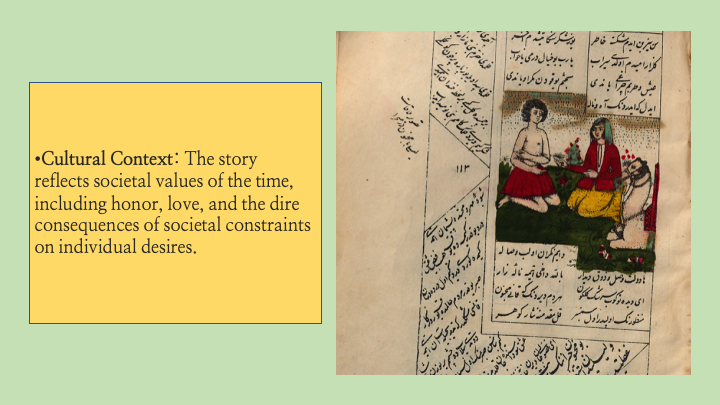
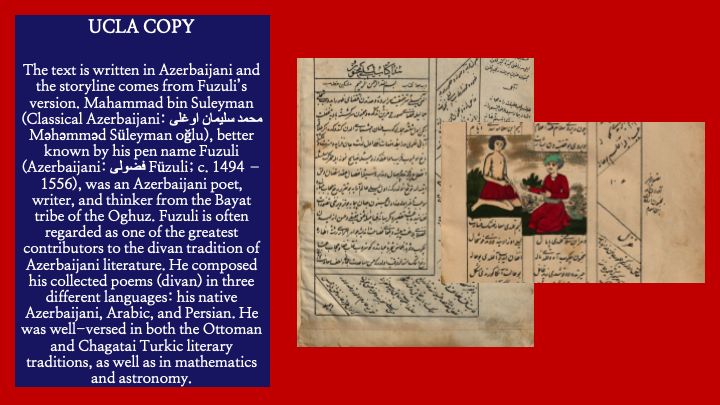
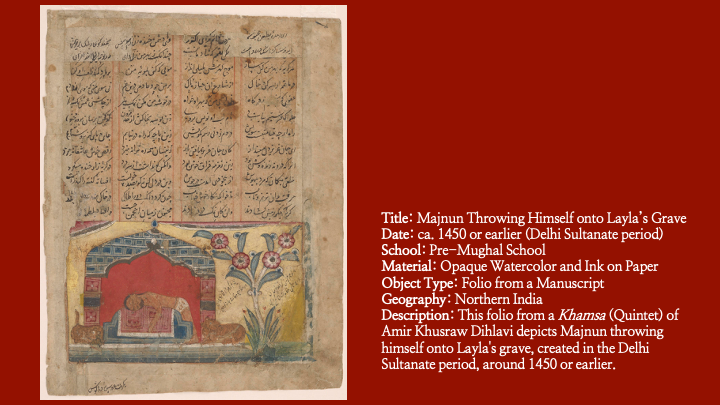
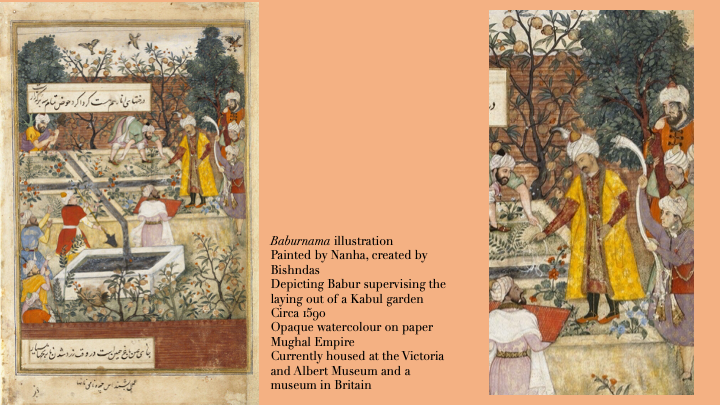
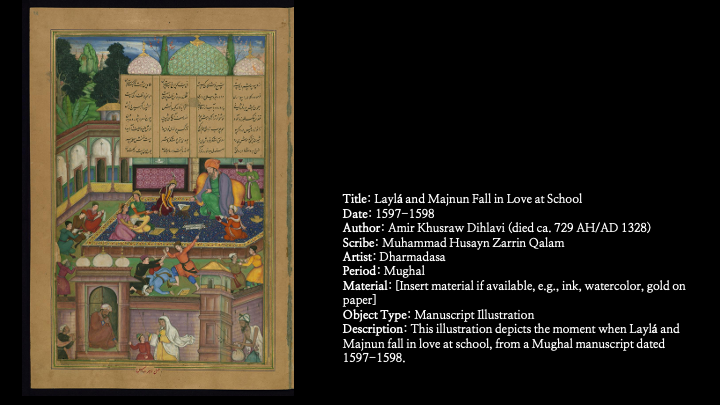
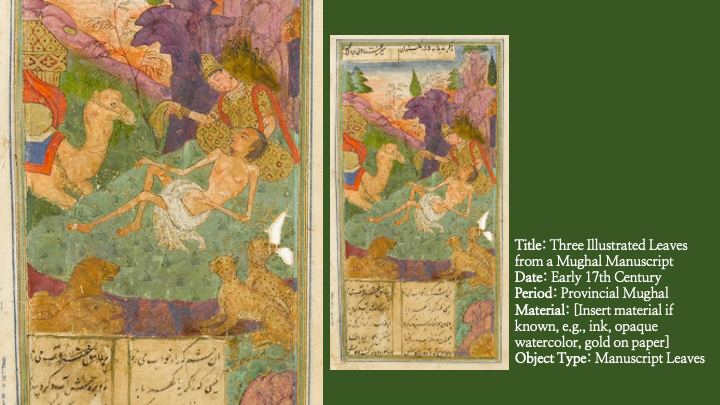
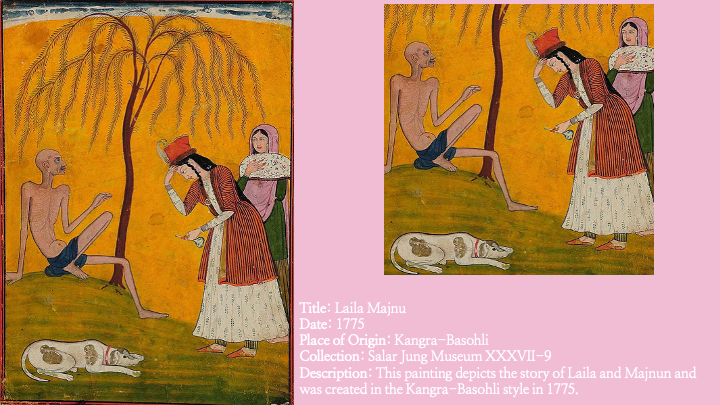
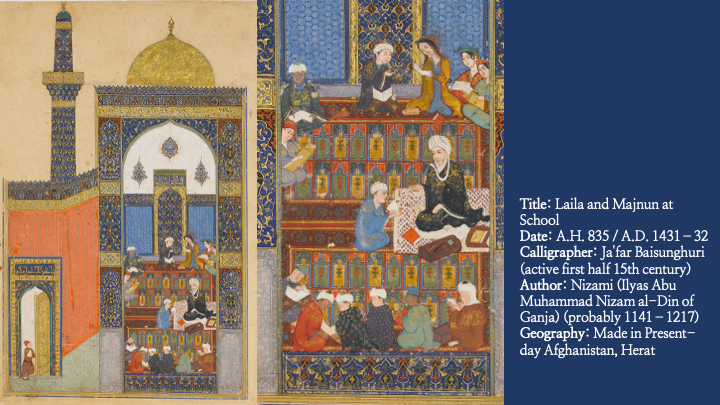
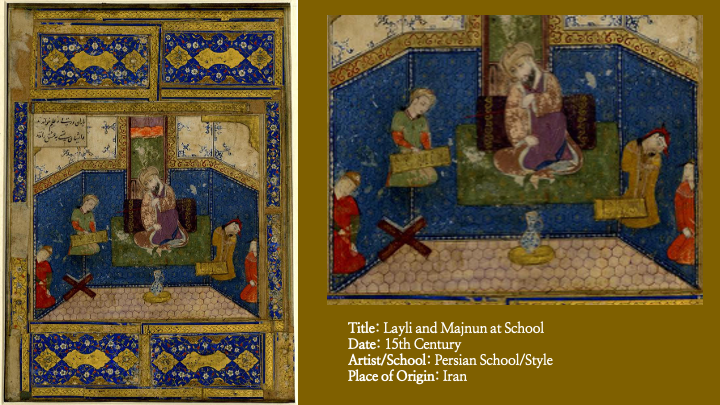
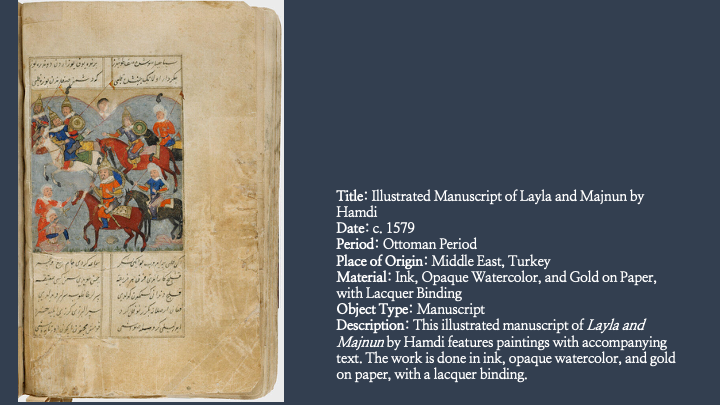
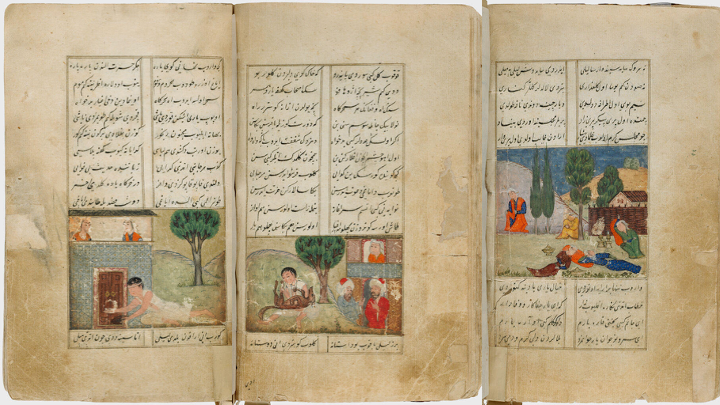
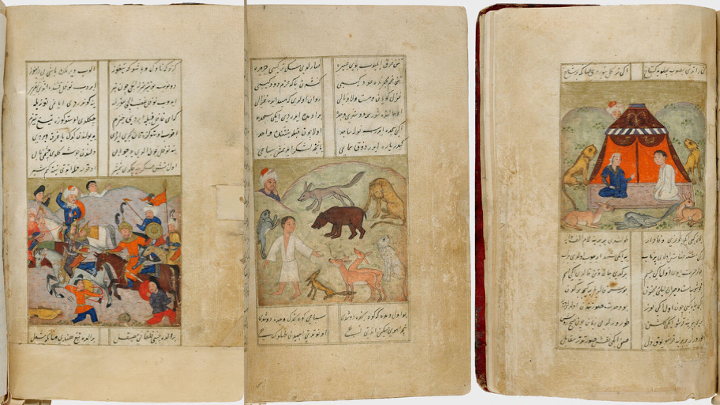
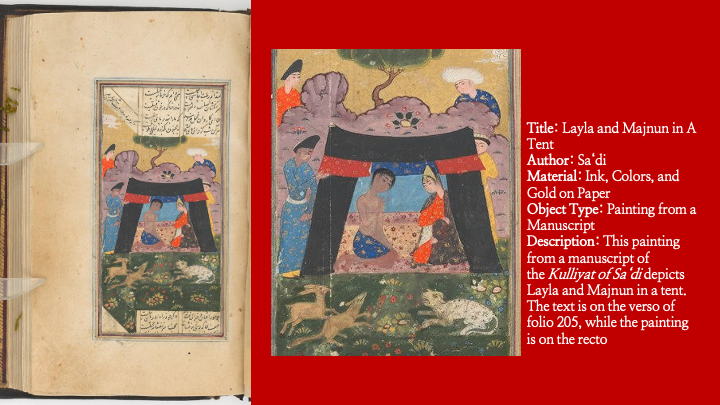
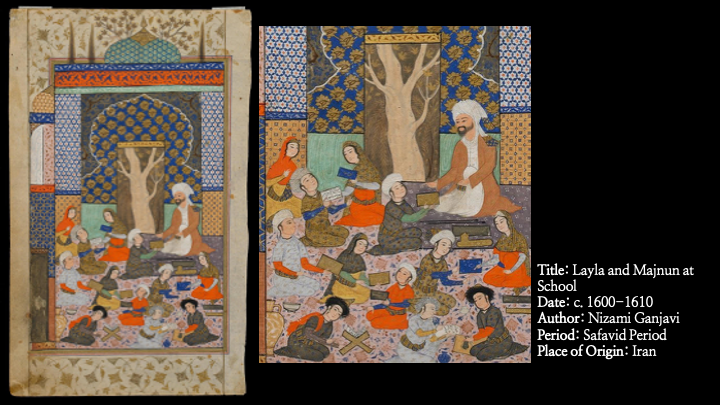
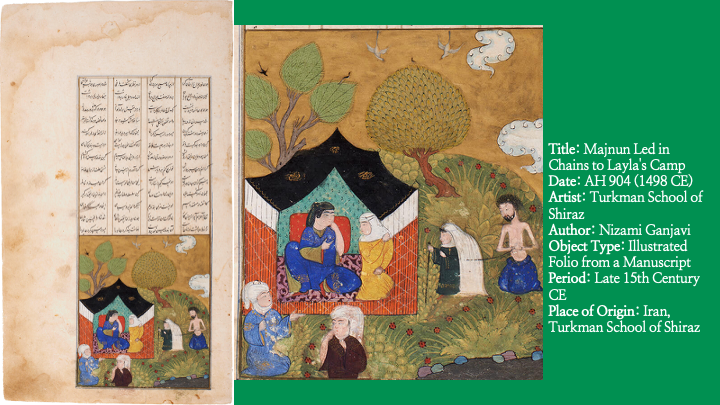
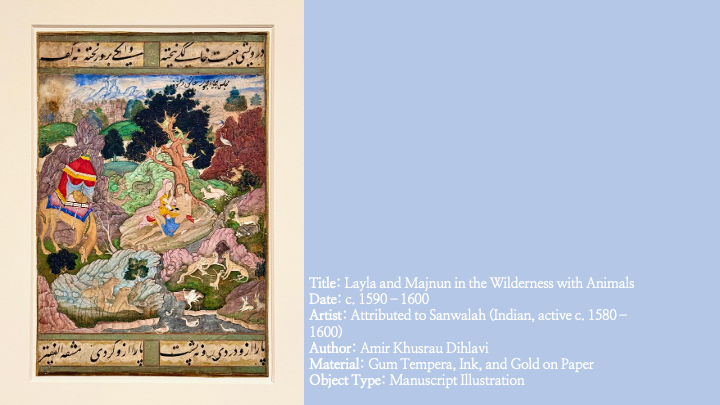
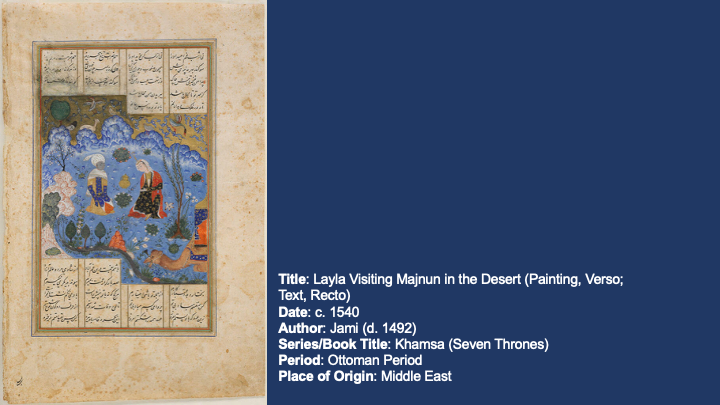
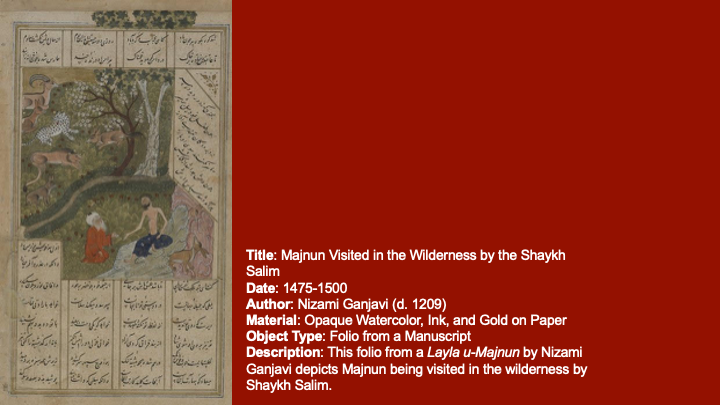
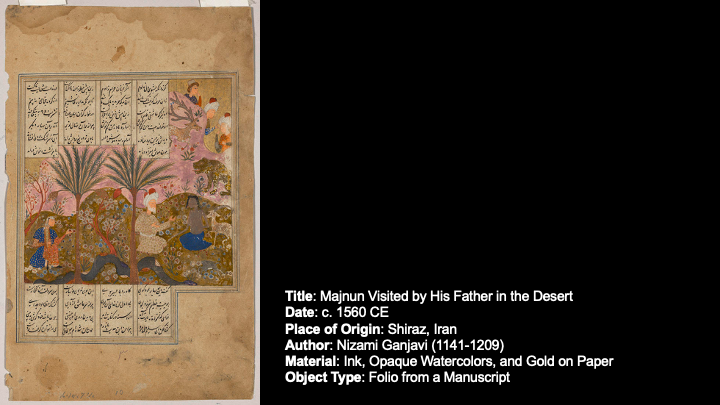
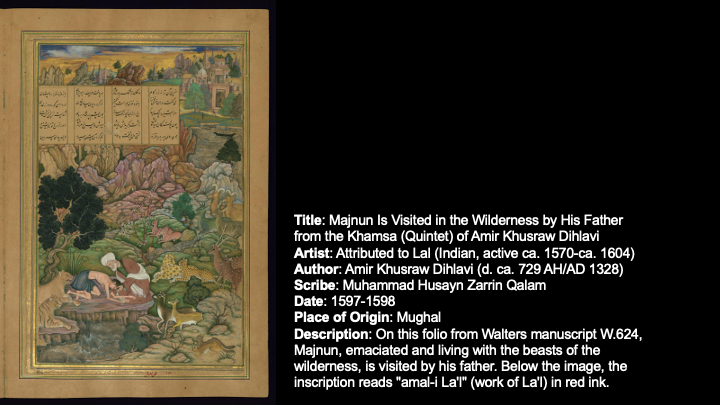
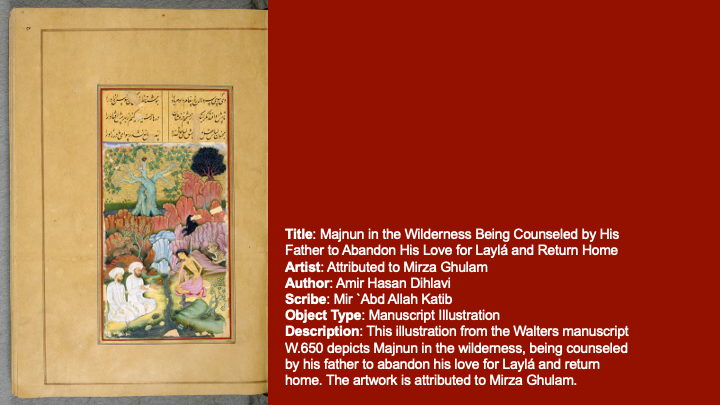
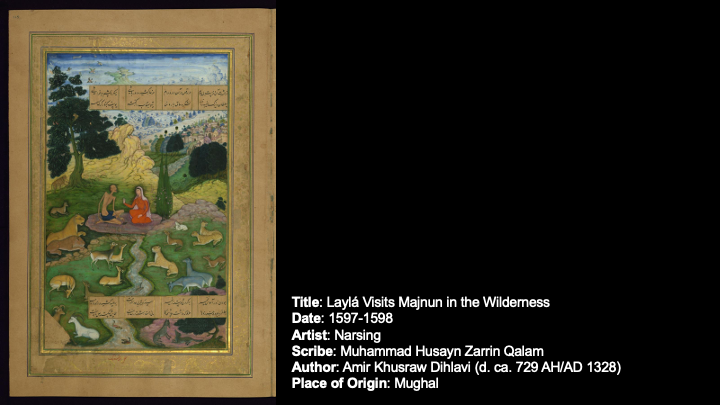
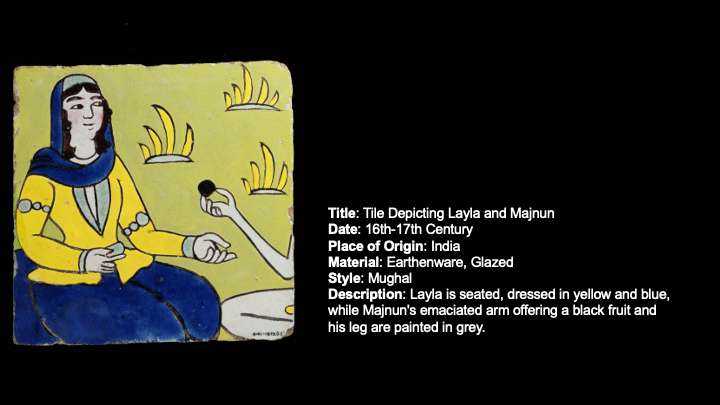
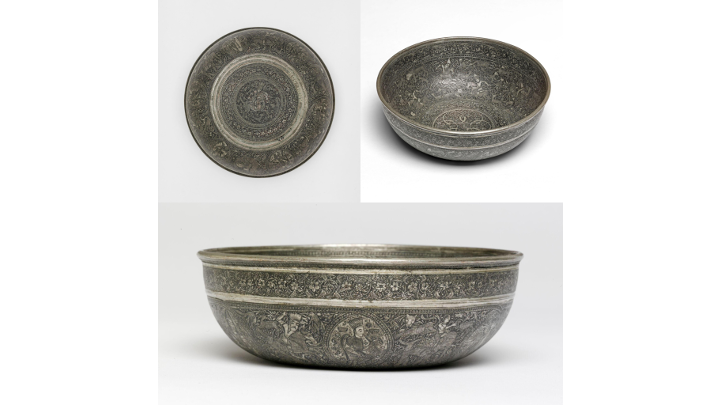
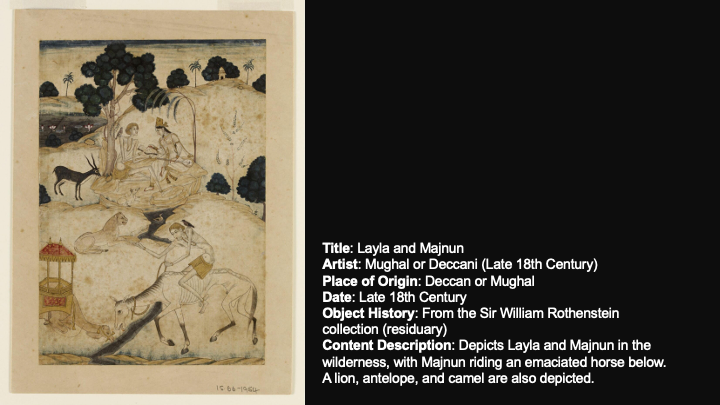
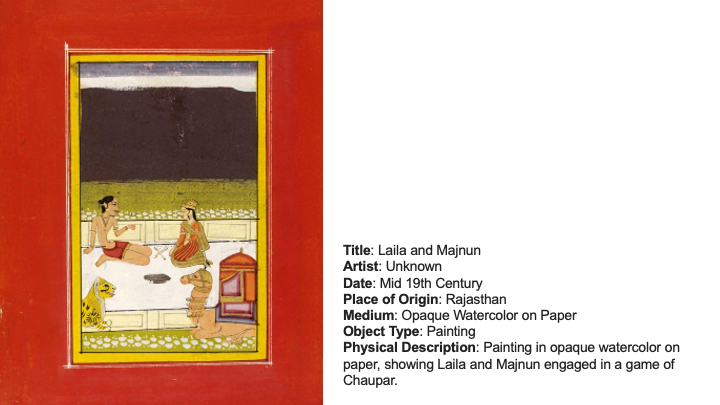
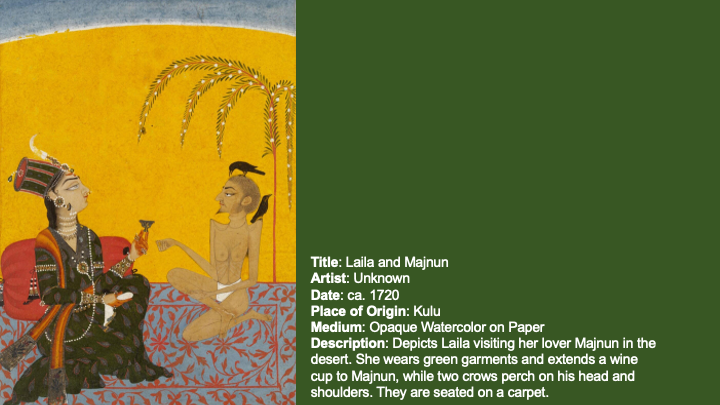
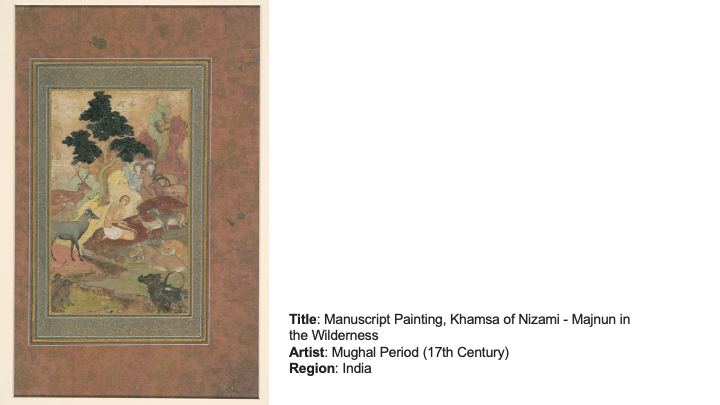
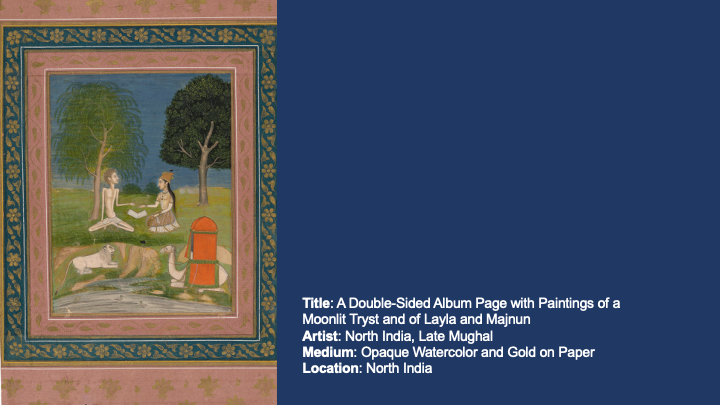
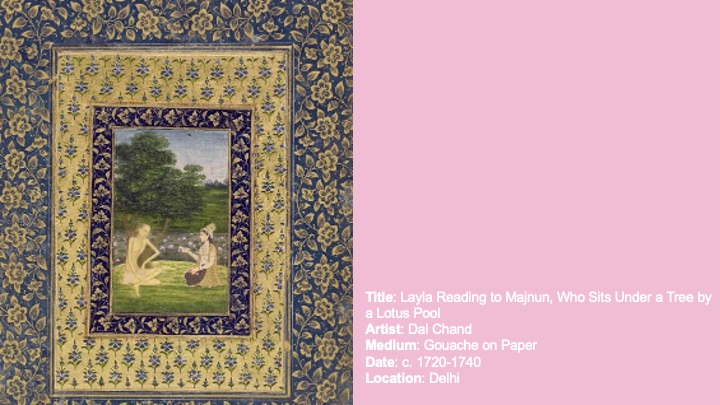
This presentation explored the story of Layla and Majnun as a complex allegory that extends beyond its conventional depiction of mystical longing and unattainable love. The earliest known version of the Layla and Majnun narrative, rooted in the oral tradition of Qays ibn al-Mulawwah, served as a seminal foundation for subsequent literary adaptations by poets such as Nizami, Amir Khusrow, Jami, Hamdi, and Fuzuli. This reflects the narrative’s fluidity and adaptability across regional dialects and literary traditions. Rather than solely embodying themes of spiritual devotion, the tale serves as a prism through which the intricate social, ethnic, religious, and political fabric of both pre-Islamic and post-Islamic societies can be critically examined. Alongside literary adaptations, the narrative was reimagined in vivid visual representations within the Safavid, Mughal, and Ottoman empires. These works of art, ranging from miniature paintings to architectural embellishments, illustrate the story’s evolution, adapting to the cultural, political, and intellectual currents of each period. This paper raises and seeks to address various questions, including: How do the poetic renditions mirror the shifting social, political, and religious landscapes of their times? What does the tale’s widespread popularity, among both private patrons and imperial courts, reveal about its cultural and political significance in the Persianate world? To address these questions, this paper analyzes fundamental elements from the Layla and Majnun narratives and visual materials, drawn from significant historical collections, many of which the author has studied firsthand, to explore the tale’s enduring cultural, political, and aesthetic impact throughout history.
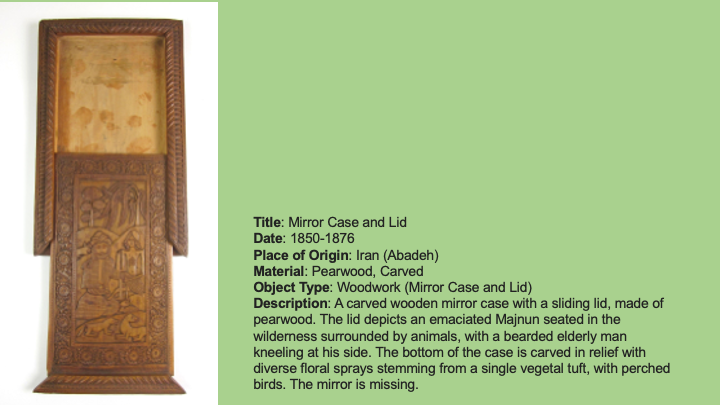
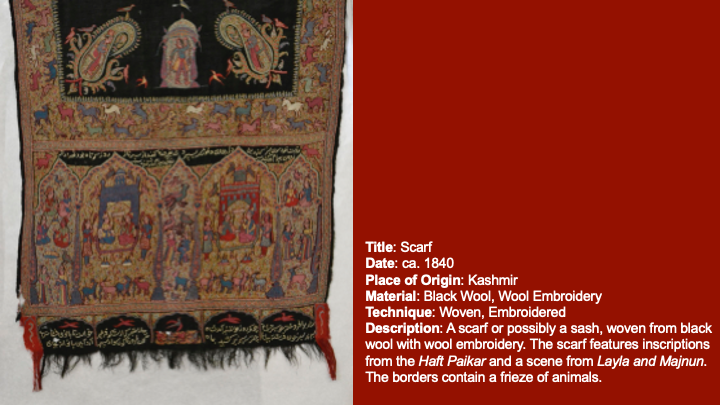
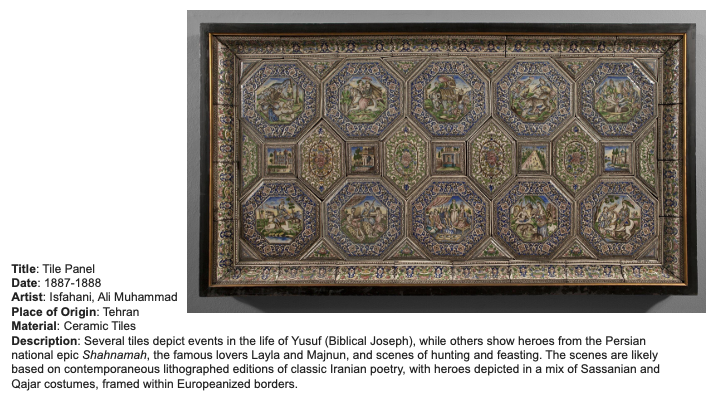
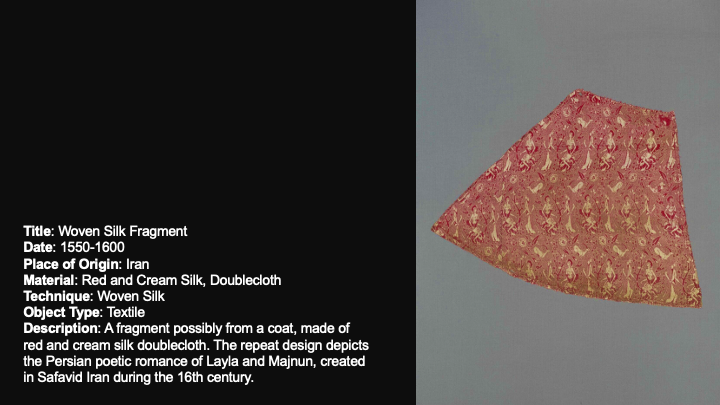
Note: These lecture slides are shared to support learning and scholarly engagement. I kindly ask that they not be copied, distributed, or shared beyond this context without prior permission.