THE ROLE OF DIVANI SCRIPT IN THE FORMATION OF OTTOMAN BUREAUCRATIC AUTHORITY
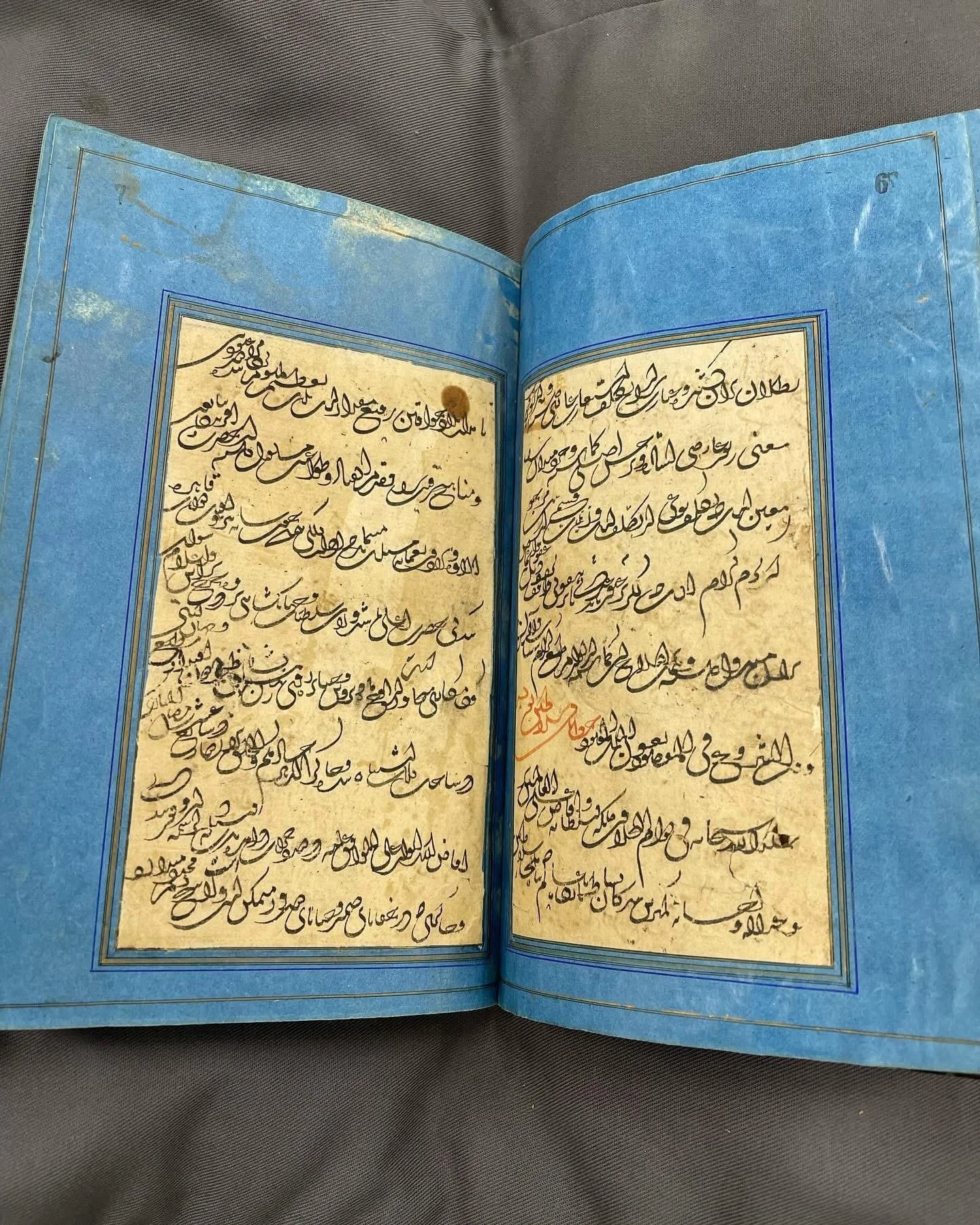
The Divani script occupies a distinctive position within the history of Ottoman administrative writing. Developed in the early centuries of the empire and standardized in the sixteenth century, Divani served primarily within the imperial chancery. Its characteristic features include tightly curved strokes, dense line spacing, minimal use of diacritics, and fluid ligatures that obscure the boundaries between individual letters. These visual qualities are not solely aesthetic. Only trained chancery scribes (divan kâtipleri), men who underwent long apprenticeships in the scribal arts, could read and draft documents in this style.
More interestingly, the complexity of the script gave it a practical security function. Its visual density made unauthorized reading or imitation difficult, and for that reason it became the preferred style for imperial decrees, official orders, and documents that required a clear indication of state authority. The later development of Jali Divani, a larger and even more elaborate variant, reinforced this anti-forgery purpose. The script signaled bureaucratic legitimacy not only through its content but through its appearance.
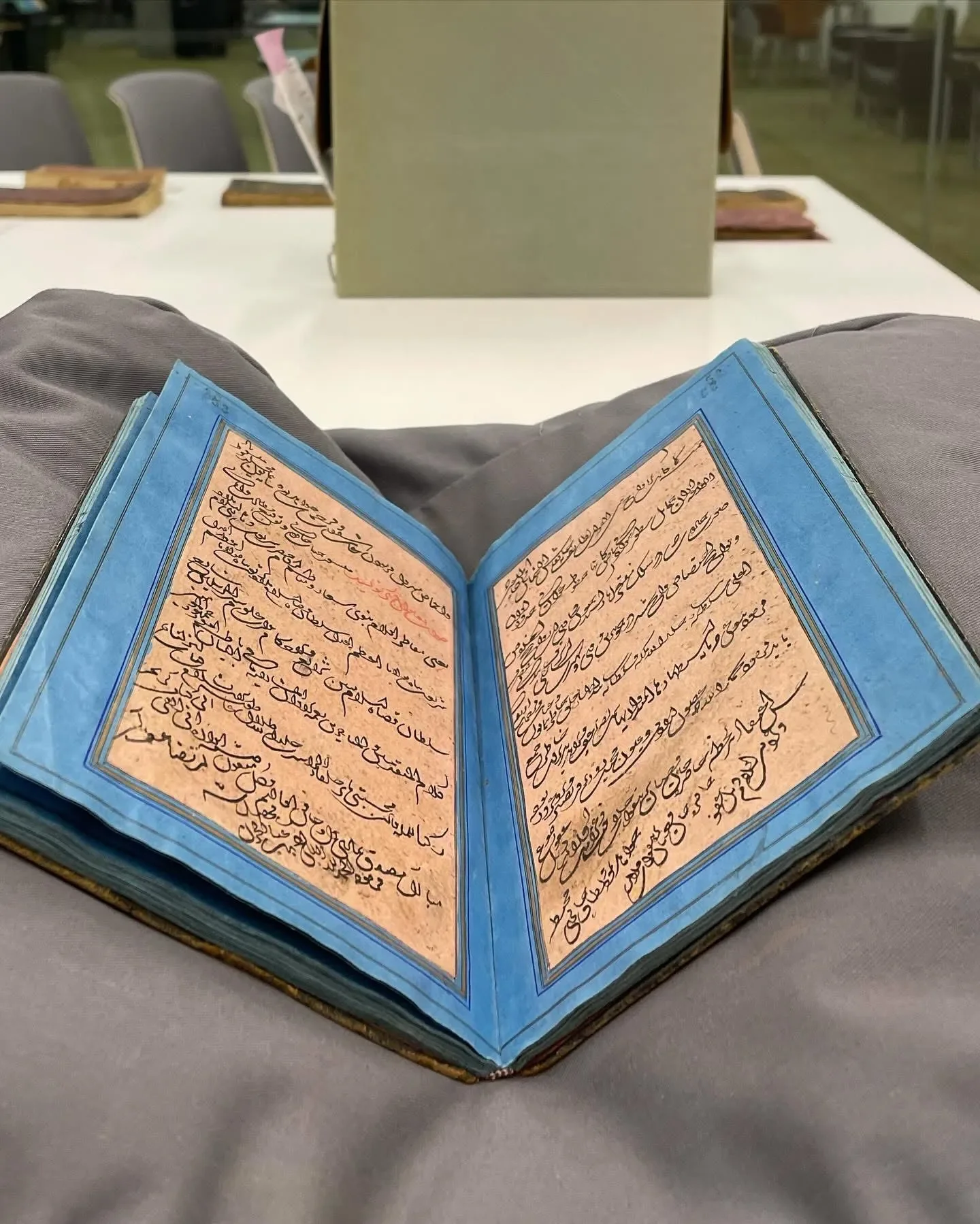
Although Divani is sometimes described as a secret script, this label requires clarification. The Ottoman administration did in fact employ a fully cryptic script known as Siyakat for financial registers and confidential records. Siyakat departed so radically from common letter forms that even literate individuals outside the scribal corps could not decipher it. Divani did not operate at this level of coded opacity. Instead, its secrecy was functional rather than absolute. It restricted access through difficulty rather than through a systematic cipher.
The presence of Divani in surviving manuscripts illustrates broader patterns in Ottoman information control. Writing was a professional tool, and the mastery of particular scripts marked one’s position within the administrative hierarchy. Divani exemplifies how form and function intersected in Ottoman governance. Its aesthetic qualities were integral to the work it performed as part of the state’s system of regulated communication.