Celebrating Nowroz
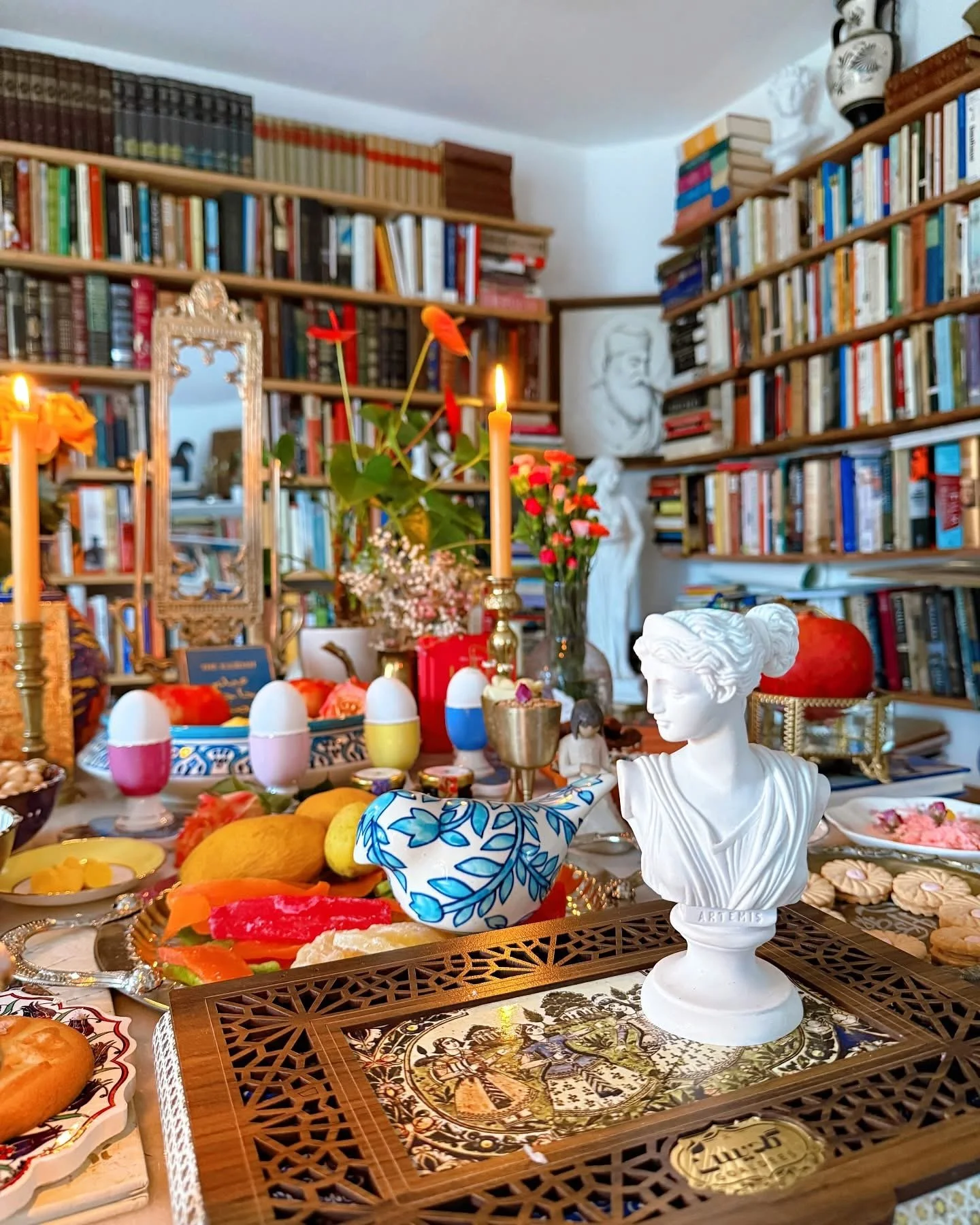
In 2025 I celebrated Nowruz for the first time at home. I am not Persian, yet over time I have grown deeply connected to Persian culture, history, and language.
Nowruz marks the Persian New Year and coincides with the spring equinox. It represents renewal, balance, and the hope that comes with new beginnings. The holiday has ancient roots that date back more than three thousand years. Scholars often trace its origins to pre Islamic Iran and the early Zoroastrian traditions of the region. It was widely celebrated during the Achaemenid Empire around 550 BCE and continued through successive dynasties. Over time Nowruz spread beyond Iran and became a shared cultural celebration across Central Asia, the Caucasus, and parts of the Middle East.
Similar to spring and new year festivals in India, Nowruz also centers reflection and growth. It asks people to pause, to clean their spaces, and to prepare themselves for the year ahead.
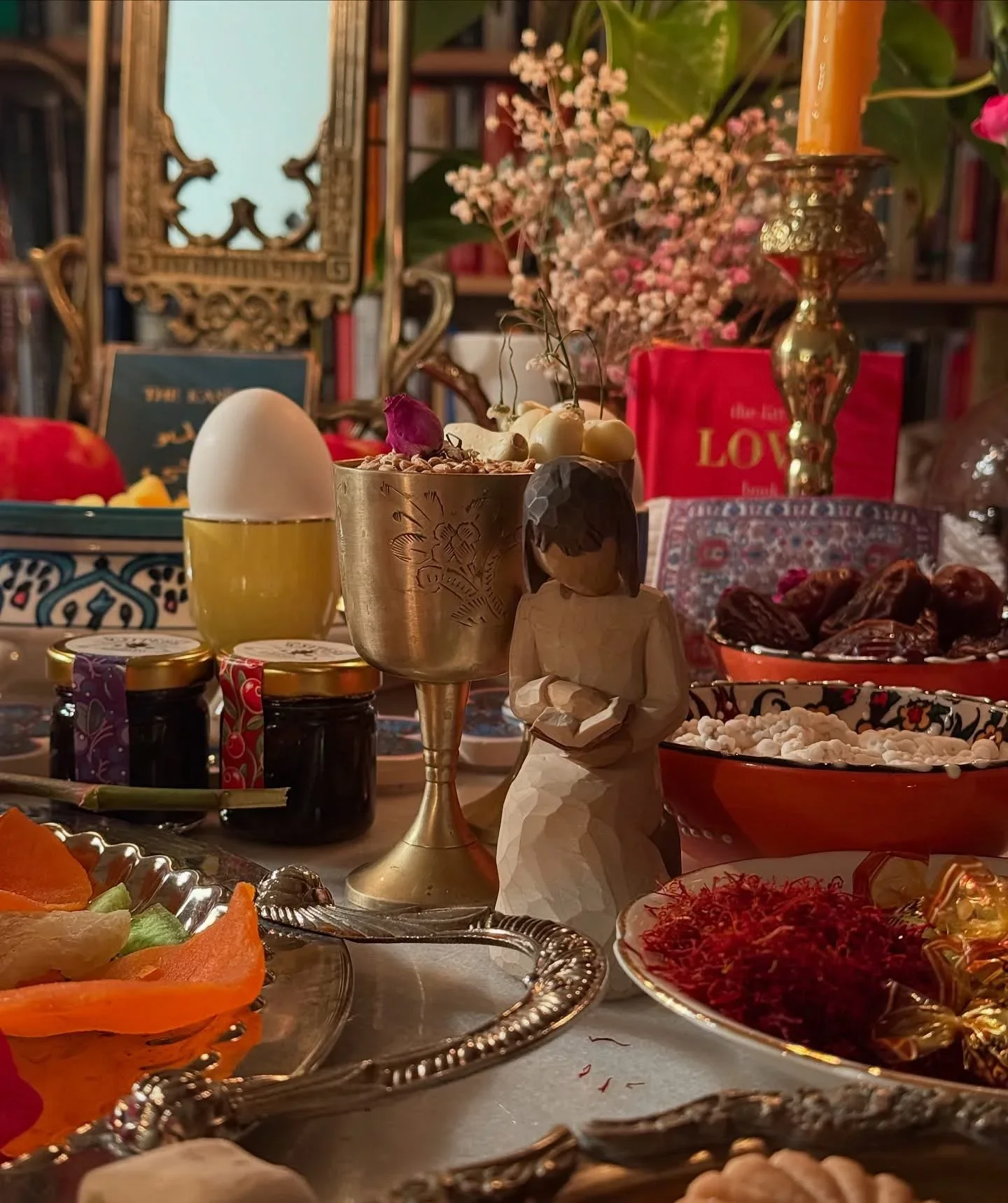
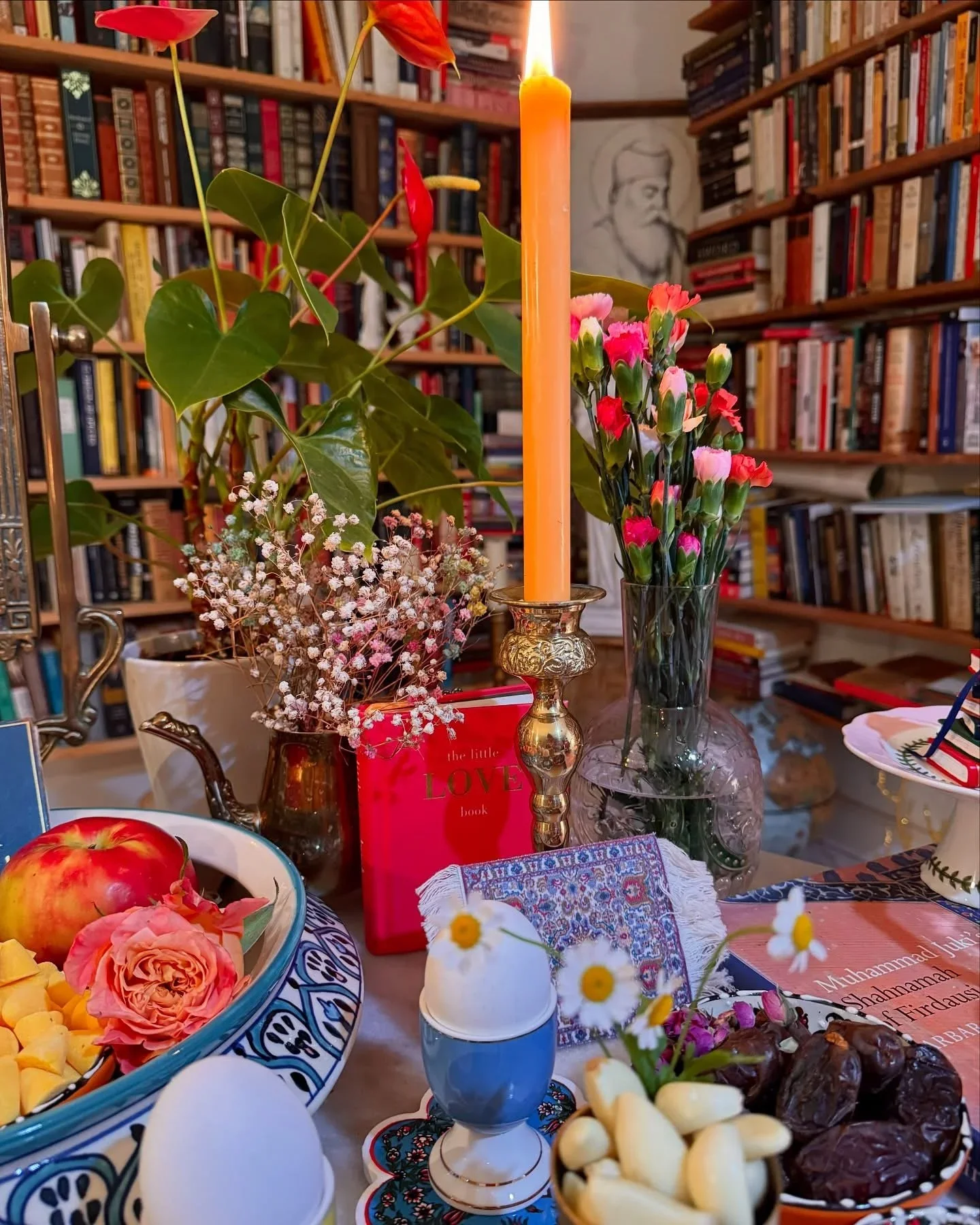
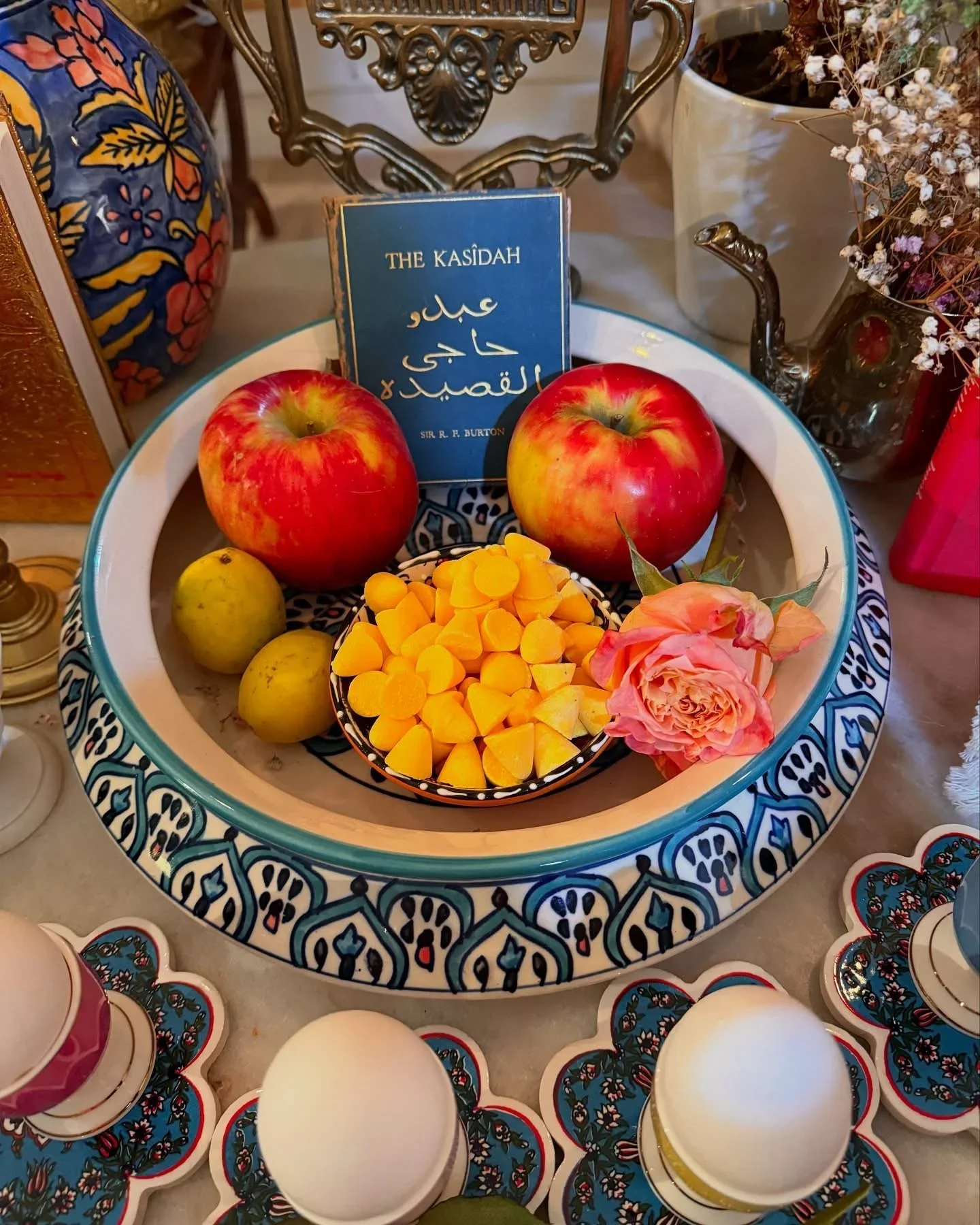
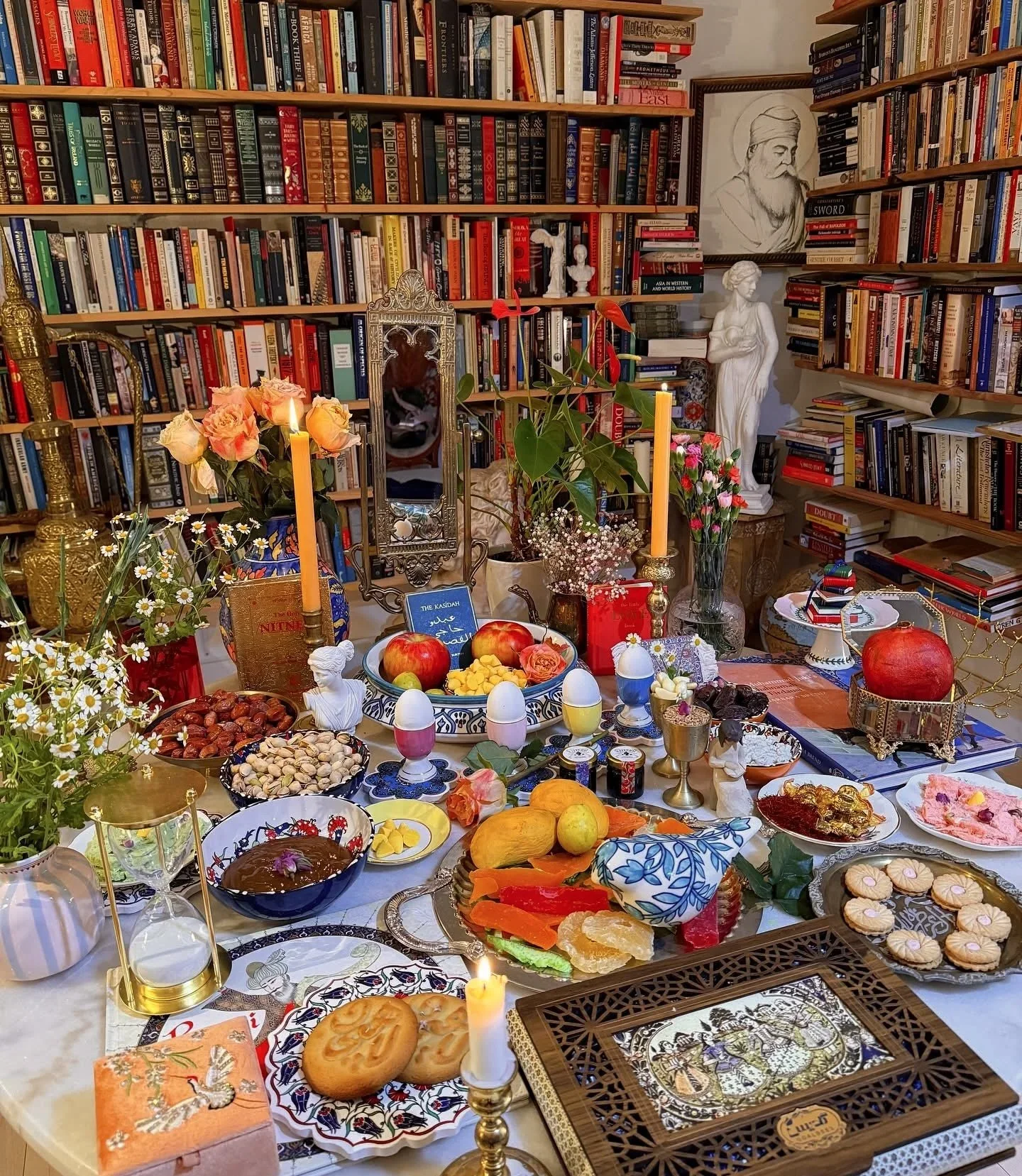
One of the most meaningful and fun parts of Nowruz is the Haft Seen table. Haft Seen translates to seven items that begin with the Persian letter “seen.” Each item carries symbolic meaning tied to life, health, and renewal. I was delighted to create my own Haft Seen table and, through conversations with my Persian friends, took the time to understand each symbol and why it exists.
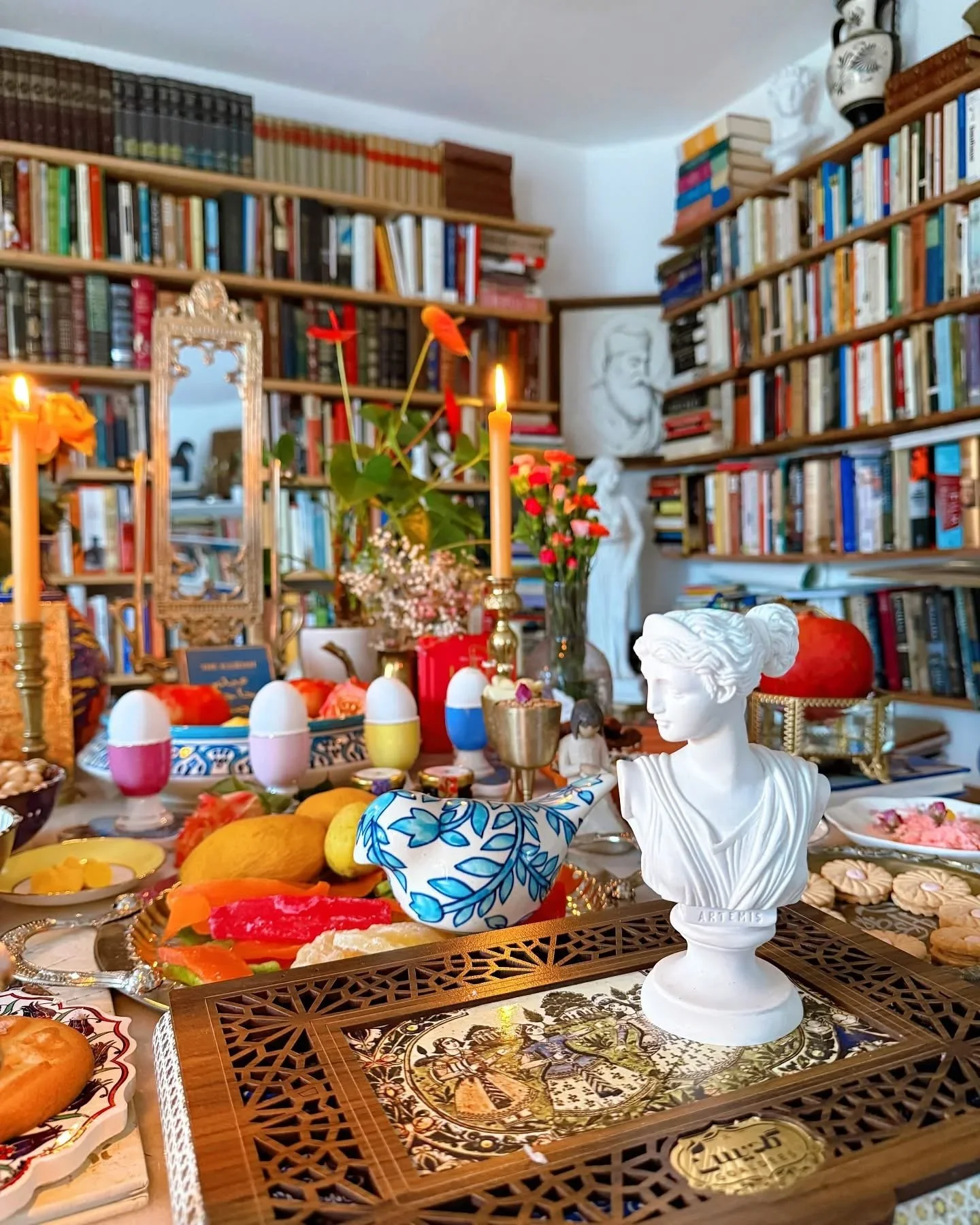
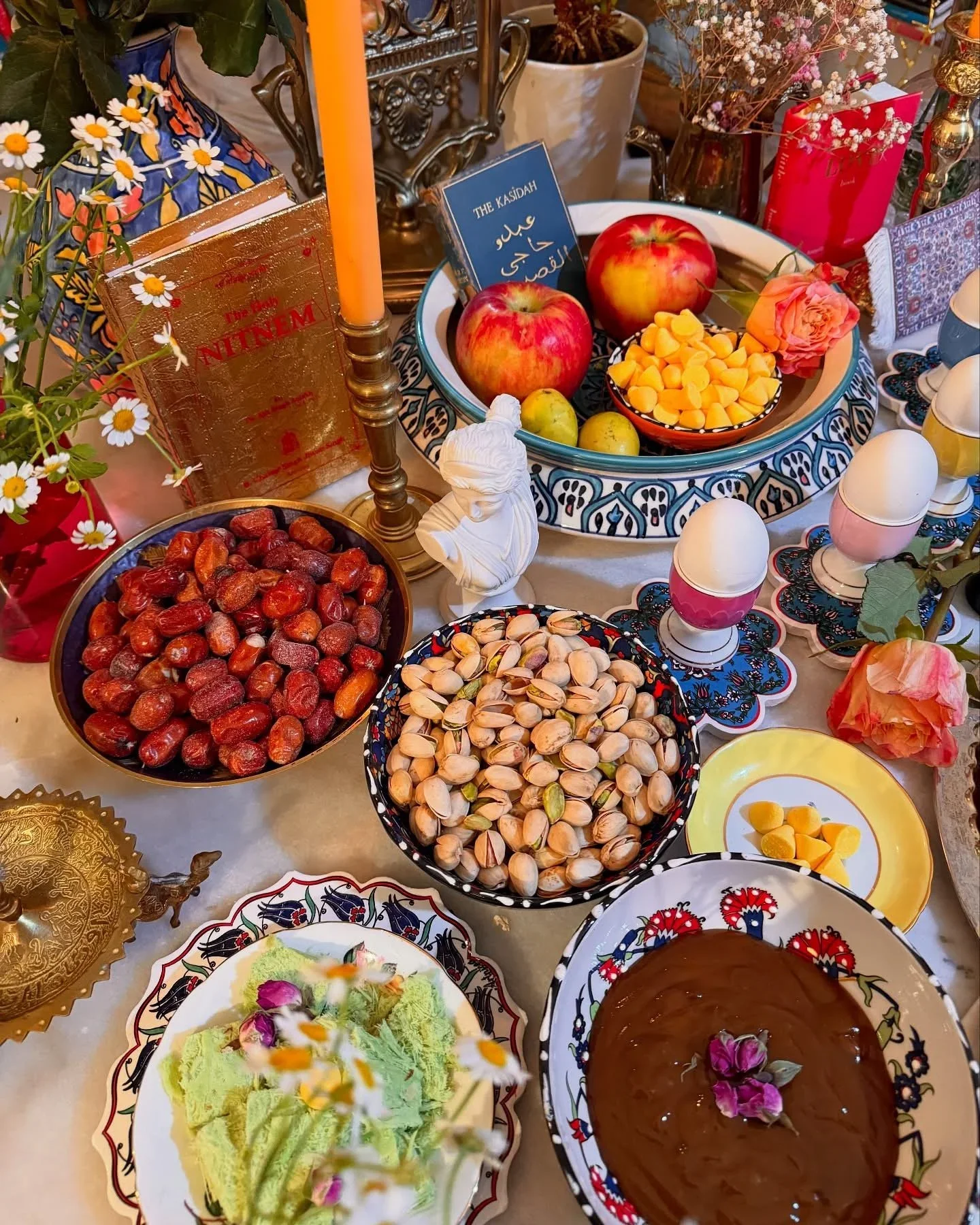
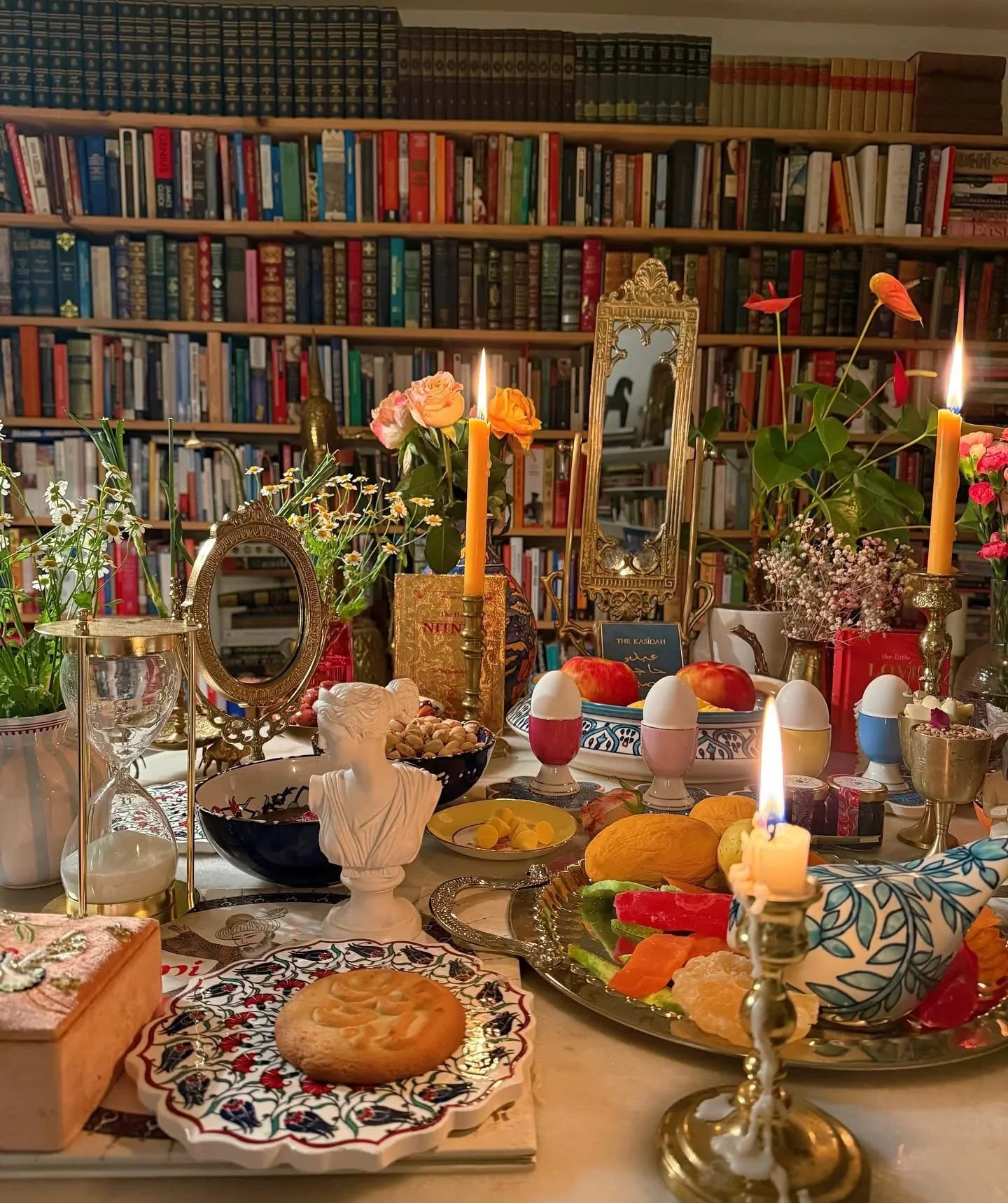
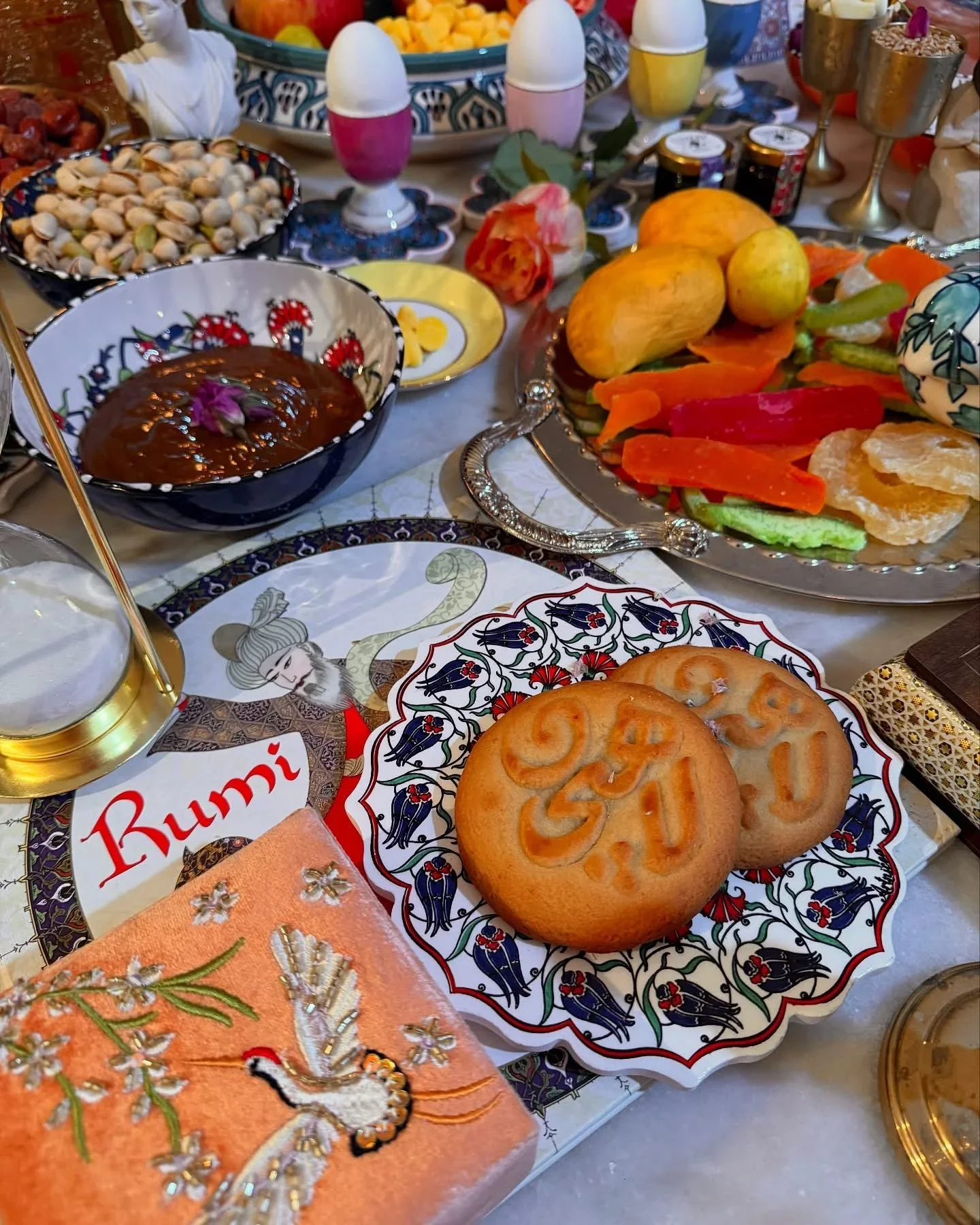
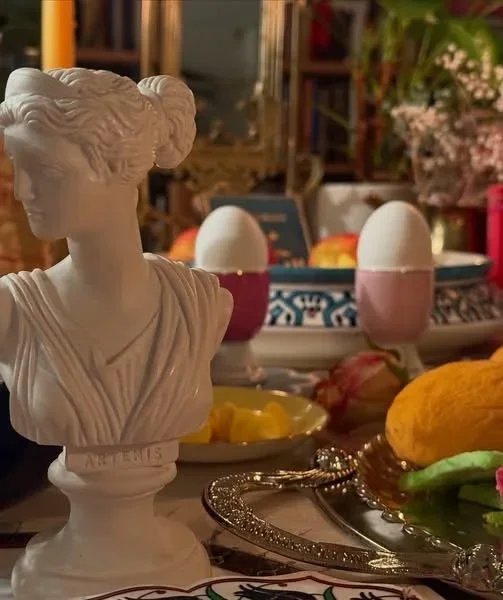
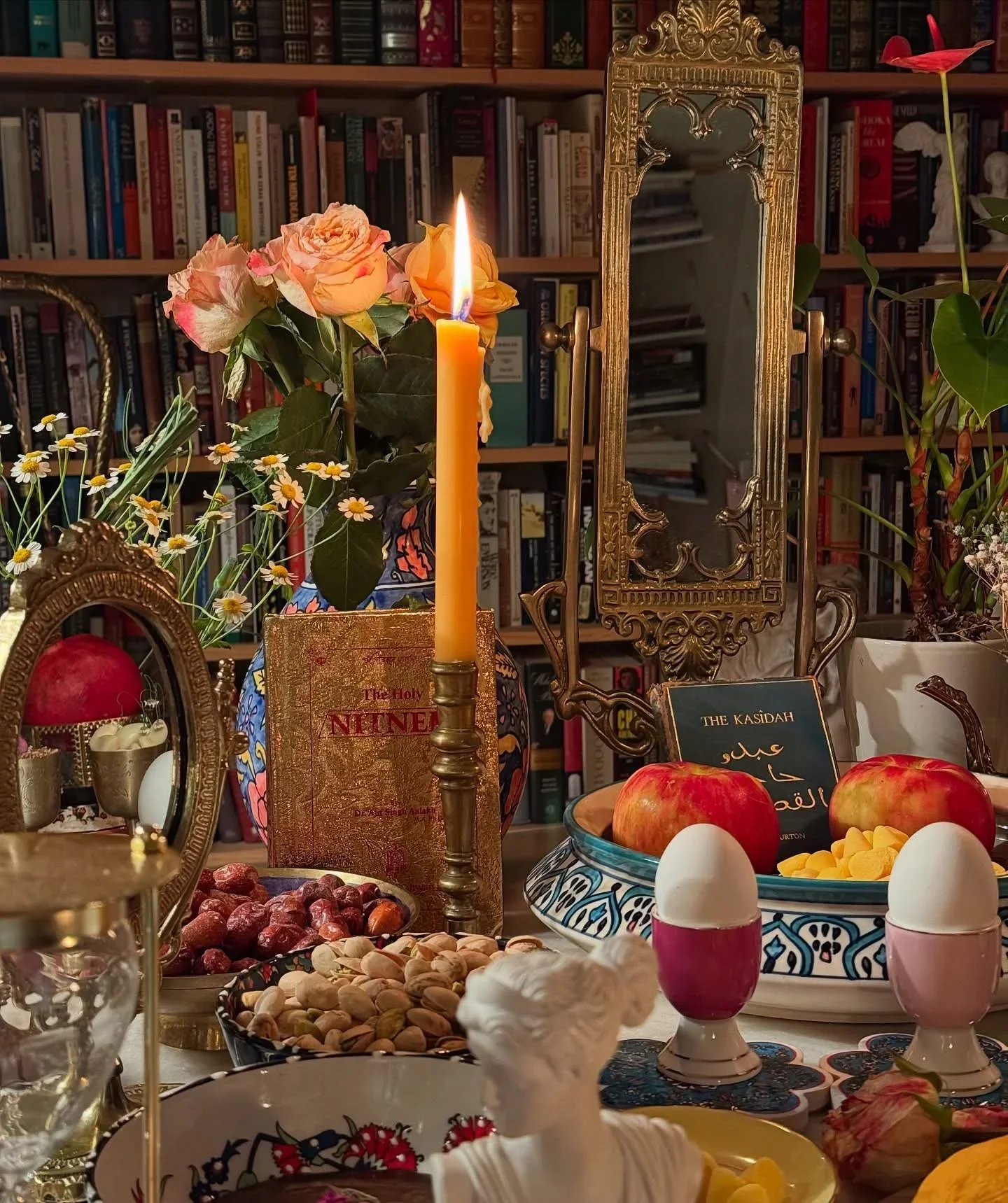
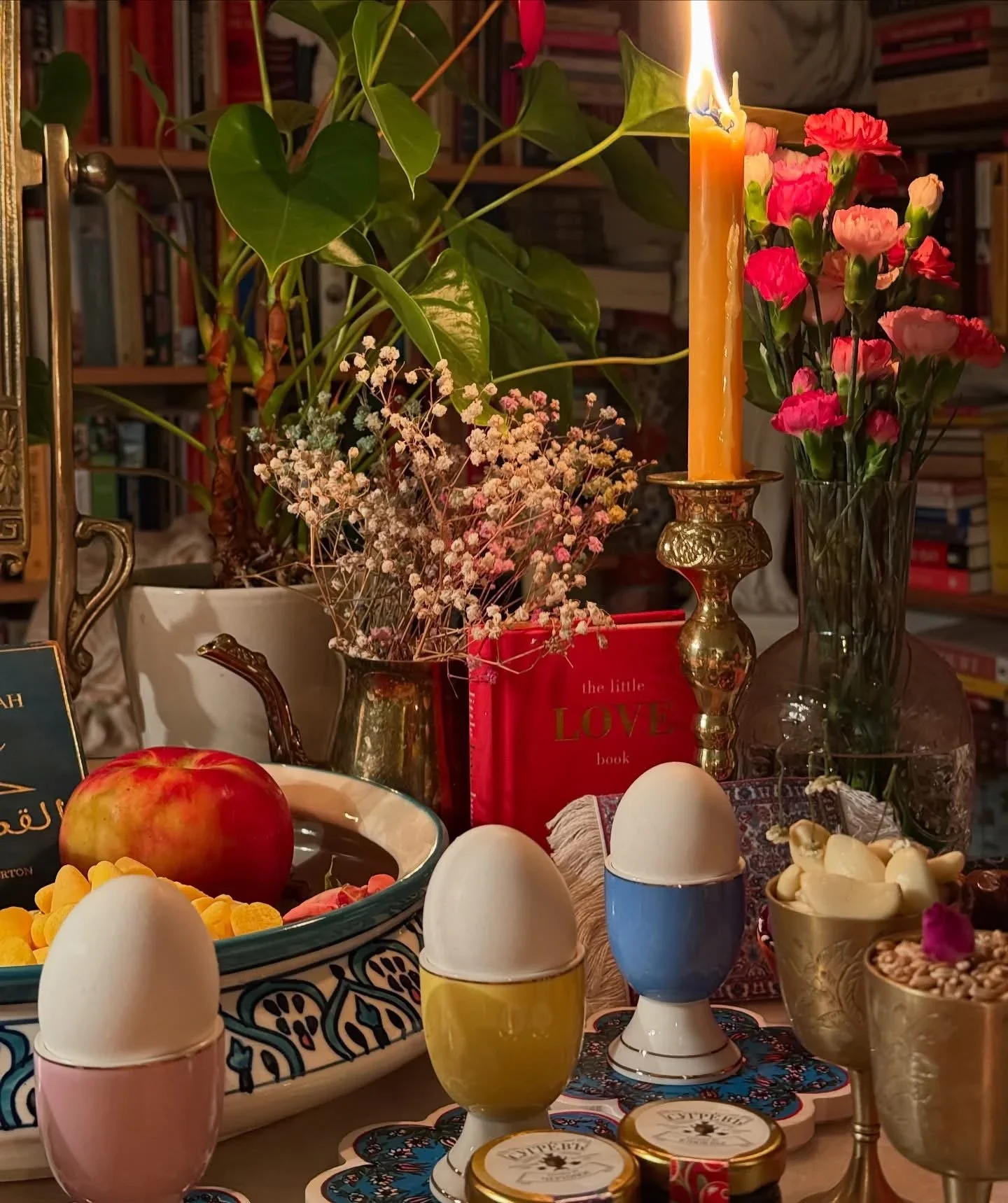
On my table I included sabzeh to represent rebirth and growth. I placed seeb for health and beauty. Seer symbolized protection and healing. Senjed represented love and wisdom. Somāq stood for patience and the rising sun. Serkeh symbolized age and acceptance. I also included traditional elements such as a mirror for self reflection, candles for light, and painted eggs to represent creation. I added a few personal touches as well, including a text of the Nitnem, a Sikh prayer book, and other objects from my library. Below are a few images from my haft seen table that was kept intact for 13 days as is customary.