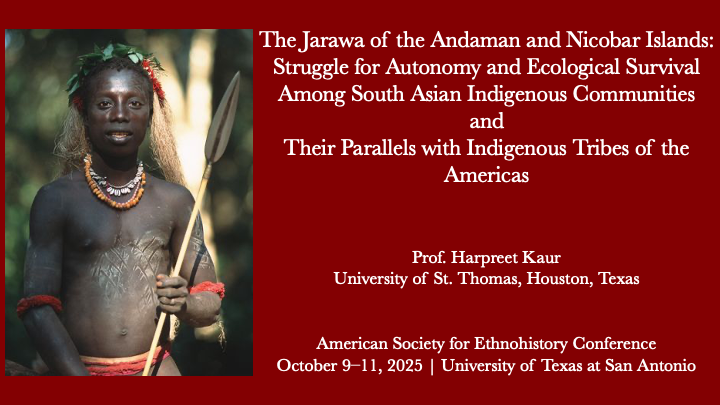
The Jarawa of the Andaman and Nicobar Islands:Struggle for Autonomy and Ecological Survival Among South Asian Indigenous Communities and Their Parallels with Indigenous Tribes of the Americas
Although my primary academic interests lie in the arts of the Persianate world, I am also deeply drawn to other histories of the Indian subcontinent, particularly those of Indigenous communities. Engaging with these histories has expanded the way I think about art, culture, and historical narrative. Studying communities that exist outside dominant frameworks challenges assumptions about whose histories are preserved and whose are overlooked. I believe that learning across regions, periods, and communities is essential to becoming a more thoughtful and responsible scholar.
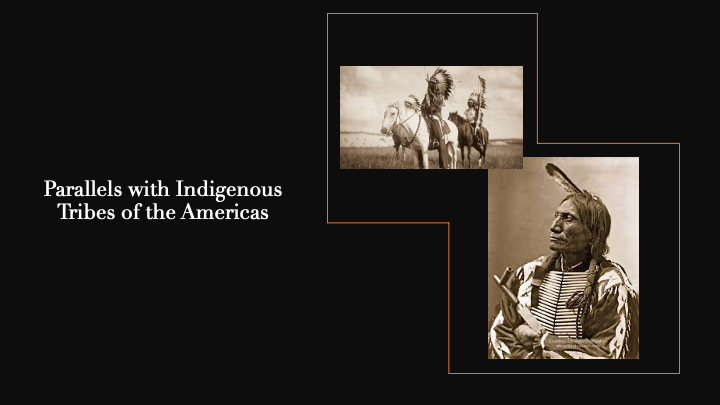
This perspective shaped my presentation on the Jarawa people of the Andaman and Nicobar Islands at the American Society for Ethnohistory Conference, held from October 9 to 11, 2025, at the University of Texas at San Antonio. The presentation was especially well received, in part because many attendees were unfamiliar with the Jarawa and the broader Indigenous histories of the islands. That response reinforced my belief in the importance of bringing lesser-known histories into scholarly conversation. By sharing this presentation here, I hope to contribute to a wider awareness of Indigenous communities within South Asian and Persianate historical studies, and to encourage continued curiosity, care, and humility in the way we approach the past. In my South Asian history and culture course, I make a deliberate effort to address these topics and to center communities that are often absent from conventional narratives. The Jarawa share many experiences with Indigenous societies around the world, including in the Americas, particularly in their relationships to land, colonial intervention, and ongoing struggles for autonomy.
*Below are the PowerPoint slides from my presentation. If you would like to receive the full speaker notes, I would be glad to share them. Please feel free to contact me by email.
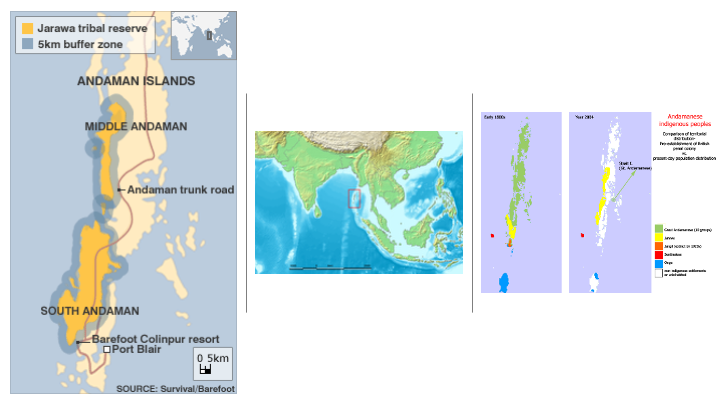
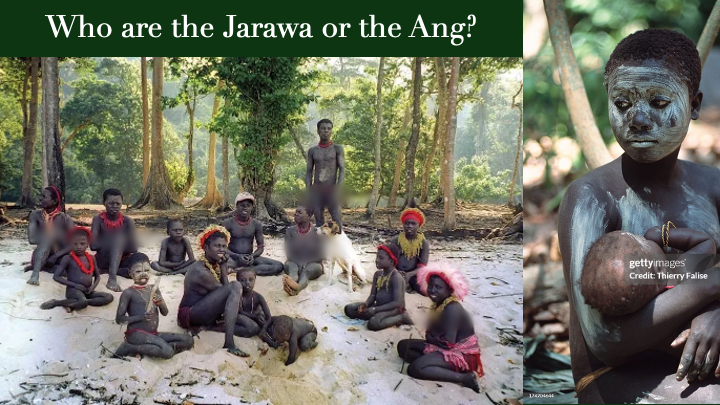
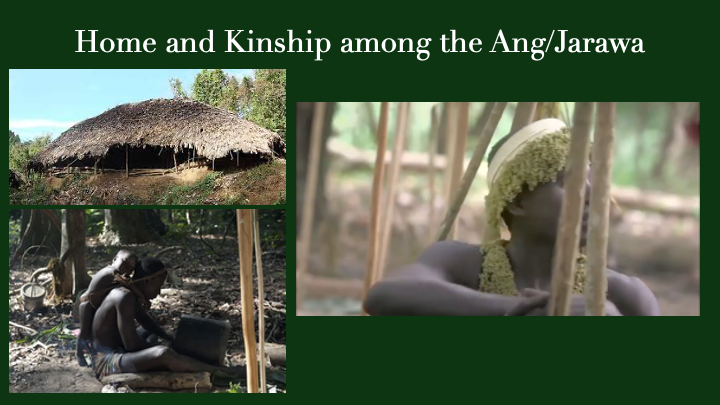
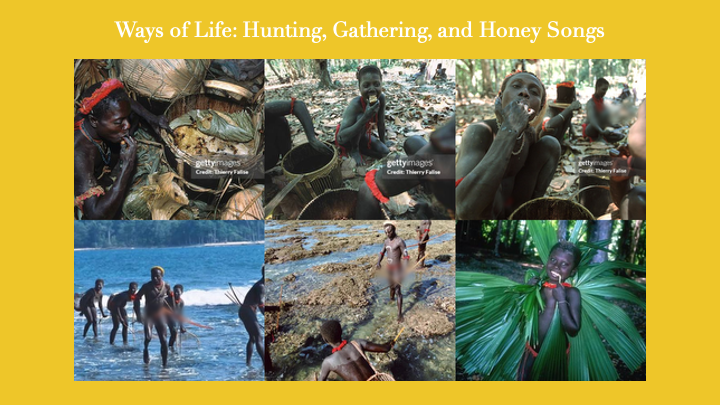
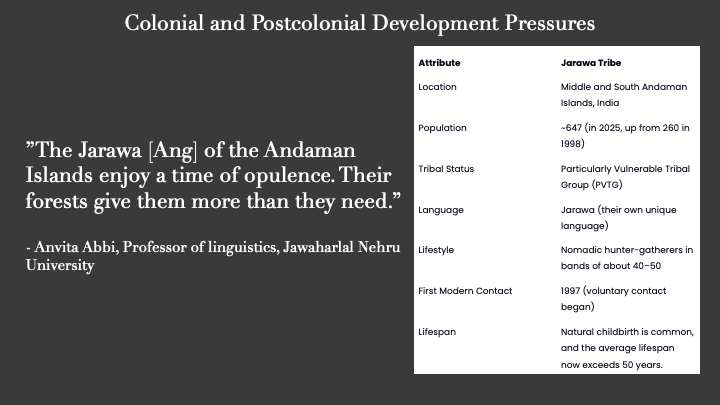
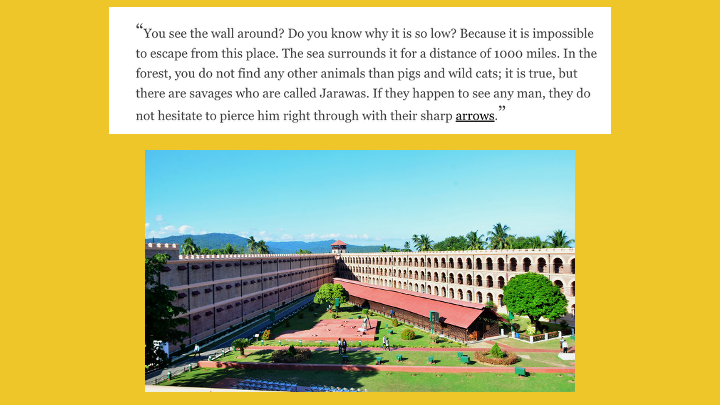
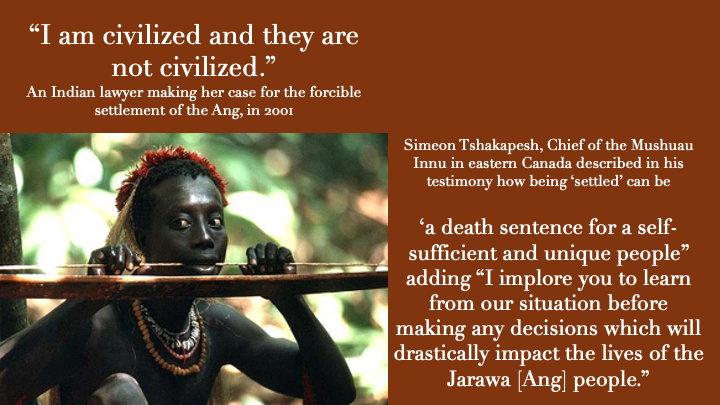
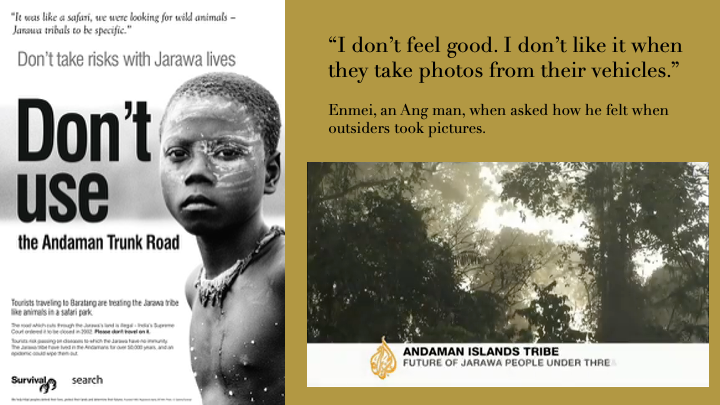
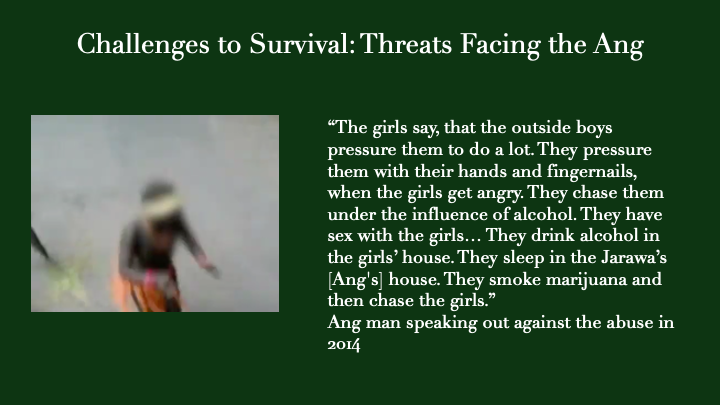
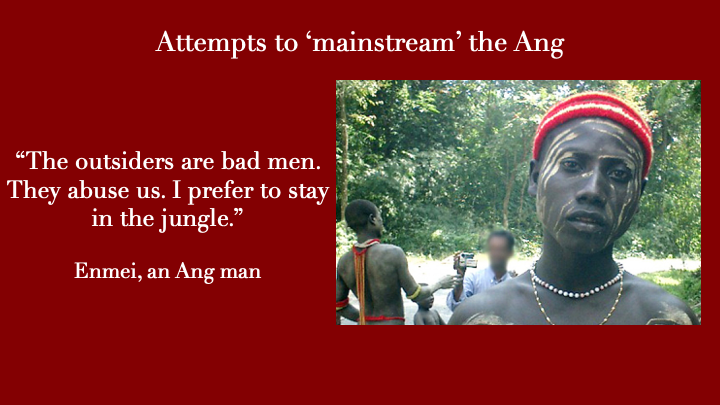
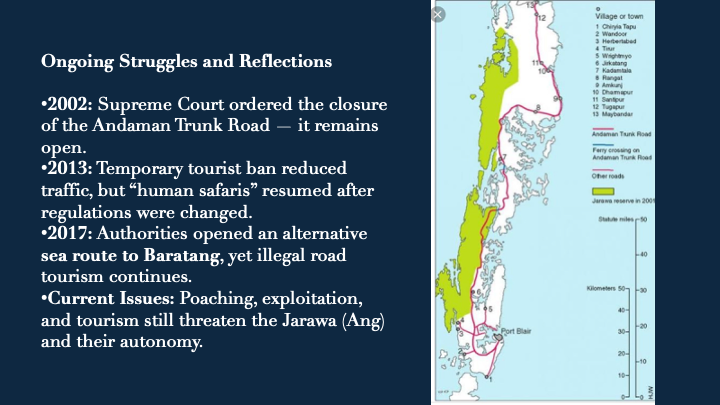
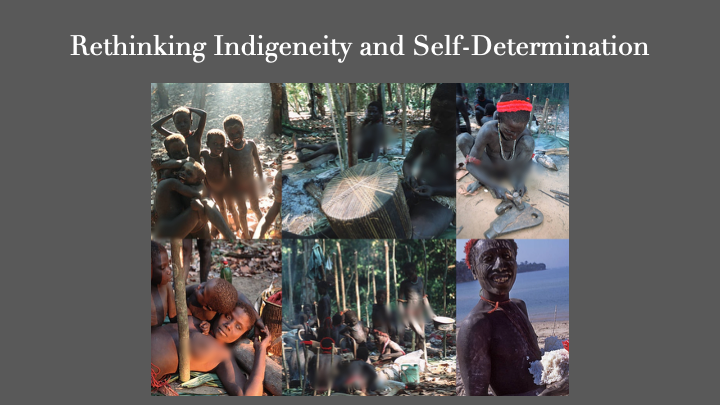
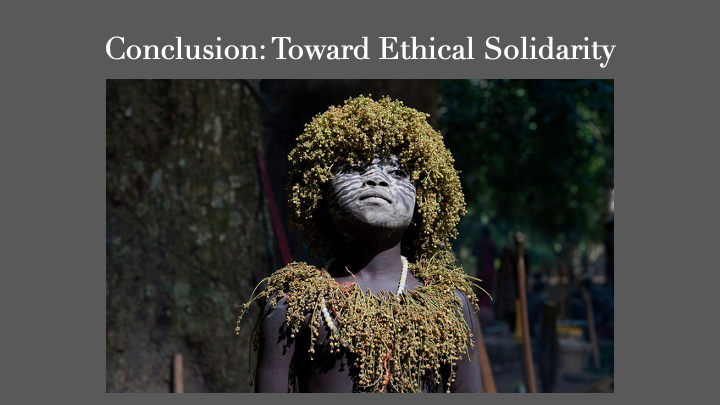
Abstract: What does it mean to live in harmony with a forest that the world is determined to carve apart? This paper explores the Jarawa people of the Andaman Islands, one of South Asia's last Indigenous hunter-gatherer societies. Though their territory is nominally protected, it faces constant encroachments by roads, poachers, tourism, and bureaucratic intrusion. Drawing on ethnographic research, this study rightfully positions the Jarawa not as relics of ‘prehistory,’ but as active agents navigating the legacies of British colonialism, postcolonial development, and resettlement schemes. Focusing on the Jarawa’s forest-based subsistence, ecological ethics, and kinship structures highlights shared Indigenous experiences of land defense, and cultural survival, also seen in tribes across the Americas. At a time when “Indigeneity” is often reduced to policy language or symbolism, the Jarawa challenge us to rethink what Indigenous self-determination looks like in practice, especially when the state continues to intrude on land, health, and autonomy.