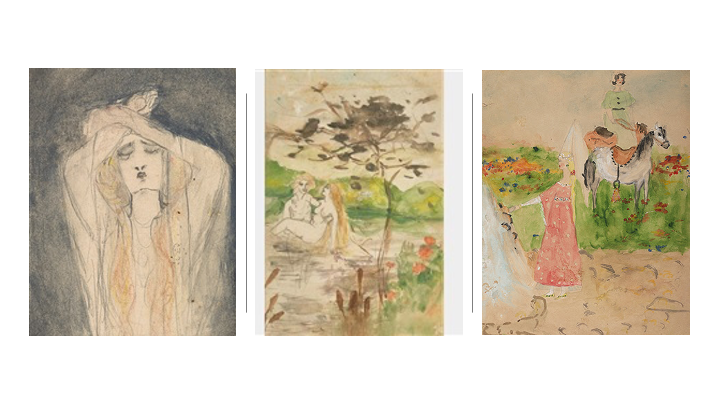
Brushstrokes of Resistance: Amrita Sher-Gil's Artistic Defiance and the Intersections of Identity, Gender, and Colonial Legacy
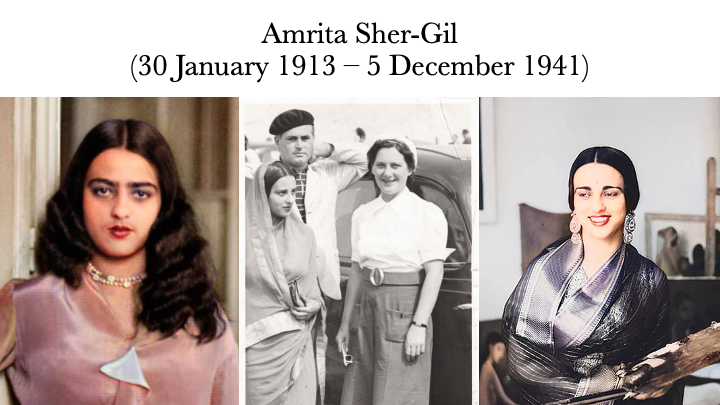
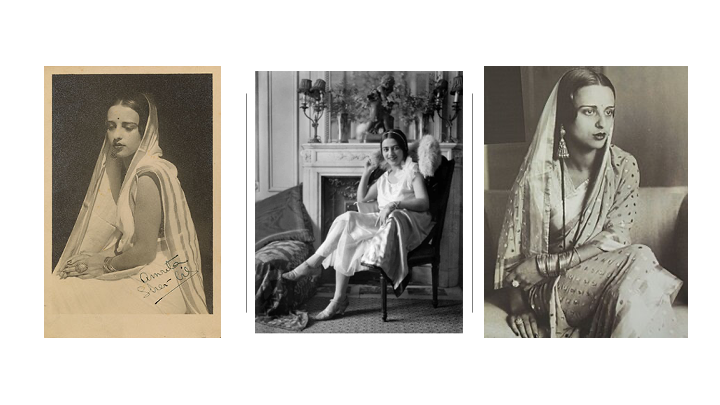
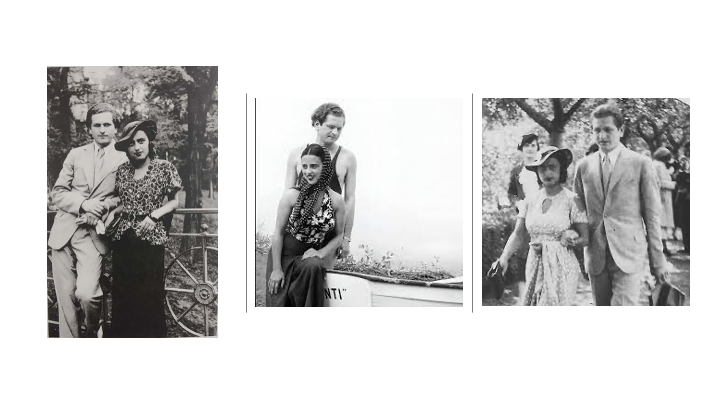
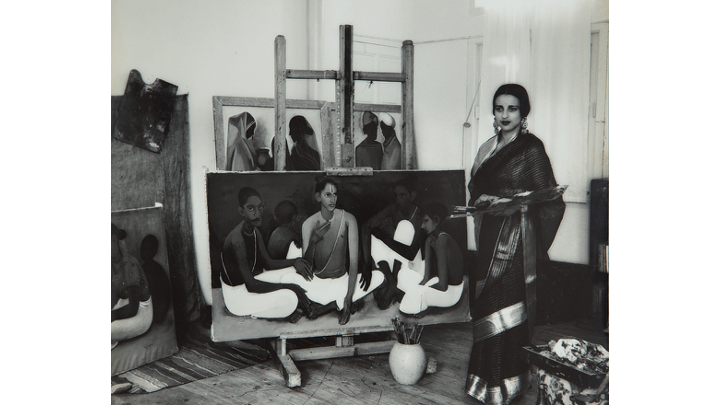
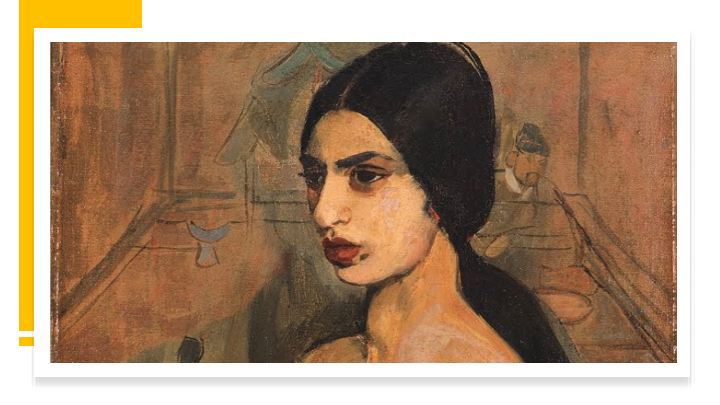
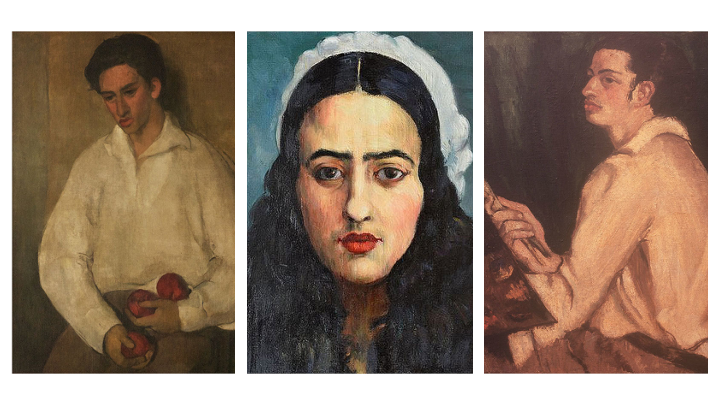
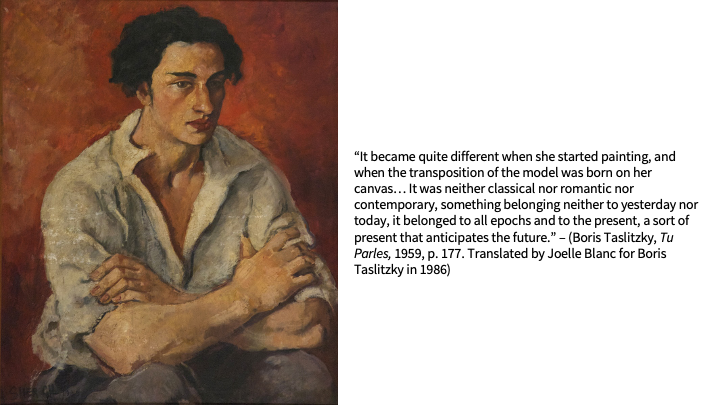
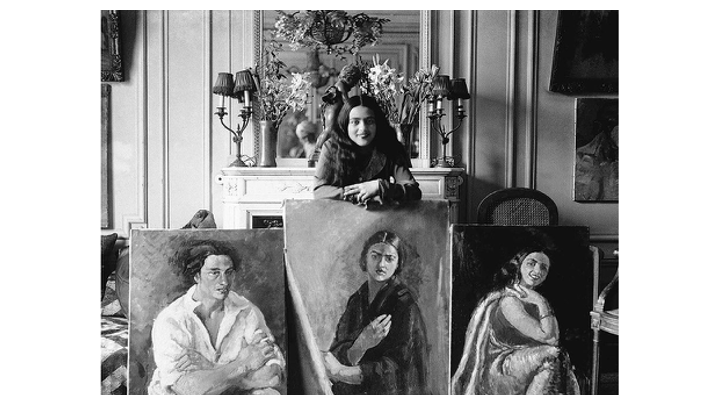
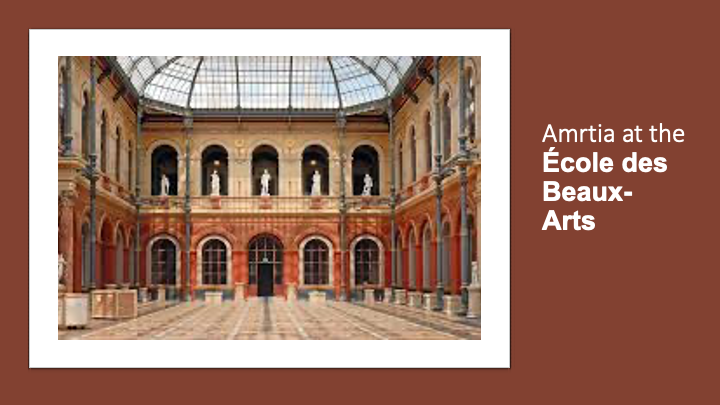
ABSTRACT: This paper examines the life and work of Amrita Sher-Gil (1913–1941), a Hungarian-Indian painter born in Budapest, whose transnational experience across India and Europe offers a critical lens for understanding the intersections of identity, art, and colonial discourse in the early 20th century. After briefly studying in Florence, she returned to India, where her work evolved into a unique fusion of Indian traditions and Western artistic movements. Situated within postcolonial and decolonial frameworks, the study explores how Sher-Gil’s artistic practice challenges notions of cultural authenticity and gender in a colonial context, revealing her as an artist ahead of her time.
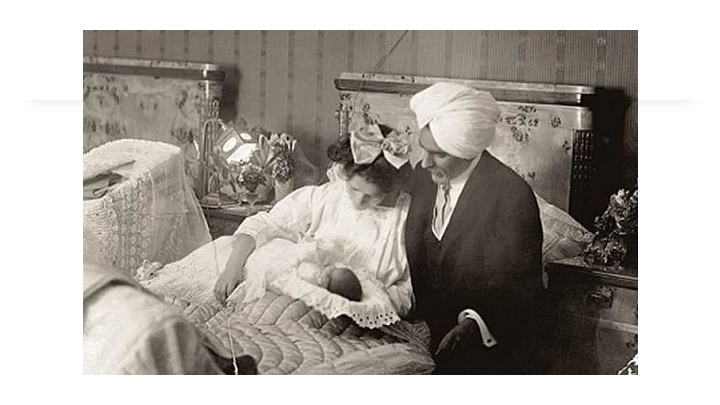
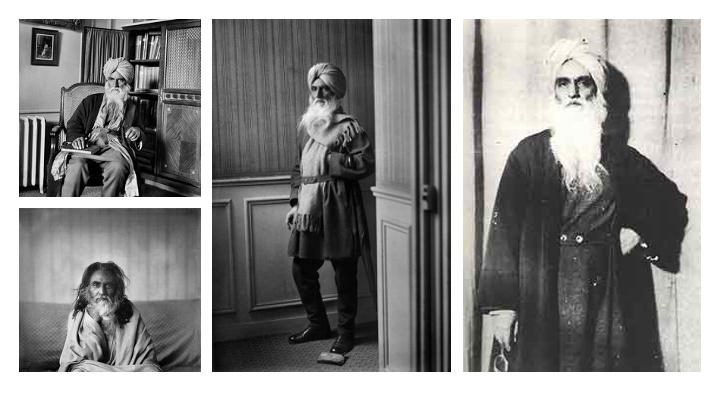
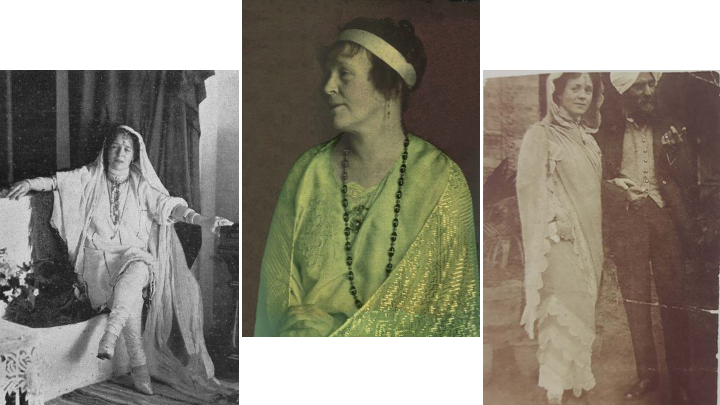
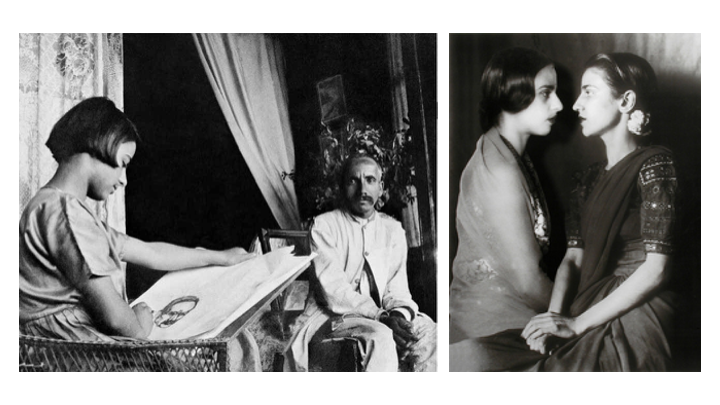
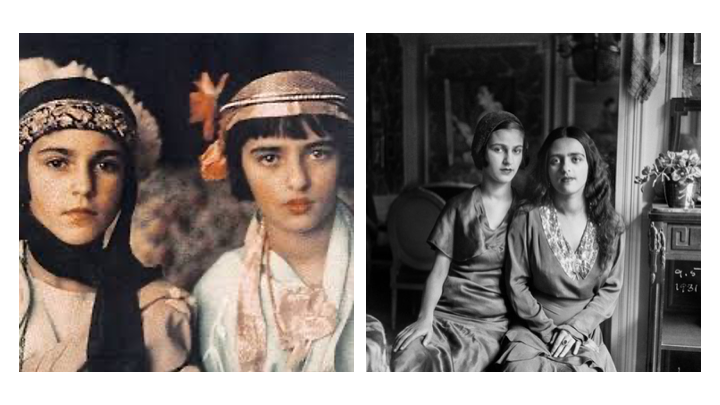
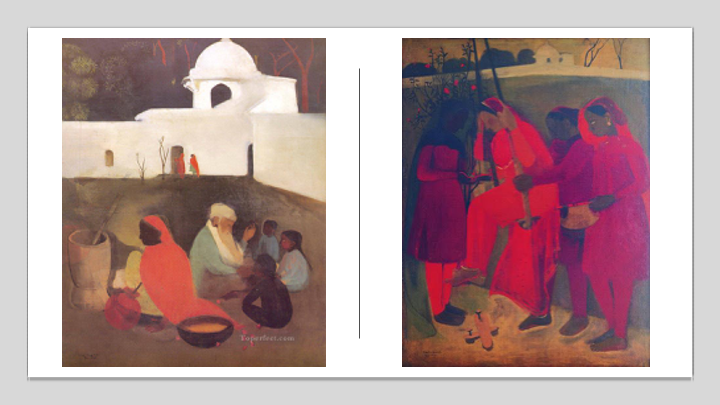
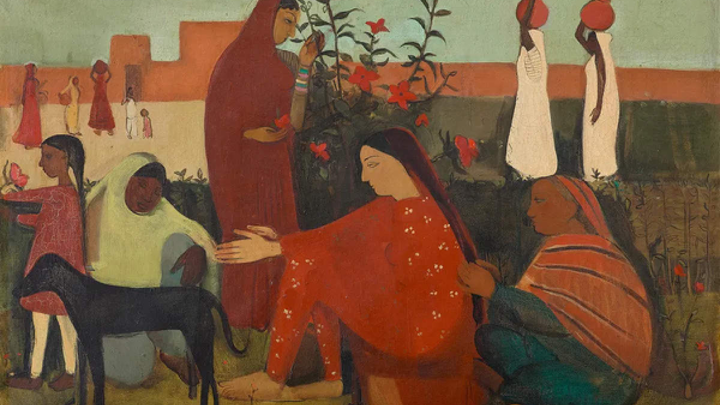
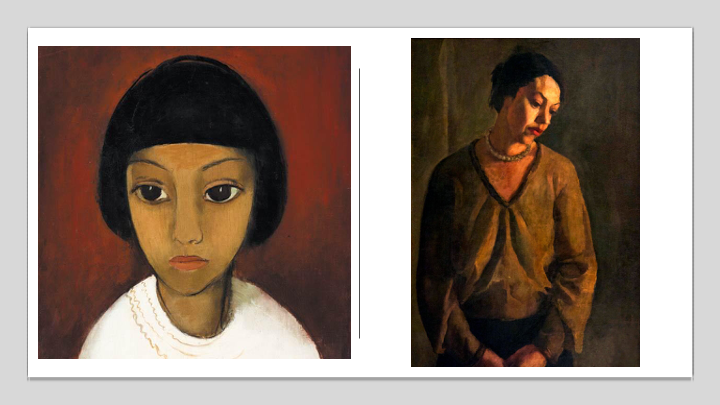
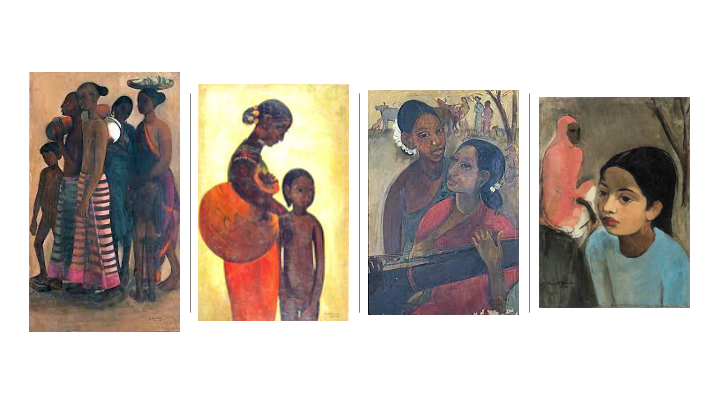
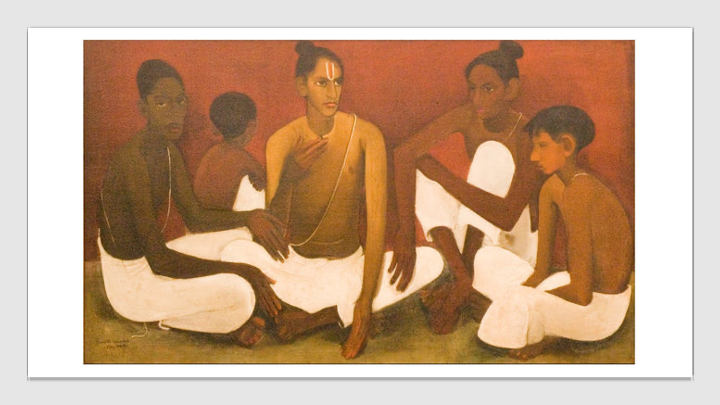
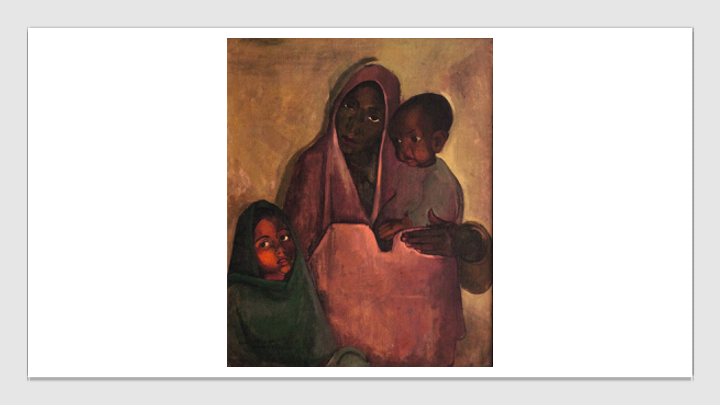
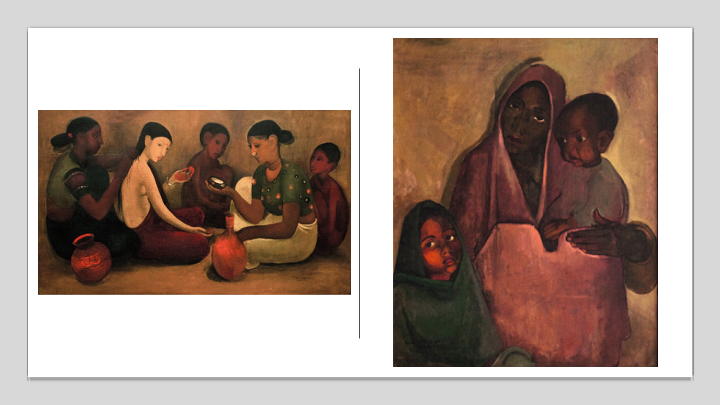
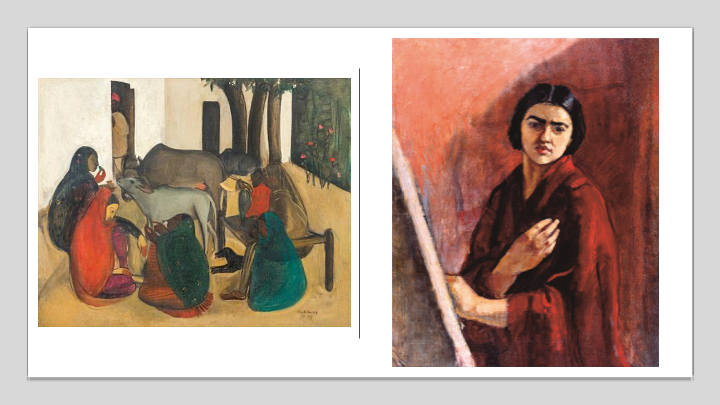
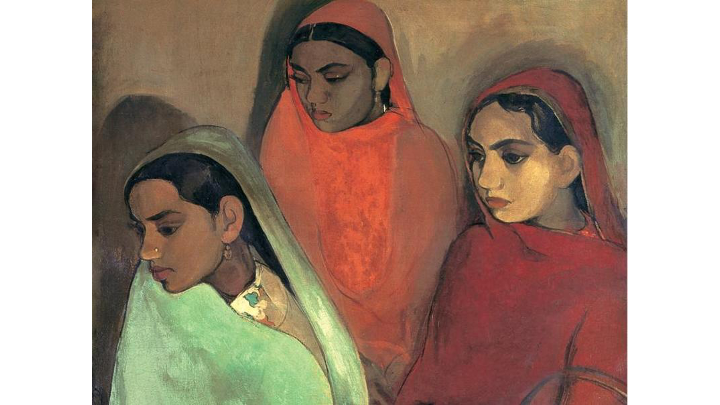
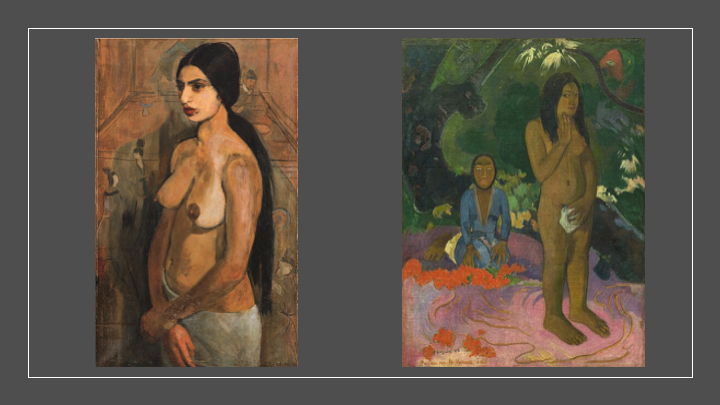
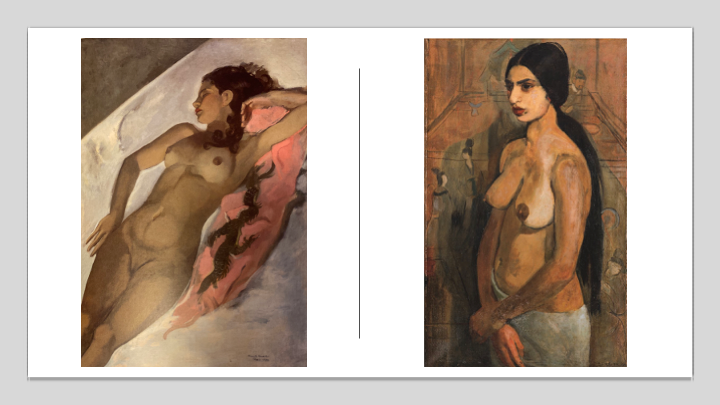
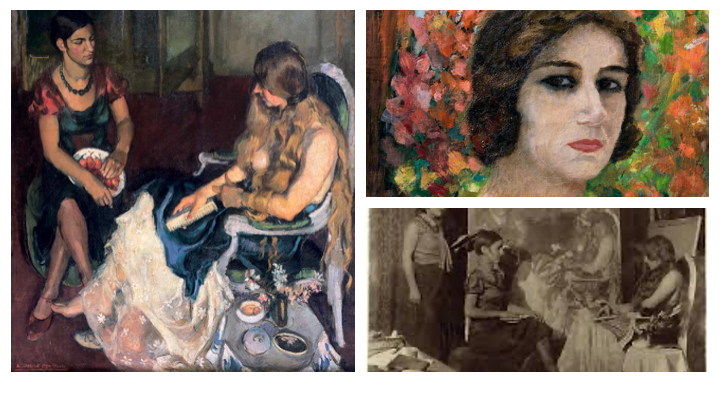
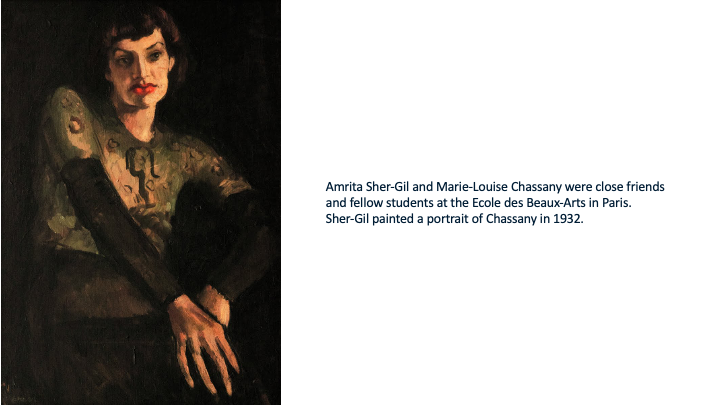
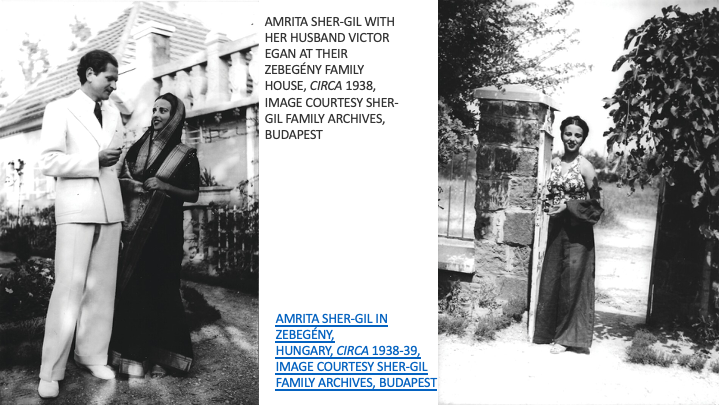
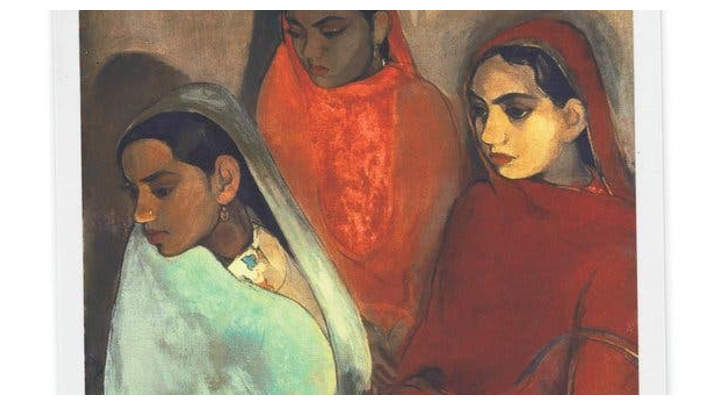
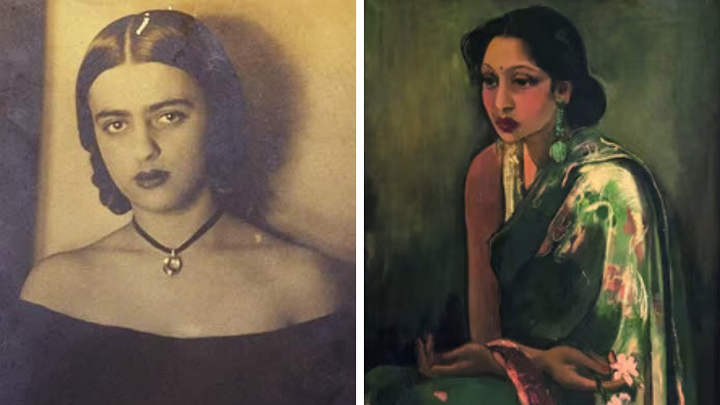
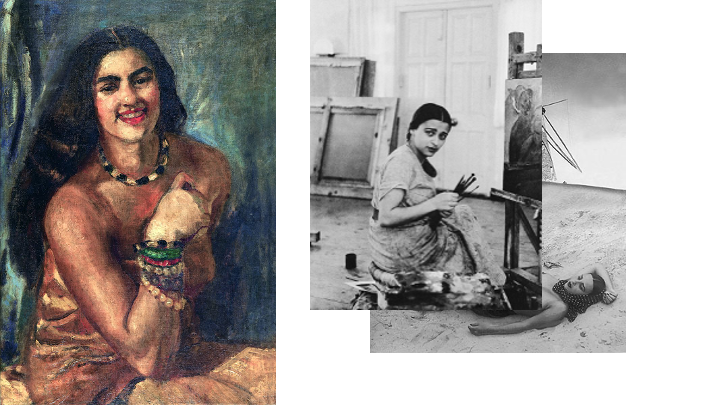
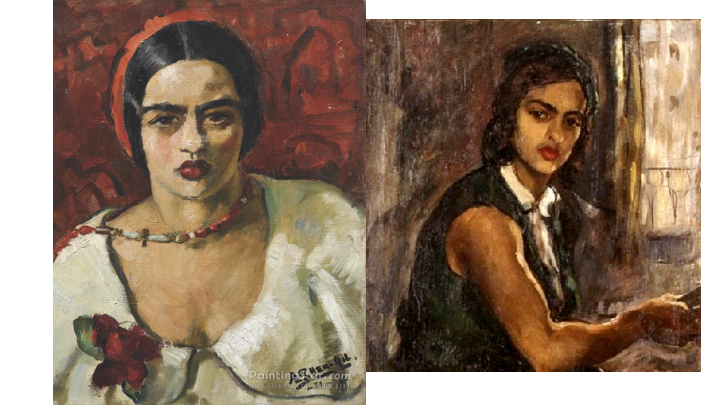
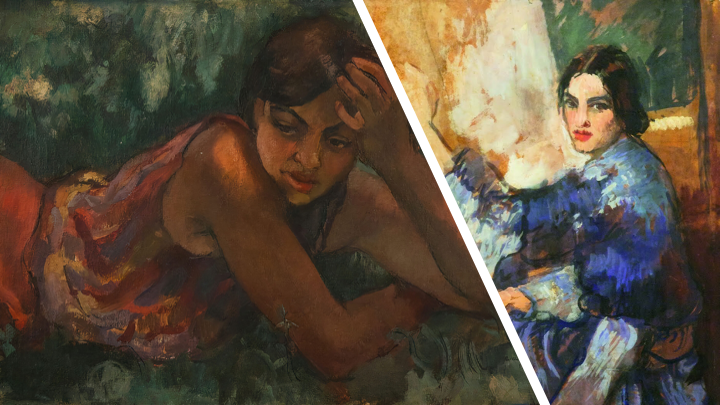
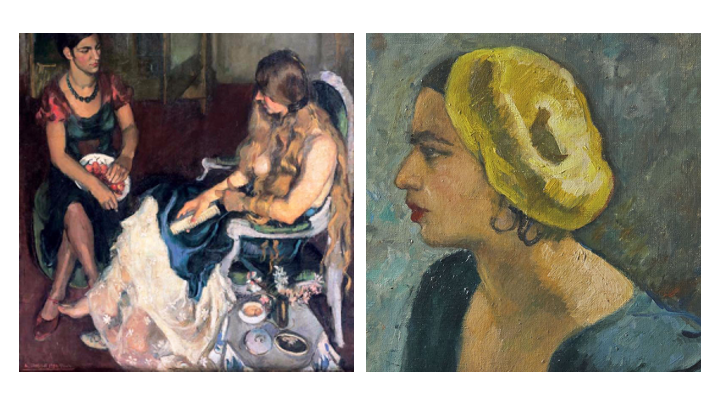
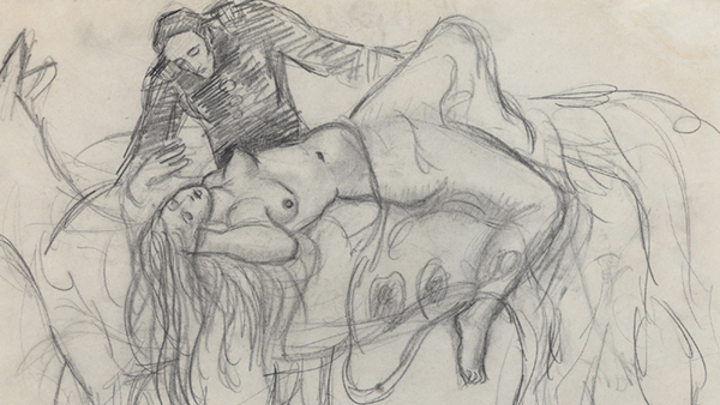
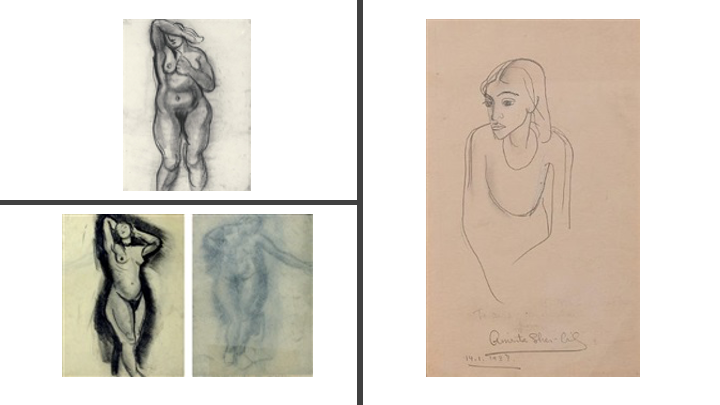
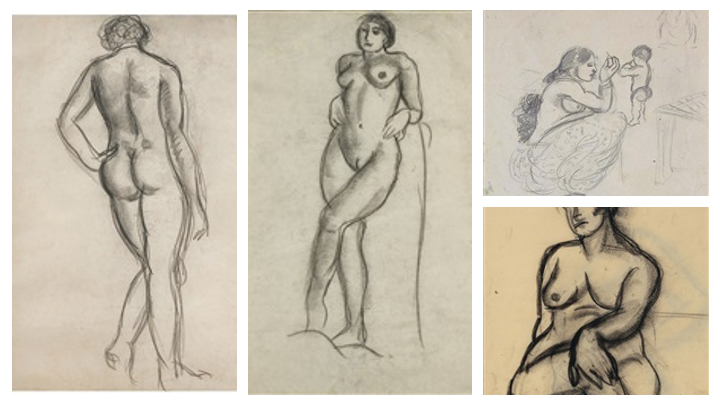
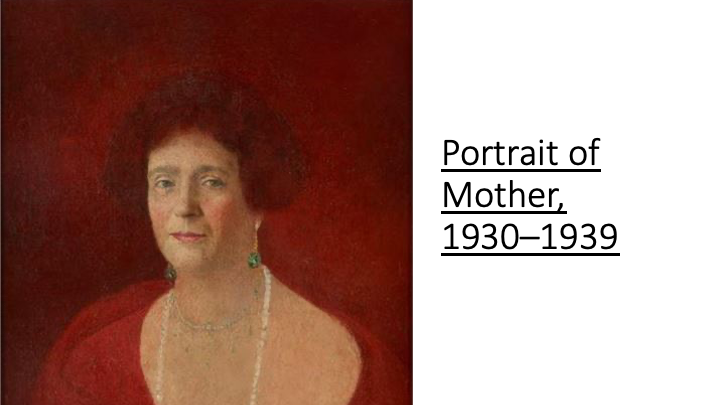
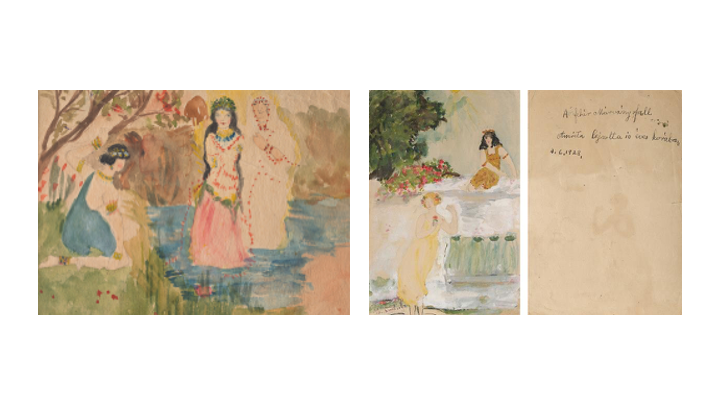
Sher-Gil's complex identity, shaped by her upbringing as the daughter of a Sikh father and a European mother, further informed her art. Through a close analysis of selected works, this paper highlights how her portrayals of women and everyday life serve as acts of resistance against colonial narratives and patriarchal norms. Additionally, her engagement with contemporary artistic movements in Paris and her connections to transnational networks inform her contributions to modern art and the understanding of South Asian diasporic identities.
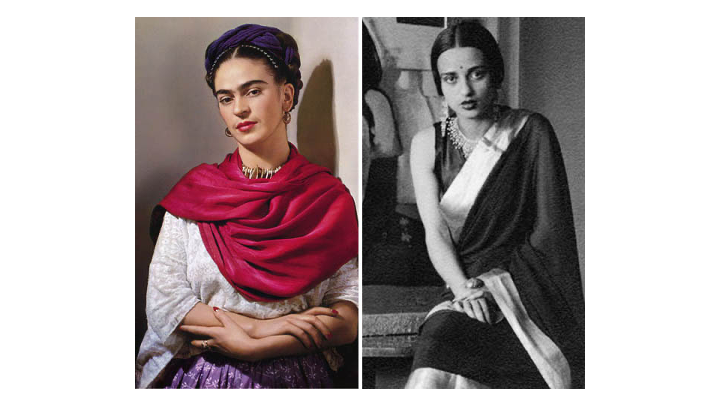
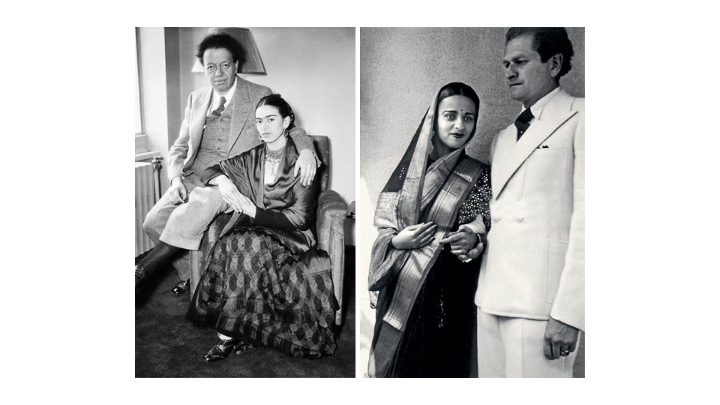
While comparisons of Sher-Gil to Frida Kahlo are often made to celebrate her artistic significance, they inadvertently diminish her individuality by framing her within a familiar archetype of the female artist. Such comparisons obscure the distinctiveness of her vision and the complexity of her transnational identity, something many South Asian and Asian historical figures also face. This paper reconsiders Sher-Gil’s legacy as a testament to the resilience and complexity of identity formation in a colonial context, offering new insights into cultural resistance and expression.