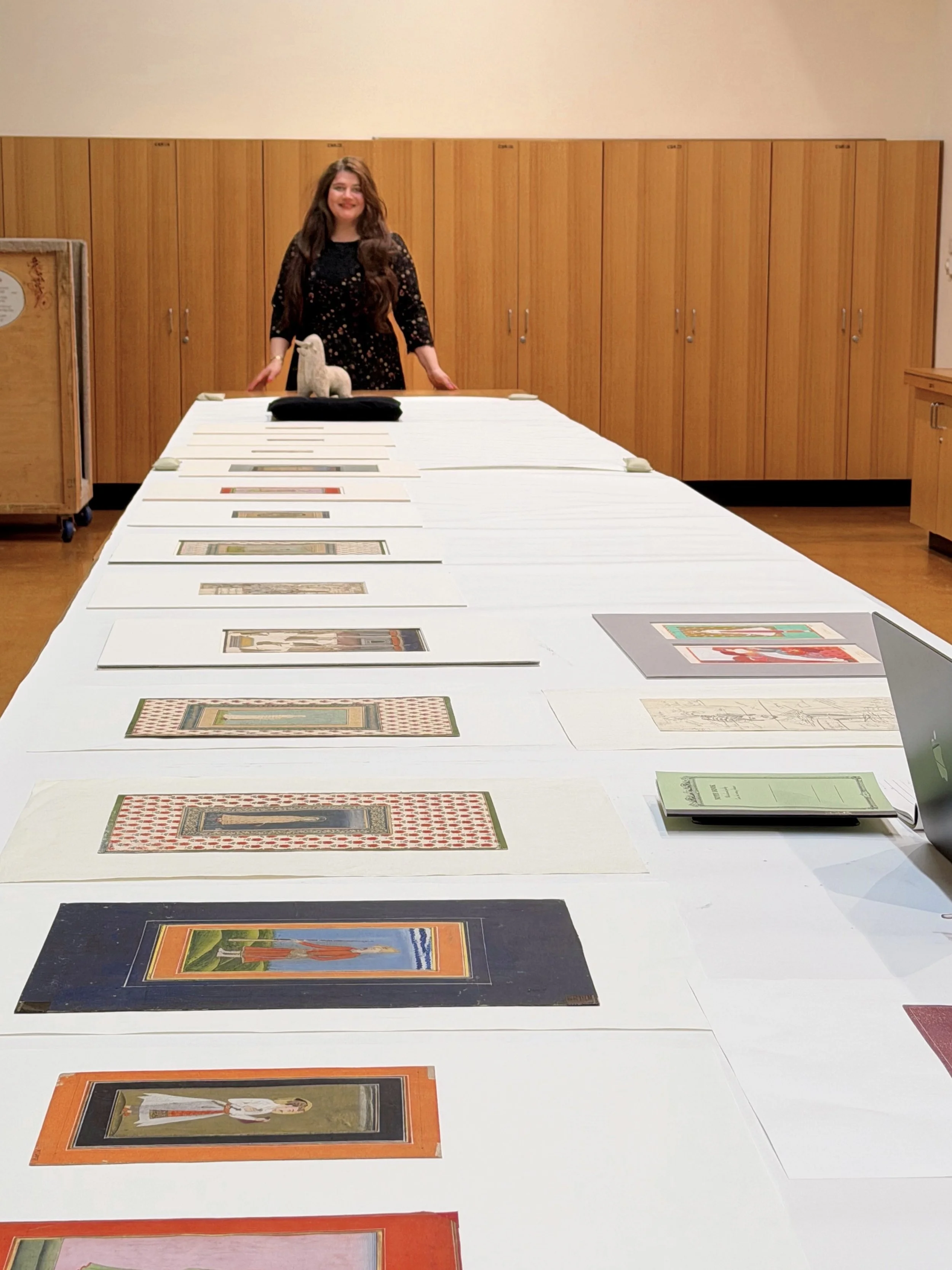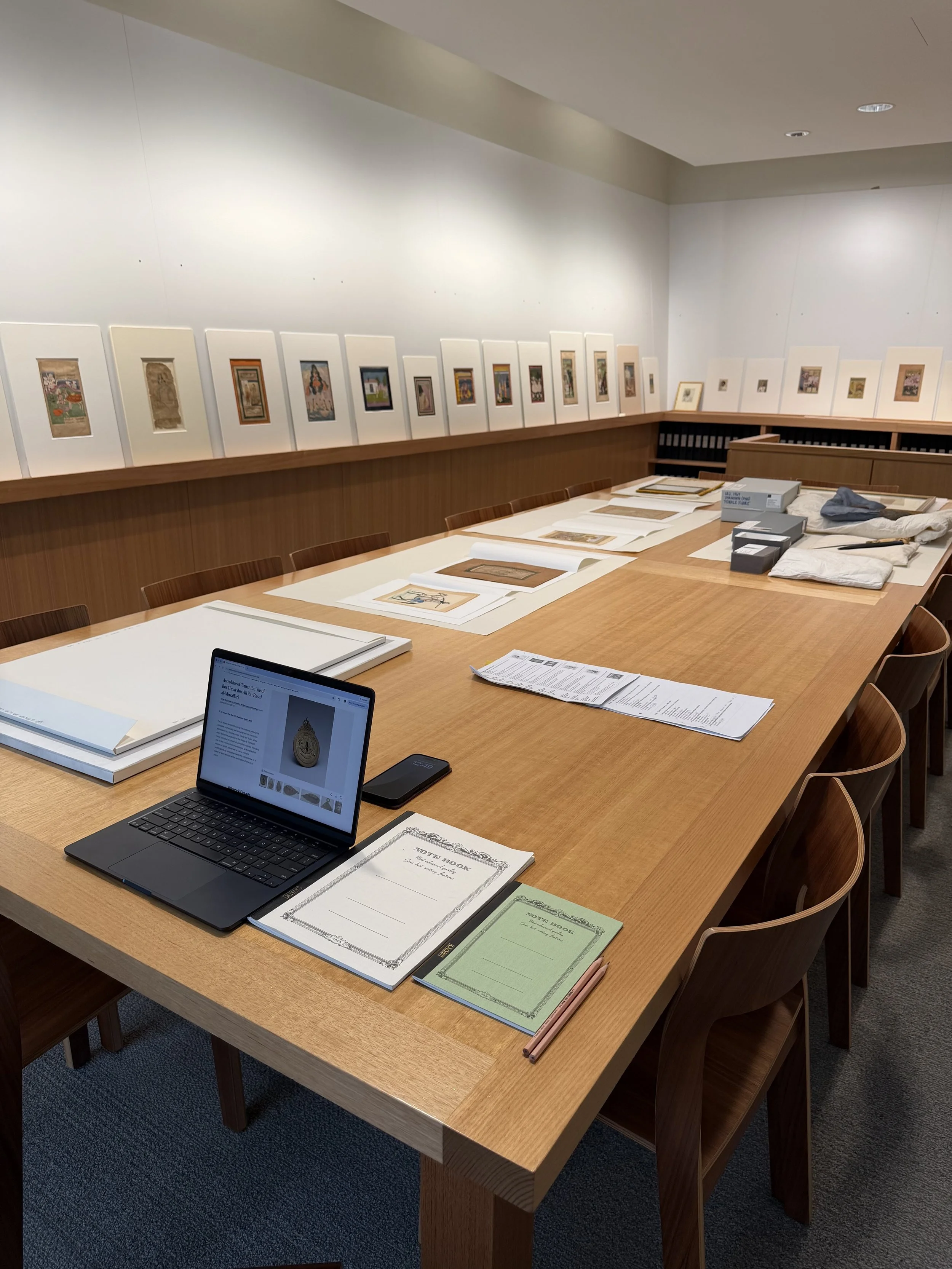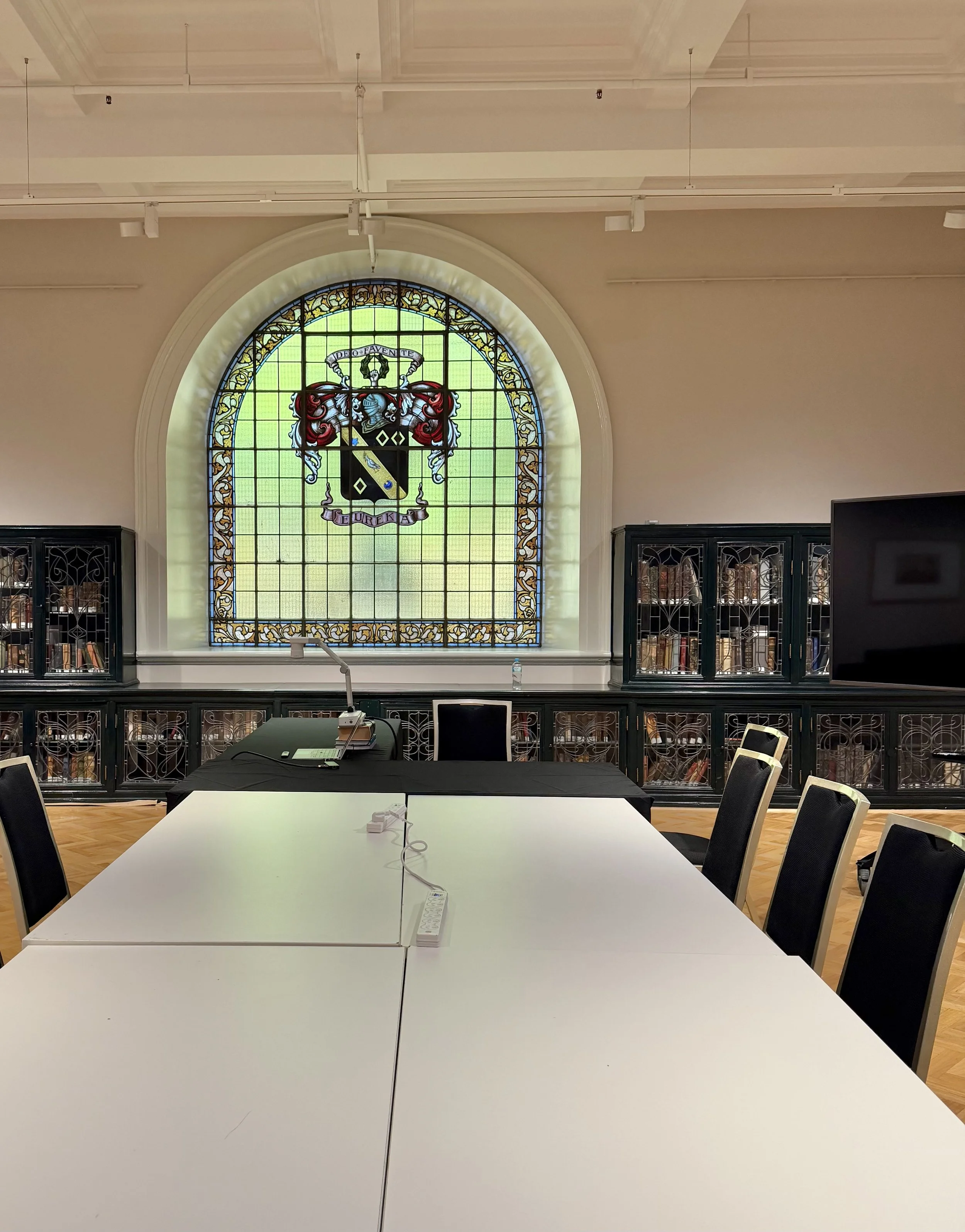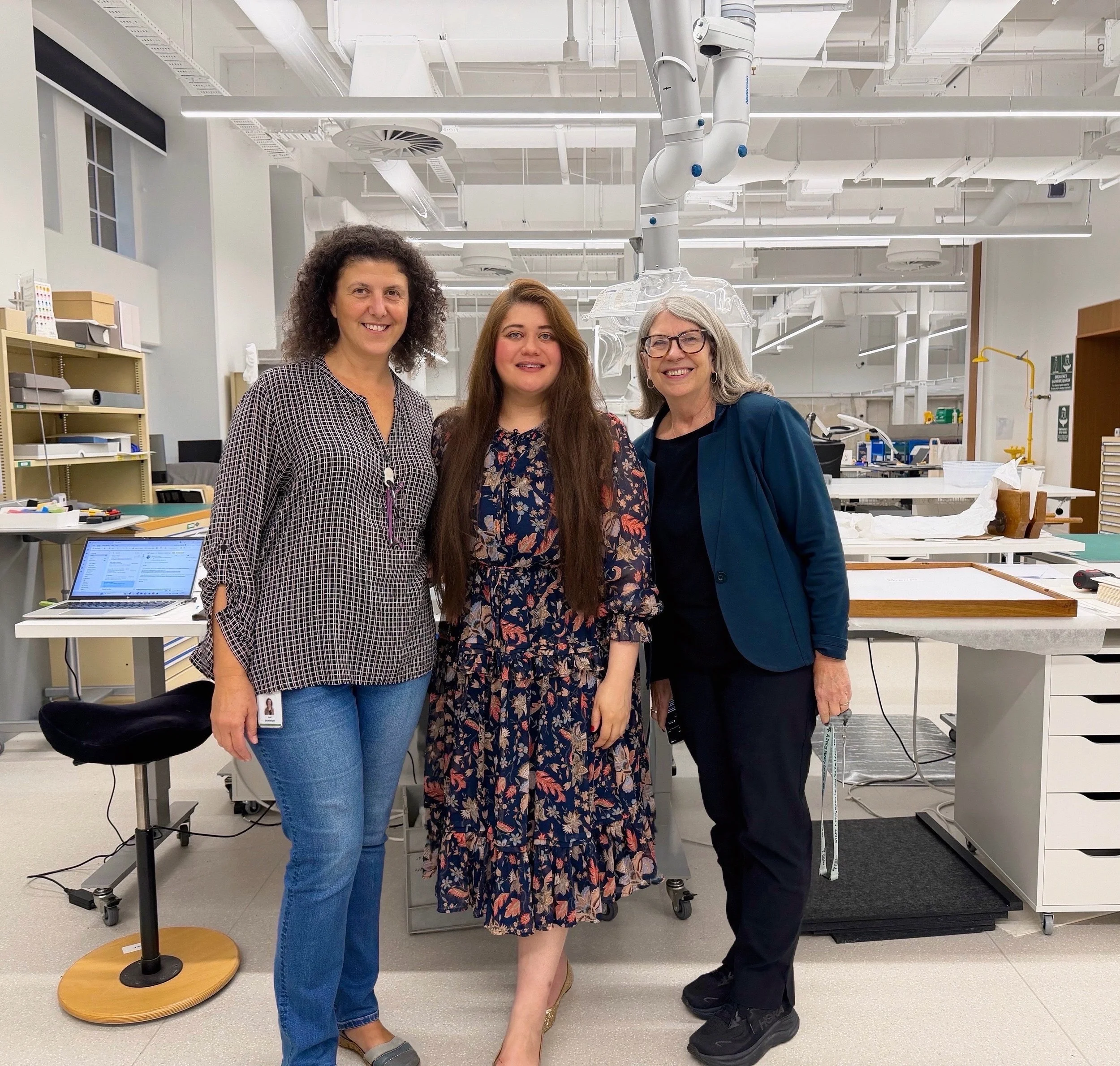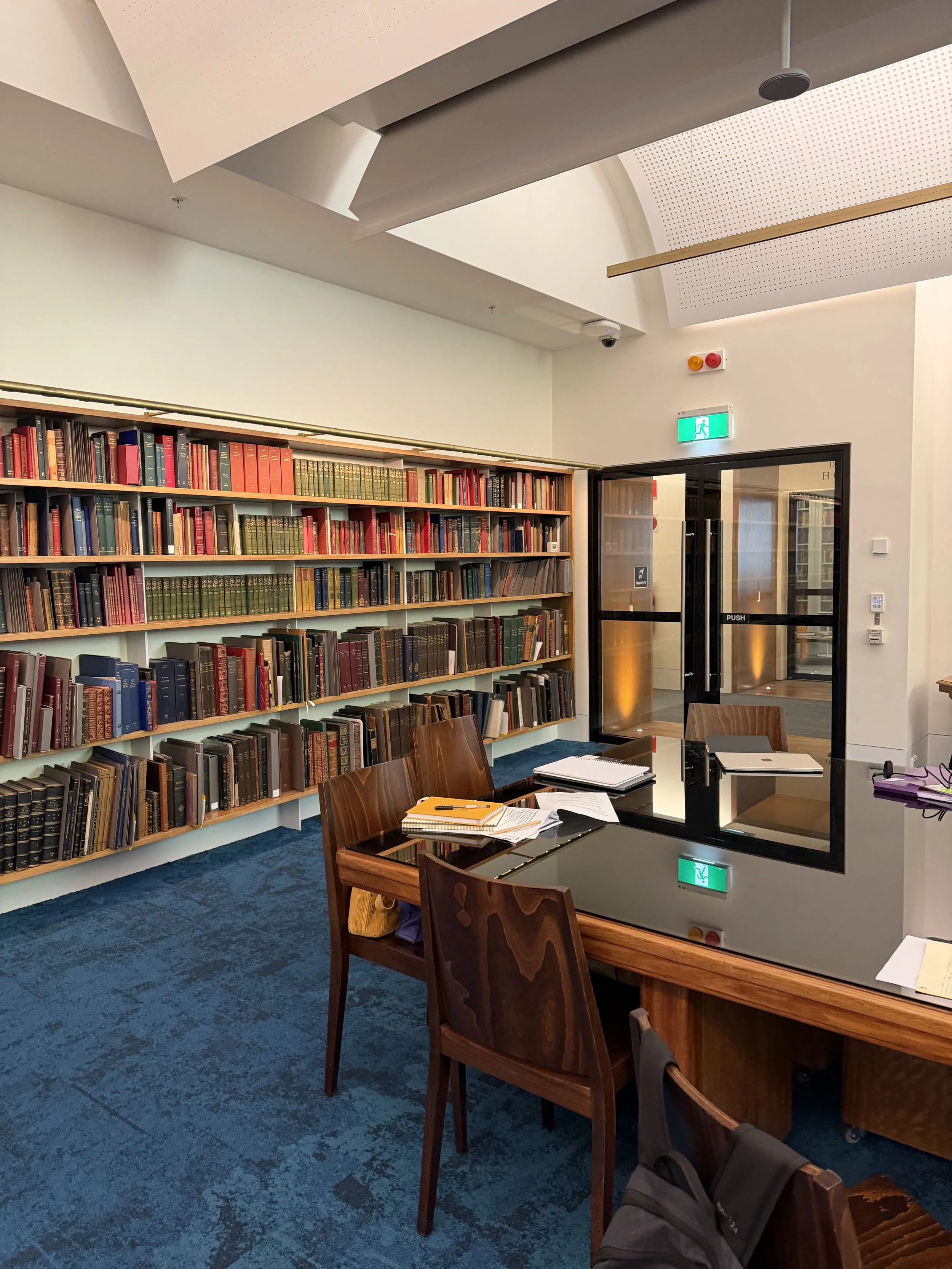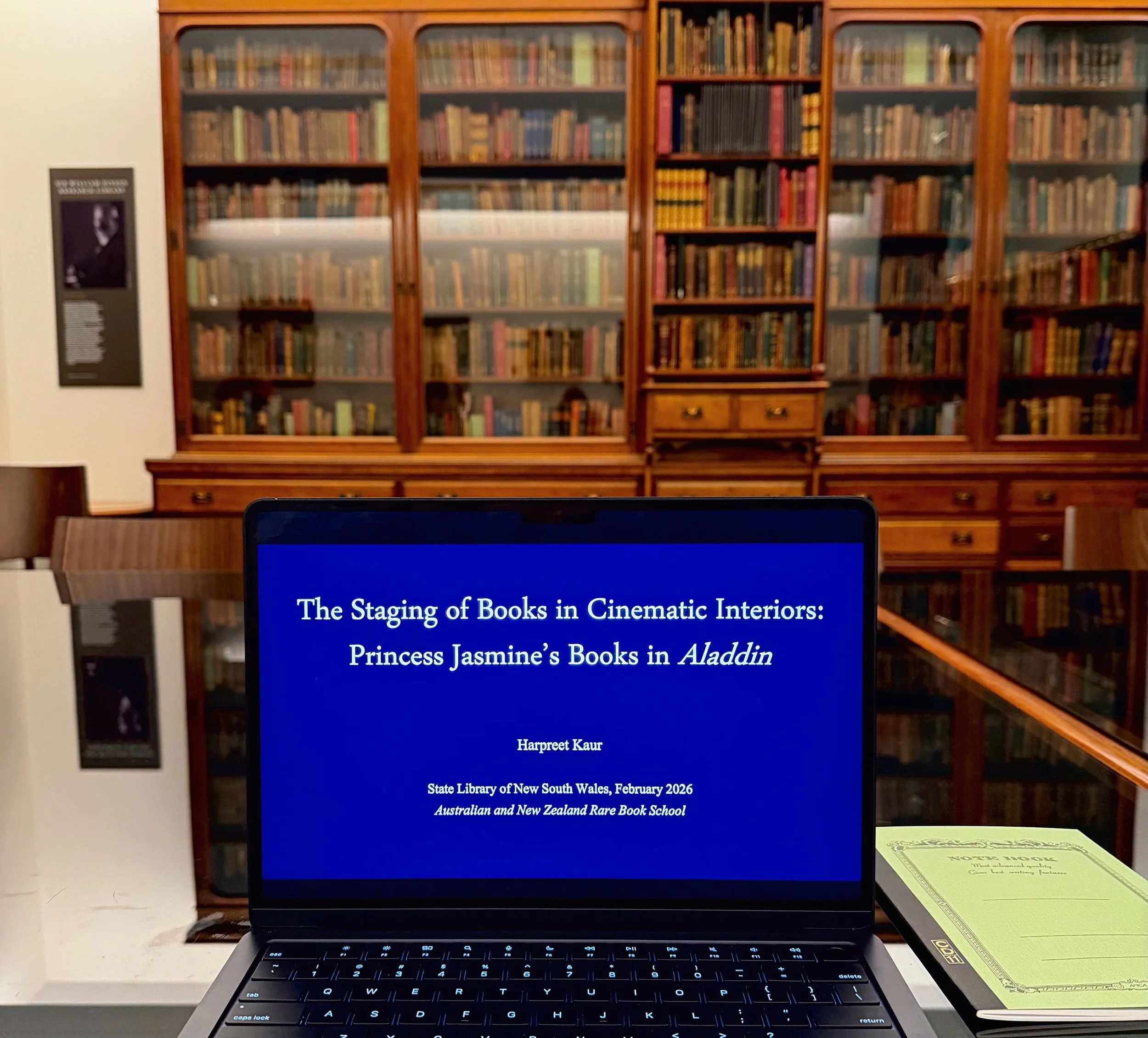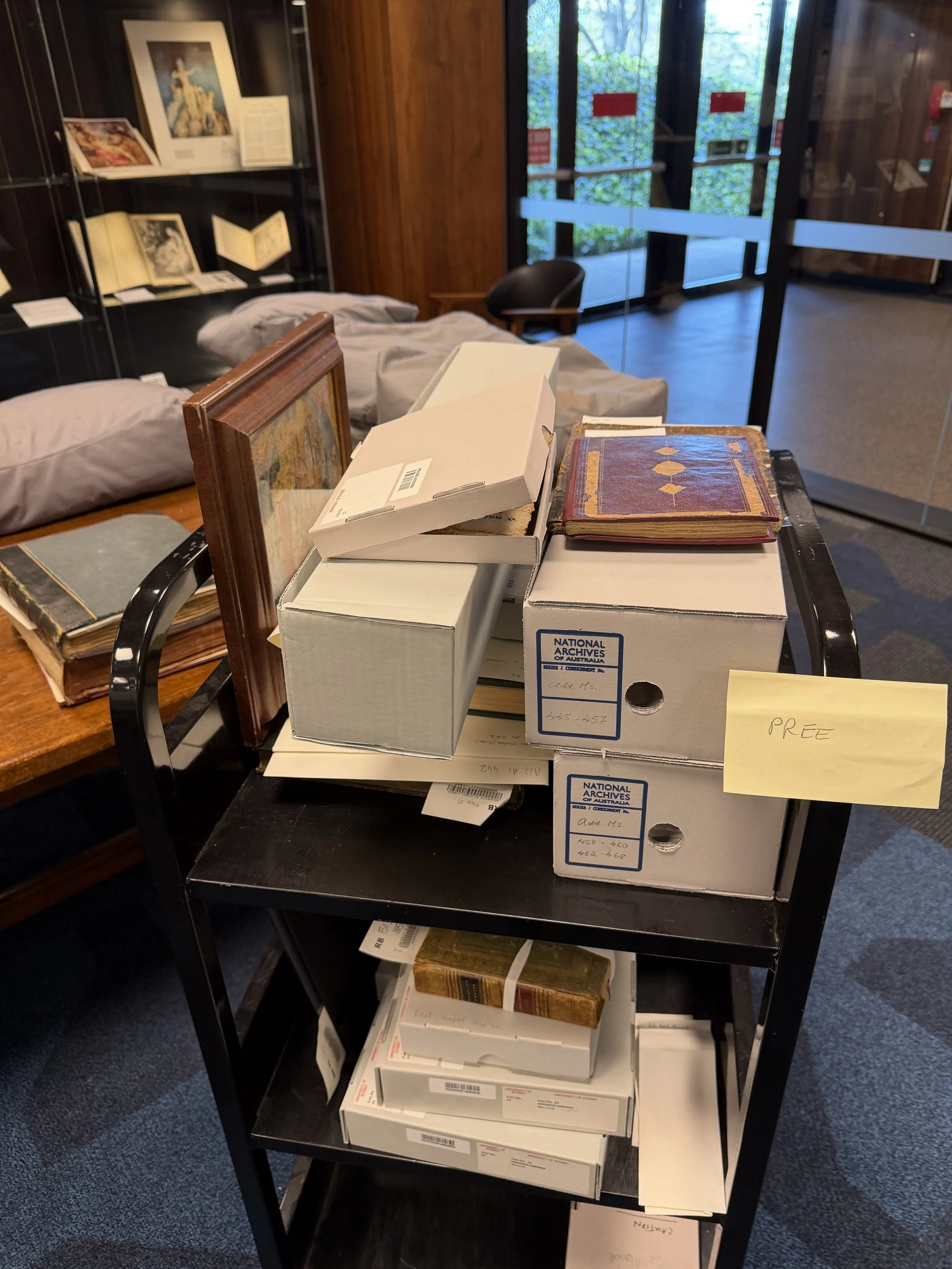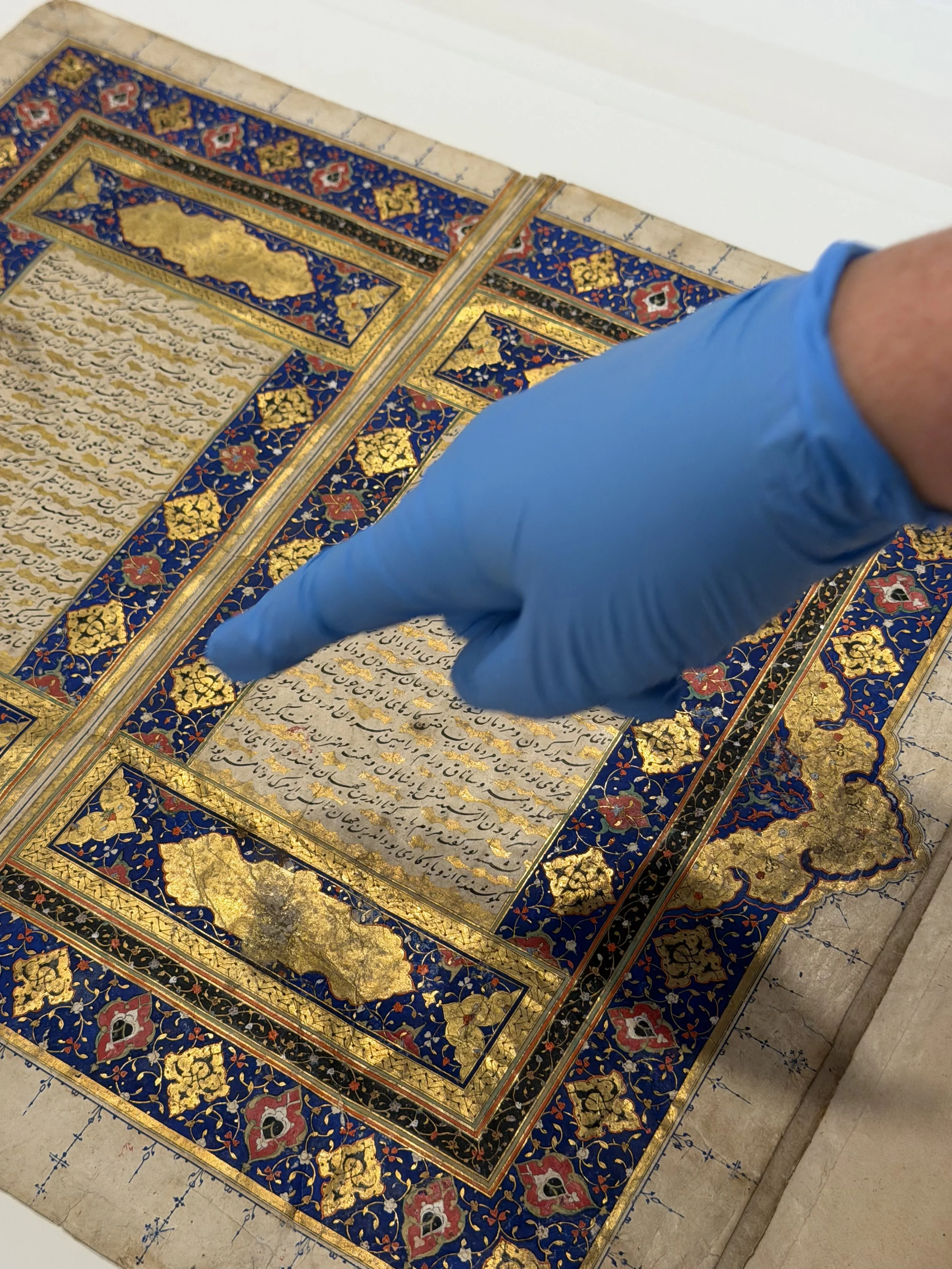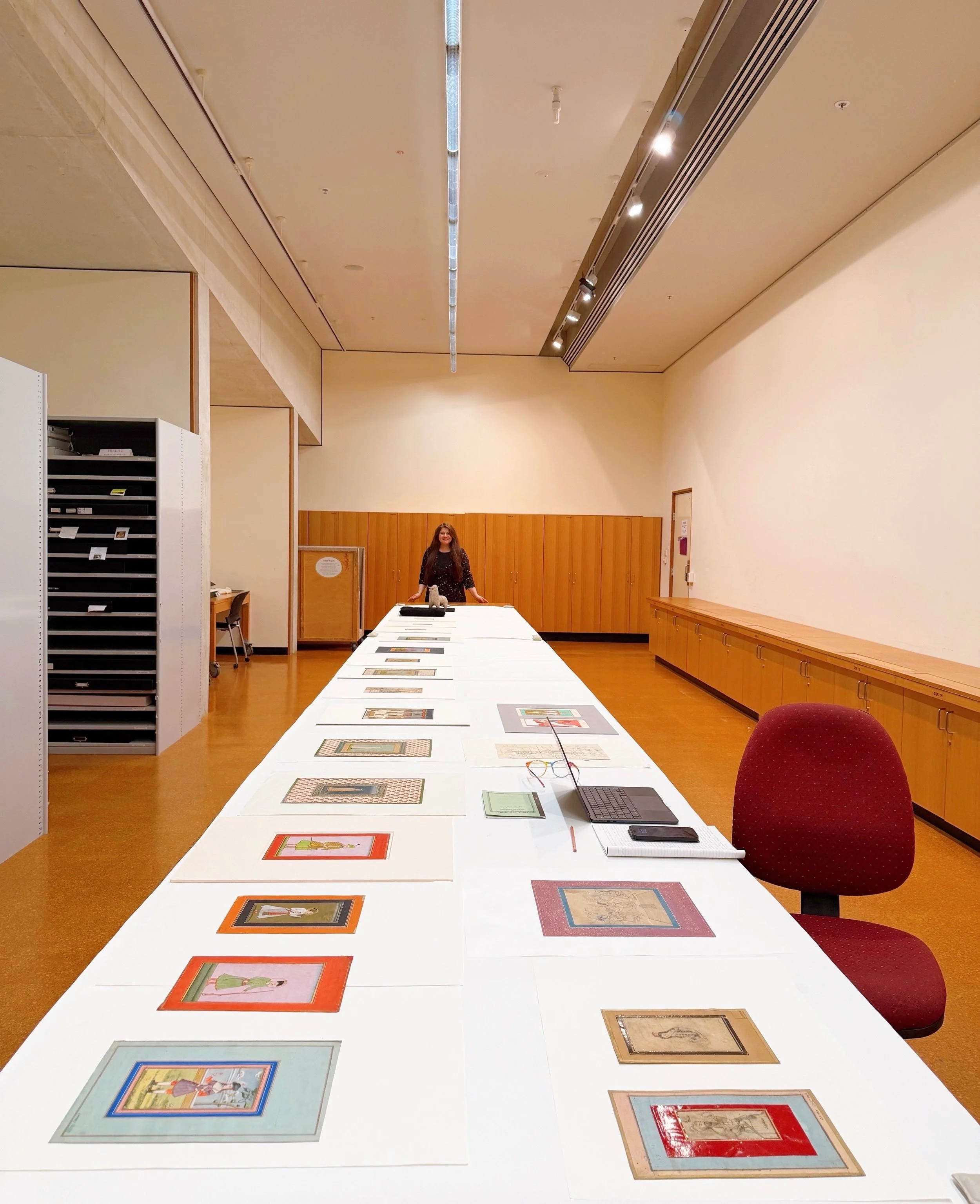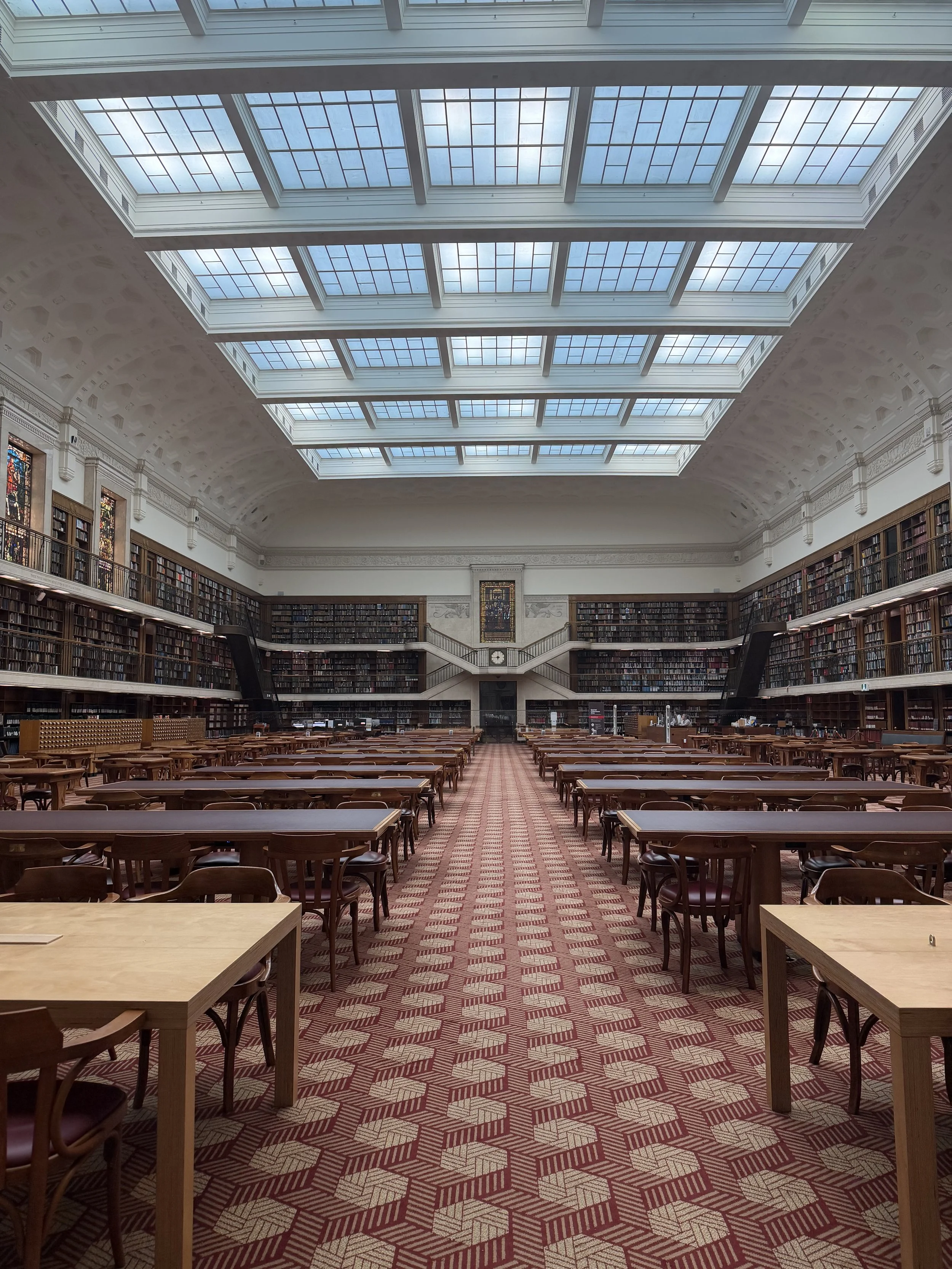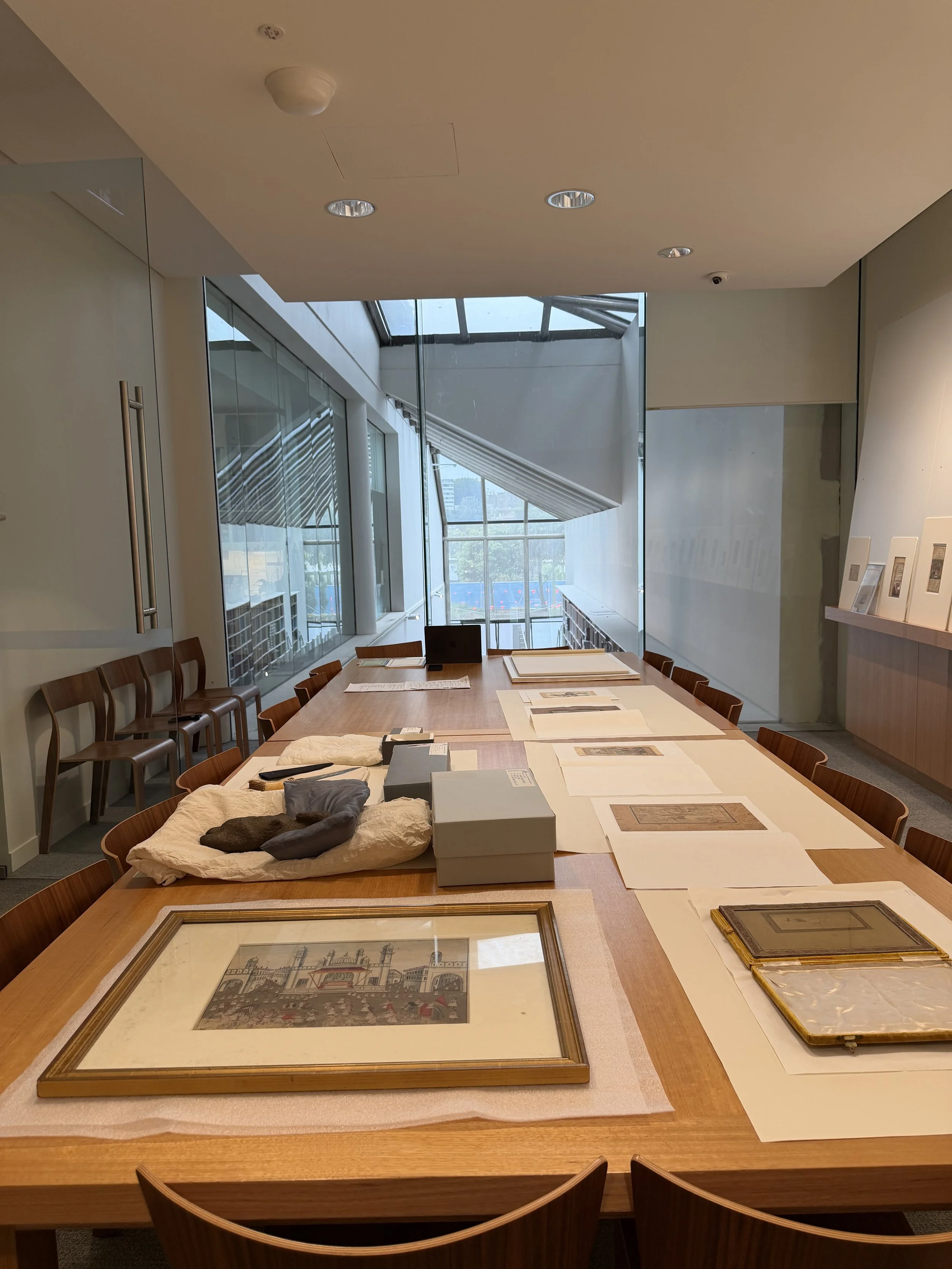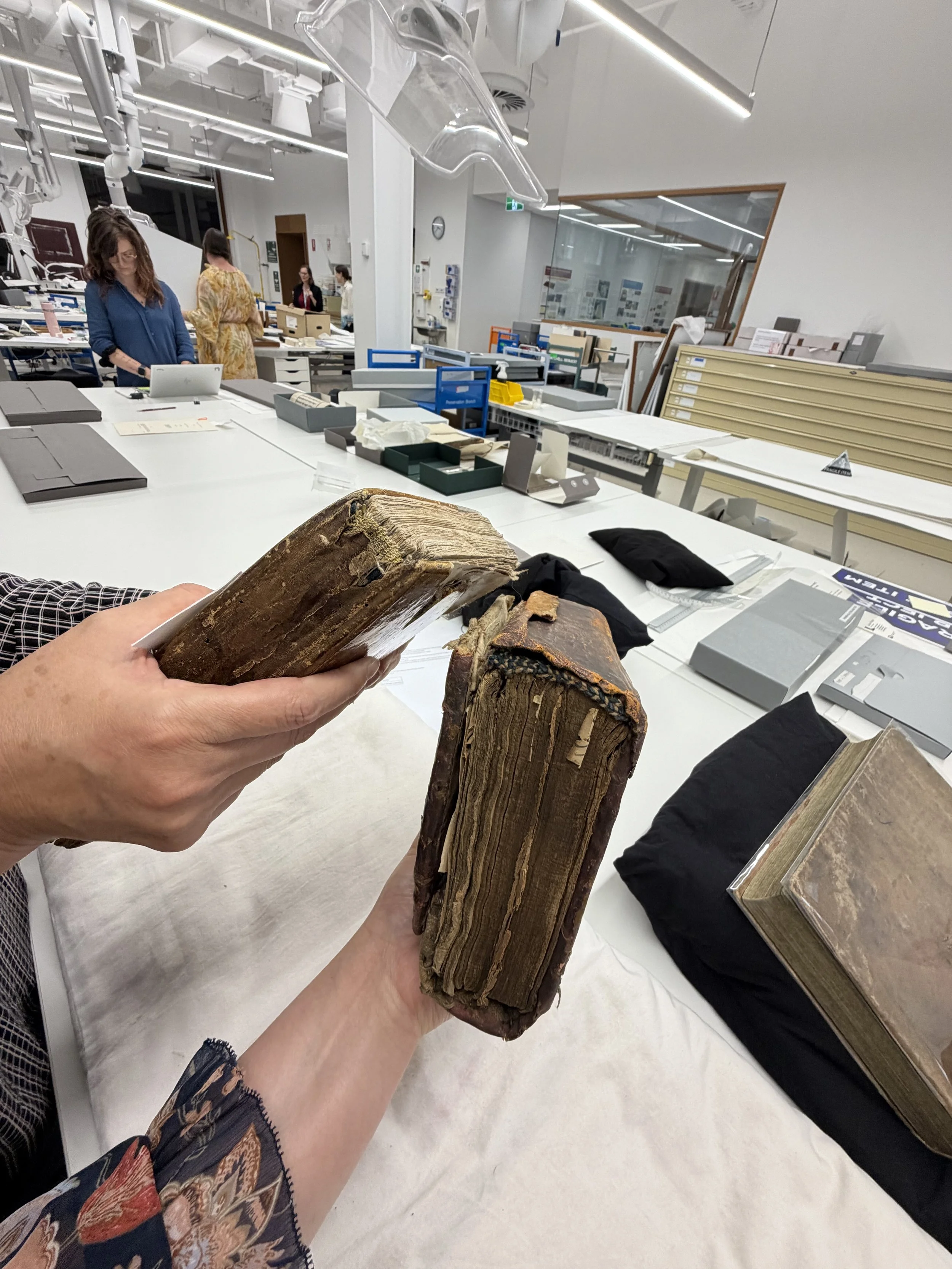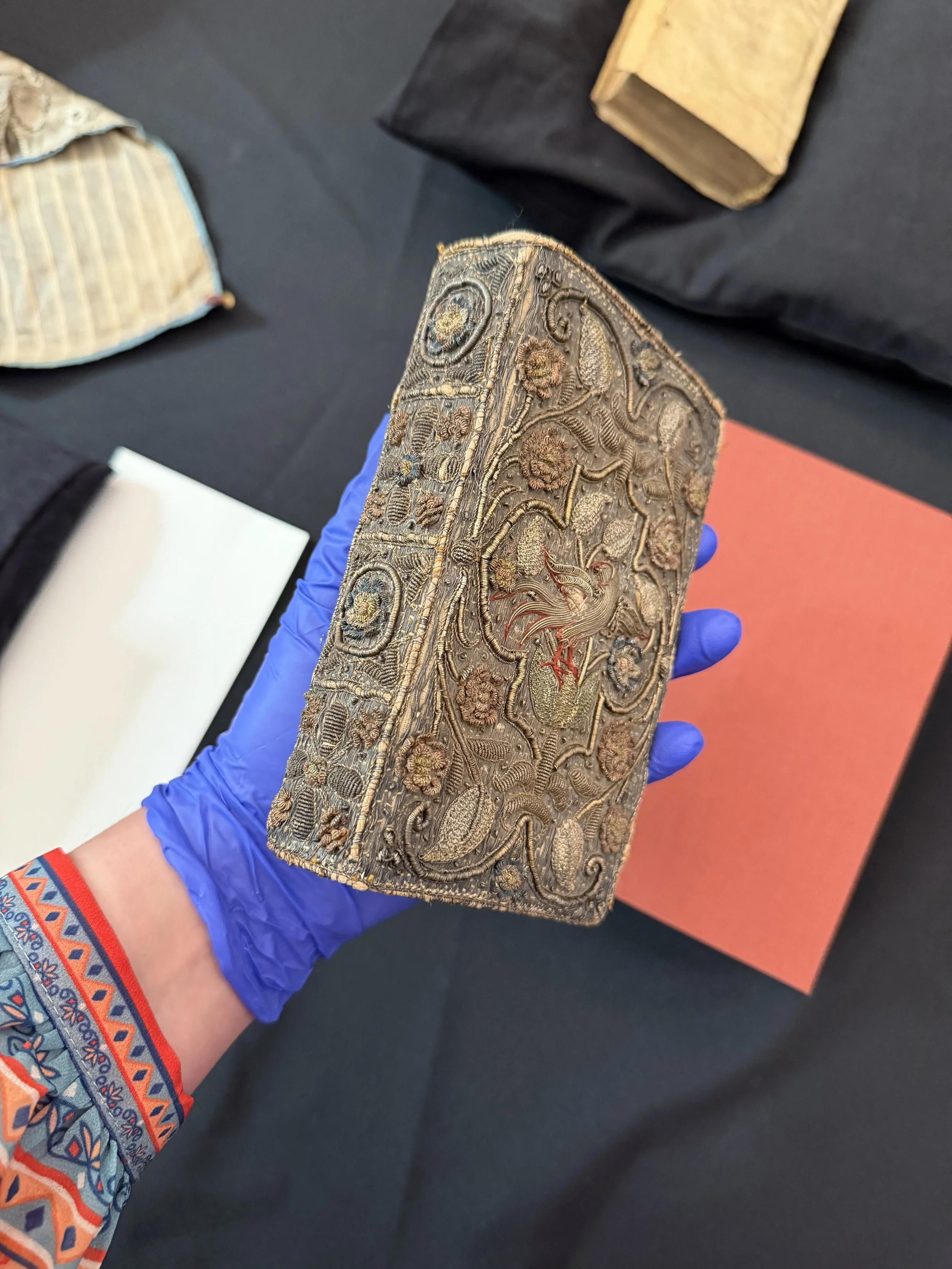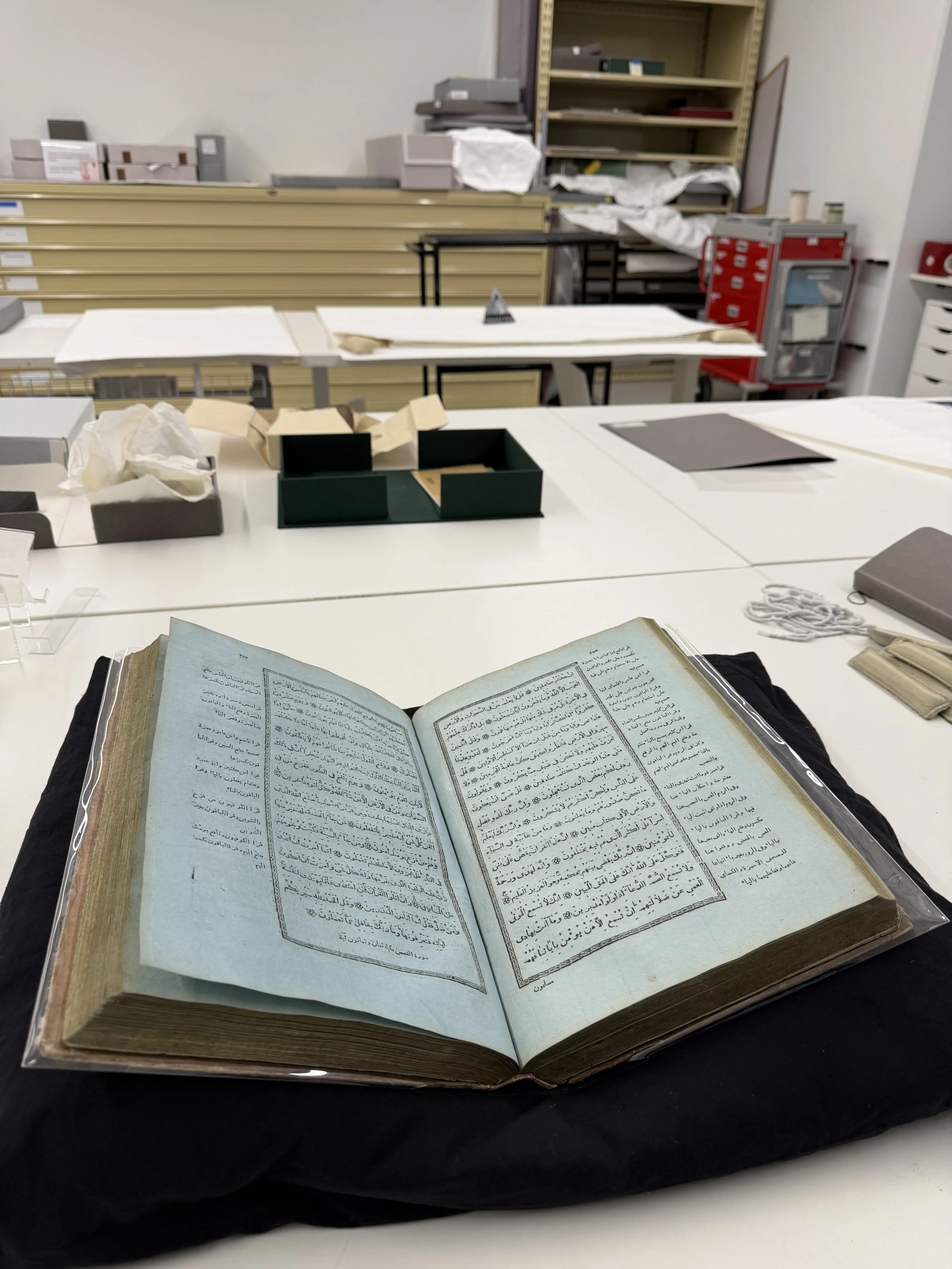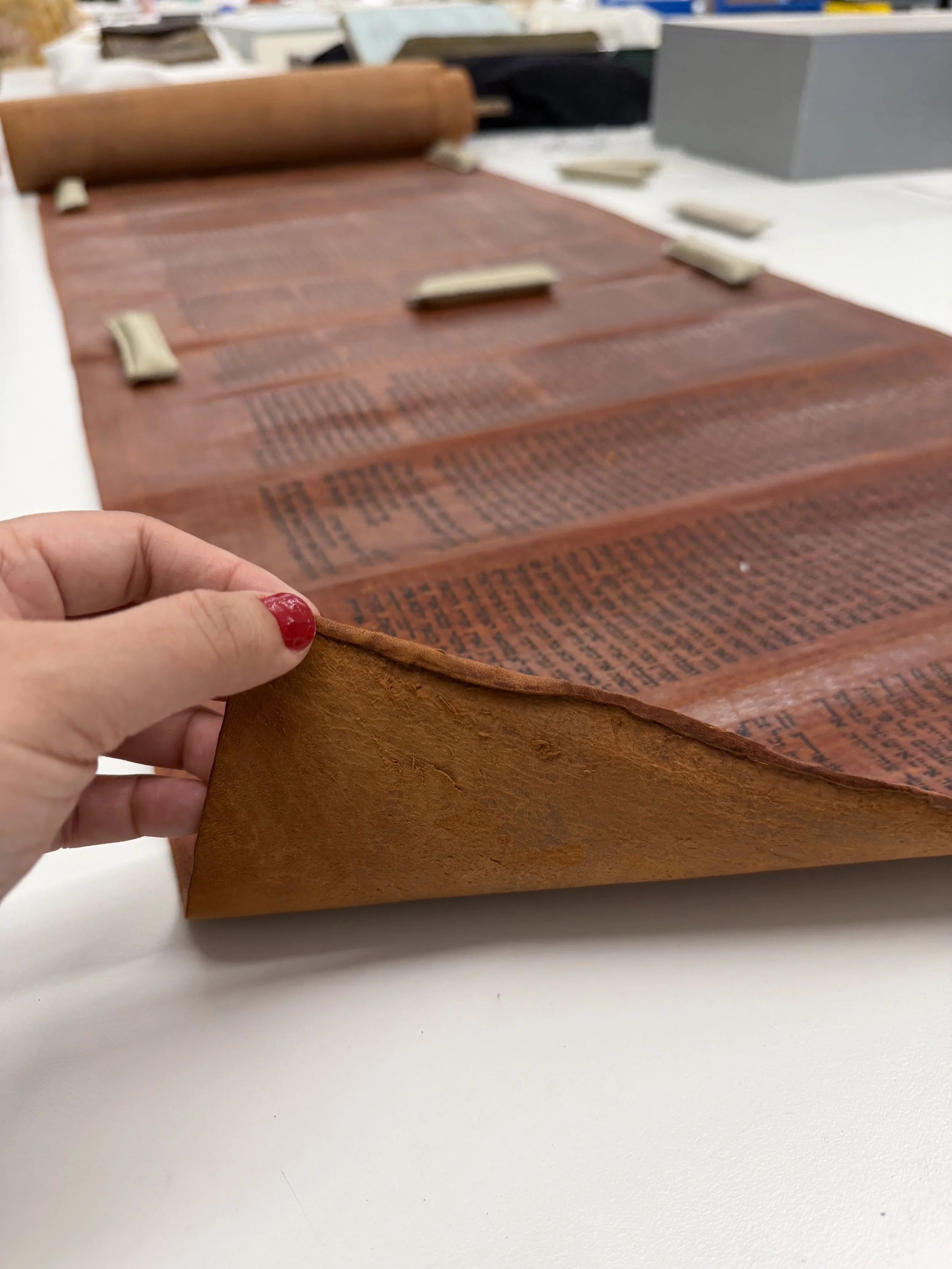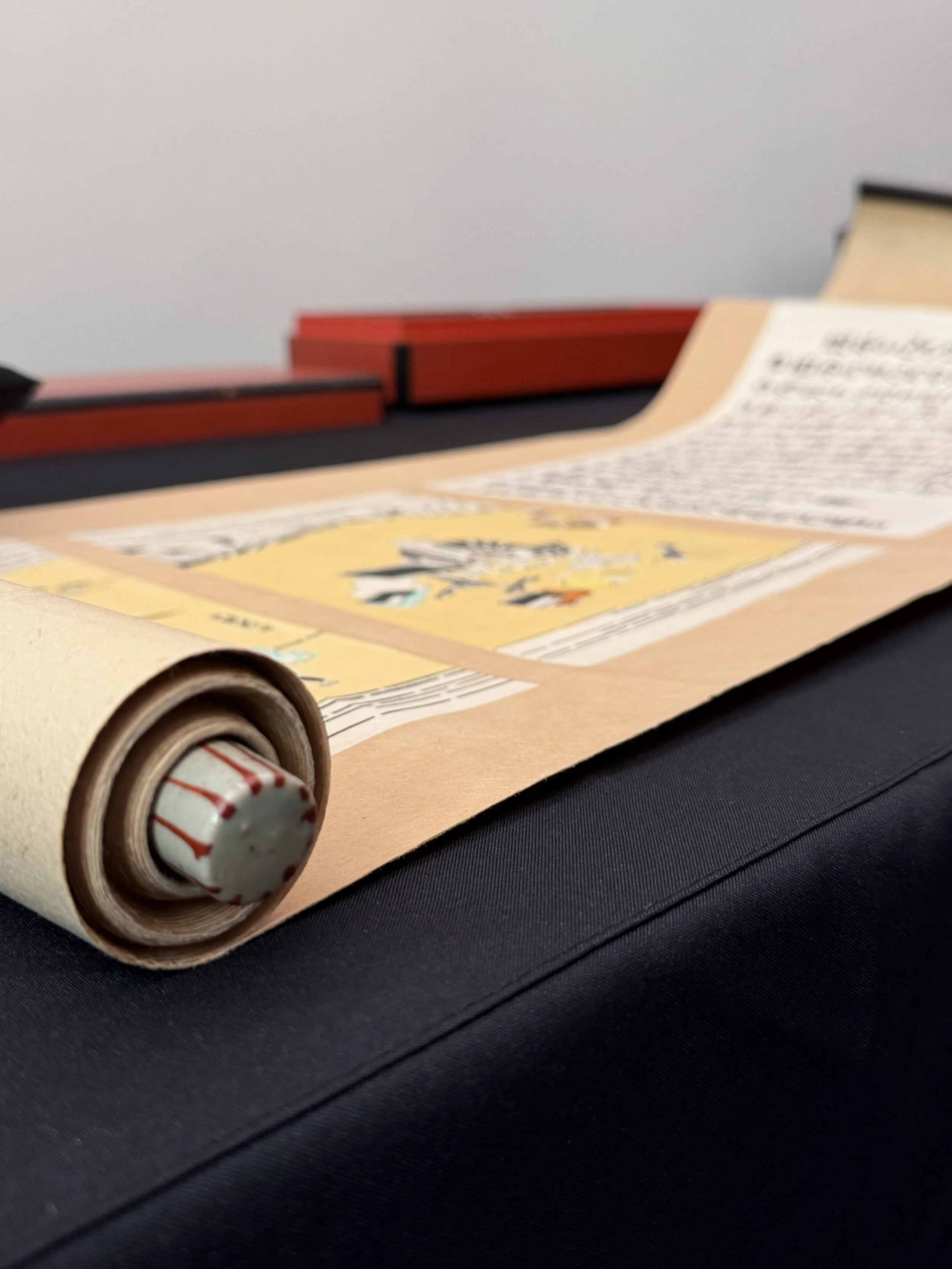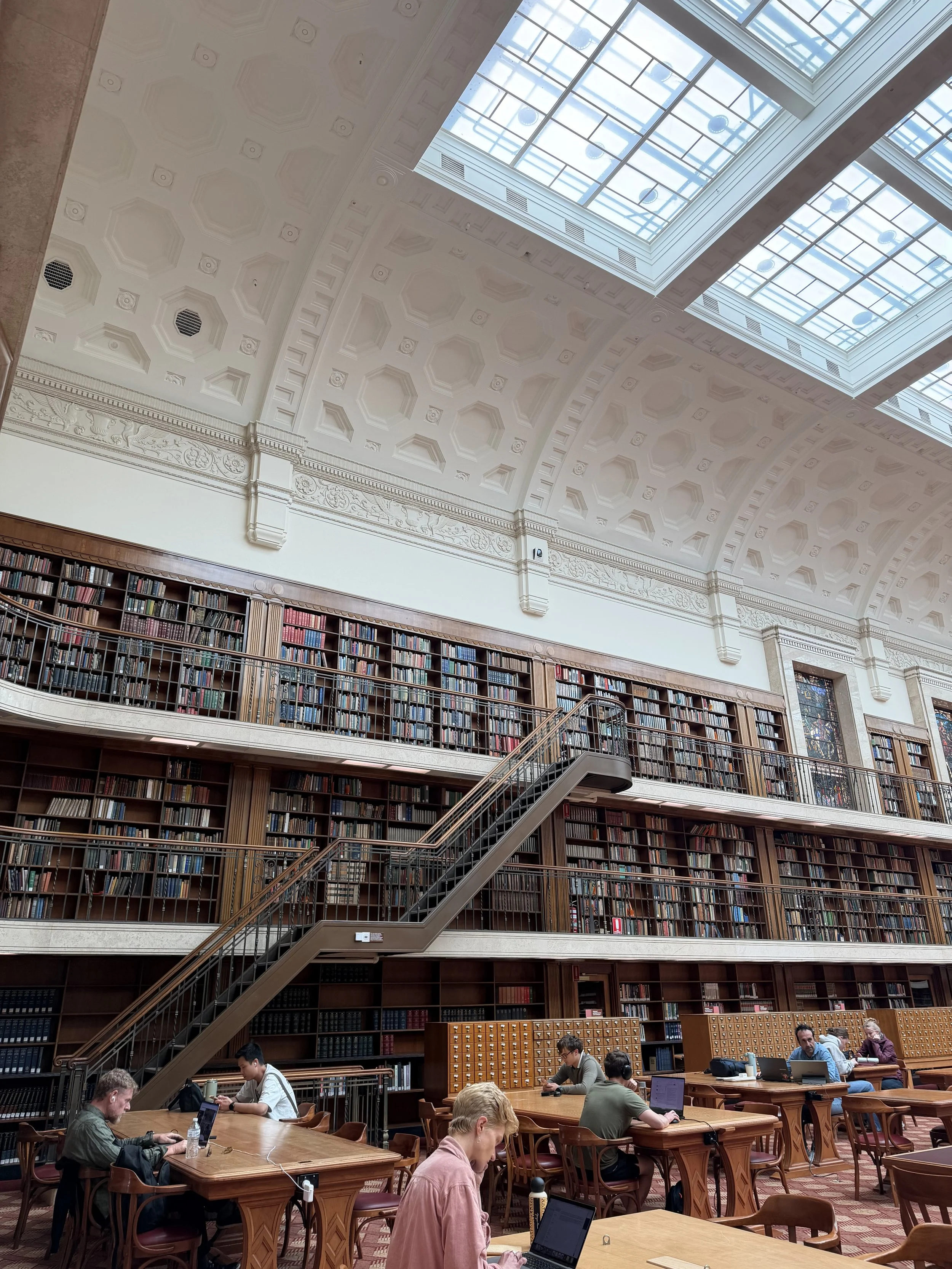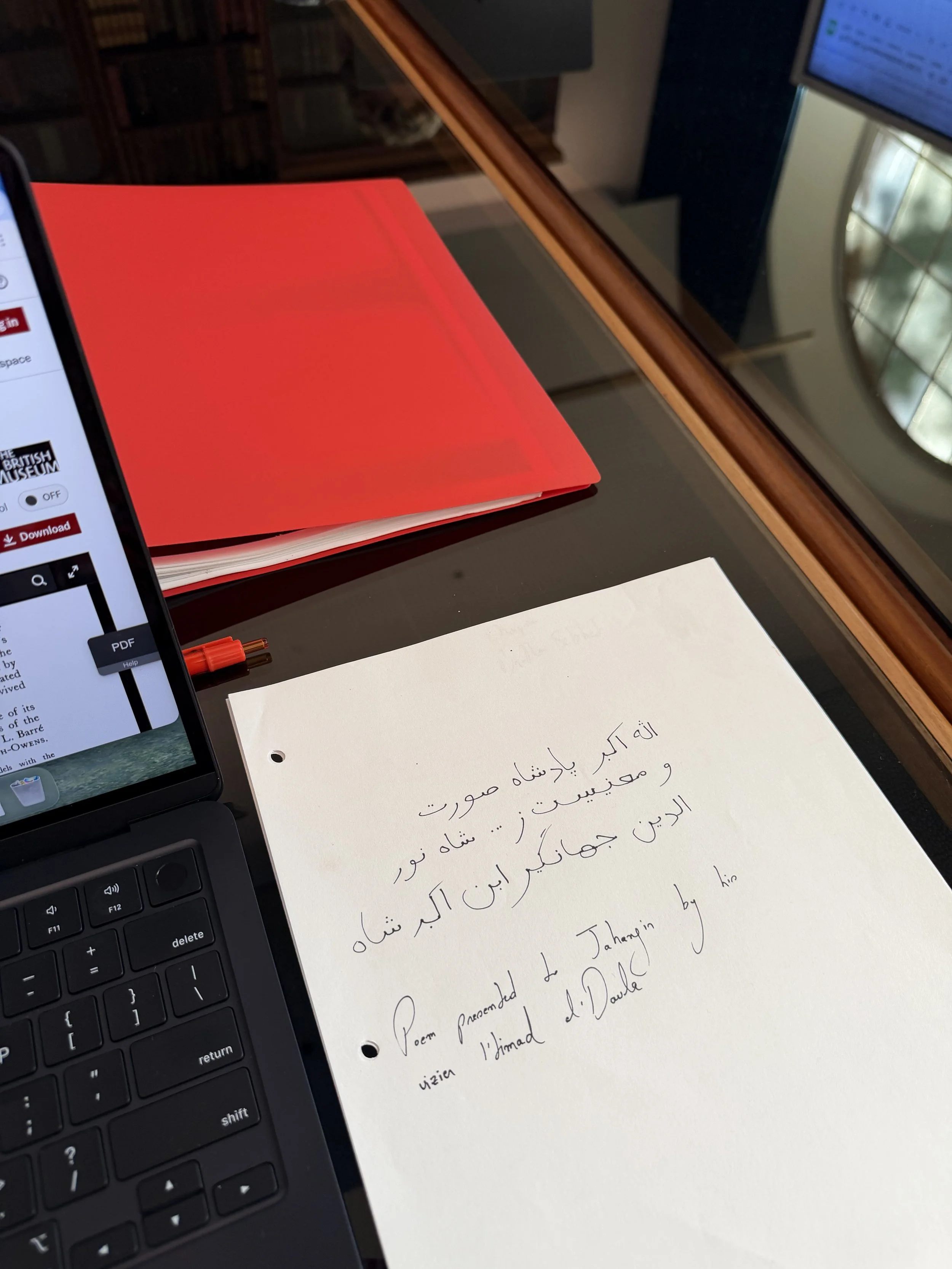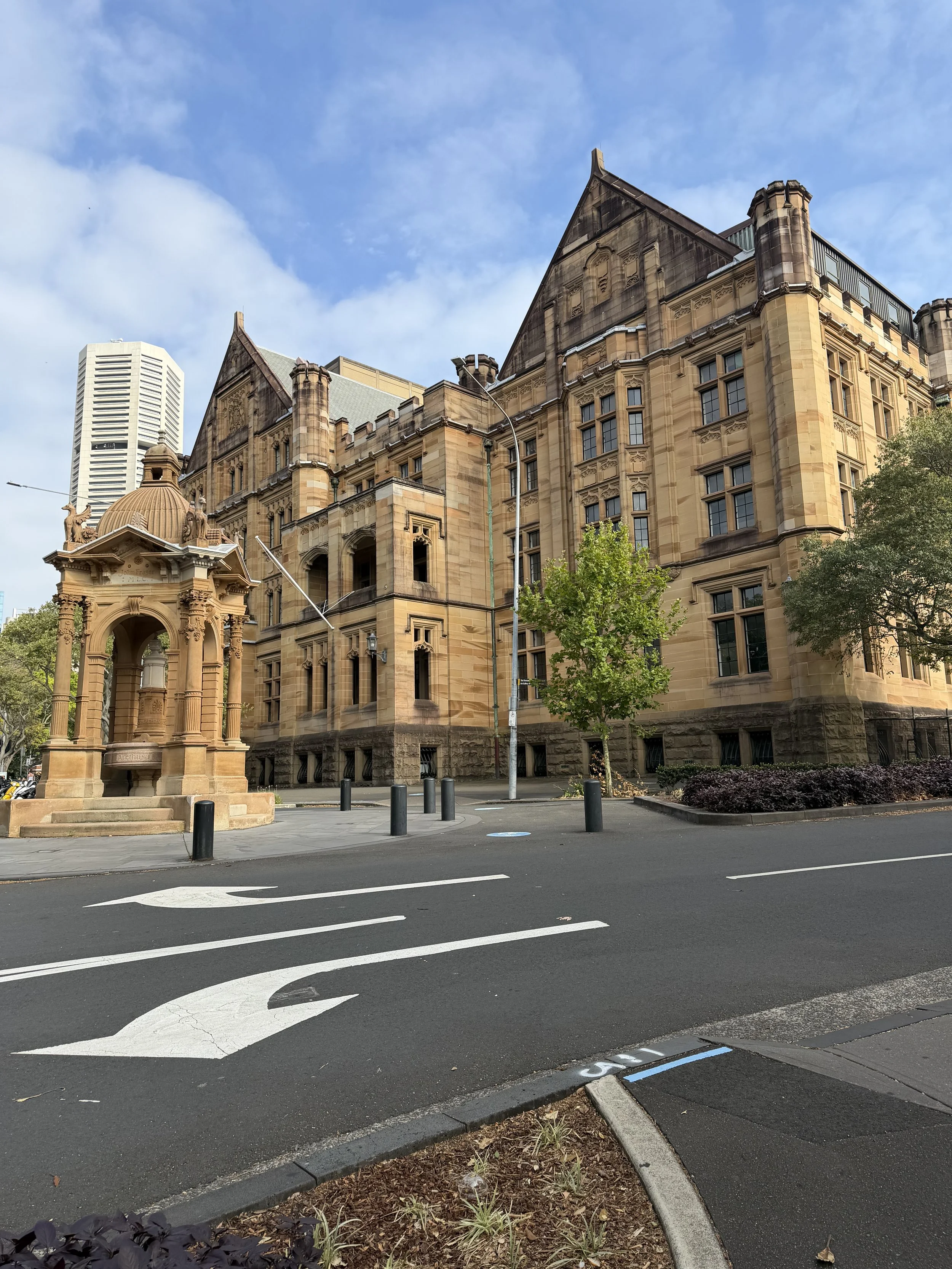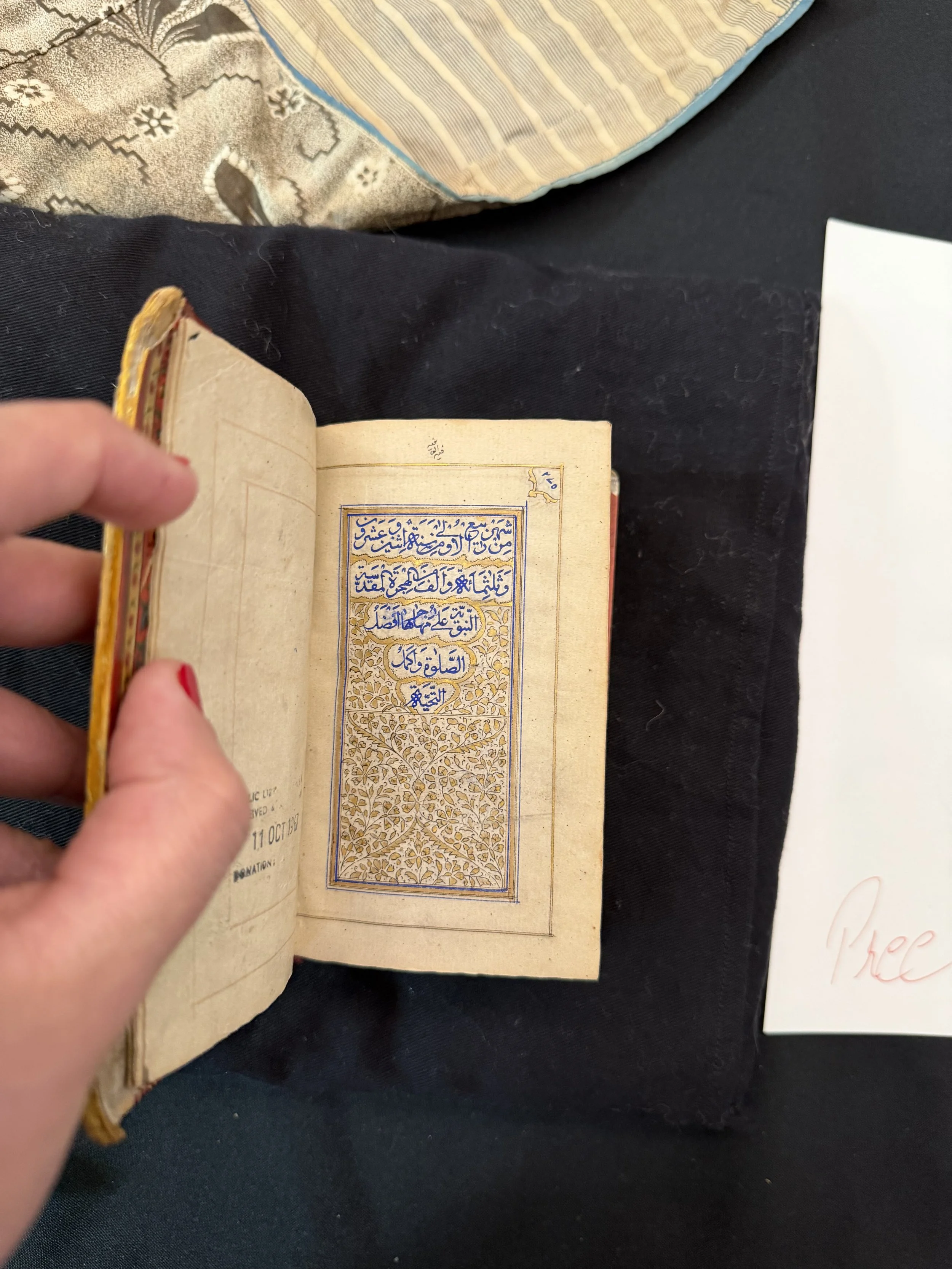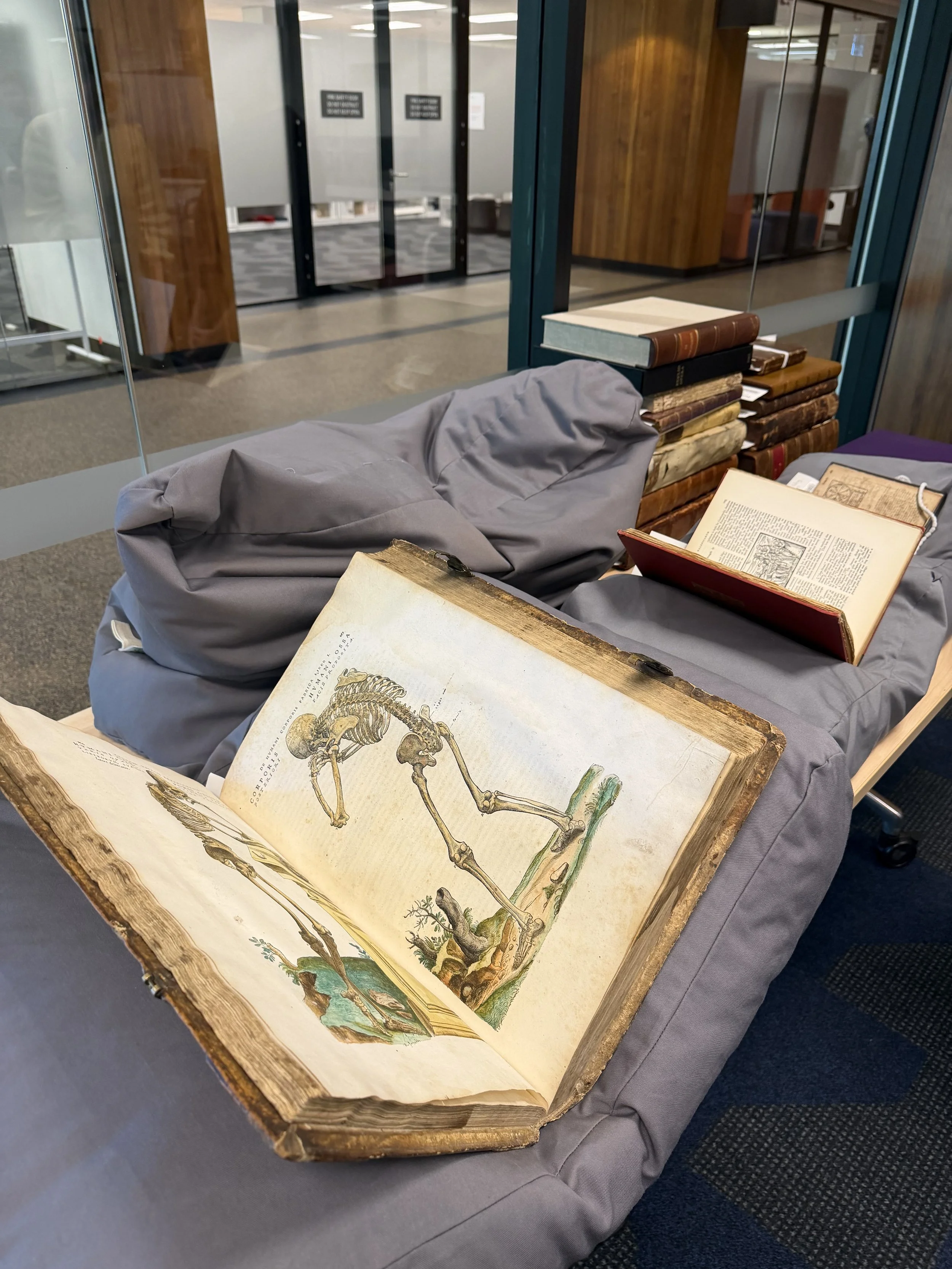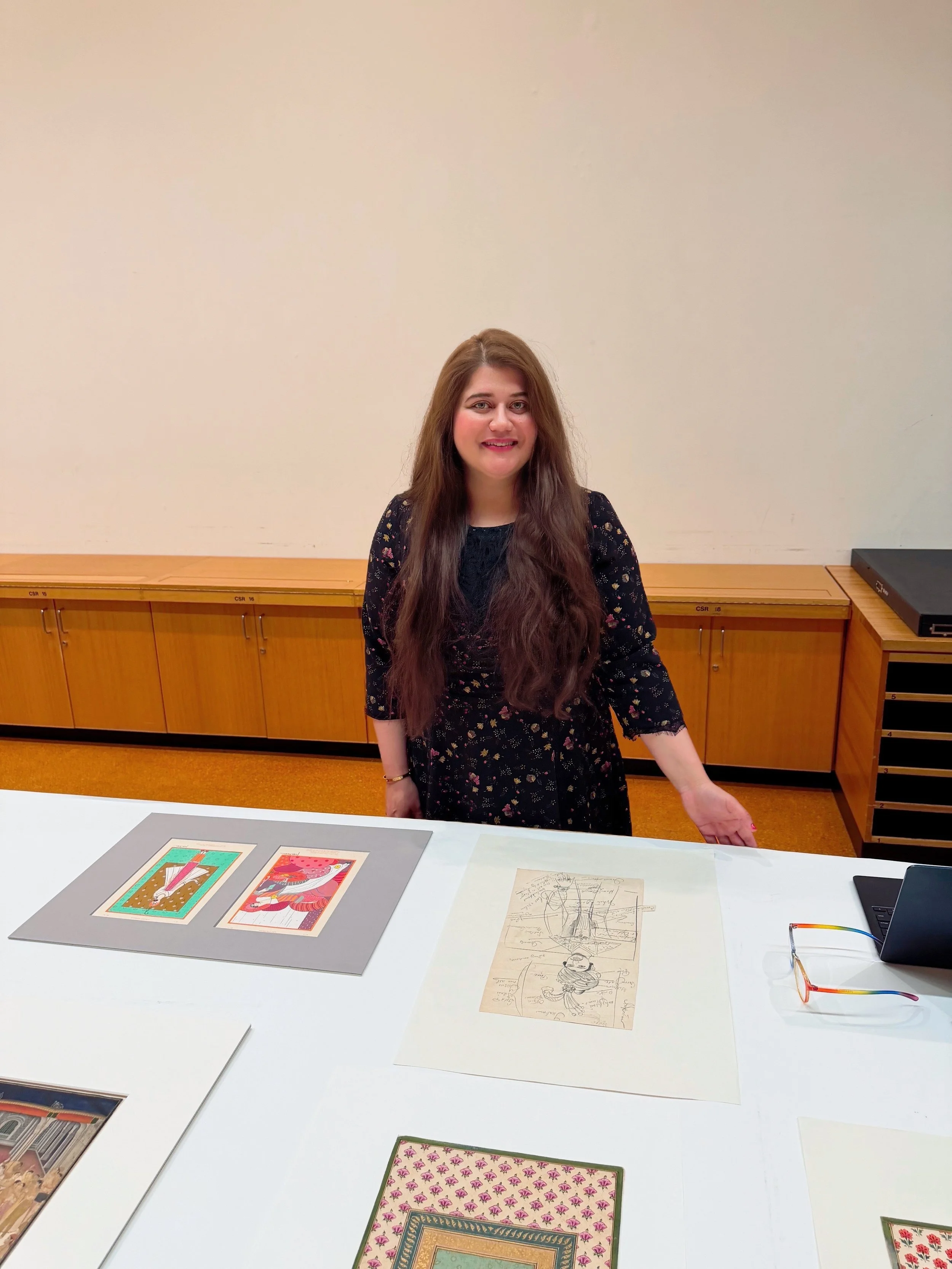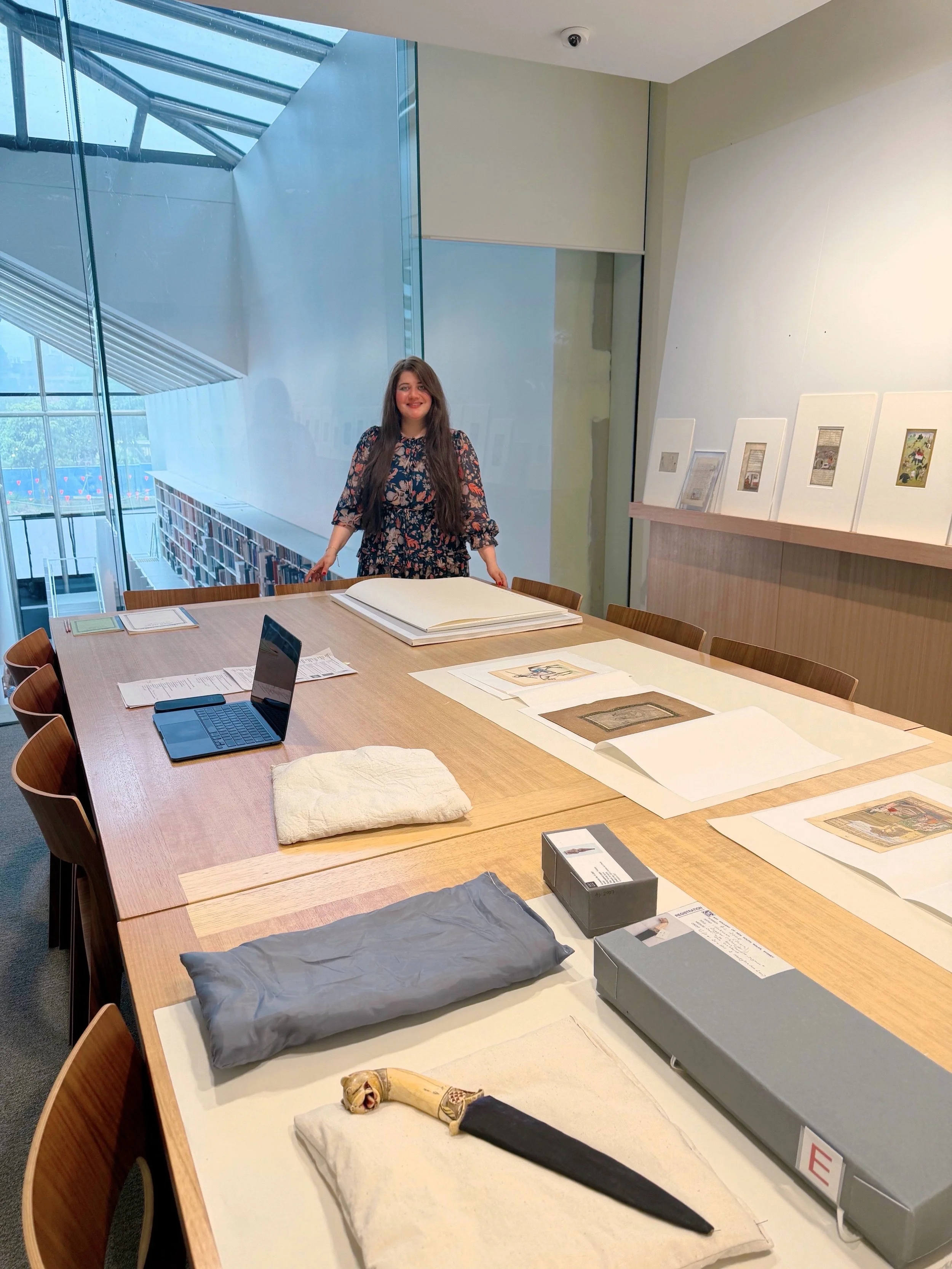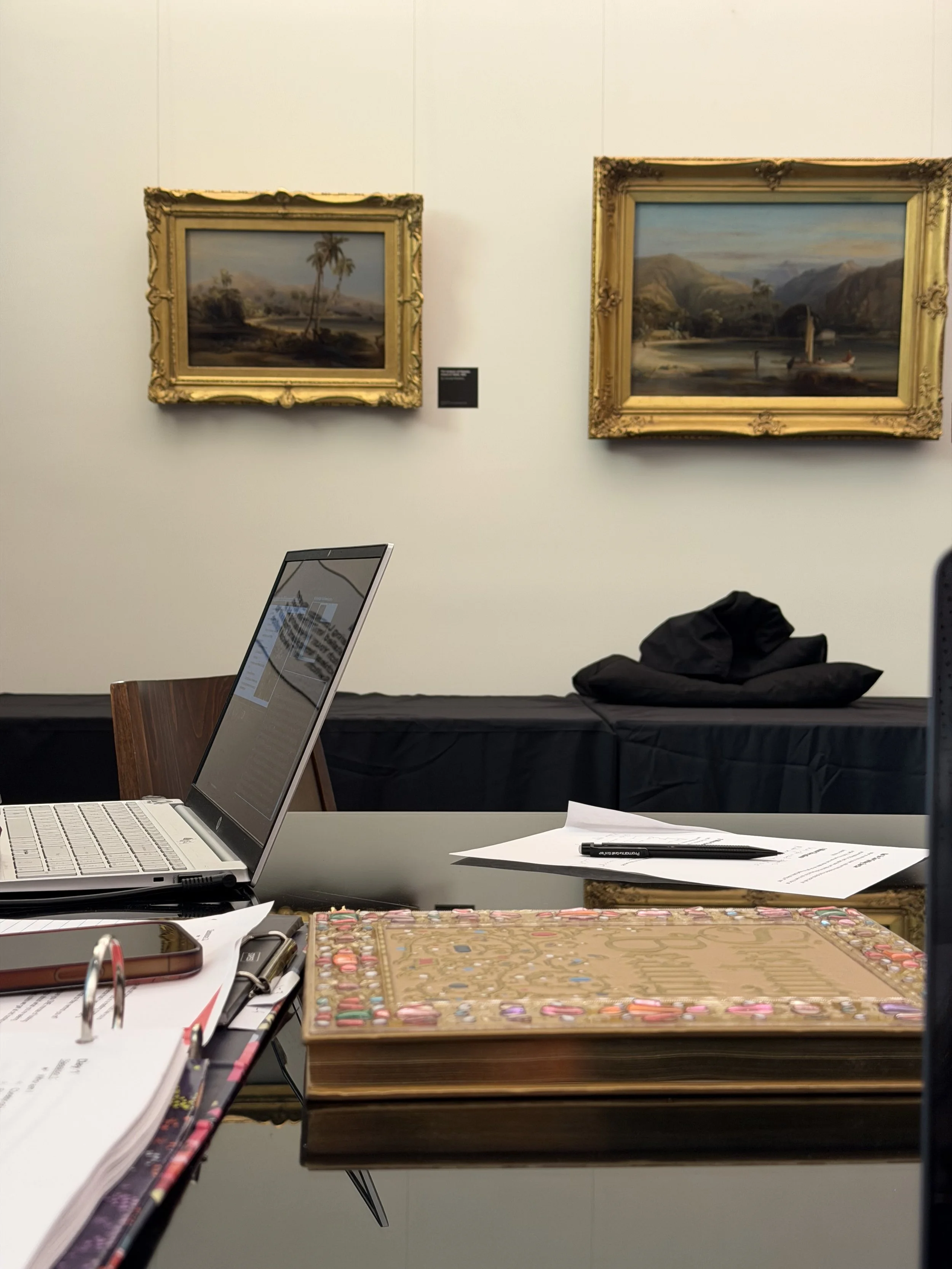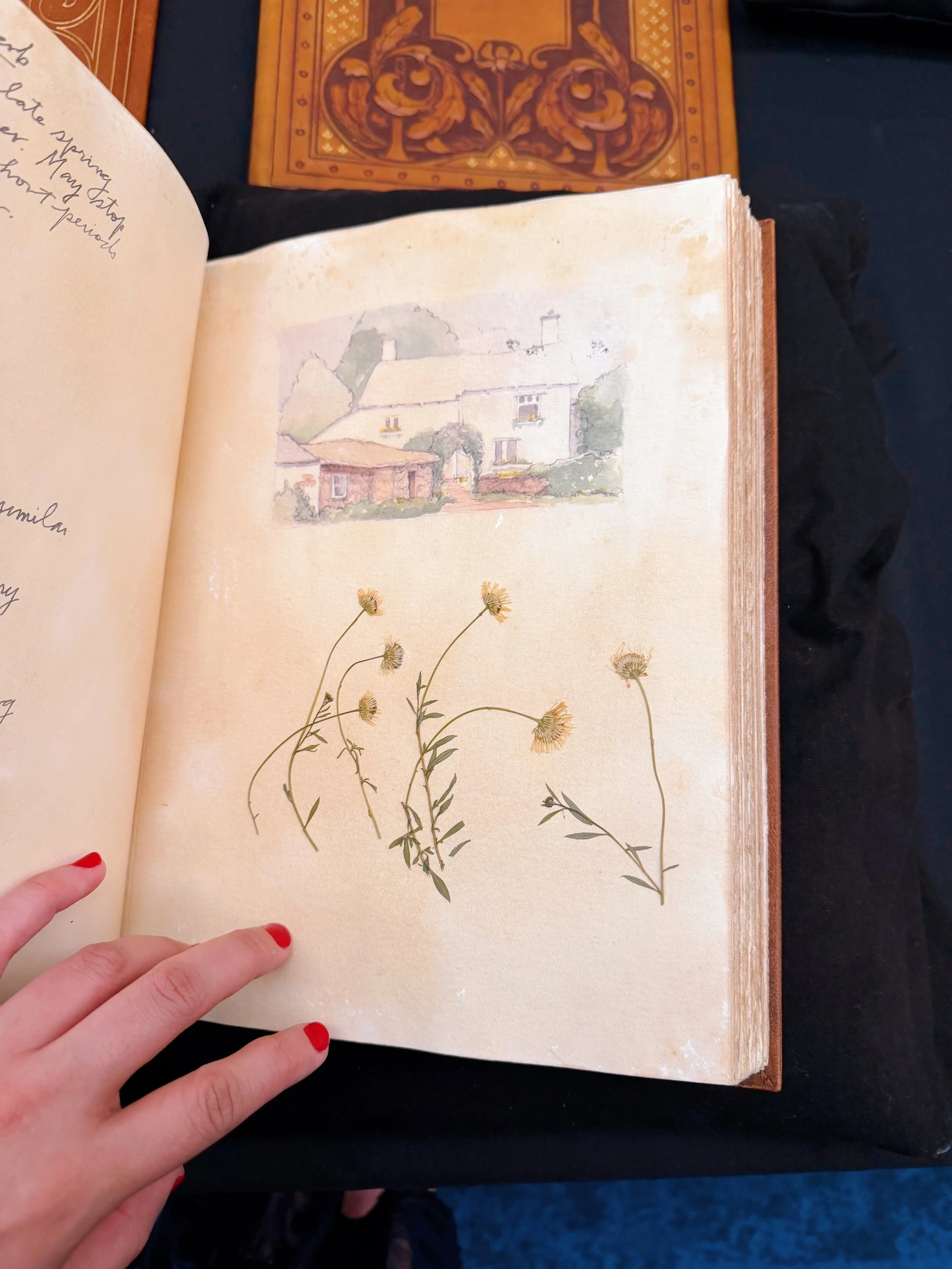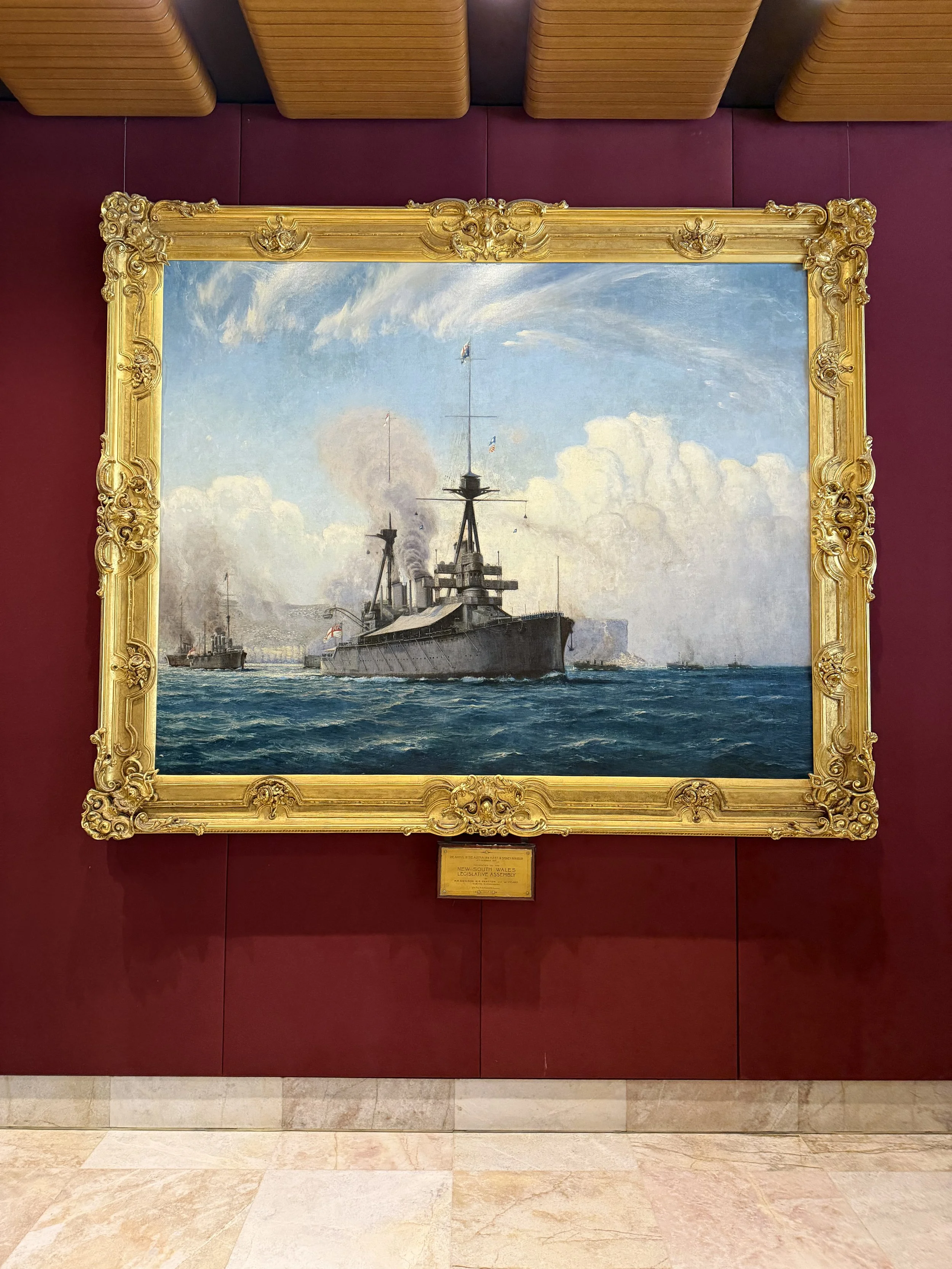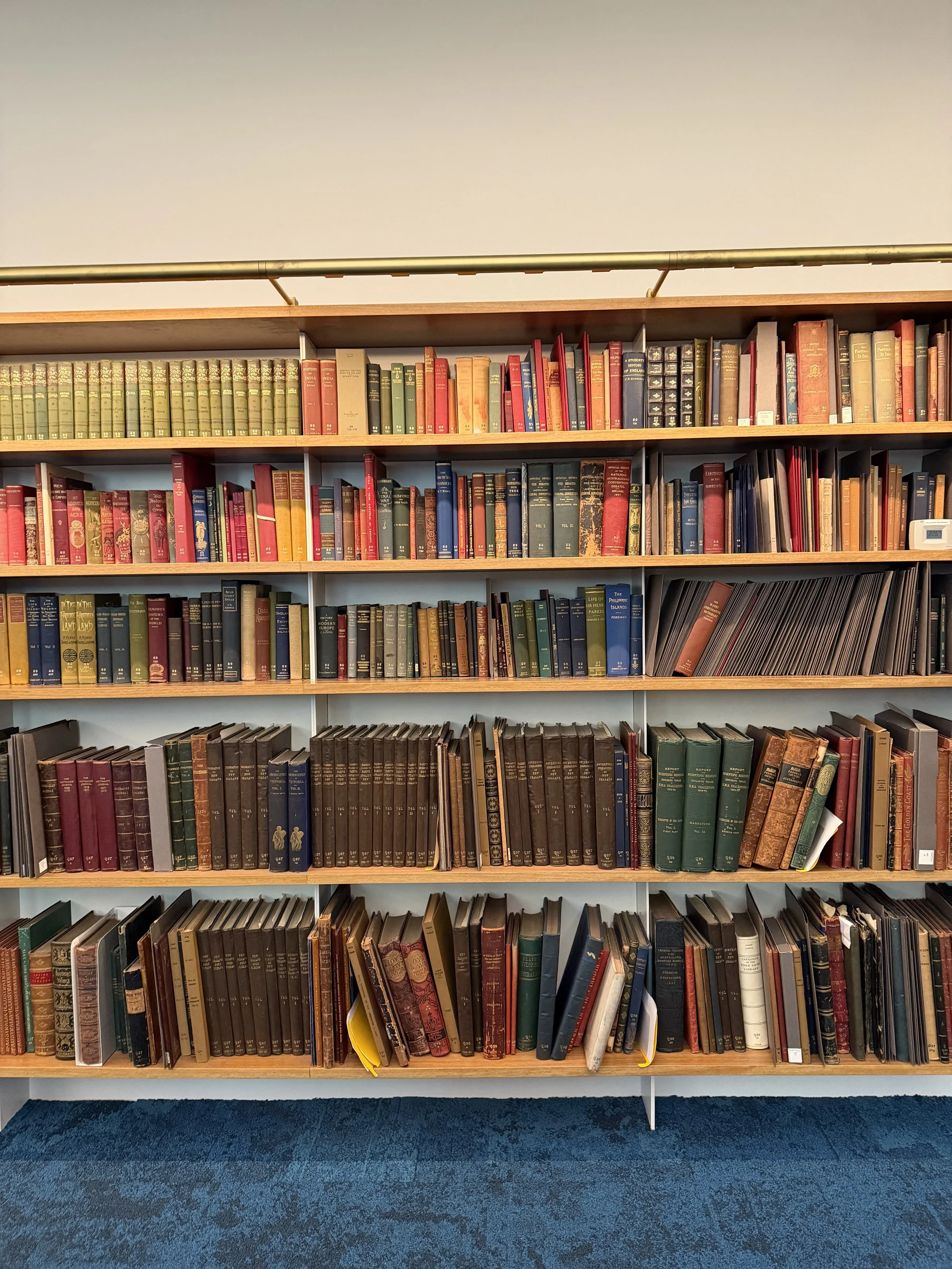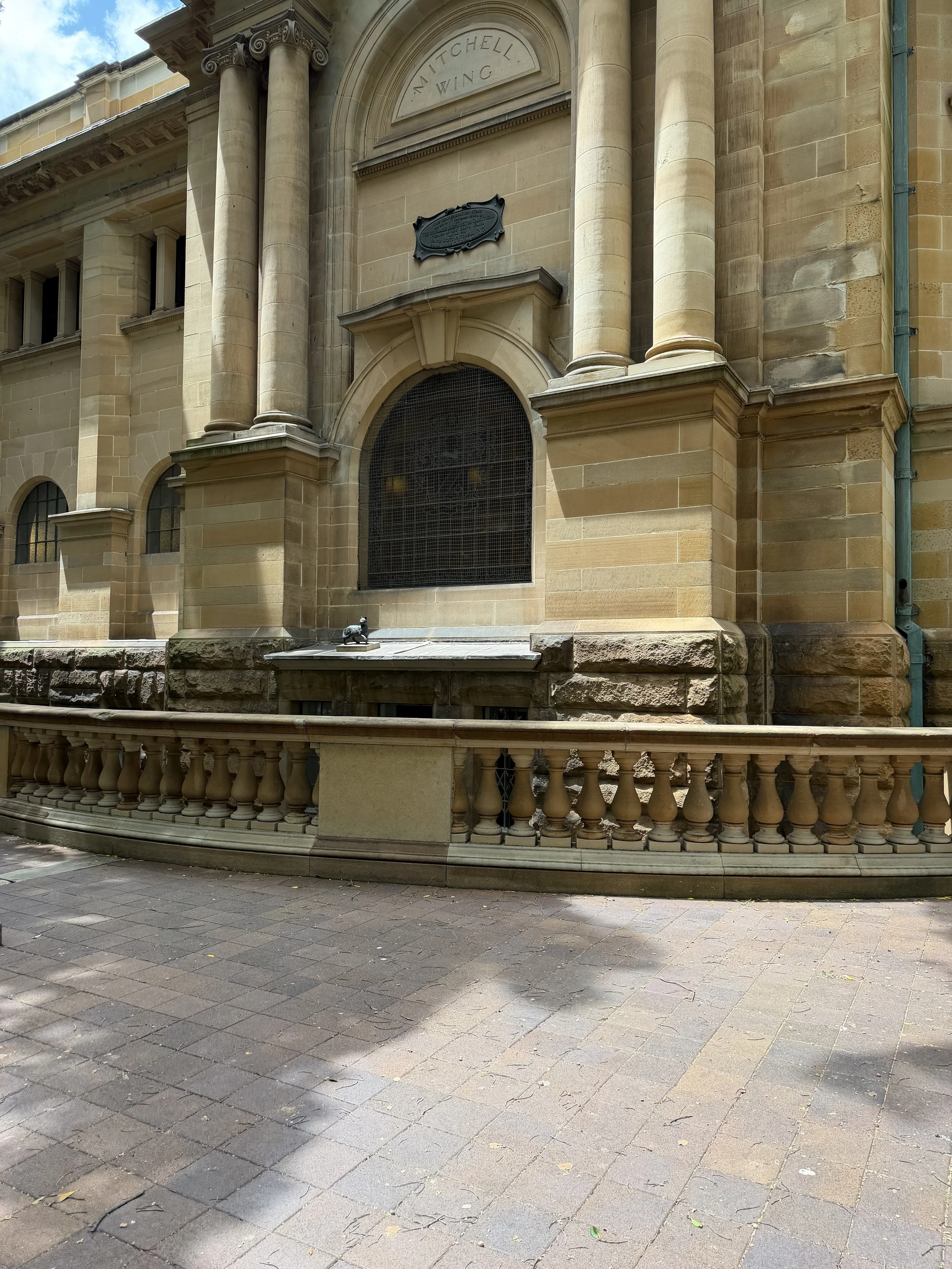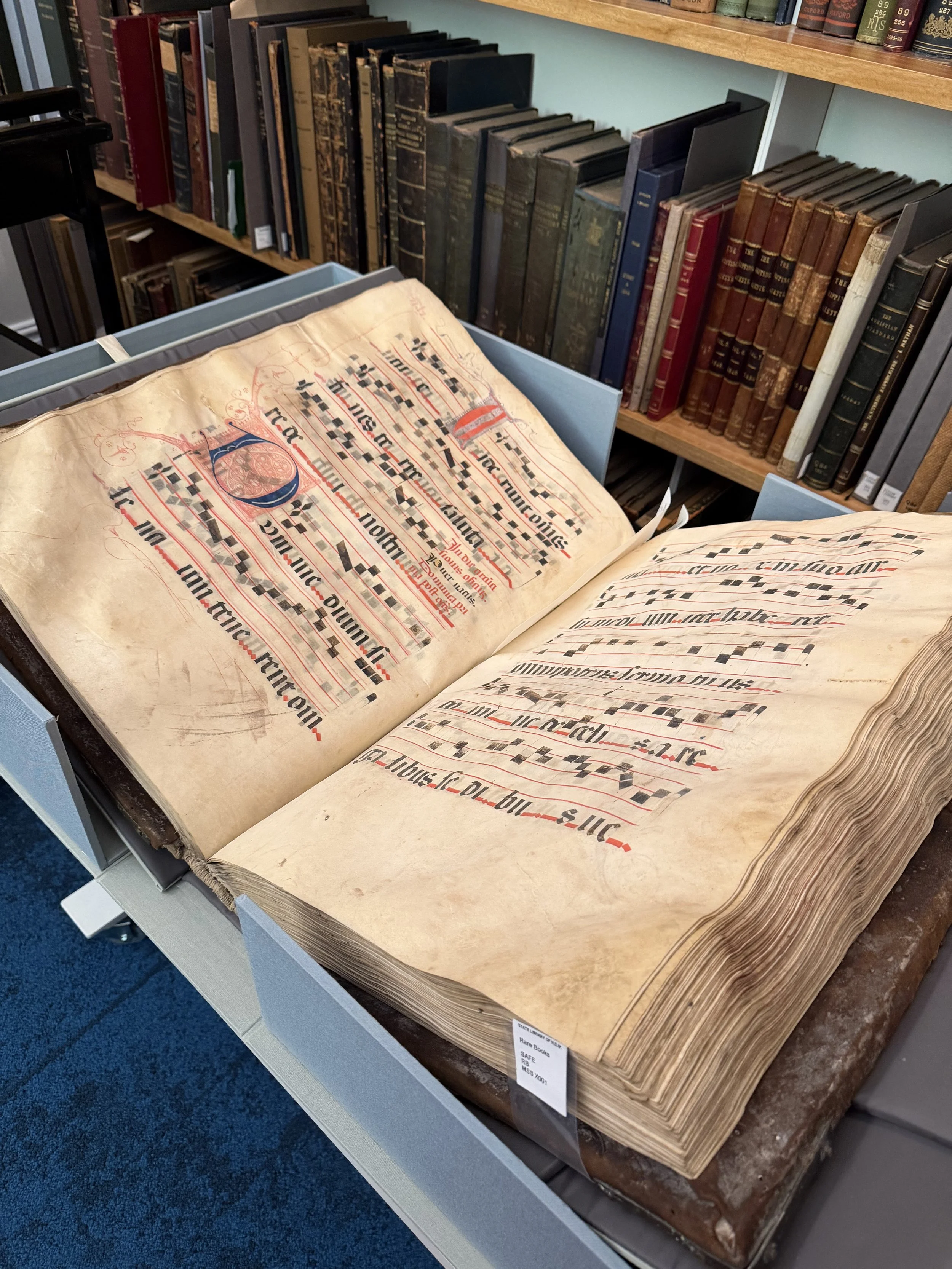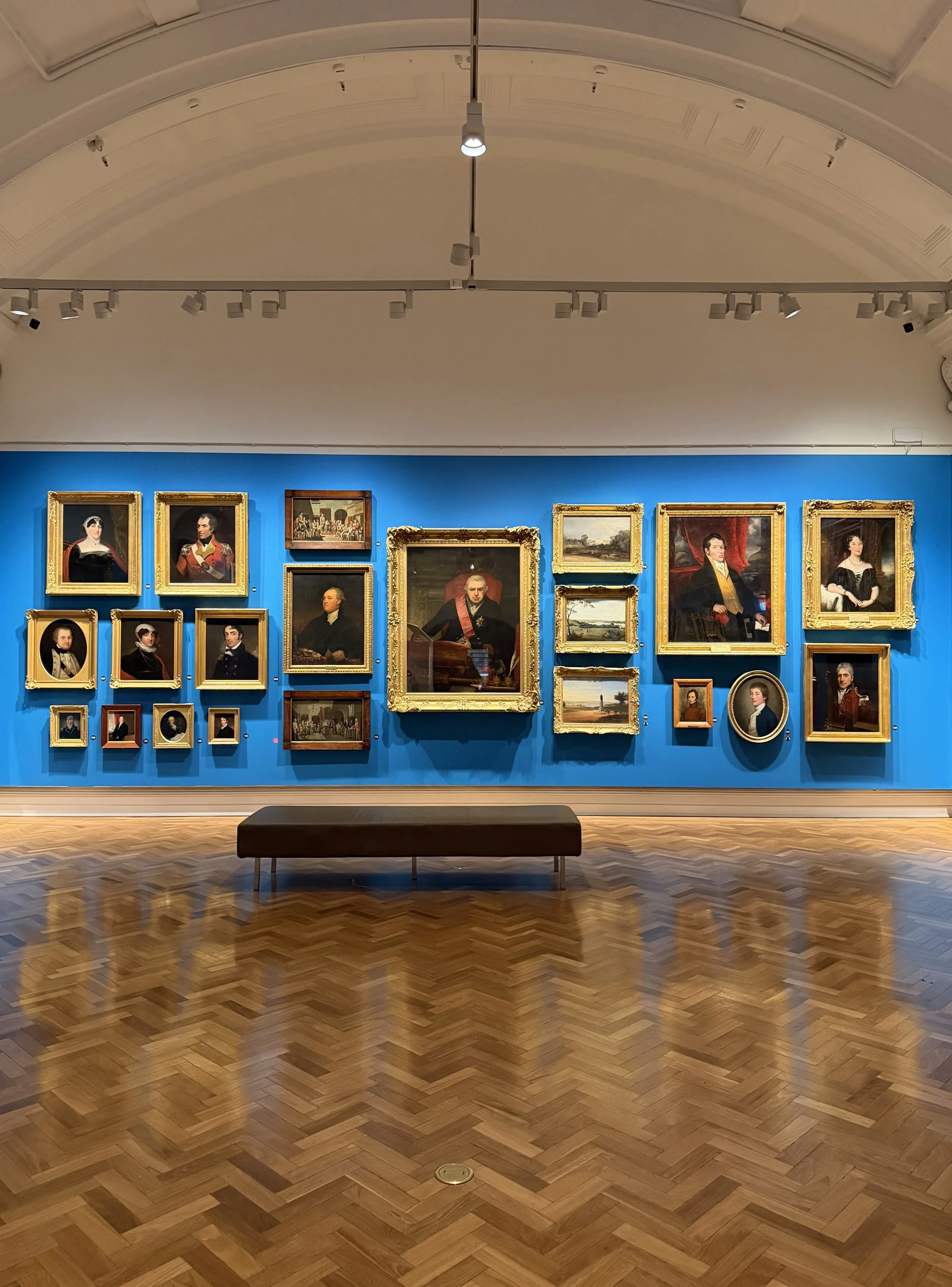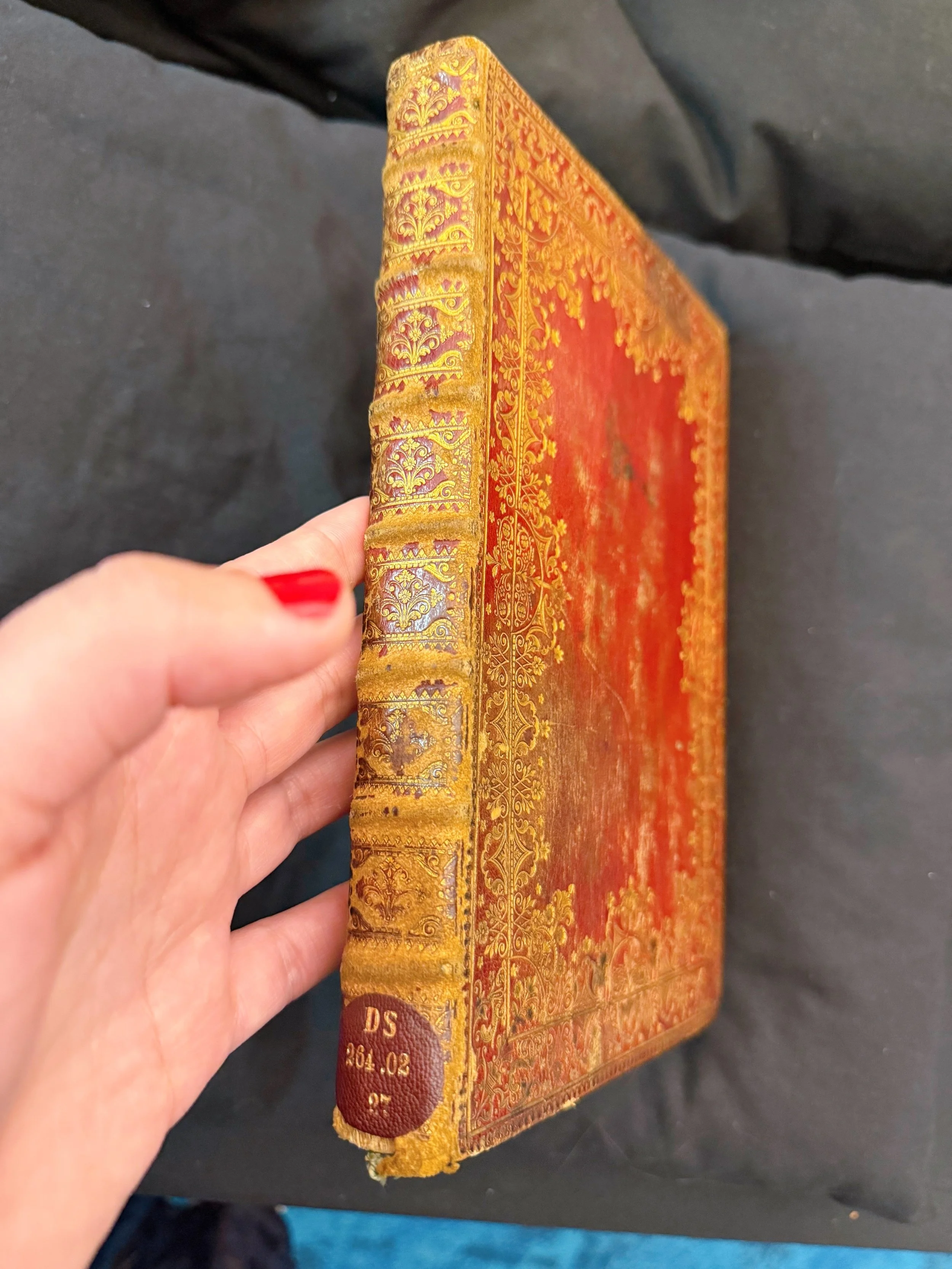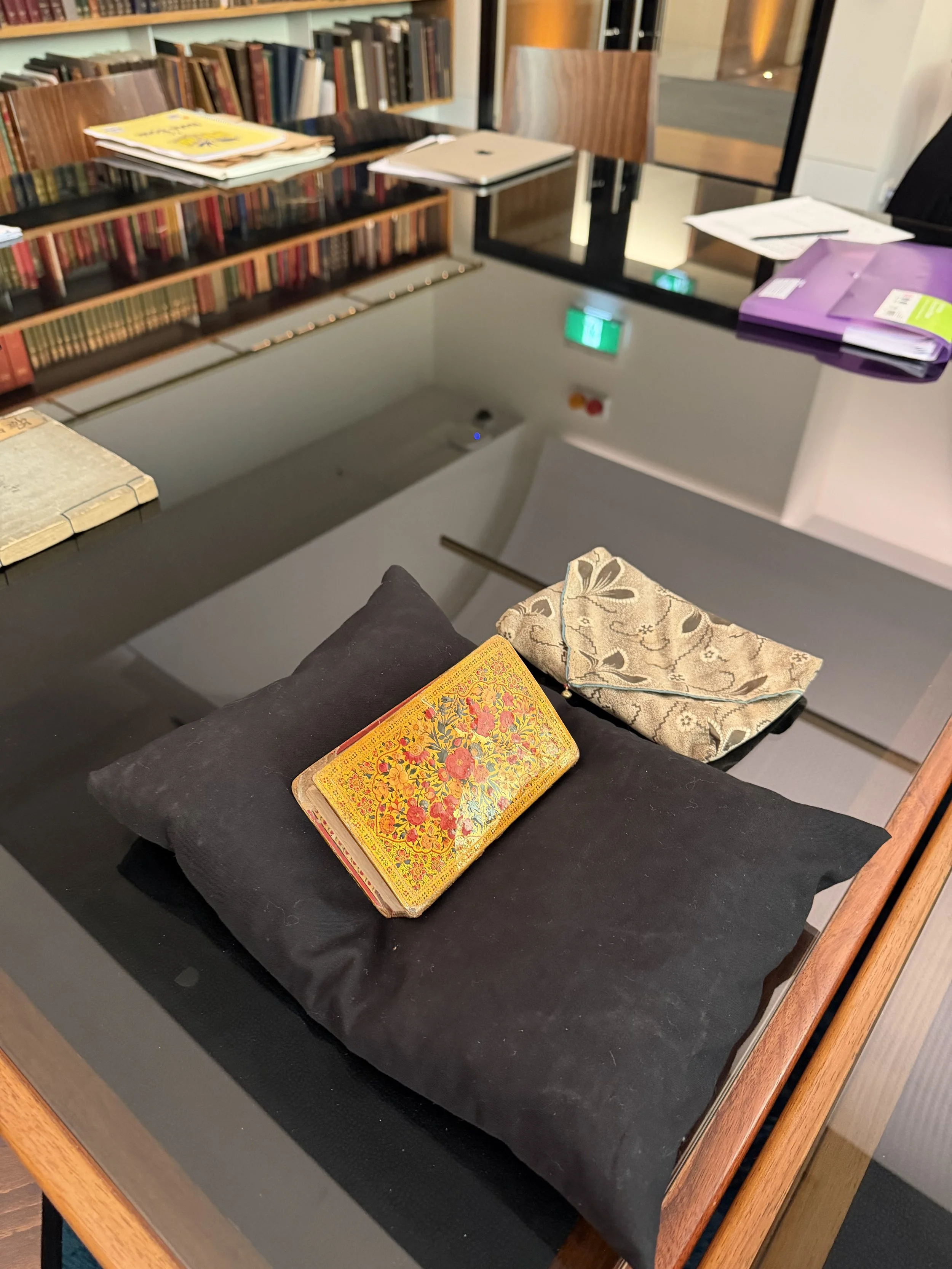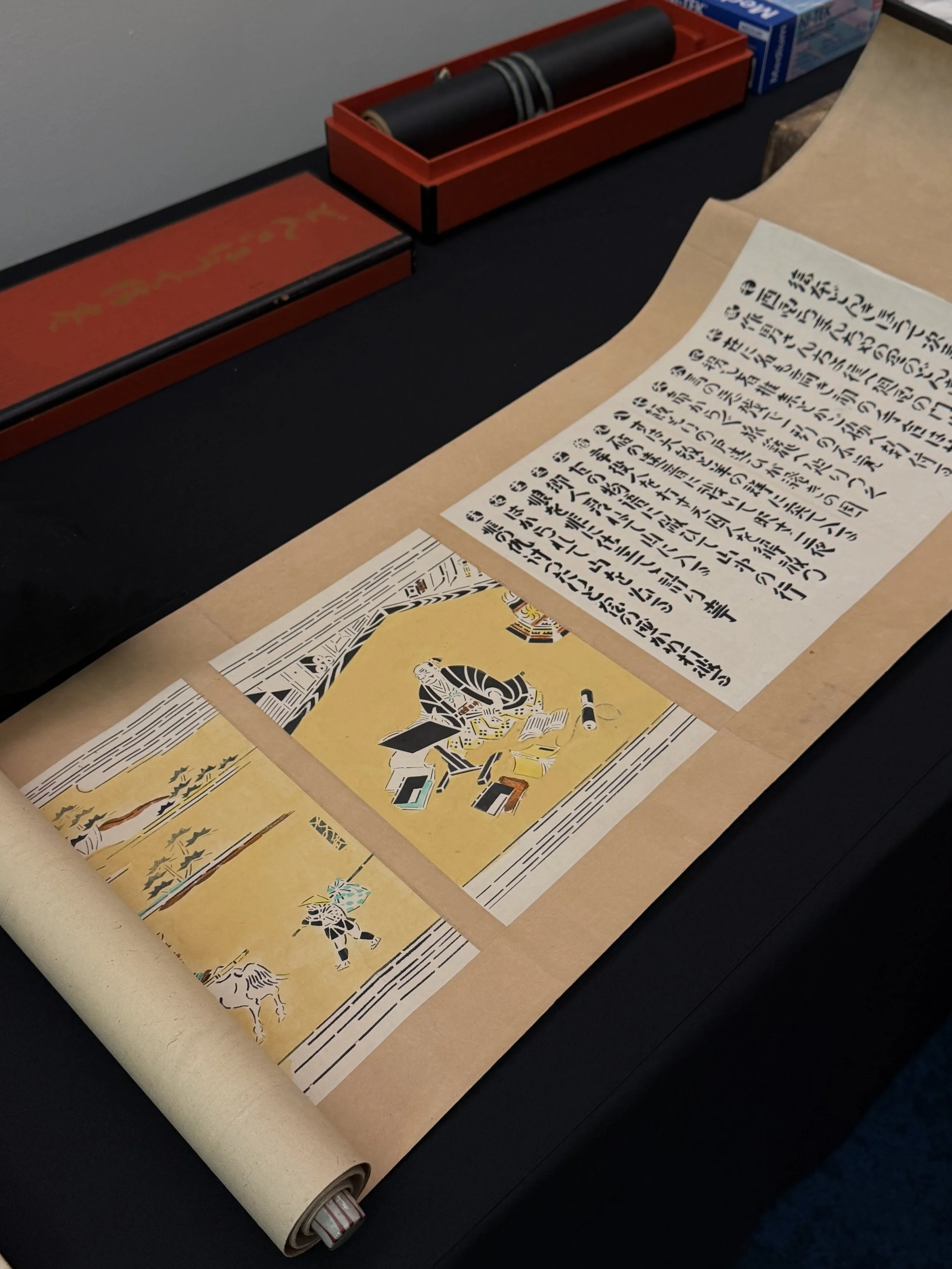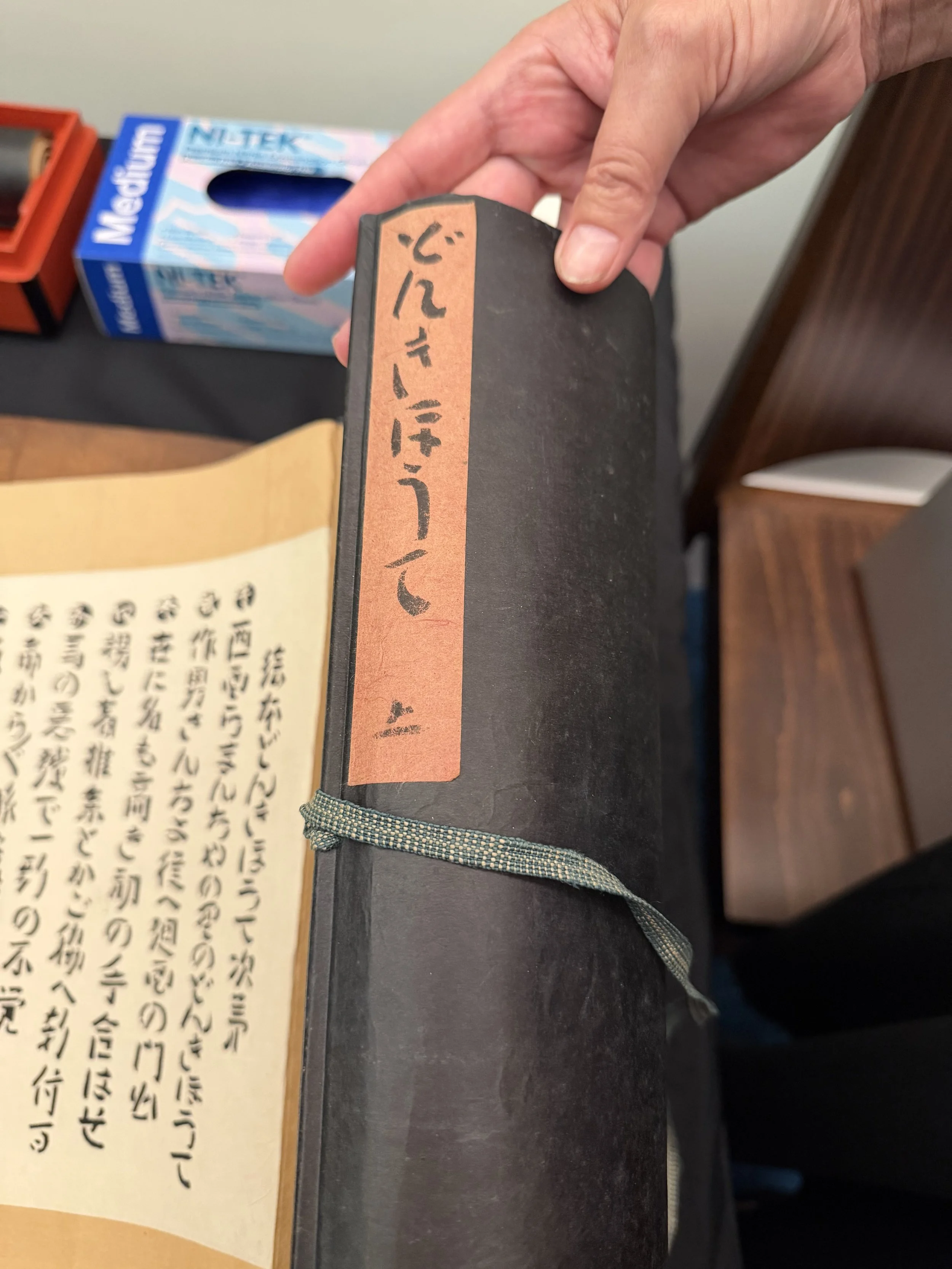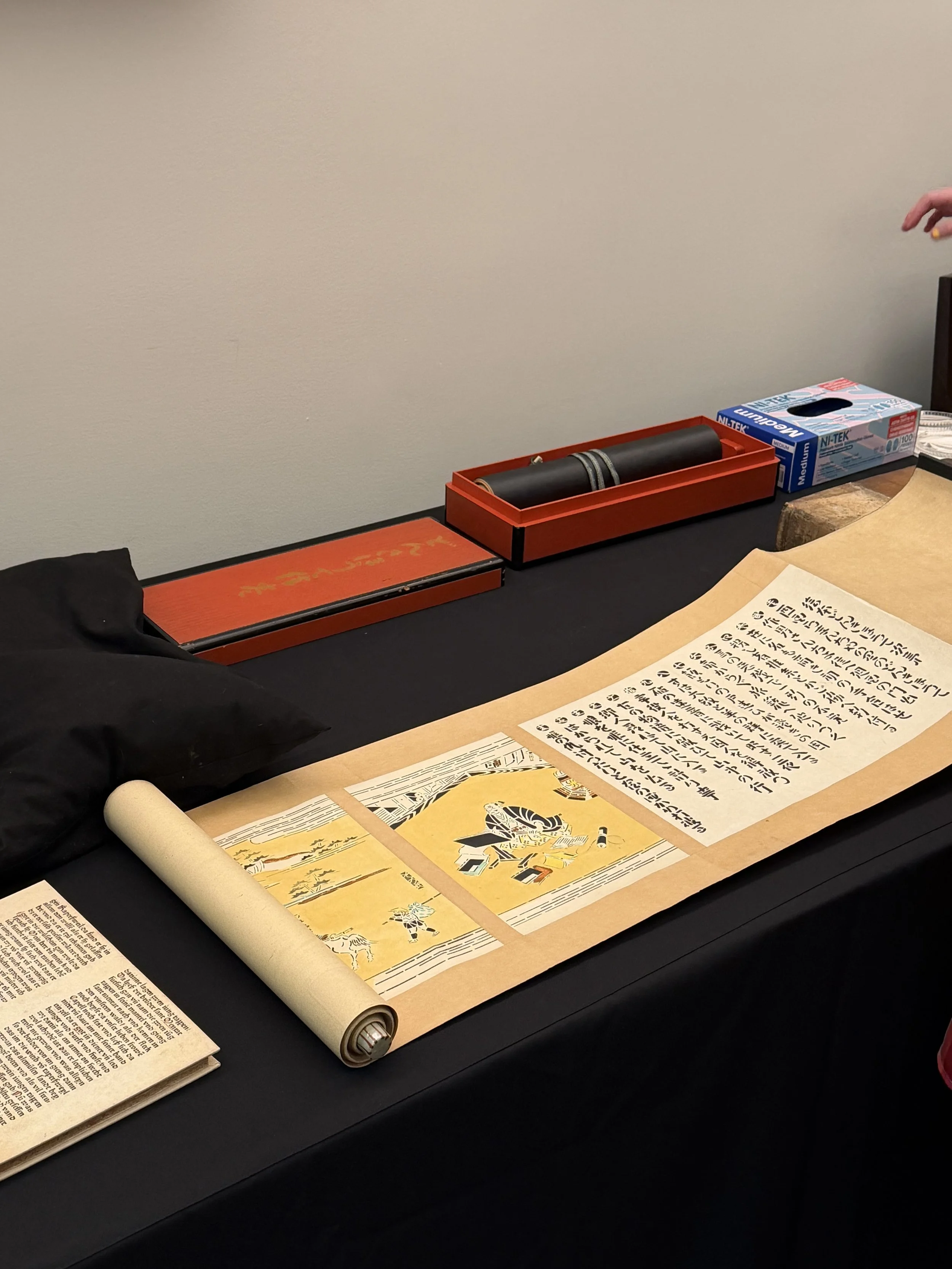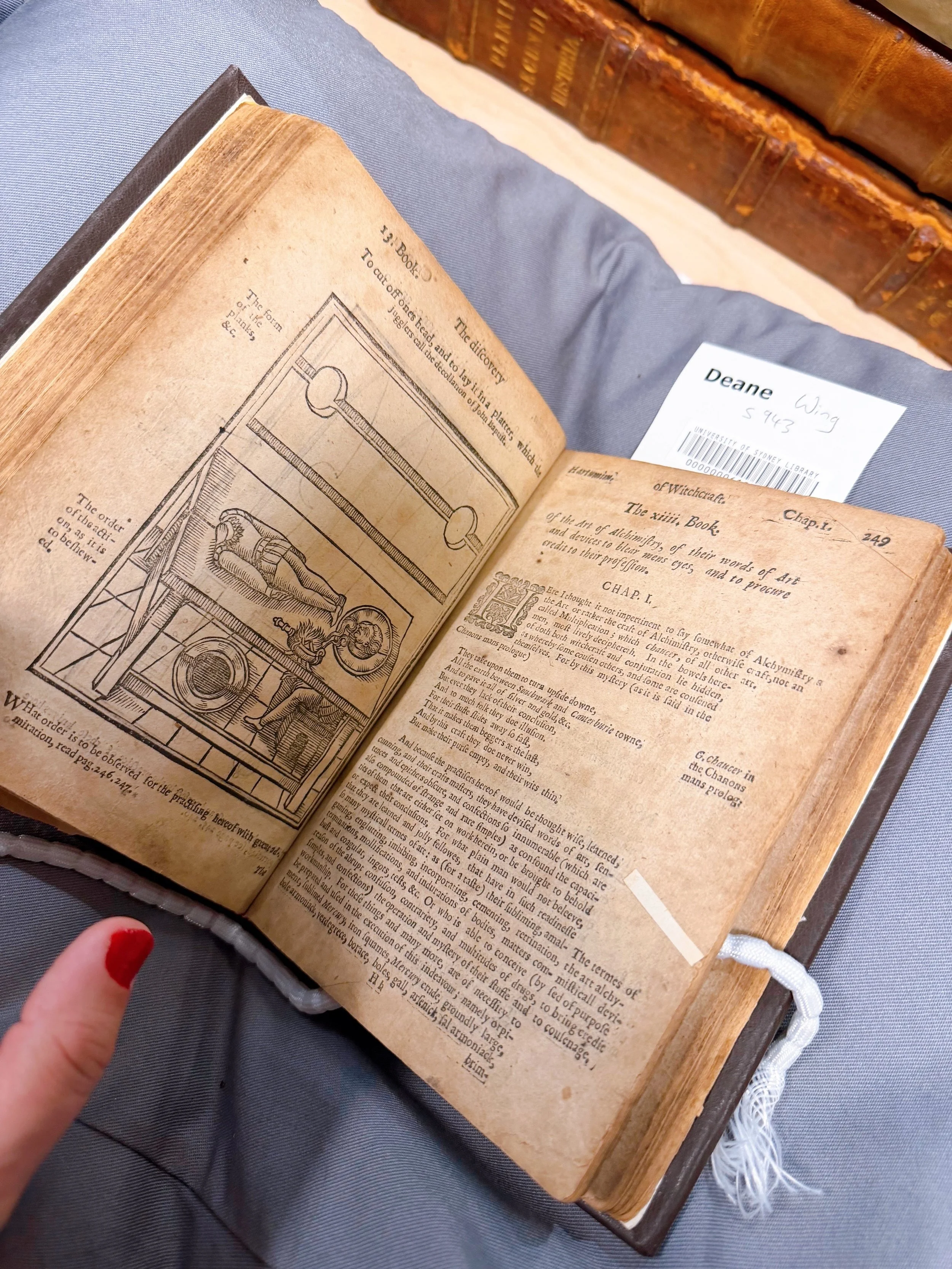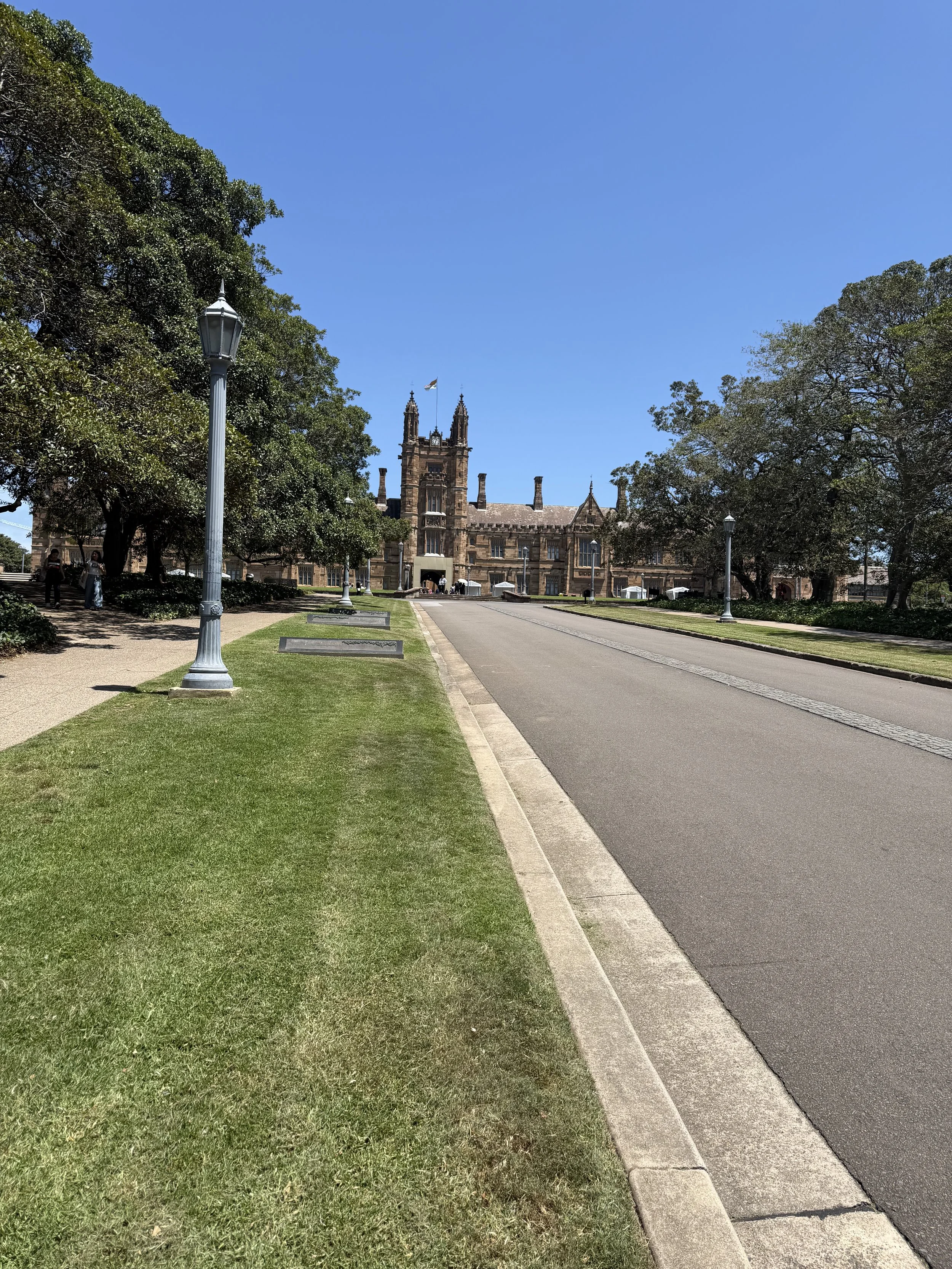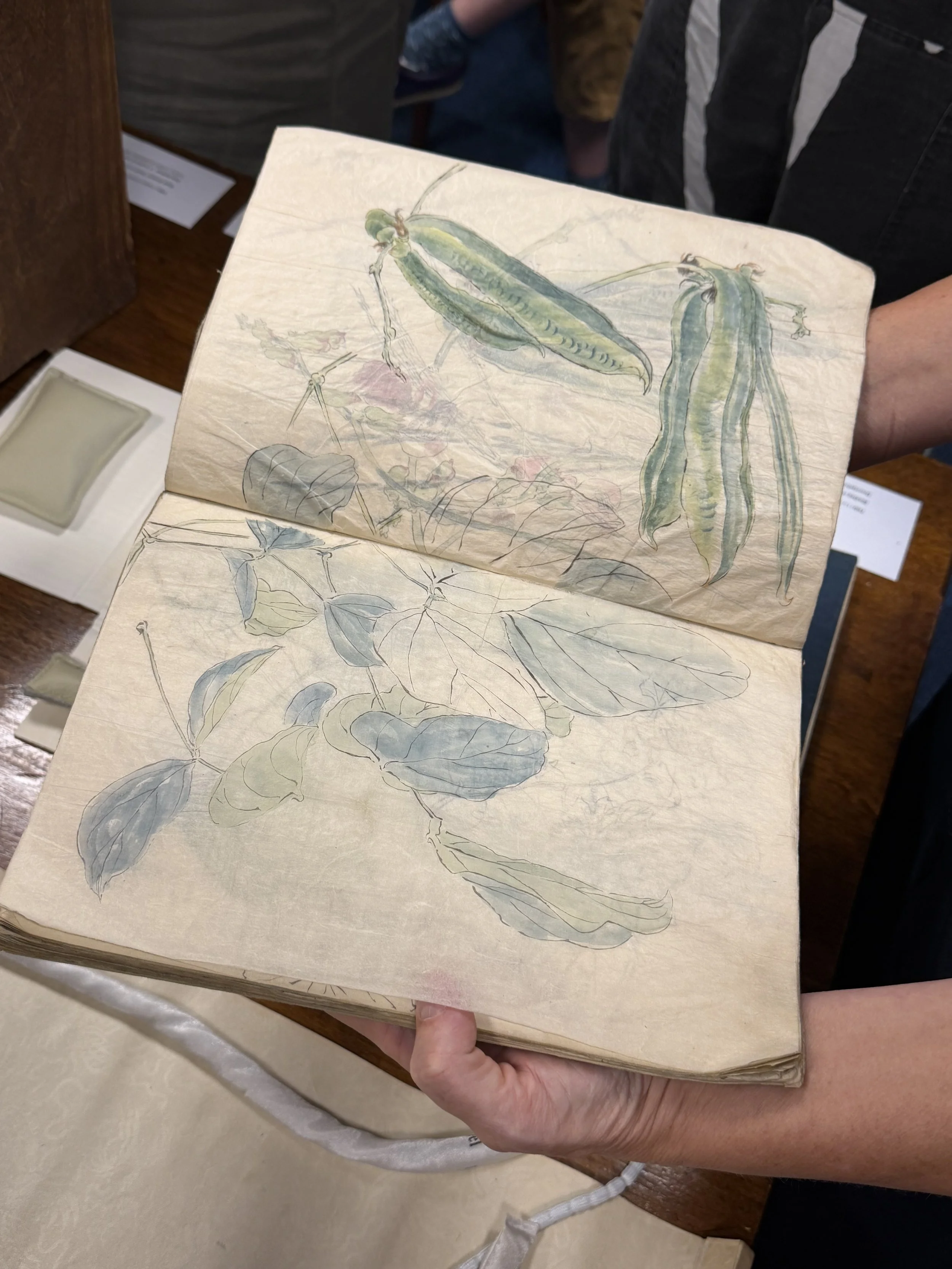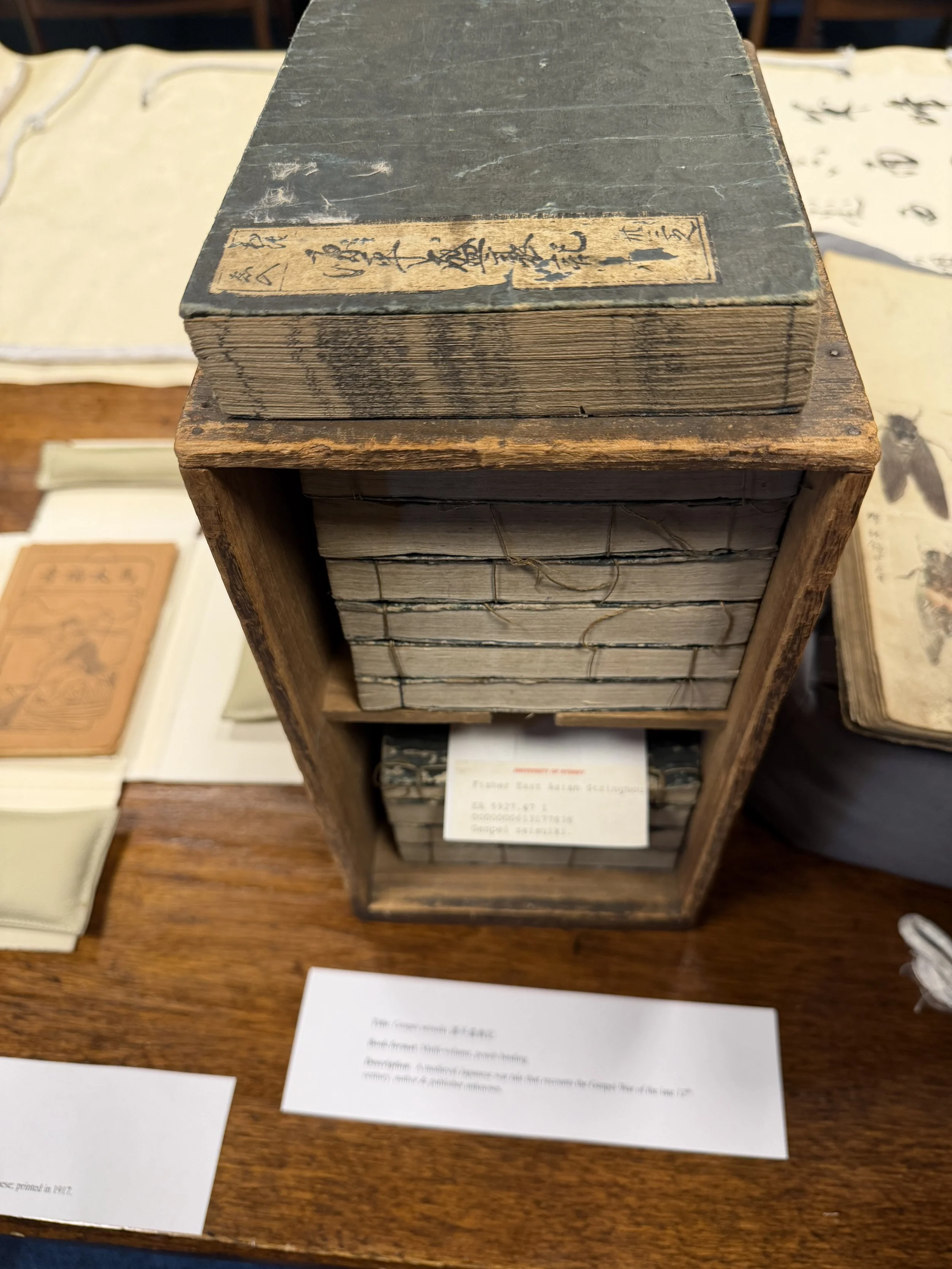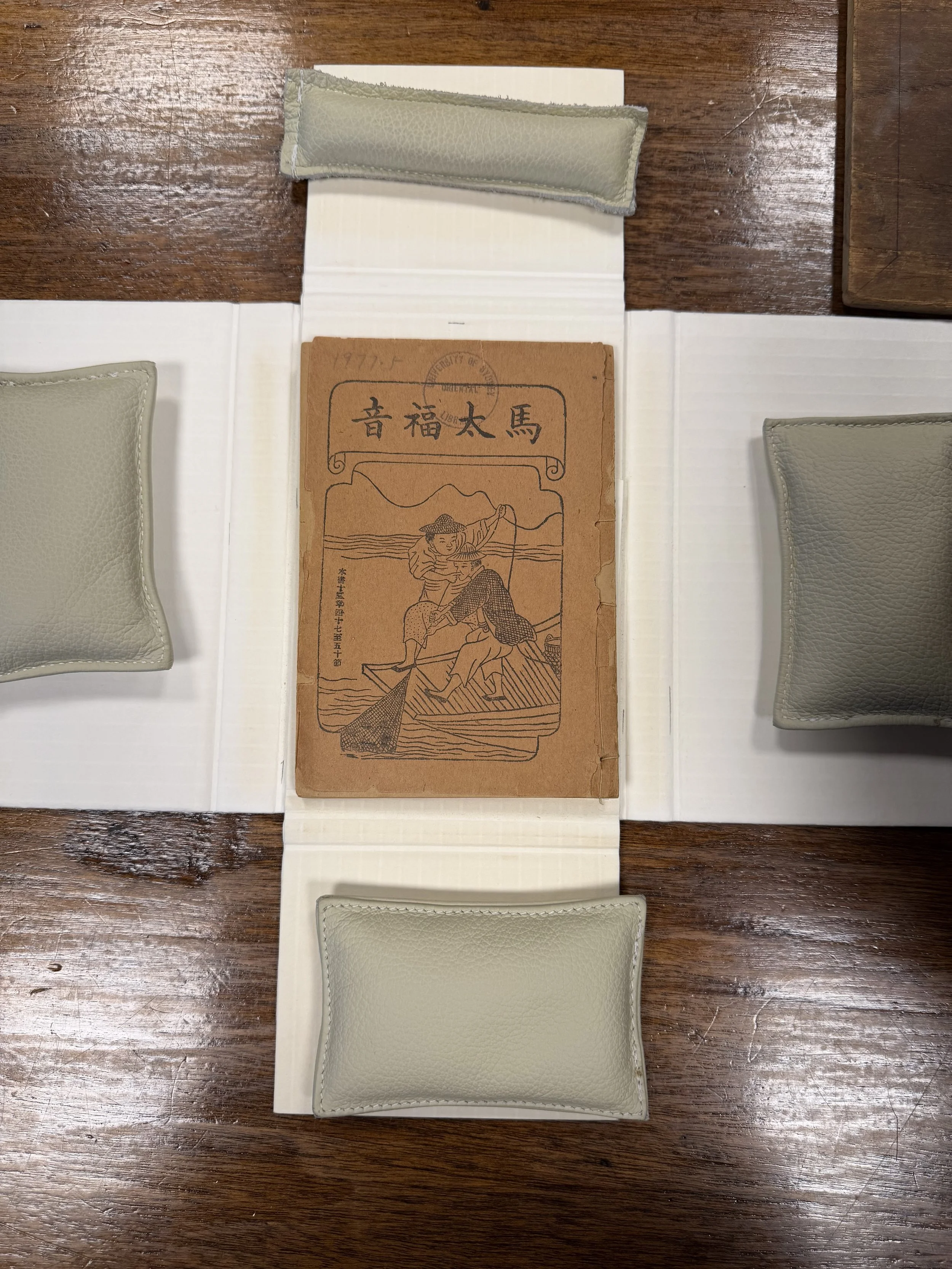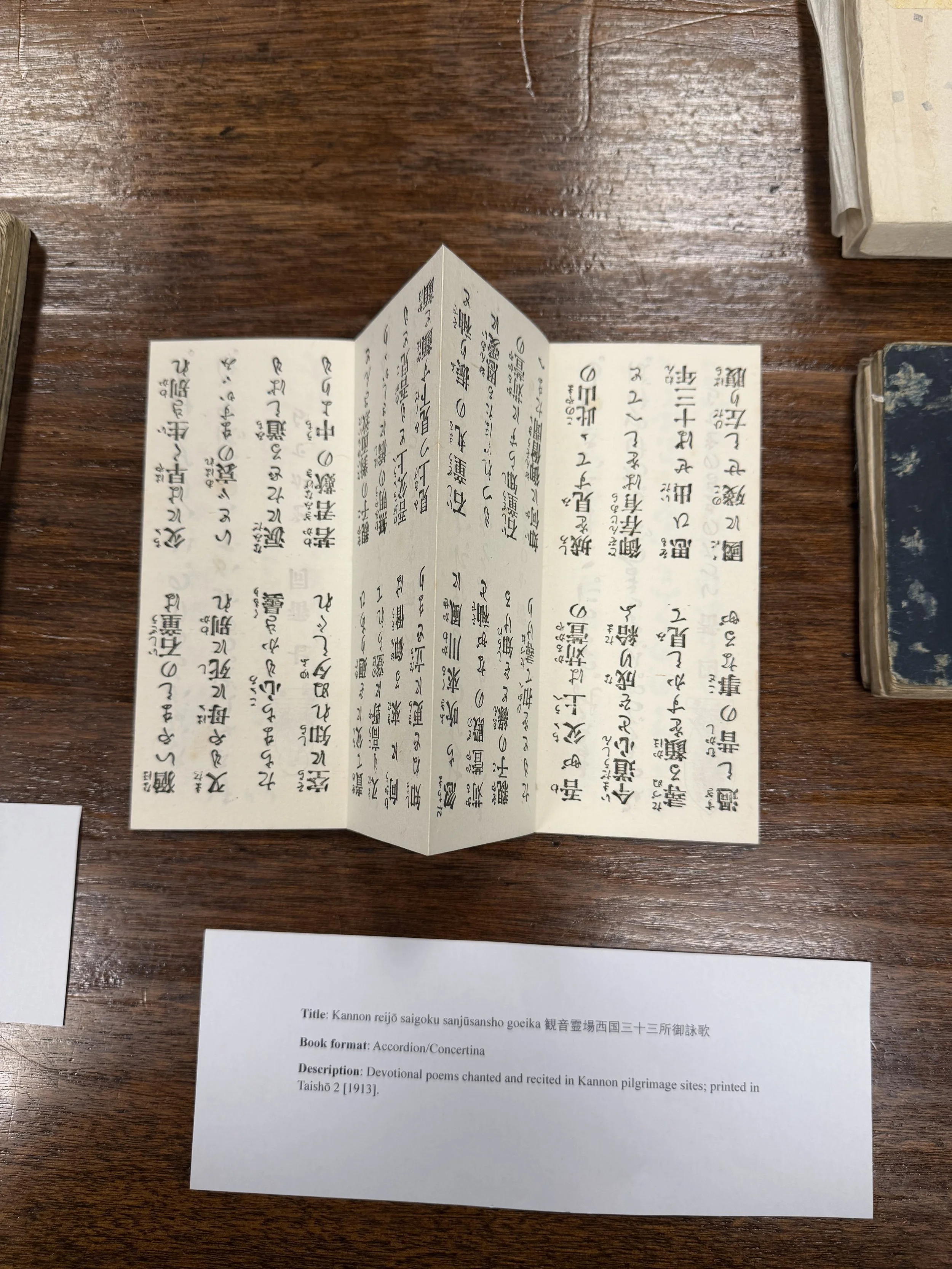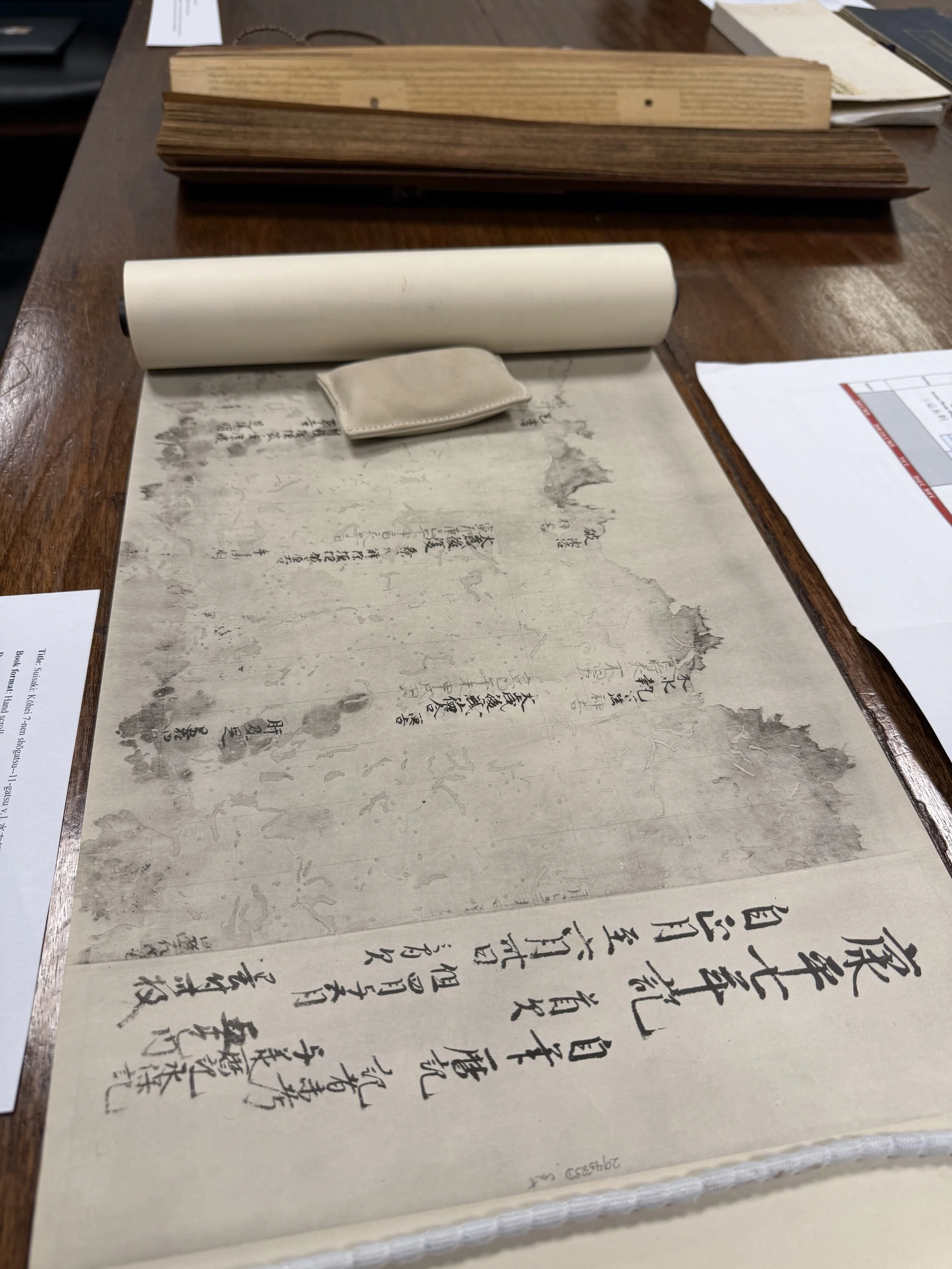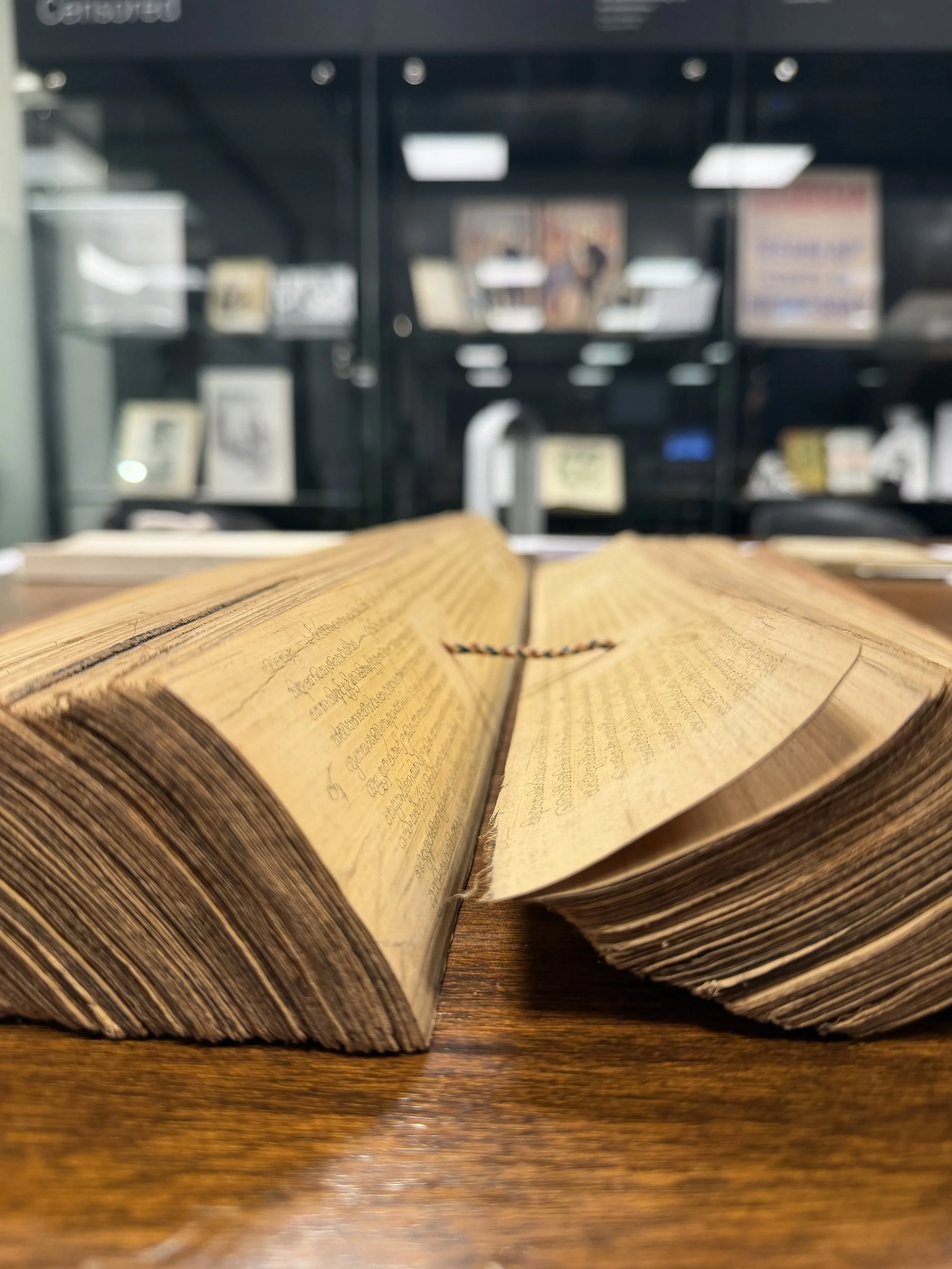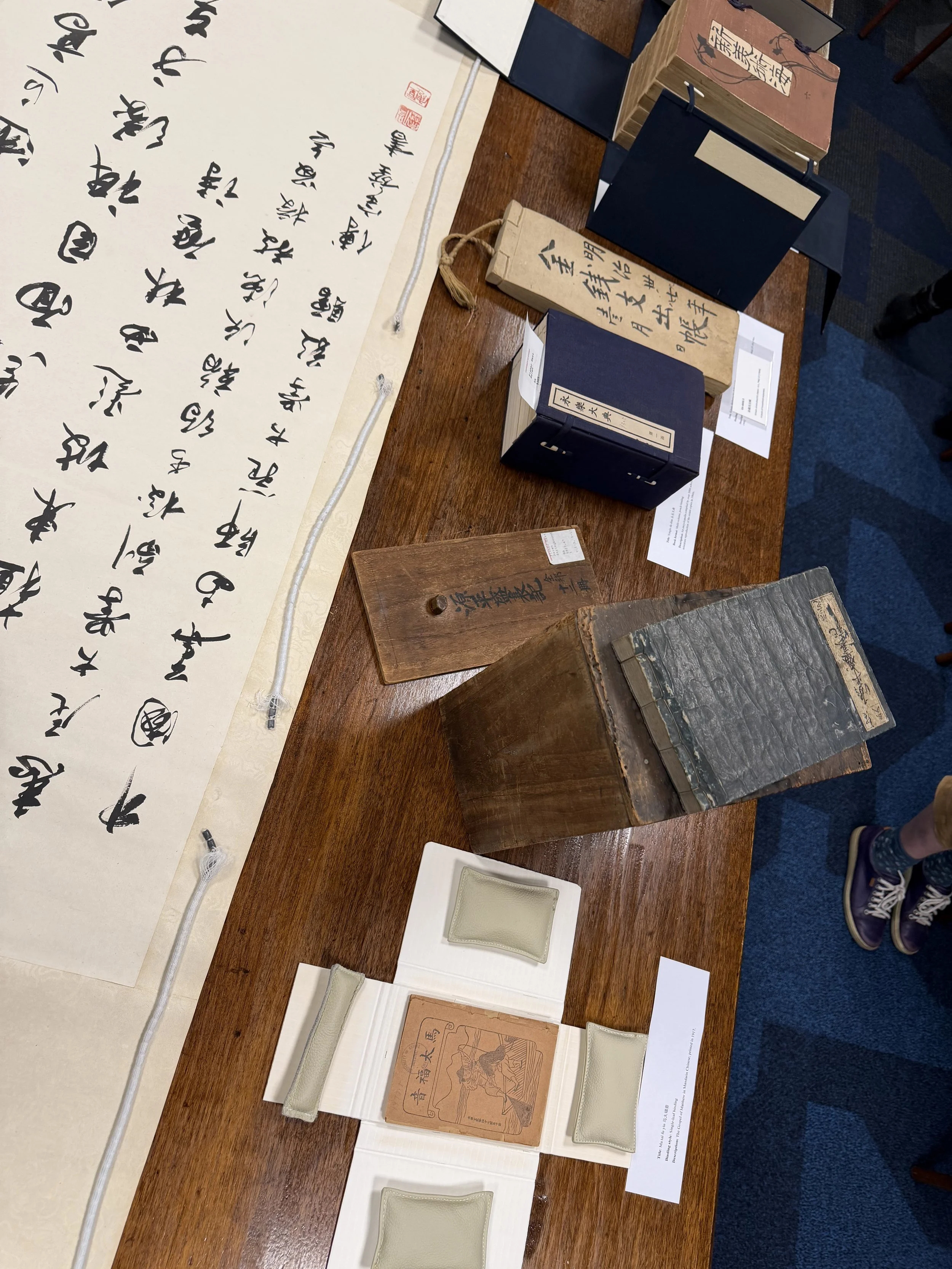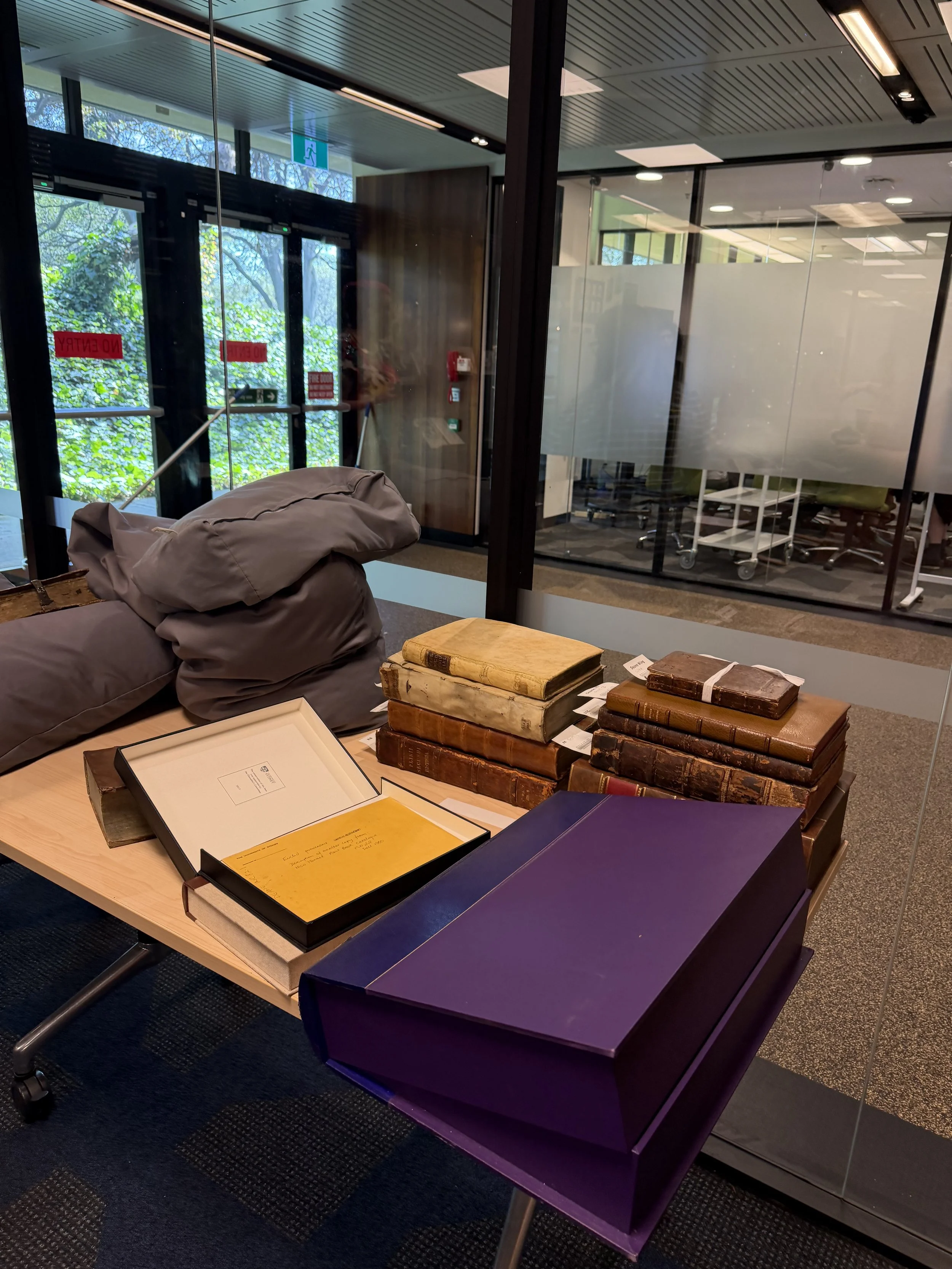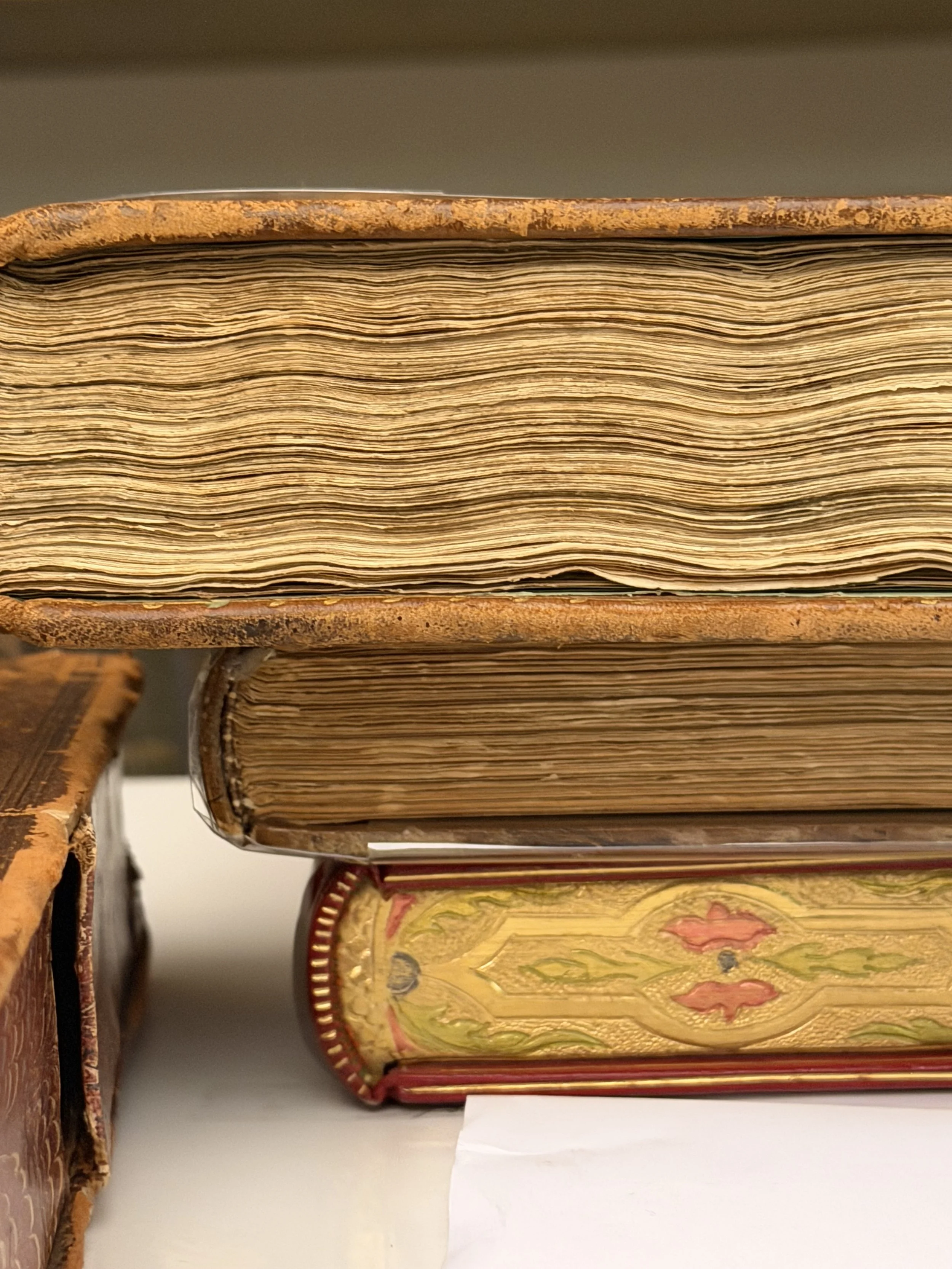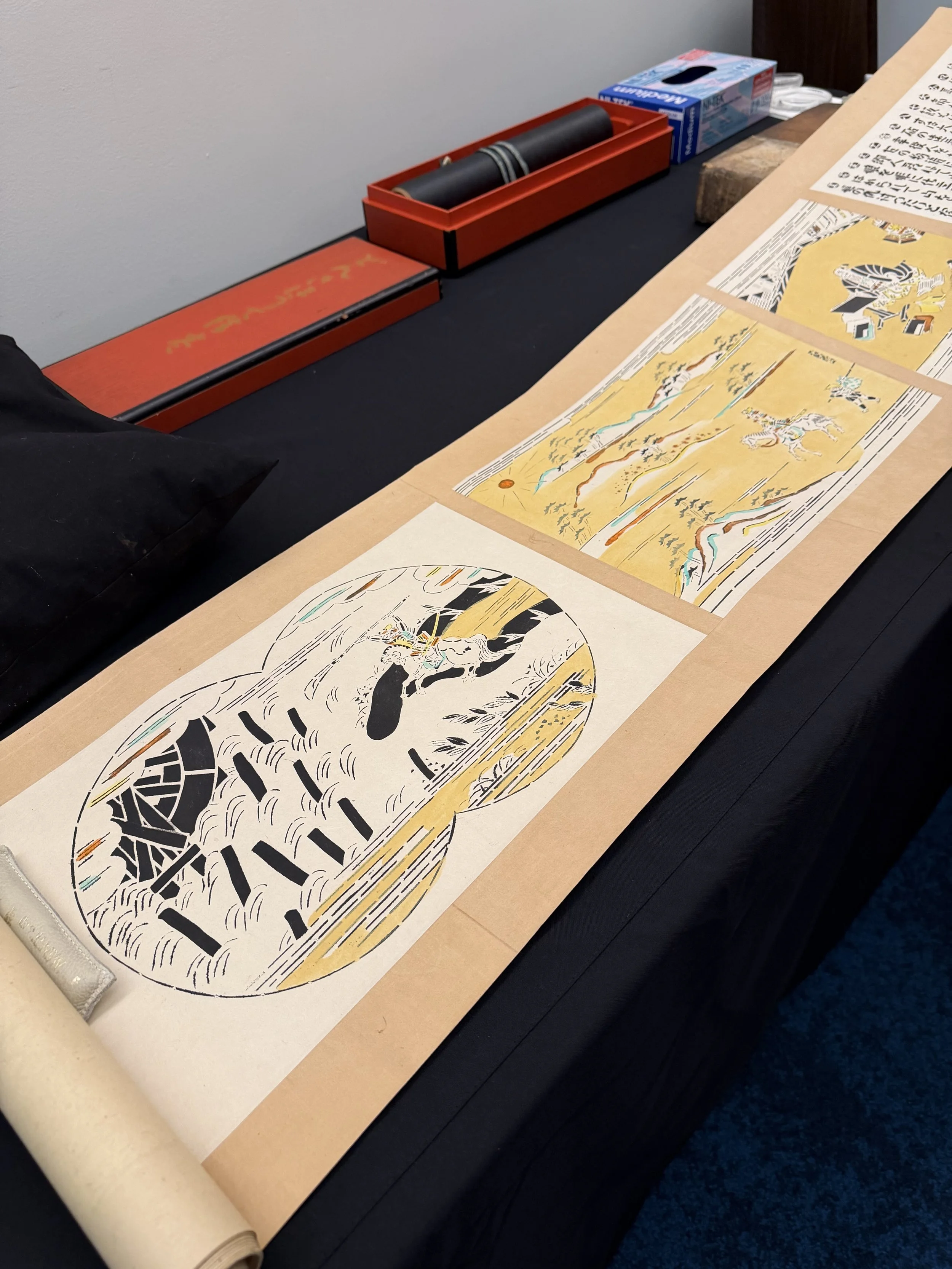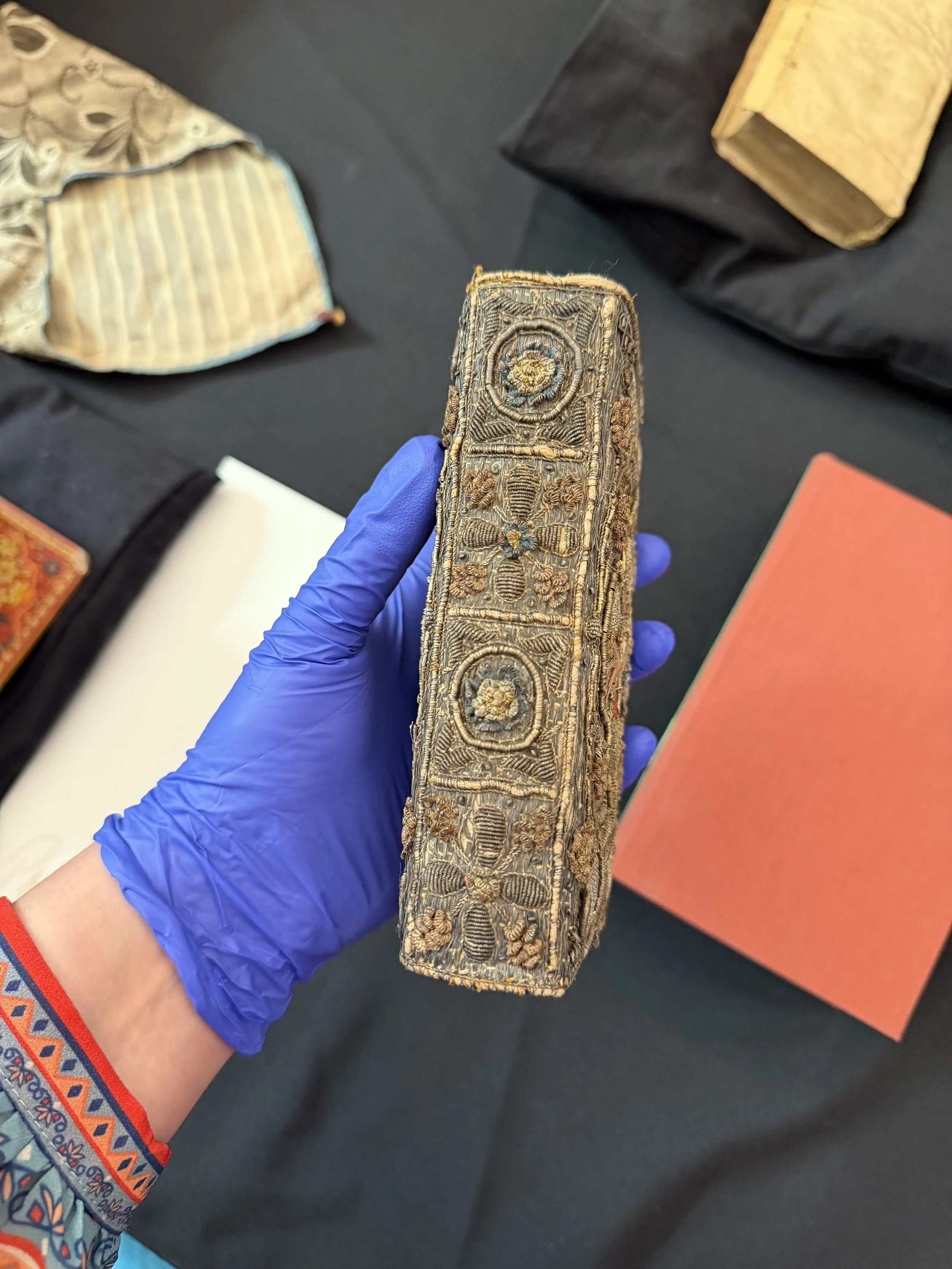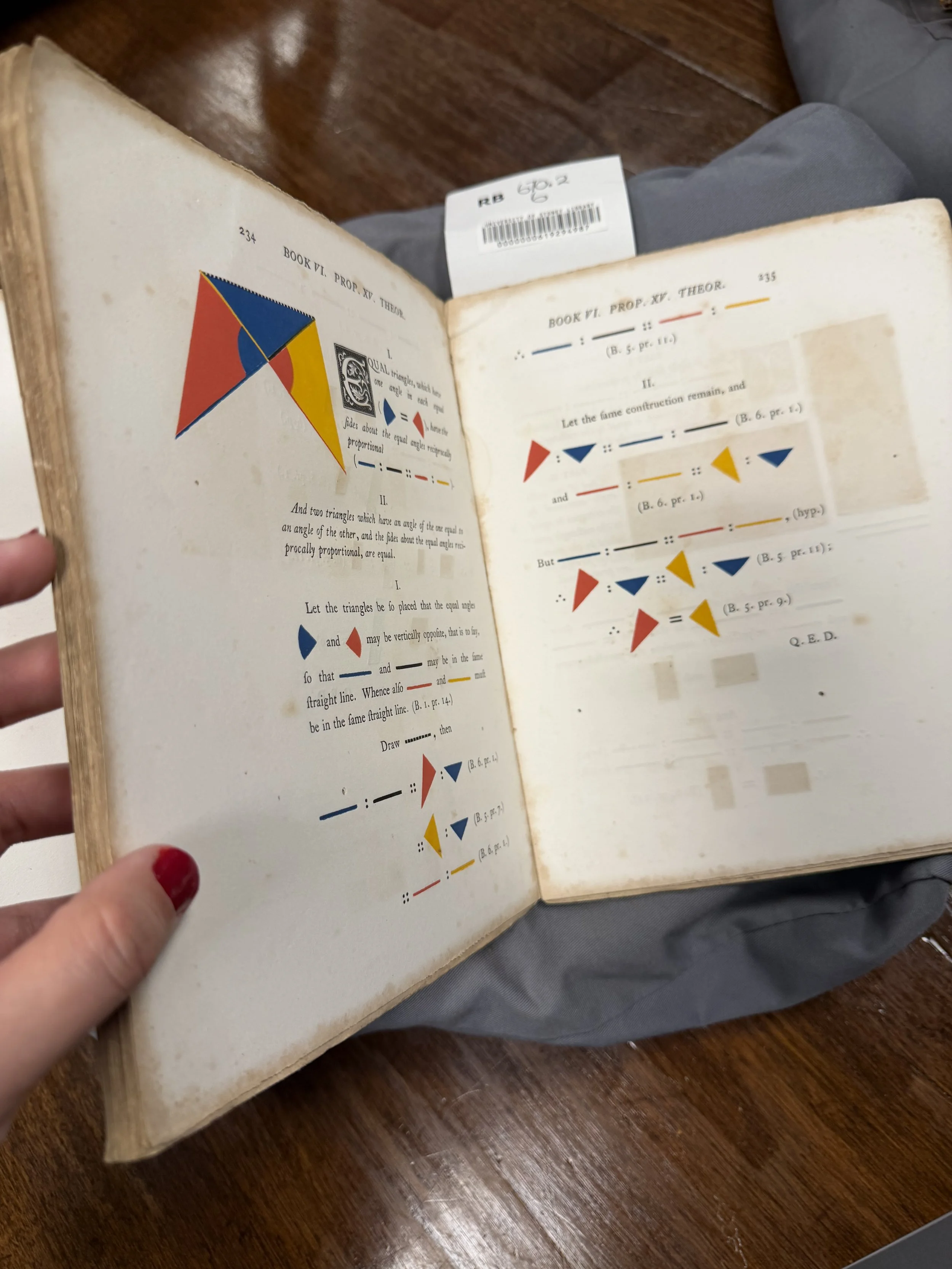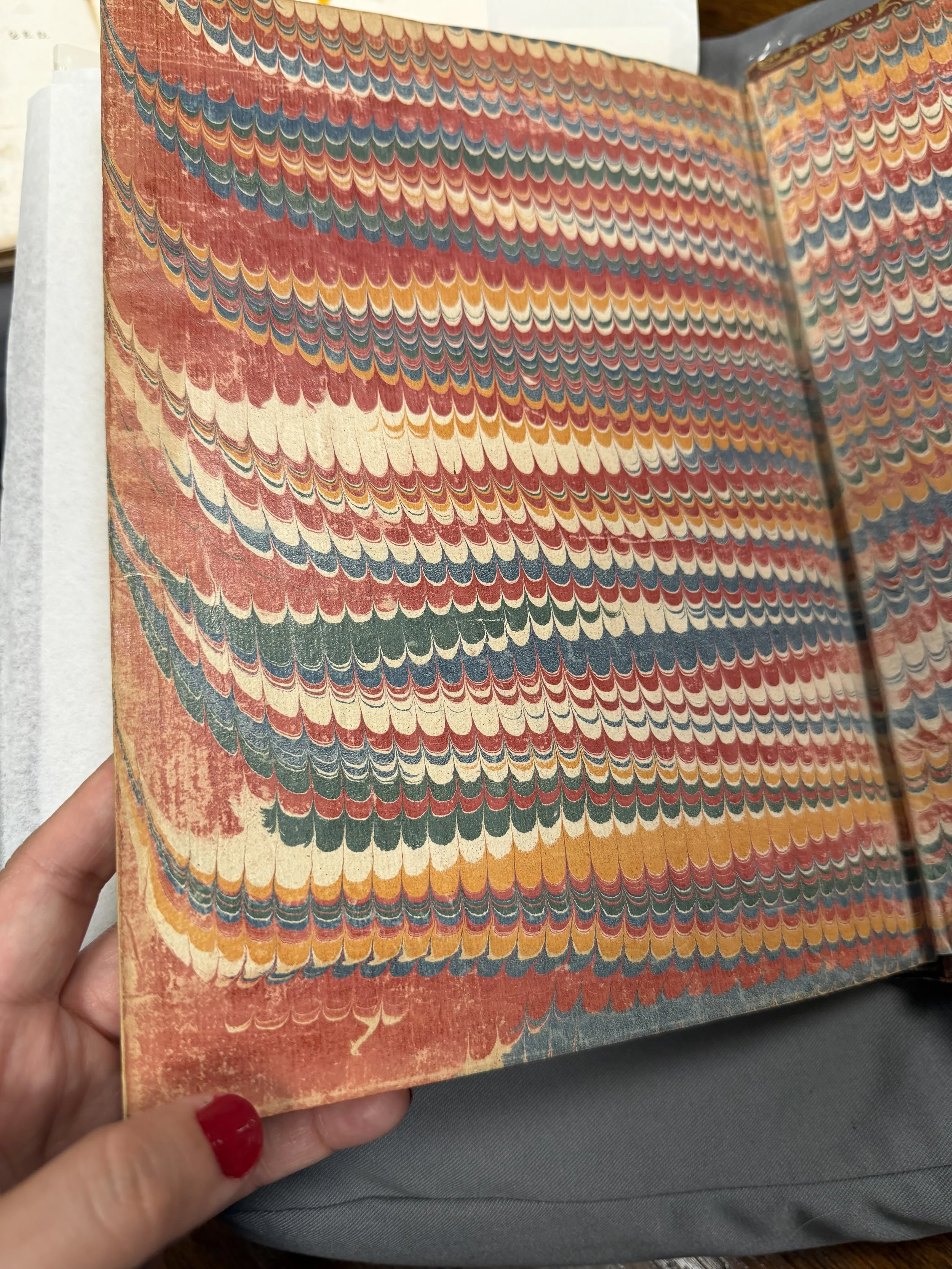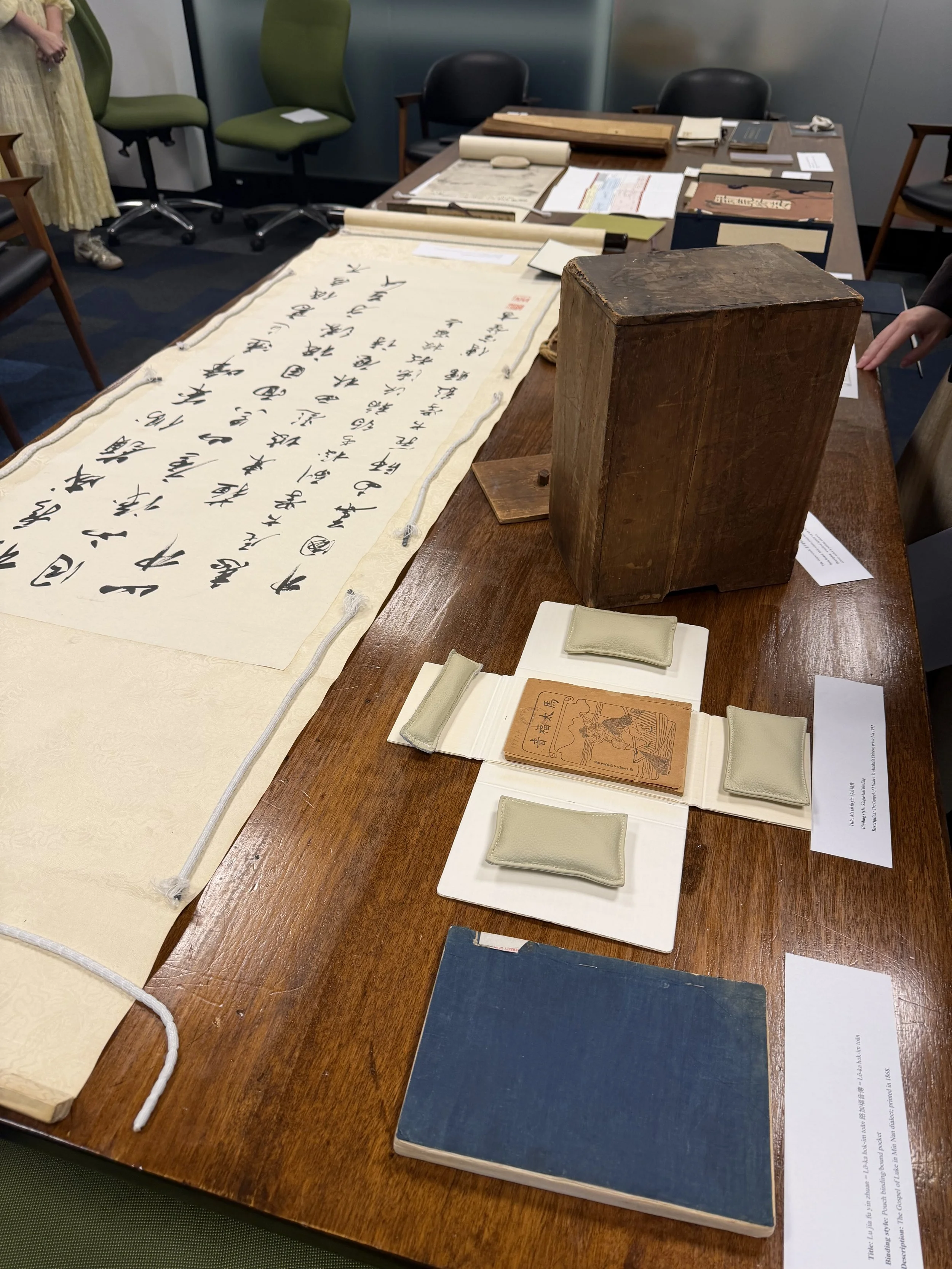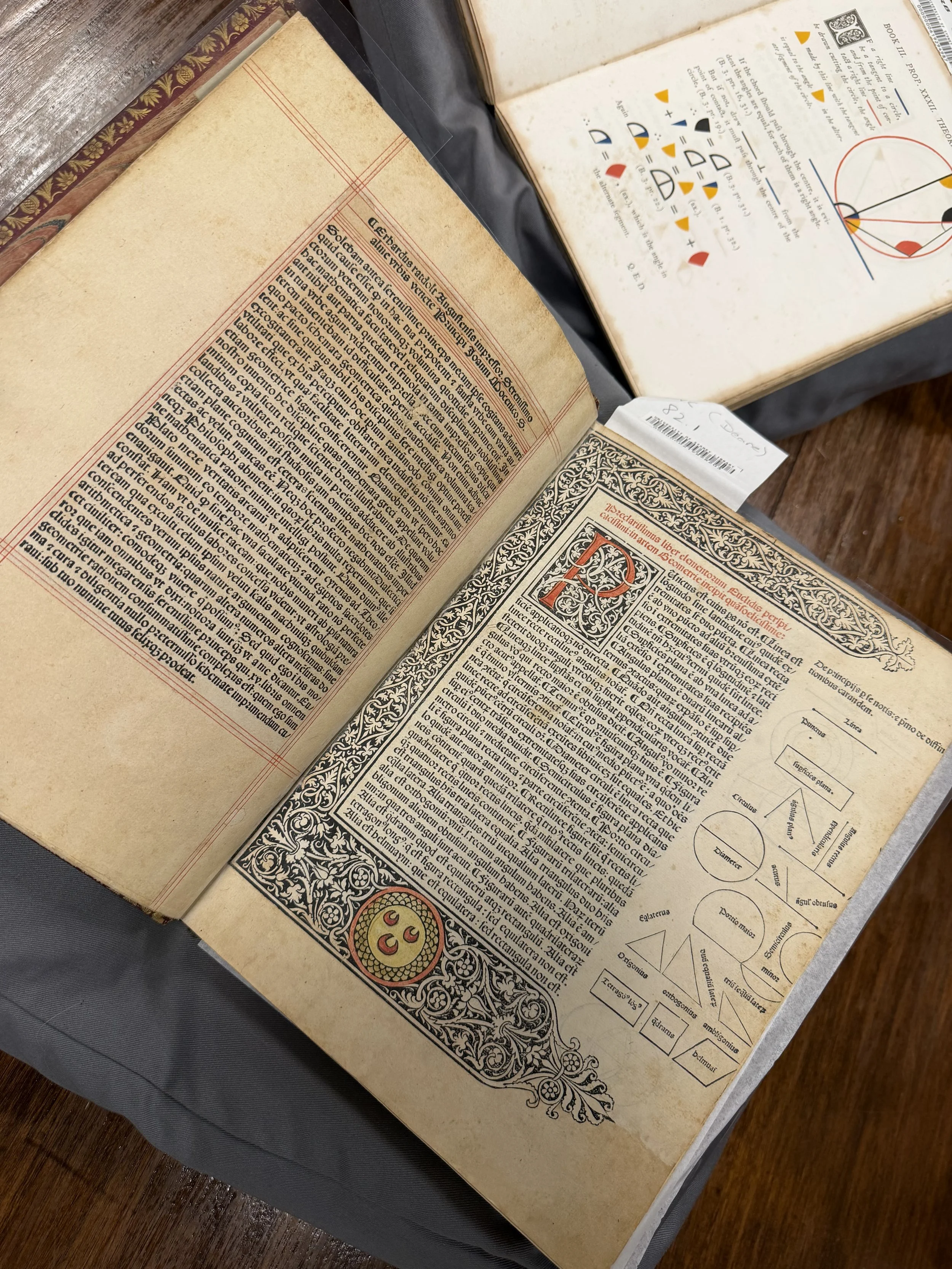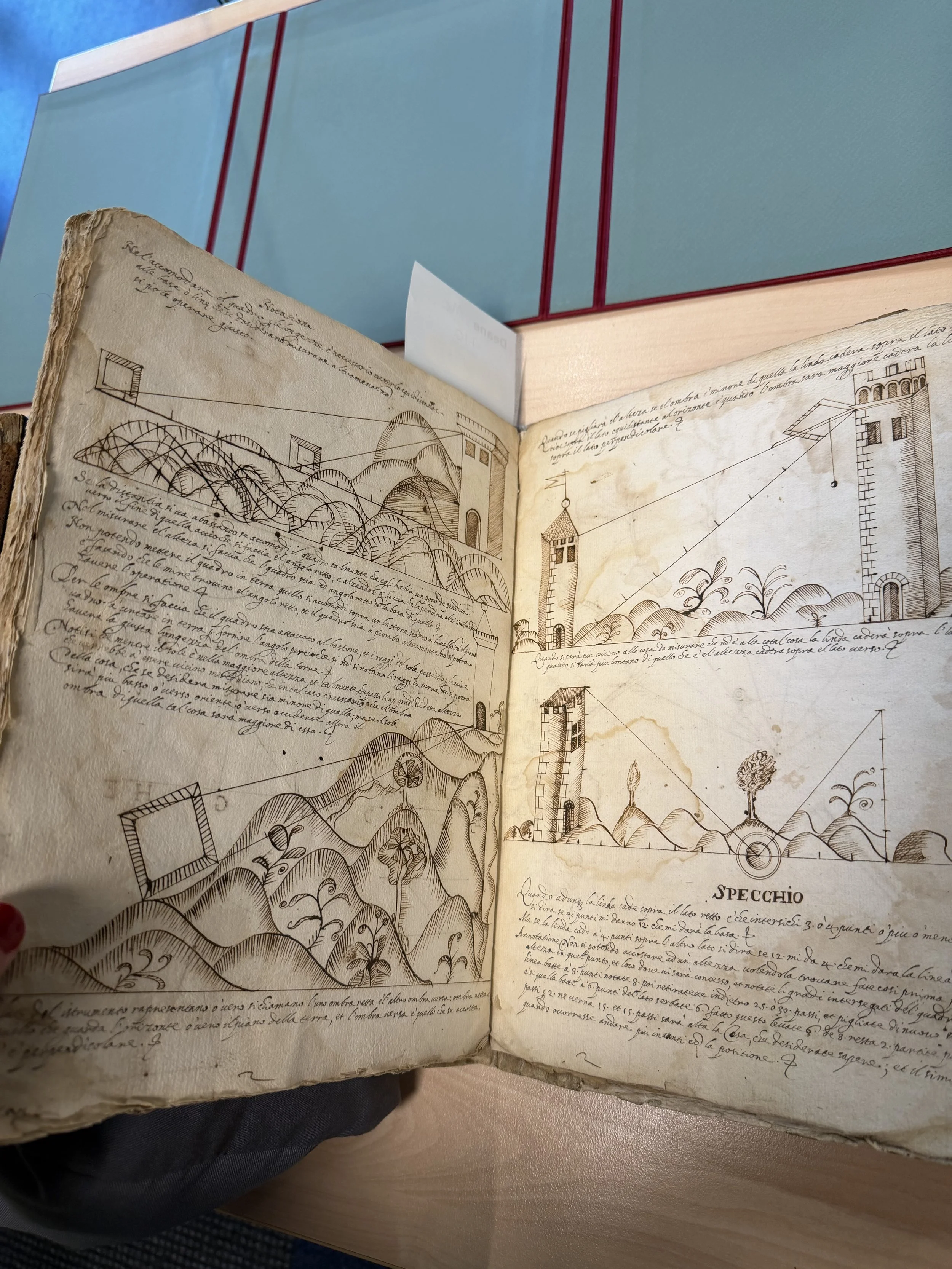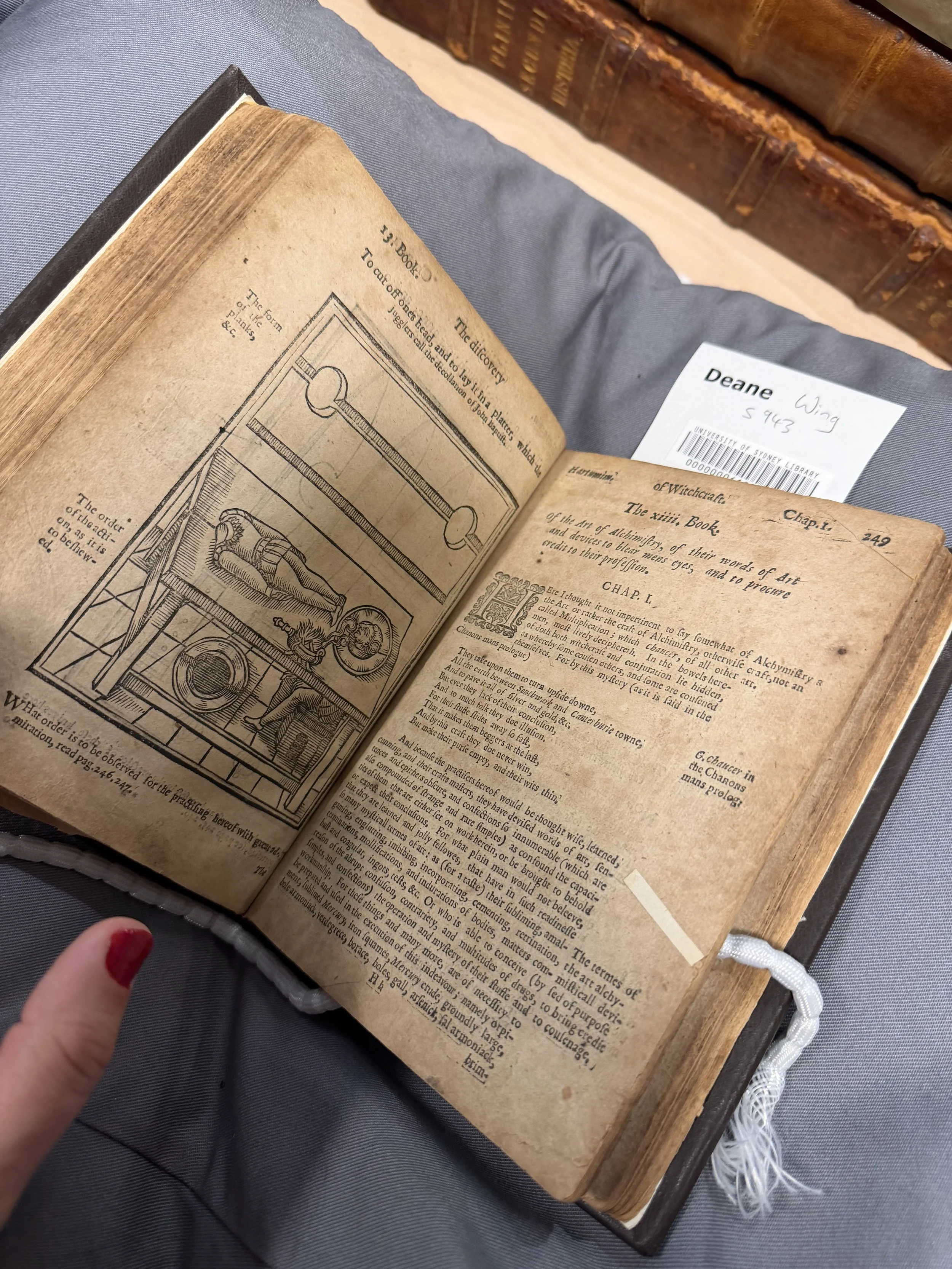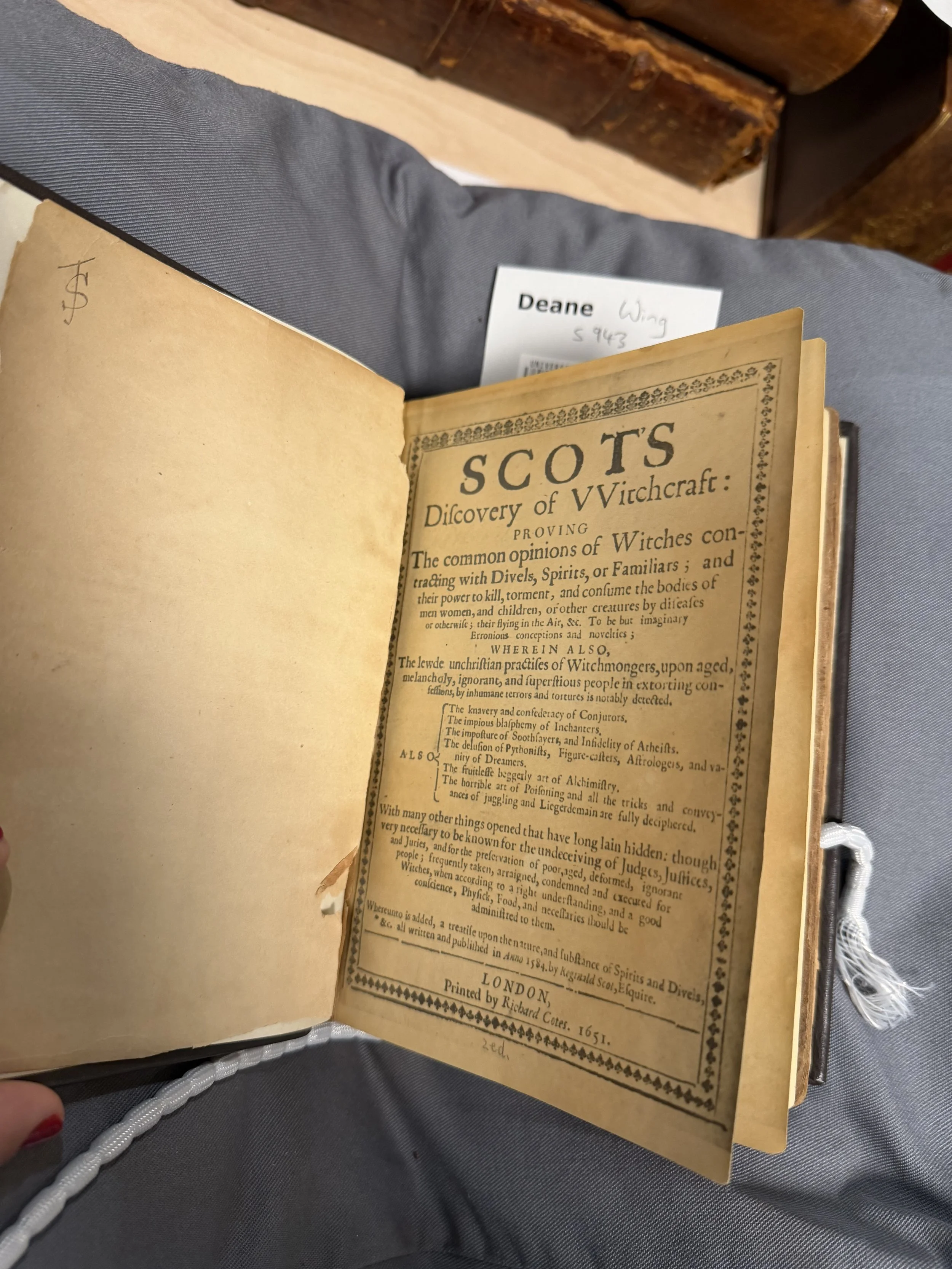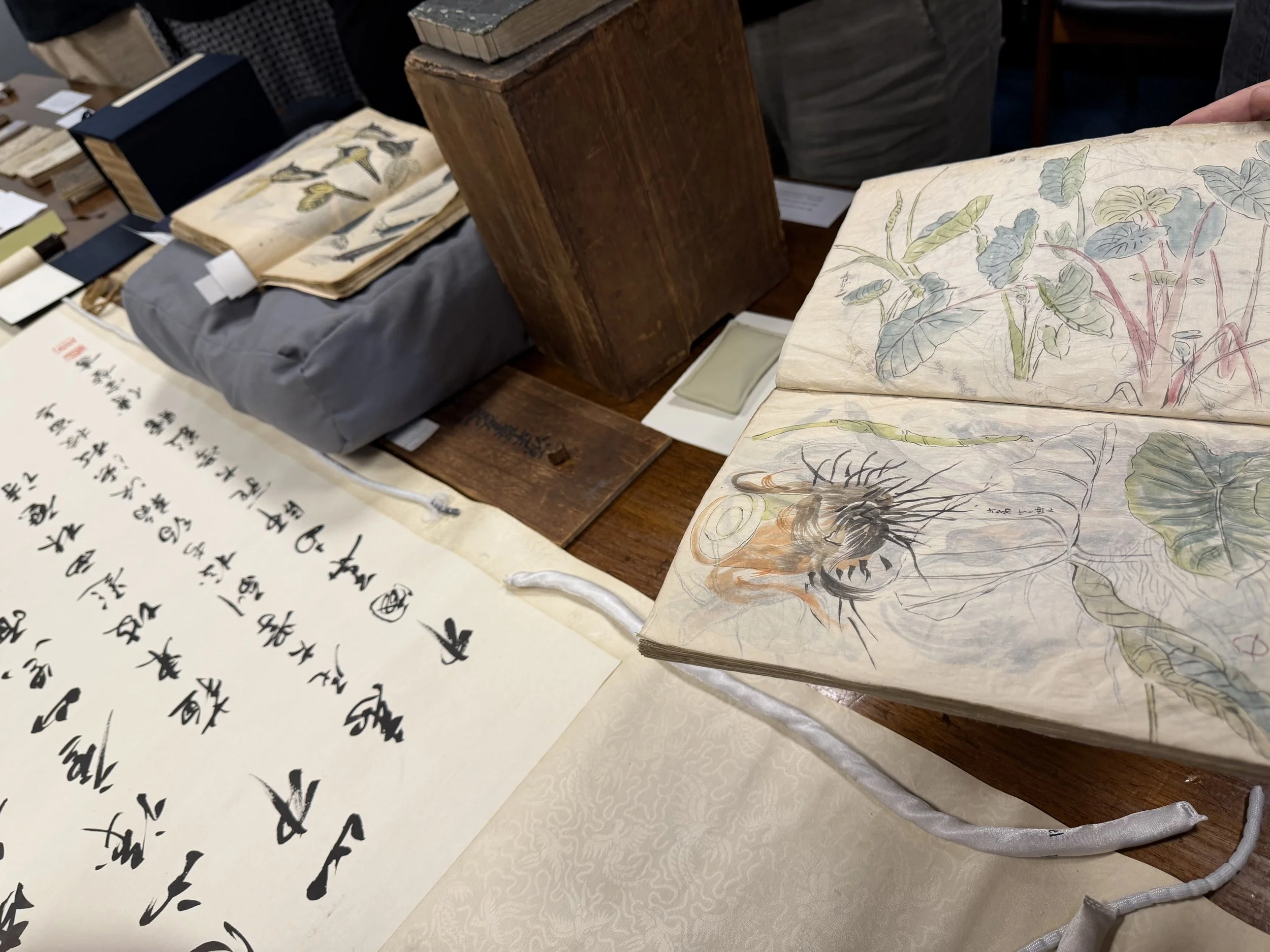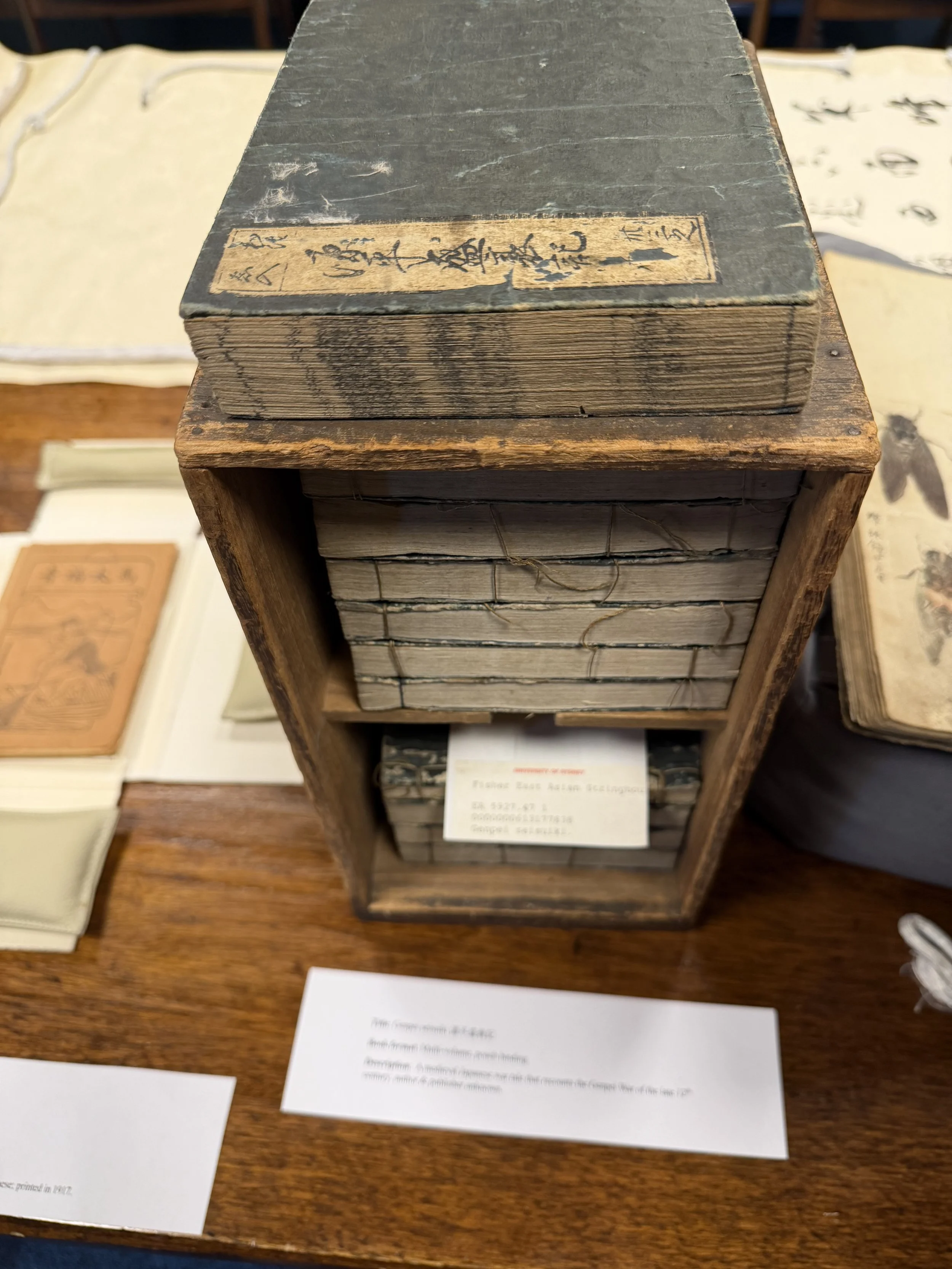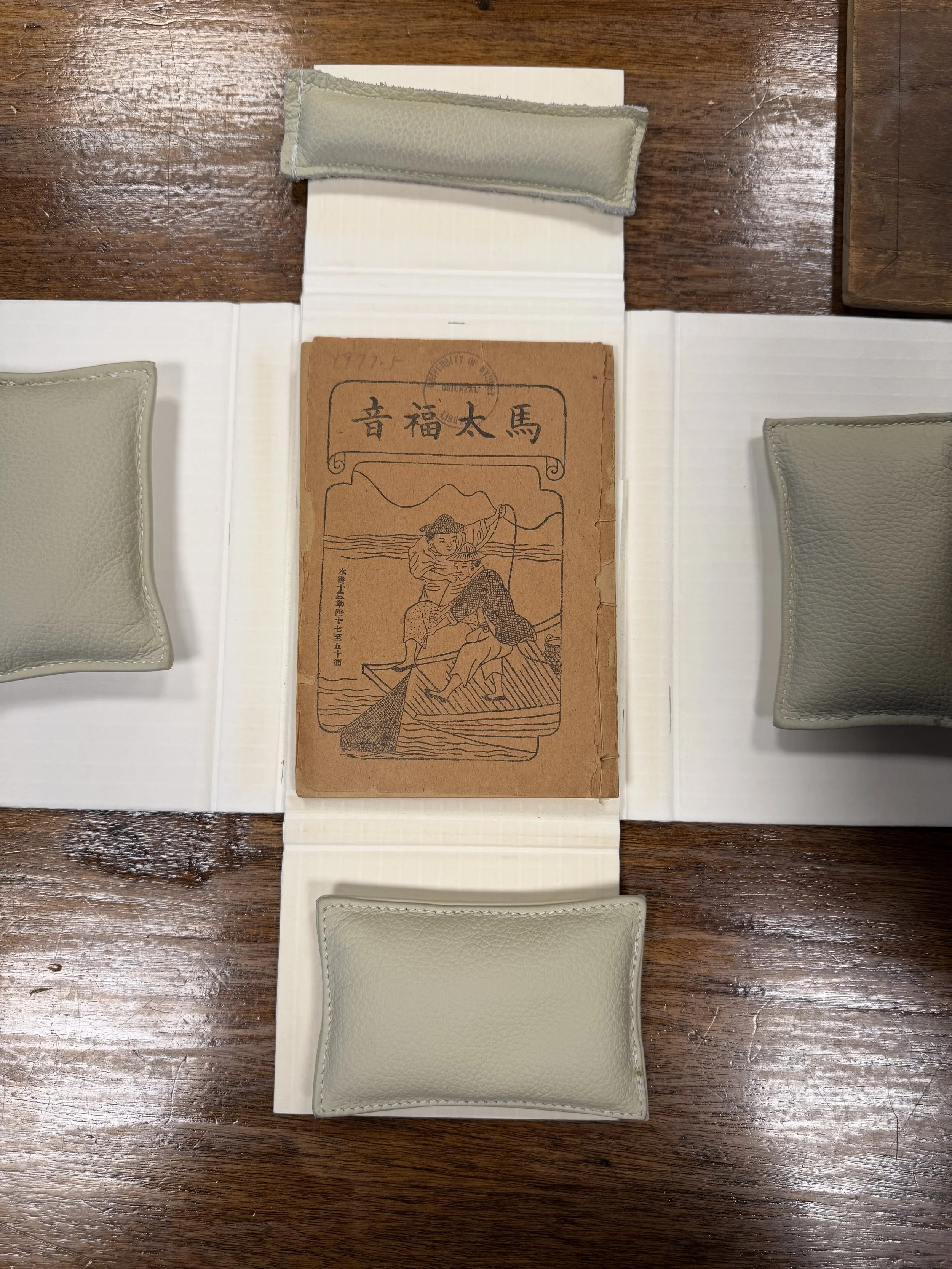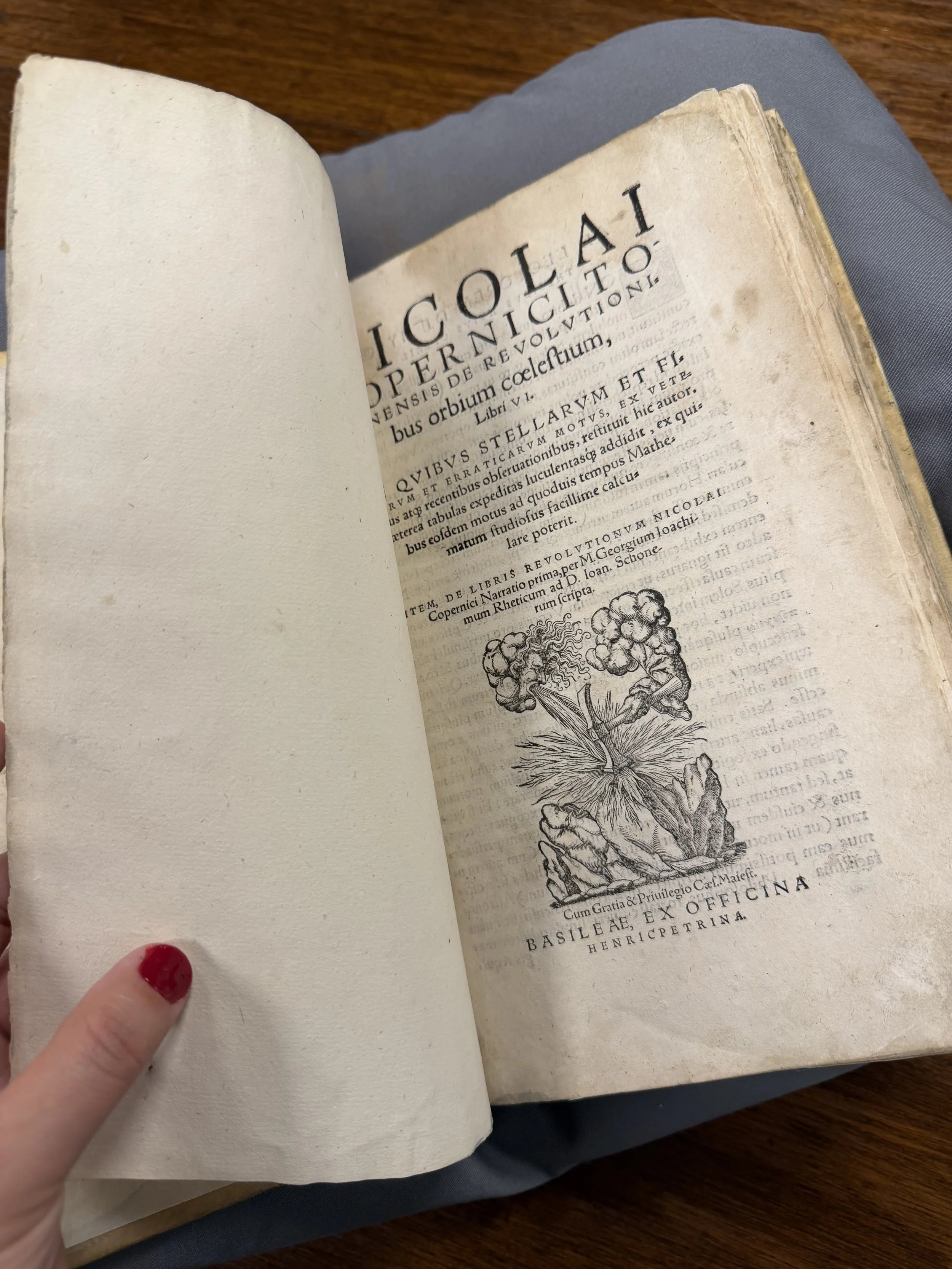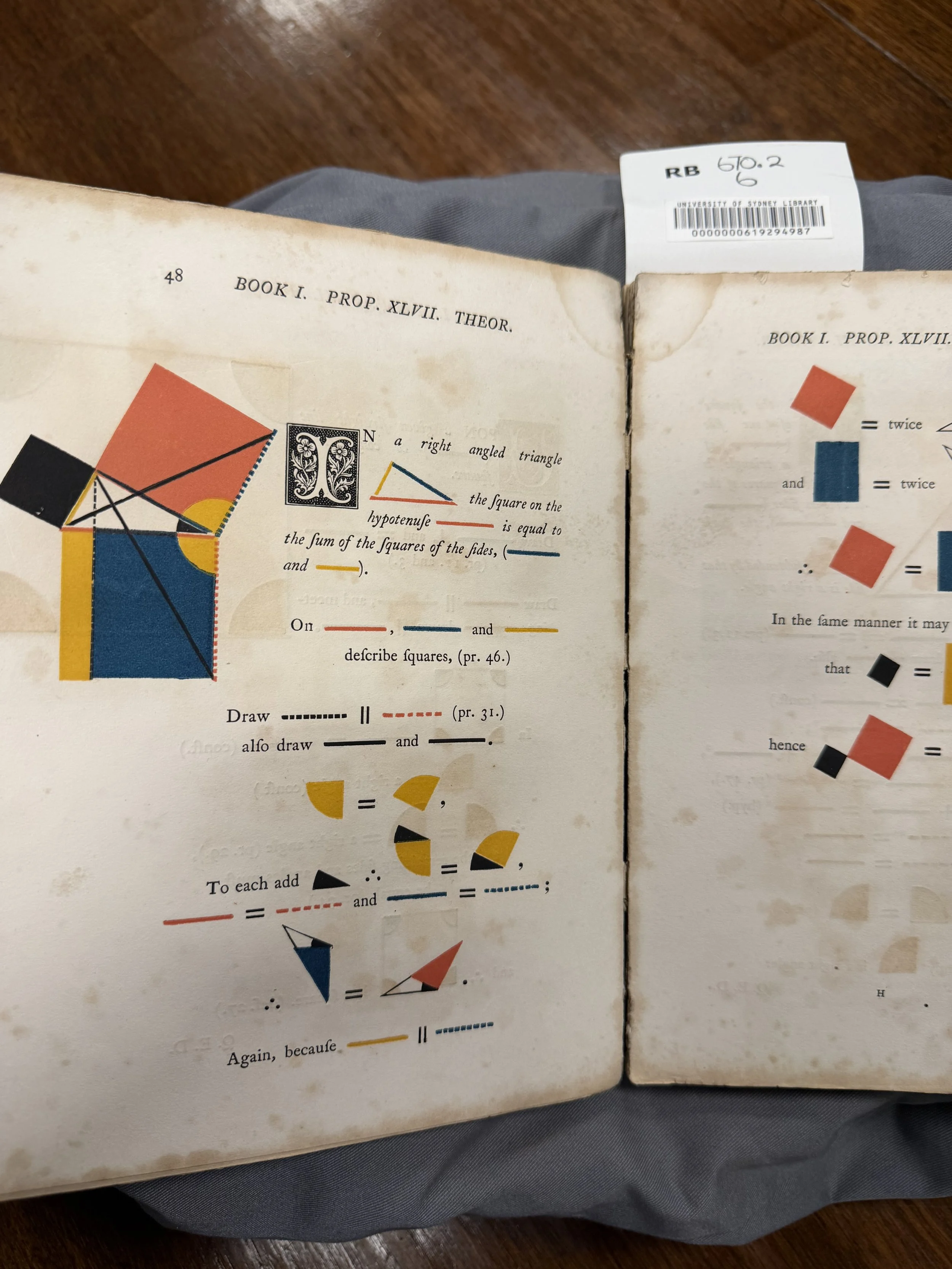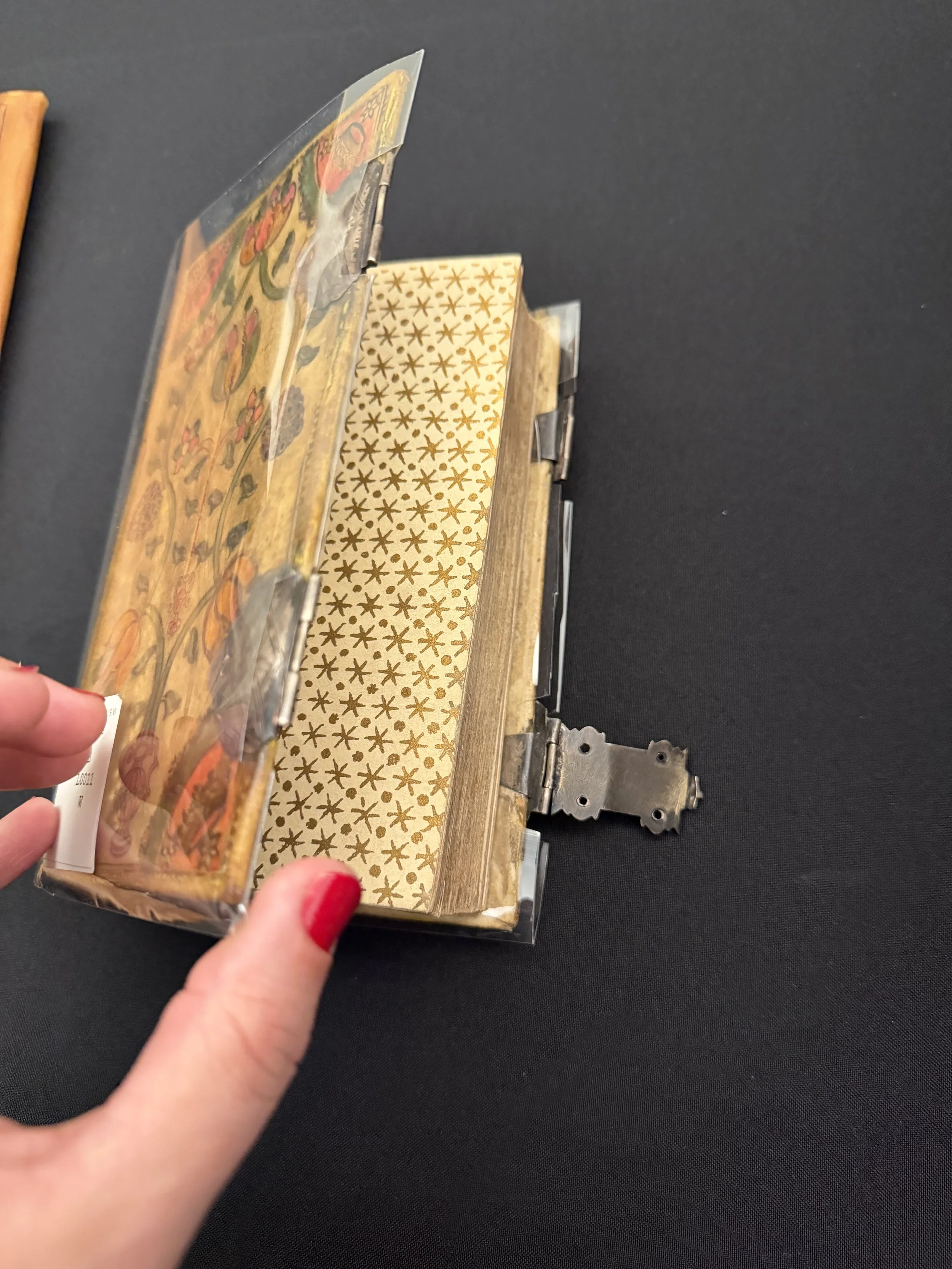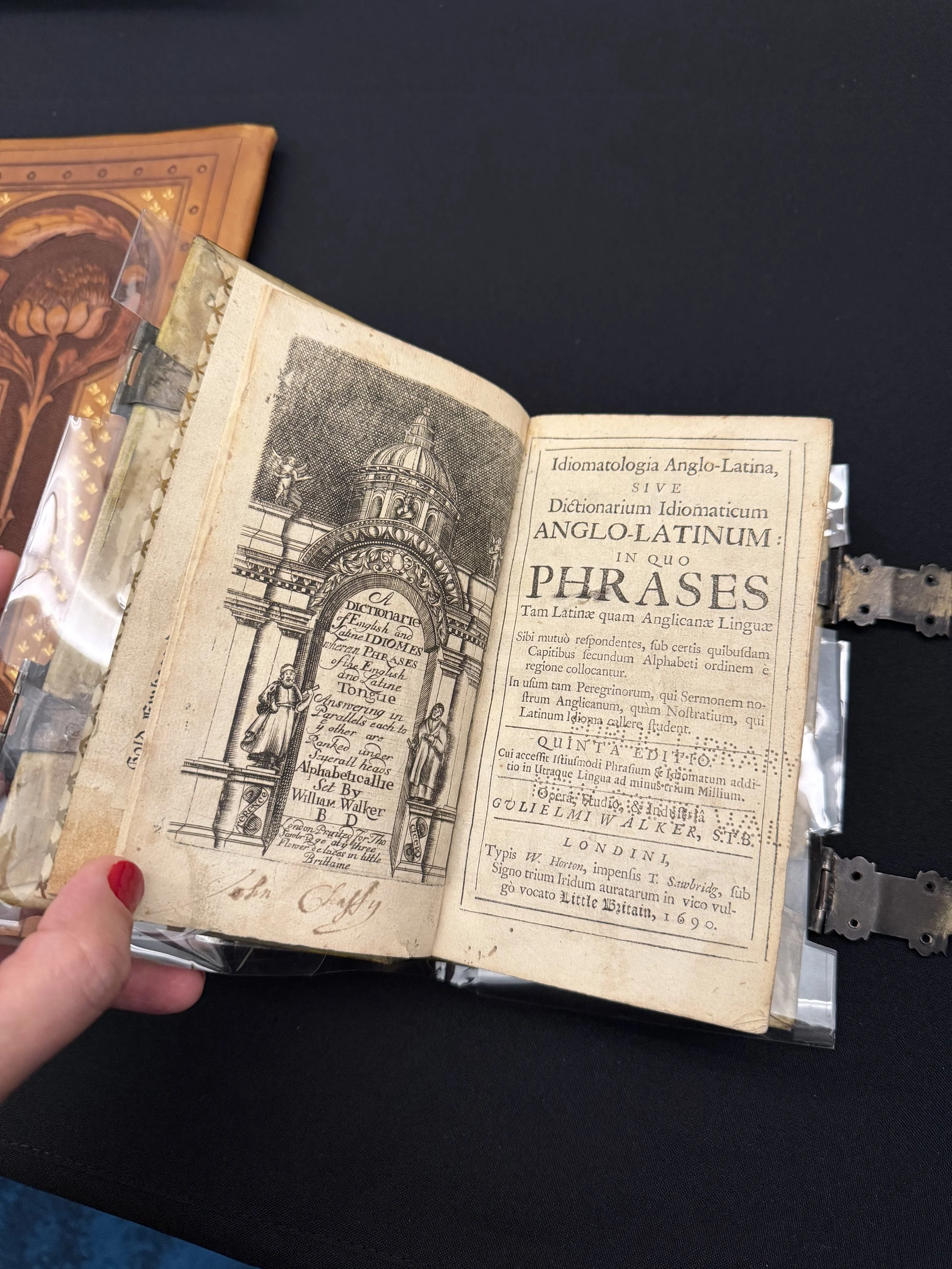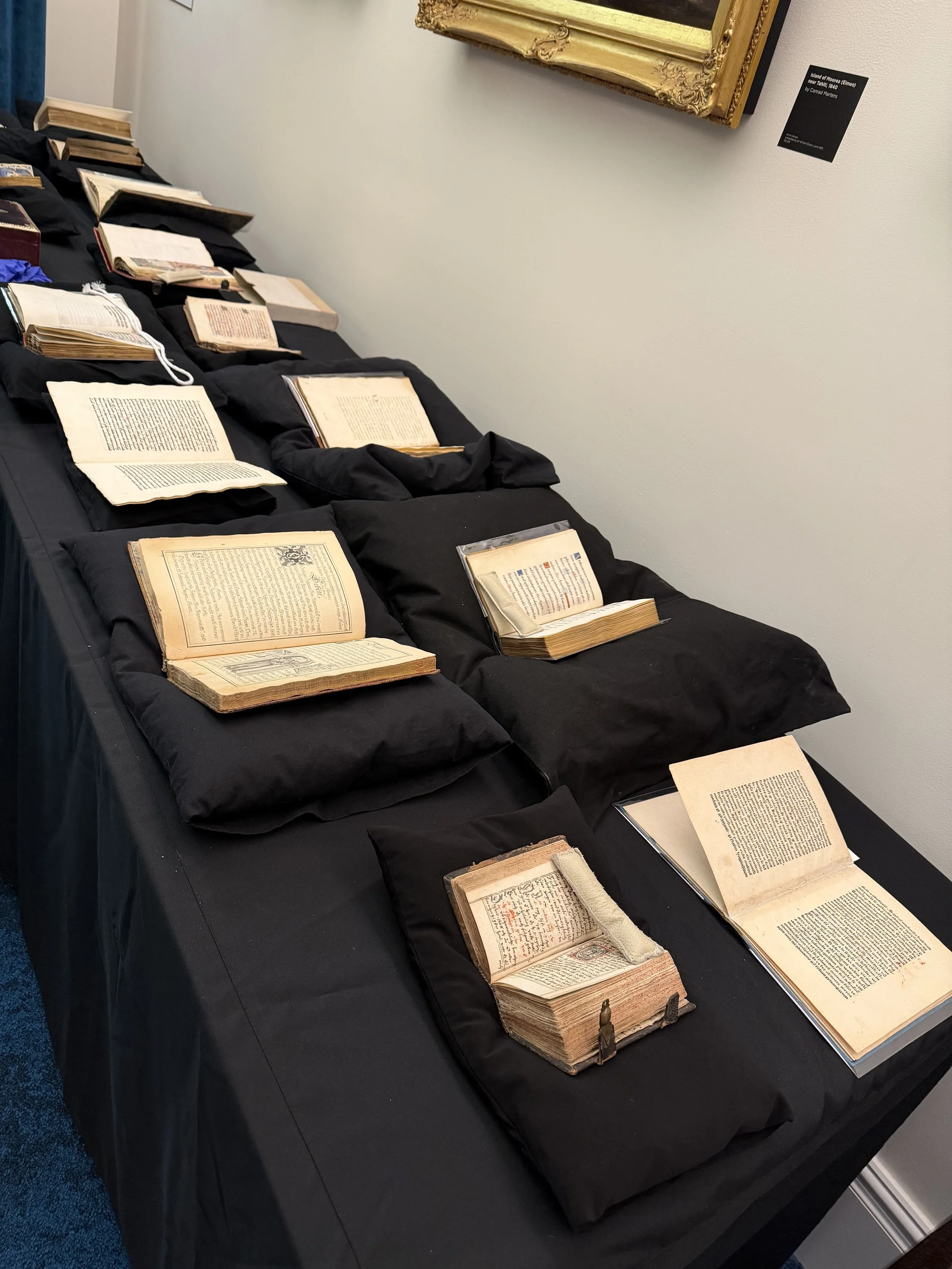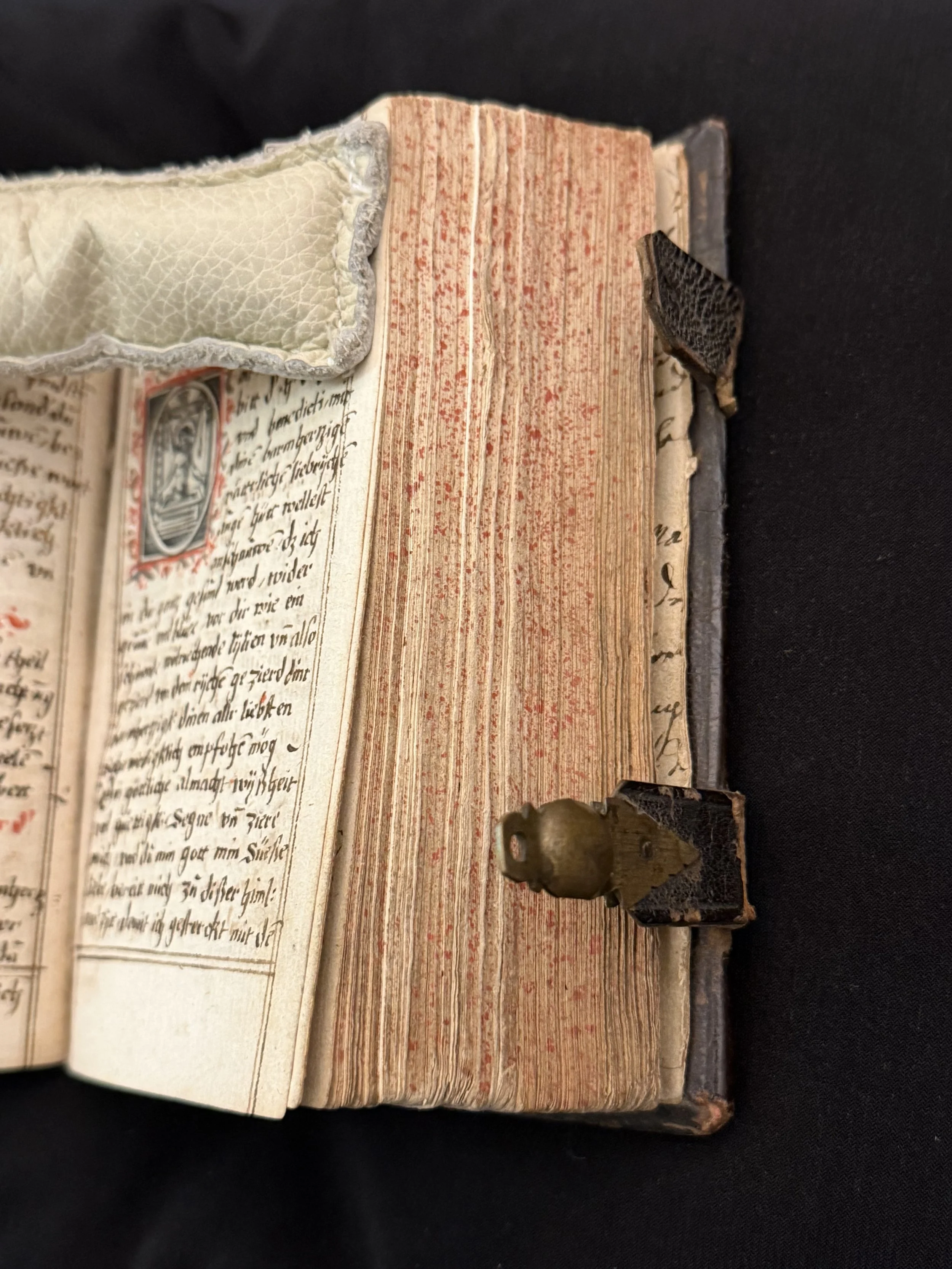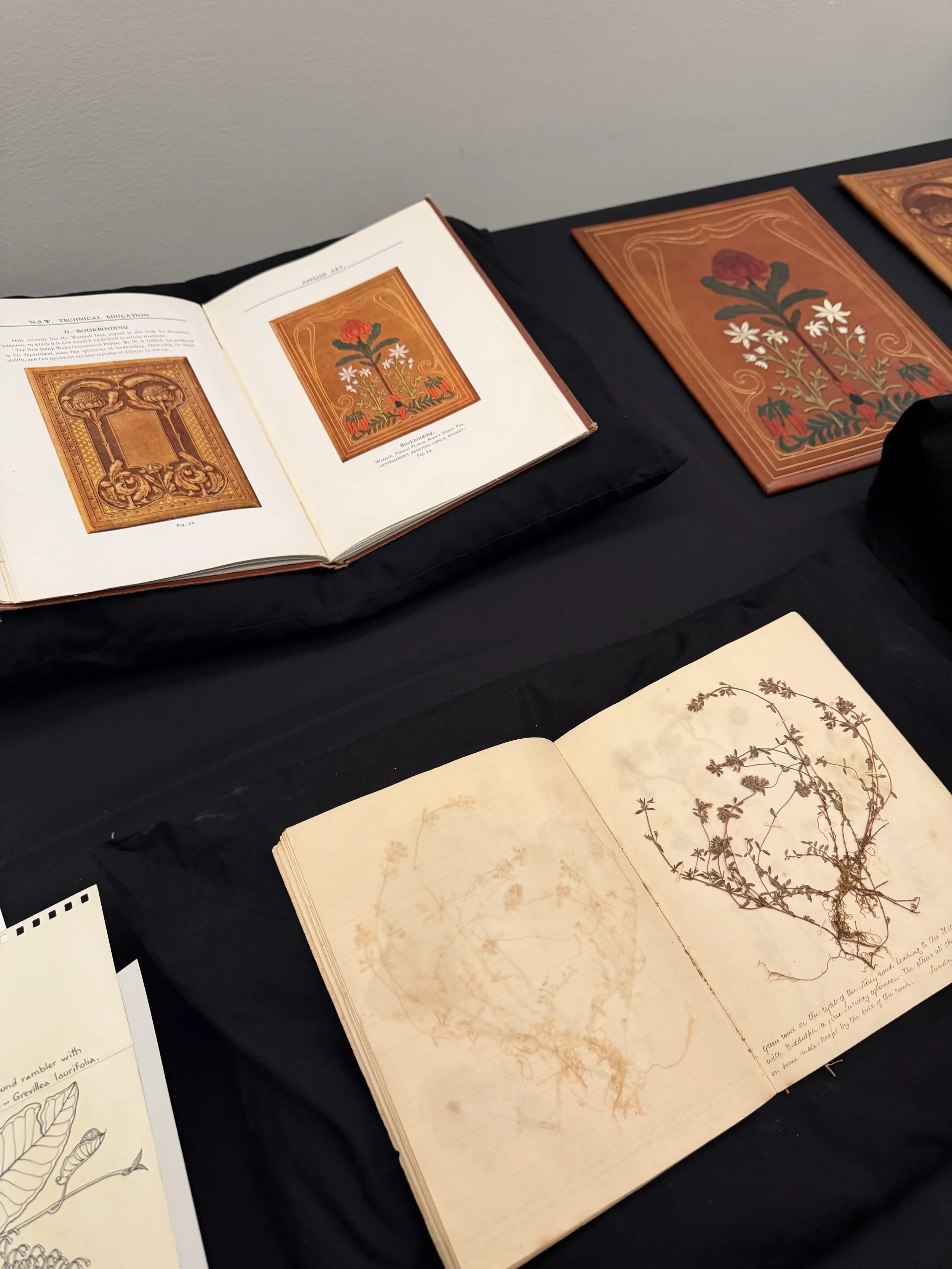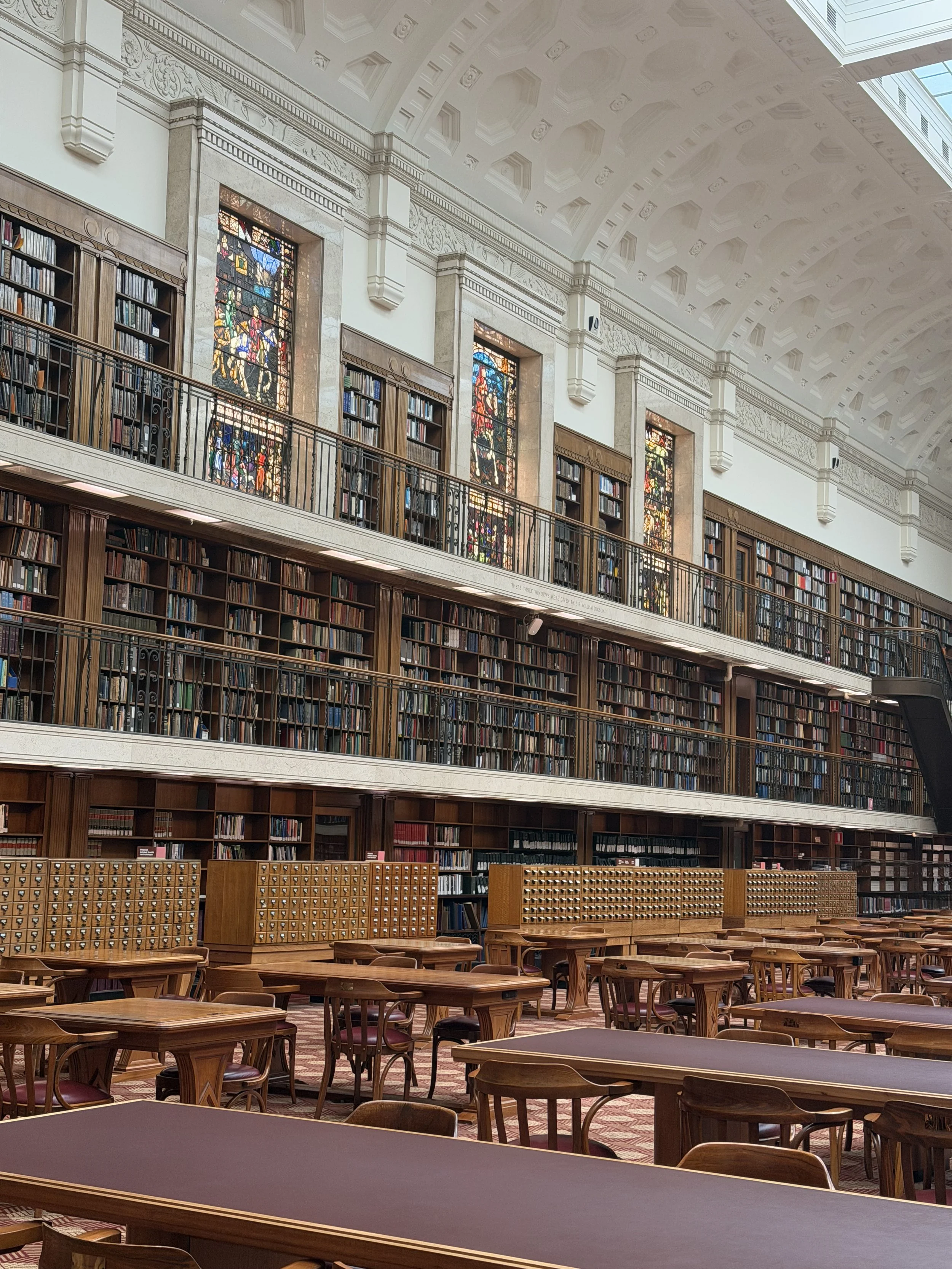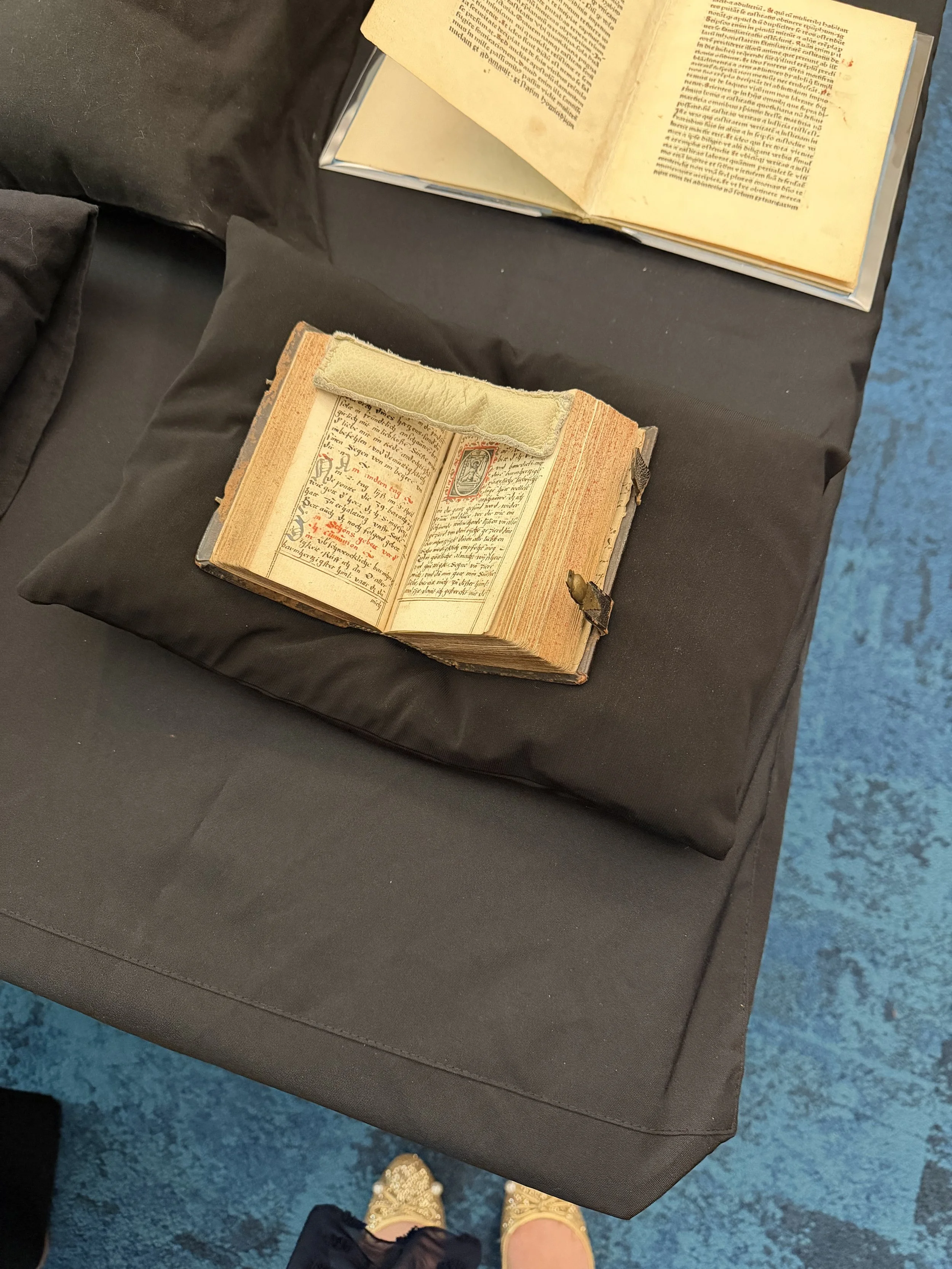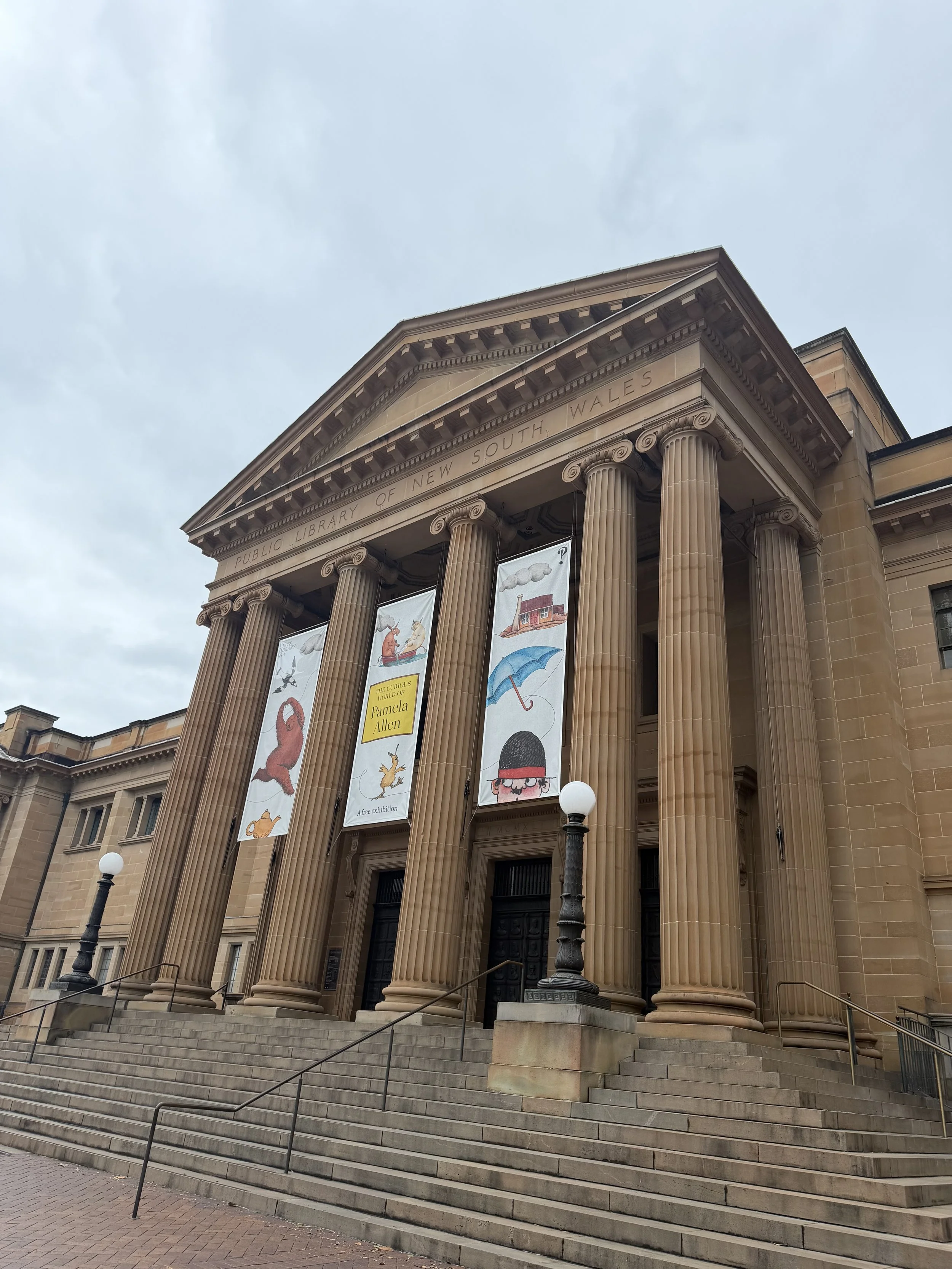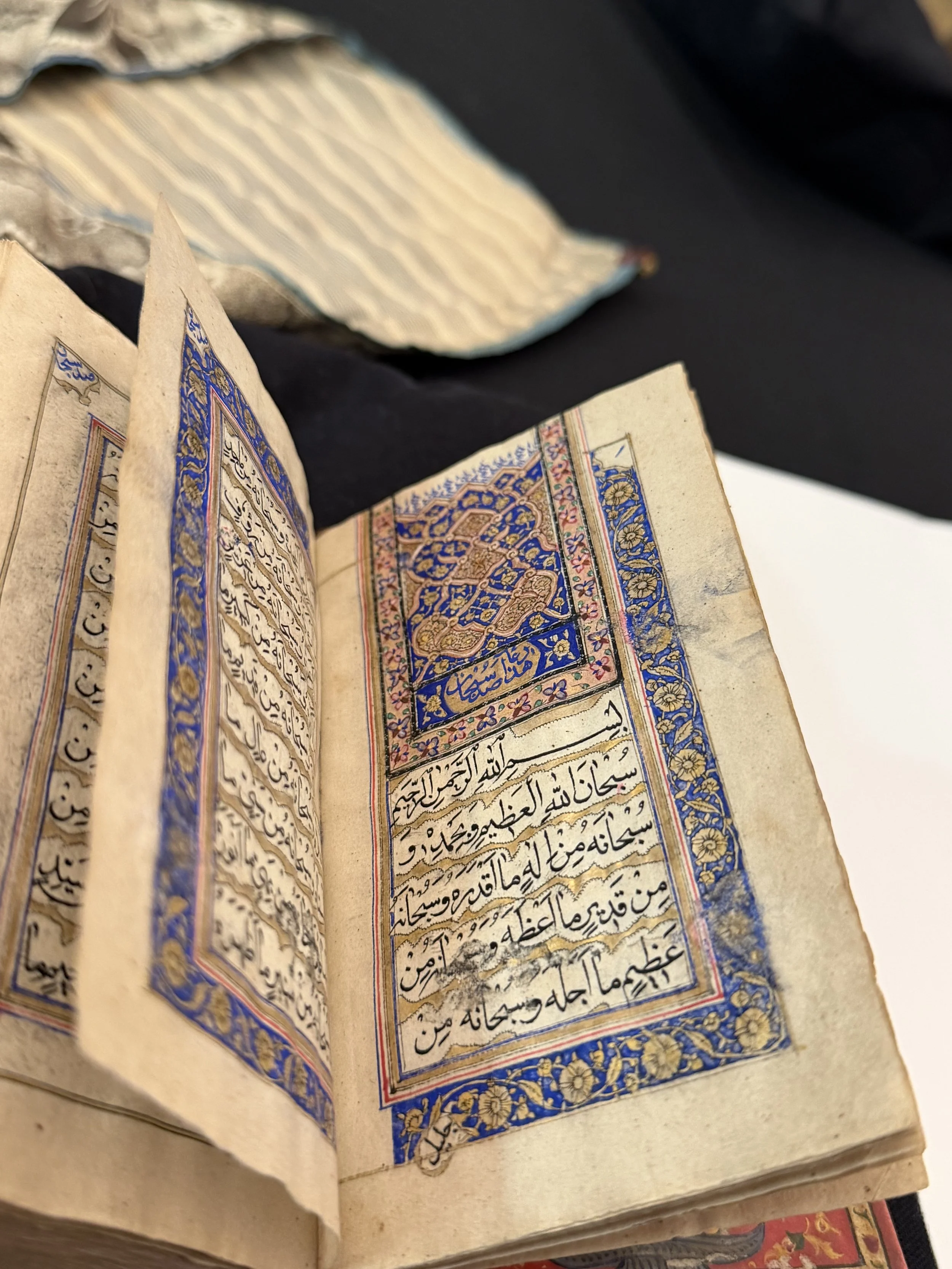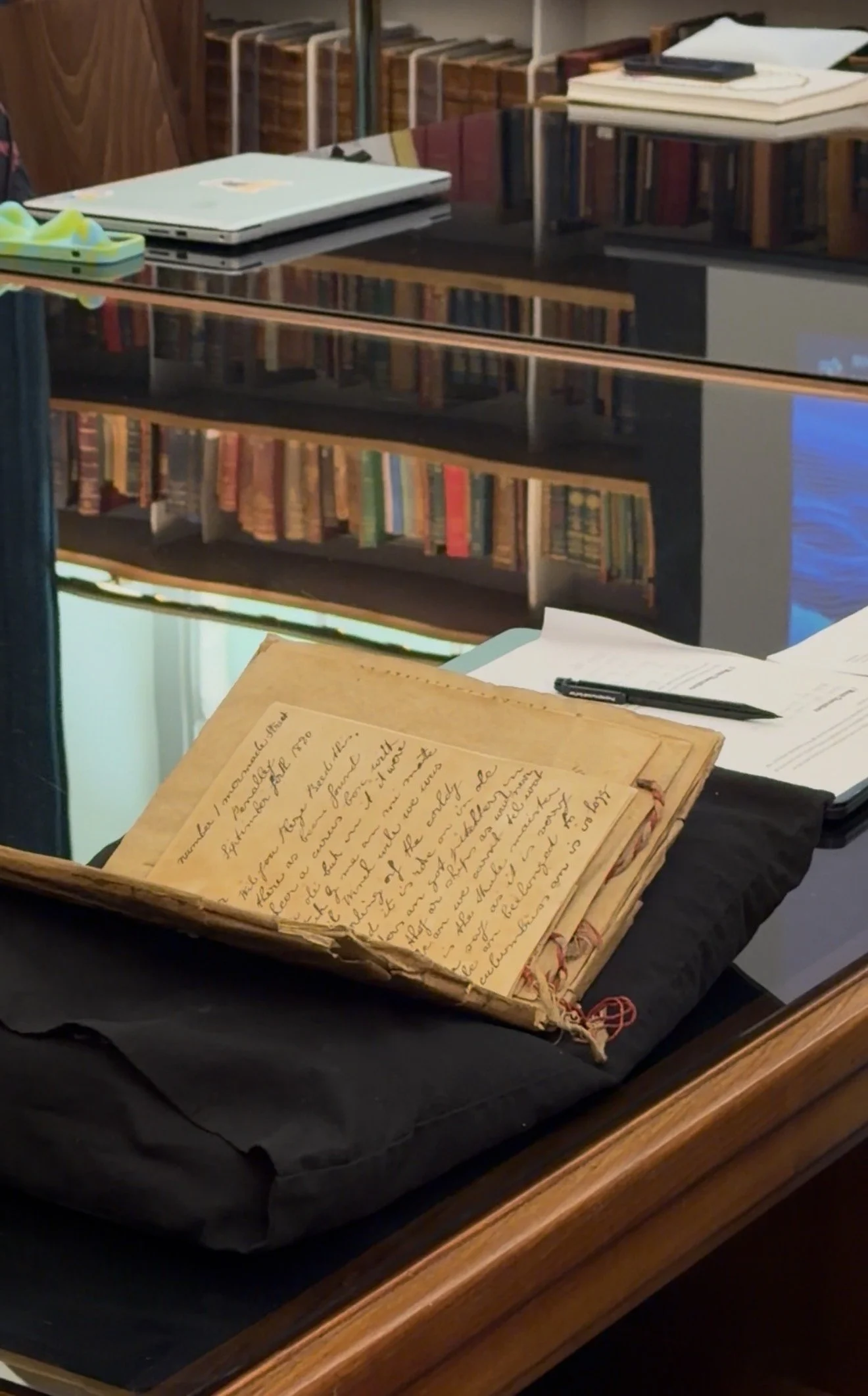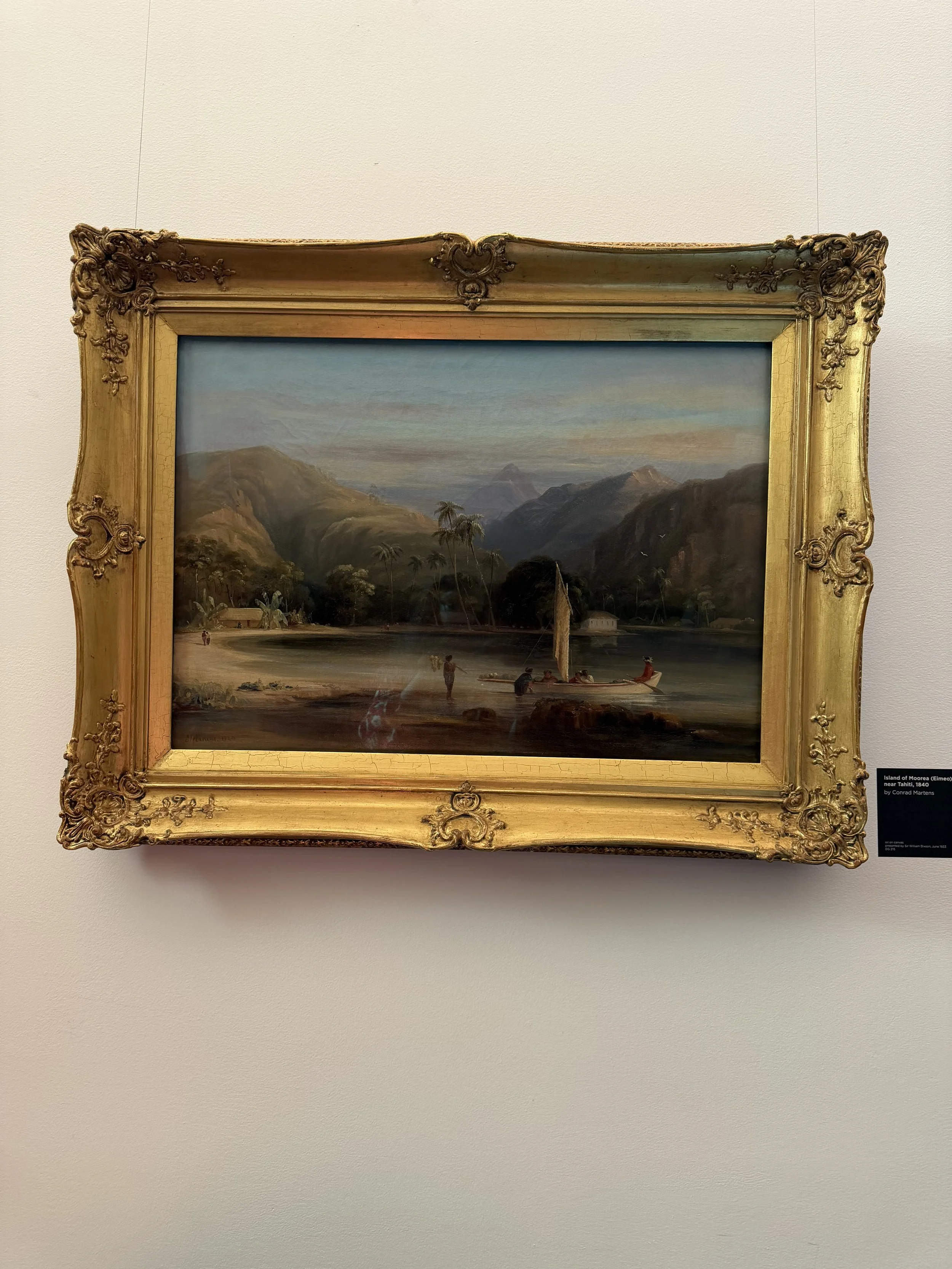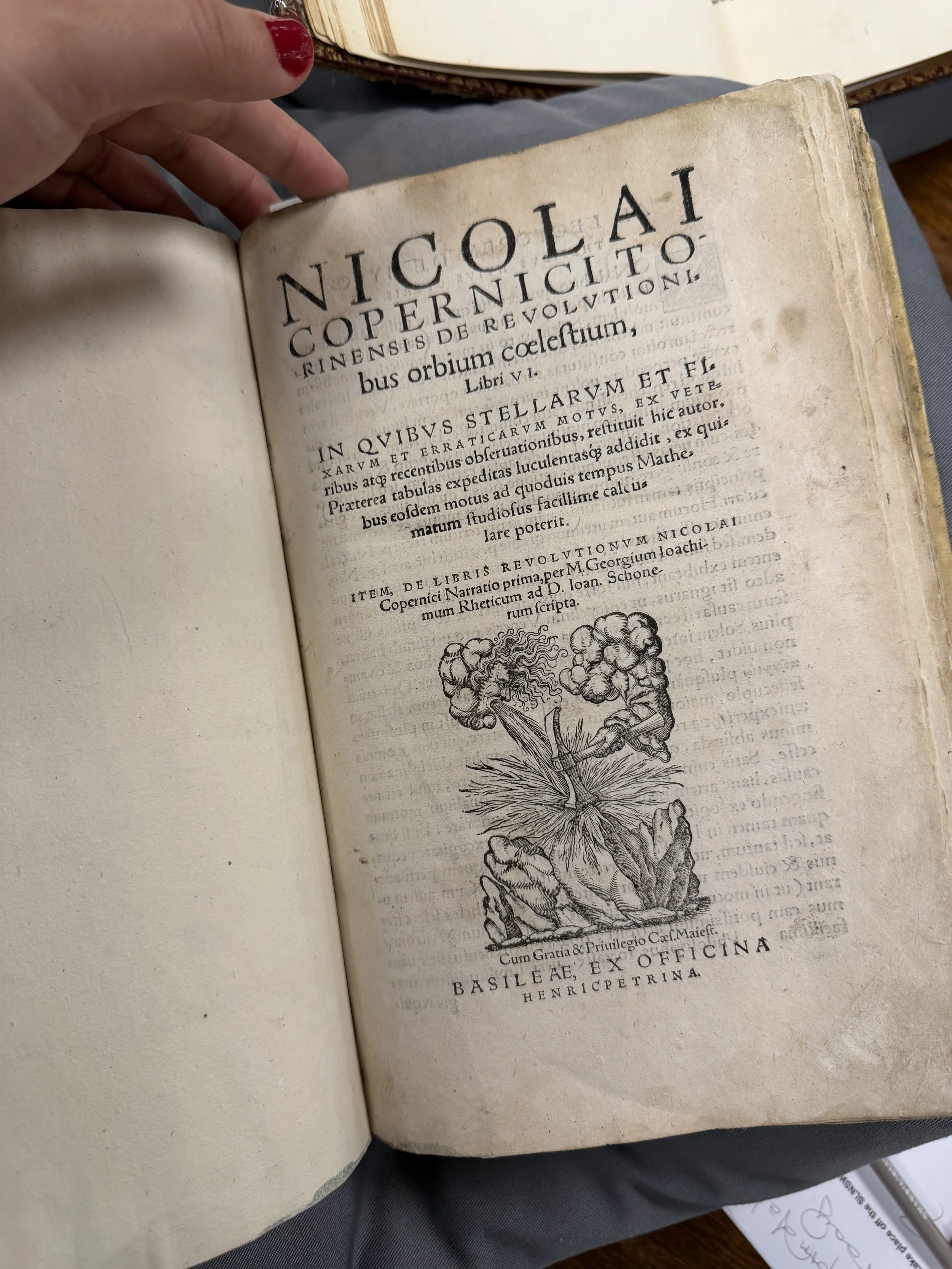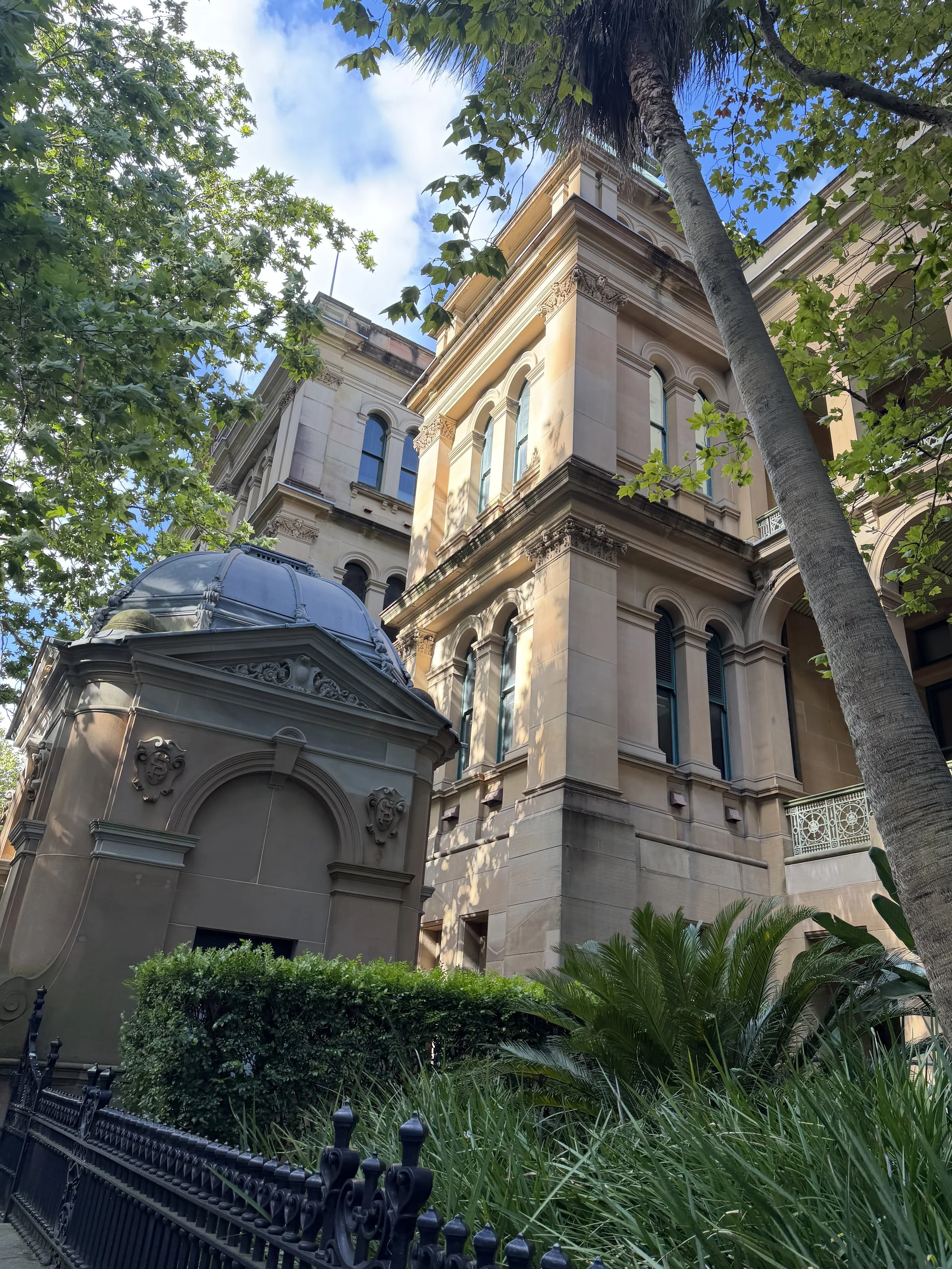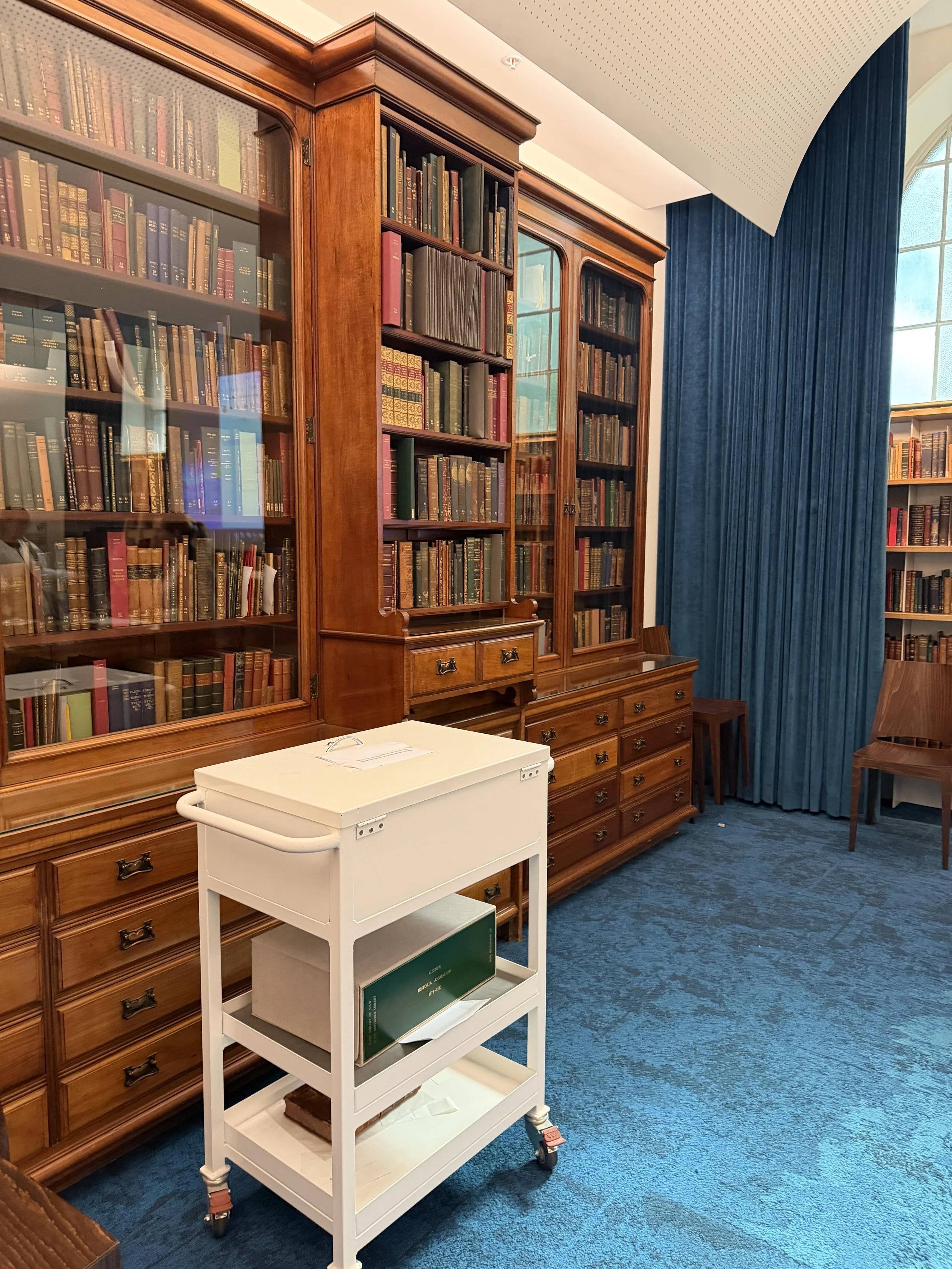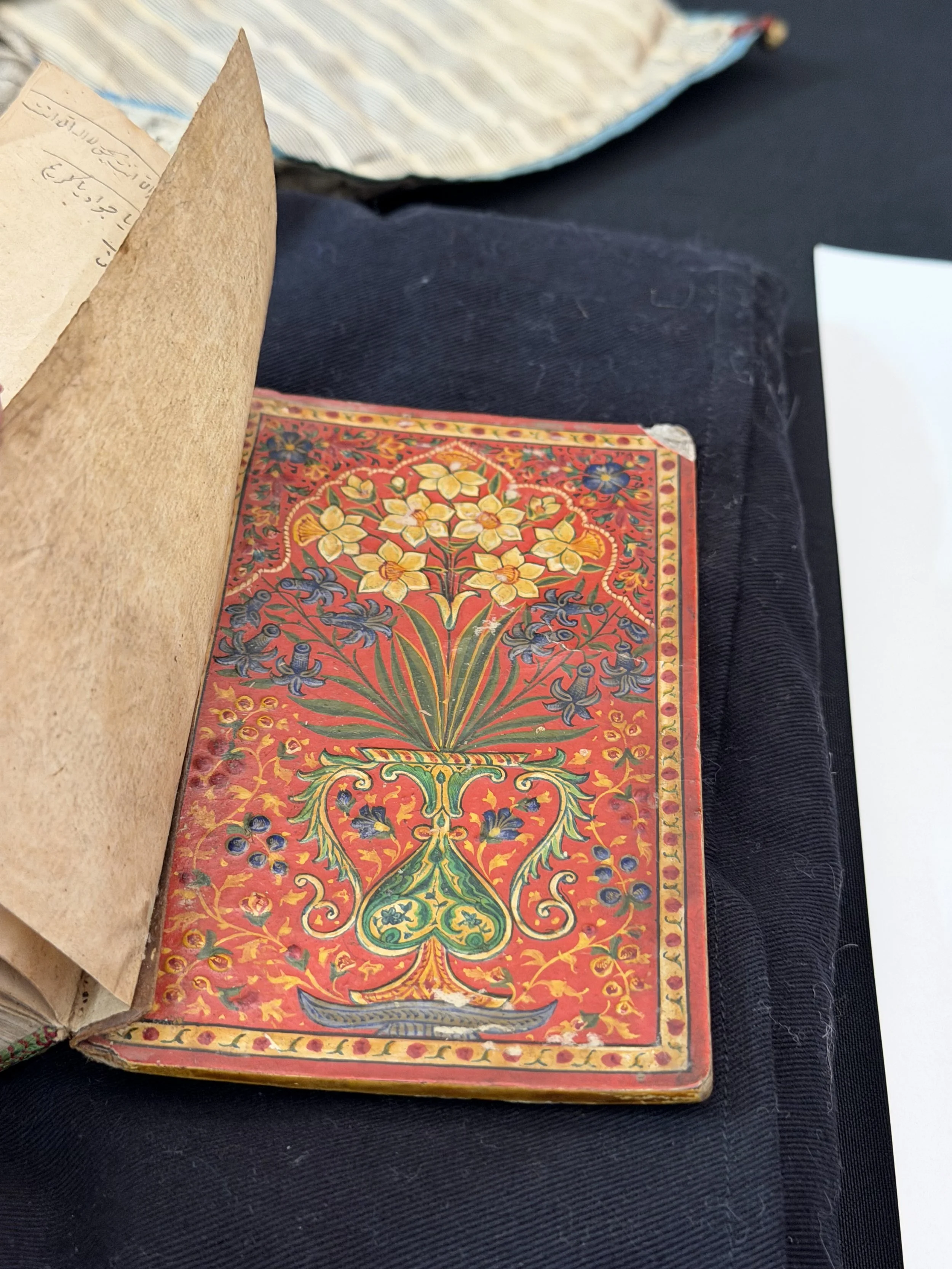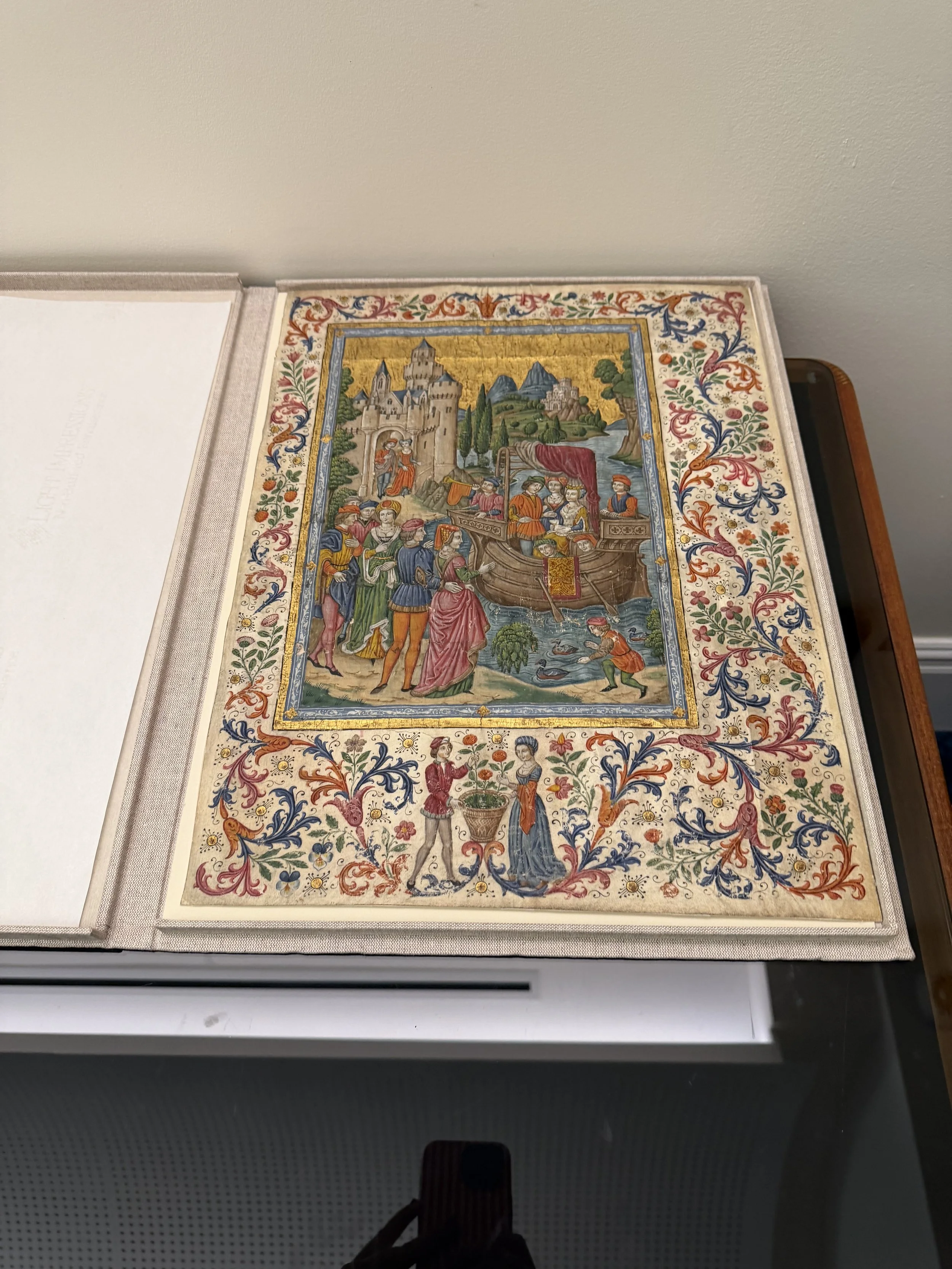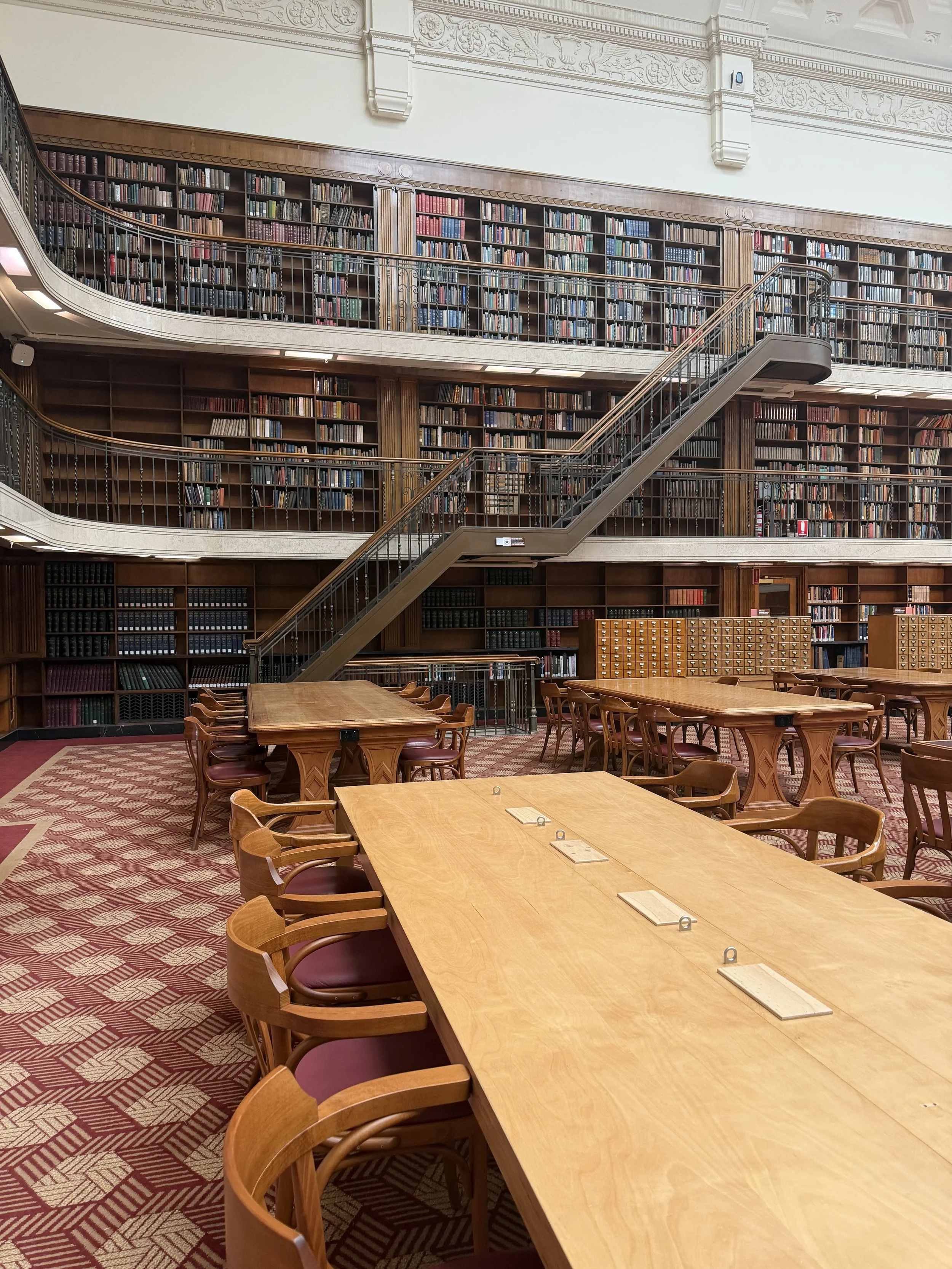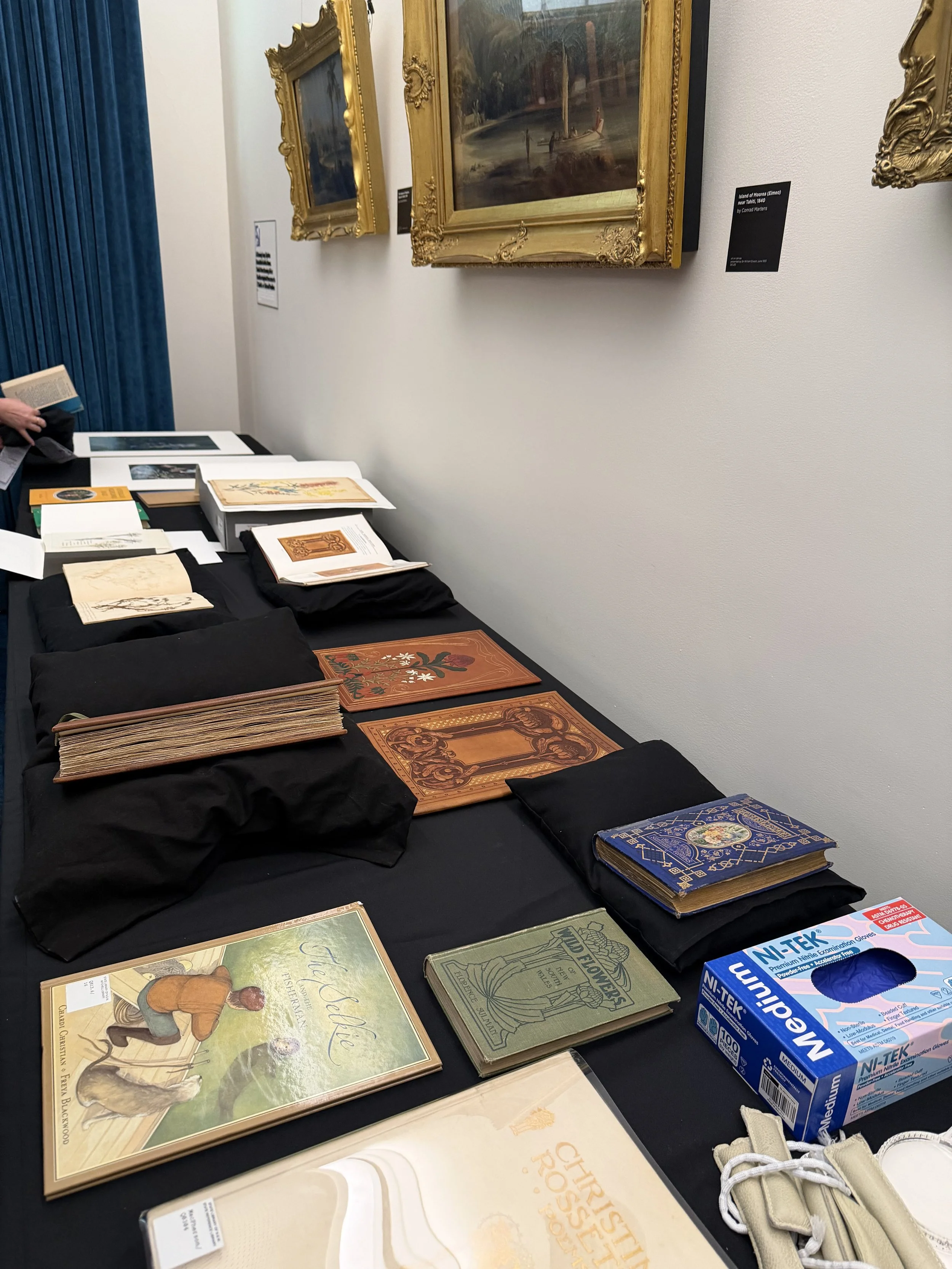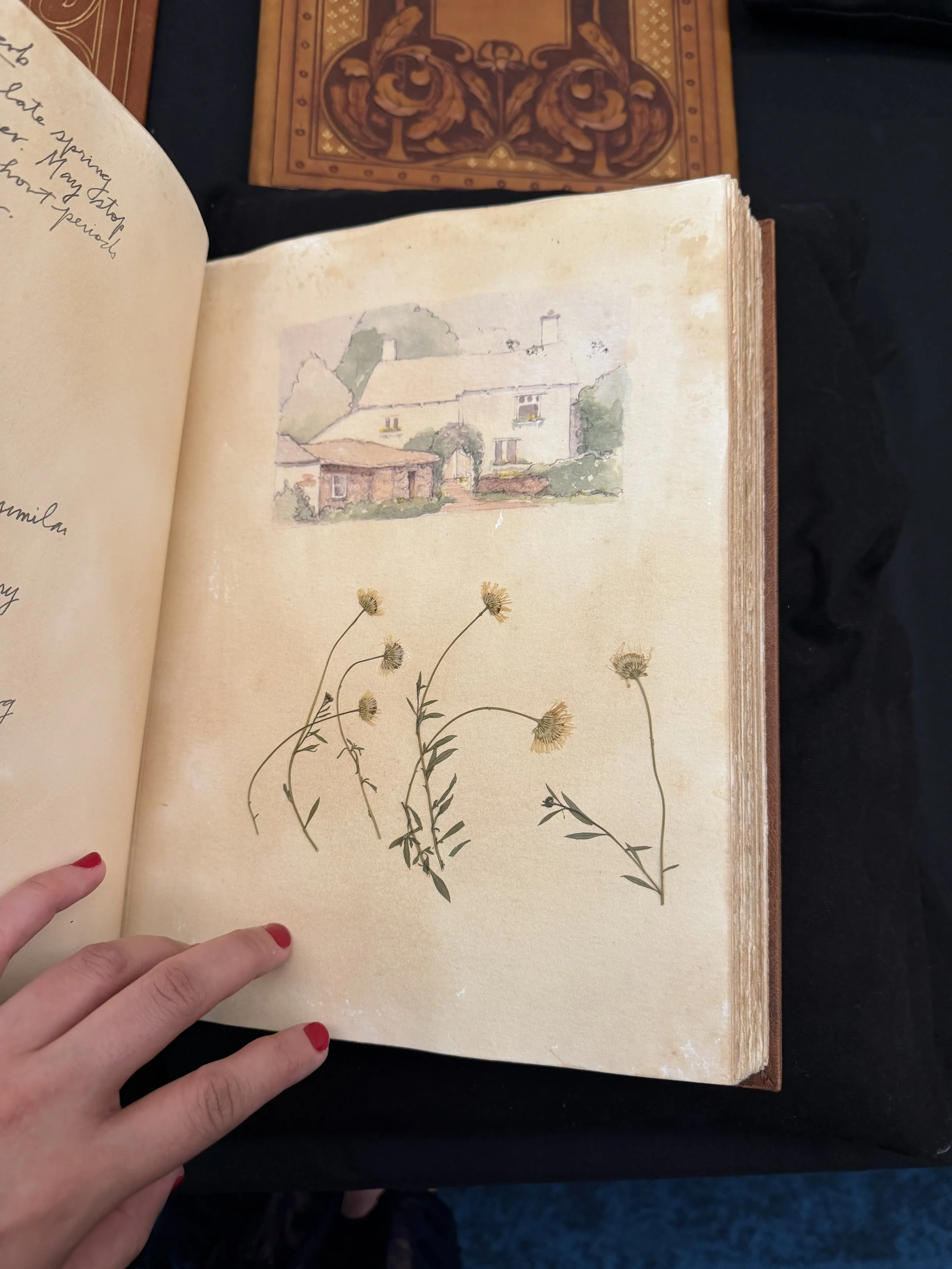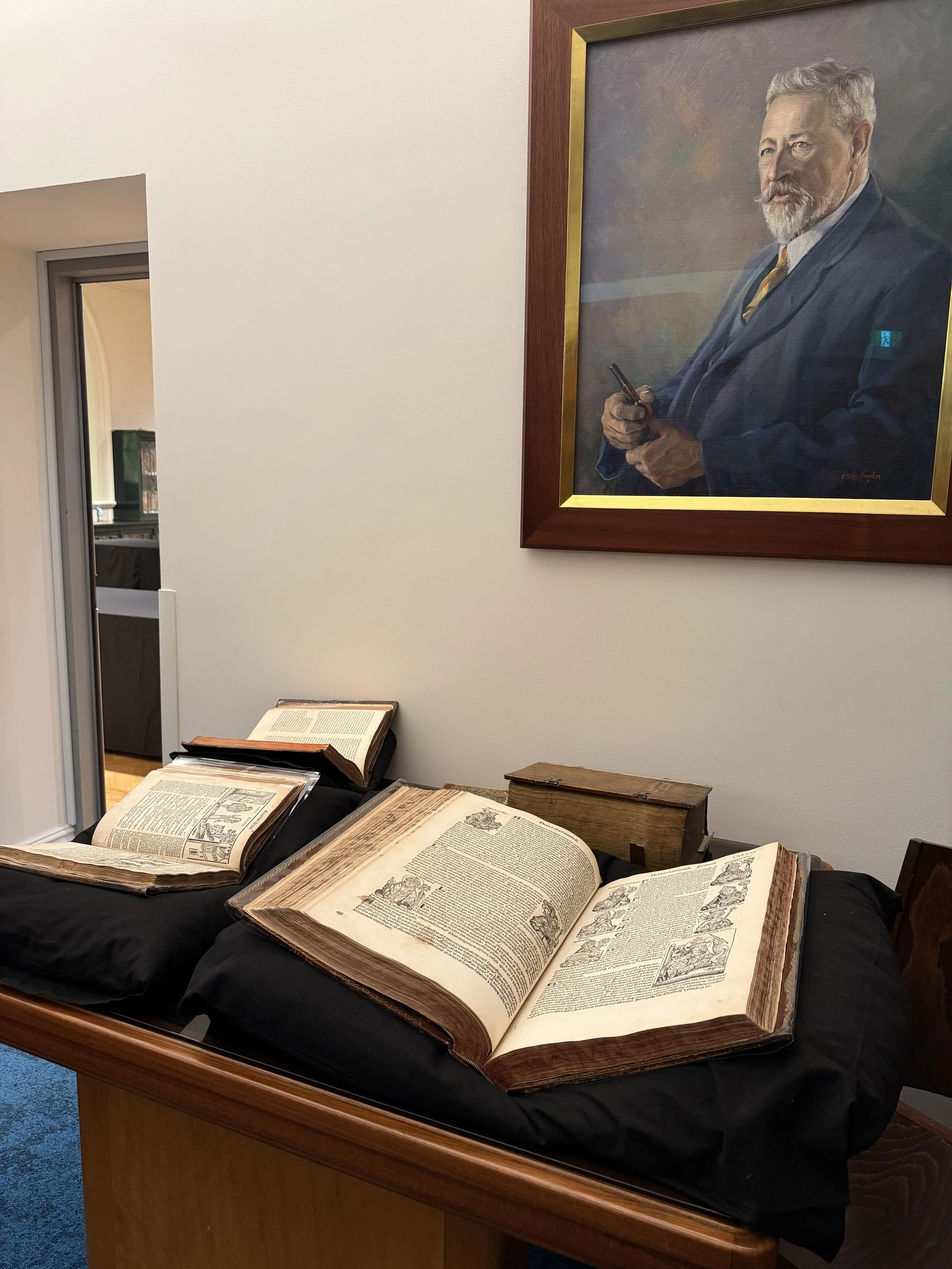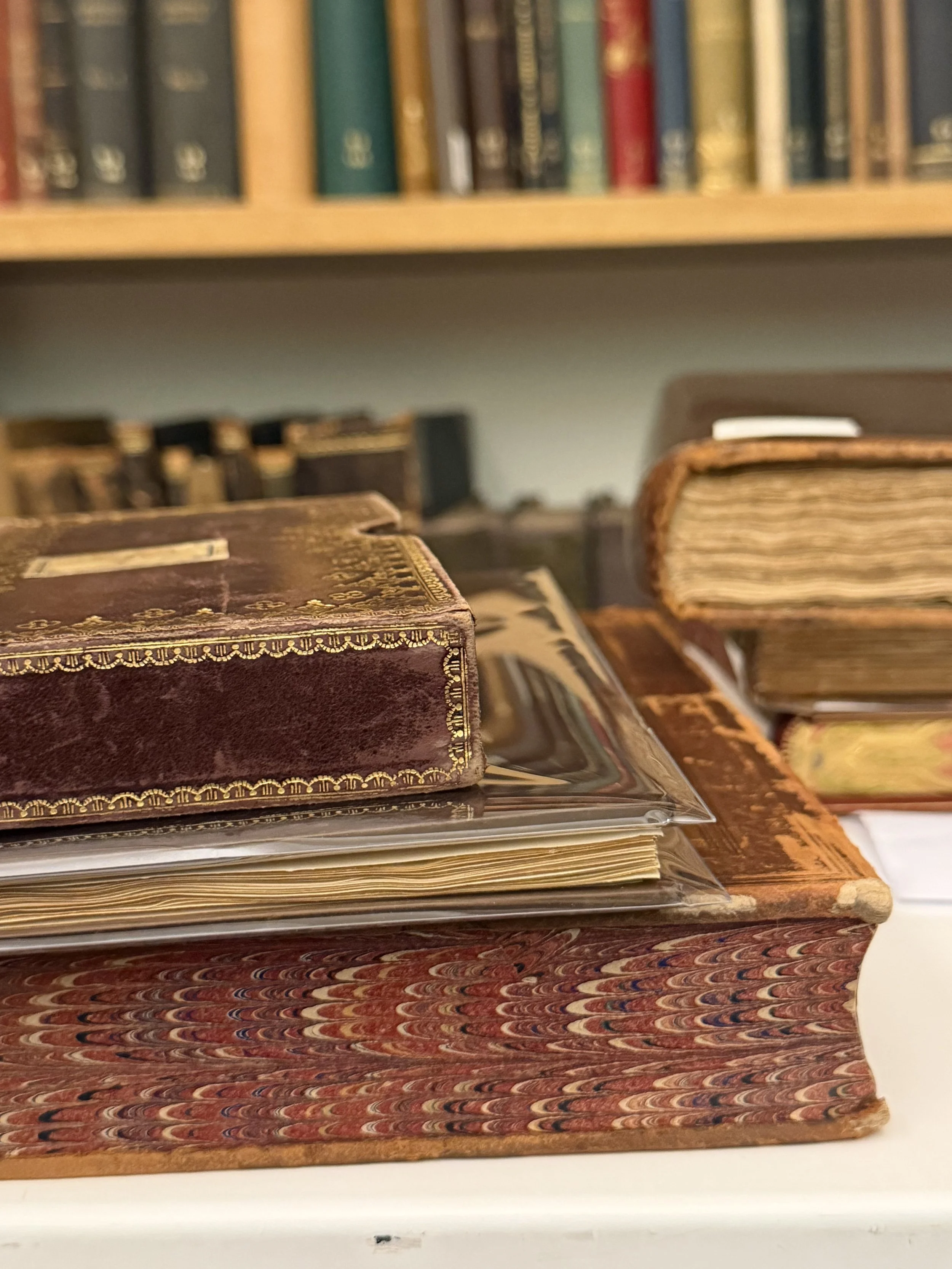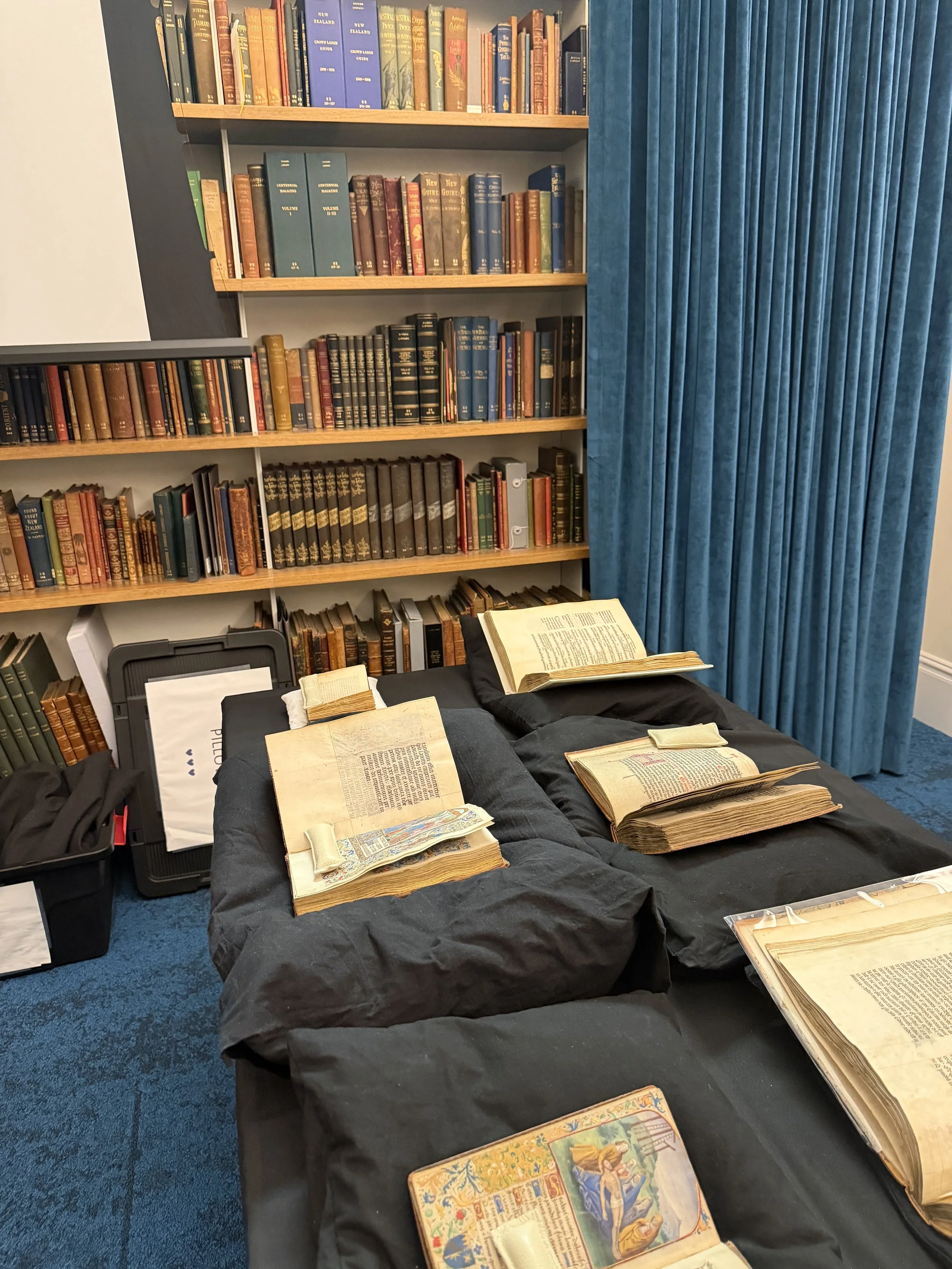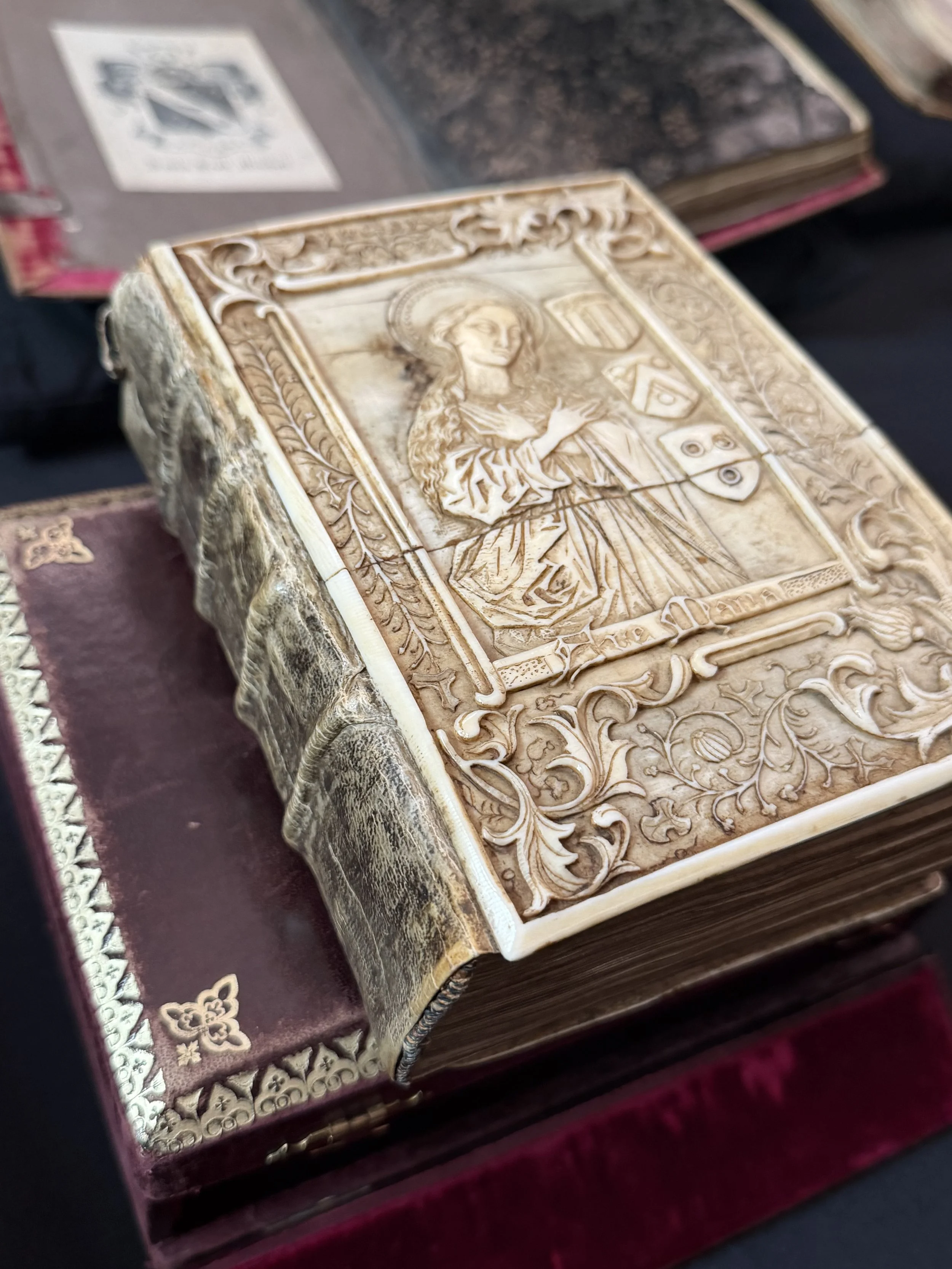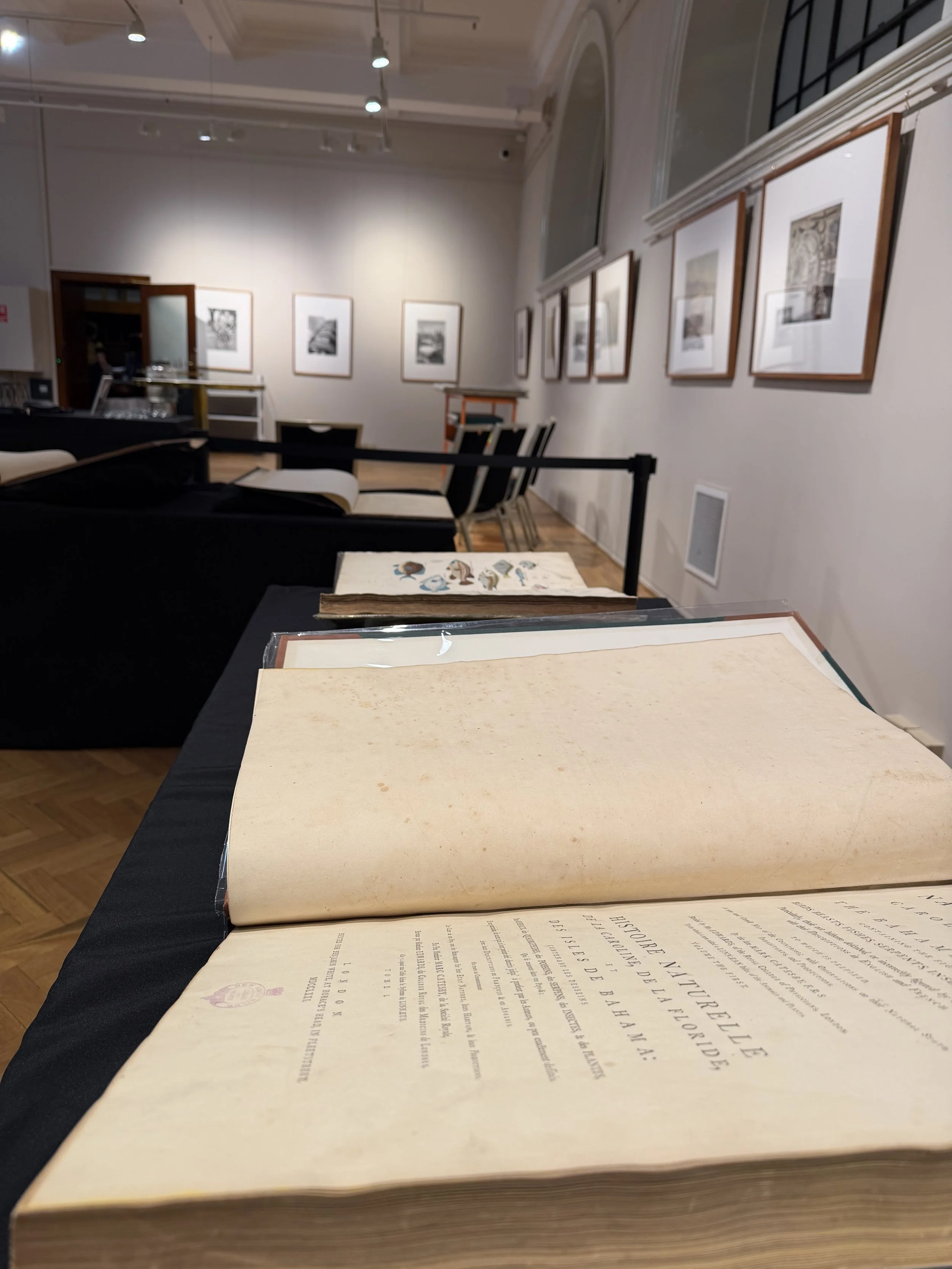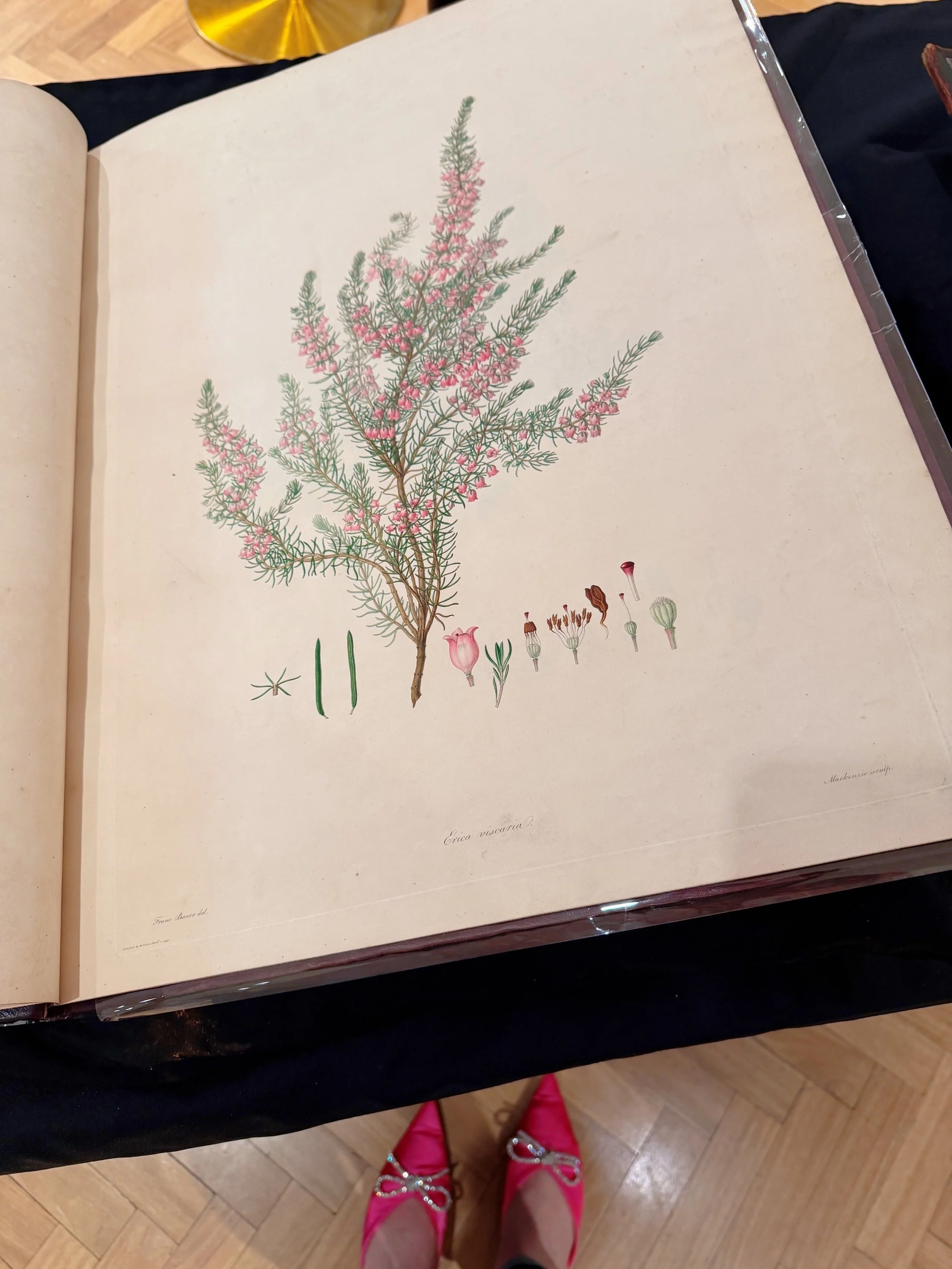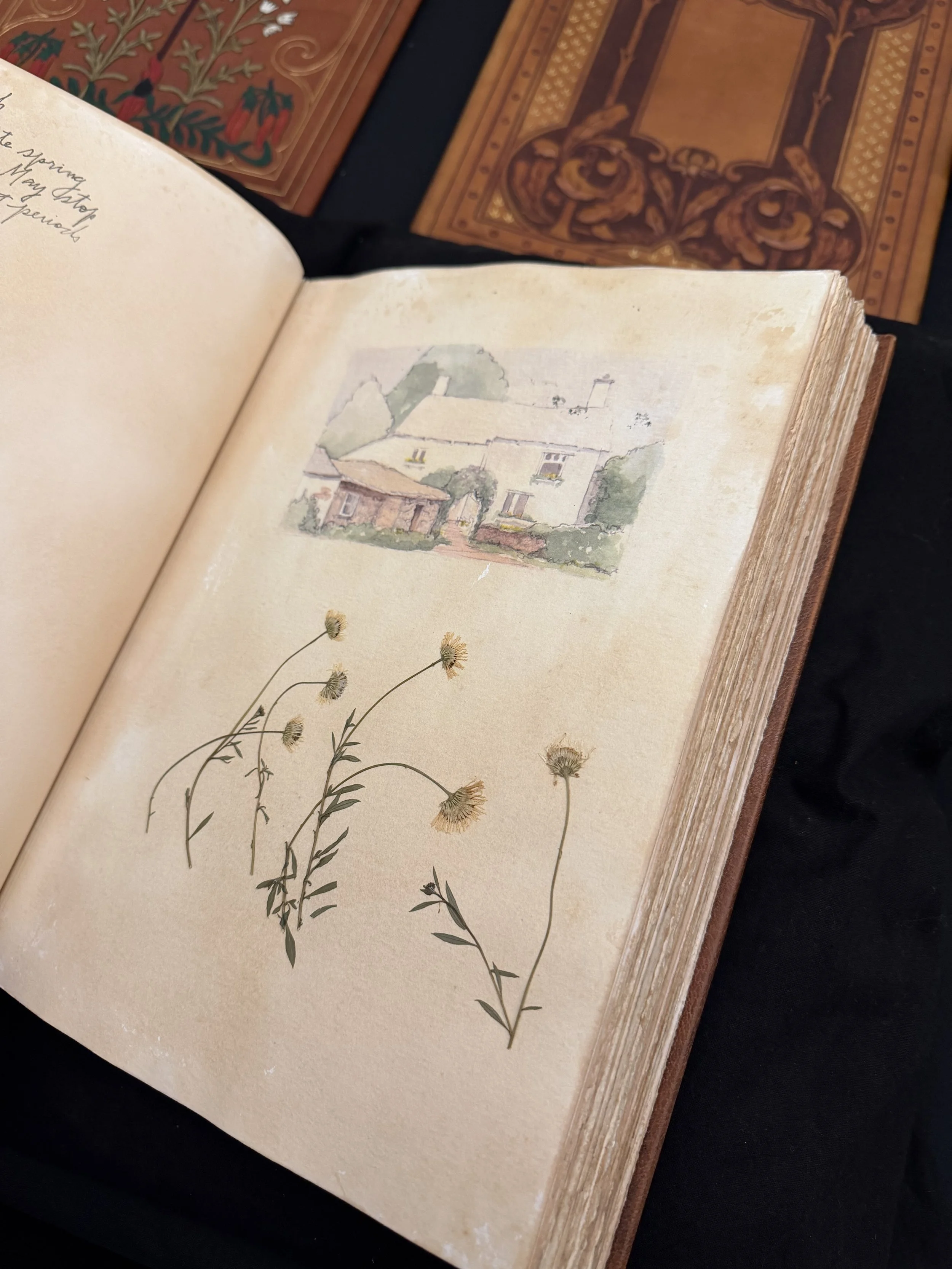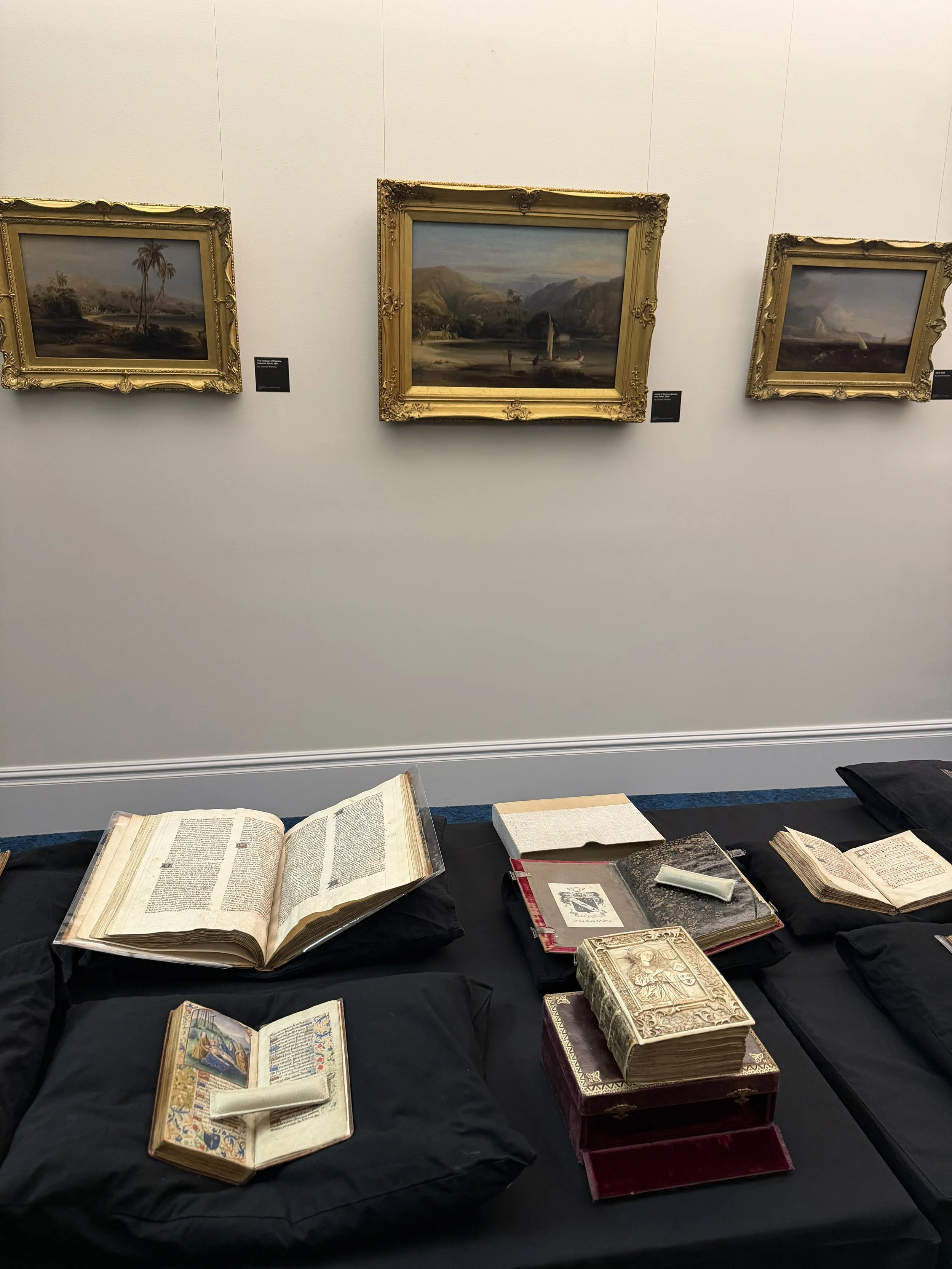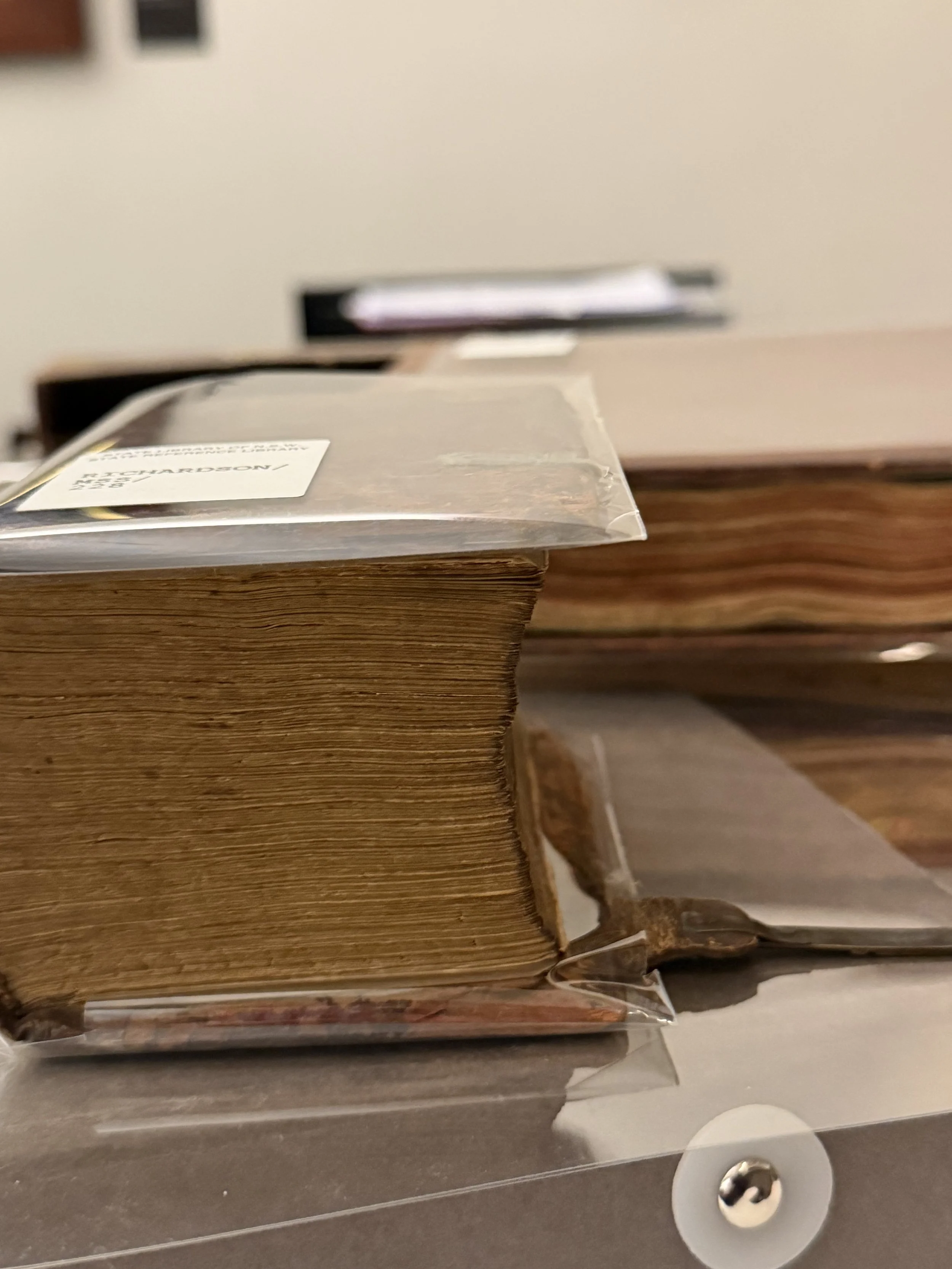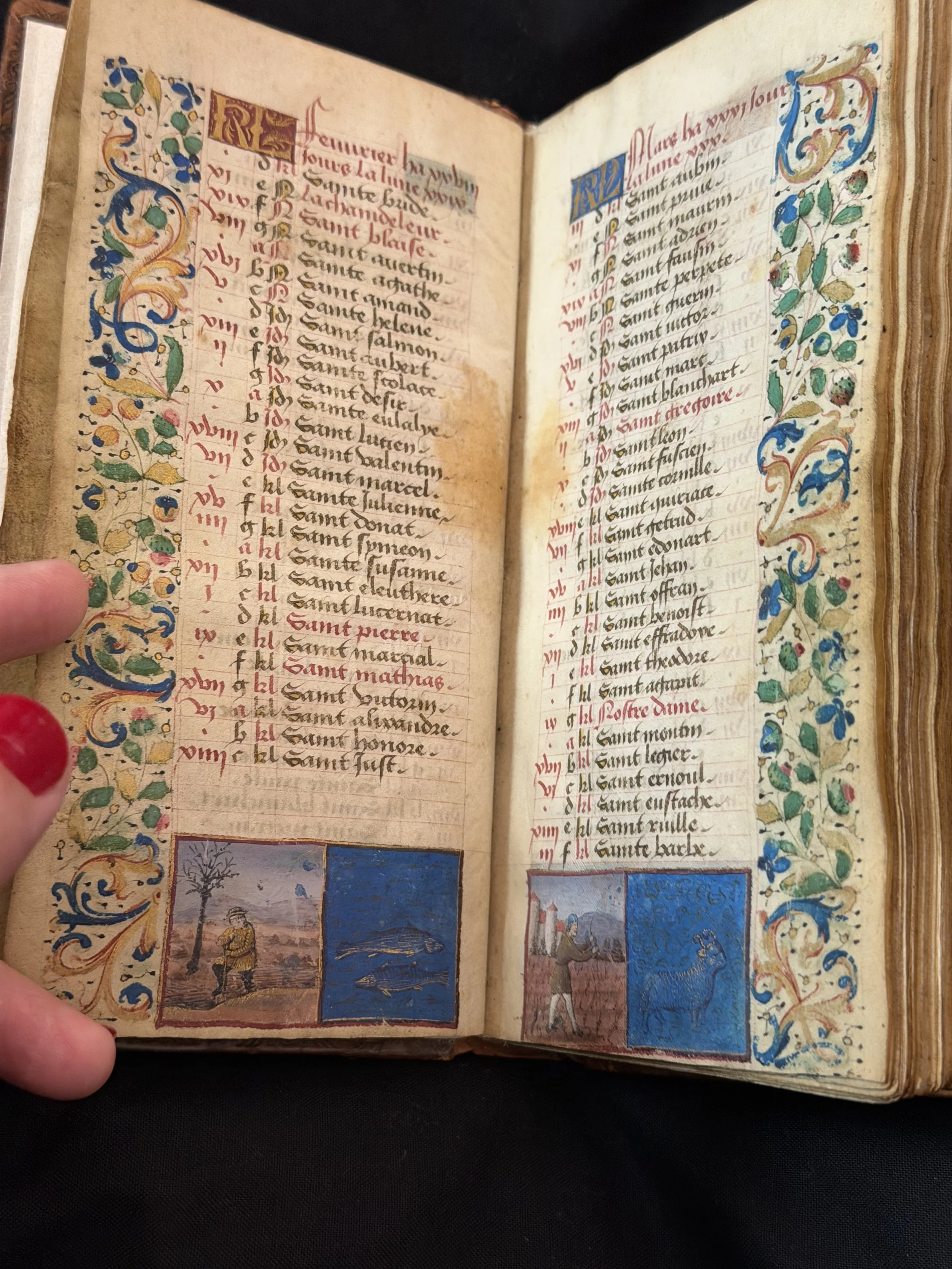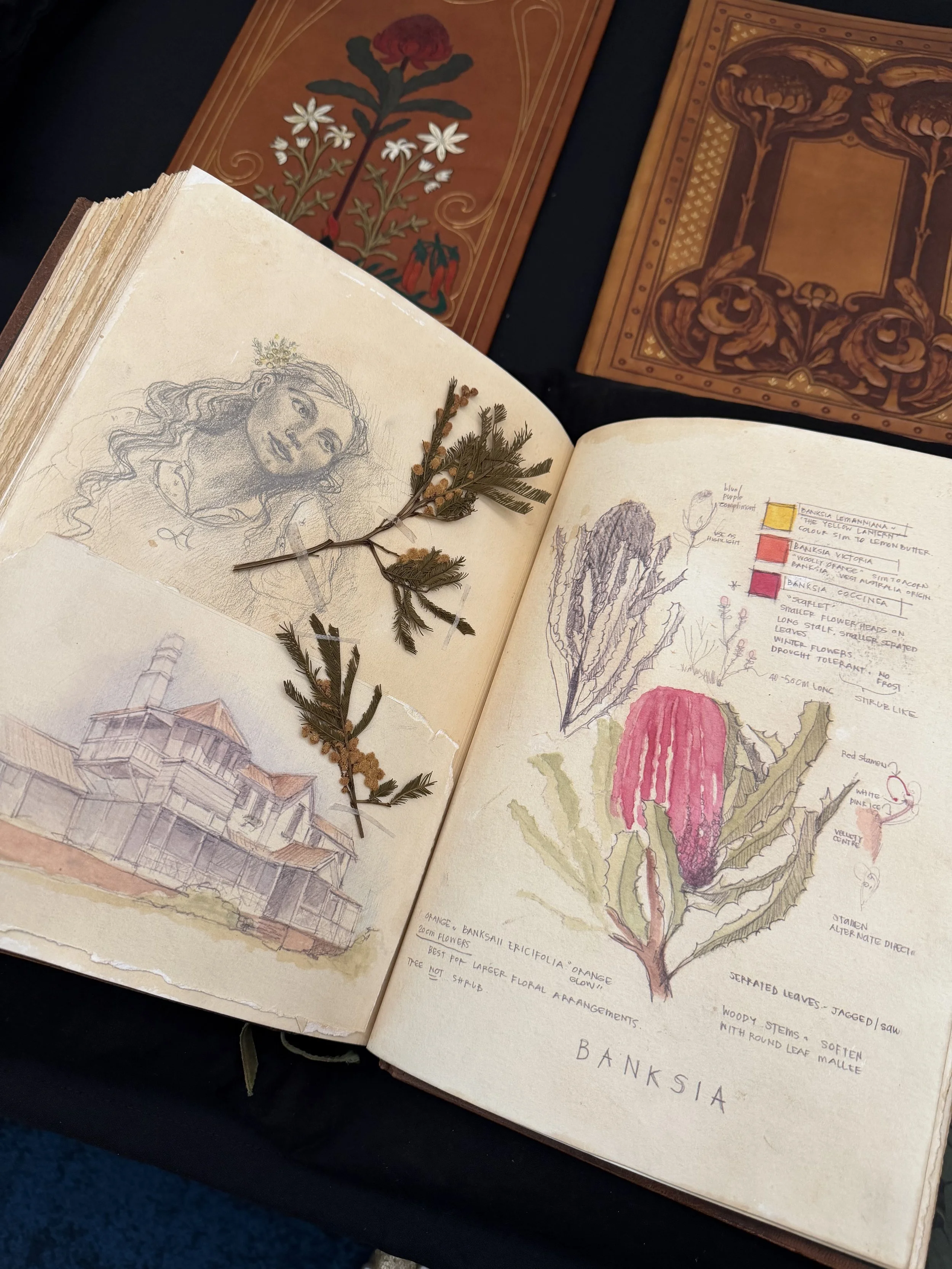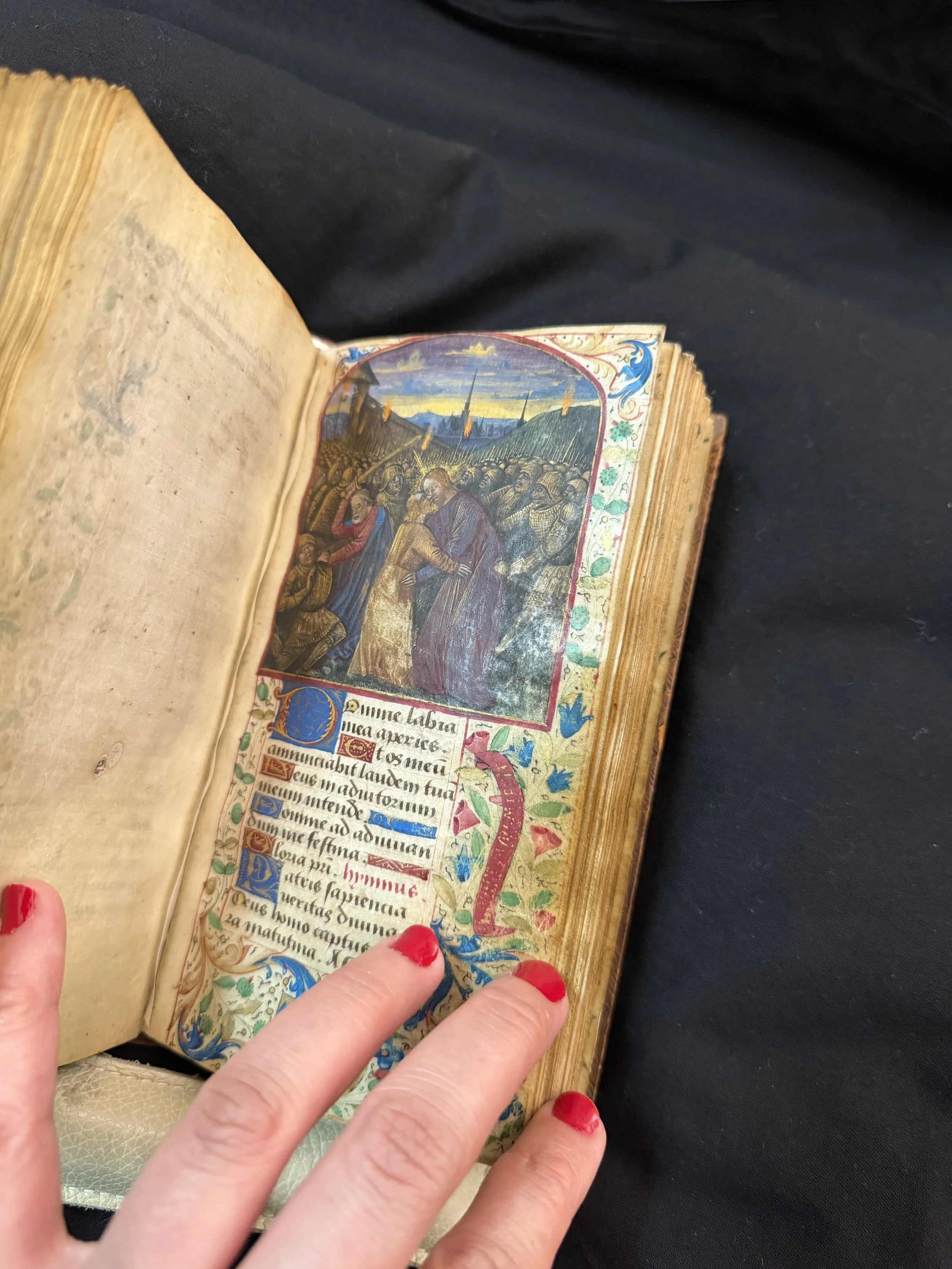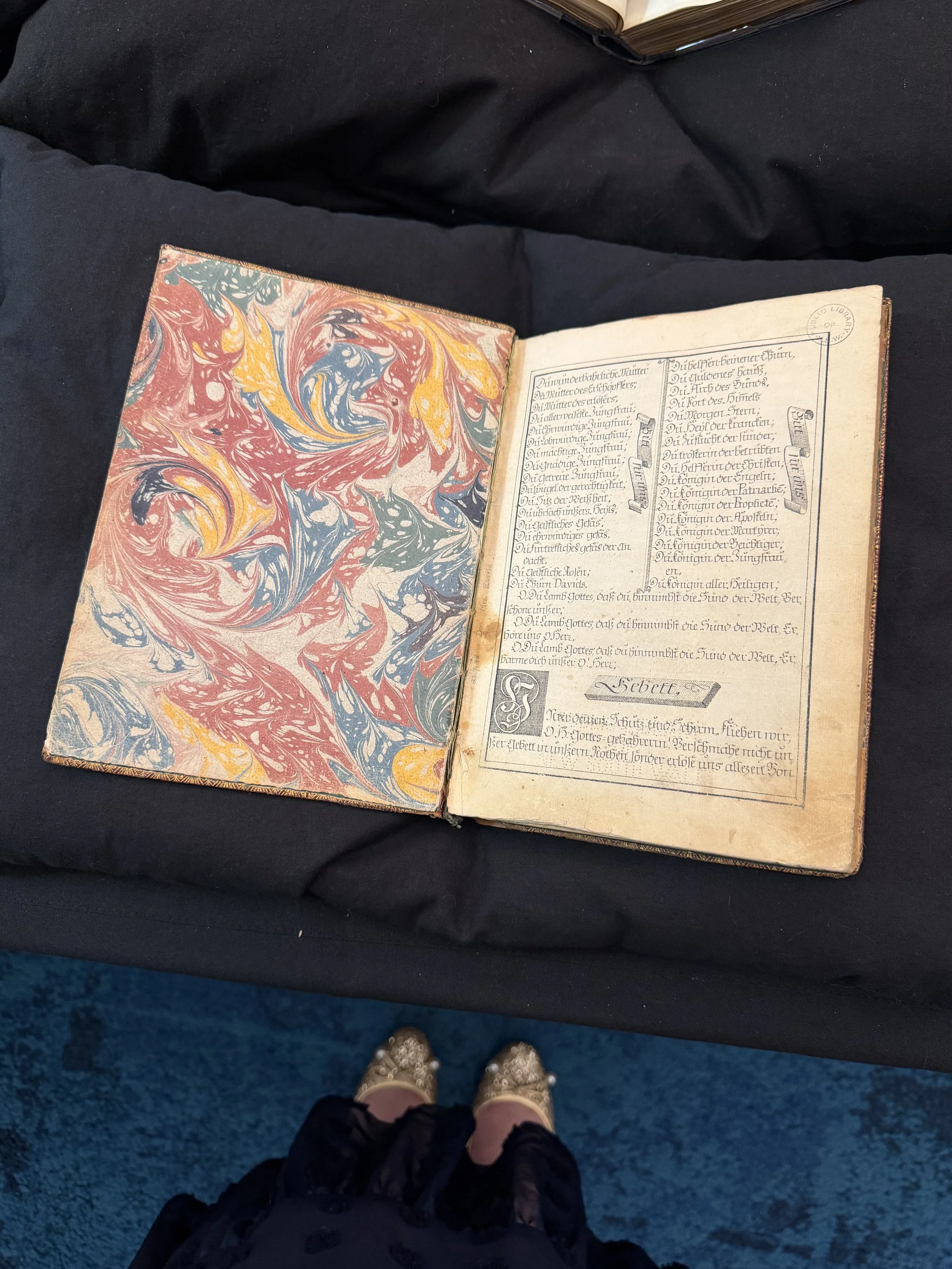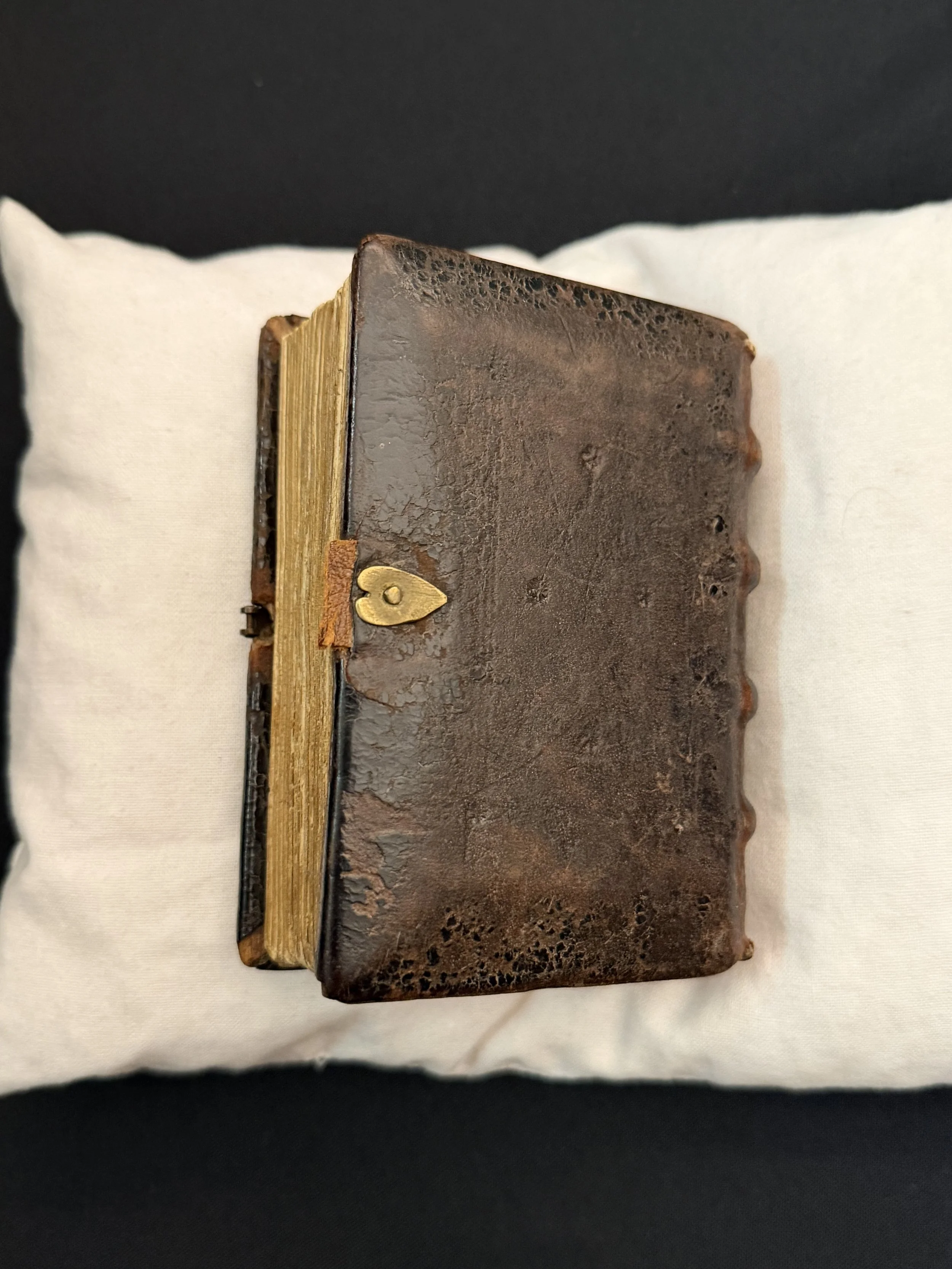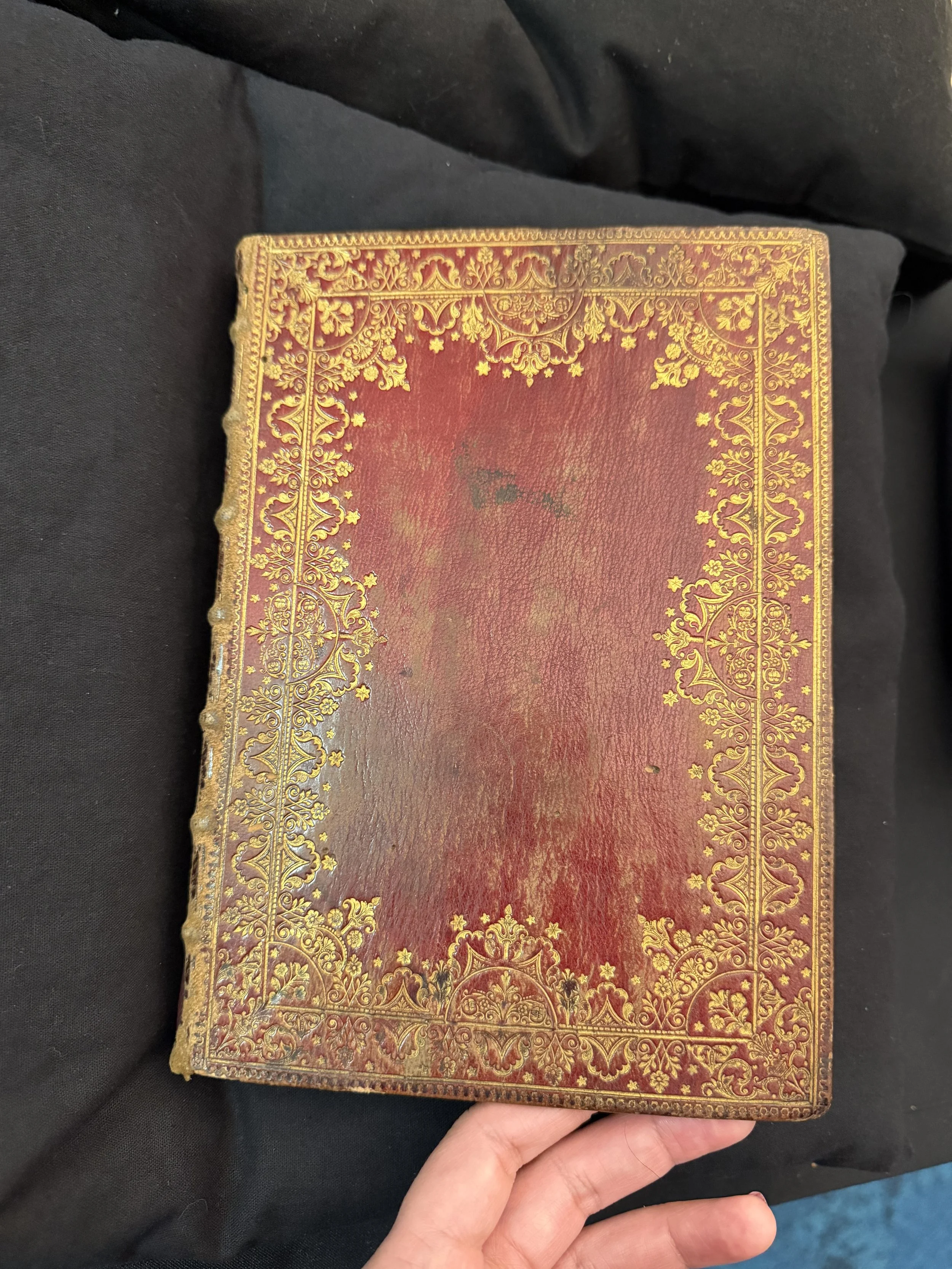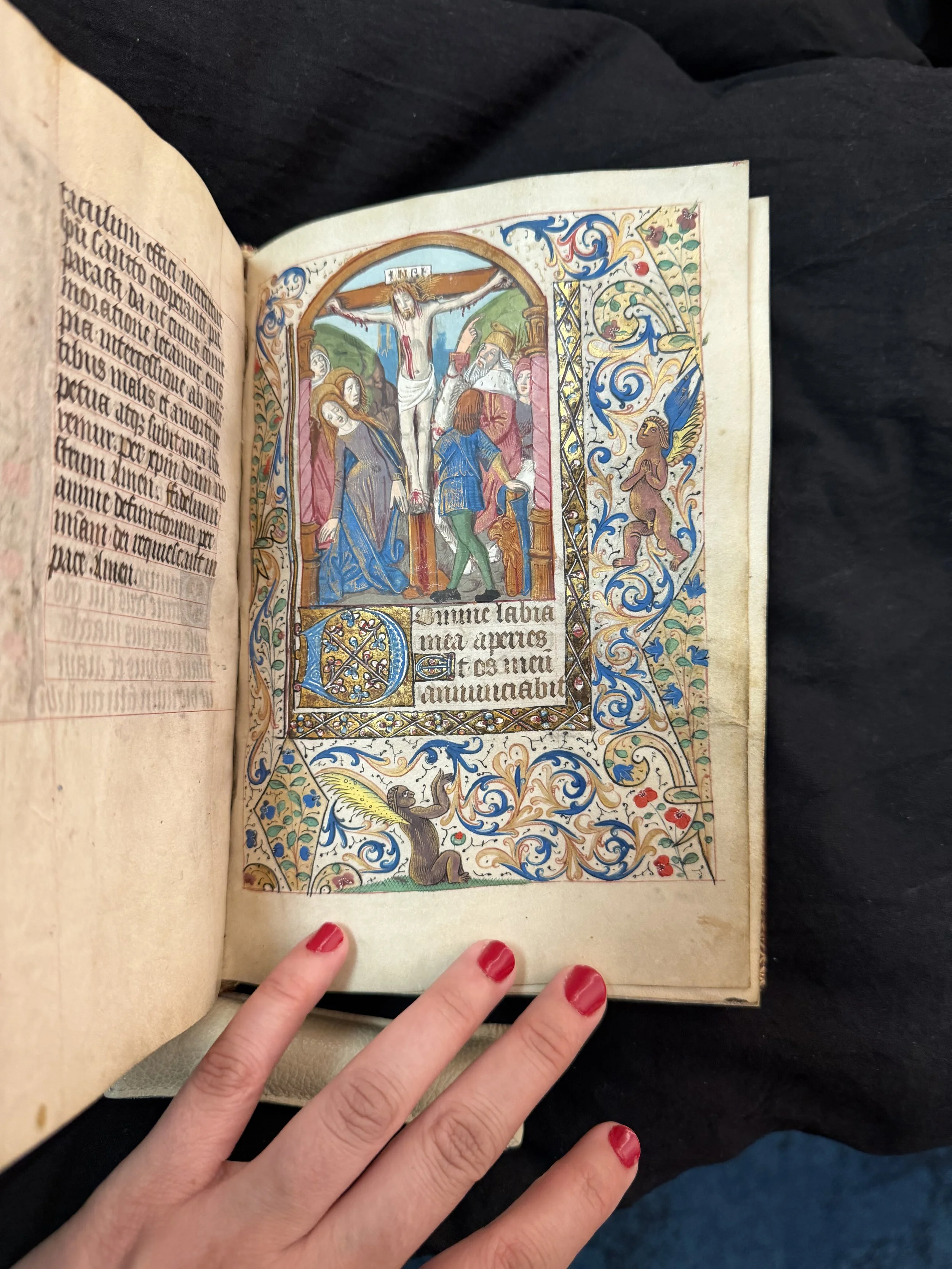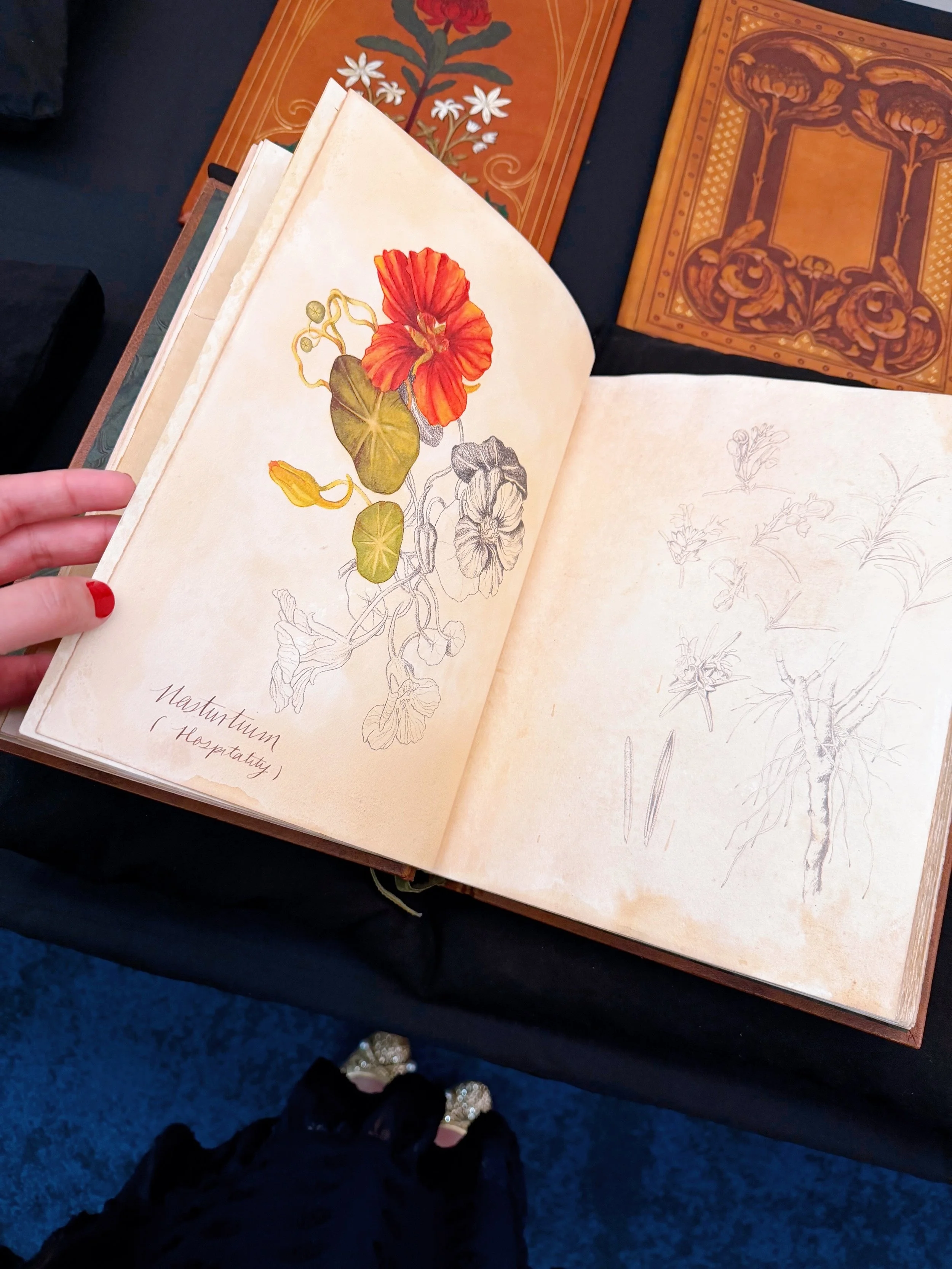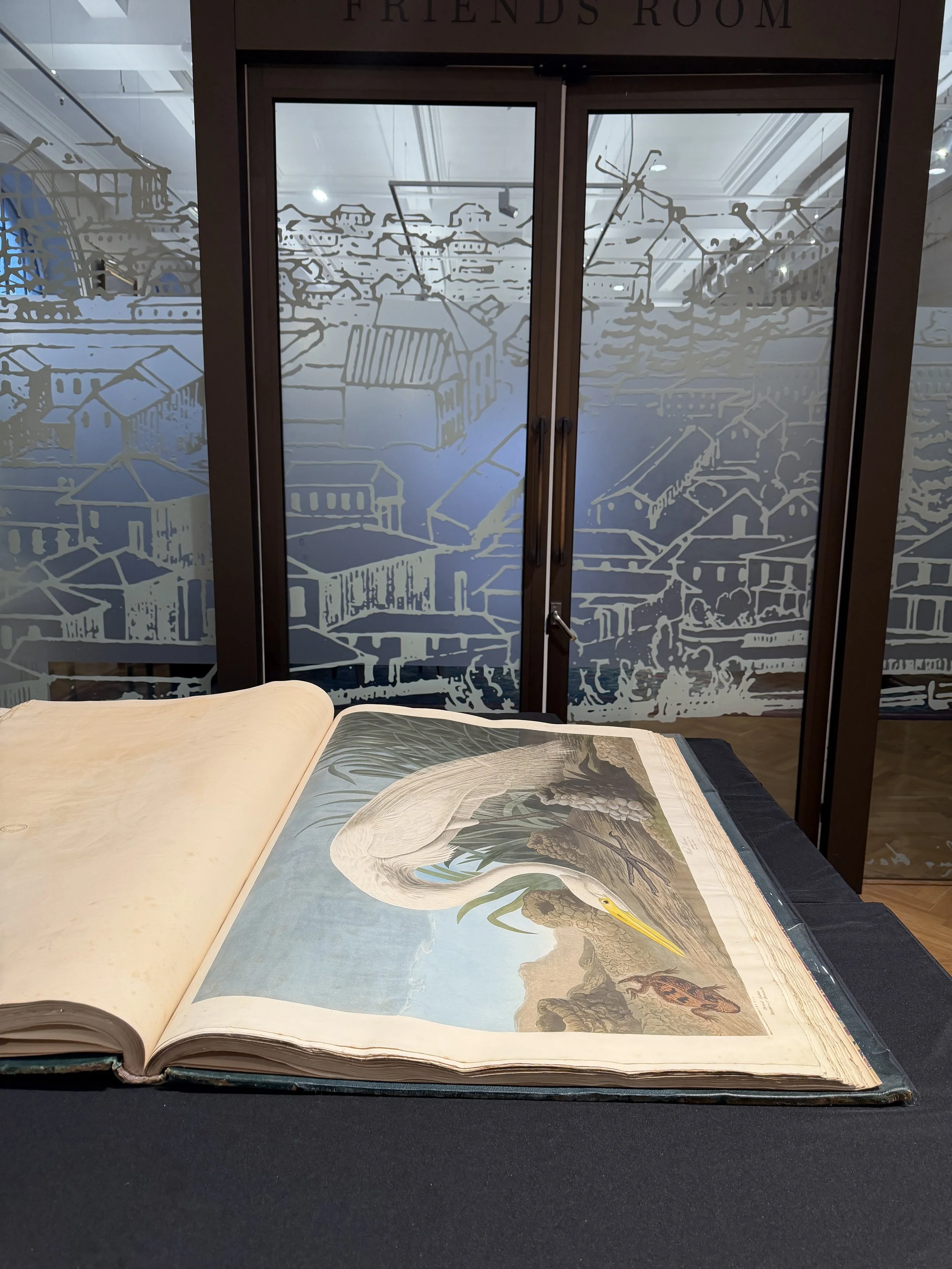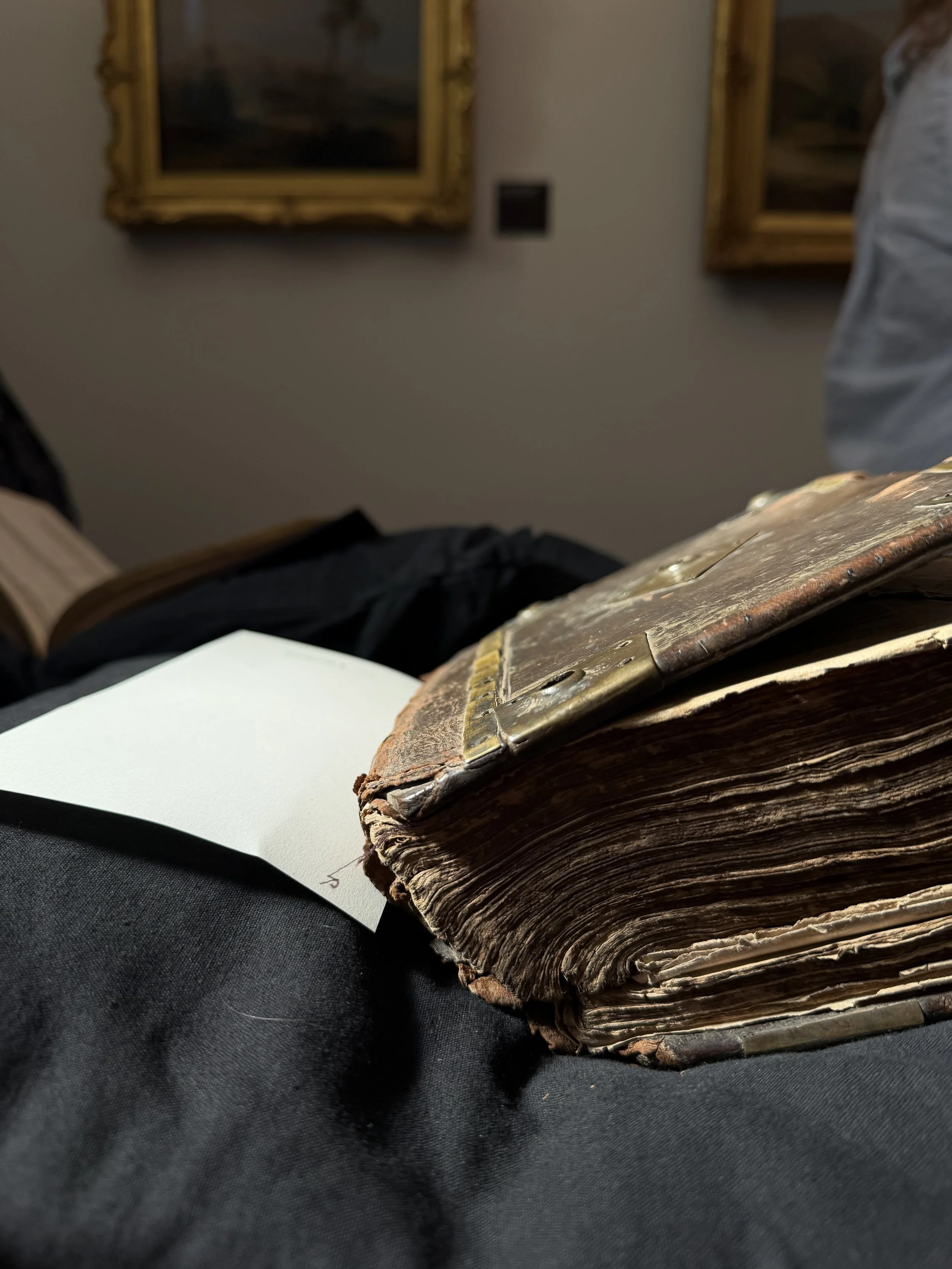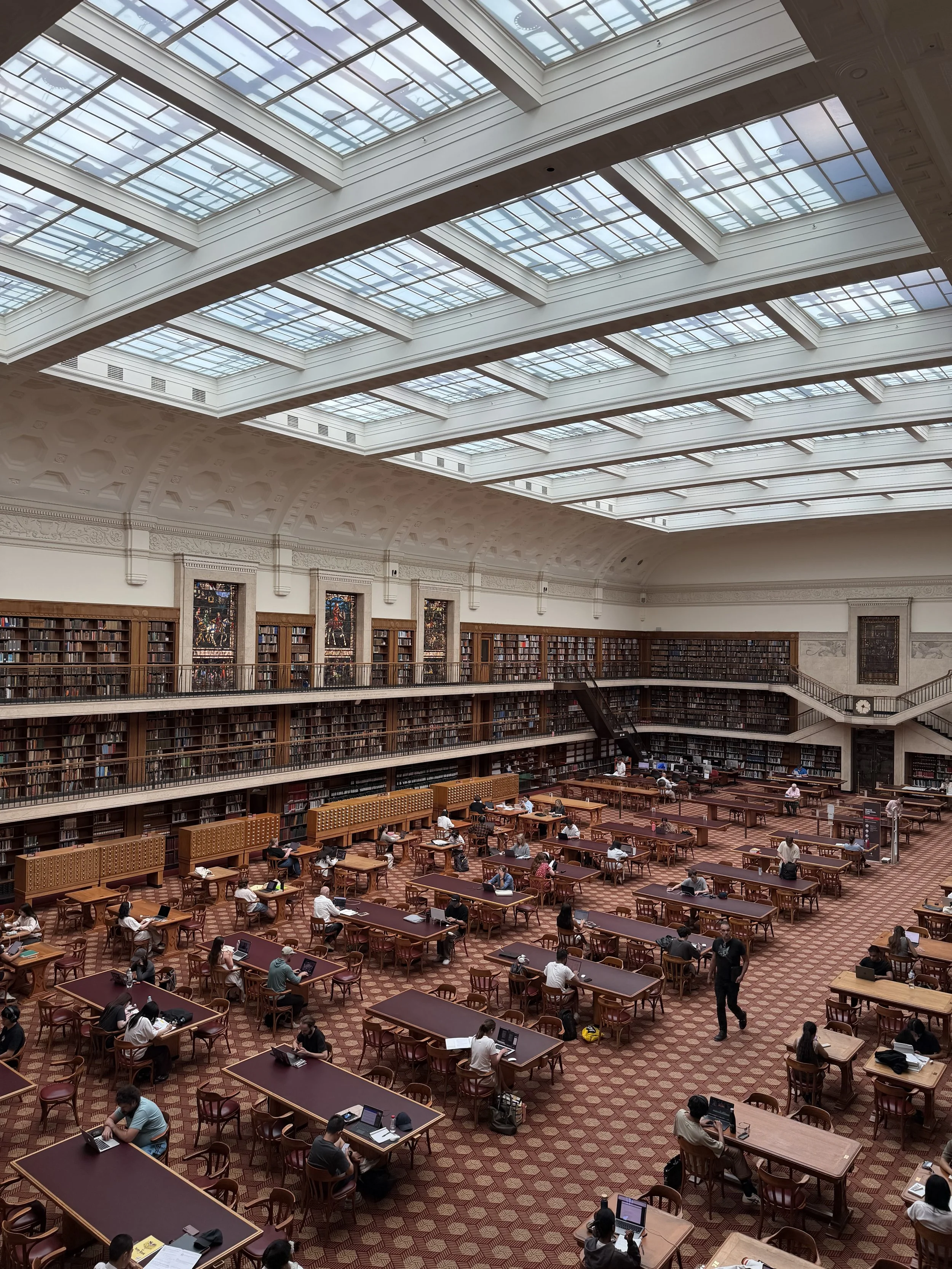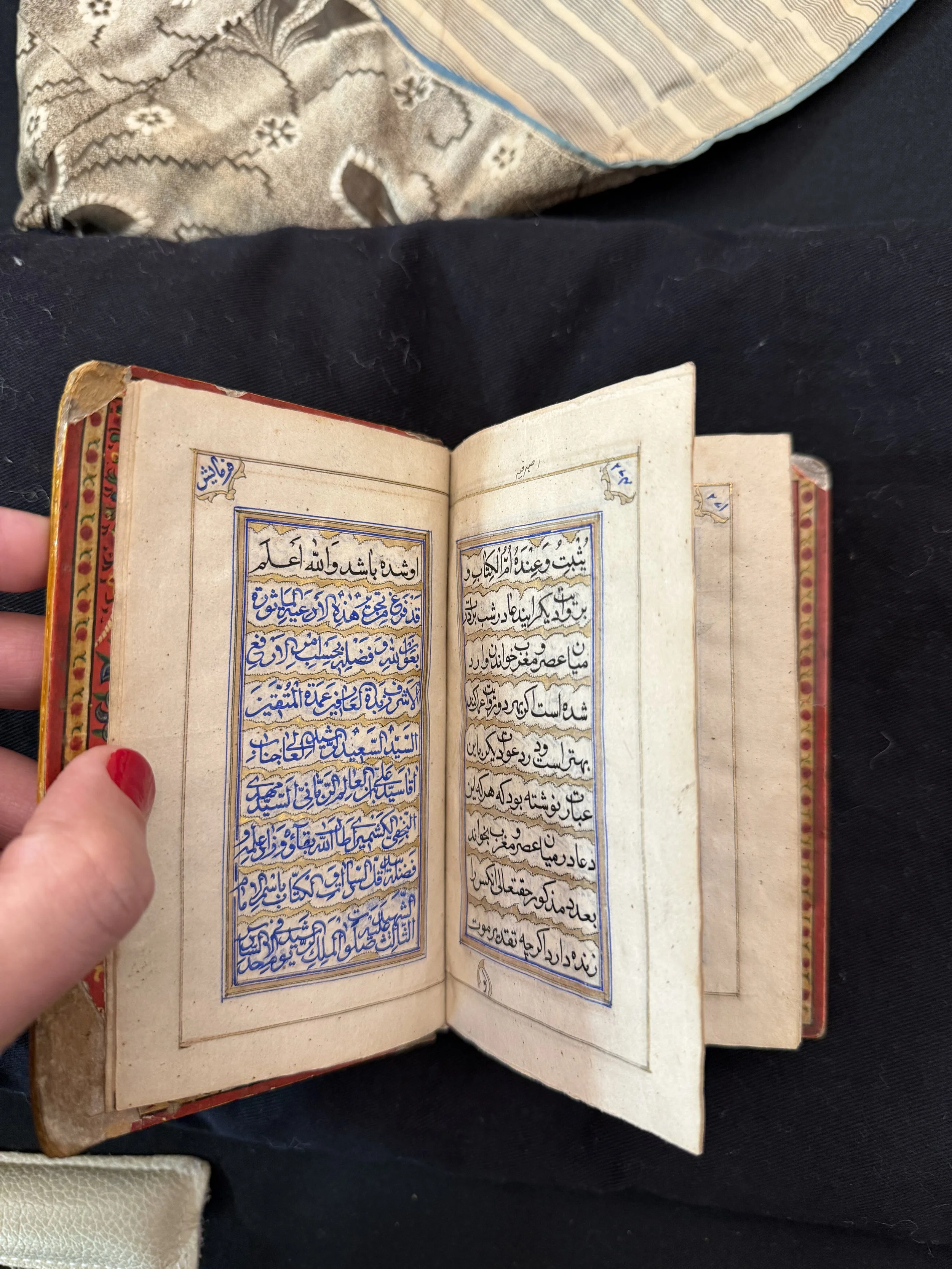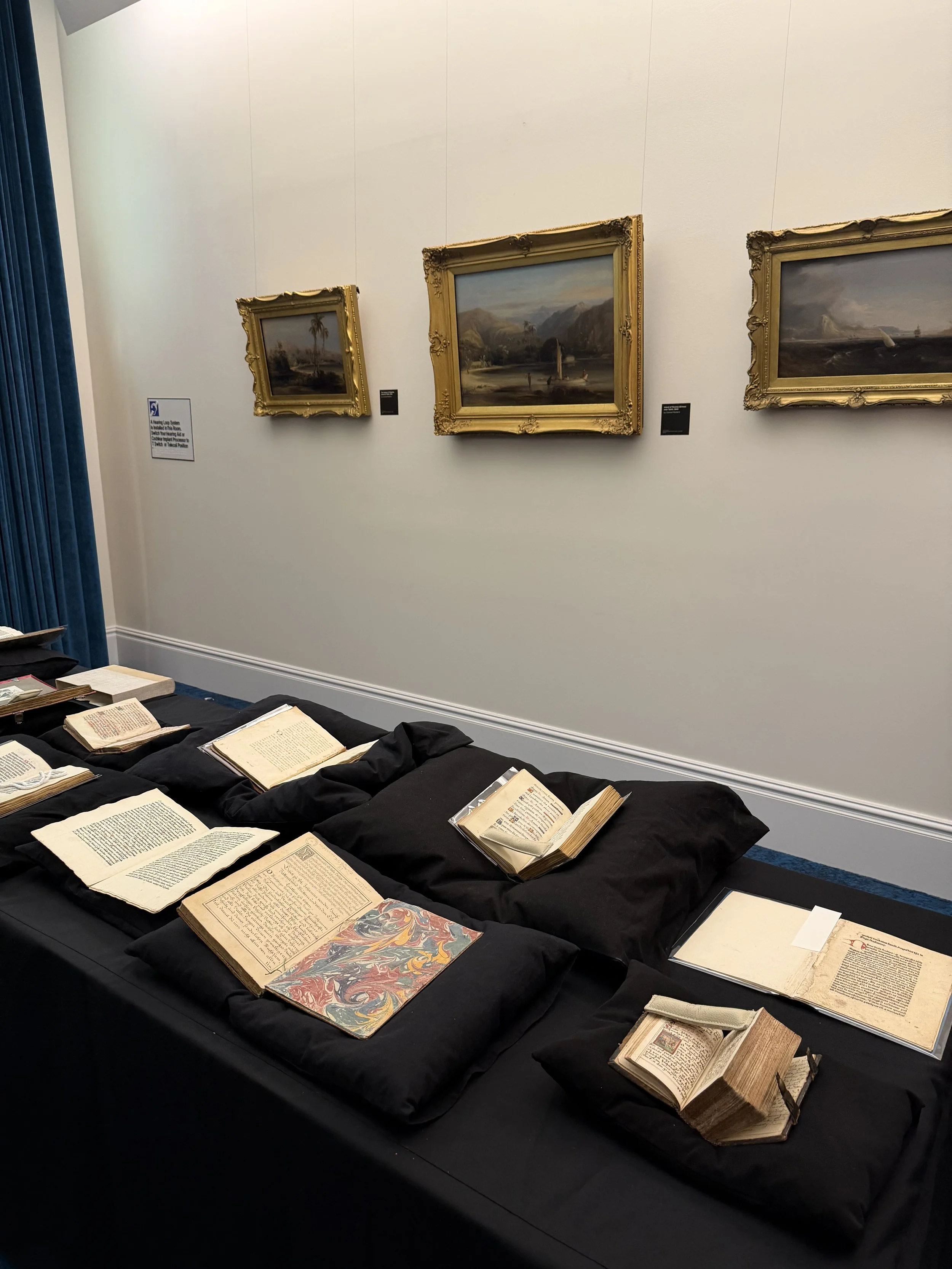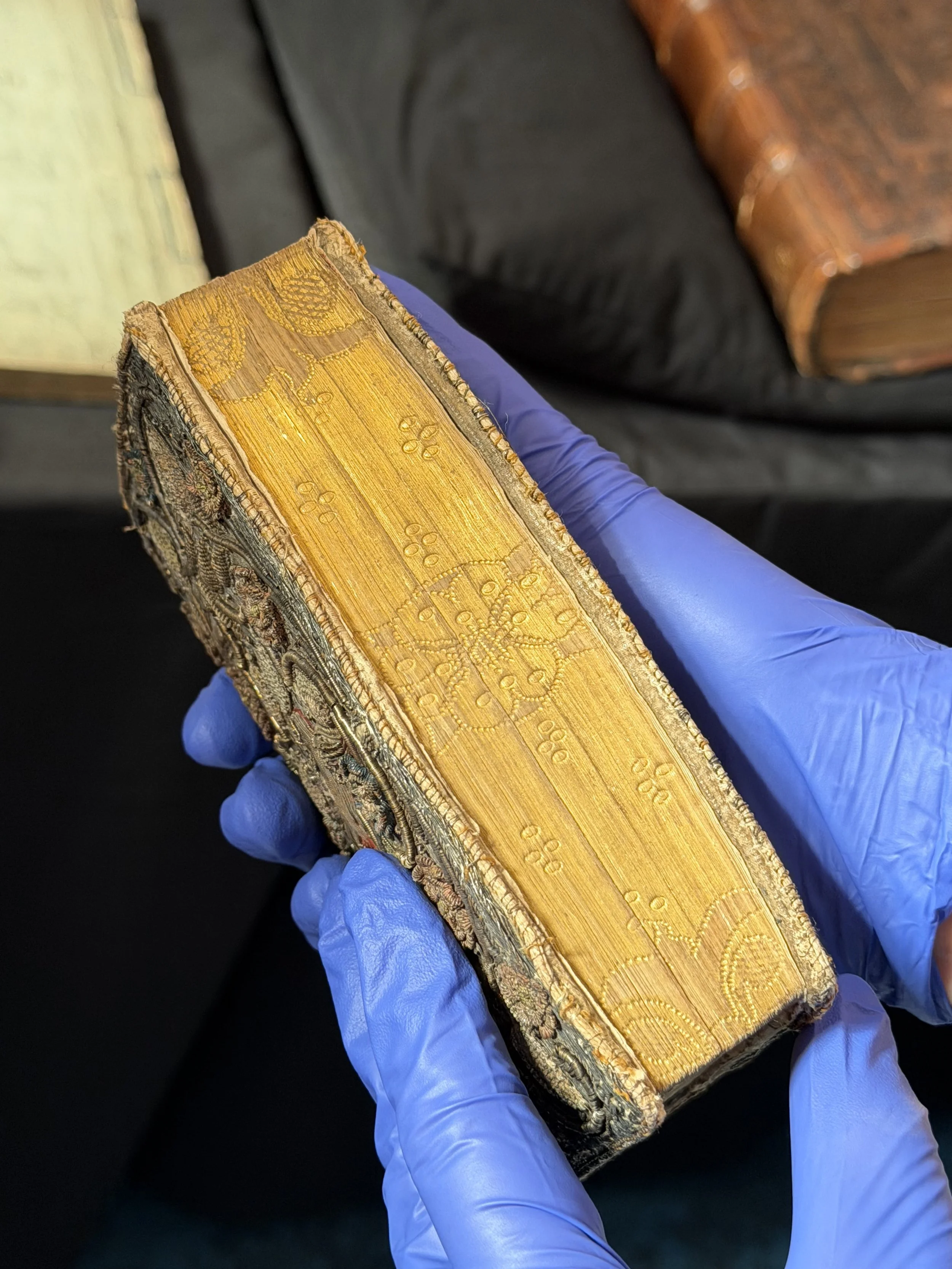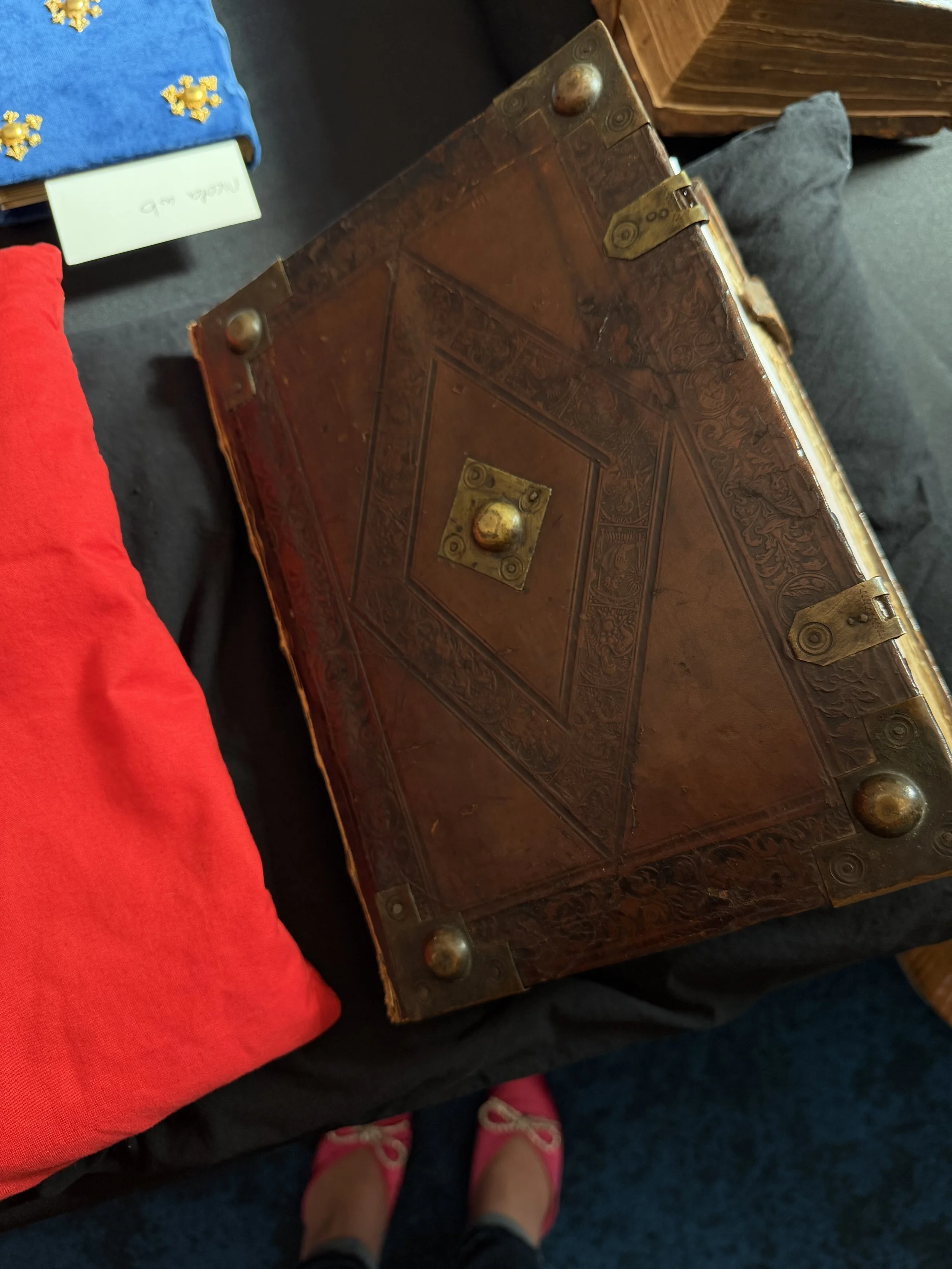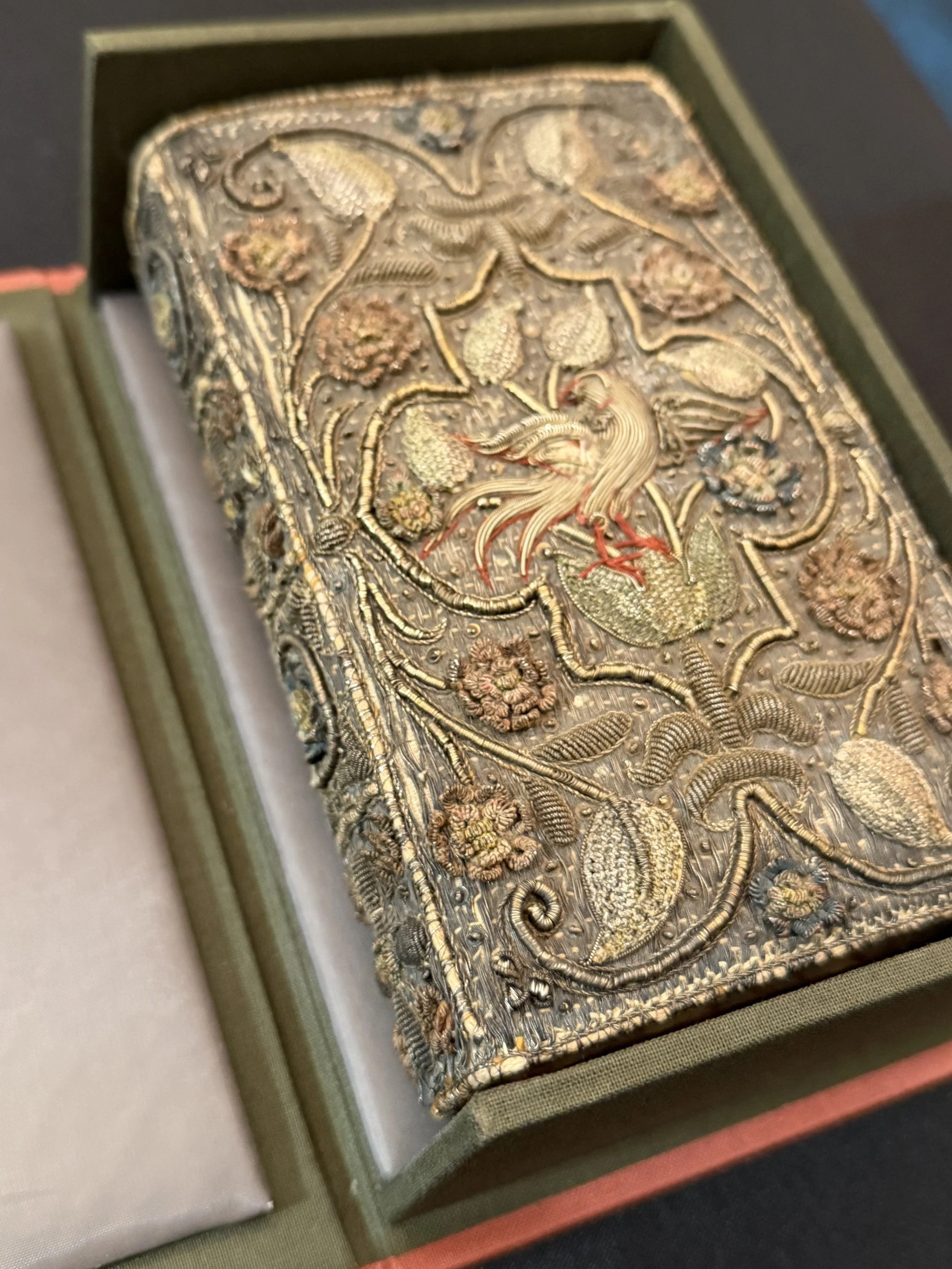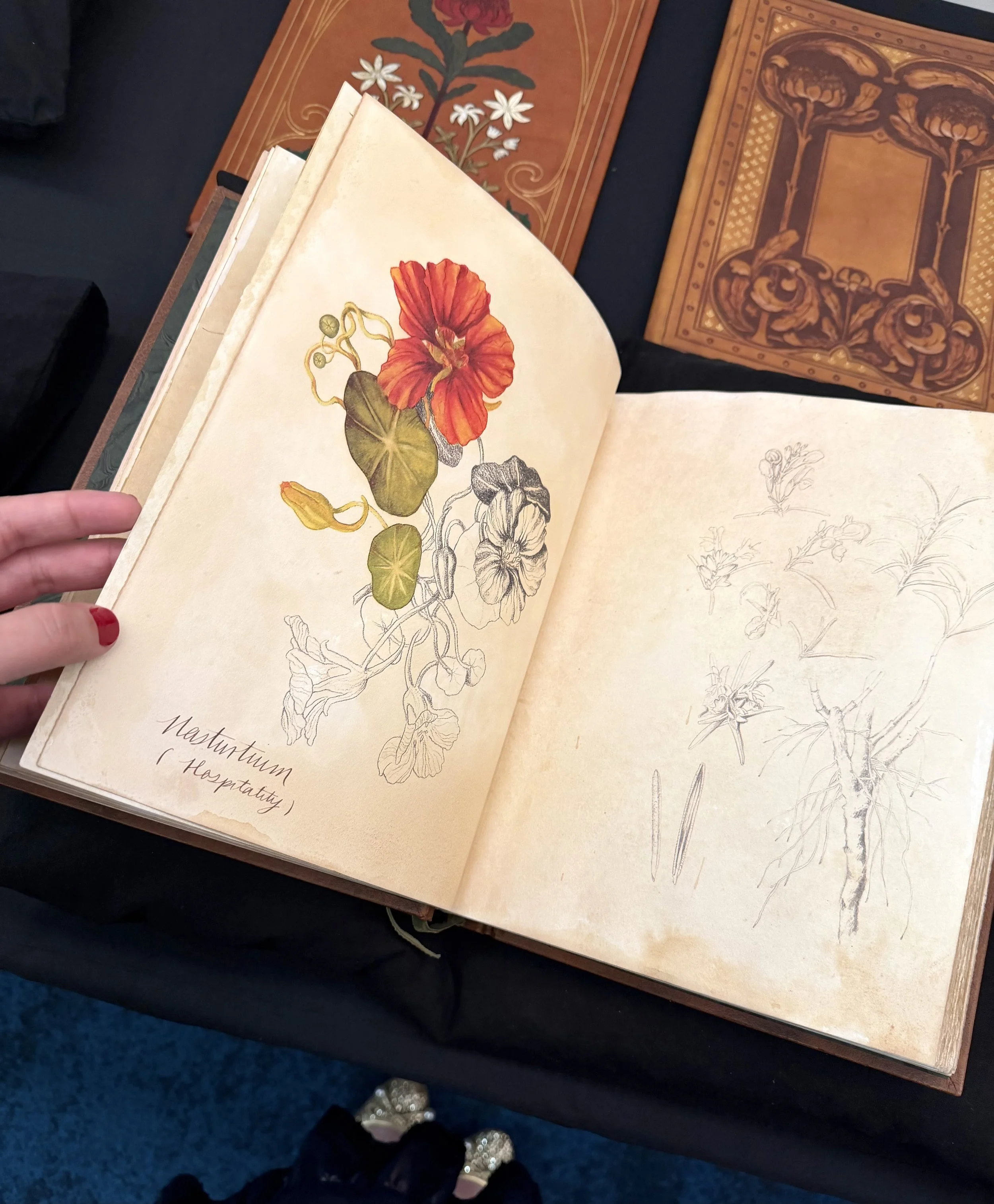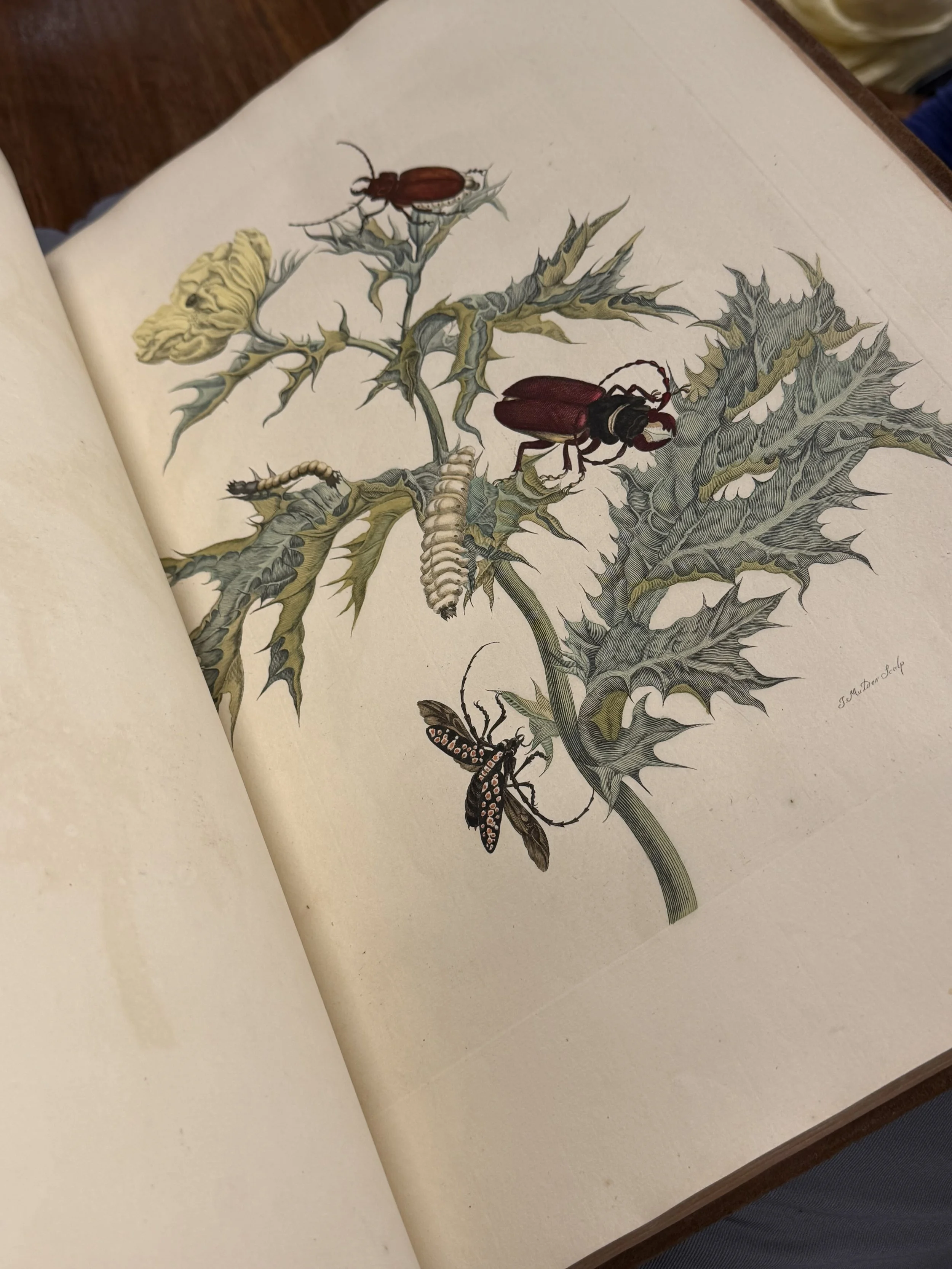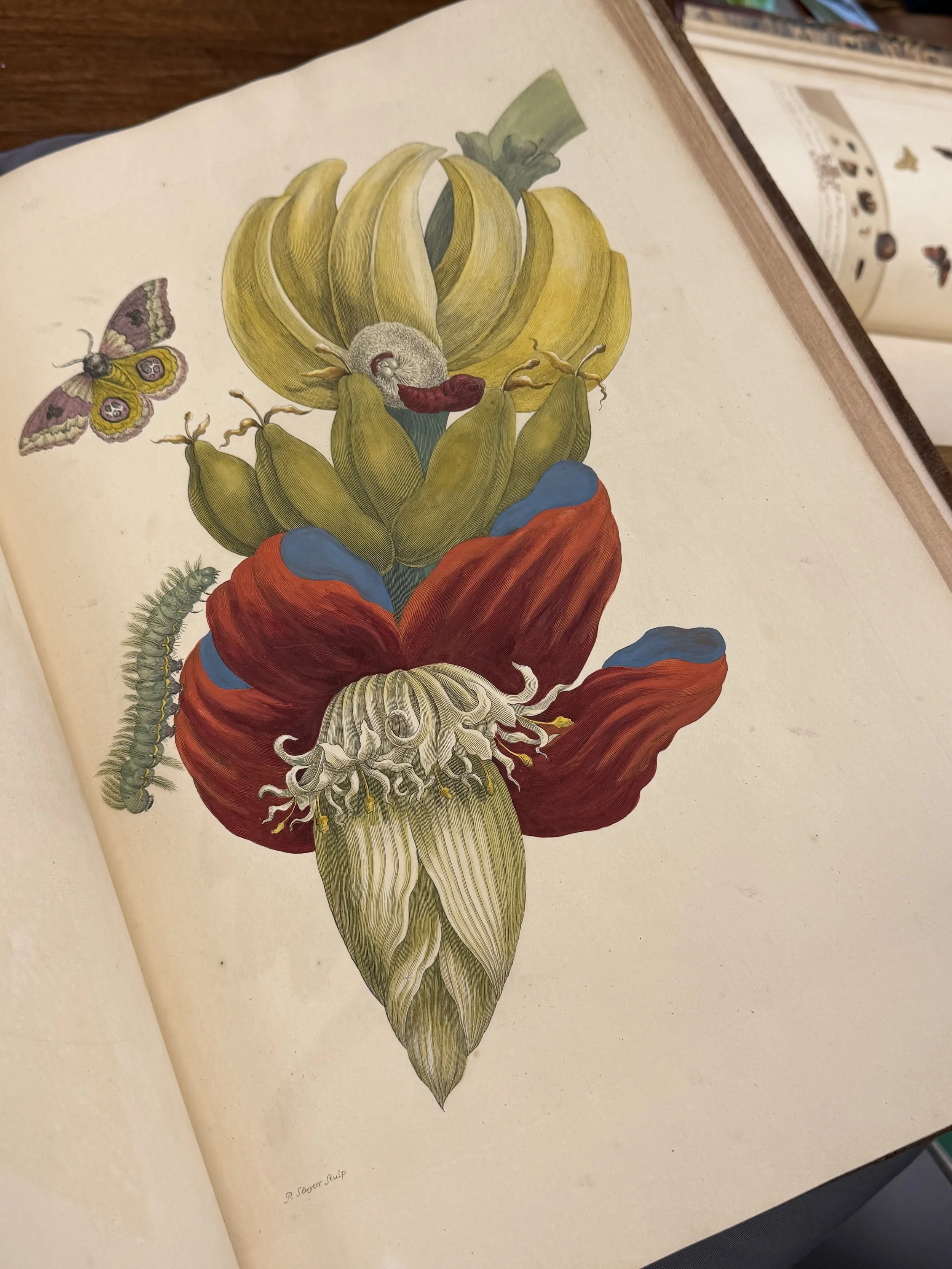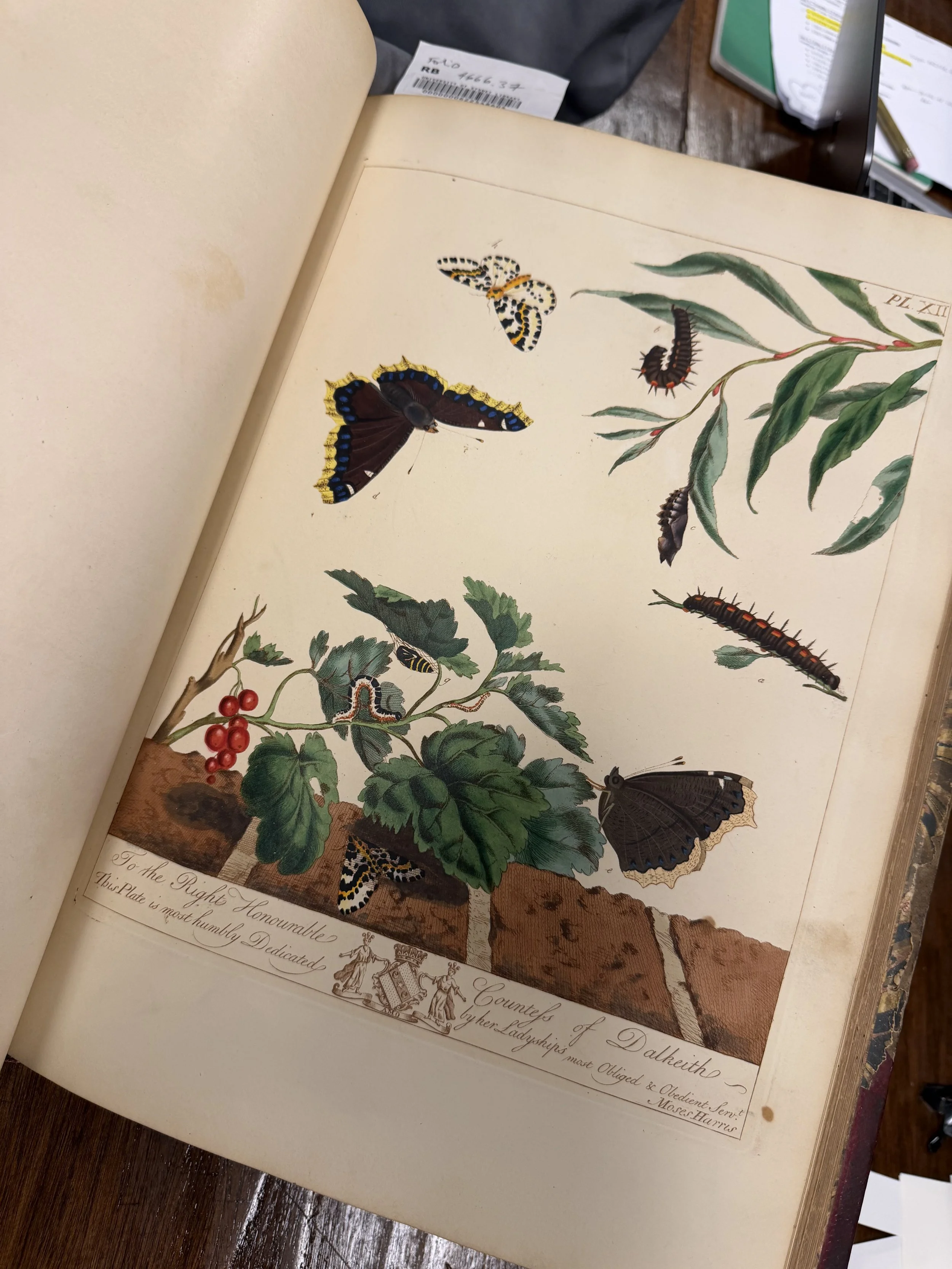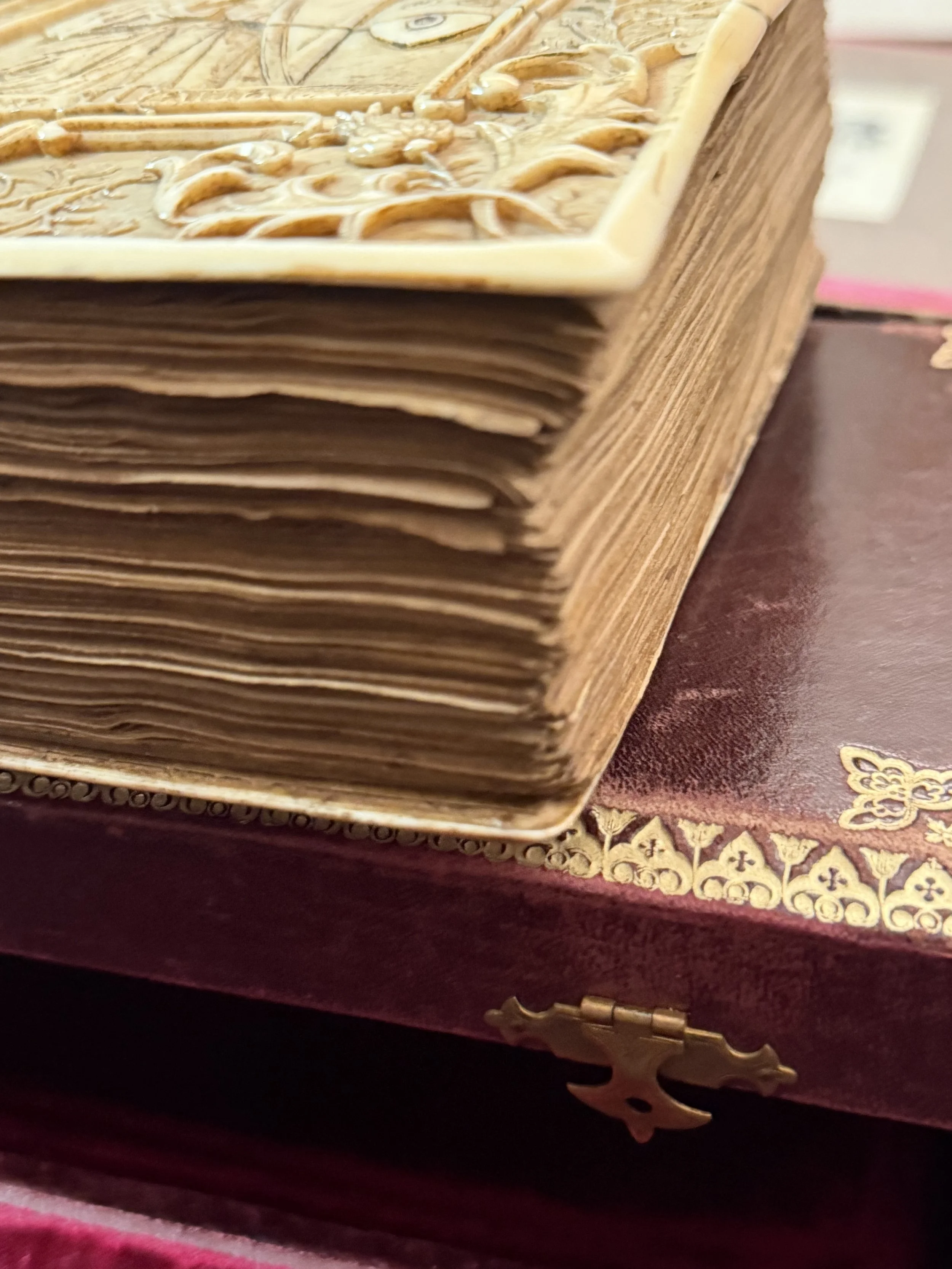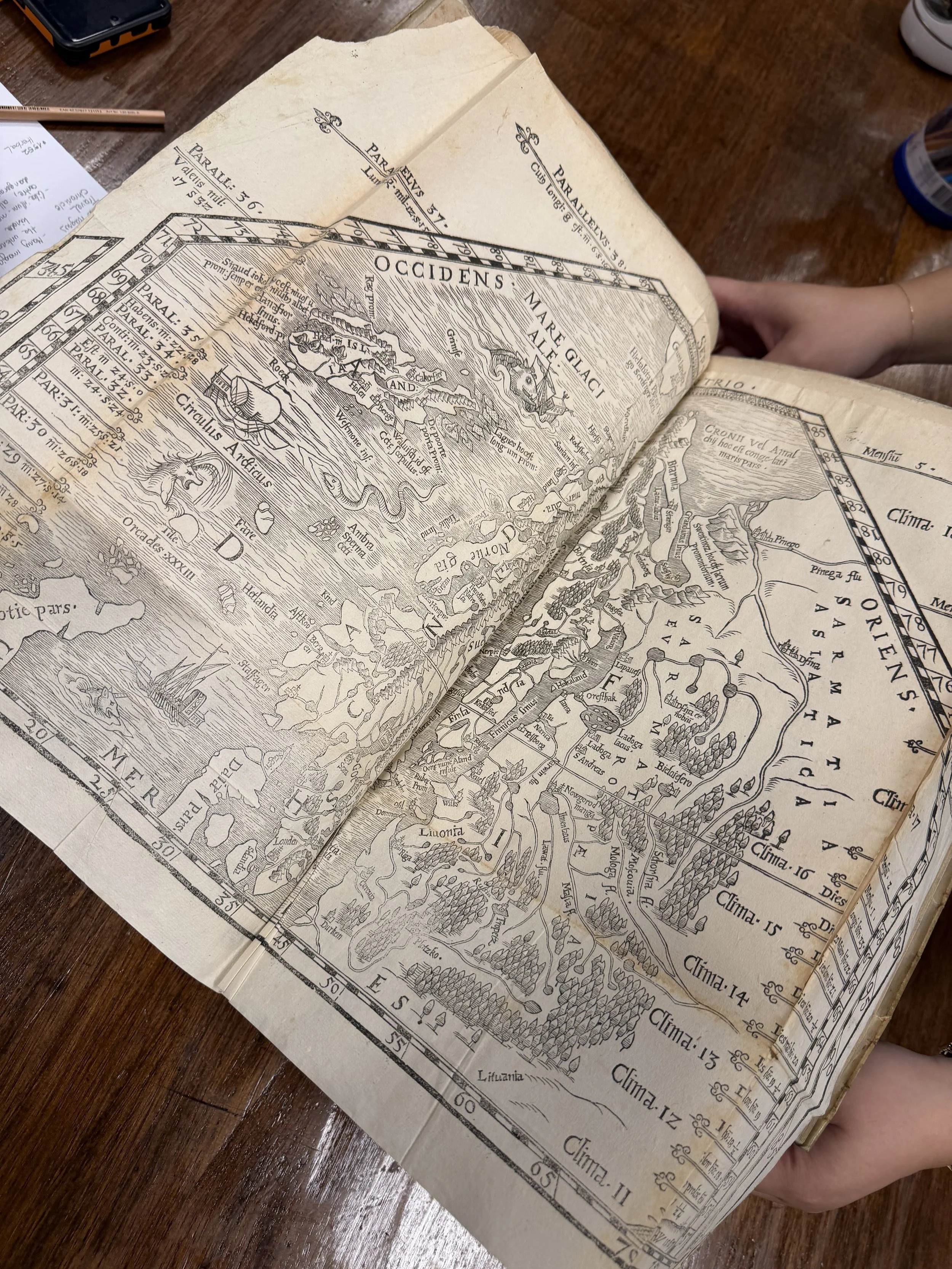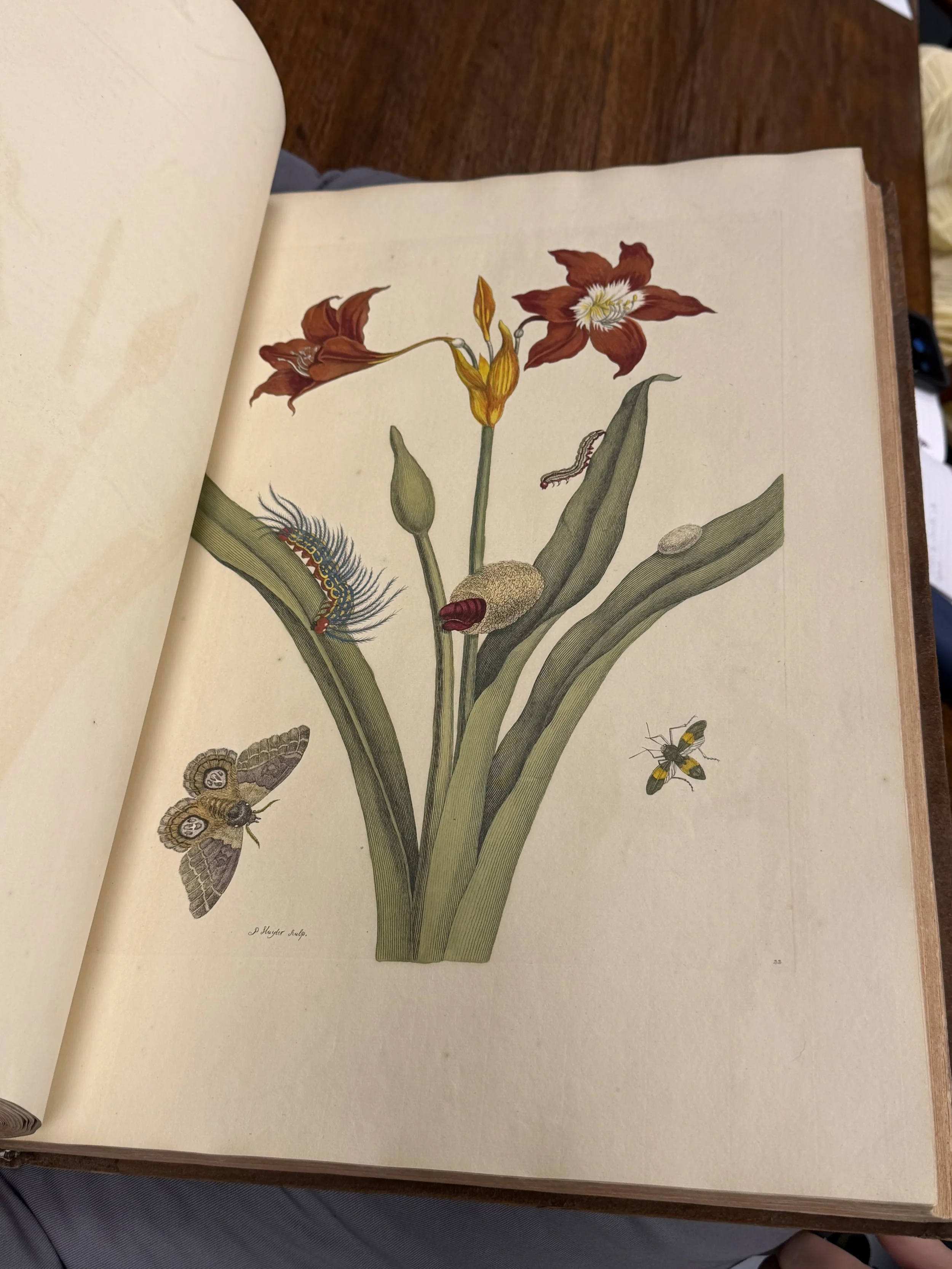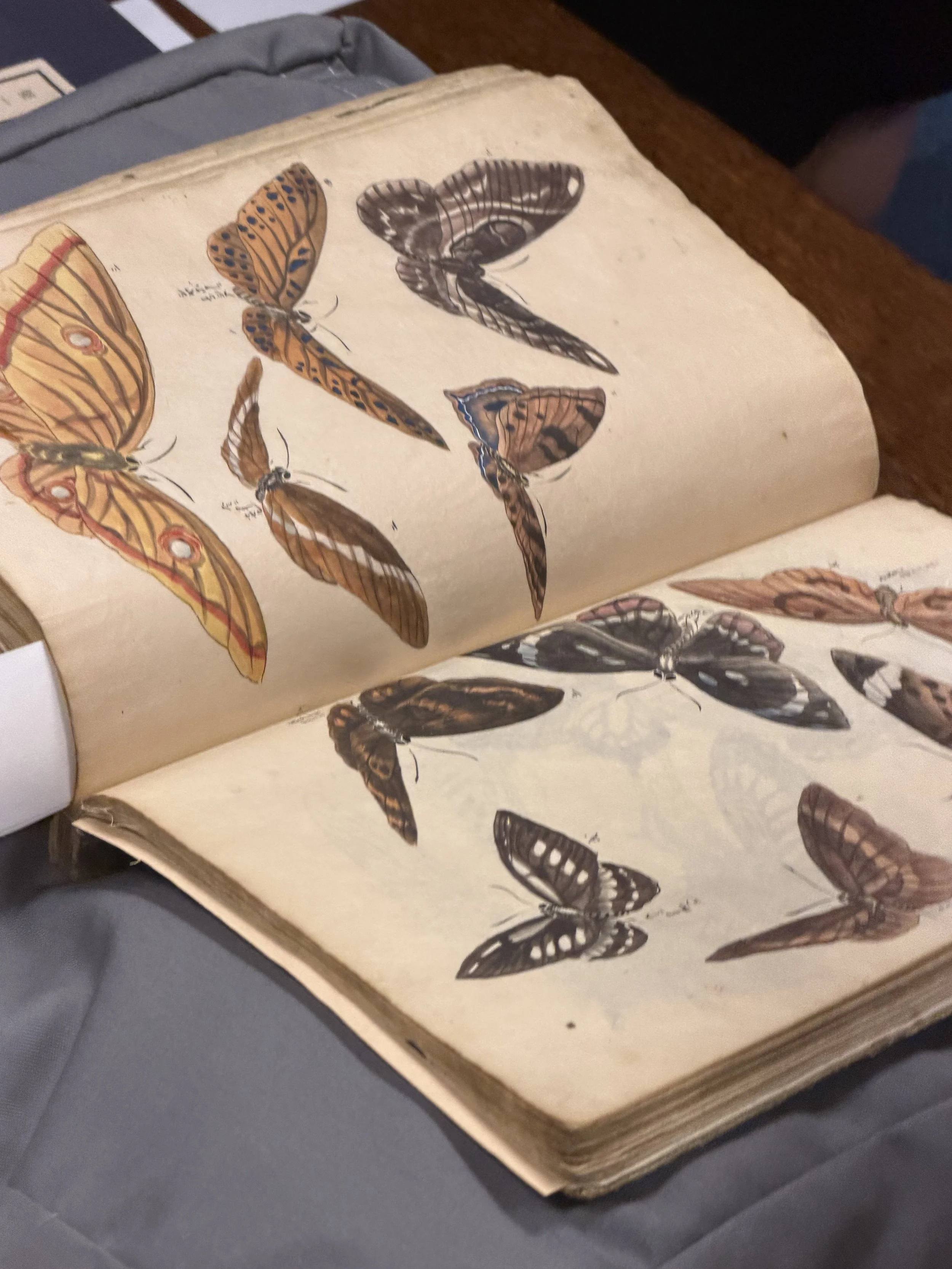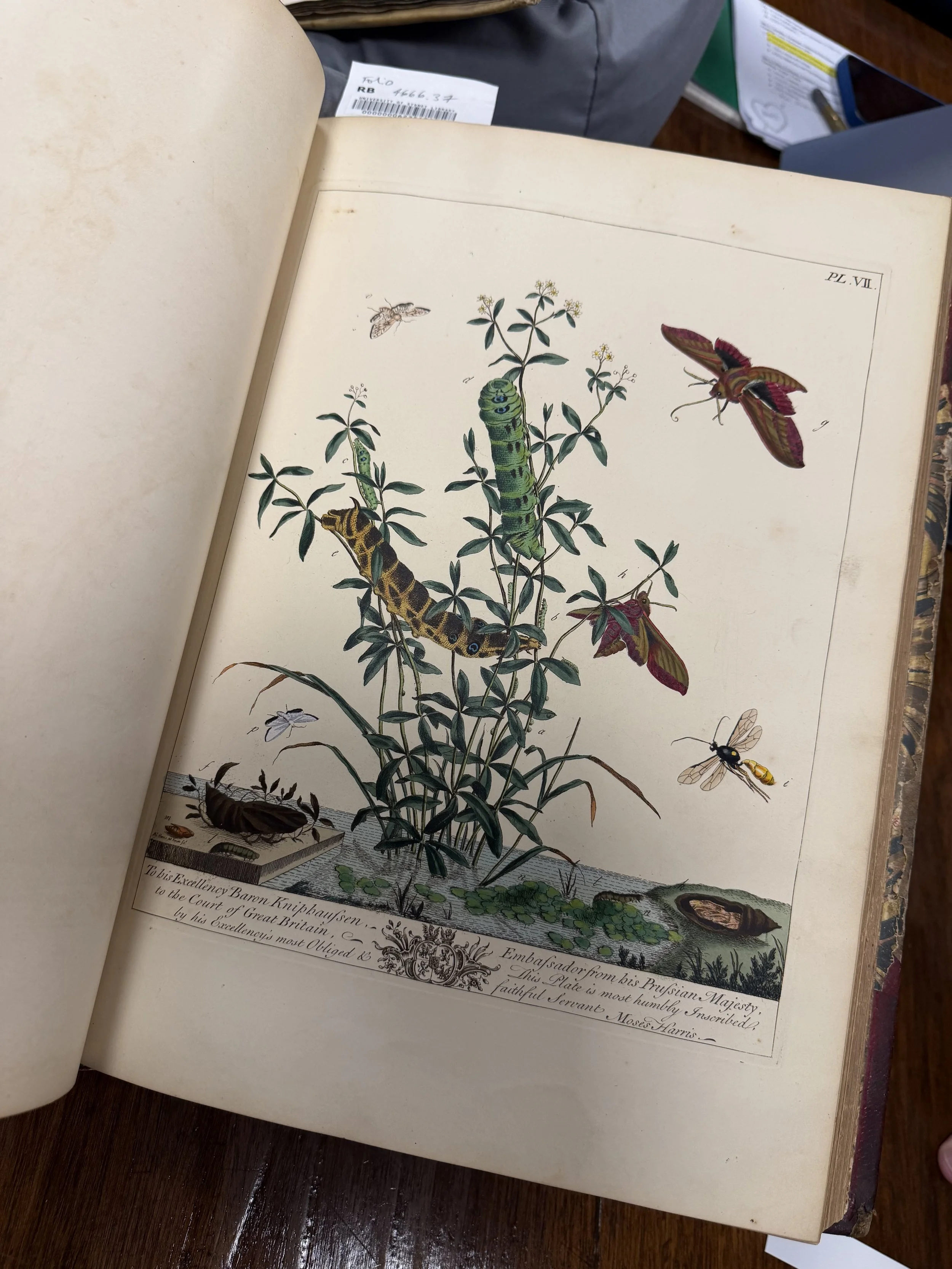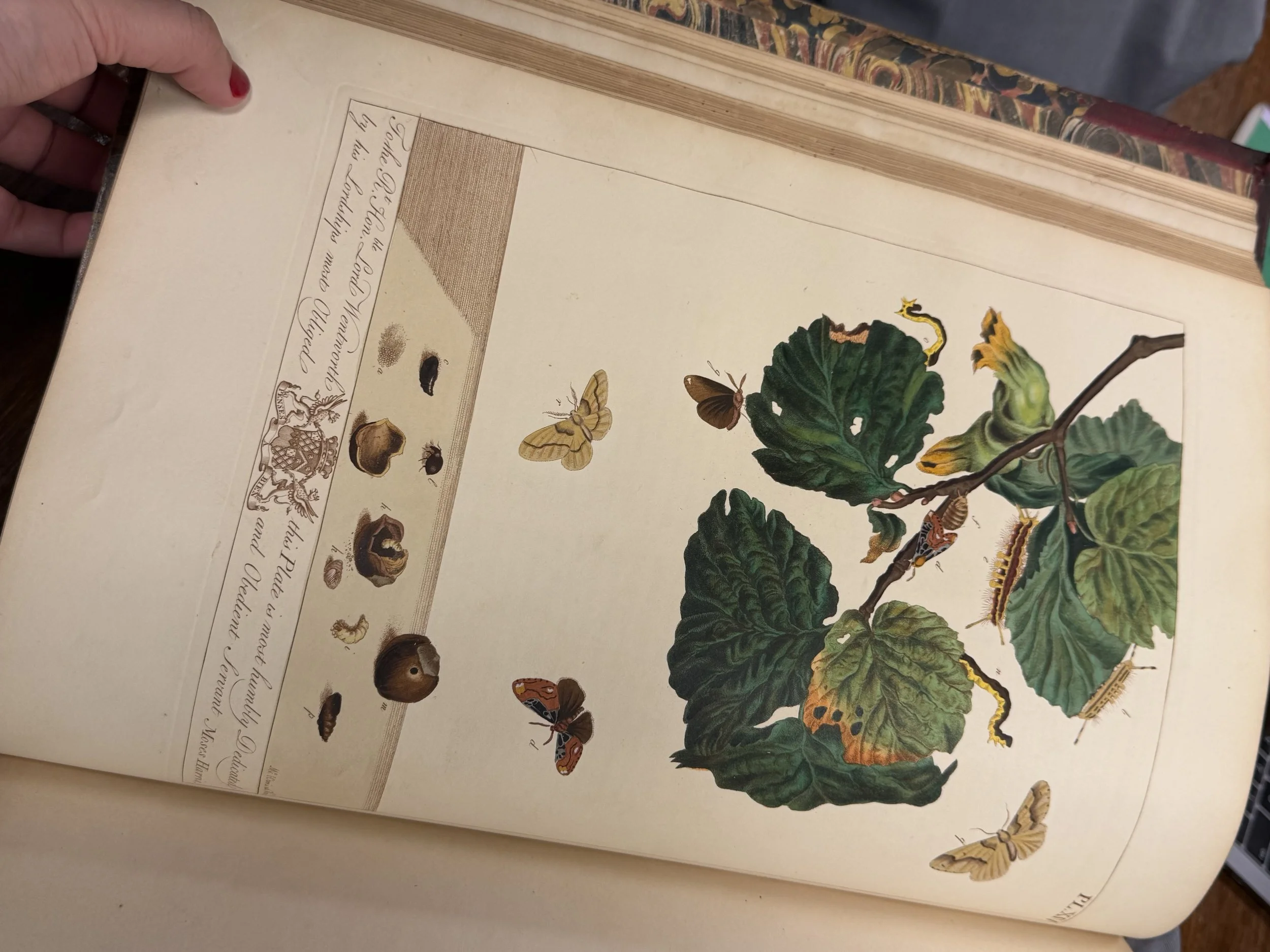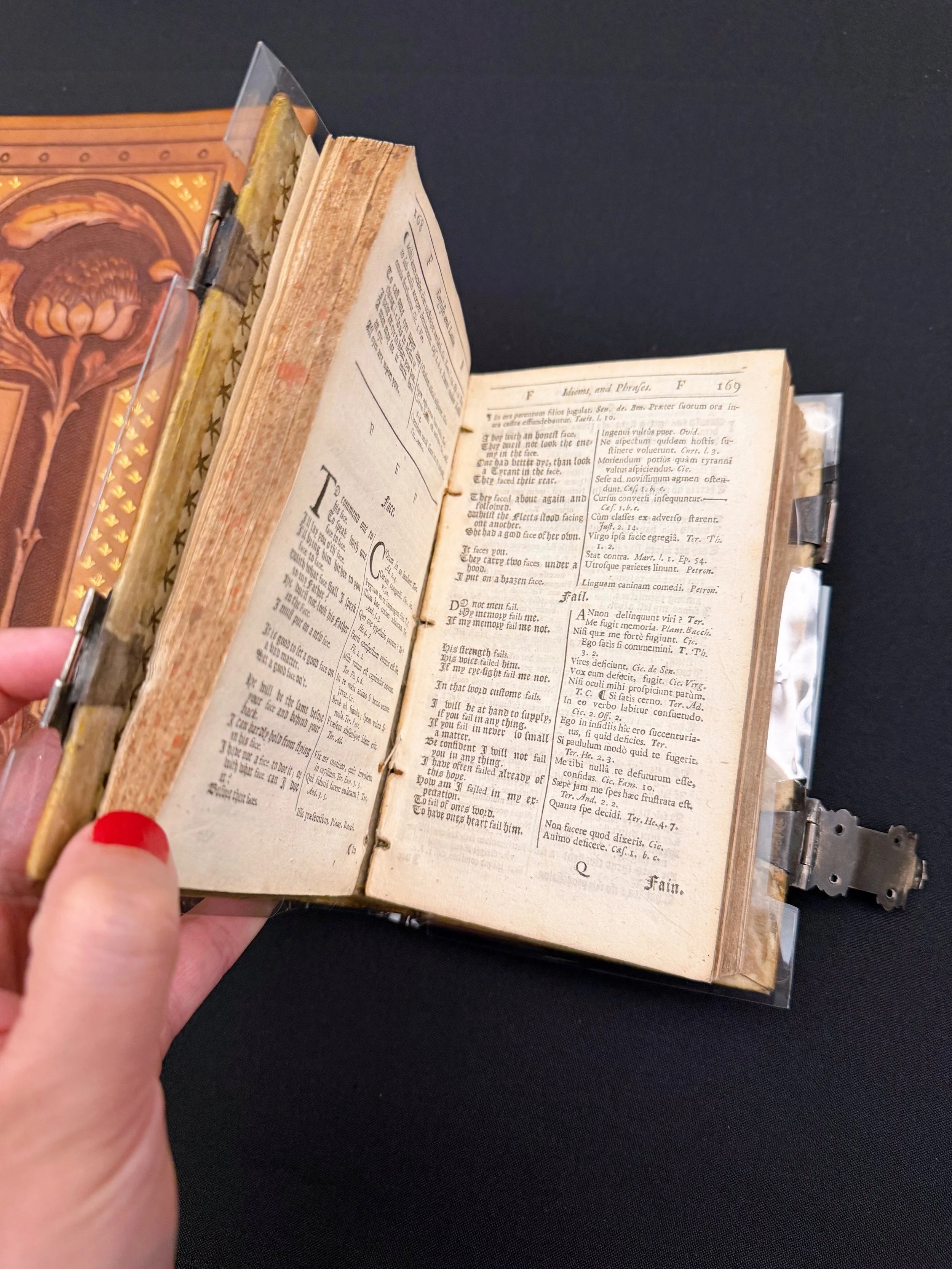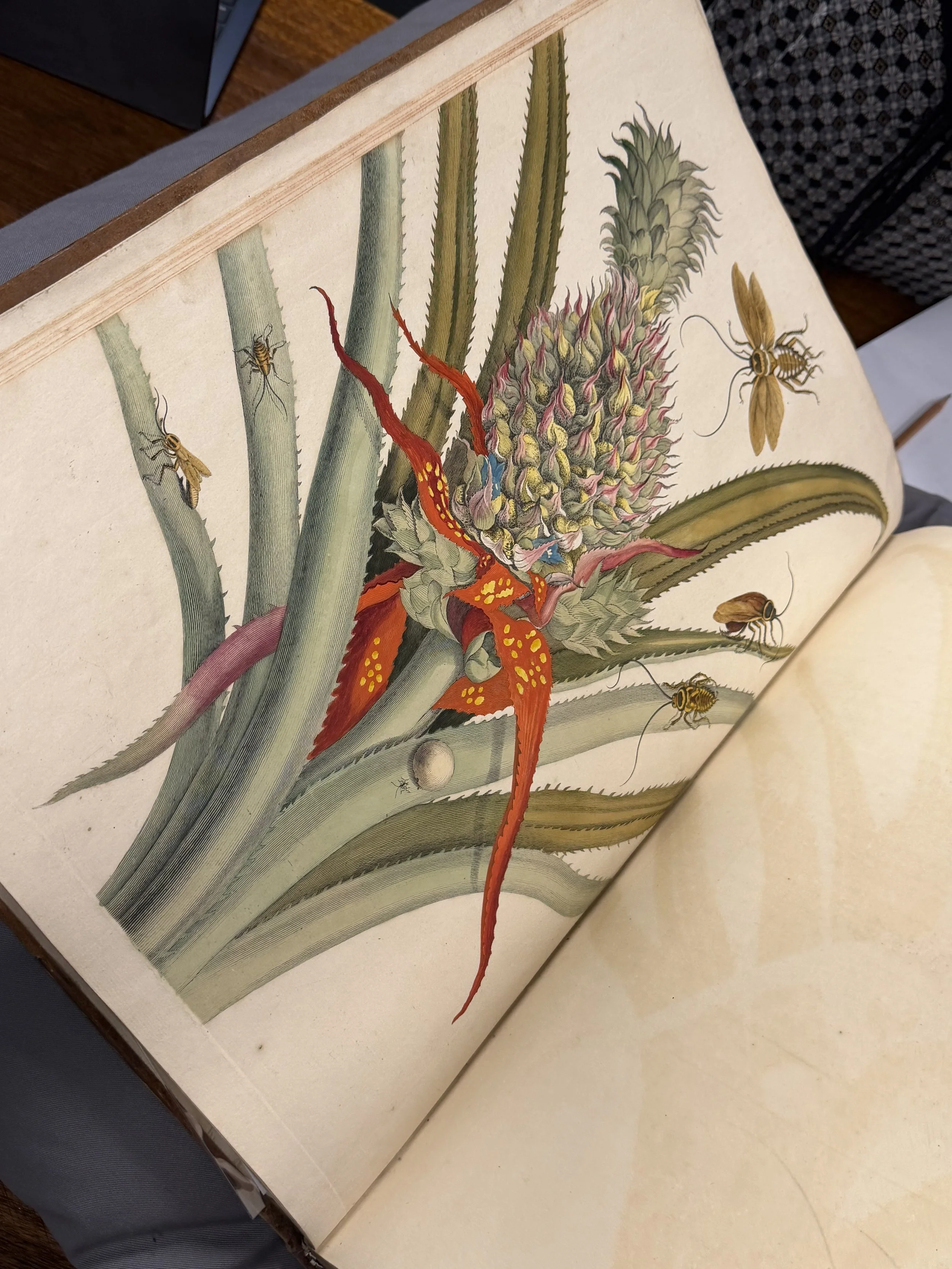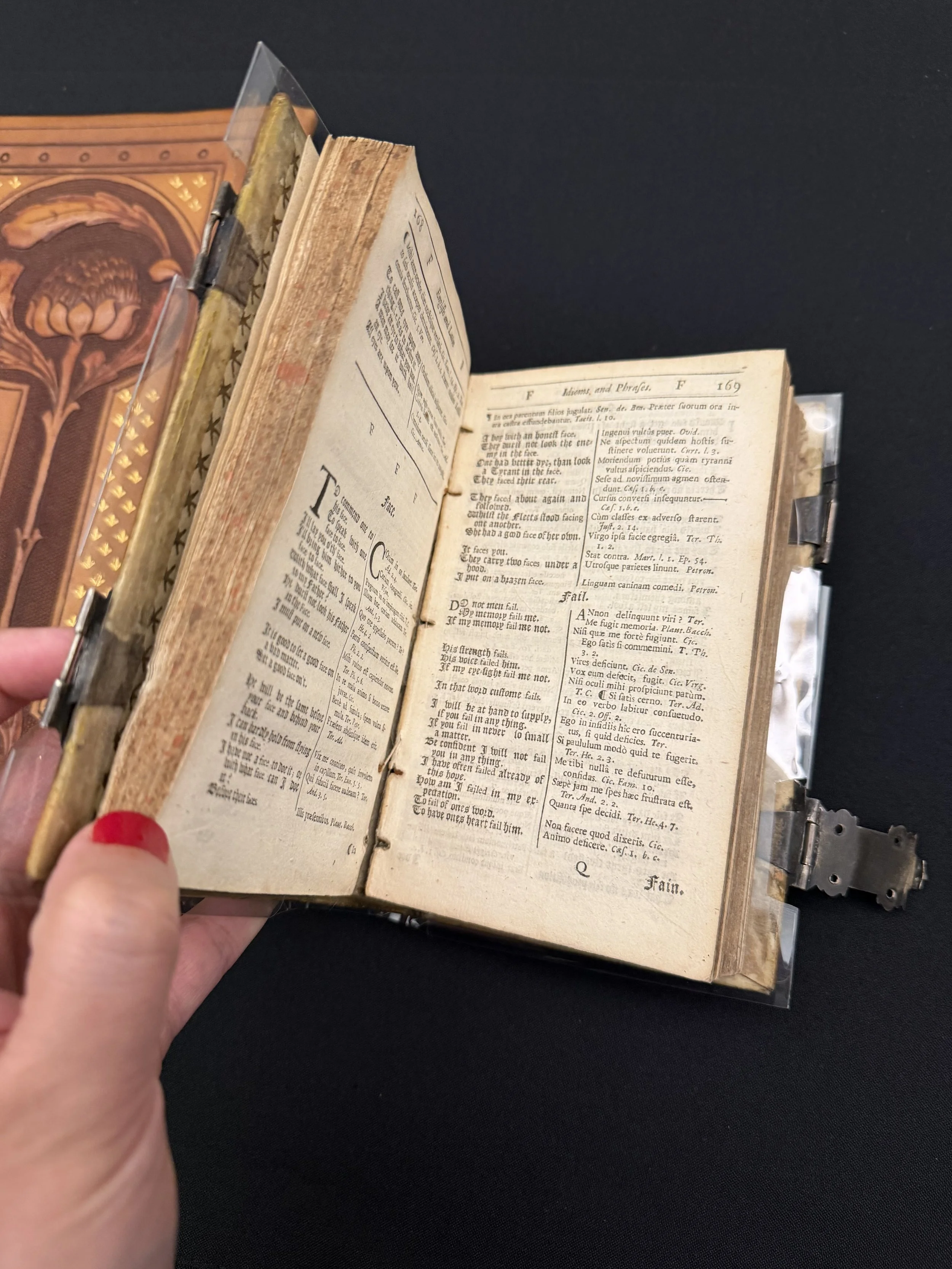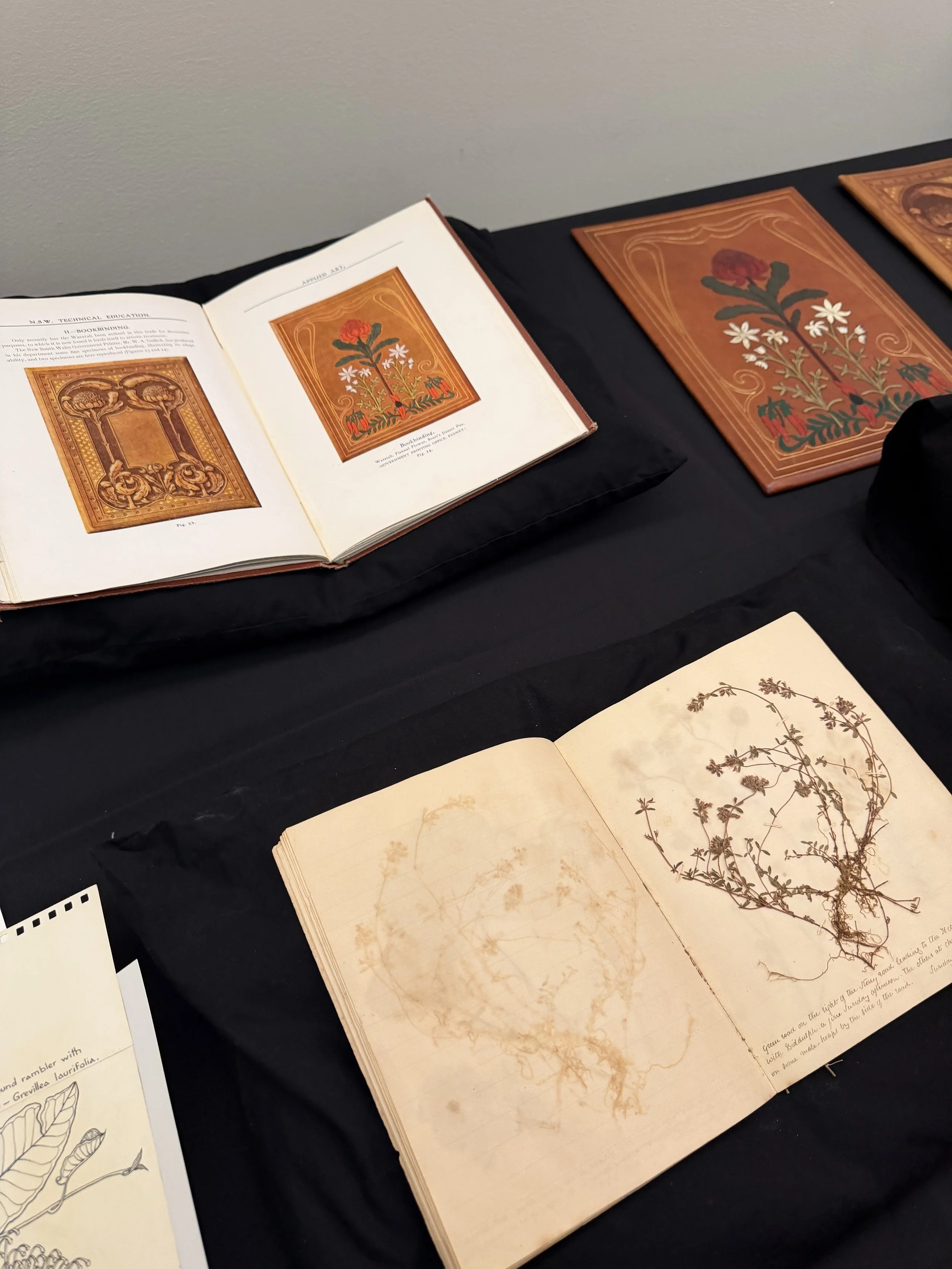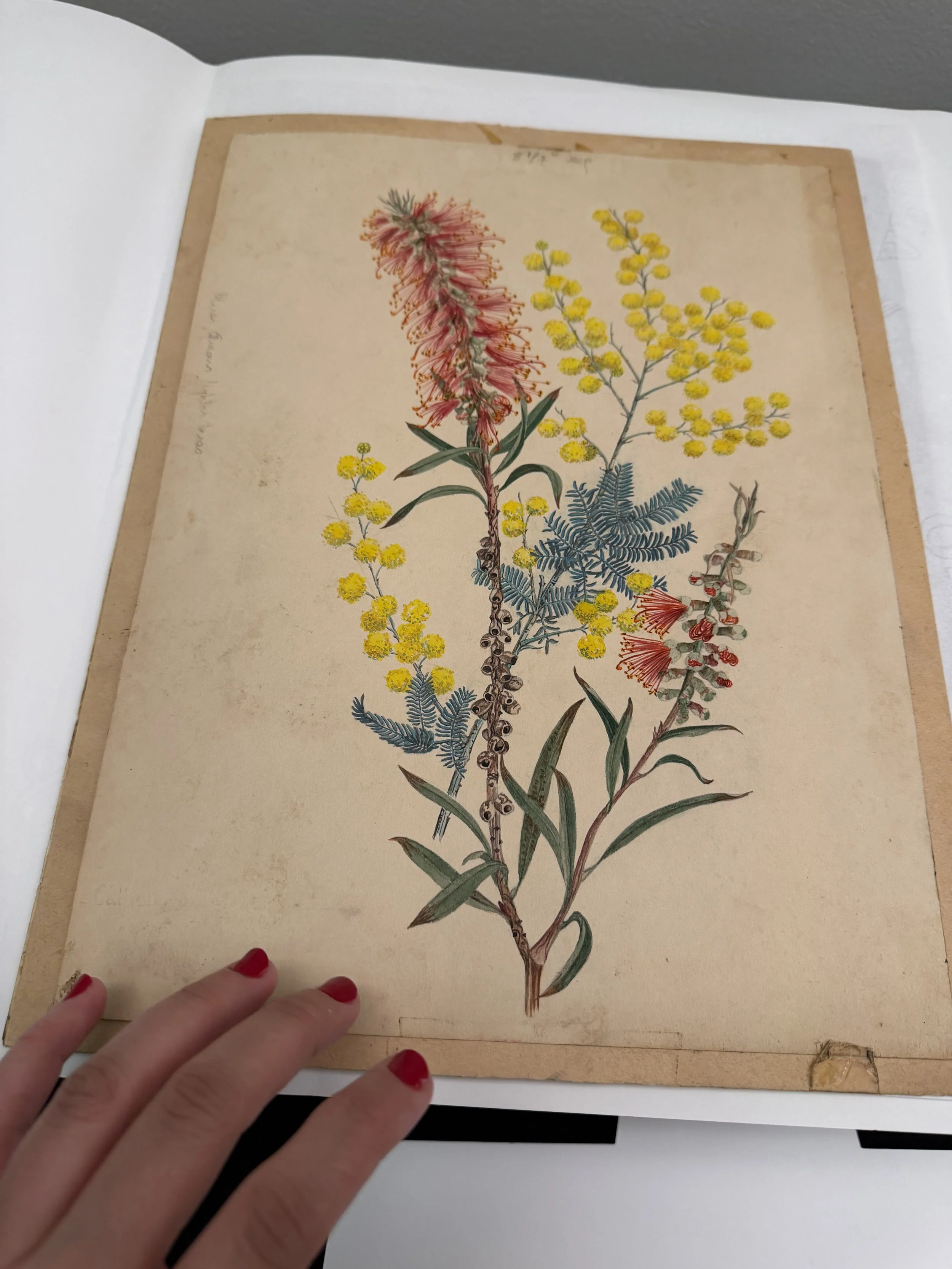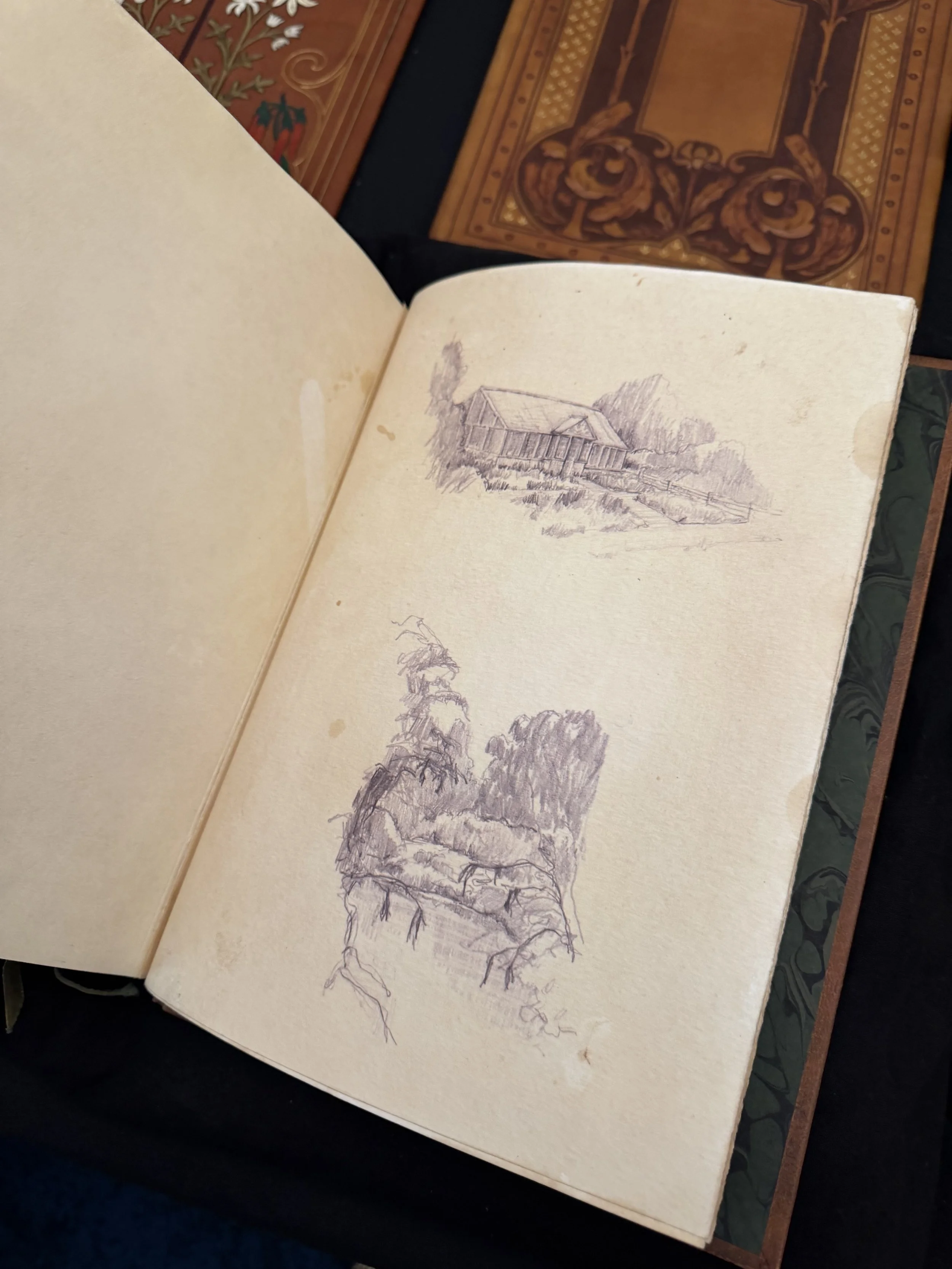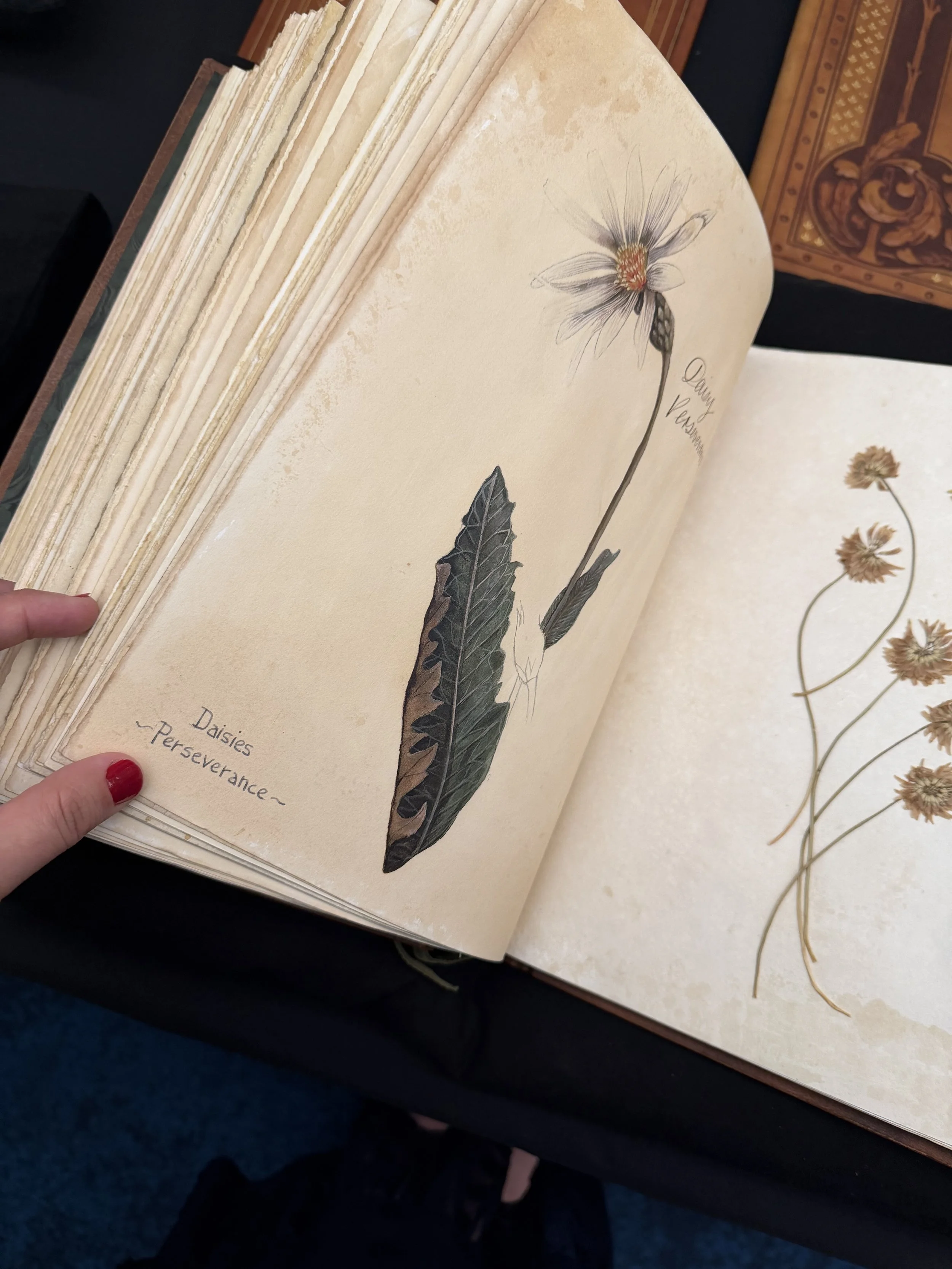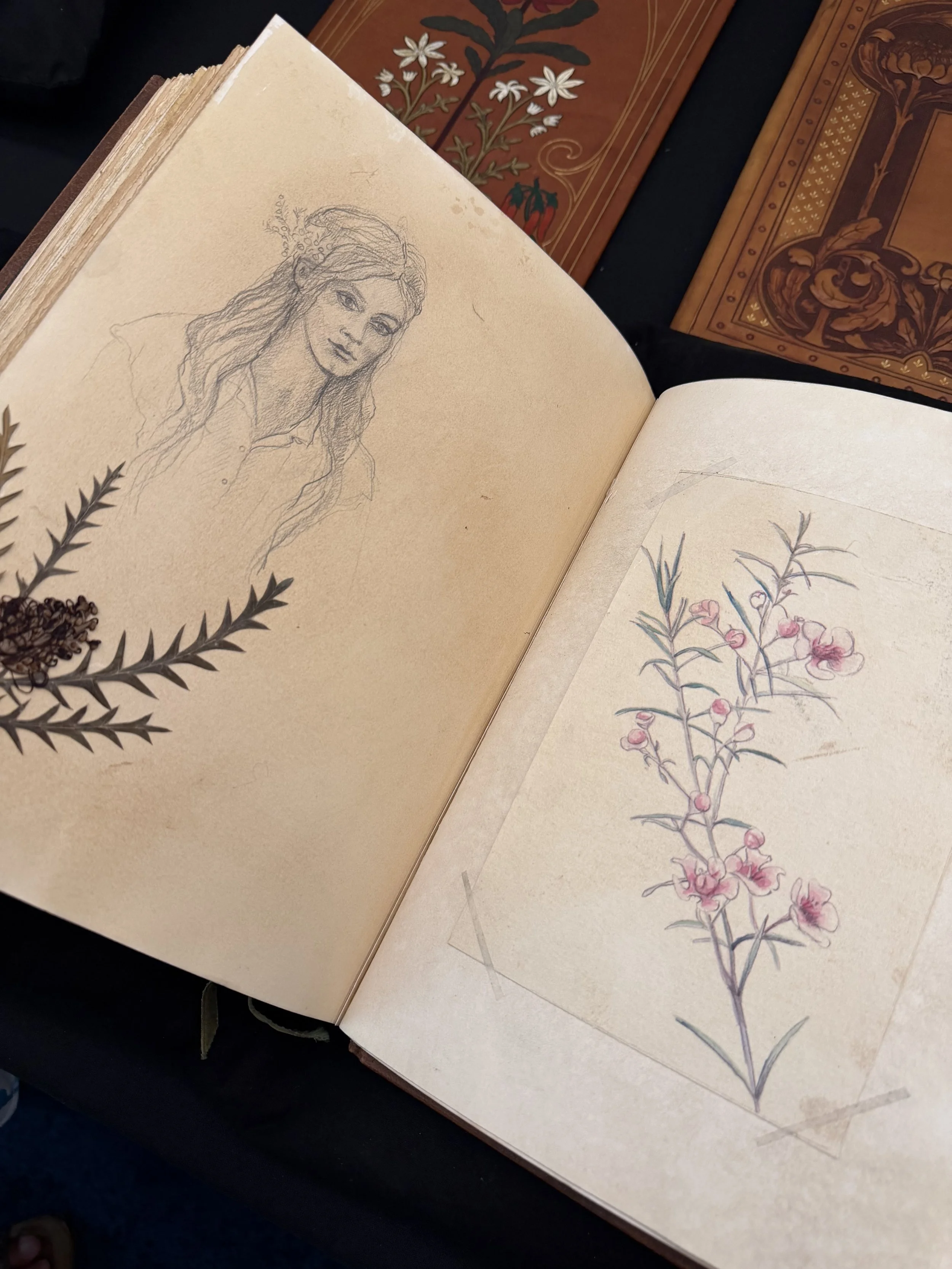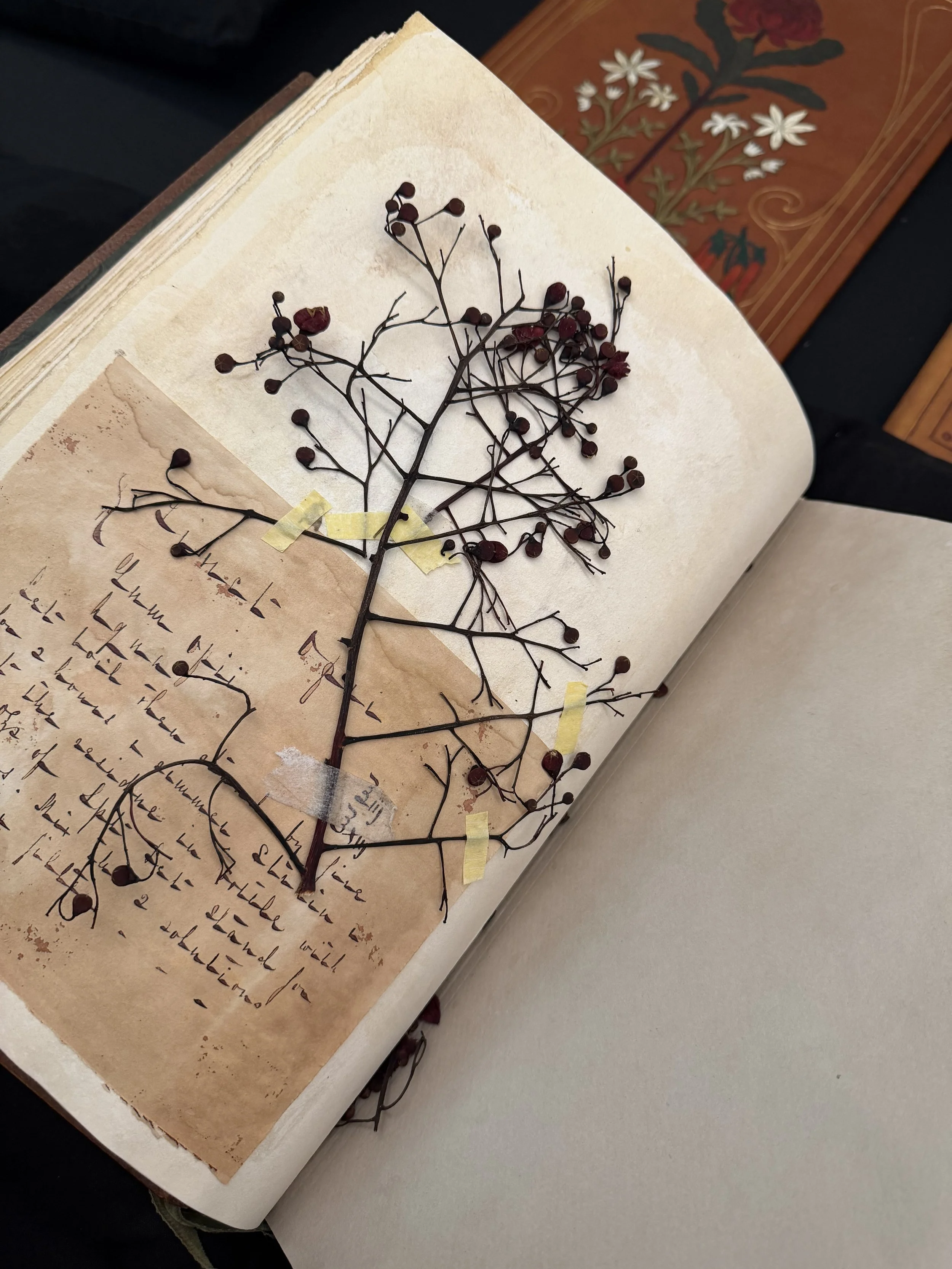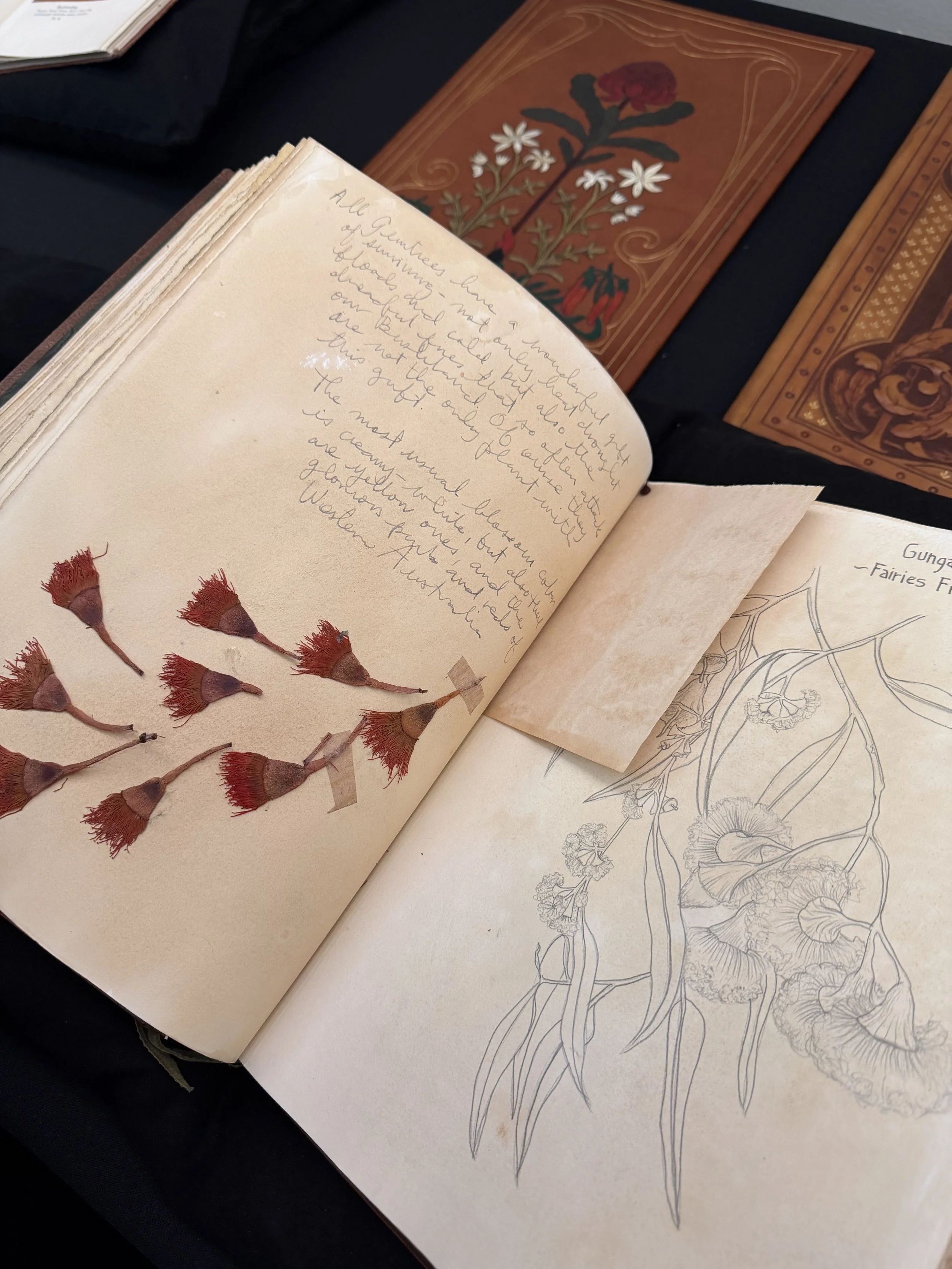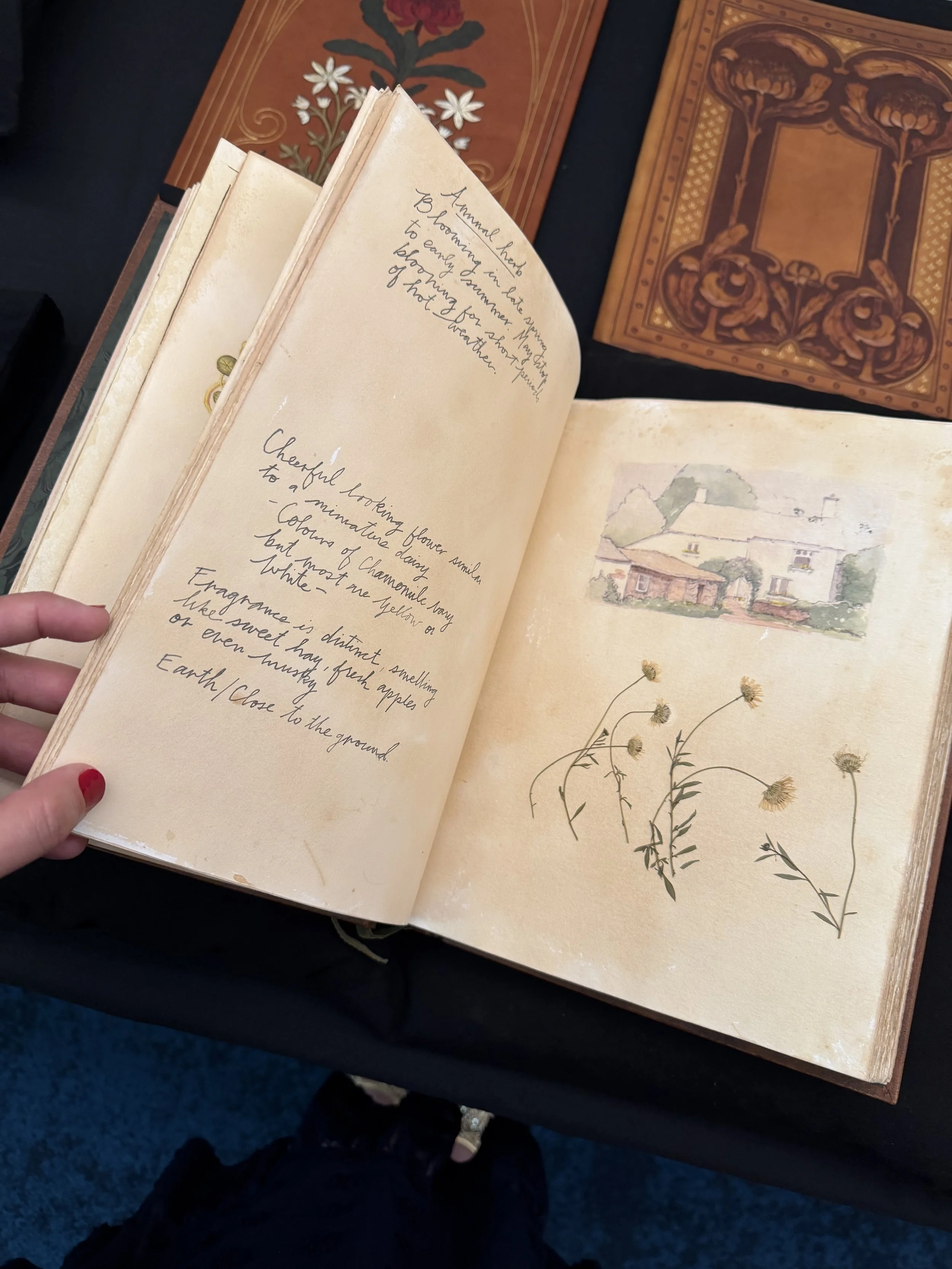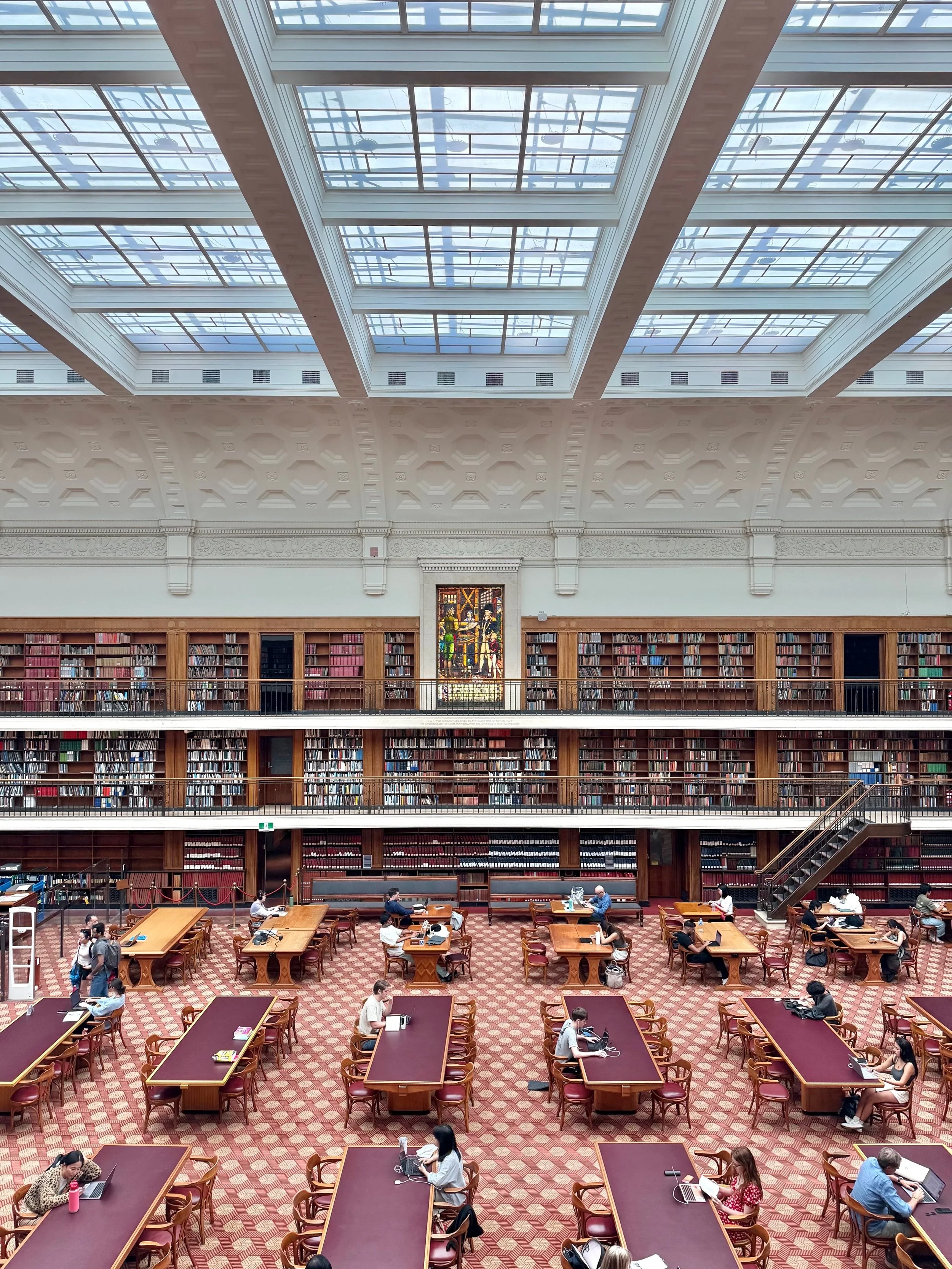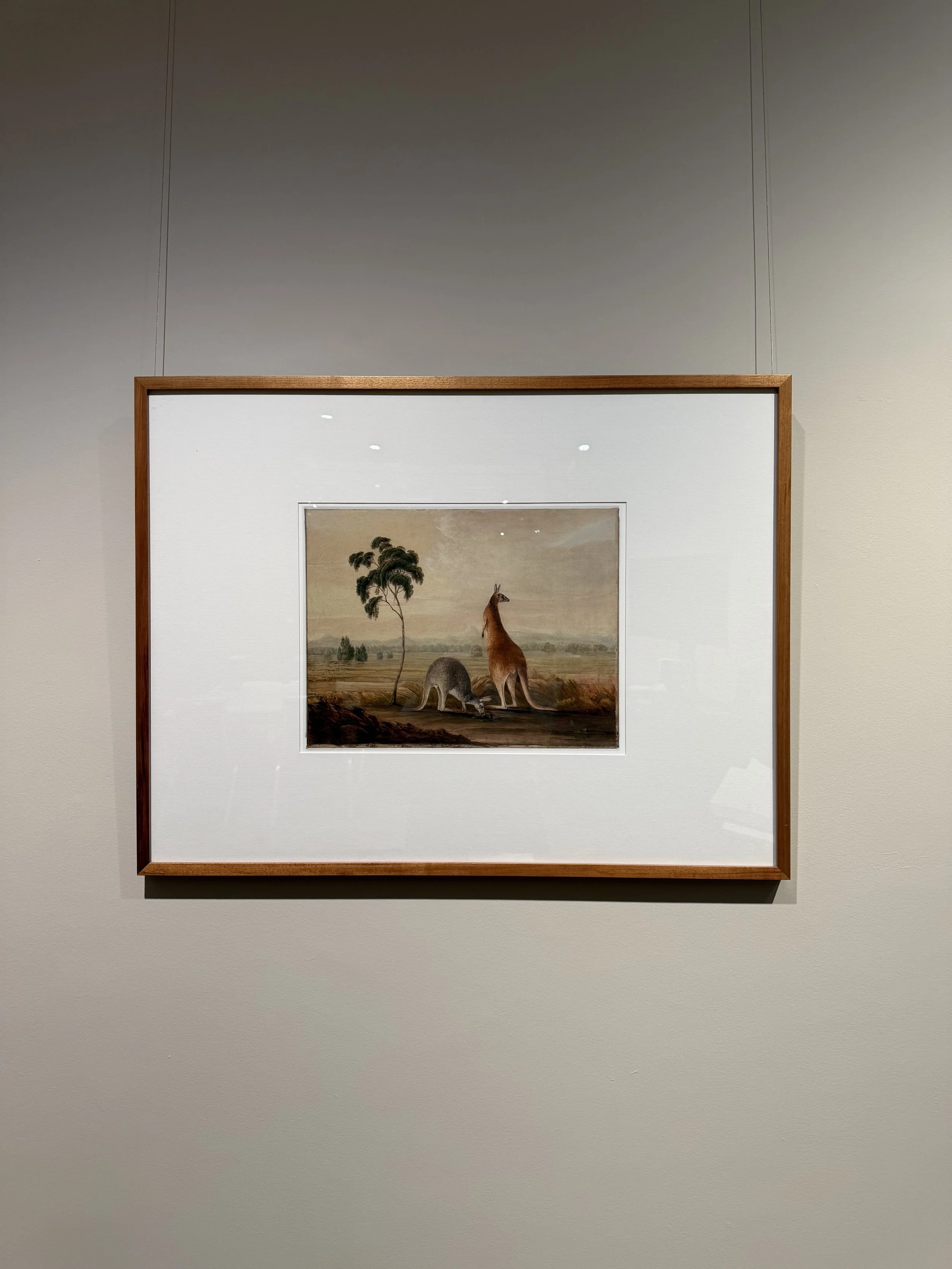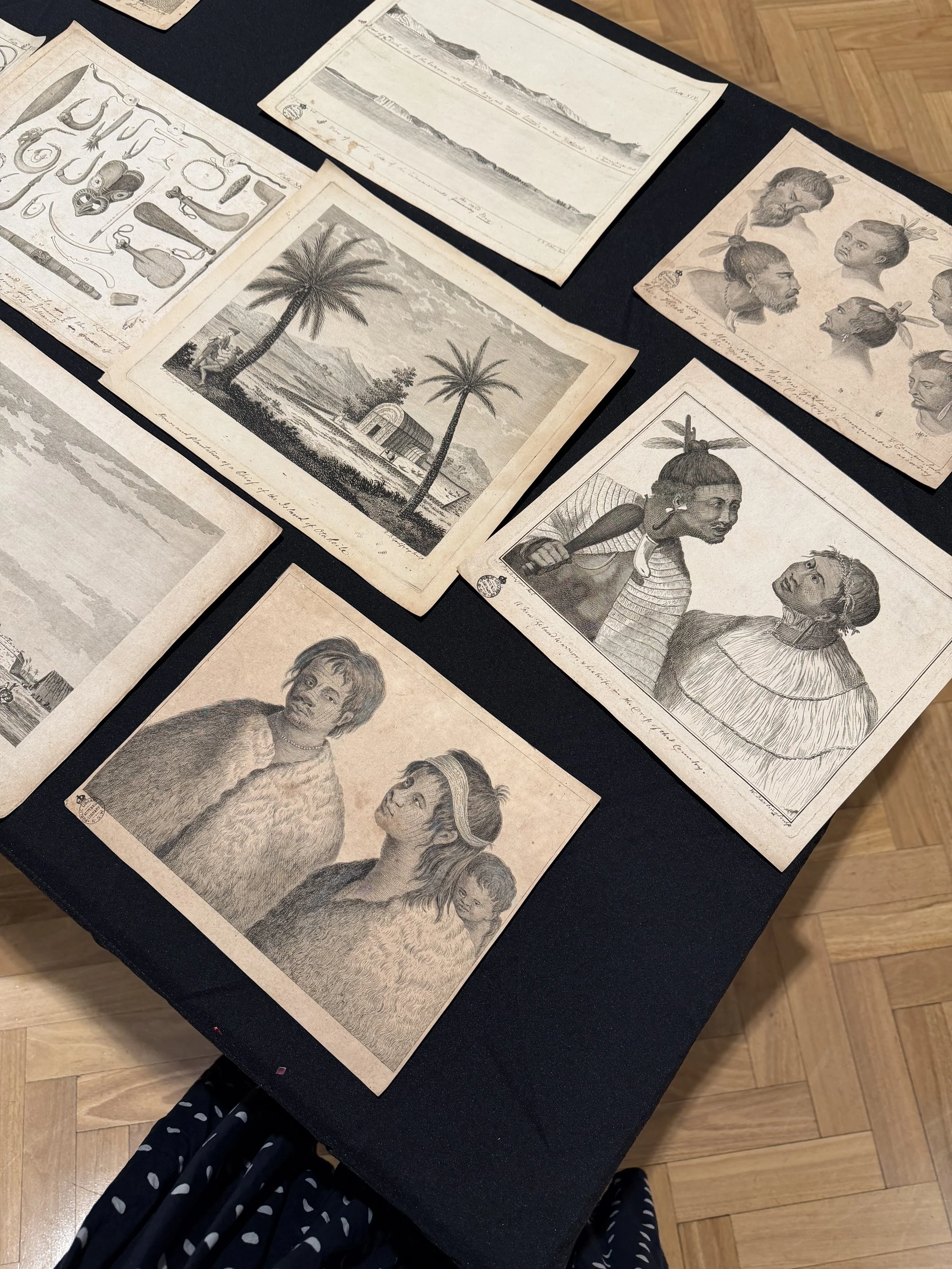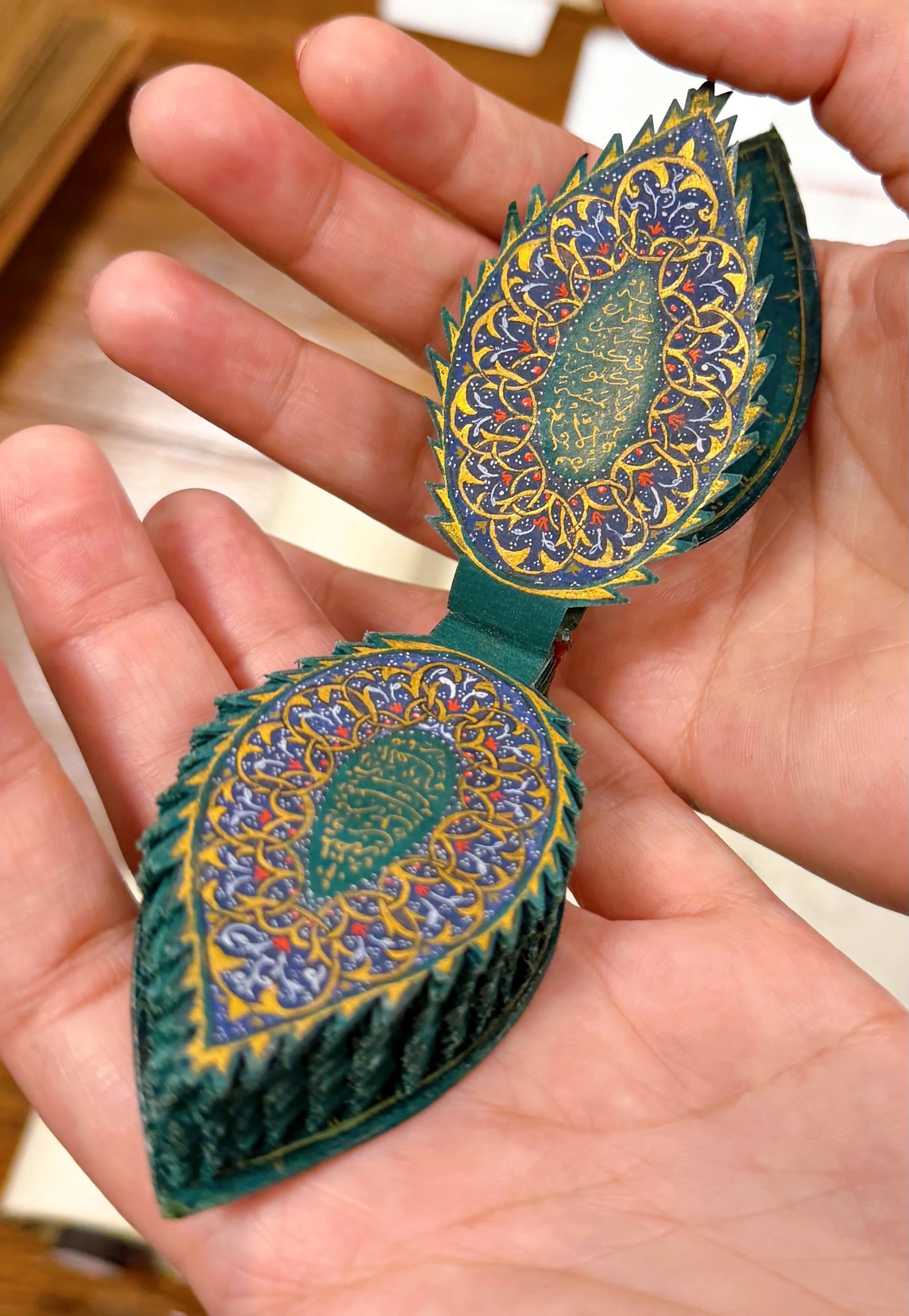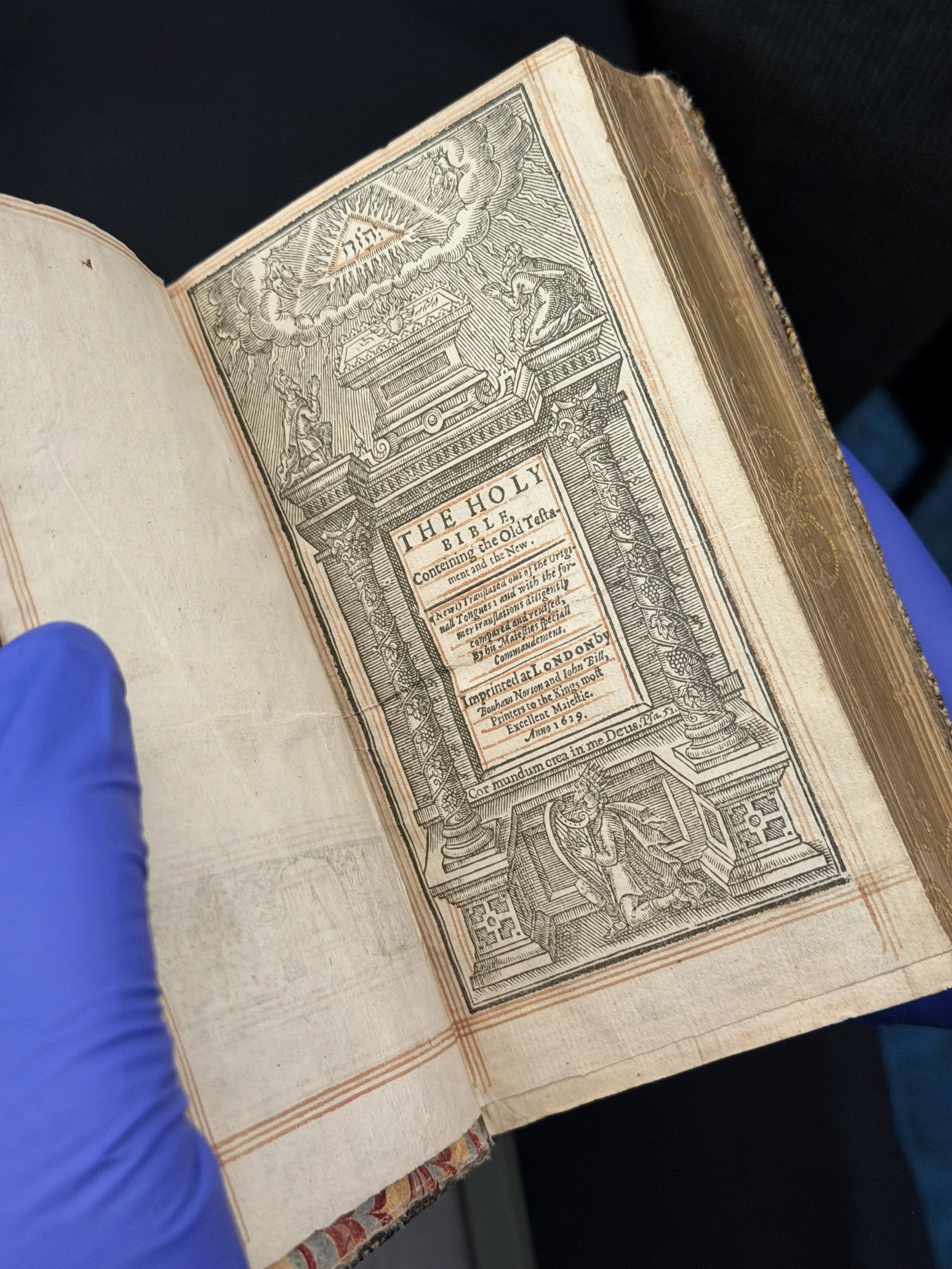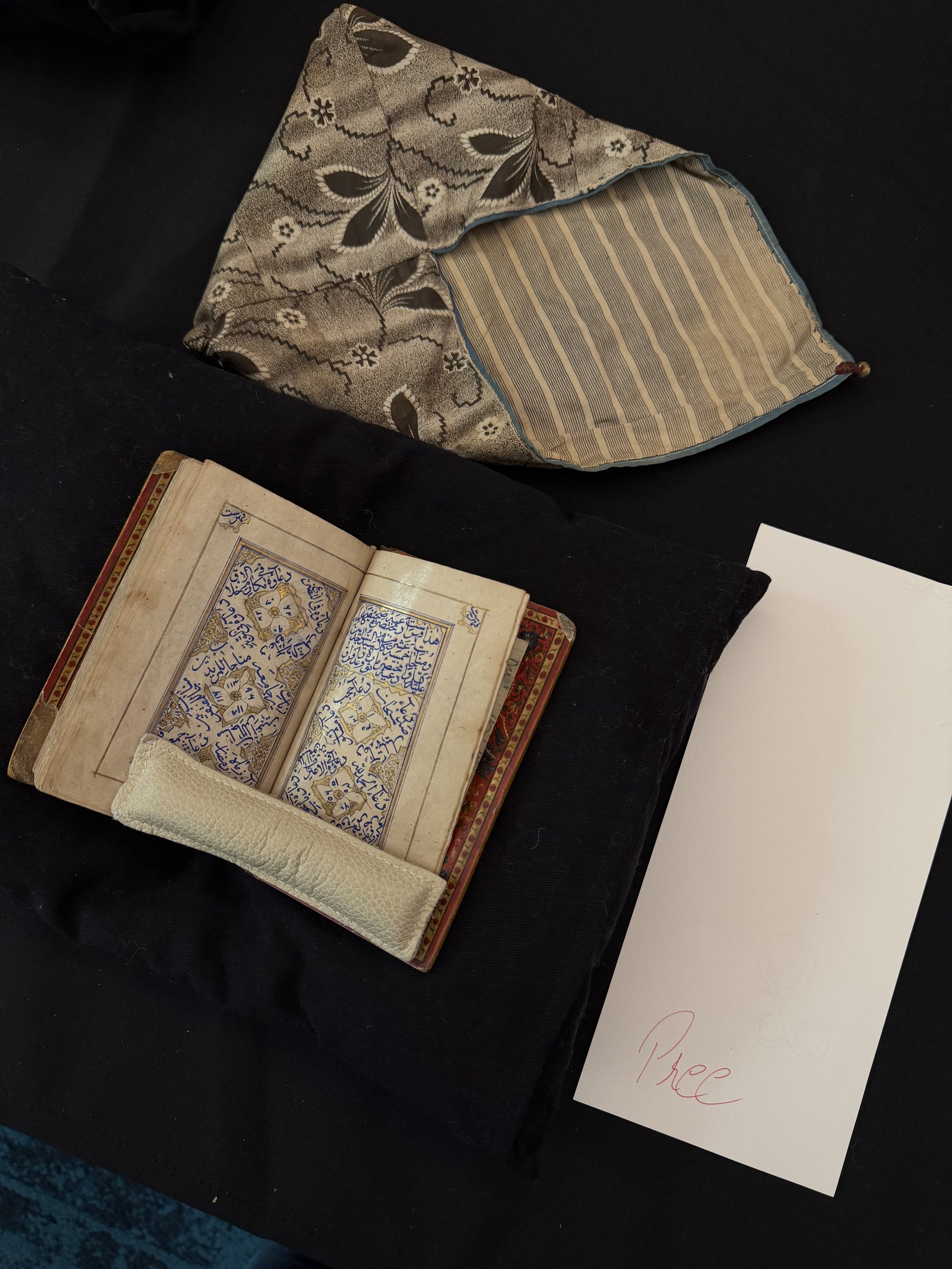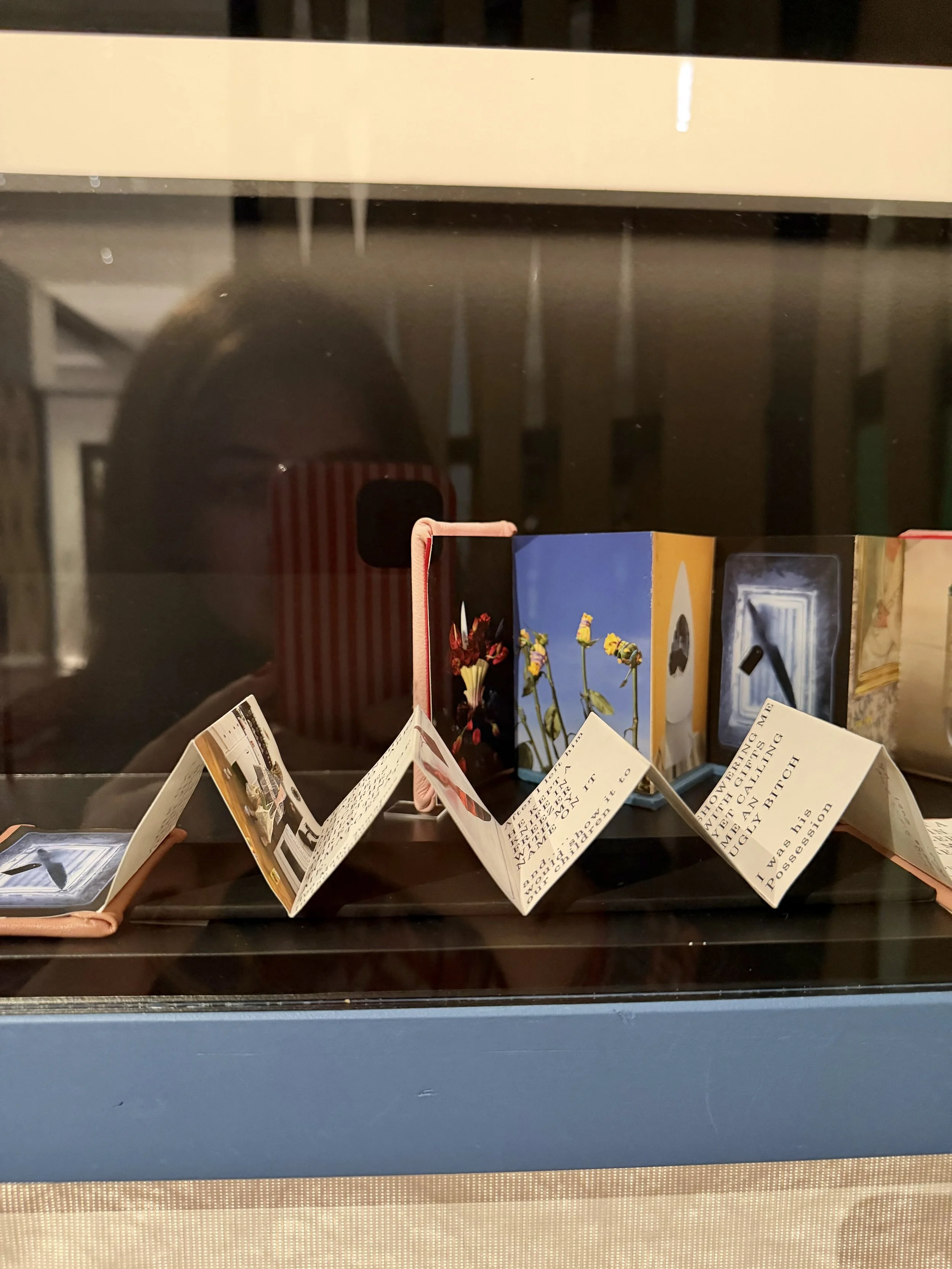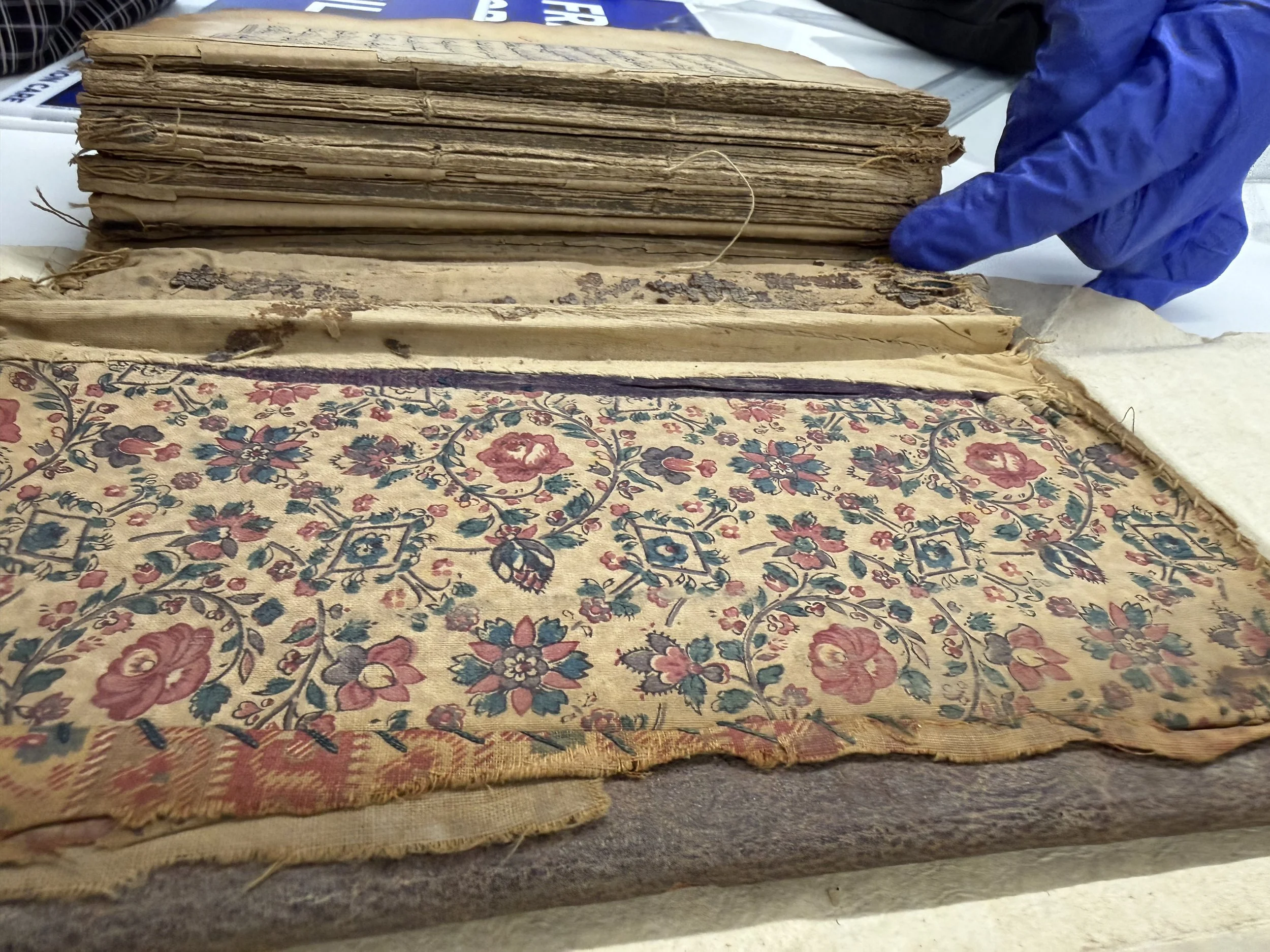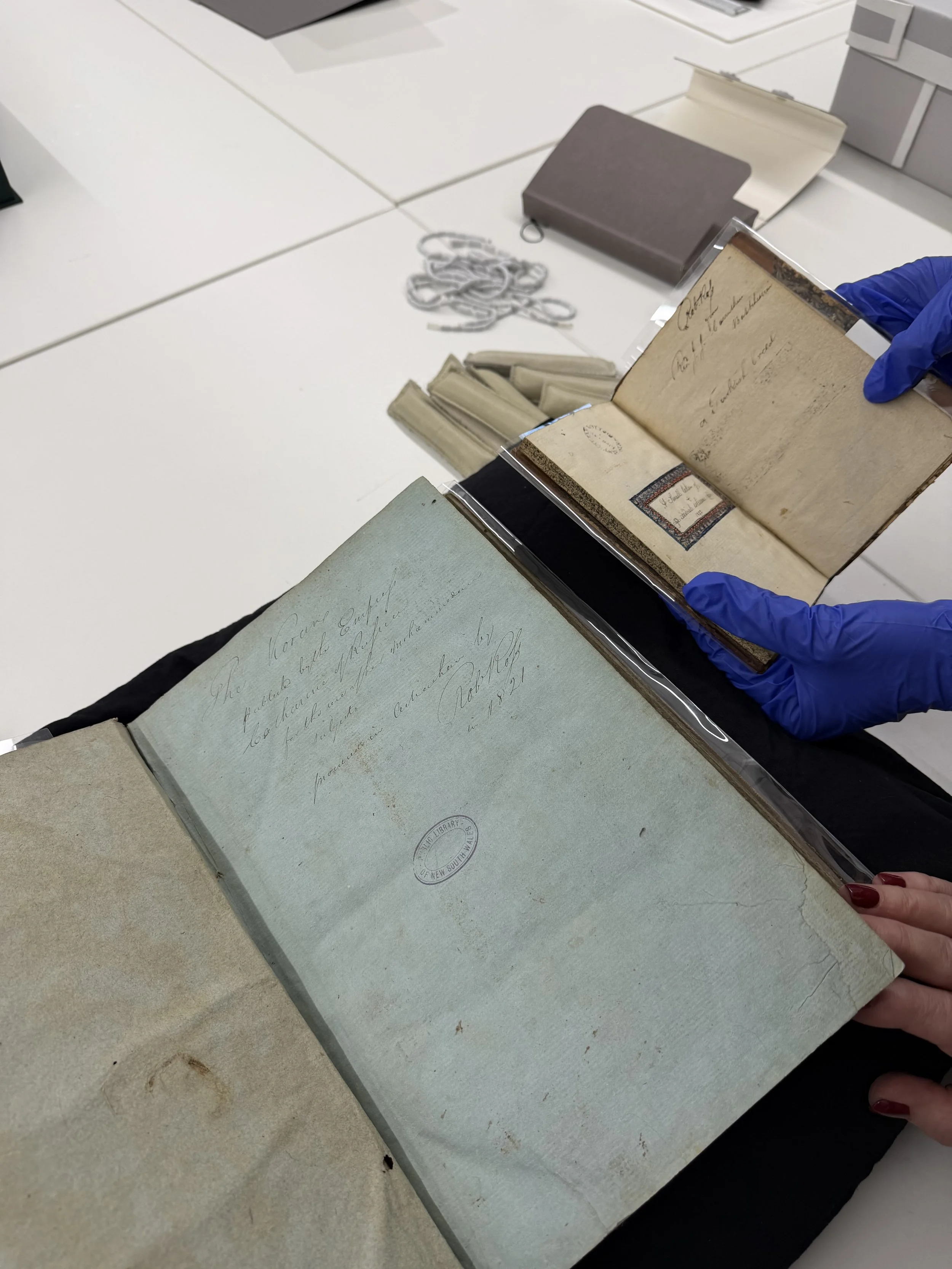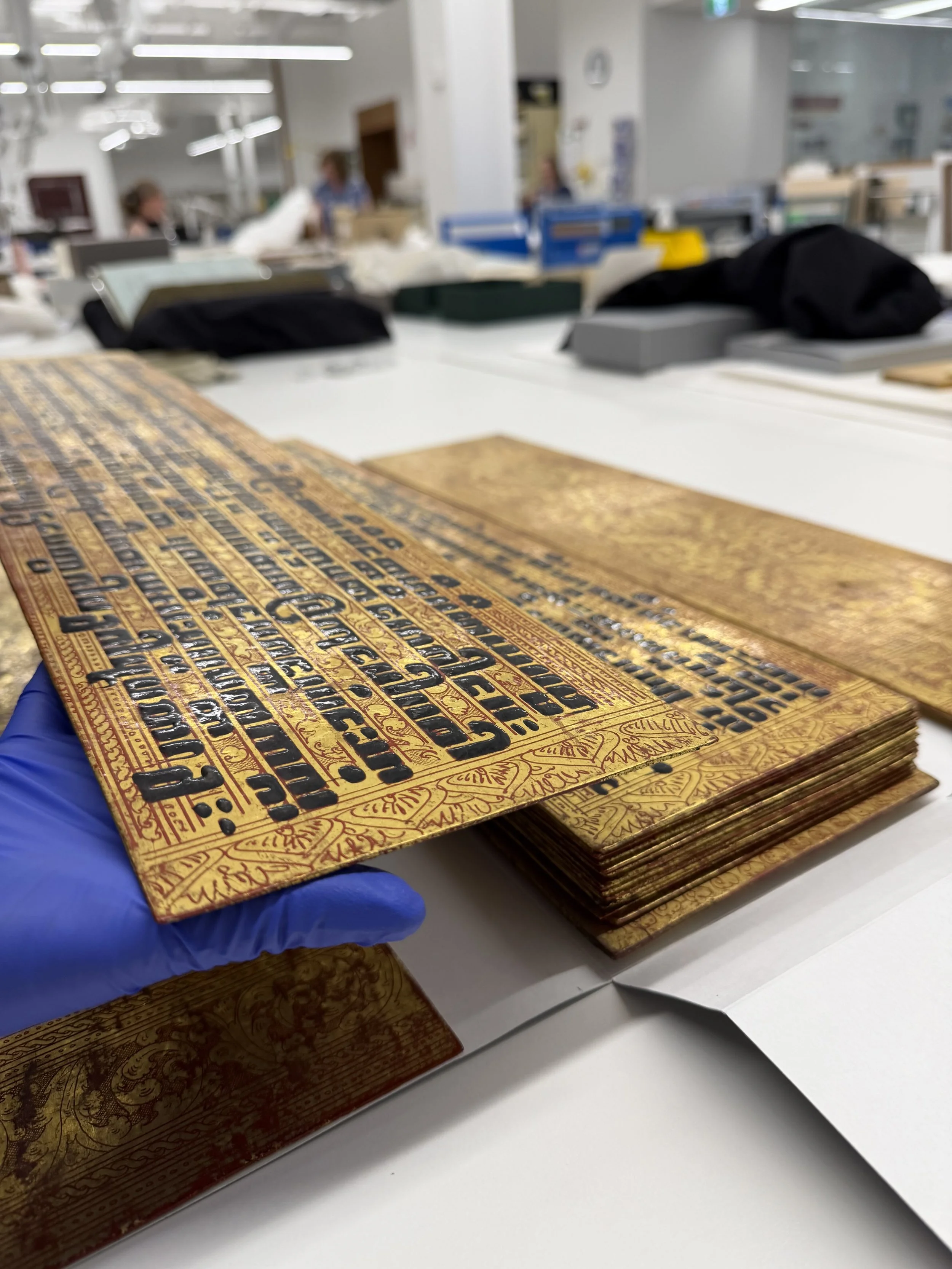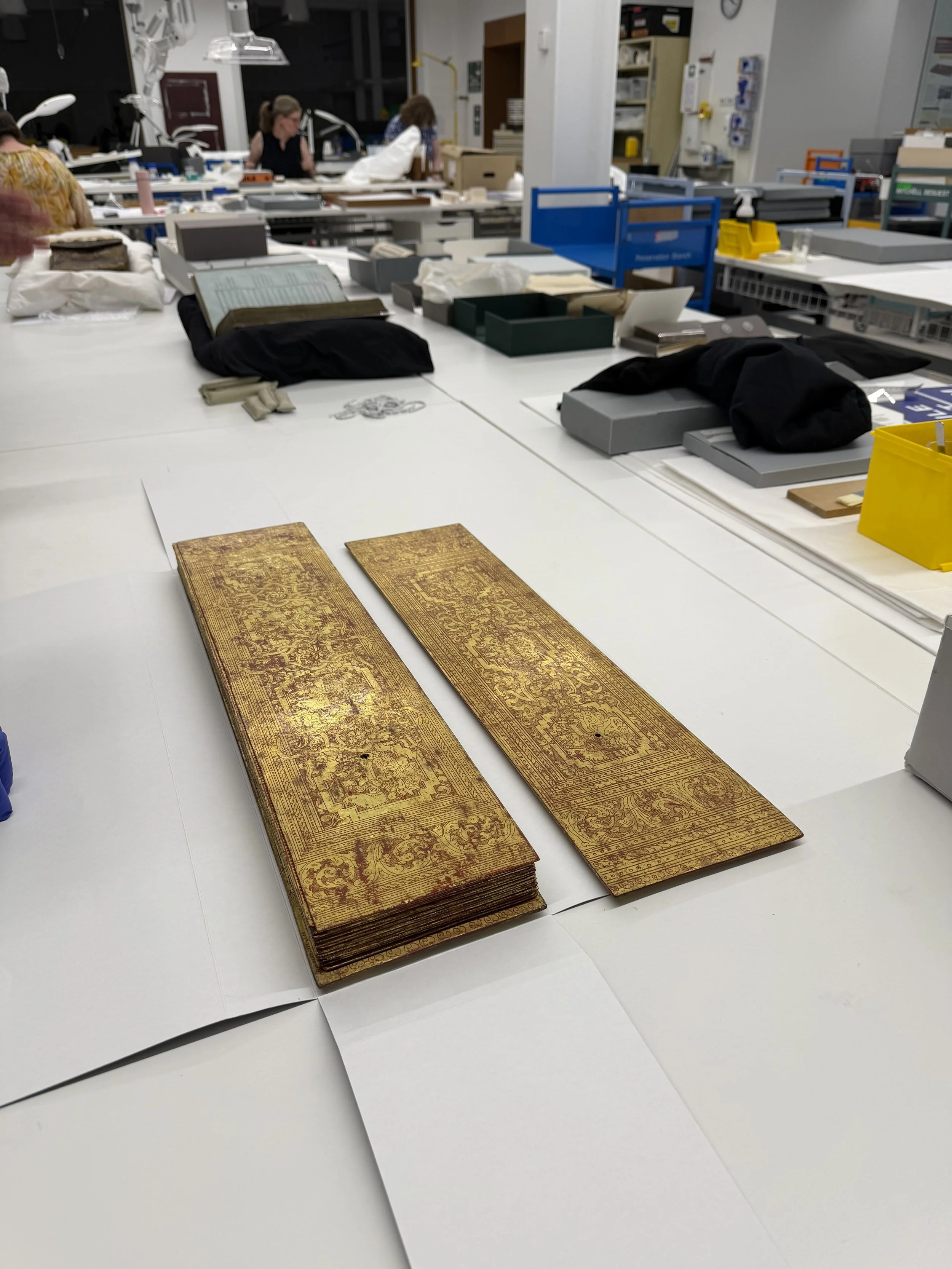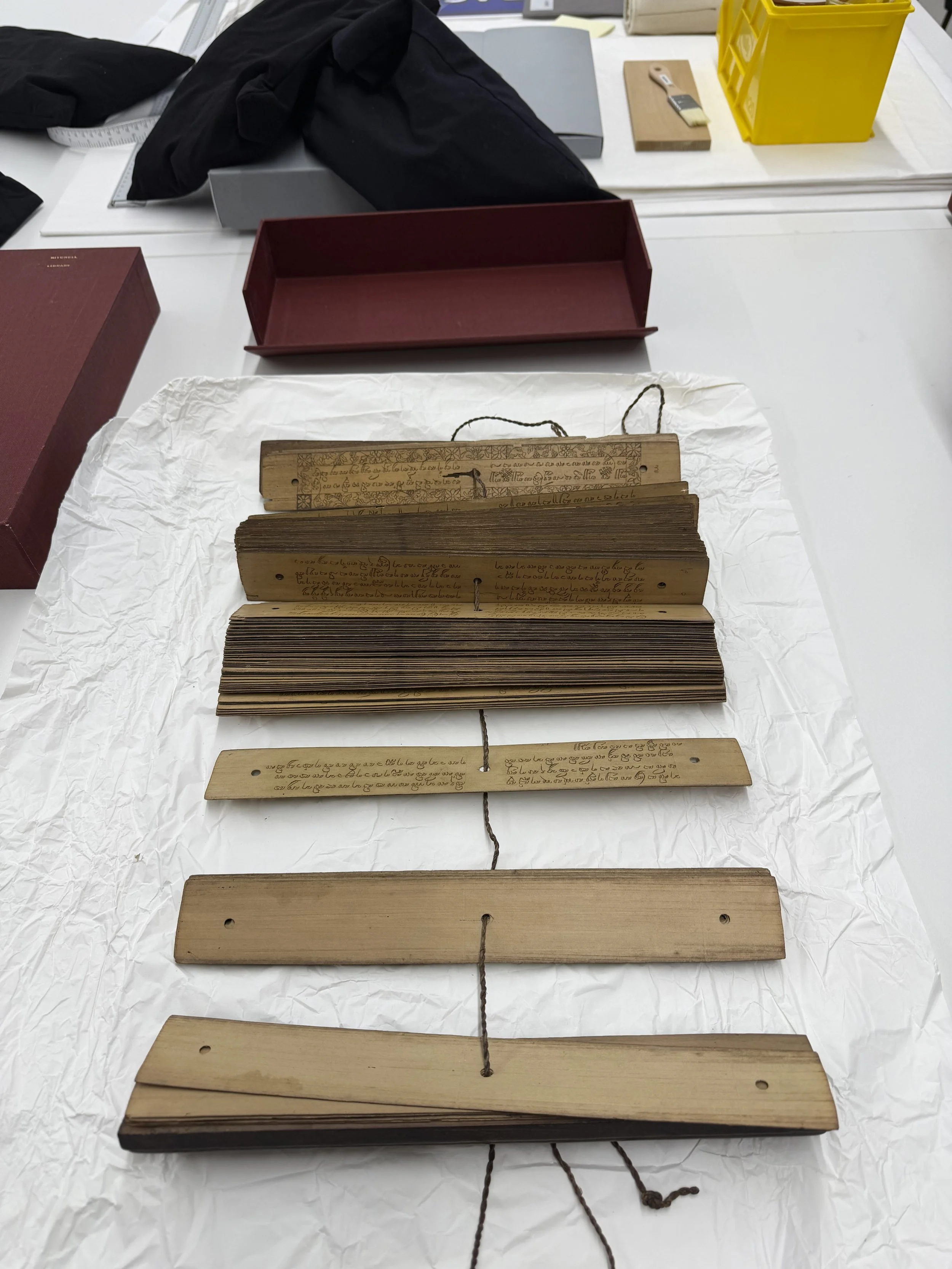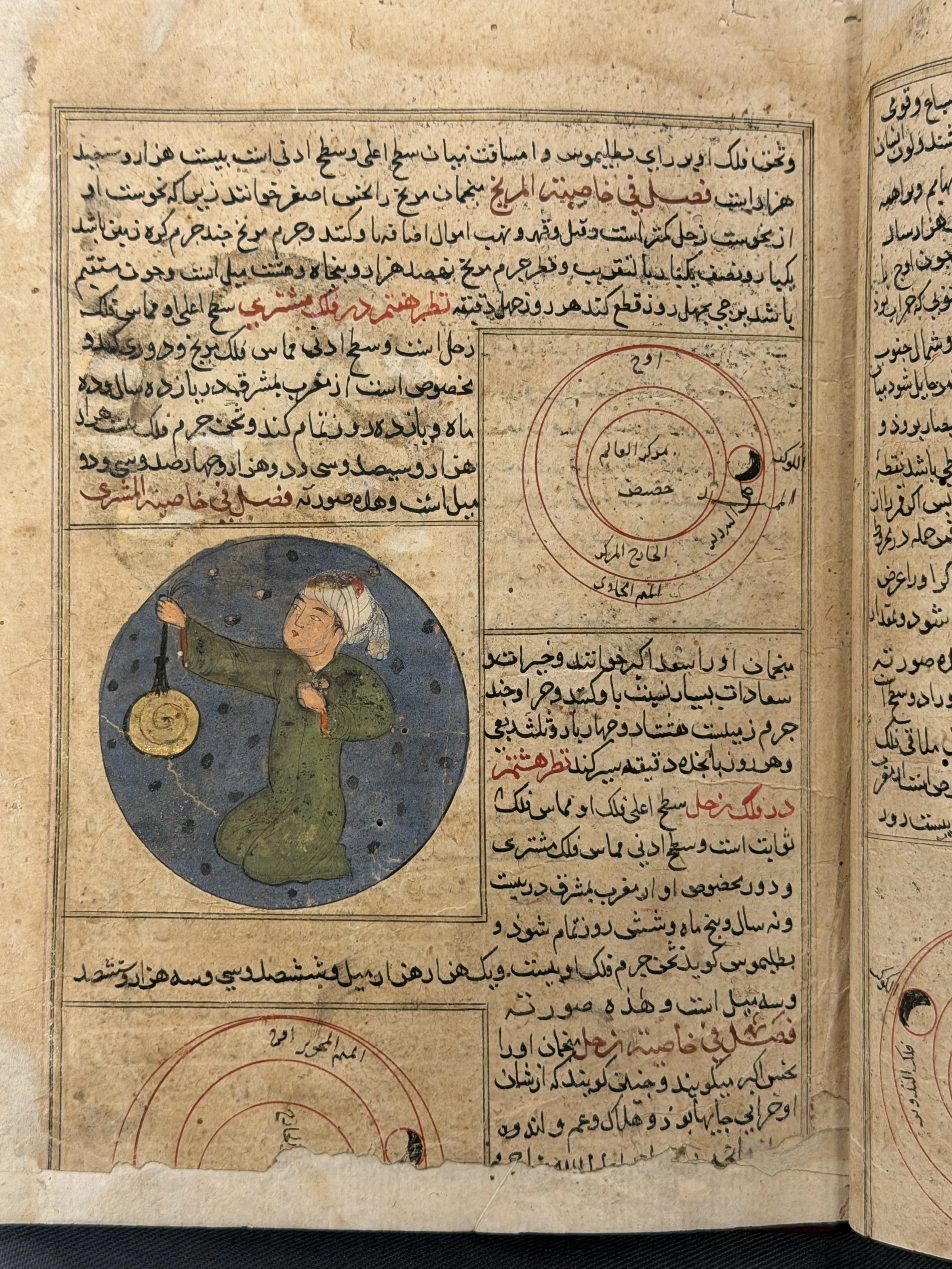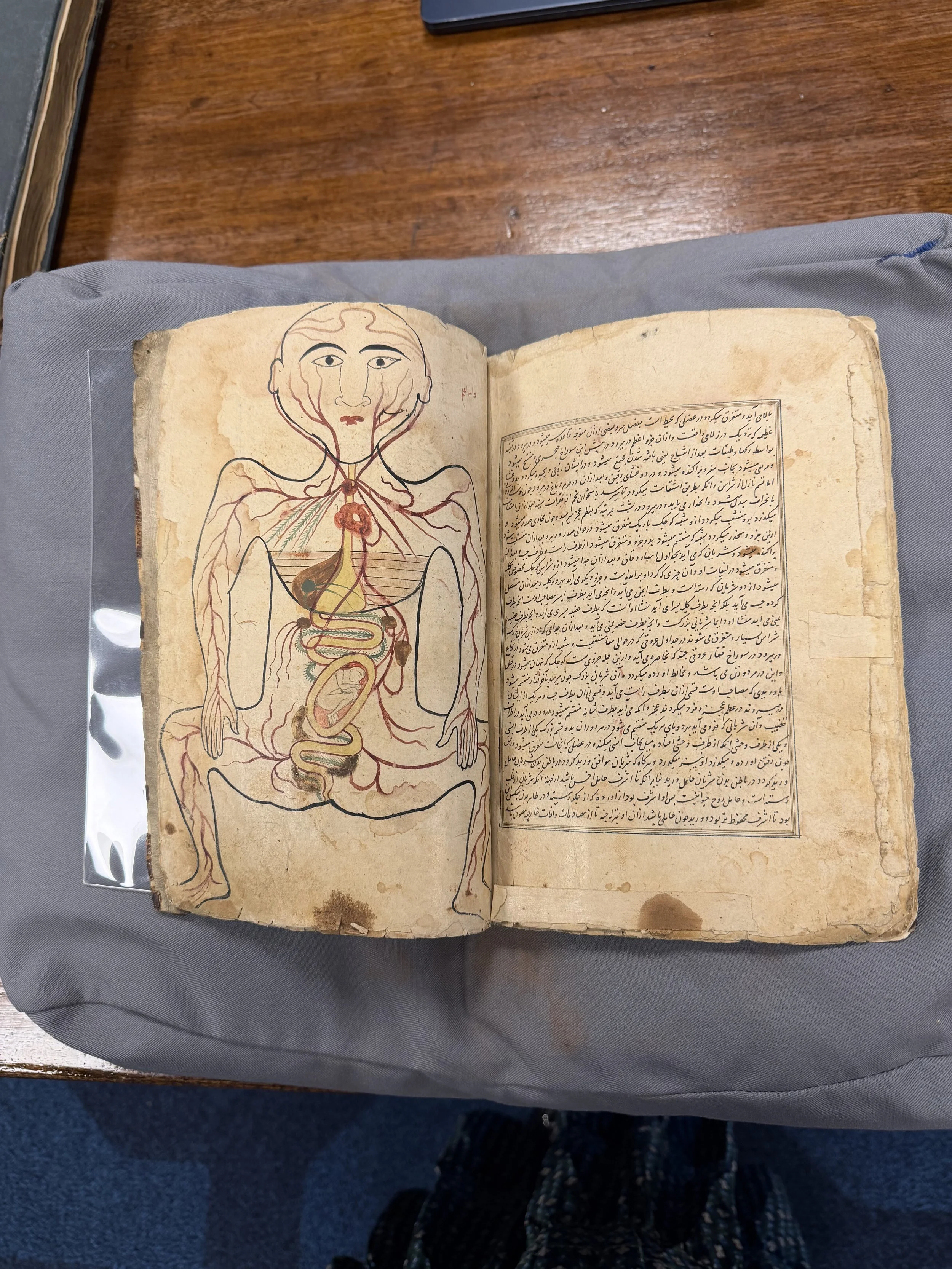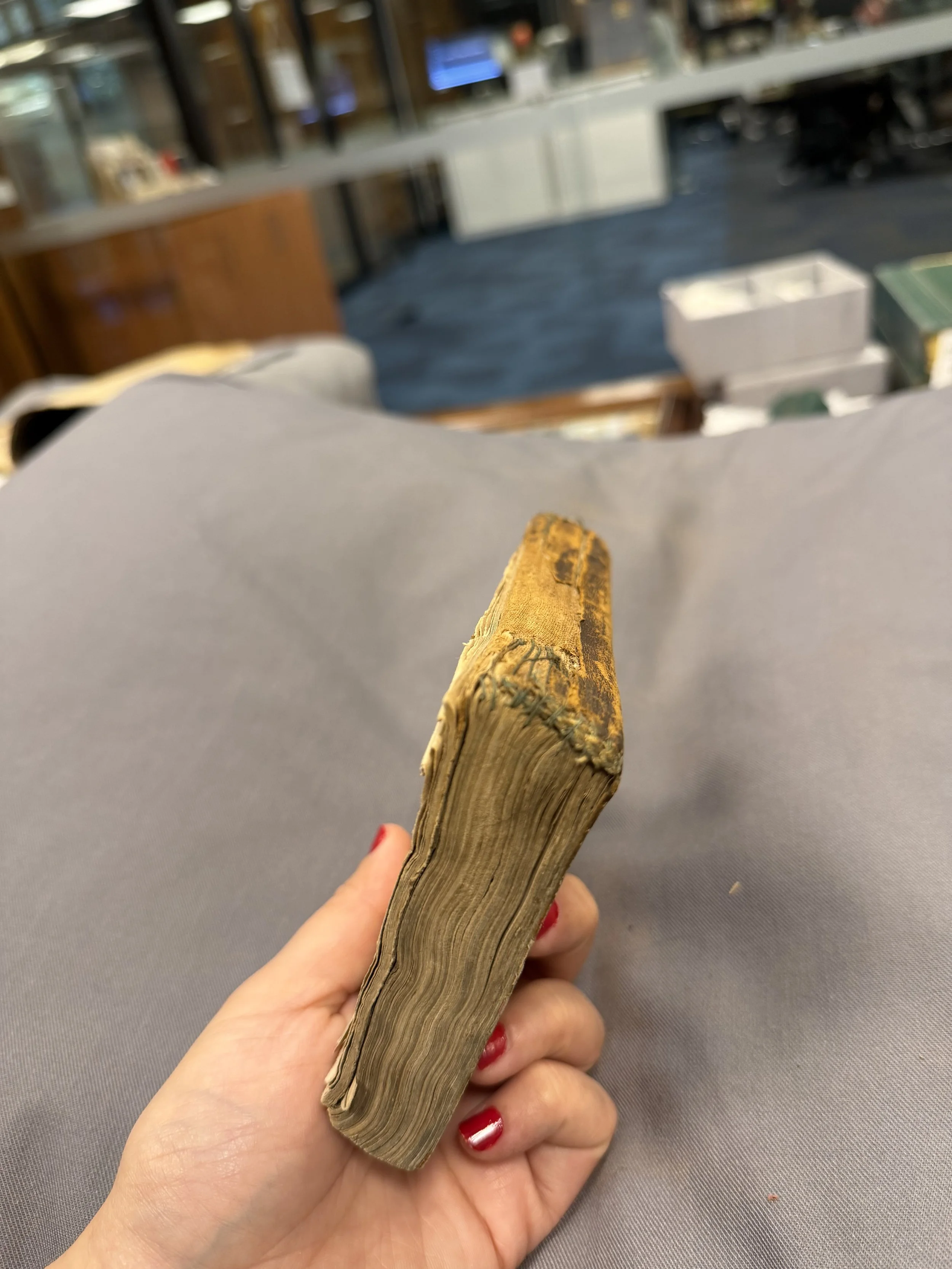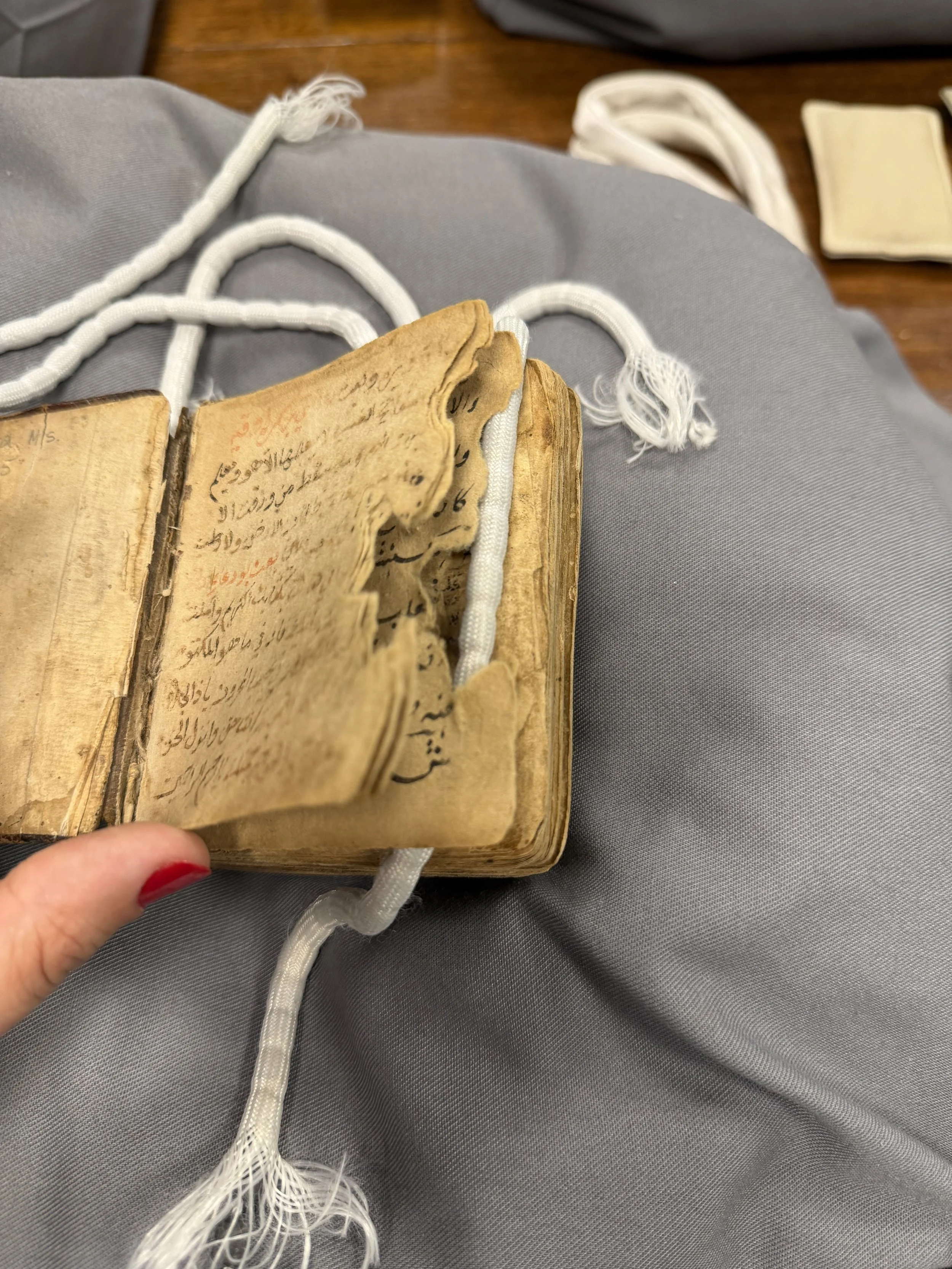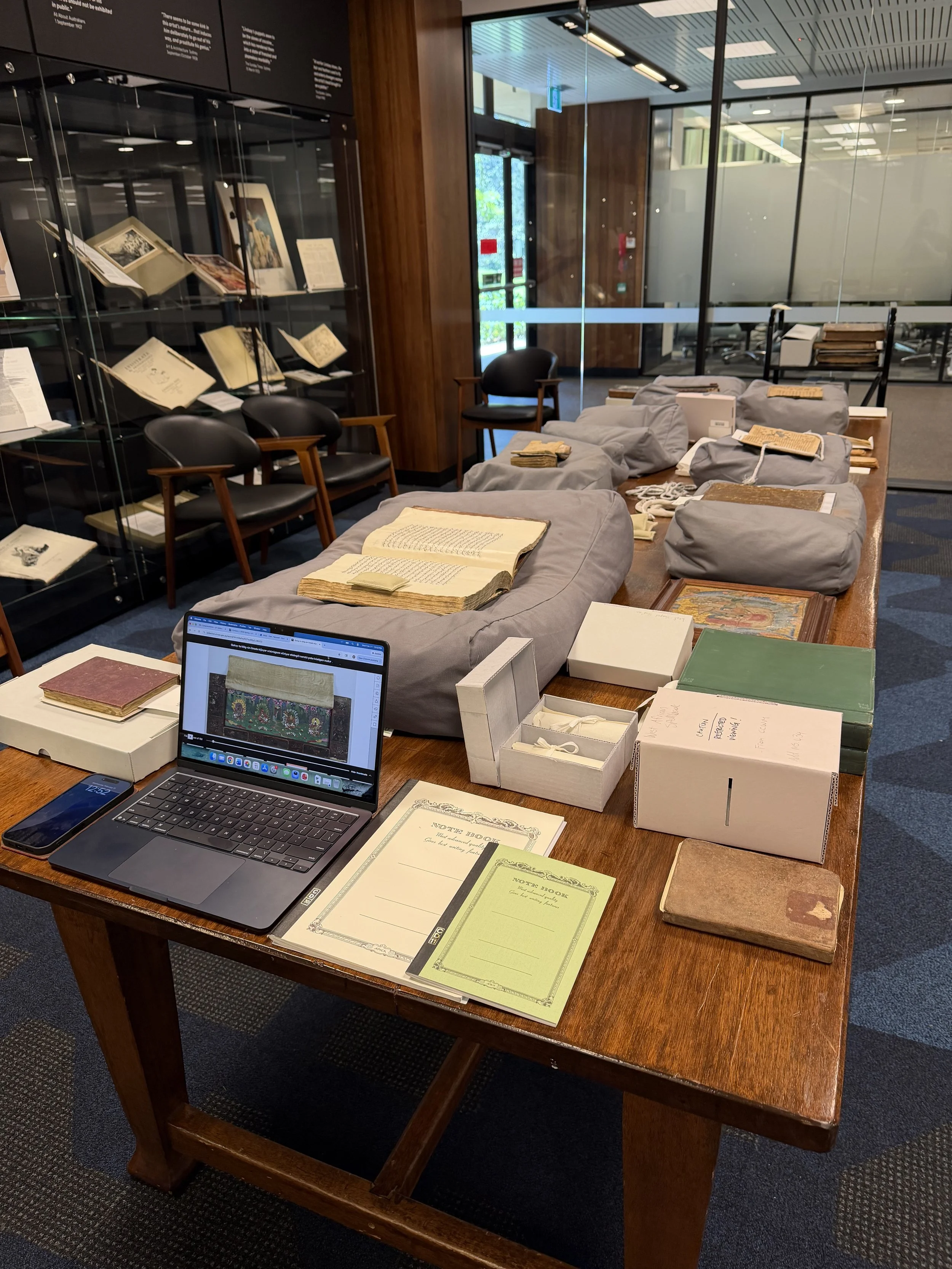
During a recent two-week research trip to Australia, I conducted sustained archival and object-based study at the State Library of New South Wales, the National Gallery of Australia, the Art Gallery of New South Wales, and the Special Collections of the University of Sydney Library. These institutions hold significant yet comparatively understudied Islamicate manuscripts and works of art from the premodern world. Despite the depth and breadth of these collections, they remain underrepresented in current art-historical and codicological scholarship, particularly in transregional and comparative frameworks.
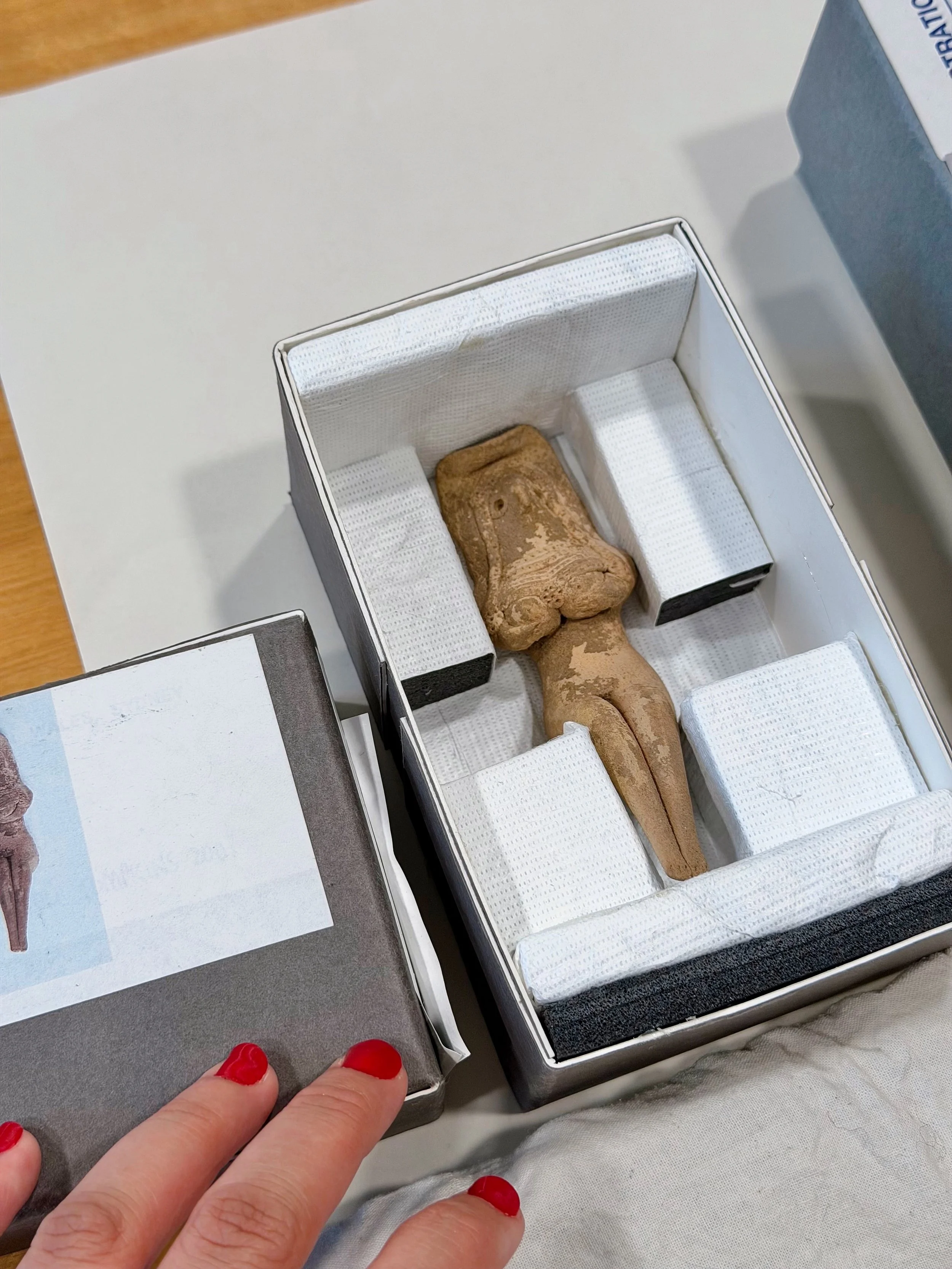
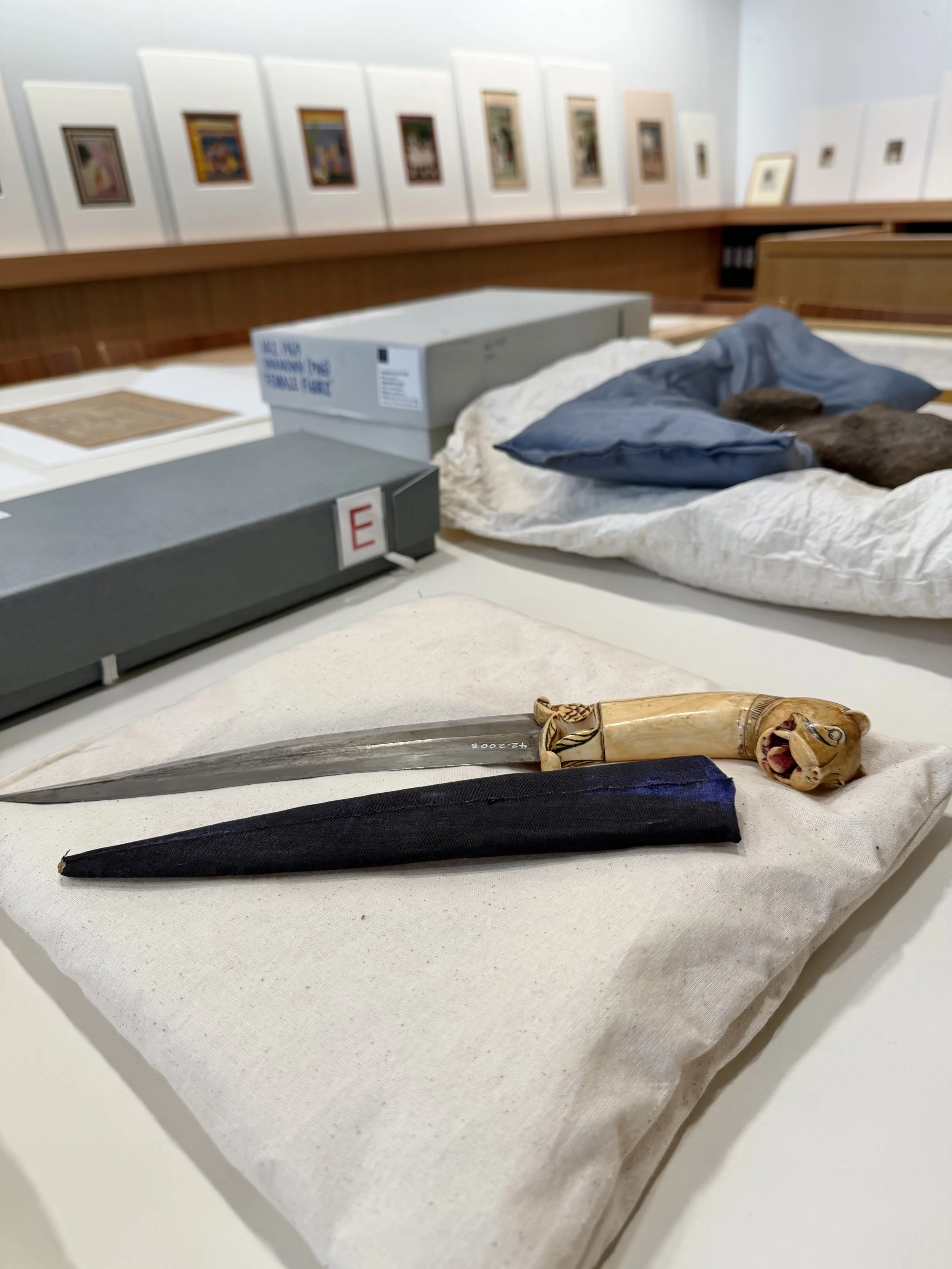
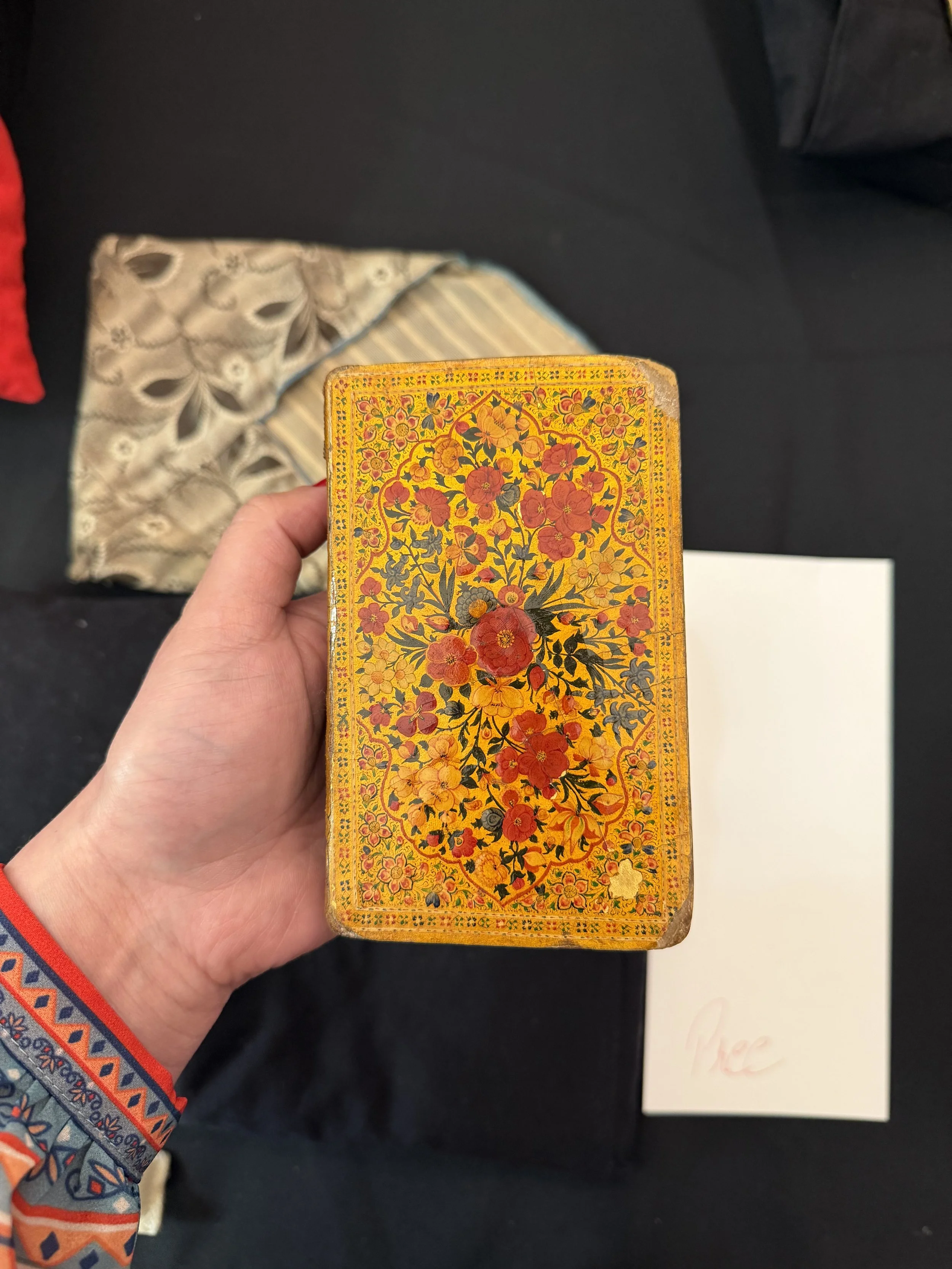
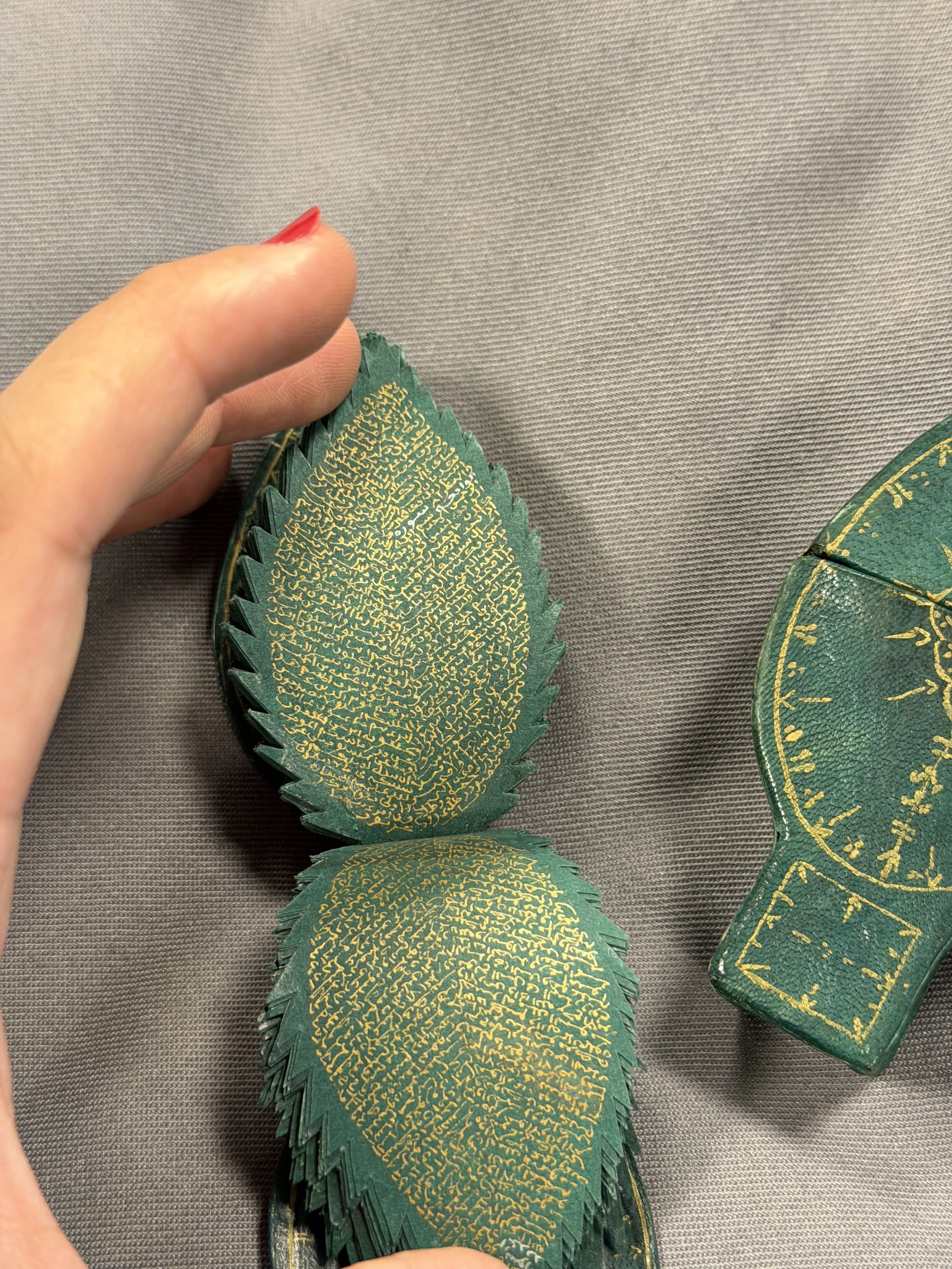
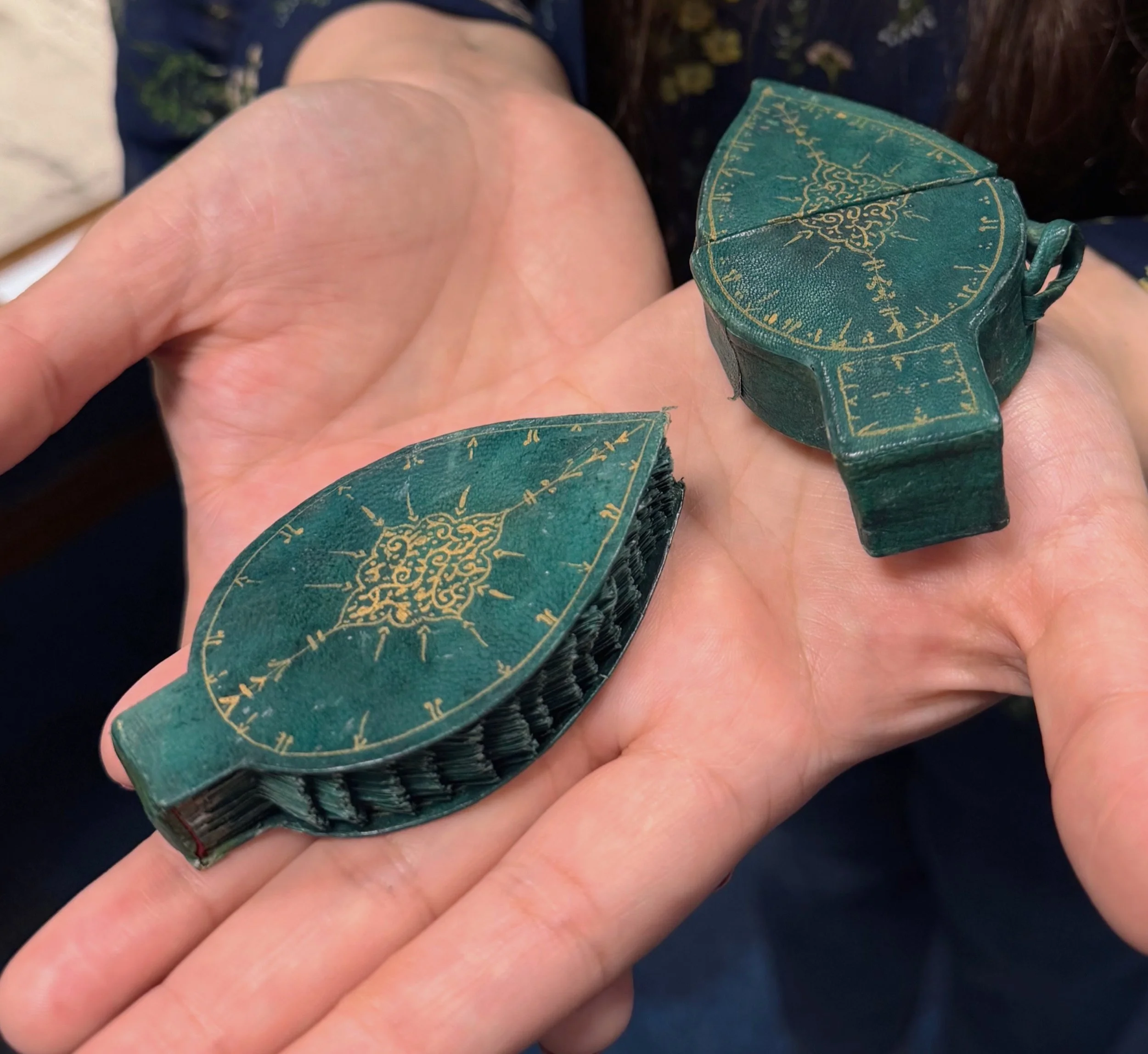
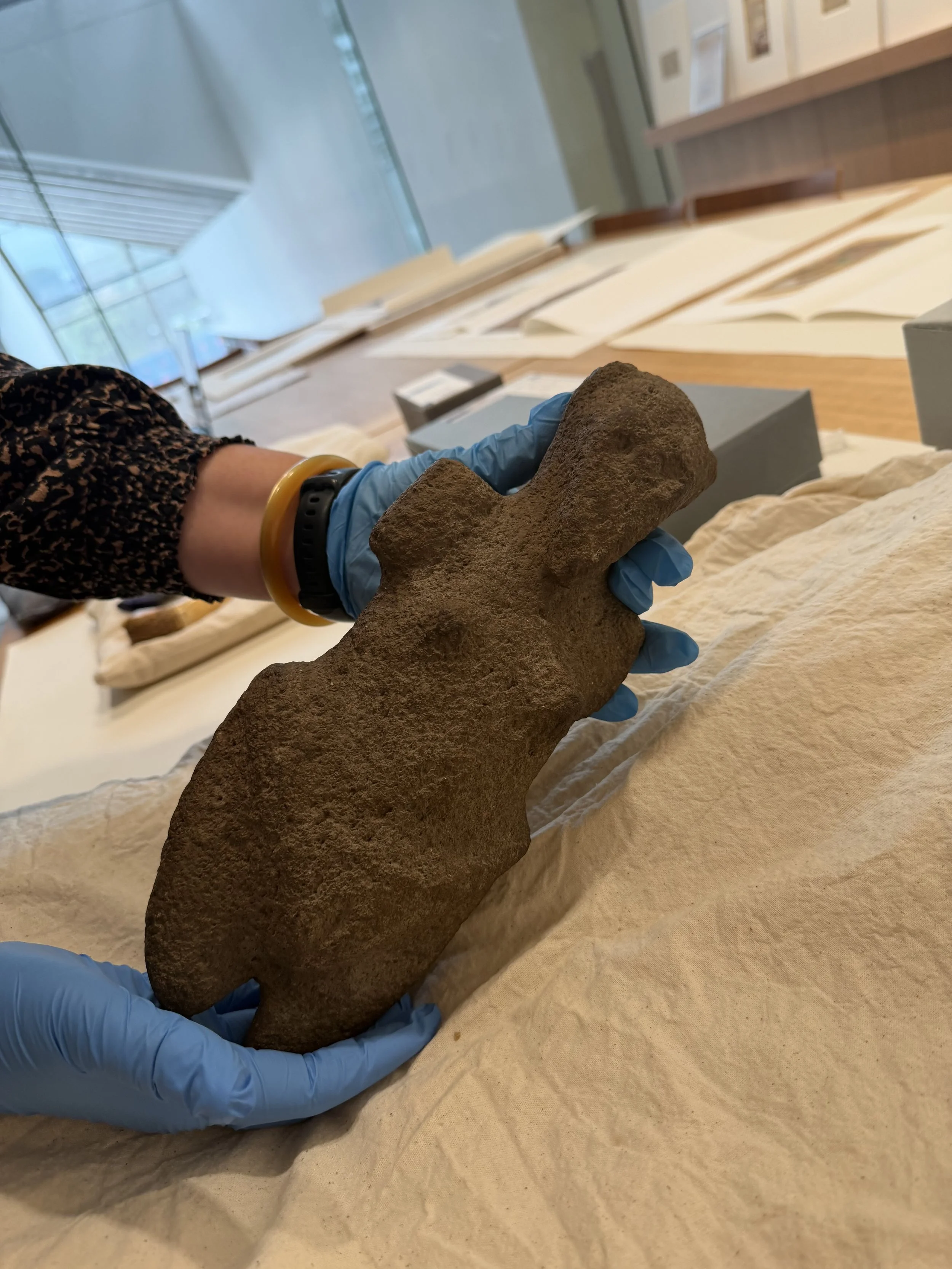
Over the course of this visit, I examined more than 100 manuscripts and material objects spanning a wide chronological and geographic range. Among them were objects associated with the Mohenjo-daro of the Indus Valley Civilization (often referred to as the Harappan civilization), Iron Age terracotta works from Iran (ca. 1000 BCE), arms and armor produced for the Mughal court, and astrological instruments and related materials from Safavid Iran. Together, these objects illuminate the intellectual, artistic, and technological networks that connected South Asia, Iran, and the broader Islamicate world across centuries.
My research focused not only on stylistic and iconographic analysis but also on codicology, materiality, provenance, and institutional histories. By placing these works within their broader art-historical and archival contexts, I aim to foreground the role of Australian collections in reshaping scholarly conversations about the premodern Islamicate world and its global entanglements.
Detailed studies of selected manuscripts and objects, including high-resolution imaging and critical commentary, will be published here in the coming weeks.