Dalāʾil al-Khayrāt (BV 201) North Africa, 18th century
Dalāʾil al-Khayrāt: Prophetic Devotion and Islamic Piety in the Early Modern World
Dalāʾil al-Khayrāt wa-Shawāriq al-Anwār fī Dhikr al-Ṣalāt ʿalā al-Nabī al-Mukhtār
(دلائل الخيرات وشوارق الأنوار في ذكر الصلاة على النبي المختار), commonly known as Dalāʾil al-Khayrāt or Proofs of Good Deeds, is one of the most influential devotional texts in Islamic history. Written in Arabic, it is a compilation of prayers and blessings upon the Prophet Muhammad and has played a central role in shaping Sunni devotional life from the fifteenth century to the present.
The text was authored in the mid fifteenth century by the Moroccan Sufi scholar Muhammad ibn Sulayman al-Jazuli (d. 1465), a prominent figure of the Shadhili Sufi tradition. His work quickly transcended its regional origins and became a cornerstone of Islamic devotional practice across North Africa, the Middle East, Anatolia, and South Asia.
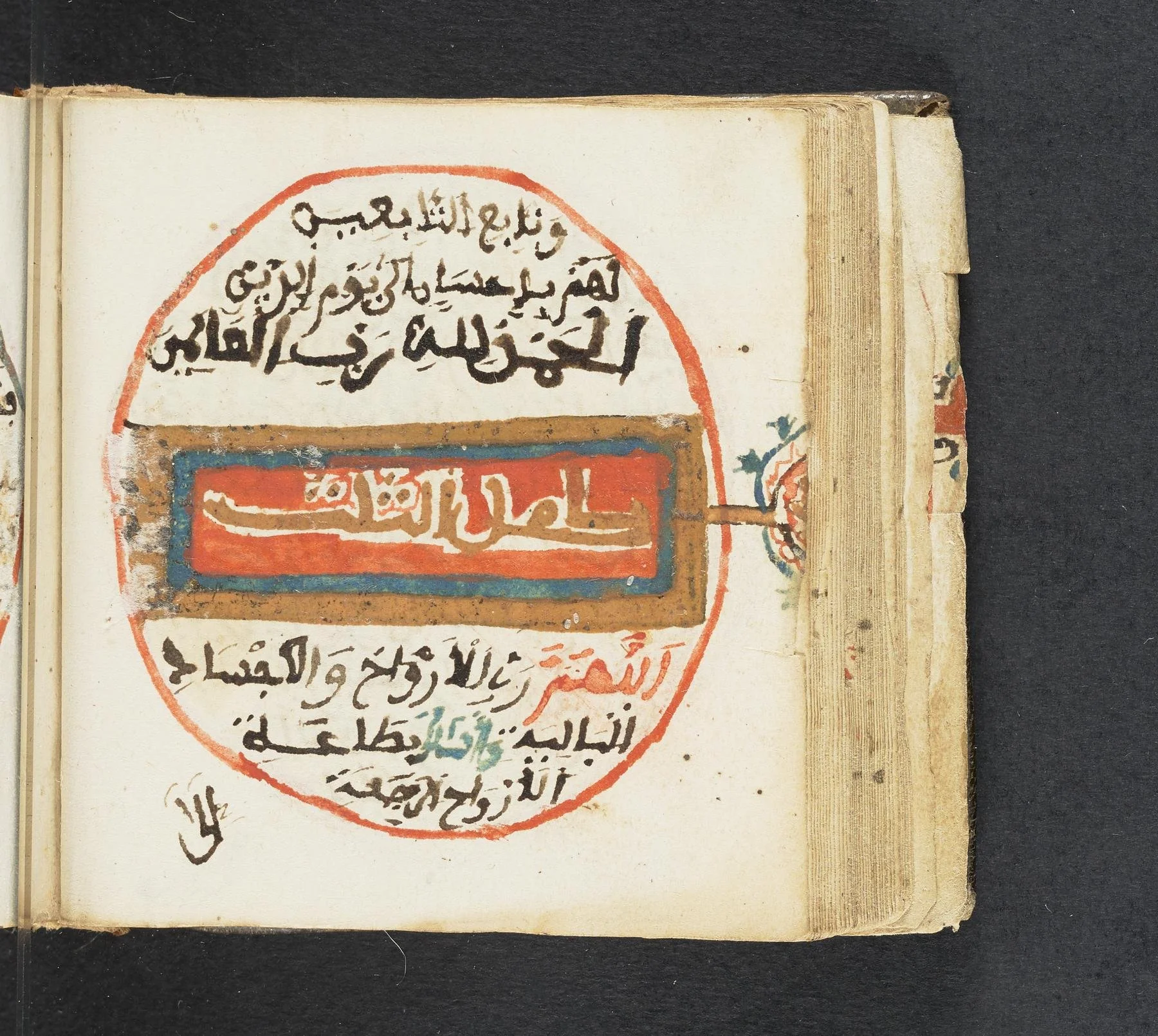
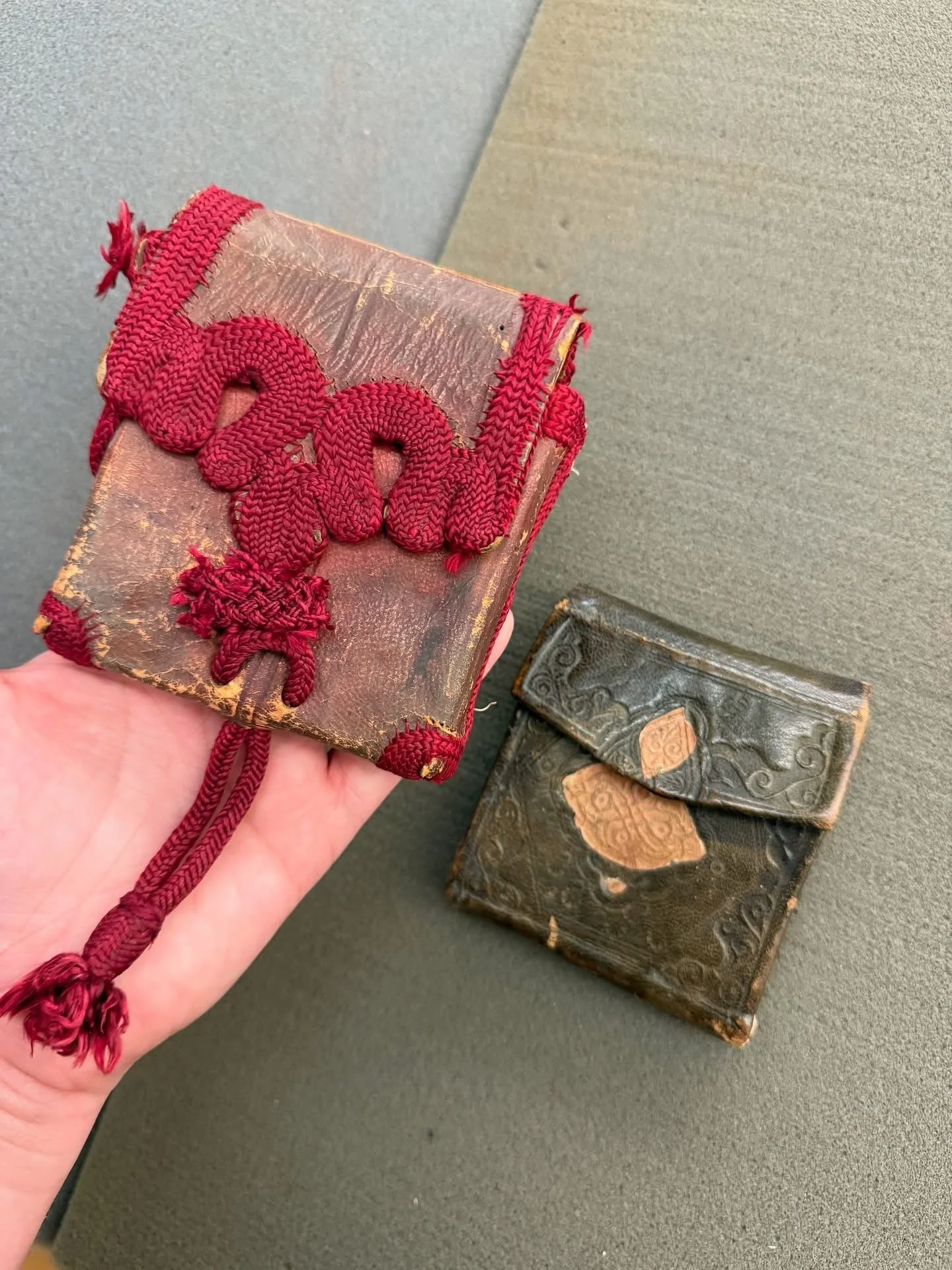
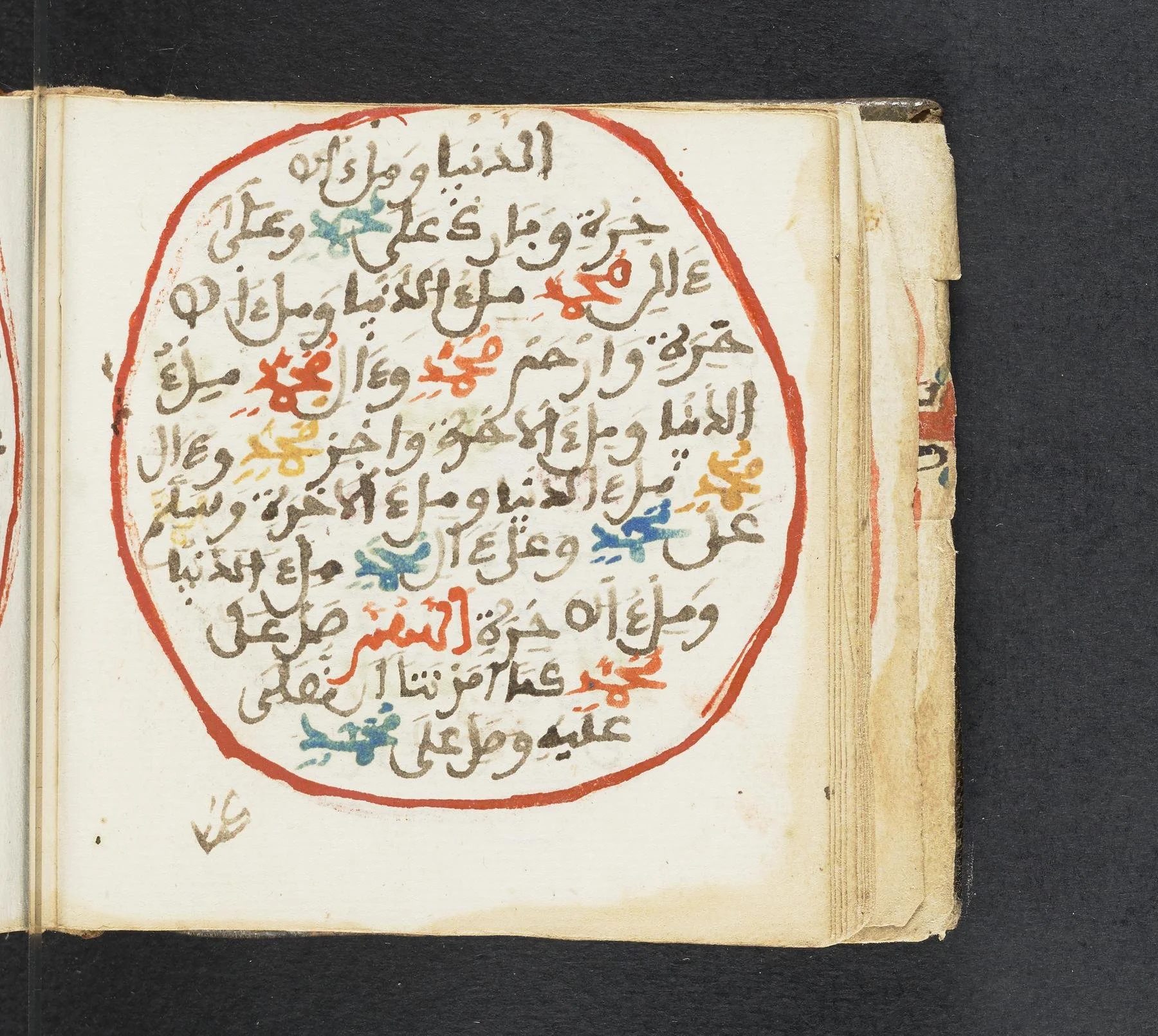
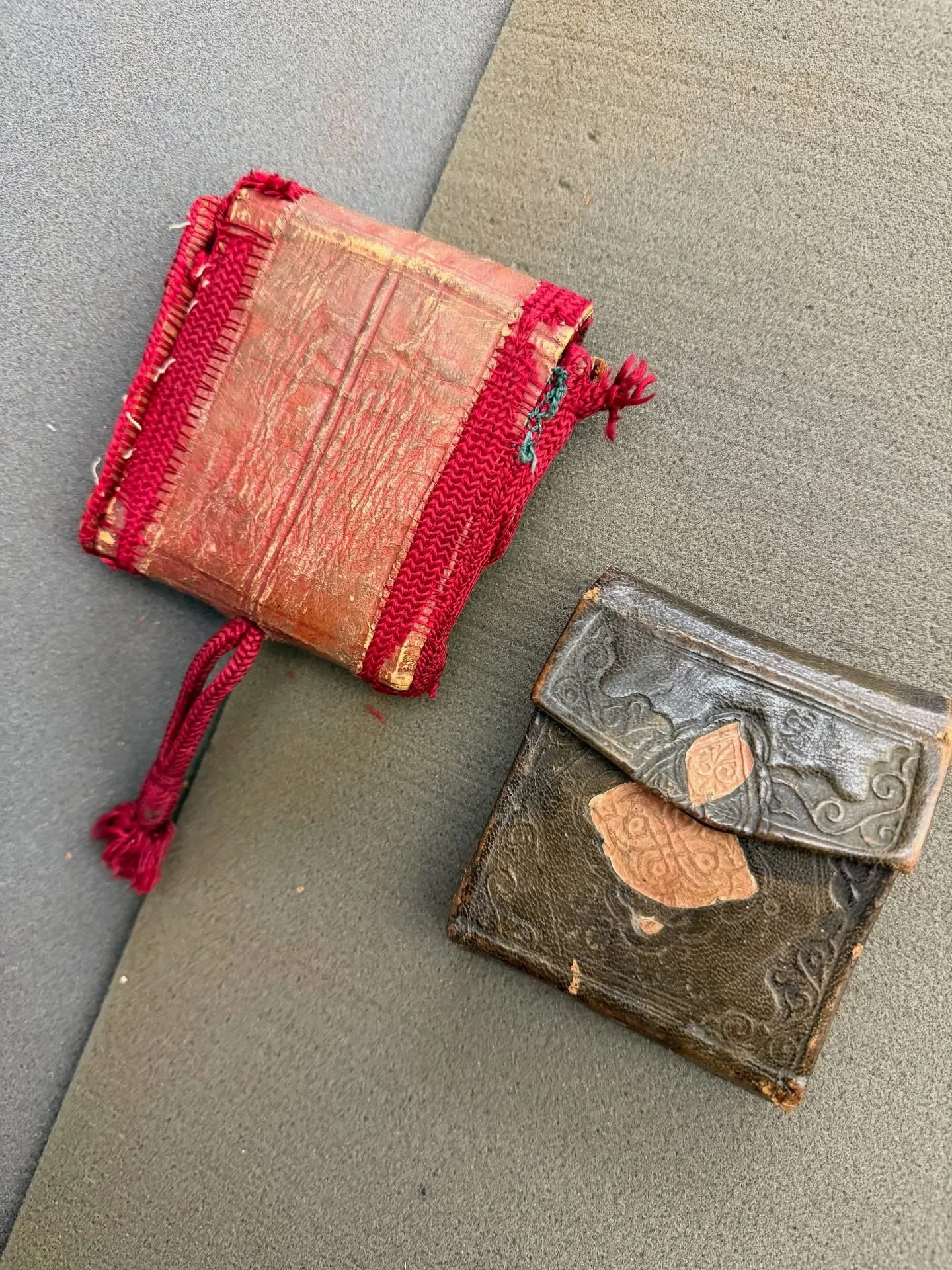
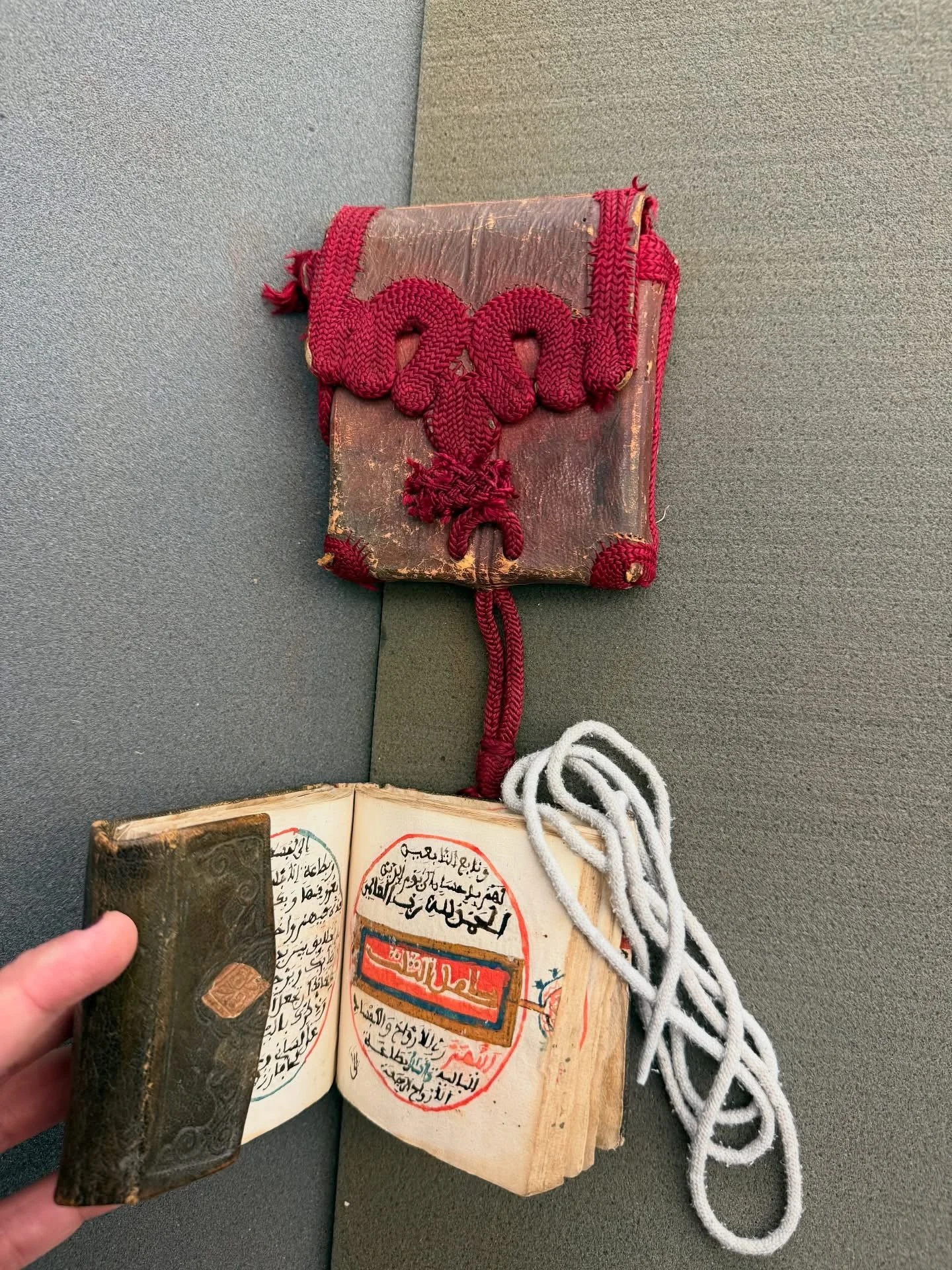
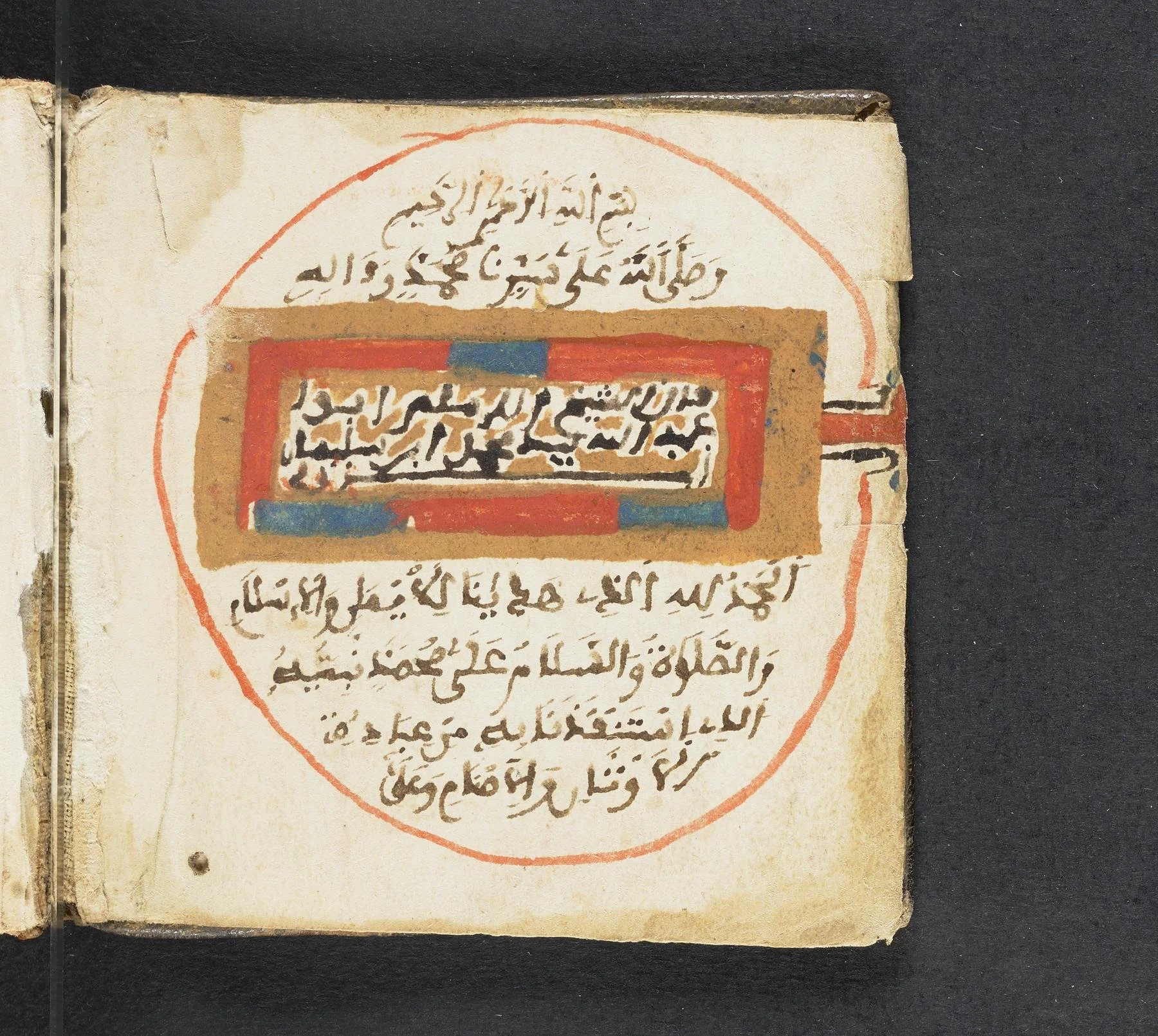
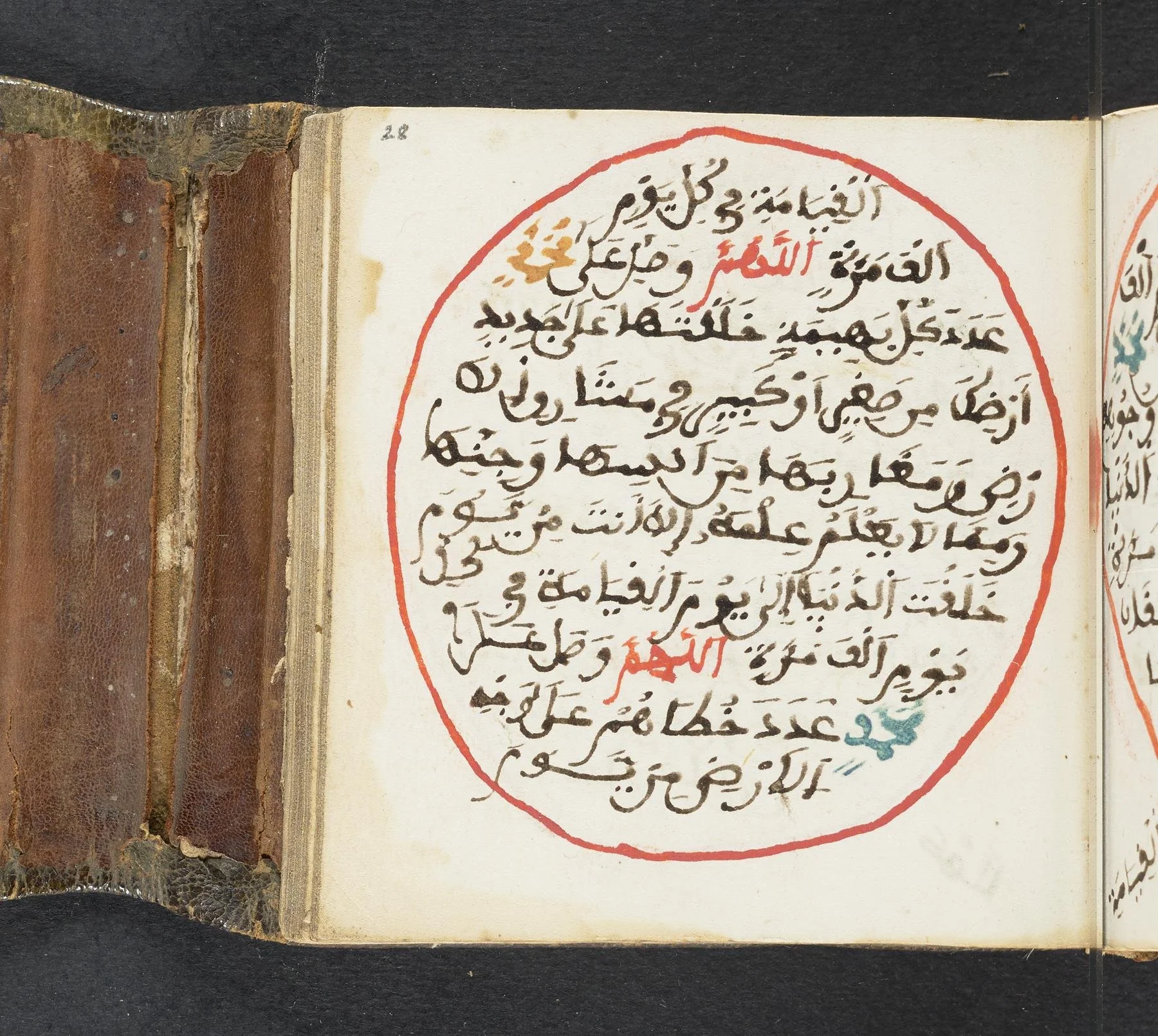
This small, lacunose manuscript is a prayer book copy of the famous devotional work Dalāʼil al-khayrāt by Muḥammad ibn Sulaymān al-Jazūlī. The text is arranged within a circular border on each page. The manuscript is incomplete with pages missing at the end, and one loose bifolium has been laid in at the back.
Physical Features
The text is written in 10 long lines per page and is border-ruled throughout. Illuminated titles appear in blue, red, and yellow (folios 1v, 17r, 37v), with red, yellow, and blue triangle-shaped border decorations found on folios 22r-23v. The text block is enclosed by a red circular border-rule extending from folios 1v to 38v and the three unnumbered leaves at the back. Rubrications in red, yellow, and blue further enhance the text’s visual appeal.
Provenance
No detailed provenance is recorded. The manuscript is currently housed at Bryn Mawr College, Pennsylvania.
Scholarly Notes
The manuscript reflects North African Maghribī script tradition with its distinctive brown ink and pointed, vocalized style. The circular text layout is an unusual and decorative format that emphasizes the devotional nature of the content. The illumination and use of color demonstrate the manuscript’s role not only as a textual resource but also as a visually devotional object. The flap binding and accompanying embroidered carrying case illustrate the manuscript’s functional use for personal devotion and transport. The lacunae highlight common challenges in preserving smaller devotional manuscripts.
Manuscript: BV 201, Dalāʼil al-khayrāt wa shawāriq al-anwār fī dhikr al-ṣalāh ʻalá al-nabī al-mukhtār
[دلائل الخيرات و شوارق الانوار في ذكر الصلوة على النبي المختار]
Date: Between 1700 and 1799?
Language: Arabic (العربية)
Place of Origin: Possibly North Africa
Material: Paper
Extent: 76 foliated leaves, 3 unfoliated leaves; 80 x 80 mm (written area approximately 67 x 63 mm)
Script: Maghribī (مغربي) in brown ink; pointed, vocalized
Binding: Brown leather over pasteboard with flap (Type II); blind-stamped covers with lighter brown stamped paper onlay on both covers and flap; carrying case in brownish-red leather with red embroidery and tassels

Origins and Historical Context
Al-Jazuli composed Dalāʾil al-Khayrāt during a period of political fragmentation and social uncertainty in the Maghreb following the decline of the Marinid dynasty. At the same time, devotion to the Prophet Muhammad was flourishing through poetry, supplications, and ritual practices. The text responded to this environment by offering a structured, accessible guide to regular devotional remembrance (dhikr).
Designed as a practical handbook, Dalāʾil al-Khayrāt gathers prayers derived from prophetic traditions and earlier devotional materials into a weekly cycle. This structure allowed both Sufi disciples and ordinary believers to incorporate consistent prayer into their daily lives, reinforcing spiritual discipline and communal religious identity.
Scholars often regard the work as a turning point in Islamic devotional history. It was the first widely adopted prayer manual dedicated exclusively to invoking blessings upon the Prophet and was organized into seven daily sections (aḥzāb), encouraging ritualized repetition and memorization beyond elite scholarly circles.
Literary and Ritual Character
Unlike theological treatises or legal manuals, Dalāʾil al-Khayrāt is intentionally affective and performative. Its language emphasizes rhythm, repetition, and emotional attachment to the Prophet. Many prayers begin with invocations such as “Allāhumma ṣallī ʿalā…” (O God, send blessings upon), fostering a sense of intimacy and reverence.
The text typically includes:
• Lists of the Prophet’s names and honorific titles, often numbering over two hundred
• Descriptions of the Prophet’s tomb in Medina and the sacred geography of pilgrimage
• Supplications seeking intercession, protection, and spiritual benefit
These elements allowed the book to function simultaneously as a devotional guide, a mnemonic aid, and a source of spiritual imagination.
Manuscript Culture and Material Transmission
From its earliest circulation, Dalāʾil al-Khayrāt became one of the most frequently copied Islamic texts after the Qurʾān. Manuscripts survive from North Africa, the Ottoman Empire, Persia, and South Asia, attesting to its extraordinary geographic reach.
Many copies were lavishly illuminated and included schematic images of Mecca and Medina. These visual elements highlight how devotional reading was intertwined with artistic expression and material culture. Ownership of the text often carried spiritual prestige, and manuscripts were used in both private prayer and communal recitation.
Libraries and archives around the world preserve early copies that retain original colophons, prayer tables, and marginal annotations, revealing how jurists, scribes, and lay believers interacted with the text over centuries.
Reception and Legacy
By the early modern period, Dalāʾil al-Khayrāt had become embedded in both individual and collective devotional practices. Public recitations were held in mosques and Sufi lodges, and the text was incorporated into institutional religious life across the Islamic world. While some legal scholars questioned aspects of its devotional emphasis, its popularity continued to grow.
The work inspired numerous commentaries and influenced later prayer collections, shaping a broader genre of Prophet focused devotion. Its impact extended beyond Sufism, contributing to mainstream Sunni expressions of piety centered on love, remembrance, and imitation of the Prophet Muhammad.
Today, Dalāʾil al-Khayrāt remains a living text. It continues to be recited across North Africa, the Levant, Anatolia, the Caucasus, and South Asia, preserving a centuries old tradition of prophetic devotion and spiritual discipline.