How to Read Illustrated and Illuminated Manuscripts
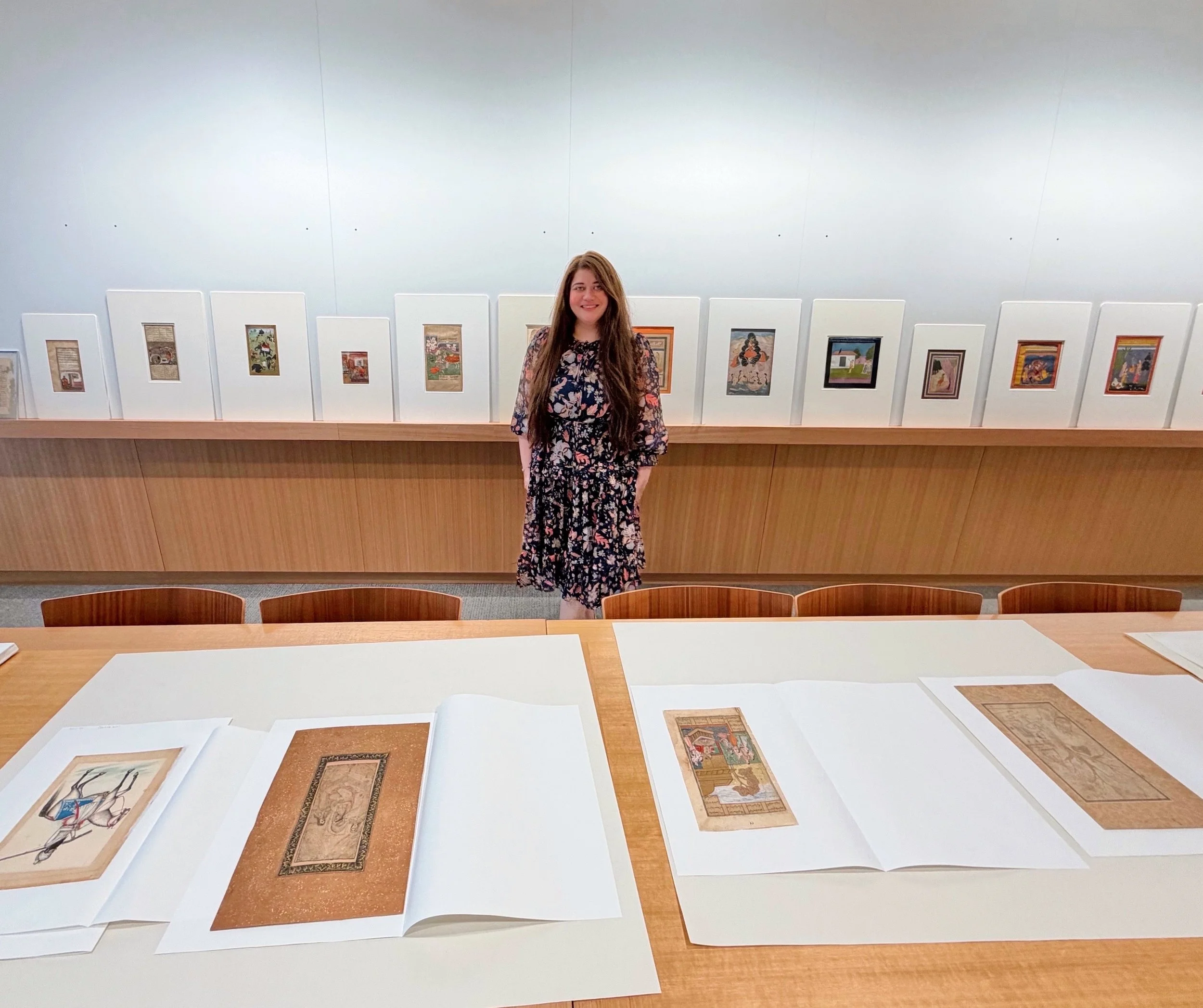
I wanted to share some thoughts on how to read manuscripts and paintings, or really any kind of primary work, because it is a skill that is rarely taught directly and is usually learned slowly through experience. The approaches and habits of observation that follow are not fixed rules, since every object demands something slightly different from its reader, though they are methods that have served me well throughout my own work with Persianate and Mughal manuscripts. My hope is simply that they might help others look more carefully, ask better questions, and develop a deeper relationship with the objects they study.
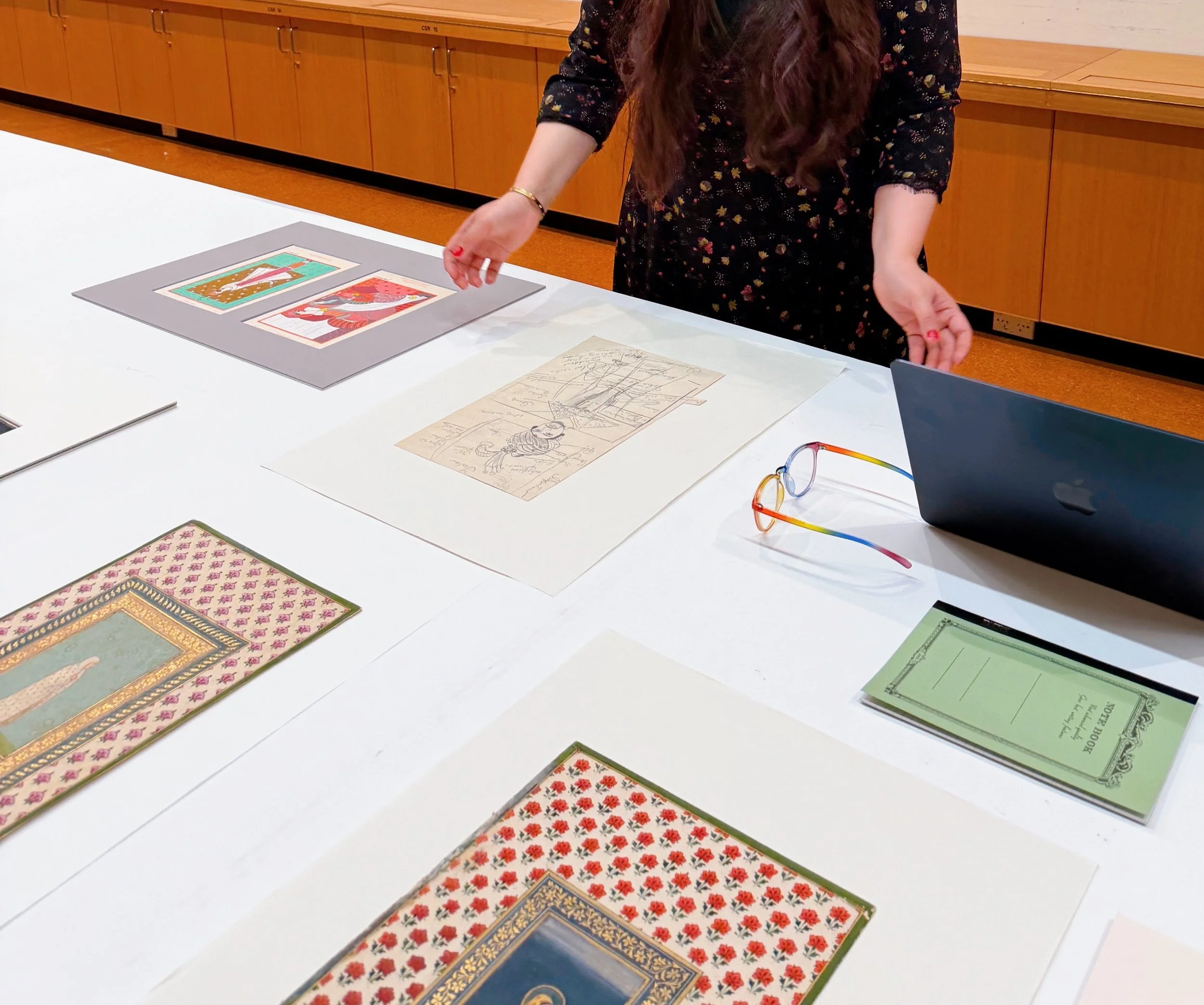
To read an object properly is therefore an exercise in historical sympathy.
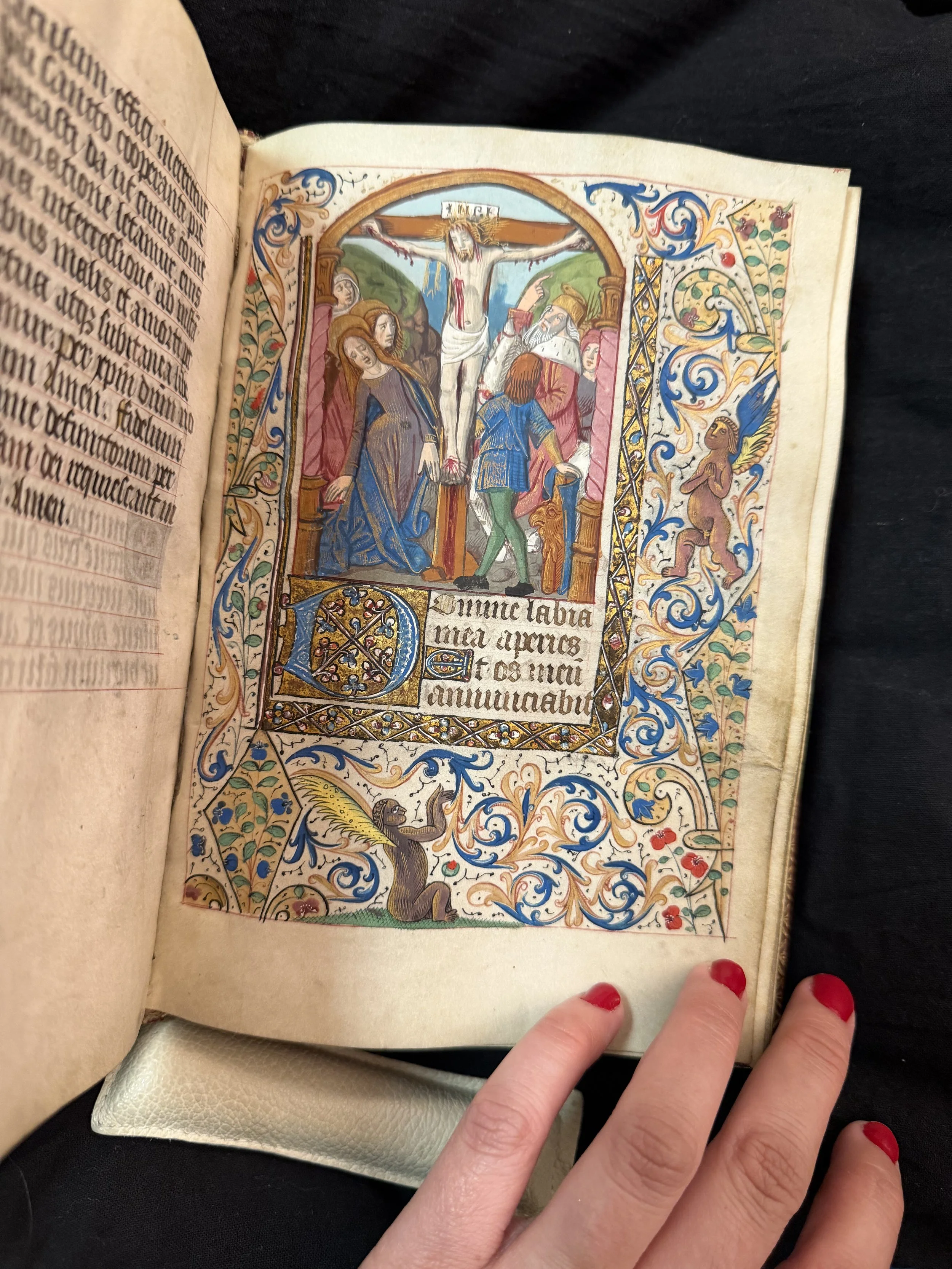
A manuscript is very easy to misunderstand if approached only as a carrier of text. Printed books encourage a habit of reading that moves quickly toward information, argument, or narrative, though illuminated and illustrated manuscripts ask for a slower and more attentive kind of engagement. A Persianate manuscript from Mughal India or Iran was never conceived as words alone upon a page. Text, painting, calligraphy, paper, pigment, and binding all participate in the meaning of the object.
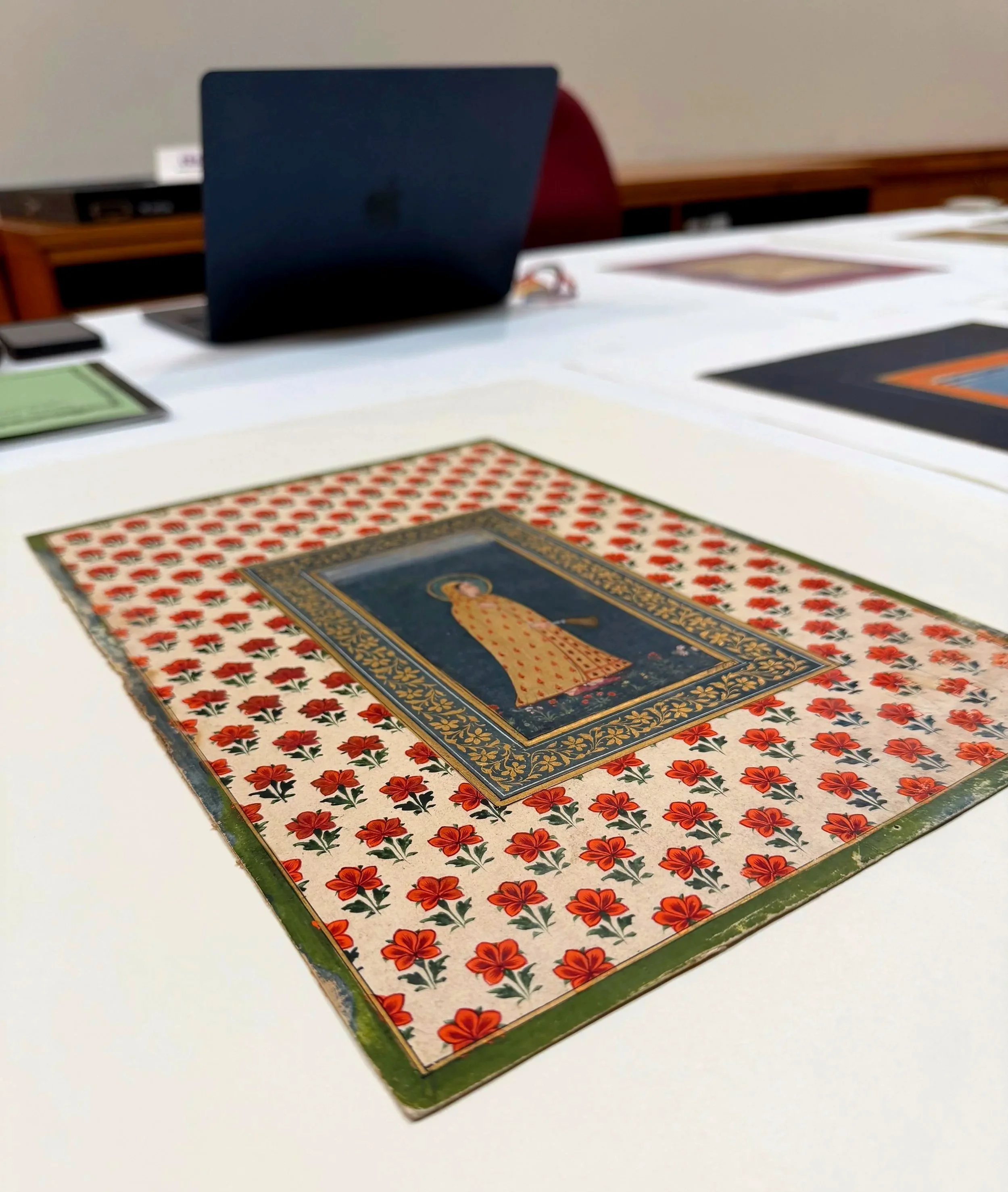
The illustrated manuscript demands from its reader a discipline of eye, hand, intellect, and temperament. One must learn to observe before interpreting. One must learn to ask before concluding. In my own experience, I have noticed that the page reveals itself slowly when observed and remains obstinately closed to the hurried antiquarian.
The Mughal manuscript in particular rewards careful attention because it stands at the confluence of several worlds. Persian literary inheritance, Timurid aesthetics, Indic visual sensibility, imperial politics, devotional thought, and workshop practice all reside within a single folio. Every margin may carry evidence. Every pigment may disclose a geography of trade. Every repair may betray a century of use. Plus there is also the various languages and script types that a reader will see on the page.
The Manuscript as a Physical Presence
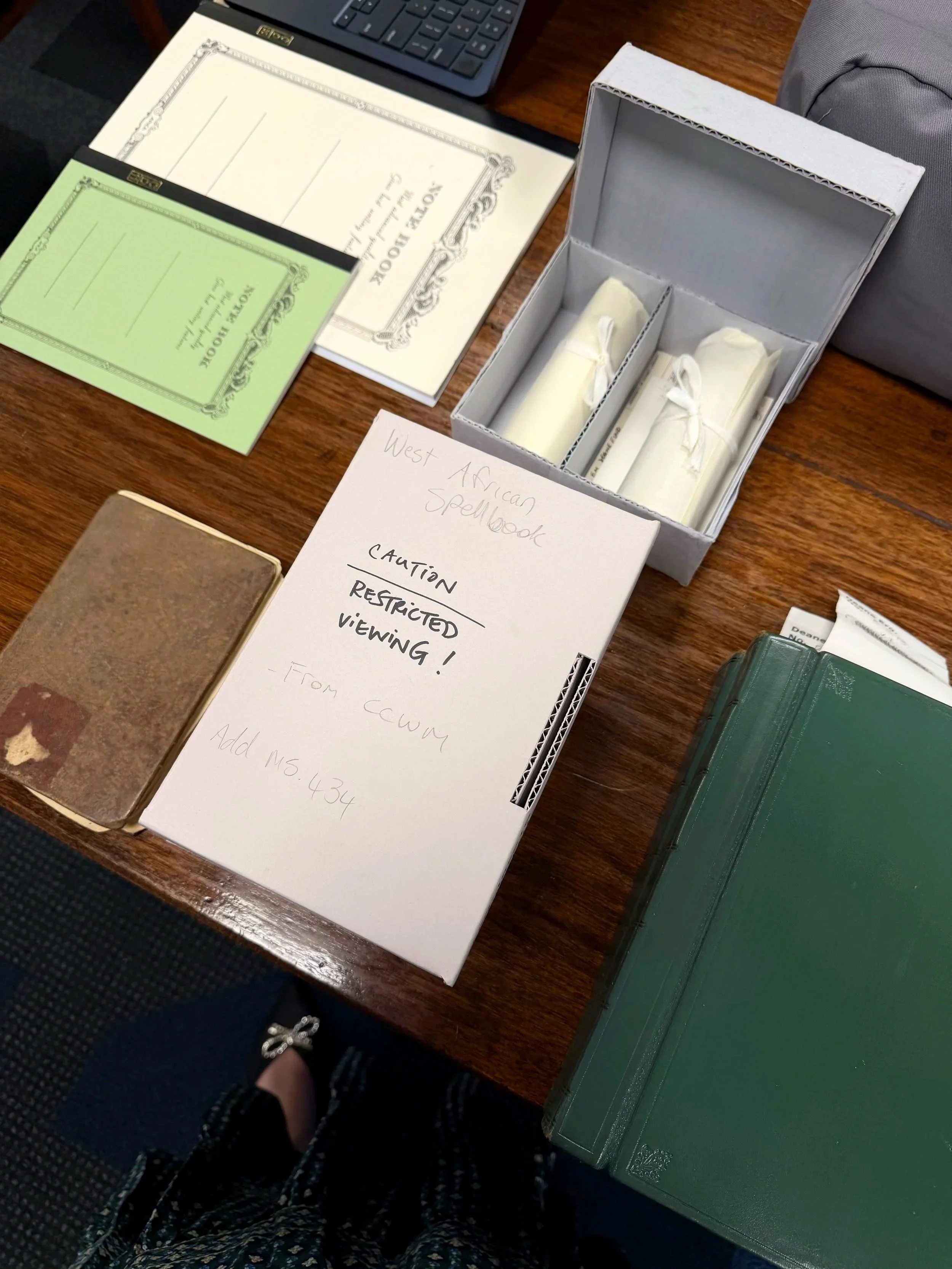
The first obligation of the reader is toward the physical object itself. Before one considers poetry, painting, patronage, or style, one must understand the codex as matter.
A manuscript possesses weight, scent (yes, even scent!), texture, temperature, and sound. The slight crackle of burnished paper or organic material differs markedly from the softer movement of later machine made leaves. A folio illuminated in gold or silver reflects light differently according to the angle of viewing. Verdigris may sink into paper fibres with a faint corrosion visible around the painted surface. Indigo often ages with dignity whereas silver darkens into melancholy obscurity.
A serious student learns to notice these things instinctively.
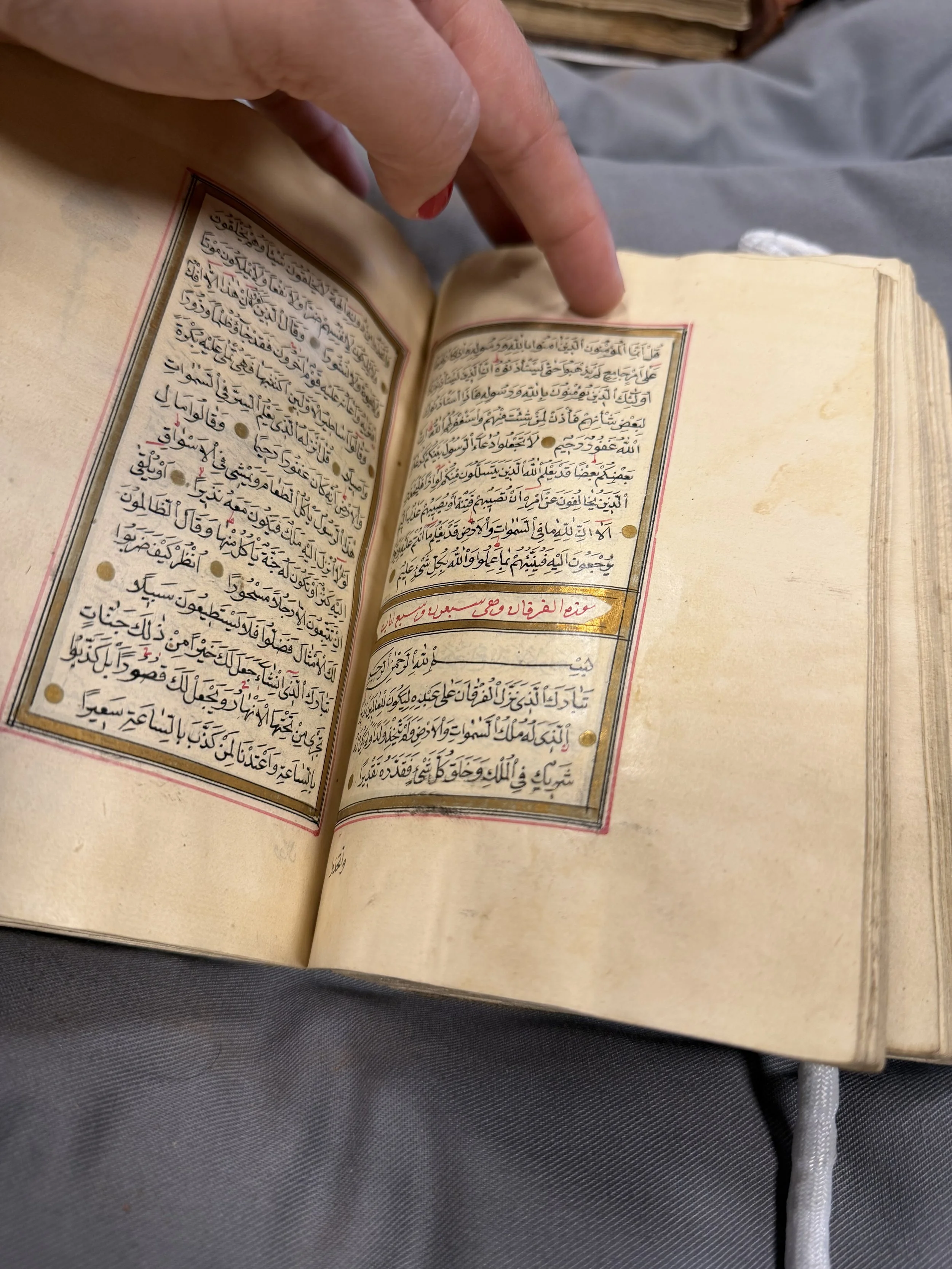
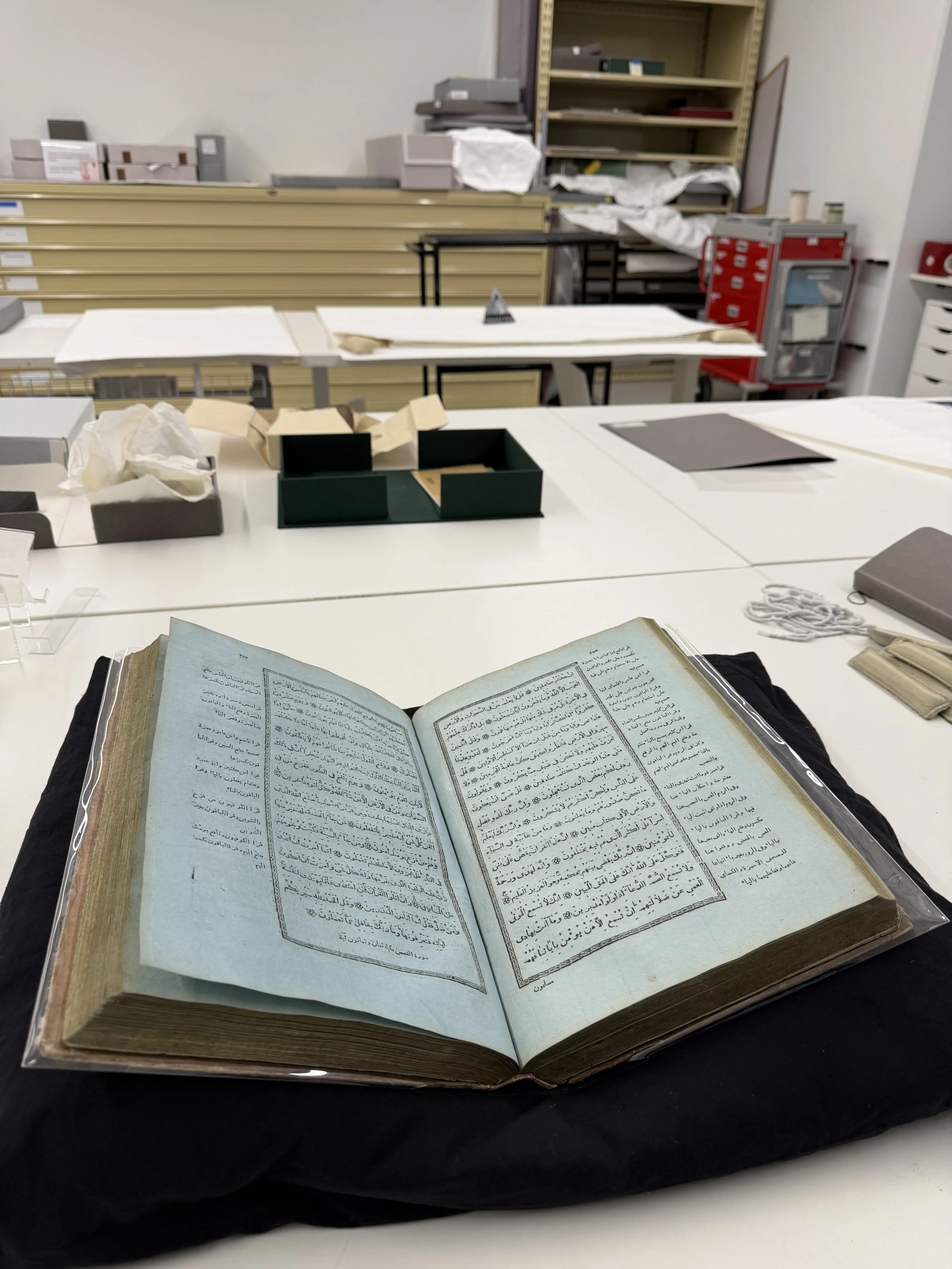
I always begin my study with the paper. So one must first hold the folio gently beneath indirect light. Observe thickness, opacity, polish, and tone. Mughal papers often reveal extraordinary refinement. Some possess a faint ivory luminosity owing to repeated burnishing with stone or shell. Others contain visible fibres that suggest regional manufacture. Specks of mica occasionally appear. One may encounter tinted grounds in pale blue, salmon, pistachio, or buff.
The paper itself frequently tells a story all on its own than just the painting alone.
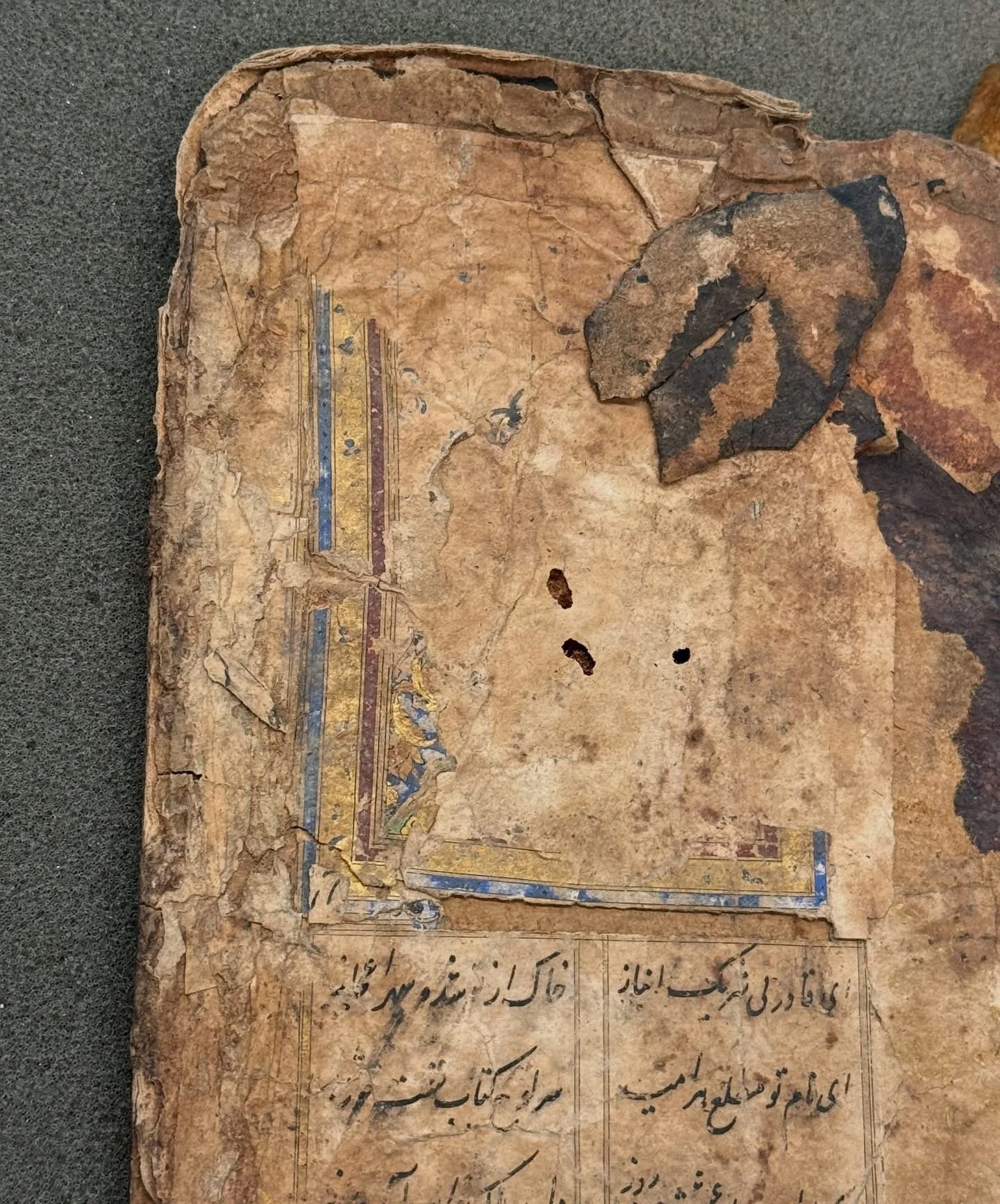
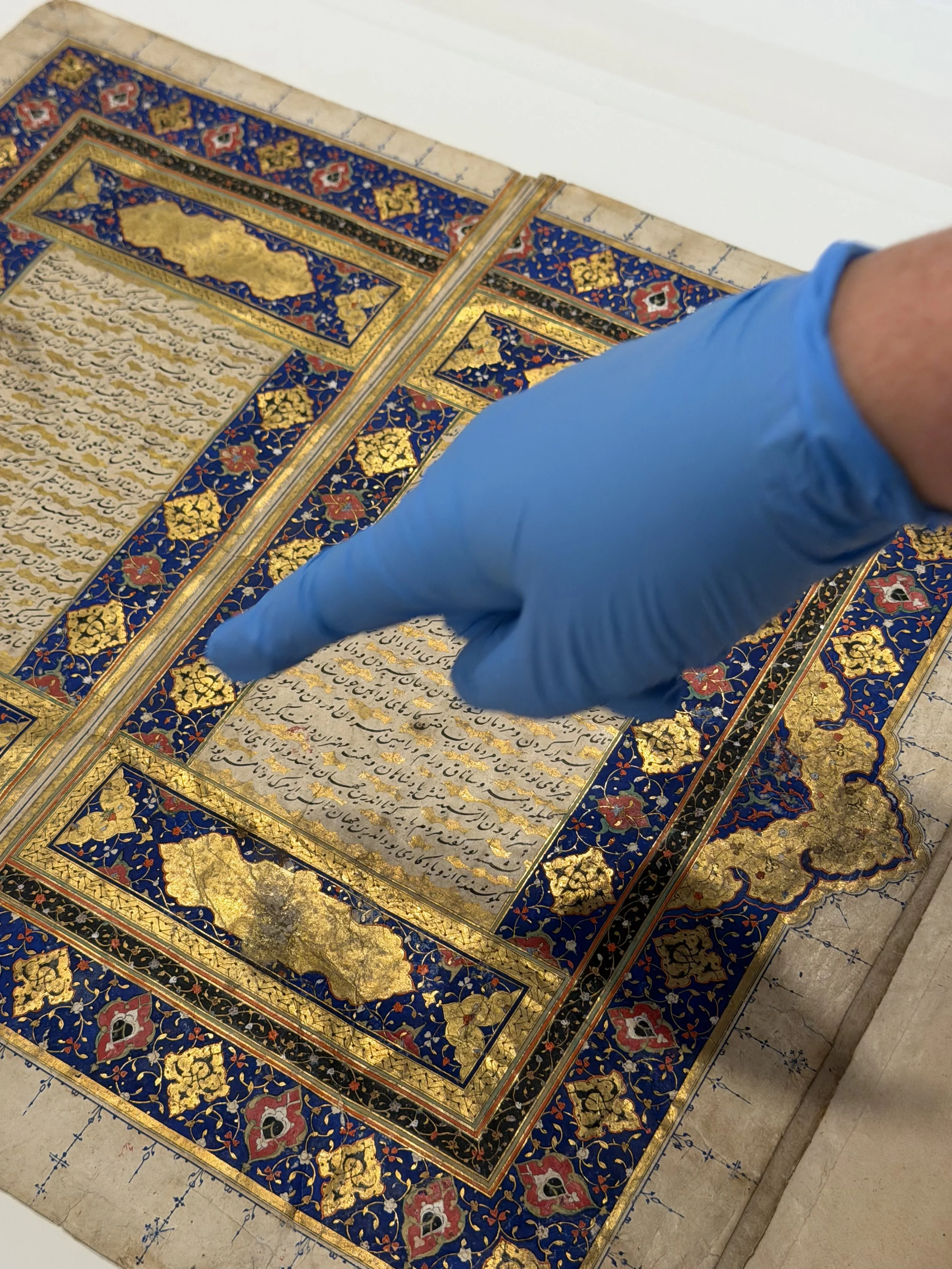
Next one examines the ruling. Many Persianate manuscripts are governed by geometry. Text panels are rarely accidental in proportion. Gold rules, blue borders, cloud bands, floral margins, and cartouches participate in an architecture of reading. One should ask whether the page was planned for text alone and later illustrated, or whether text and image emerged together in conception.
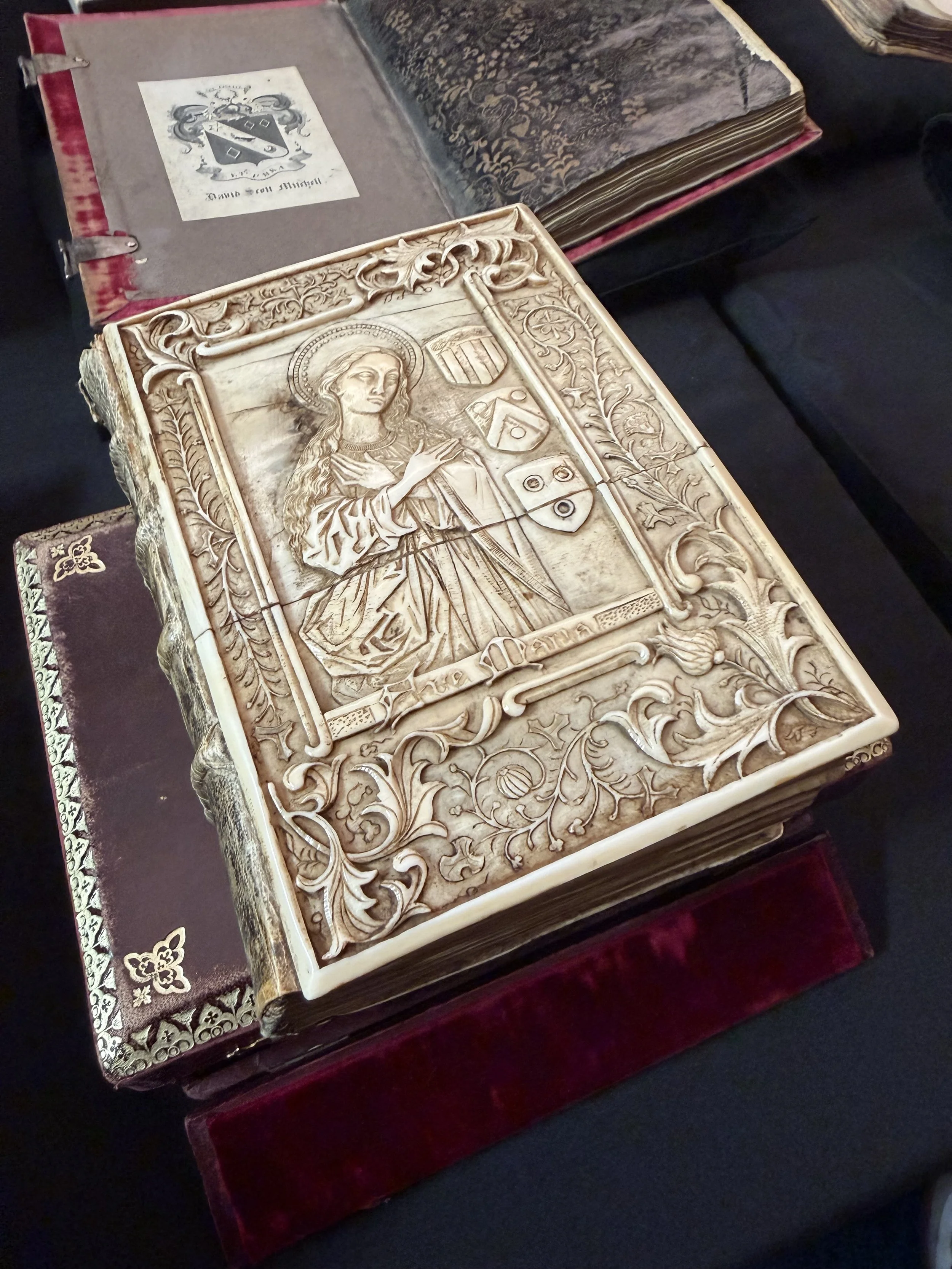
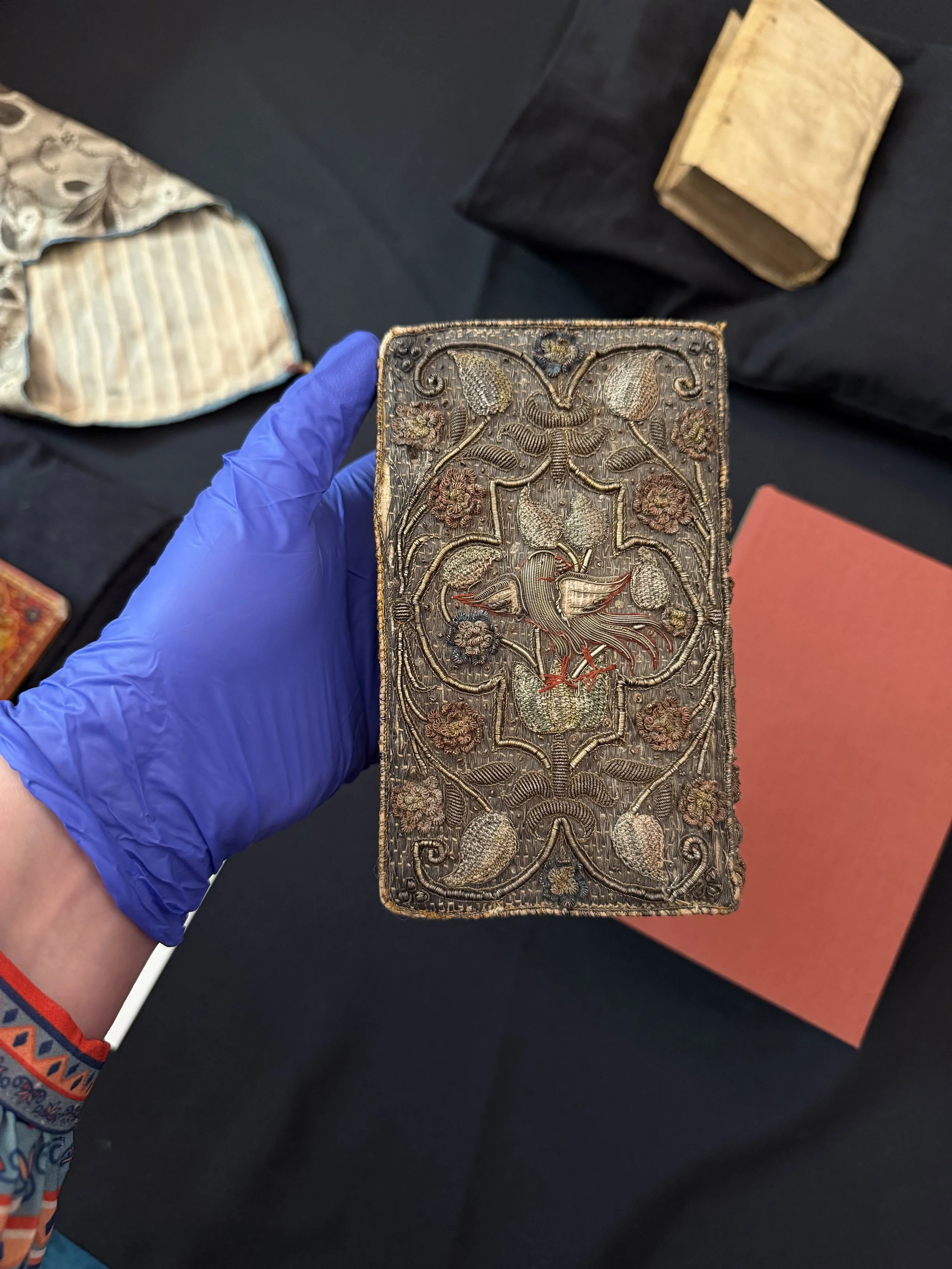
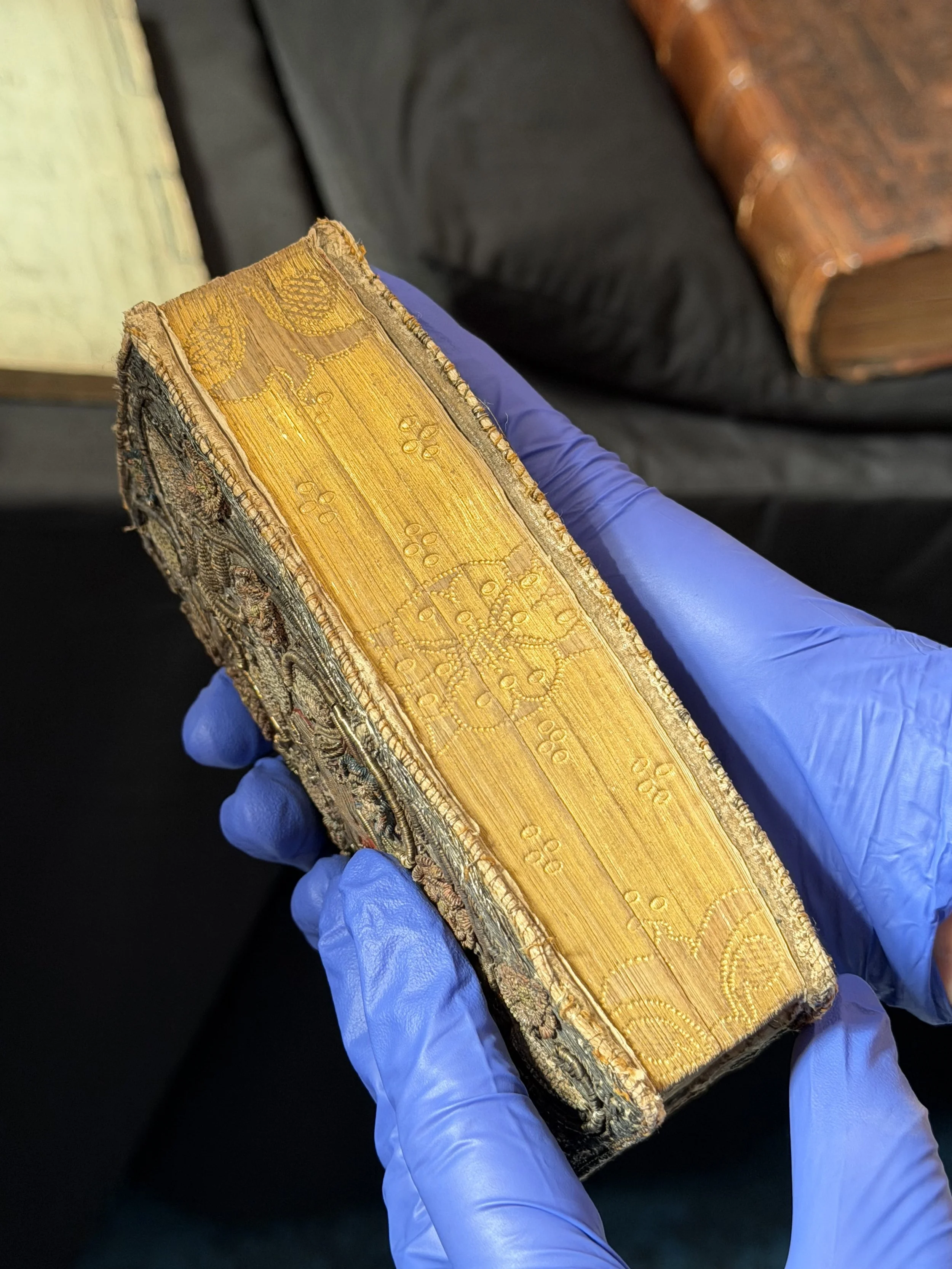
The binding must never be neglected. Bindings are historical witnesses. A seventeenth century manuscript may bear a nineteenth century cover. An imperial text may survive within a provincial rebinding. One must inspect doublures, stitching, flap construction, spine shape, and lacquer work with utmost care.
A manuscript is often older than its present body.
The Ethics of Handling
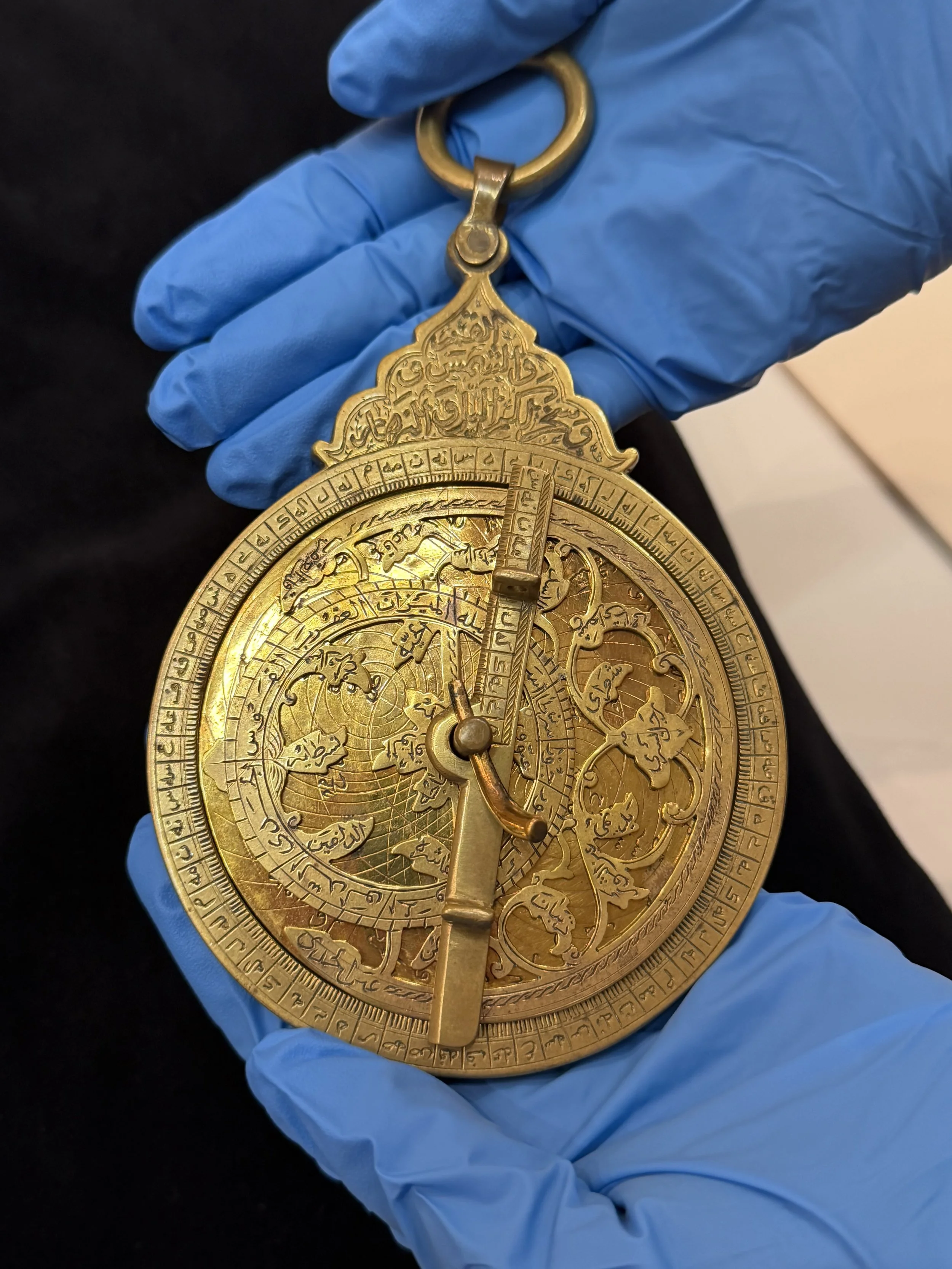
A proper reader leaves no trace of his presence.
There exists a moral dimension to manuscript or object handling which is important for scholars to not ignore. I am always aware that the object I’m handling has survived centuries of dynastic collapse, migration, humidity, war, neglect, and commerce. One must therefore approach it with a degree of humility and respect.
Hands should be clean and entirely dry. Cotton gloves are useful for metal objects though often disastrous for manuscripts because they reduce tactile sensitivity. Bare clean hands permit greater control and lessen the risk of tearing.
A folio should never be forced open beyond its natural movement. The spine possesses memory. To compel it into submission is almost like an act of vandalism.
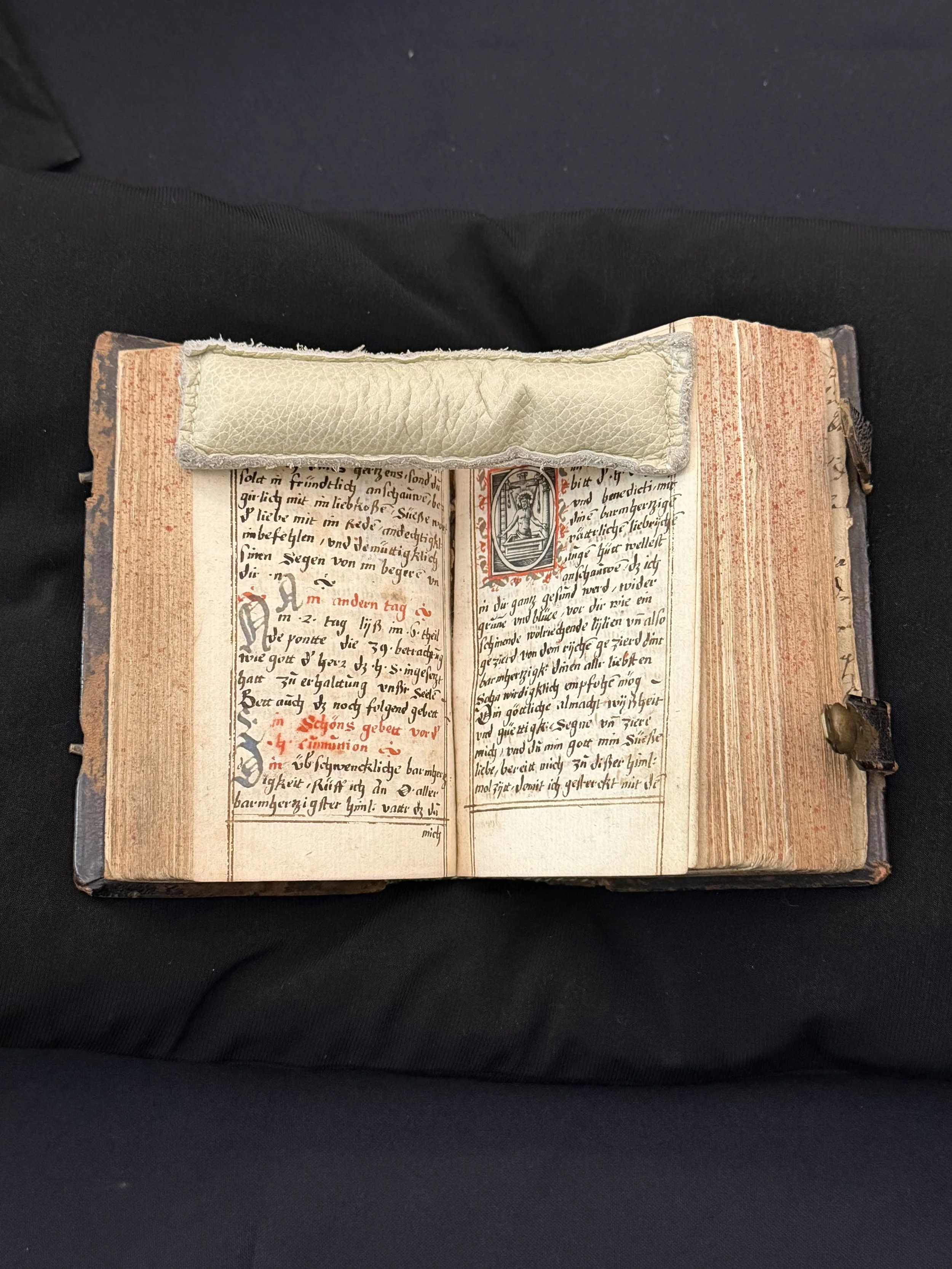
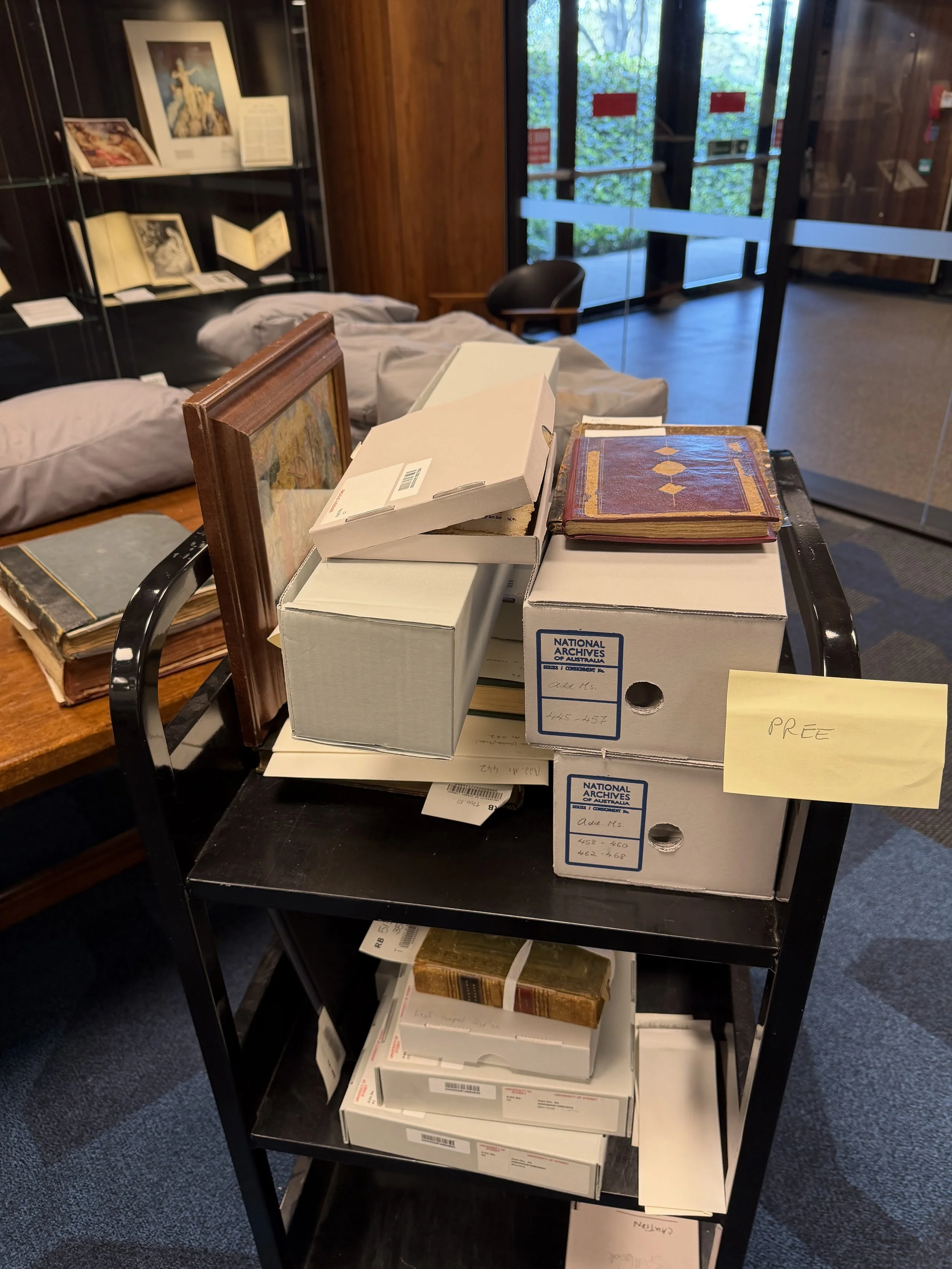
Support cushions are essential for bound volumes. Pages should be turned from their strongest edge, never from fragile corners. One should avoid resting the wrist upon painted surfaces or margins. Even stable pigments may loosen under repeated abrasion. Ask for a magnifying glass to help see details that may otherwise cause tension to the page by manual hand movement.
Light is a silent destroyer. Prolonged exposure to strong illumination diminishes pigments and weakens paper. The serious reader develops the habit of intermittent viewing. One studies intensely for a period and then allows the manuscript repose.
No manuscript should ever be placed near food, drink, ink bottles, adhesive notes, or loose writing implements.
The Discipline of Looking
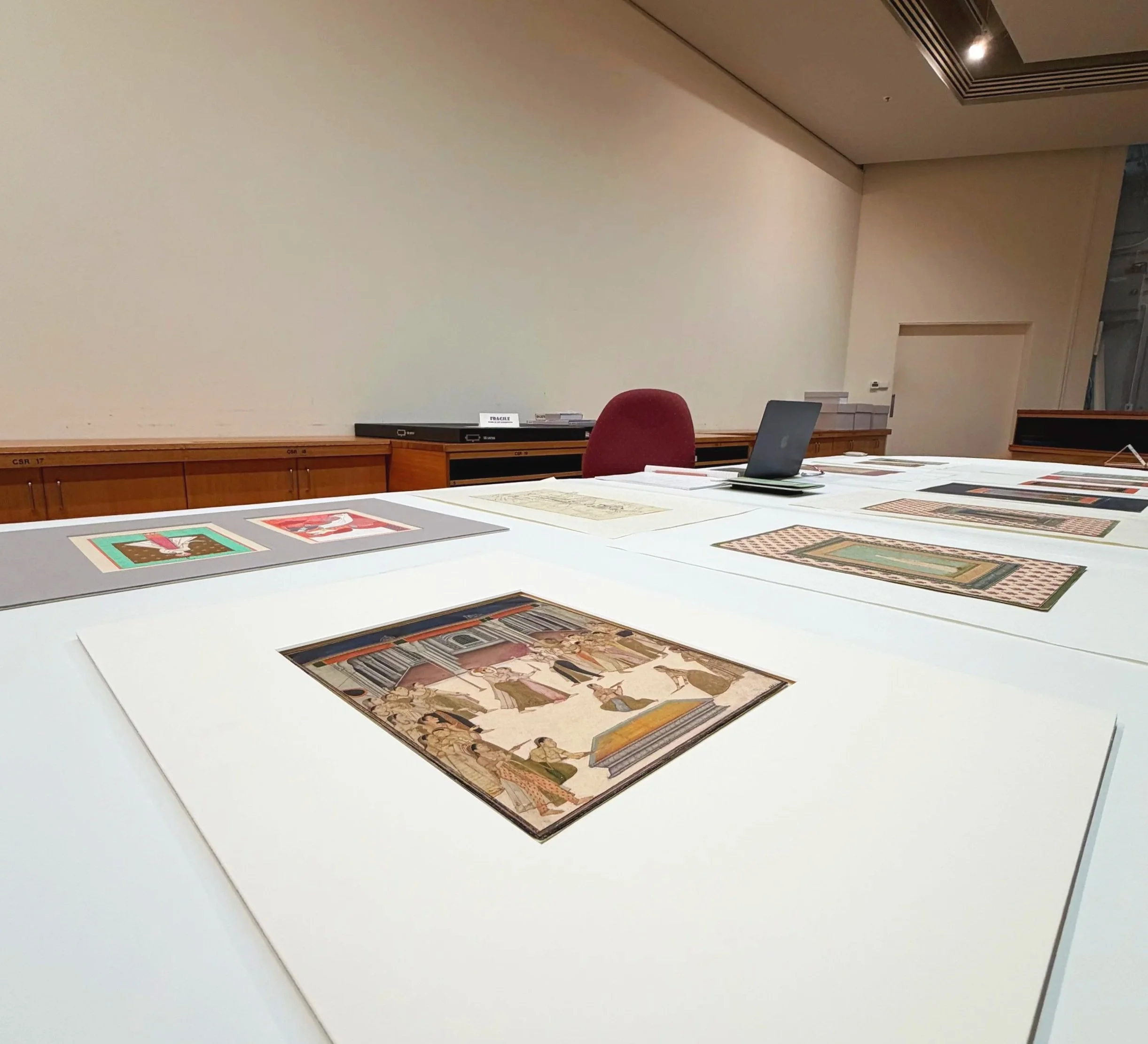
One should ask repeatedly: what here is inherited, what is observed, and what is invented?
Most readers glance at paintings. The accomplished student studies them structurally.
When encountering a Mughal miniature one should first resist the temptation of narrative identification. Before asking what the scene represents, ask how it has been constructed.
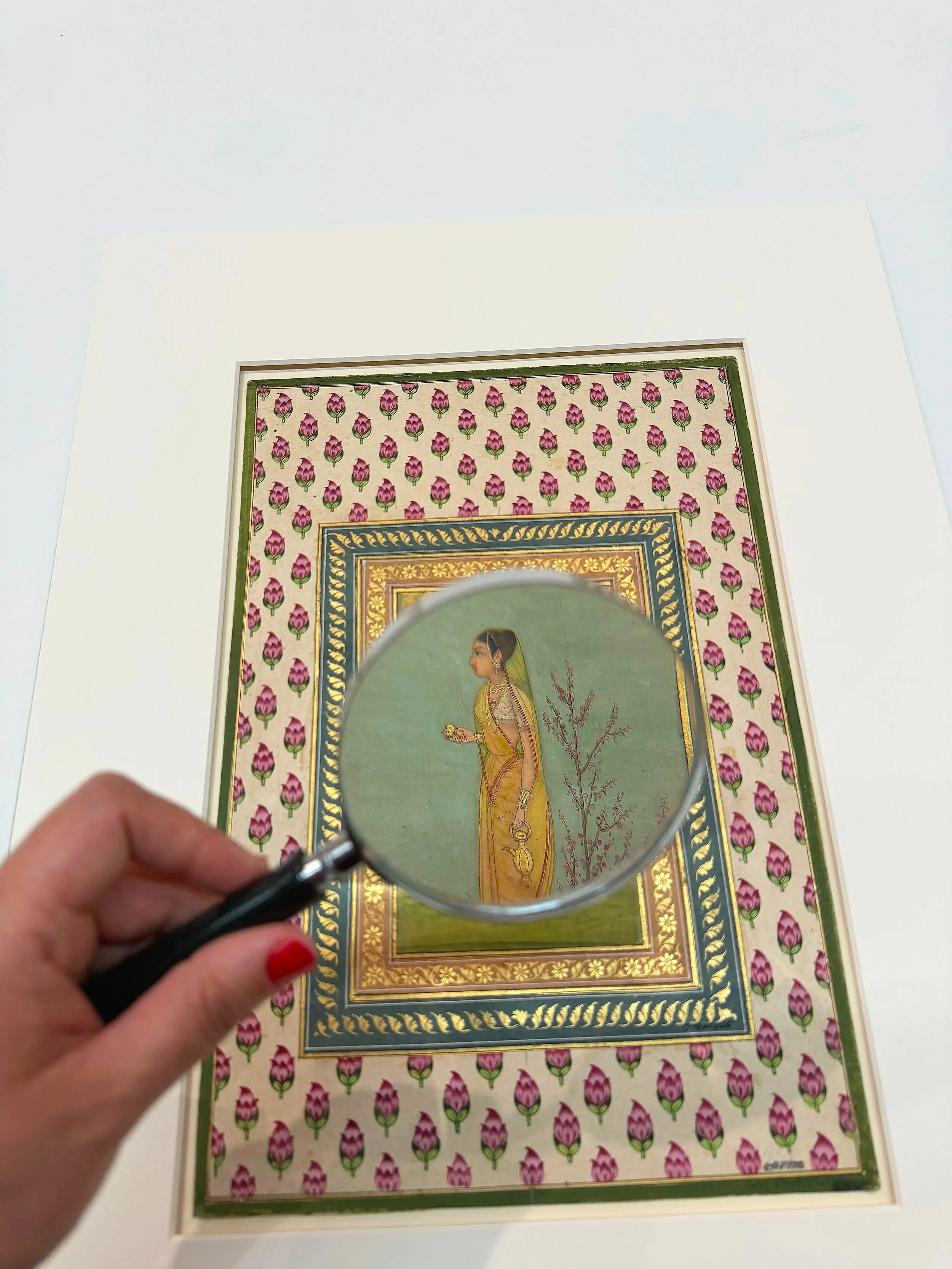
I have often found details while looking at paintings in person that were not visible in highly detailed digital copies.
Observe movement. Where does the eye travel first. Which figure governs the composition. Is authority expressed through scale, placement, colour, or gaze. Mughal painters were subtle choreographers of attention.
Examine gesture with seriousness. The angle of a hand may signify rank, submission, astonishment, or spiritual concentration. Court painters understood bodily rhetoric with extraordinary precision.
Then consider spatial organisation. Persian painting traditionally delights in layered surfaces and poetic flattening. Mughal artists increasingly experimented with recession, atmosphere, portrait likeness, and natural observation. One may often witness several visual systems existing simultaneously within a single image.
A tree may belong to Persian convention while the face beside it reflects direct imperial portraiture. Animals deserve close attention. Horses especially reveal workshop quality. Inferior painters simplify musculature. Master painters understand tension beneath skin. Elephants in Mughal painting frequently convey political symbolism as much as zoological observation.
Landscape too possesses language. Rocks may derive from Chinese precedents inherited through Timurid traditions. Cloud forms often preserve centuries of artistic memory.
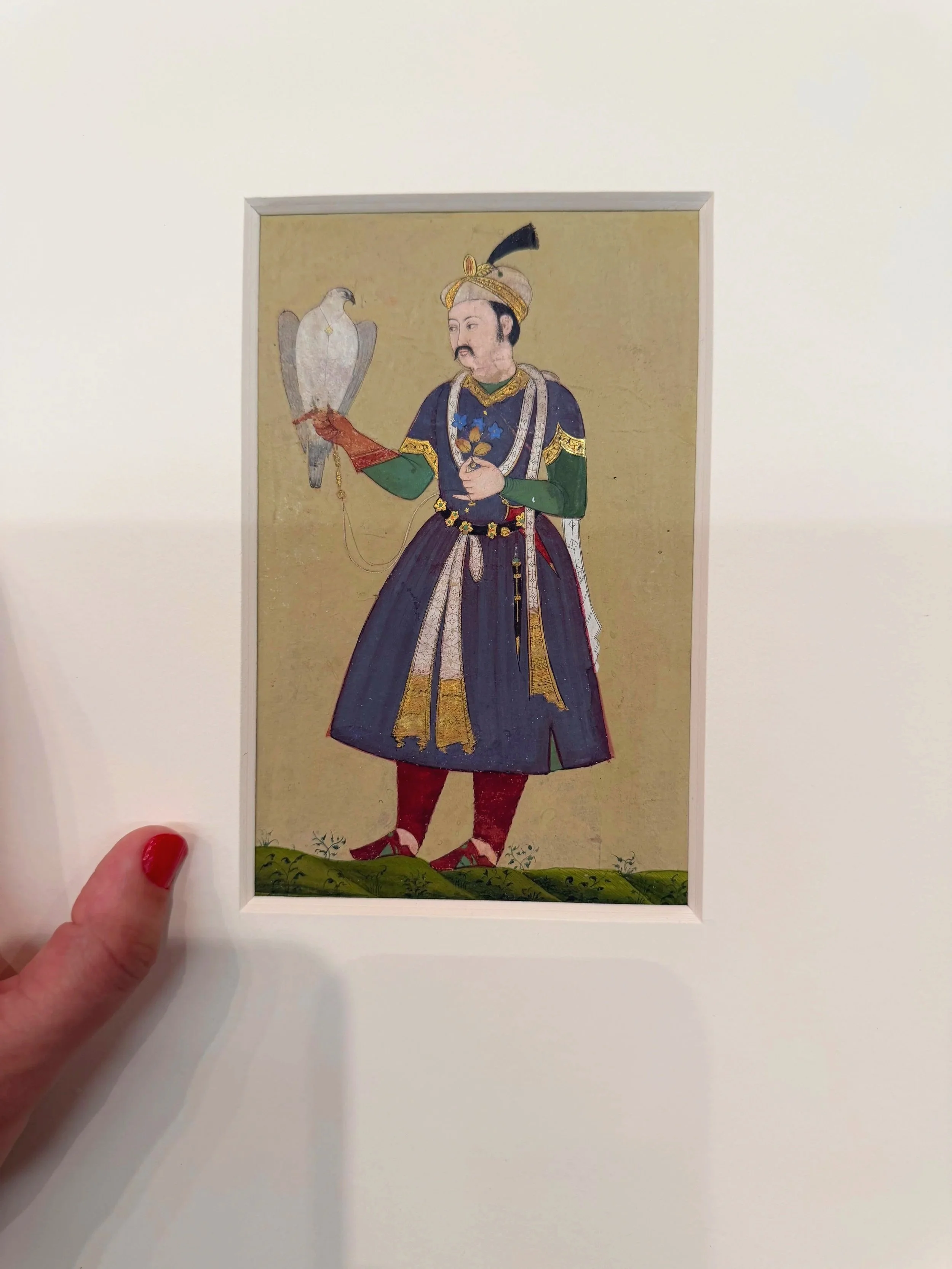
Reading the Text and Image Together
An illustrated manuscript is never merely literature adorned by painting. The relation between text and image is usually more intimate. The experienced reader therefore studies placement carefully.
Which passages receive illustration and which do not. Why has a particular episode been selected. Does the painting appear immediately beside the relevant passage or several folios later. Has text been compressed to accommodate imagery. Are there interruptions in script density around painted areas.
These questions matter immensely.
A royal patron often reveals himself through selection. An emperor interested in kingship may favor scenes of enthronement. A mystically inclined patron may emphasise ascetics, gardens, or nocturnal assemblies. Hunting scenes, battles, and courtly receptions all possess ideological dimensions.
One must anlways be cautious to assume illustration is innocent decoration.
Marginalia and Silent Histories
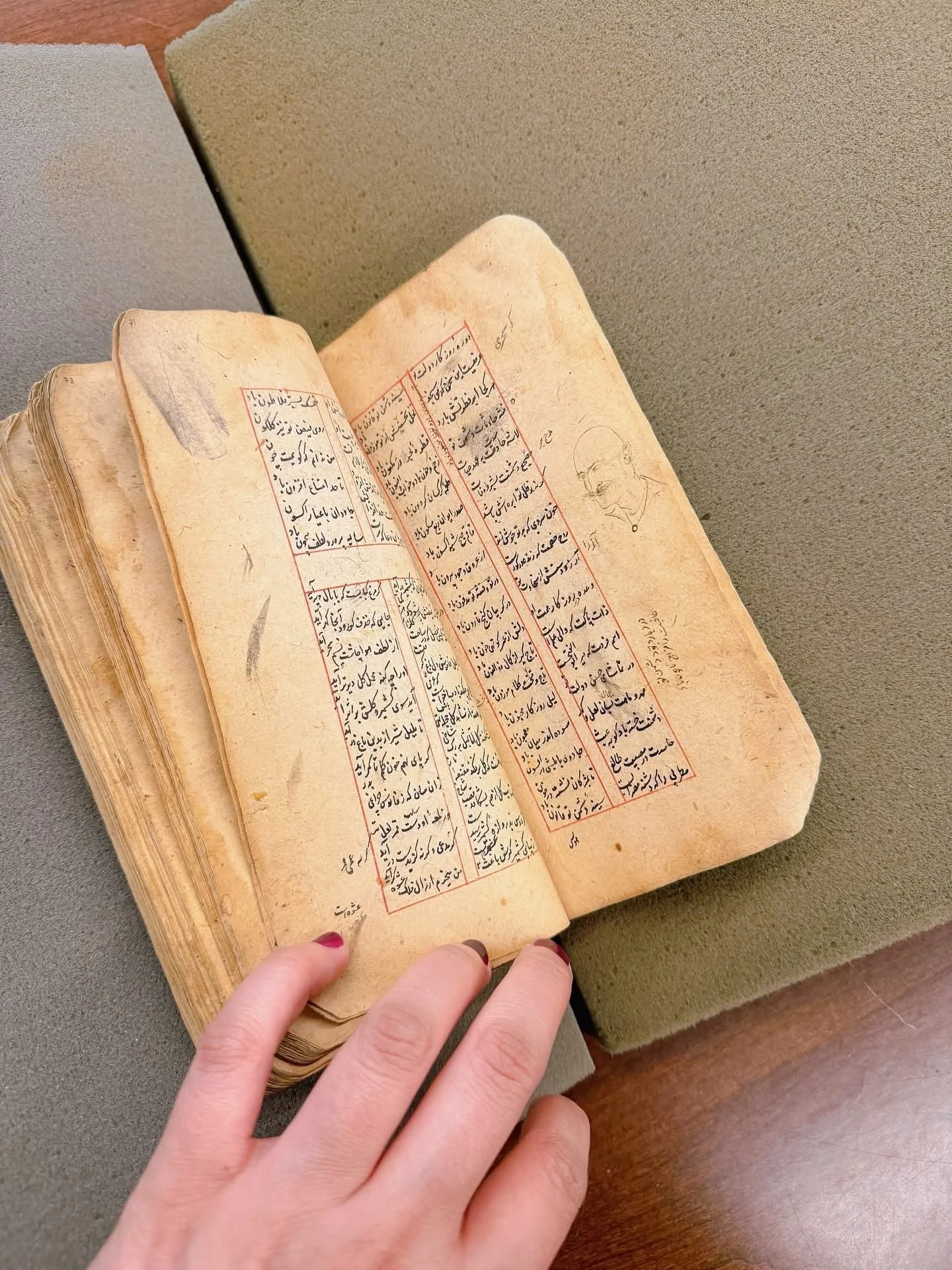
Many manuscripts possess lives extending far beyond their original creation. Marginal notes, seals, library marks, prices, owners’ signatures, and repairs constitute an additional historical text.
A faint Persian note in the margin may reveal that a manuscript once belonged to a noble household in Lucknow. A British accession number may testify to colonial dispersal. A merchant’s notation in Gujarati or Armenian may indicate routes of trade.
Readers in the past too leave traces.
One occasionally encounters corrections by later scribes, devotional invocations, poems inserted upon flyleaves, or childish doodles from forgotten centuries. Such interventions should never be dismissed casually. They reveal how manuscripts were used, valued, exchanged, and inhabited.
Questions Every Serious Reader Must Ask
A manuscript should be interrogated with civility and persistence. Certain questions have proven to be indispensable to my own work:
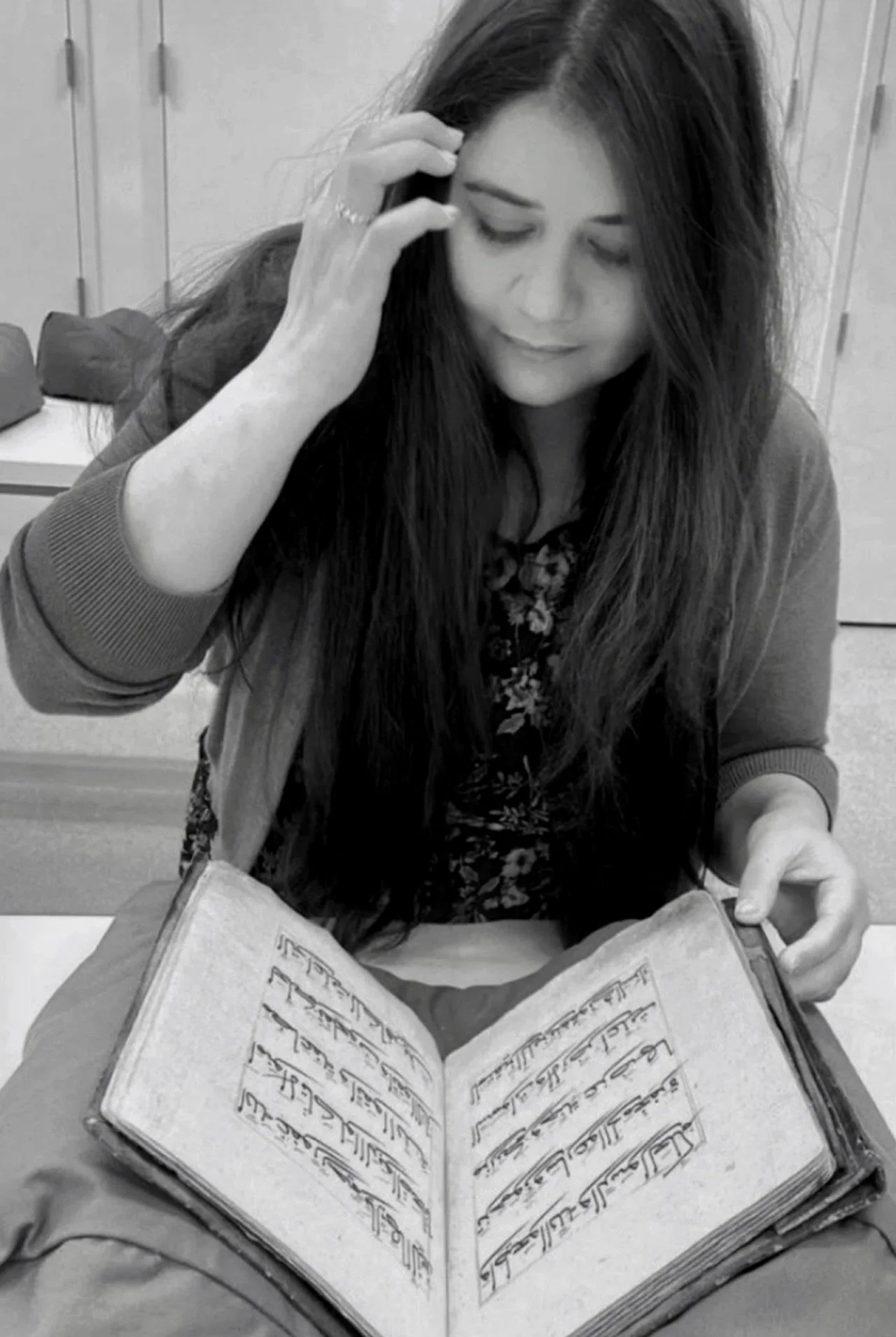
A manuscript often answers indirectly. One must learn to appreciate implication.
Who commissioned this work. For whom was it intended. Was it made for private reading, ceremonial presentation, imperial record, or devotional reflection. Which workshop traditions are visible. How many hands participated in its making. Can one distinguish between master and apprentice work. Has the manuscript been altered, dispersed, or restored. Do the pigments correspond to the proposed date. What does the calligraphy suggest regarding region and training. How does the manuscript position itself within political power. What literary choices have been privileged through illustration. What anxieties, aspirations, or ideals animate the object.
On Calligraphy
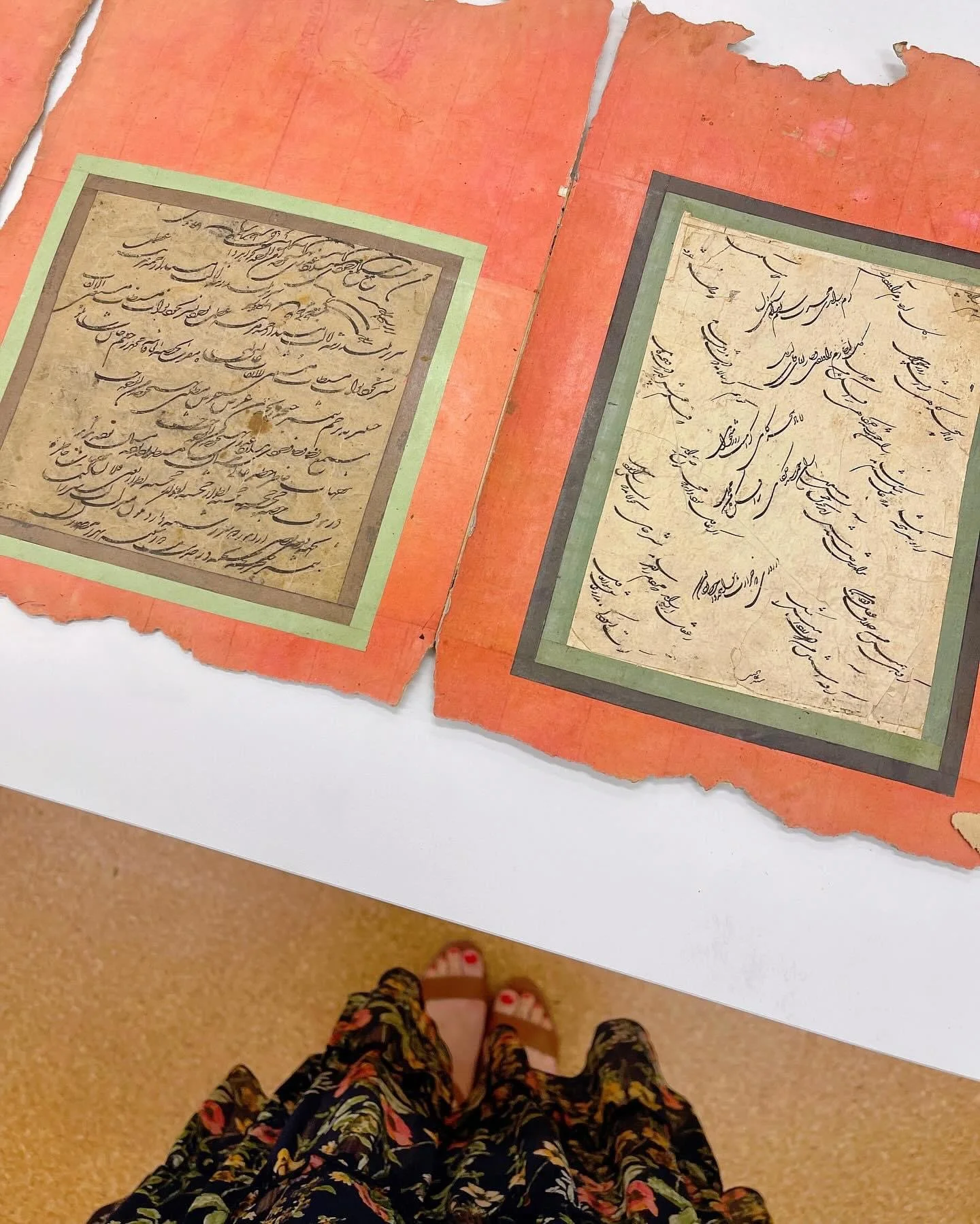
The inexperienced observer often treats calligraphy as though it were secondary to painting. Such a view is mistaken. In Persianate culture the written word possessed sacred and aesthetic dignity.
One should study line rhythm carefully. Observe elongations, compression, spacing, balance, and confidence of execution. A mature nastaʿliq hand flows with controlled inevitability. Weak calligraphy hesitates.
The relation between script and image is frequently deliberate. Elegant text panels establish tempo across the page. The eye moves through writing before arriving at painting.
One should also examine rubrication, headings, verse markers, and illuminated openings. These reveal hierarchy within the text and often indicate intended modes of reading.
Pigment and Gold
Pigments are also historical documents.
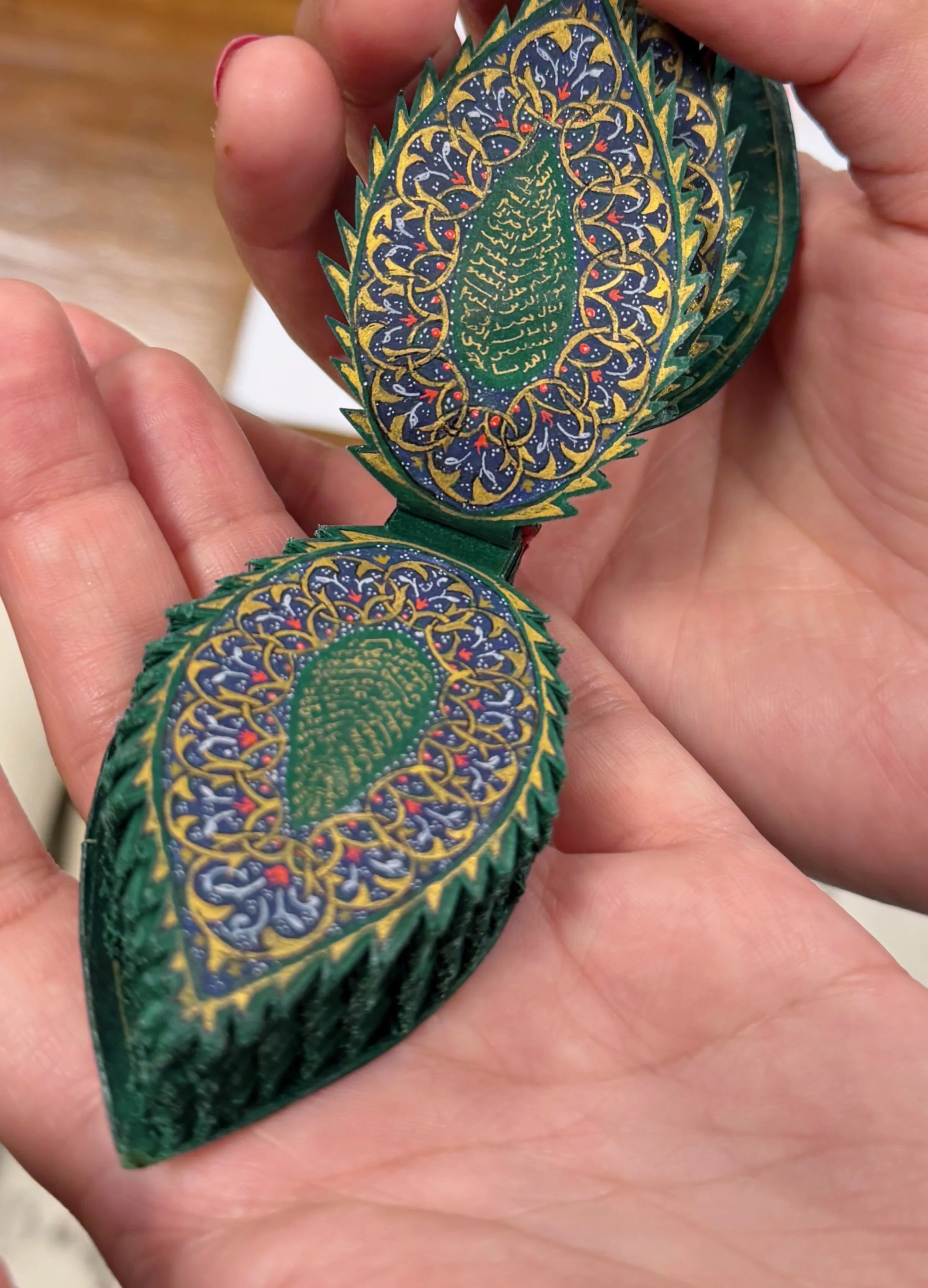
Lapis lazuli speaks of trade routes and expense. Vermilion carries mineral intensity impossible to mistake. Malachite greens age differently from vegetal greens. Gold may appear shell applied, powdered, or heavily raised.
A trained eye eventually learns to recognise workshop habits through colour.
Some ateliers preferred restrained tonal harmony. Others delighted in startling chromatic brilliance. Jahangiri painting frequently exhibits refined naturalism and delicate modelling. Earlier Safavid influence often favours lyrical ornament and dreamlike atmosphere.
One should inspect how pigment sits upon paper. Thick application suggests confidence and resources. Thin hesitant colour may indicate provincial production or later imitation.
Cracking, flaking, and oxidation provide clues regarding age and storage conditions.
The manuscript ages visibly if one knows how to look.
The Matter of Attribution
Attribution is among the most dangerous pleasures in manuscript study. Vanity has ruined many catalogues.
Students become eager to assign every accomplished work to a celebrated master. Such enthusiasm must be resisted firmly.
A manuscript workshop was collaborative by nature. One painter might compose figures while another specialised in faces, flora, borders, or architecture. Calligraphers, gilders, paper polishers, and binders all contributed to the final object.
Instead of premature certainty, cultivate comparative observation. Study ears, eyes, horses, foliage, rock formations, textile folds, and compositional habits across manuscripts. Over years patterns emerge naturally.
The wise scholar prefers accuracy to brilliance.
Reading Damage
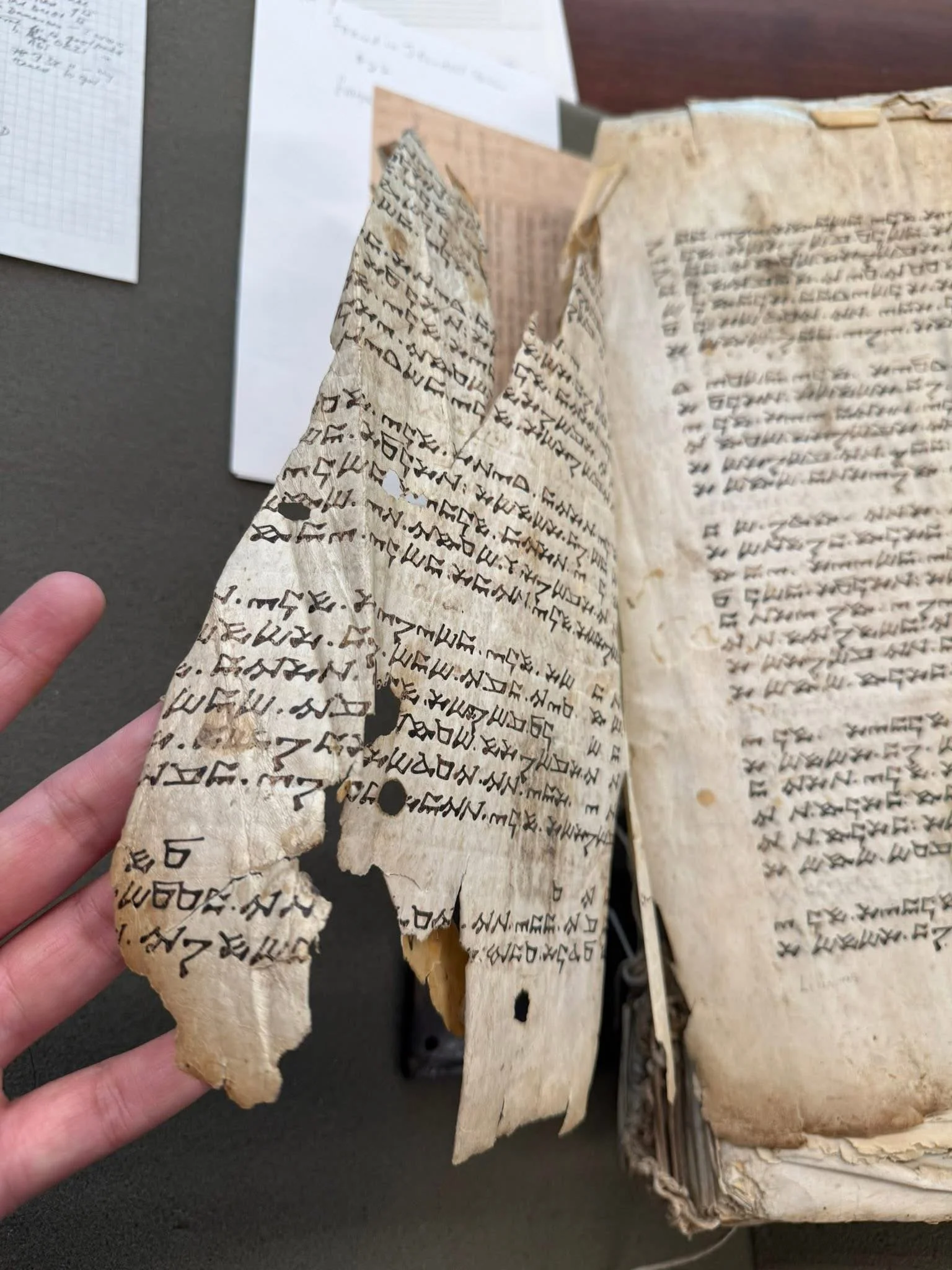
Water stains reveal storage conditions. Worm holes indicate periods of neglect. Smoke darkening may suggest proximity to fire or incense. Trimming often points toward rebinding or commercial sale. Detached folios may indicate colonial collecting practices.
Repair work must be examined closely. Some restorations preserve integrity. Others obliterate evidence.
One should ask always whether an absence is accidental or deliberate.
A missing painting may have been removed for sale. An erased seal may conceal contested ownership. A repainted face may reflect changing political loyalties.
The Importance of Patience
The greatest error in manuscript study is haste.
A single folio may require hours of attention. A manuscript may require years before its full character becomes apparent. Certain details emerge only after repeated encounters.
The finest manuscripts possess personality. Some are ceremonious and imperial. Others are intimate and lyrical. Certain manuscripts seem almost anxious in their density of ornament. Others achieve serenity through restraint.
Concerning Reproductions
Modern facsimiles and digital archives have greatly expanded access to manuscripts. They are invaluable instruments of study. Yet one must remember constantly that reproduction alters experience.
Scale disappears. Surface changes. Gold loses movement. Pigments flatten. Marginal texture vanishes.
Digital images encourage impatience because they permit endless enlargement without physical encounter. One begins to inspect details before understanding the whole. Whenever possible the original object should be consulted.
Final Reflections
To read an illuminated manuscript properly is to cultivate a form of disciplined attentiveness increasingly rare in modern intellectual life.
One does not conquer such objects through theory alone. One earns acquaintance through repeated looking, careful handling, comparative memory, and historical imagination.
The Mughal Persian manuscript in particular stands among the supreme achievements of human refinement. Within its folios reside empires and intimacies alike. One encounters kings receiving ambassadors, lovers meeting in gardens, ascetics wandering mountains, falcons poised upon wrists, horses trembling before battle, and poets arranging language into permanence.
Yet beyond all these things one encounters evidence of human devotion to beauty itself. The anonymous hand that laid gold upon paper three centuries ago still speaks. The task of the reader is to listen with sufficient care that nothing essential is lost.