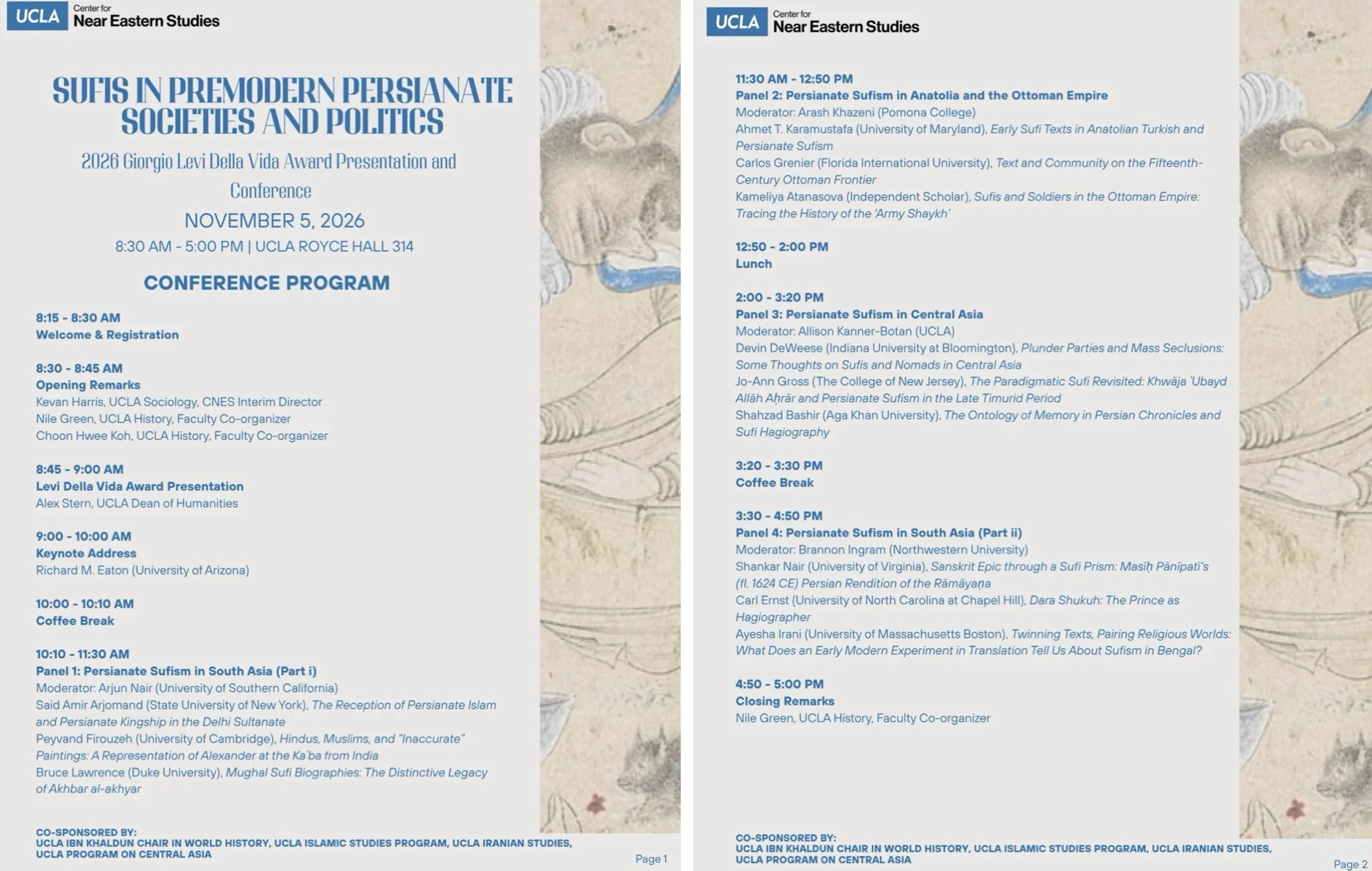
On November 5, 2026, I had the privilege of attending Sufis in Premodern Persianate Societies and Politics, the conference convened at UCLA in honor of Professor Richard M. Eaton, recipient of the 2026 Giorgio Levi Della Vida Award in Islamic Studies. The award presentation and scholarly conference brought together historians working across South Asia and the Persianate world to celebrate Eaton's extraordinary contributions to the study of premodern history.
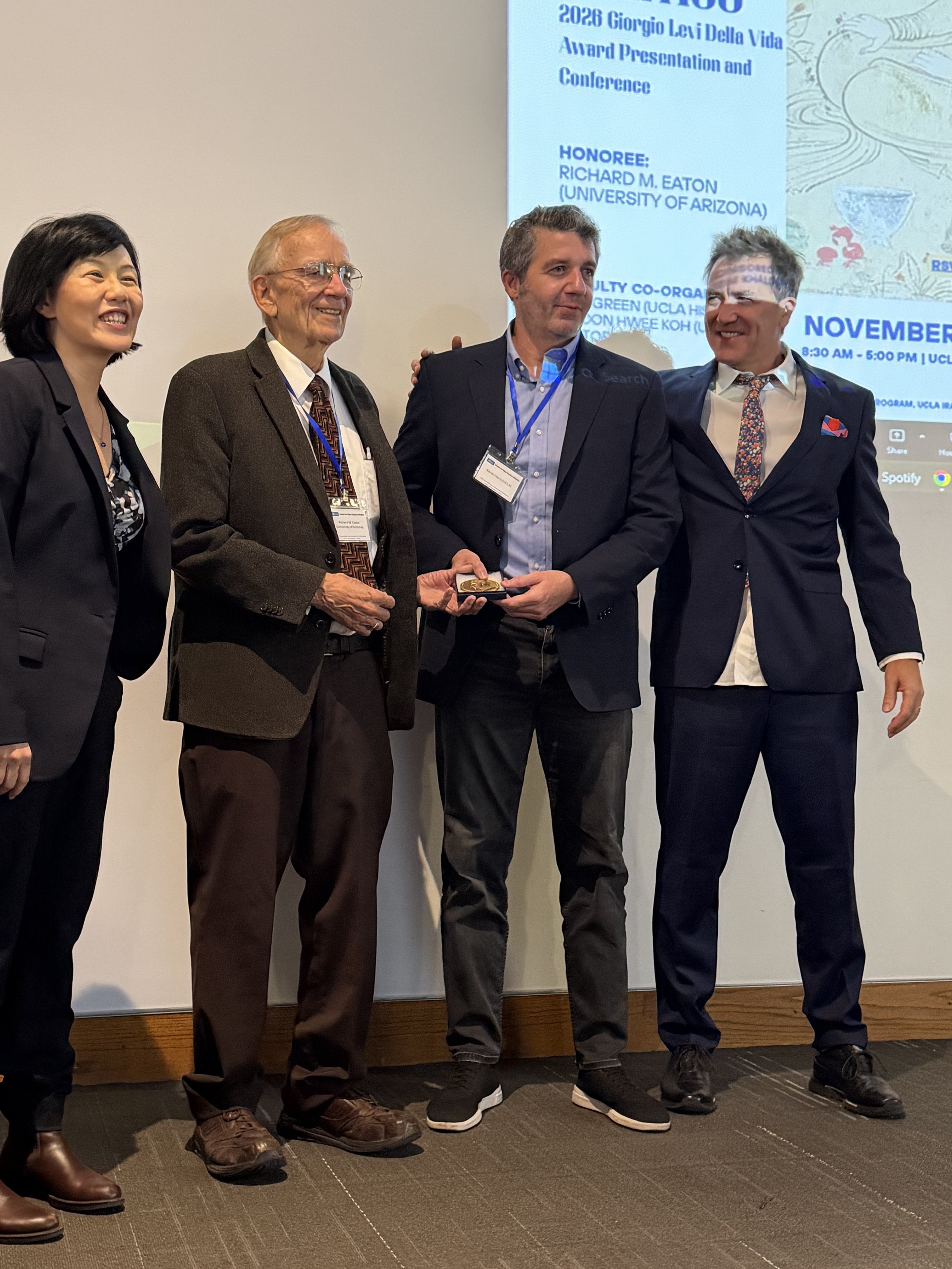
Dr. Choon Hwee Koh, Professor Richard M. Eaton, Dr. Kevan Harris, and Dr. Nile Green at the presentation of the 2026 Giorgio Levi Della Vida Award at UCLA.
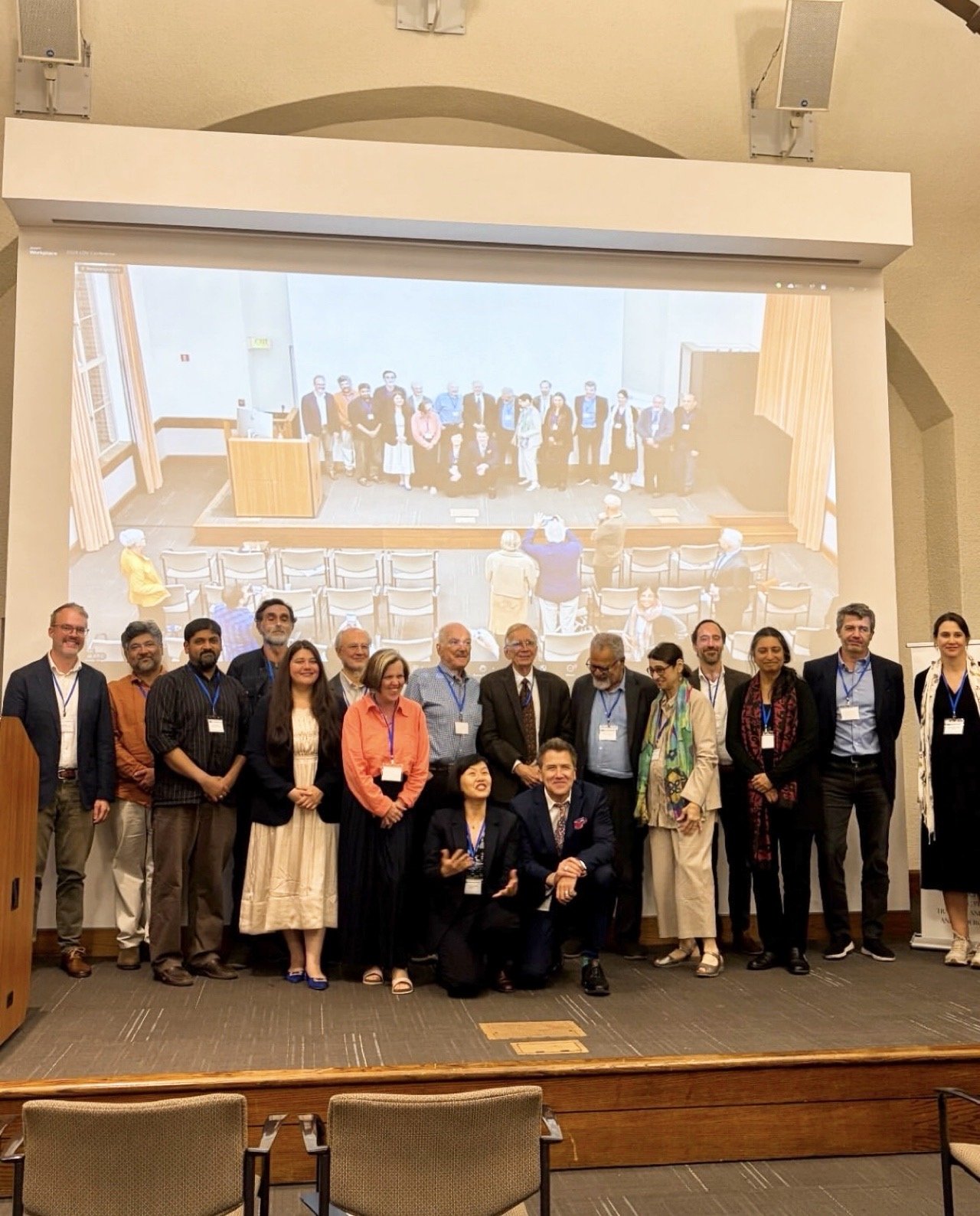
Dr. Kevan Harris (UCLA Sociology), Dr. Nile Green (UCLA History), Dr. Choon Hwee Koh (UCLA History), Dr. Alex Stern (UCLA Dean of Humanities), Professor Richard M. Eaton (University of Arizona), Dr. Arjun Nair (University of Southern California), Dr. Said Amir Arjomand (State University of New York), Dr. Peyvand Firouzeh (University of Cambridge), Dr. Bruce Lawrence (Duke University), Dr. Arash Khazeni (Pomona College), Dr. Ahmet T. Karamustafa (University of Maryland), Dr. Carlos Grenier (Florida International University), Dr. Kameliya Atanasova (Independent Scholar), Dr. Allison Kanner-Botan (UCLA), Dr. Devin DeWeese (Indiana University Bloomington), Dr. Jo-Ann Gross (The College of New Jersey), Dr. Shahzad Bashir (Aga Khan University), Dr. Brannon Ingram (Northwestern University), Dr. Shankar Nair (University of Virginia), Dr. Carl Ernst (University of North Carolina at Chapel Hill), and Dr. Ayesha Irani (University of Massachusetts Boston).
Many of us who study early modern South Asian history have known Richard Eaton's scholarship long before we had the opportunity to meet him in person. I first encountered his work as an undergraduate, continued reading him throughout my graduate studies, and have since drawn upon his writings in developing my own courses and research. His books have accompanied me through several stages of my intellectual formation. They have shaped the syllabi I have written, the subjects I have taught, and, perhaps most importantly, the historical questions that continue to occupy my attention.
Today, I also have the privilege of calling him a friend, something I cherish deeply and never take for granted.
Eaton's career at the University of Arizona, where he joined the History Department in 1972, has spanned more than five decades. Over this period, he has produced an extensive body of scholarship on the social and cultural history of premodern India, with particular attention to the Deccan, Bengal, Sufism, Islam, and the Persianate world. His scholarship has been distinguished by its engagement with a remarkable range of historical sources, including Persian chronicles, hagiographies, inscriptions, architectural remains, administrative records, vernacular literature, and oral traditions. His work has consistently opened new avenues for understanding the religious, cultural, and political histories of the subcontinent.
His first major monograph, Sufis of Bijapur, 1300–1700: Social Roles of Sufis in Medieval India (1978), remains an important contribution to the social history of Sufism. Drawing upon Sufi hagiographical literature, Eaton examined the relationships between Sufi figures, religious scholars, political authorities, and local communities in the Deccan. The book established an approach to studying Sufis through their social relationships and historical circumstances, an interest that has continued throughout his career.
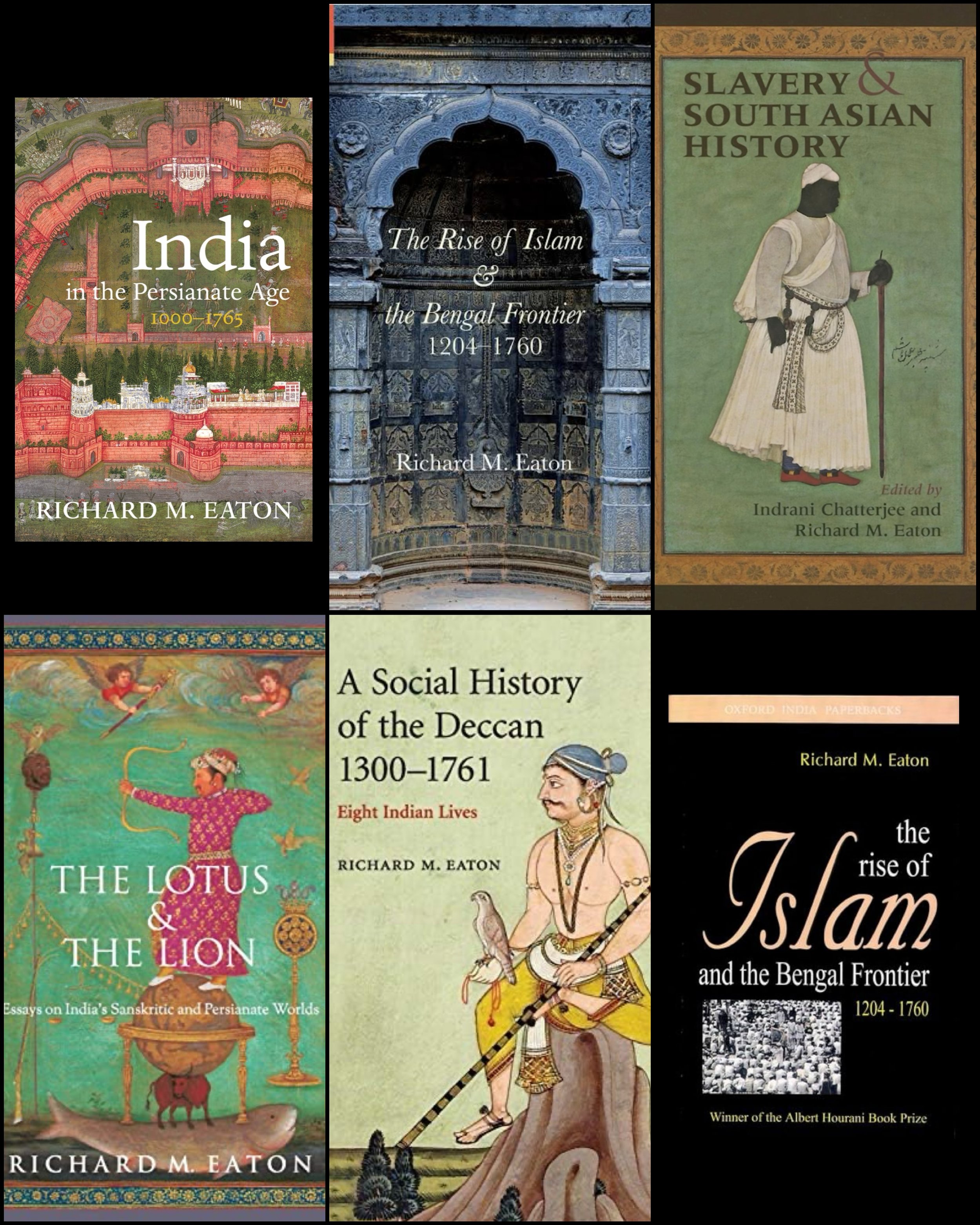
In The Rise of Islam and the Bengal Frontier, 1204–1760 (1993), Eaton turned to Bengal, examining the historical processes through which Islam became deeply rooted in the region. Drawing upon archaeological evidence, monuments, literary sources, and Mughal administrative records, he traced the relationship between agrarian expansion, settlement, political authority, and religious change along Bengal's eastern frontier. The book remains essential reading for anyone interested in the history of Islam in South Asia and the formation of Muslim societies in the subcontinent.
His subsequent work on the Deccan has been equally influential. Social History of the Deccan, 1300–1761: Eight Indian Lives (2005) approached the region through individual biographies, bringing together the lives of historical figures to illuminate larger transformations in society and political culture. In Power, Memory, Architecture: Contested Sites on India's Deccan Plateau, 1300–1600, co-authored with Phillip B. Wagoner (2014), Eaton explored the historical meanings of architectural sites and the ways political communities remembered, appropriated, and reinterpreted the past. The volume demonstrated the considerable possibilities of combining social history with the study of architecture and material culture.
Among his most widely read works is India in the Persianate Age, 1000–1765 (2019), a sweeping history of the subcontinent that places its development within the expansive cultural and political worlds of Persian-speaking societies. The book examines centuries of interaction between the Iranian plateau and South Asia, Persian and Sanskrit literary traditions, and Islamic and Indic religious cultures. It has become an important point of departure for thinking about India's history through its connections across regions, languages, and intellectual traditions.
Eaton continued these conversations in The Lotus and the Lion: Essays on India's Sanskritic and Persianate Worlds (2022), a collection of essays exploring the encounters between Sanskritic and Persianate cultures, regional societies, political institutions, and historical traditions. His more recent editorial work includes The Oxford Handbook of the Mughal World (2025), co-edited with Ramya Sreenivasan, which brings together scholarship on the Mughal Empire across a wide range of historical subjects. His publications also include numerous articles, essays, and contributions to edited volumes, many of which have become essential readings in South Asian history.
Across this extensive body of work, Eaton has repeatedly returned to questions concerning the historical formation of religious communities, the social roles of Sufis, the relationship between political power and cultural memory, and the circulation of ideas, languages, and traditions across South Asia. His scholarship has been especially important in demonstrating the historical depth of India's connections with Central Asia, Iran, and the wider Persianate world. These questions have shaped much of the scholarship on premodern South Asia over the past several decades and continue to inspire new generations of historians.
The UCLA conference, Sufis in Premodern Persianate Societies and Politics, brought many of these concerns into focus. The papers explored the historical roles of Sufis and Sufi institutions, their relationships with political authorities and local communities, and their participation in the cultural and religious worlds of premodern Persianate societies. The conference also offered an opportunity to consider the comparative dimensions of Sufi history across regions and the continuing possibilities for research in this field. Its proceedings are expected to appear in a forthcoming volume in the Giorgio Levi Della Vida Series in Islamic Studies.
The day began with opening remarks, followed by the presentation of the Giorgio Levi Della Vida Award to Professor Eaton and his keynote address. The subsequent panels brought together an impressive group of scholars, including Said Amir Arjomand, Peyvand Firouzeh, and Bruce Lawrence, among others, whose papers explored different aspects of Persianate Sufism and its historical significance.
Congratulations to Professor Richard M. Eaton on the Giorgio Levi Della Vida Award and on a remarkable career of scholarship, teaching, and intellectual generosity.
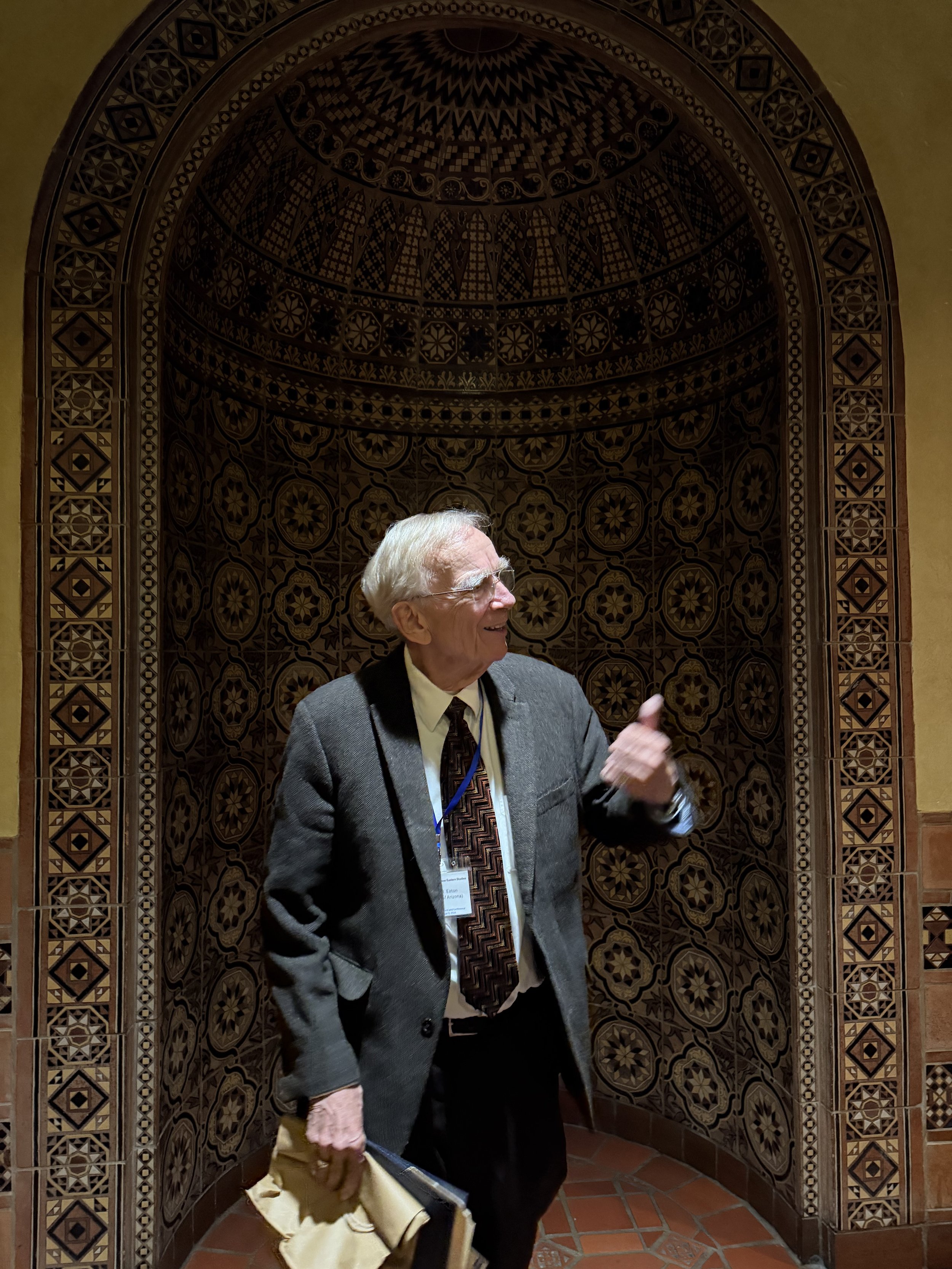
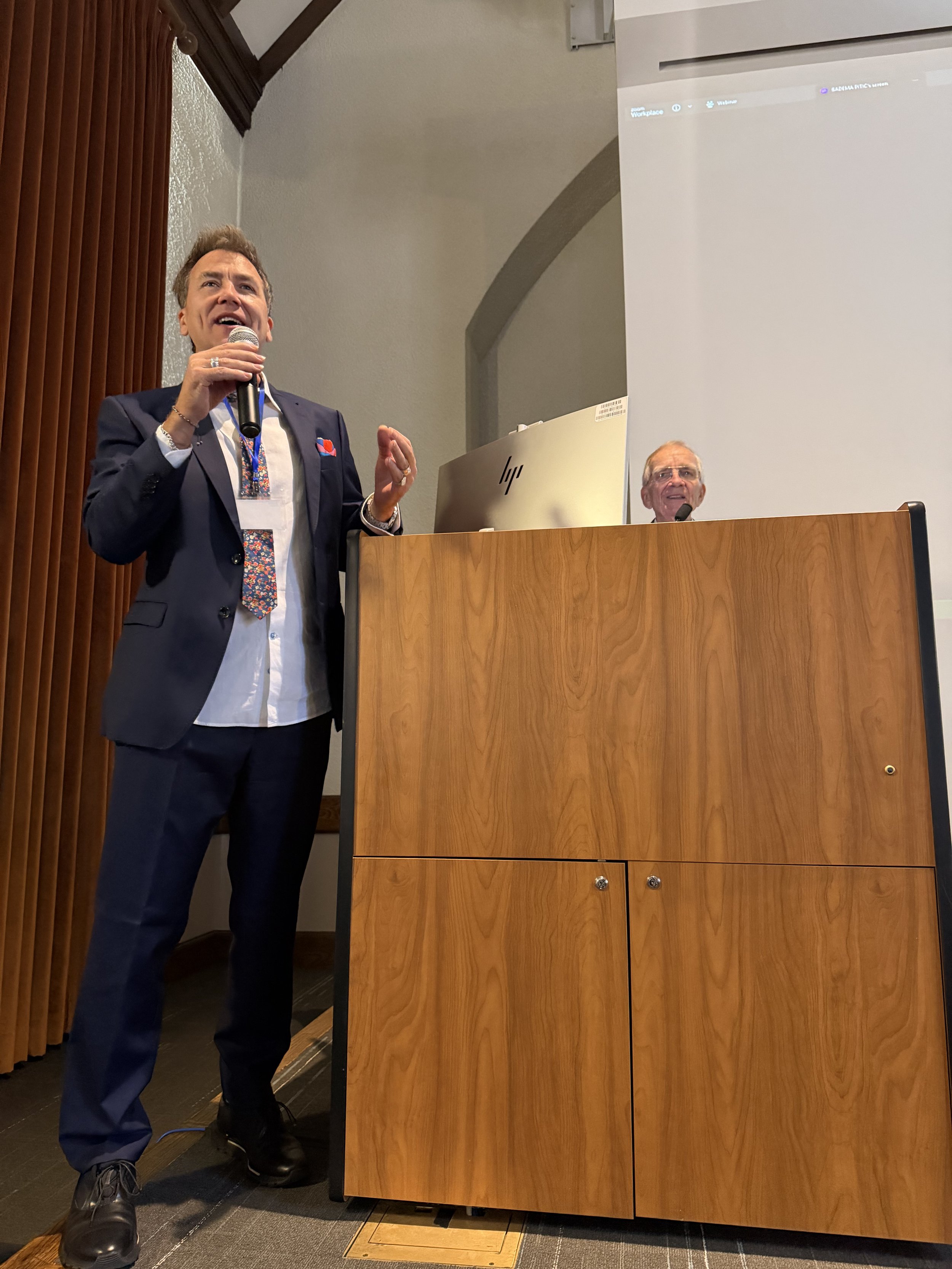
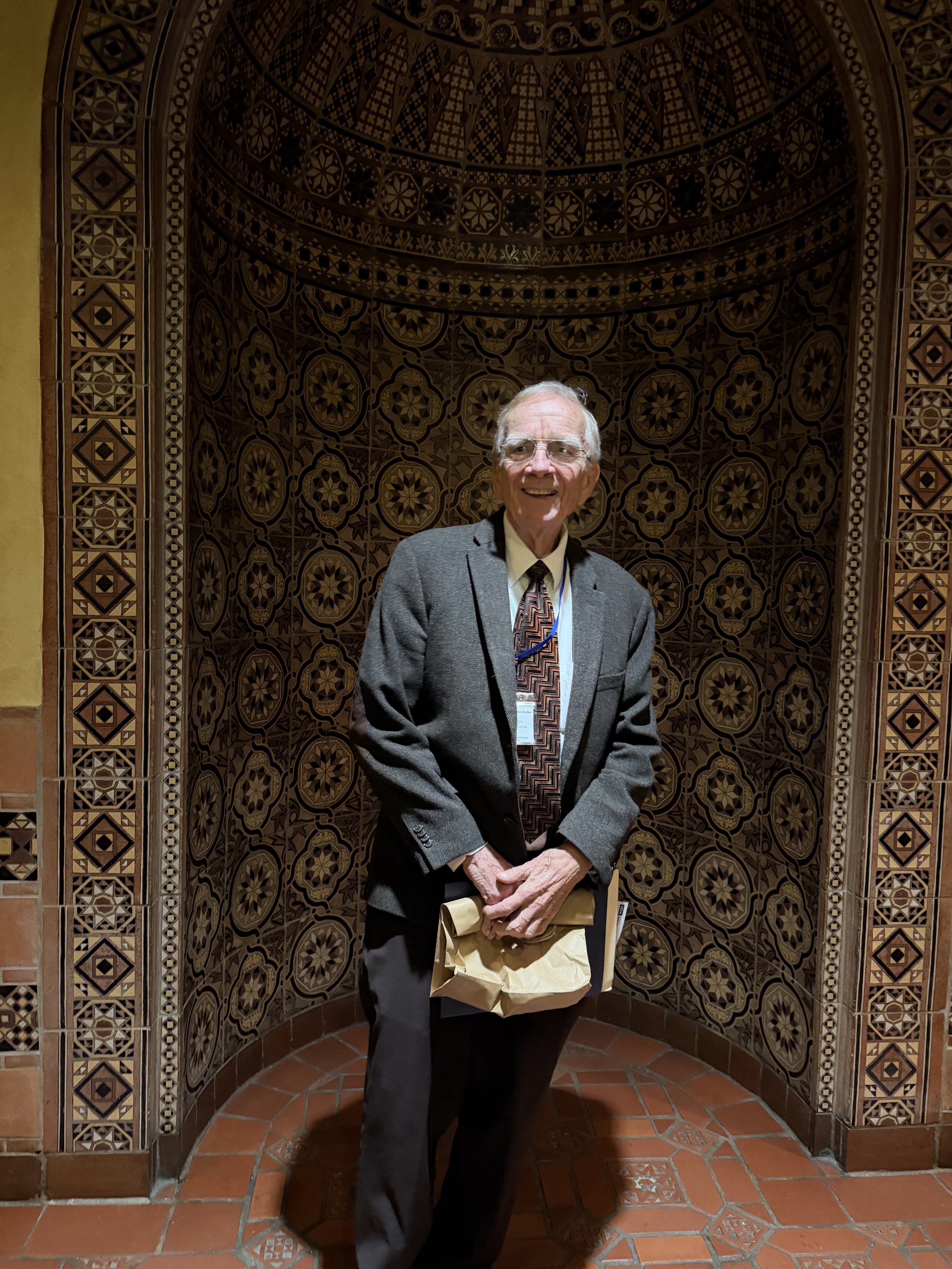
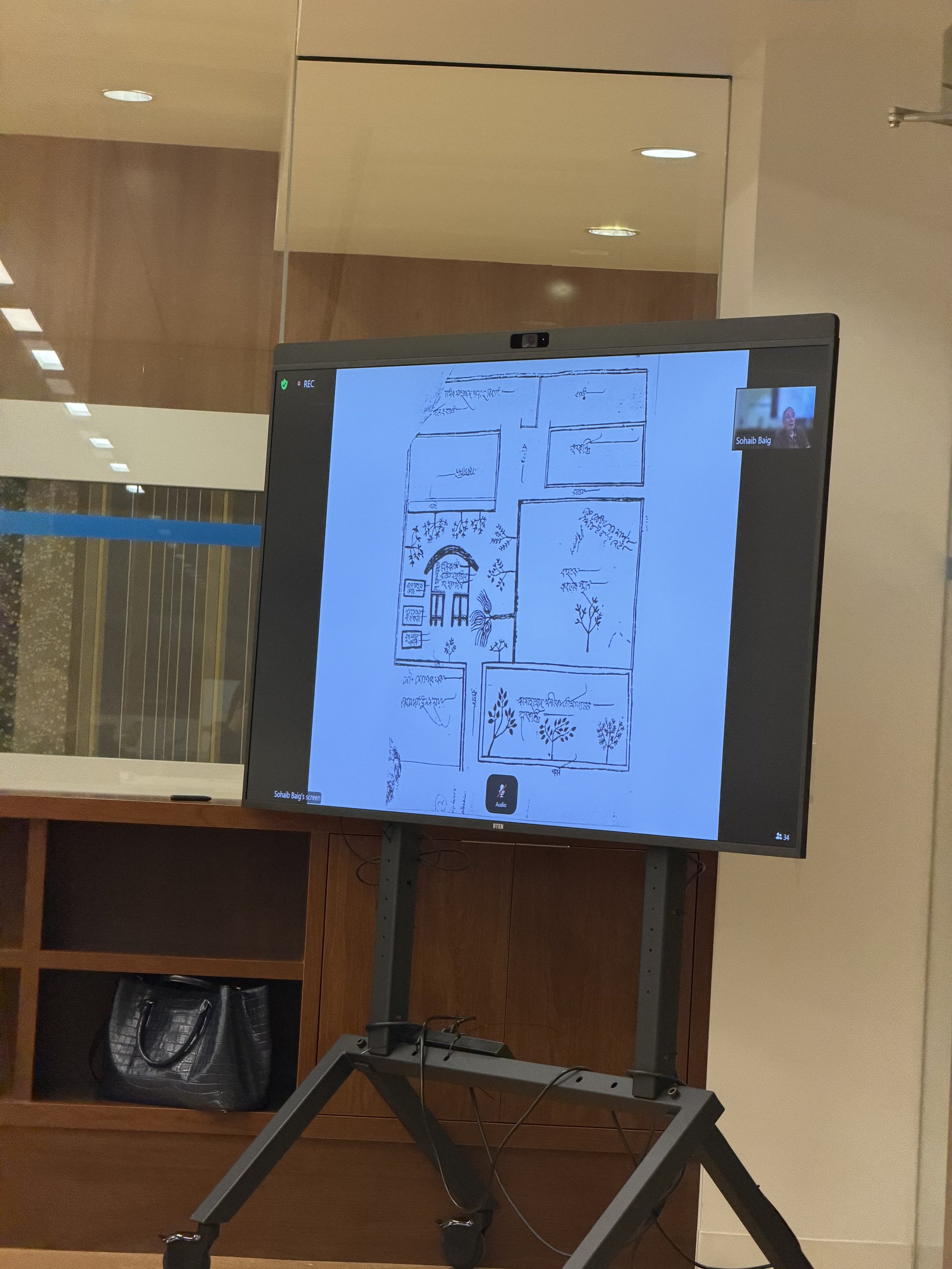
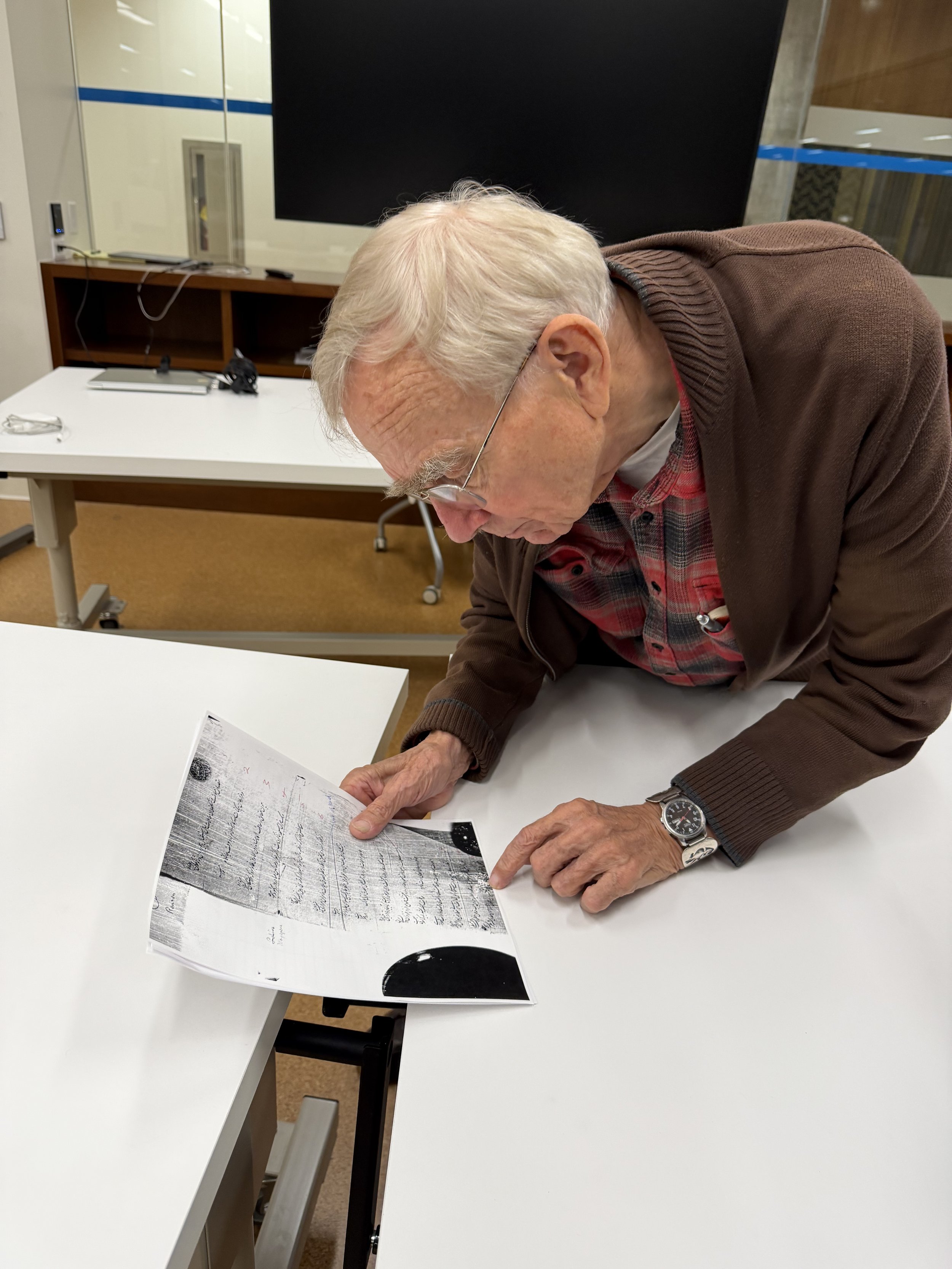
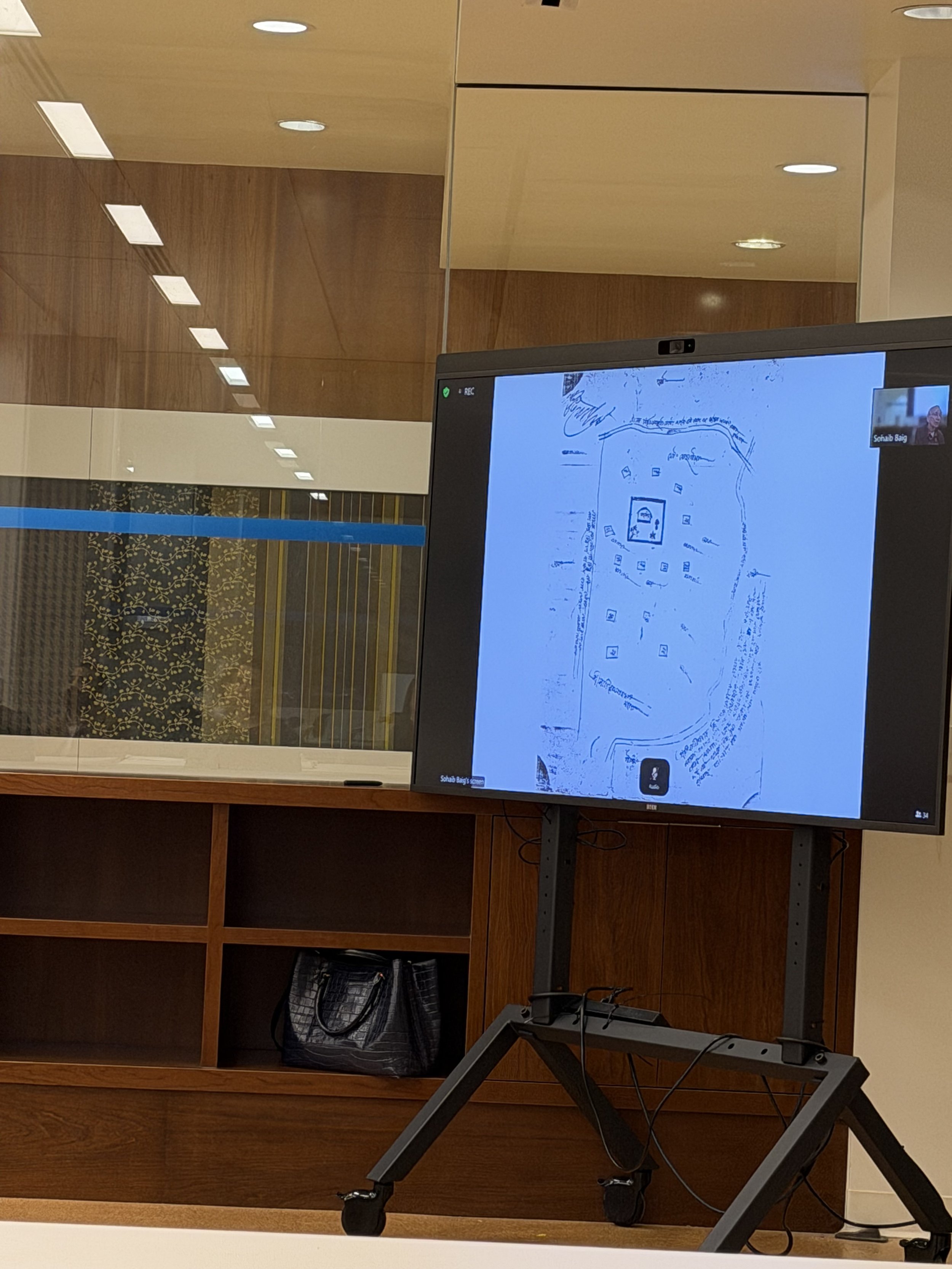
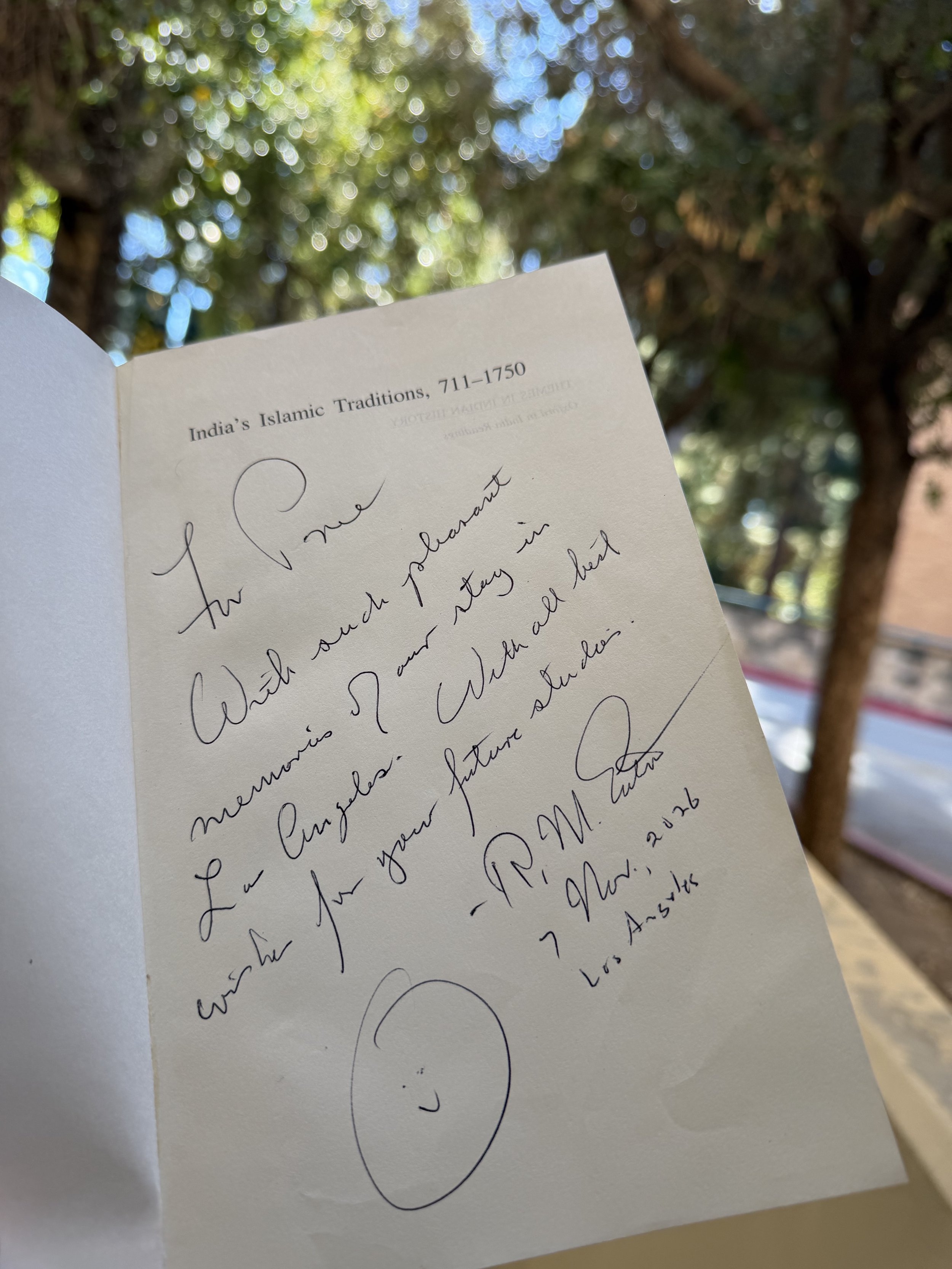
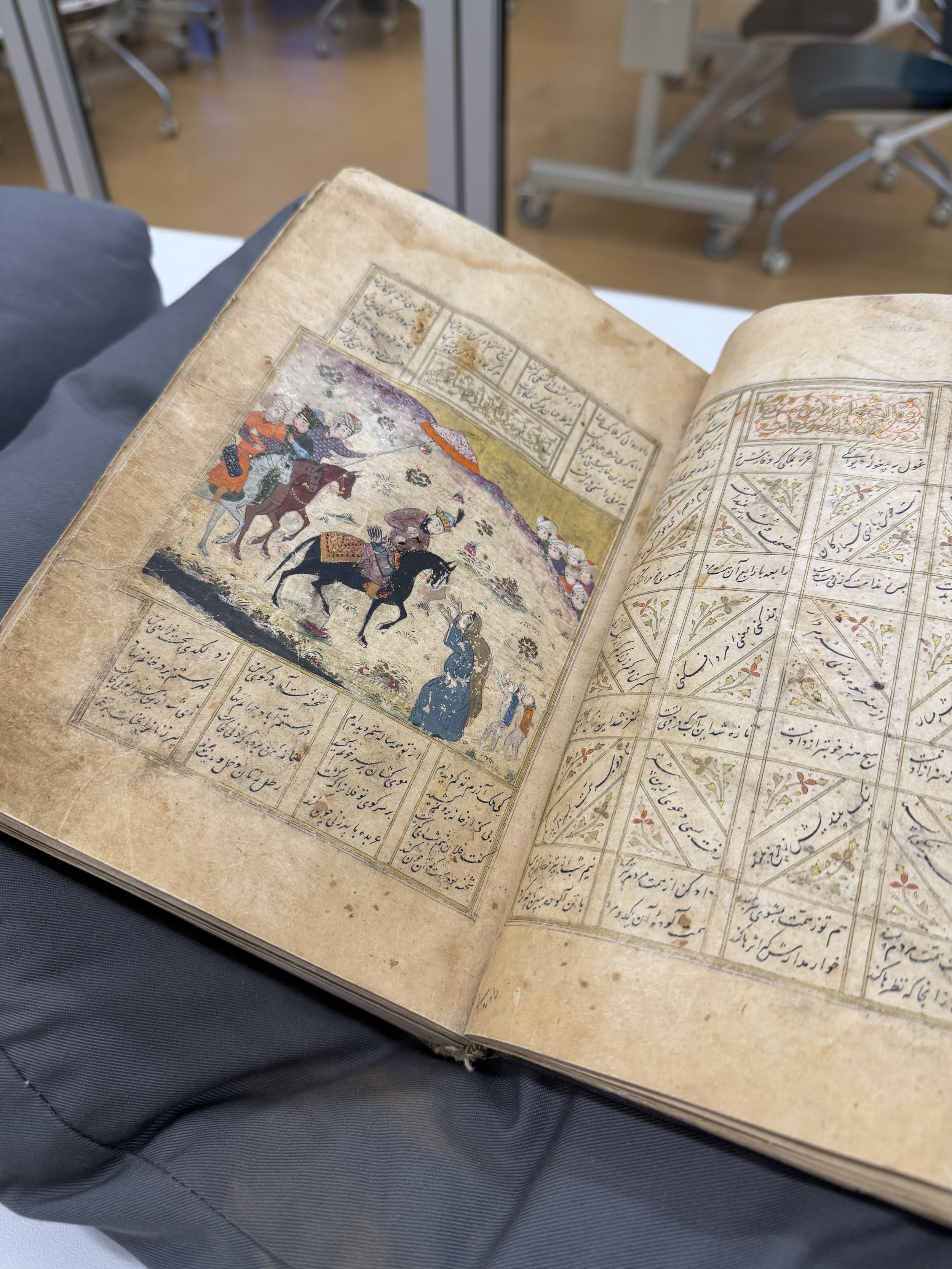
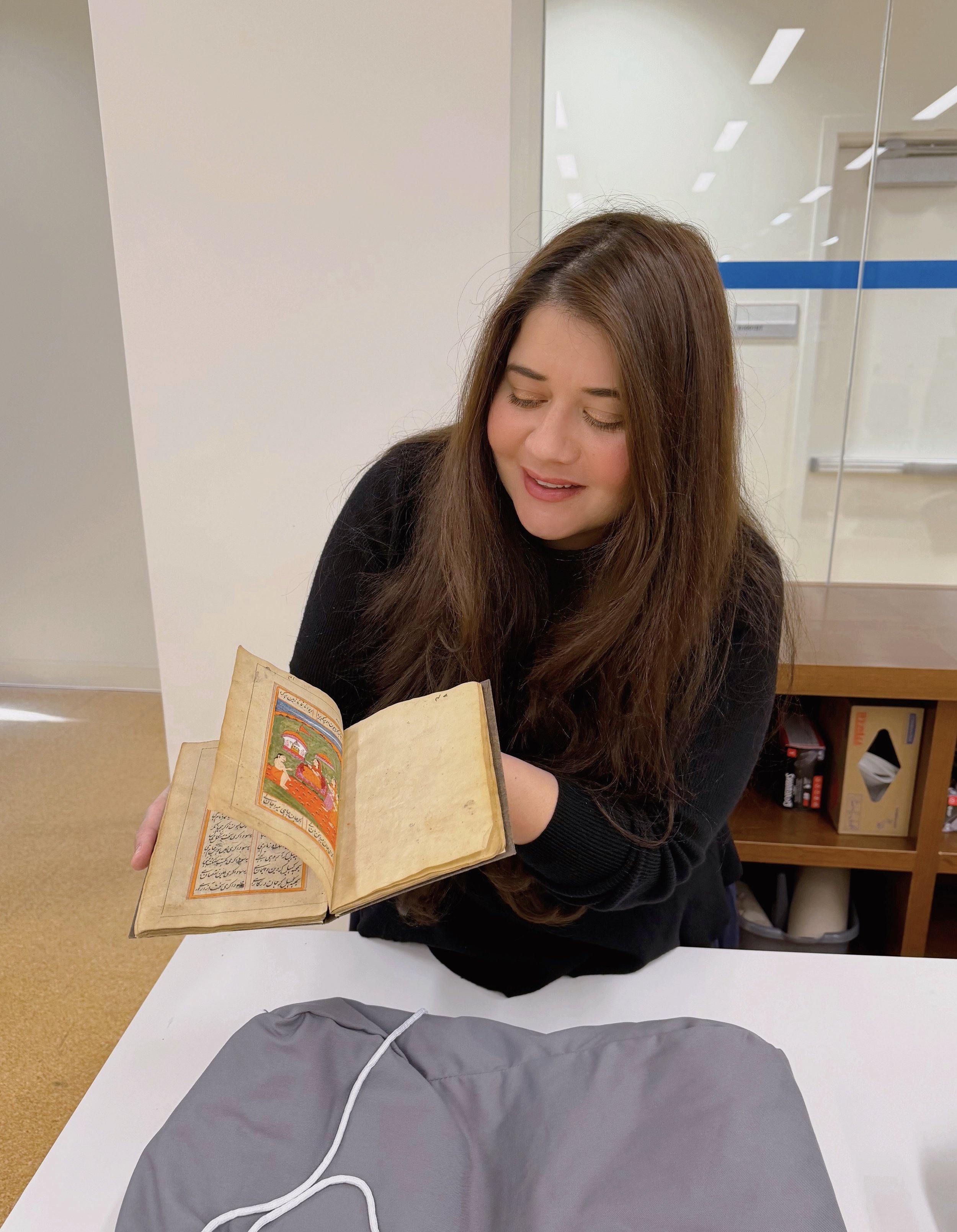
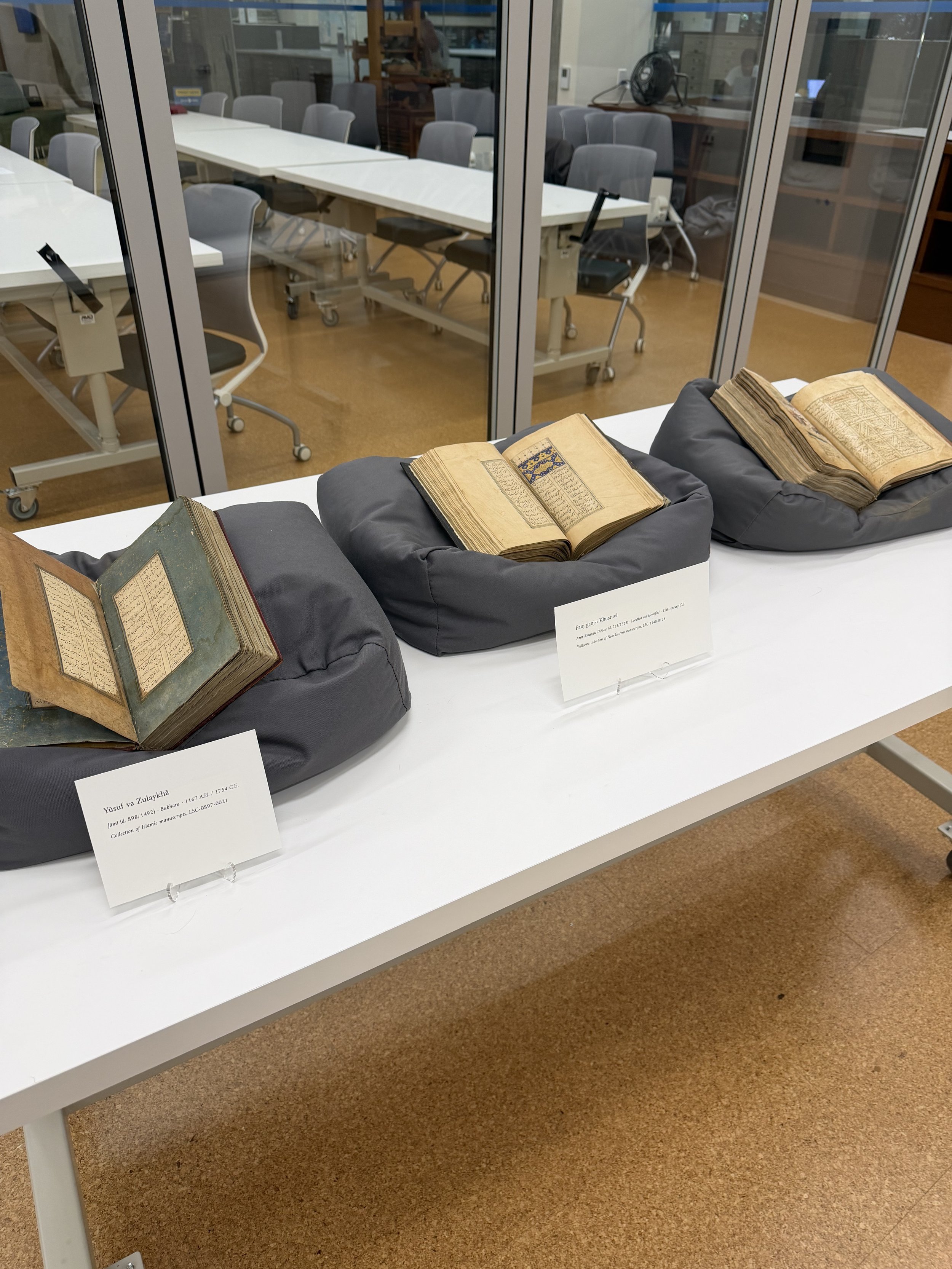
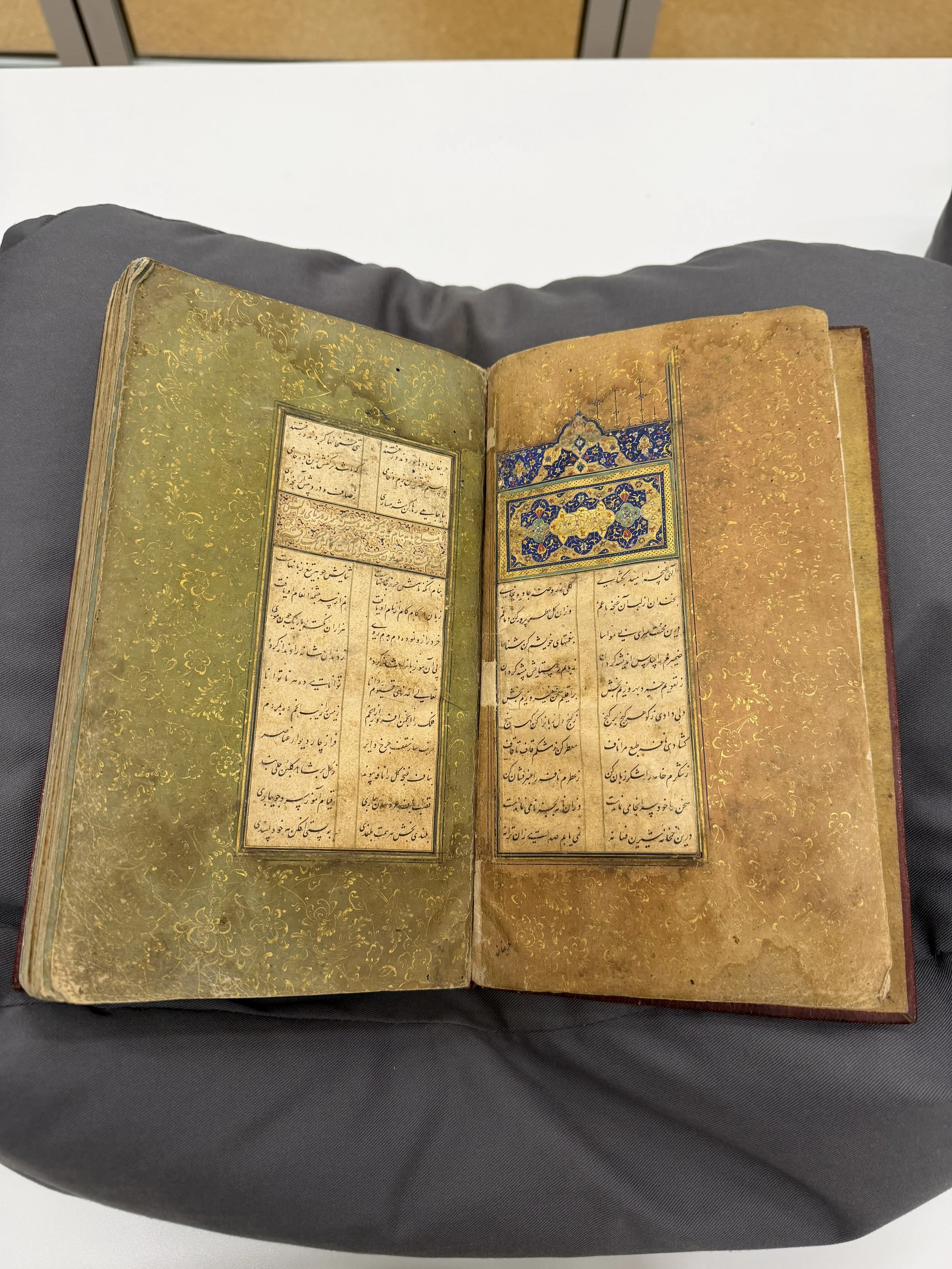
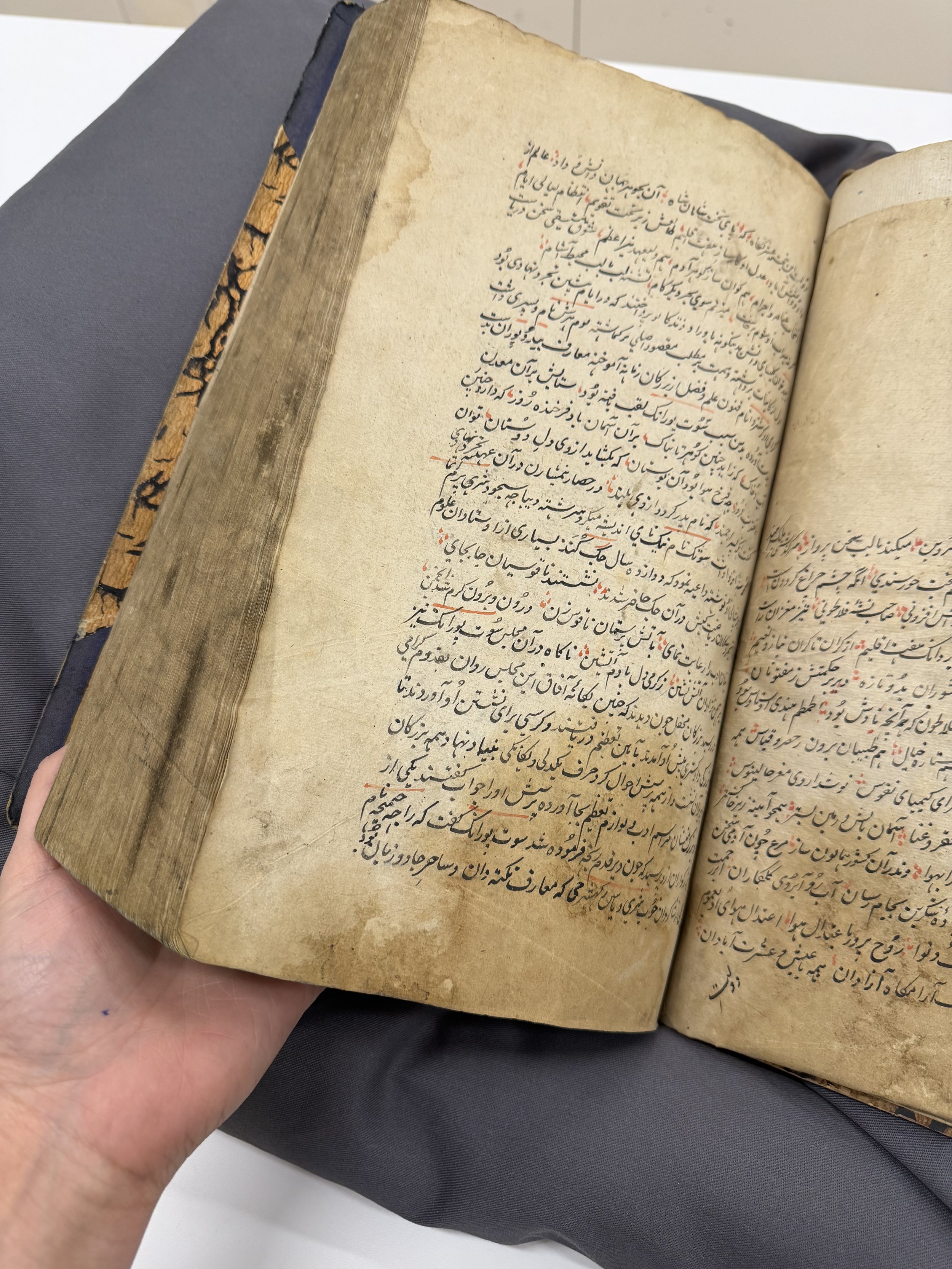
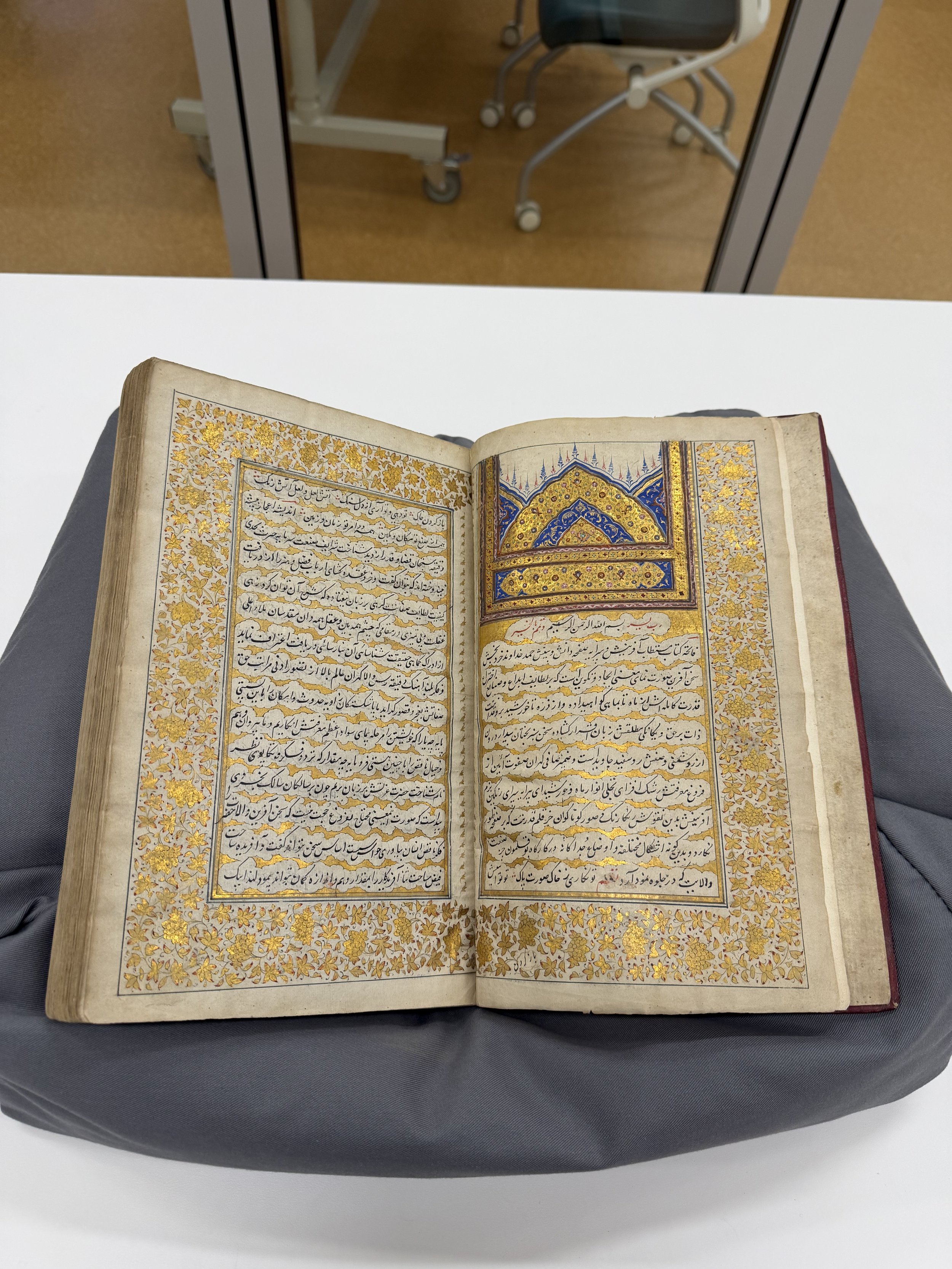
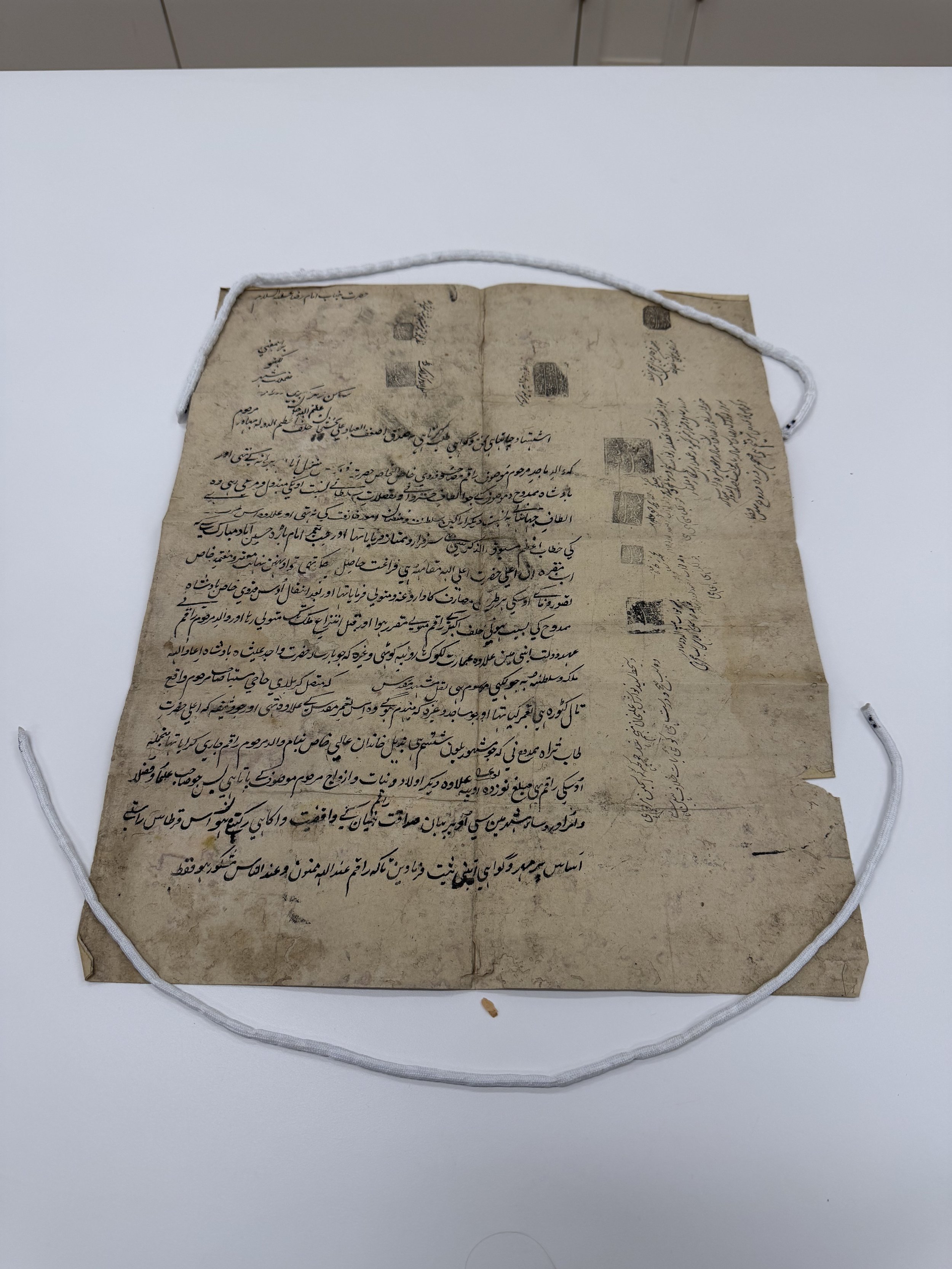
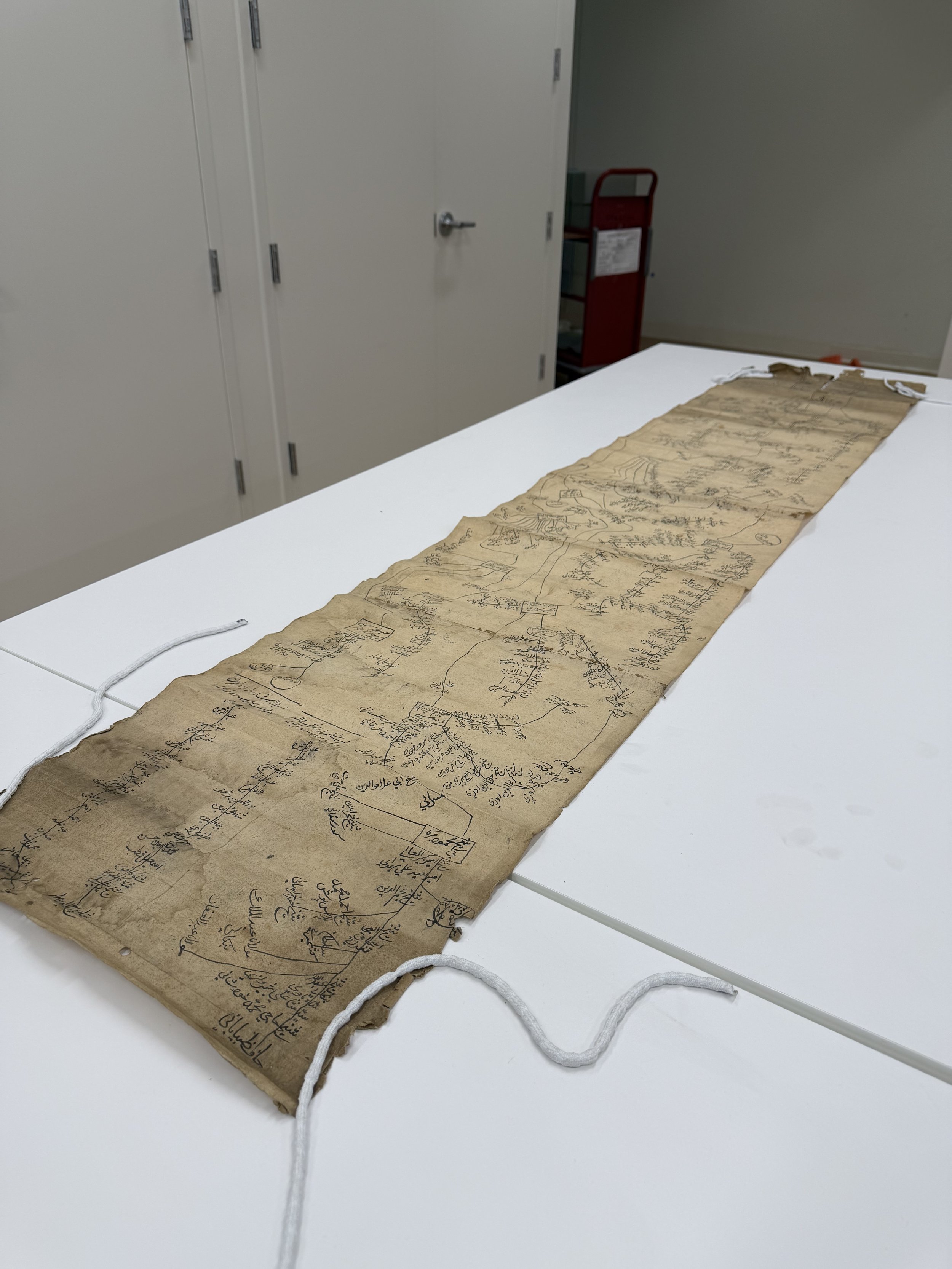
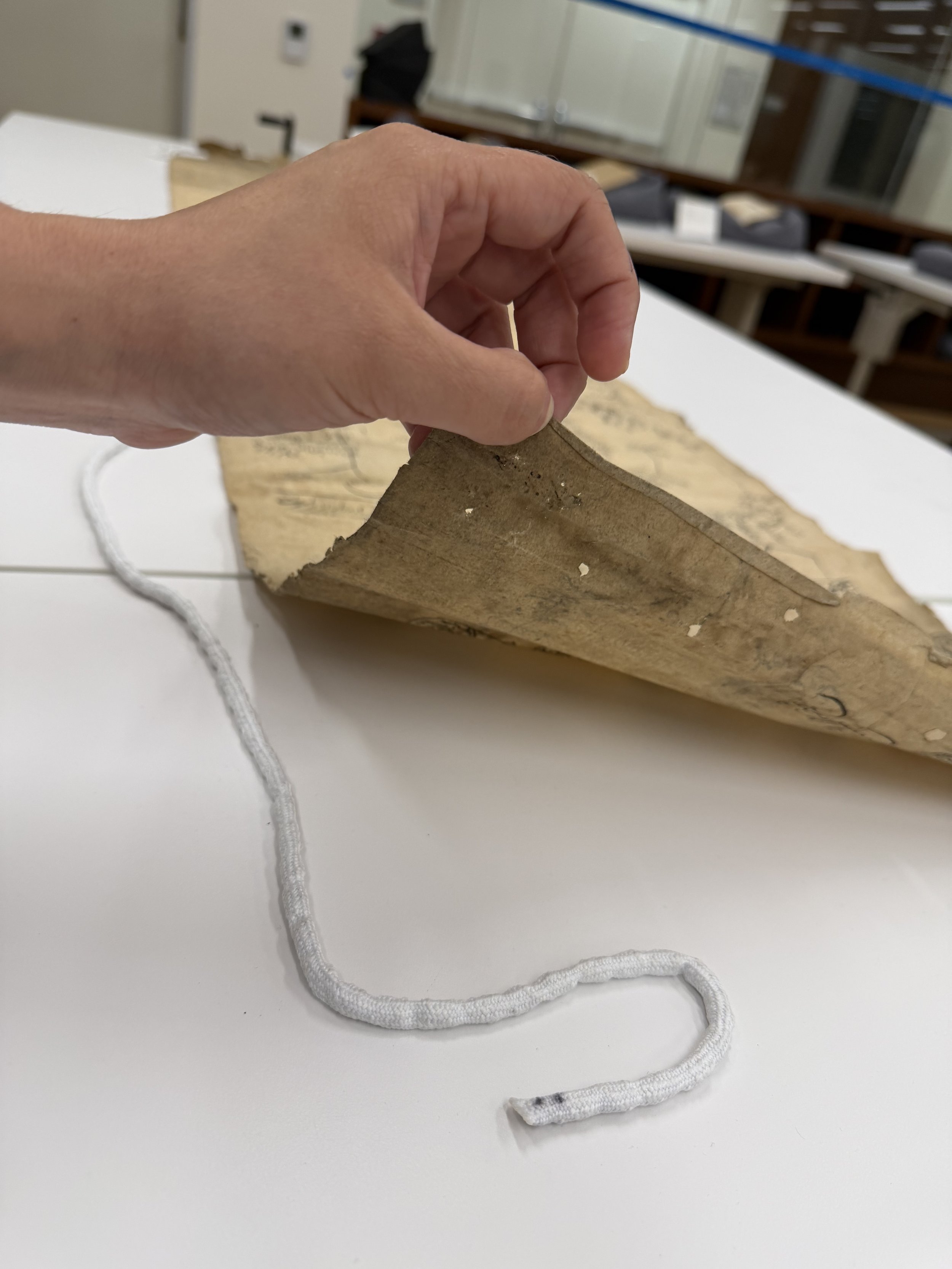
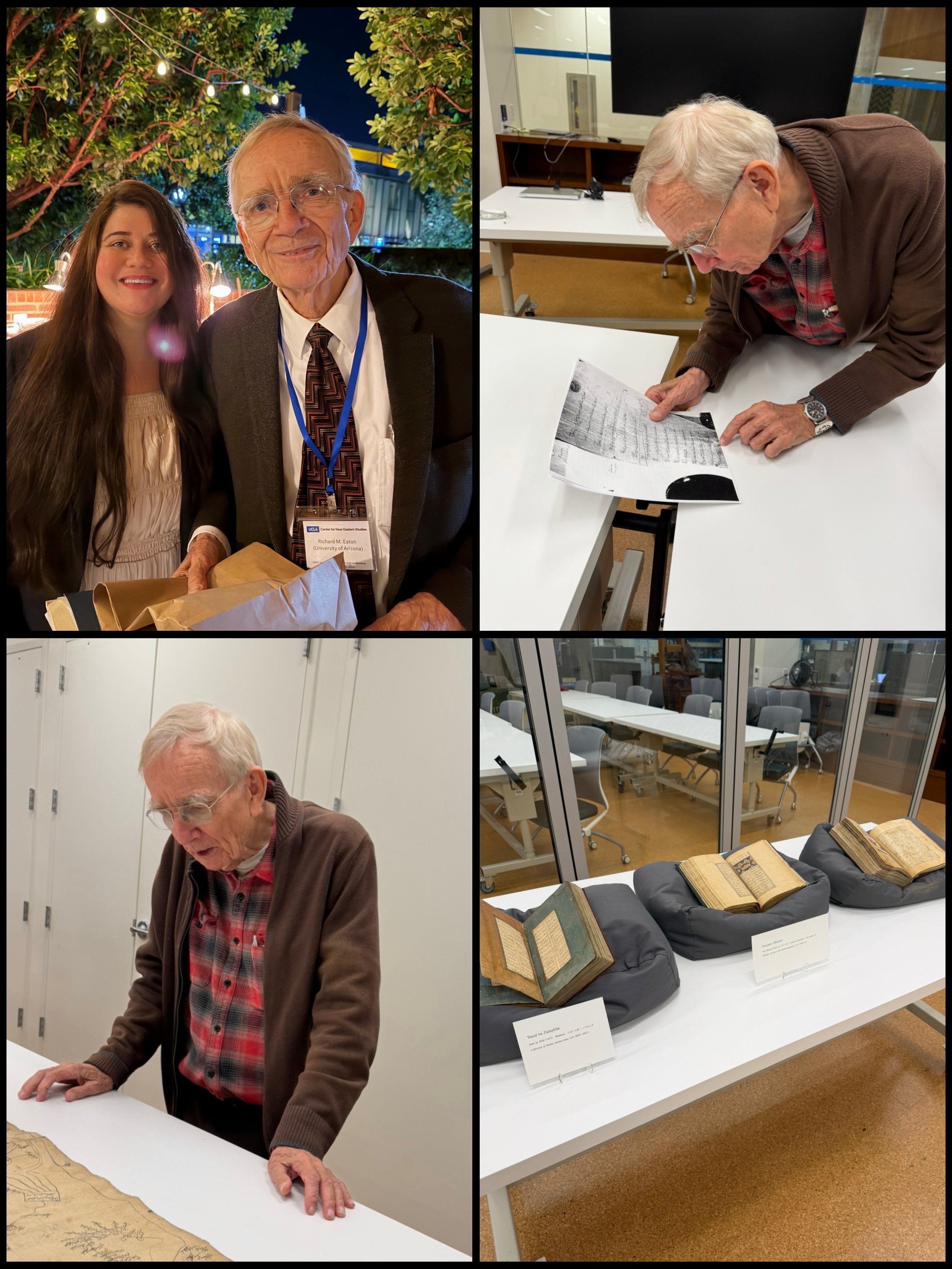
Following the conclusion of the conference, we had the pleasure of joining Professor Richard M. Eaton at UCLA Special Collections, where he shared stories of his many adventures. It is always such a pleasure to listen to him.
The conference was hosted by the UCLA Center for Near Eastern Studies (CNES), established in 1957 and one of the oldest centres in the United States devoted to interdisciplinary research and teaching on the Middle East and North Africa. The Center regularly brings together scholars from around the world through conferences, lectures, and research programmes.
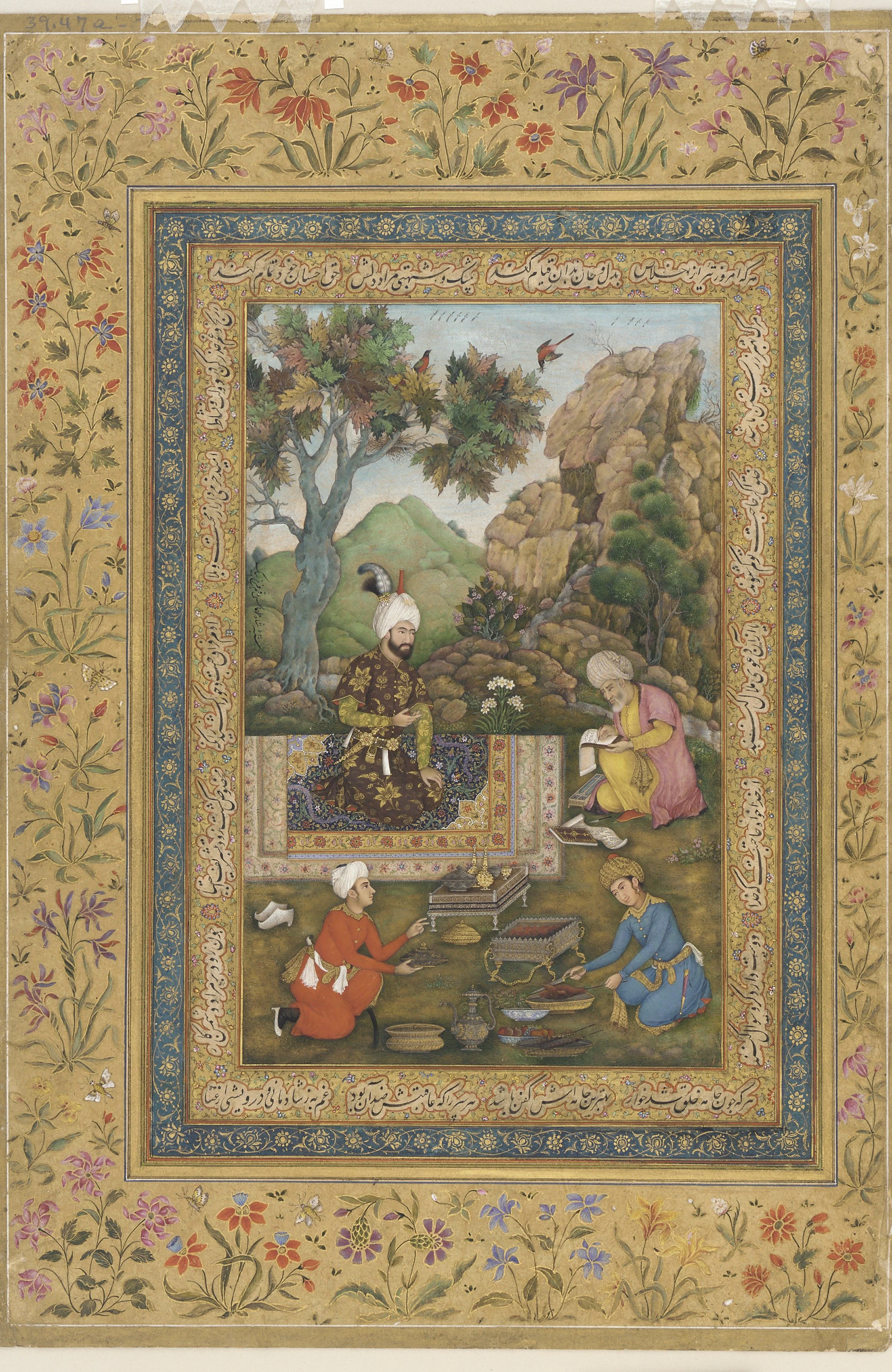
Farrukh Beg, Shah Tahmasp in the Mountains, early 19th century, inscribed to Farrukh Beg, Freer Gallery of Art, Smithsonian Institution, Washington, D.C., acc. no. F1939.47a. Image courtesy of the Freer Gallery of Art. https://asia-archive.si.edu/object/F1939.47a/