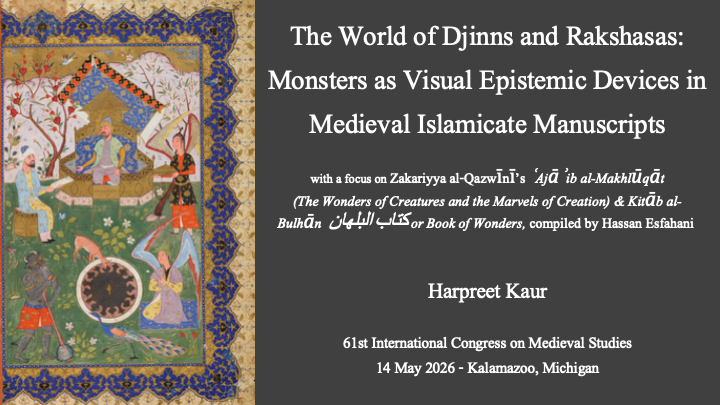
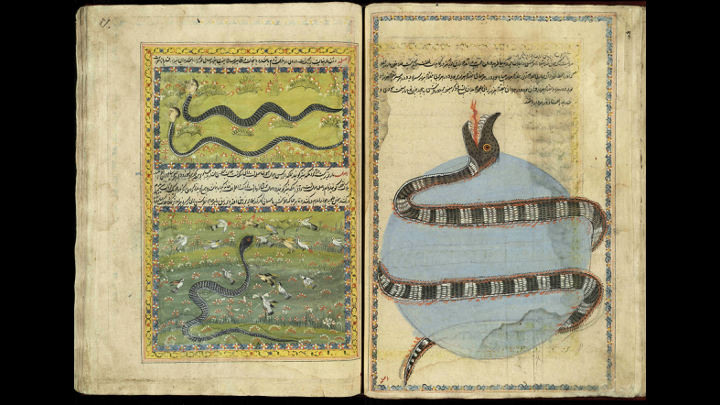
The World of Djinns and Rakshasas: Monsters as Visual Epistemic Devices in Medieval Islamicate Manuscripts
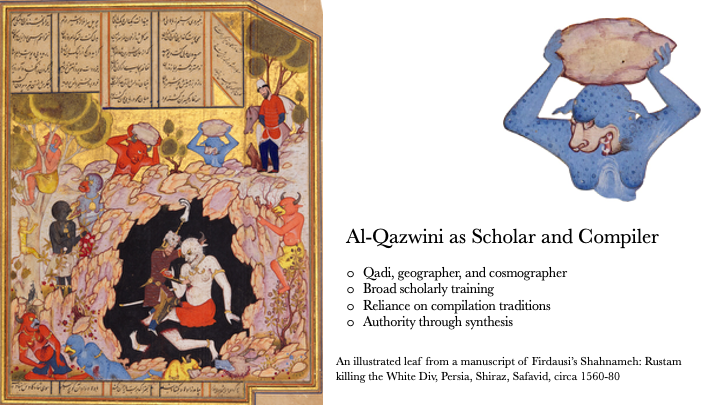
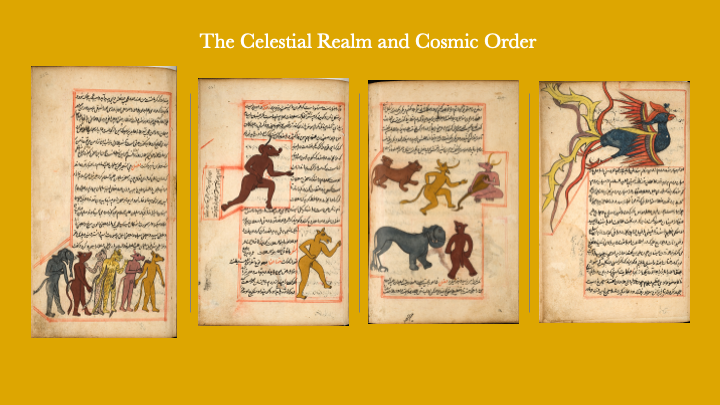
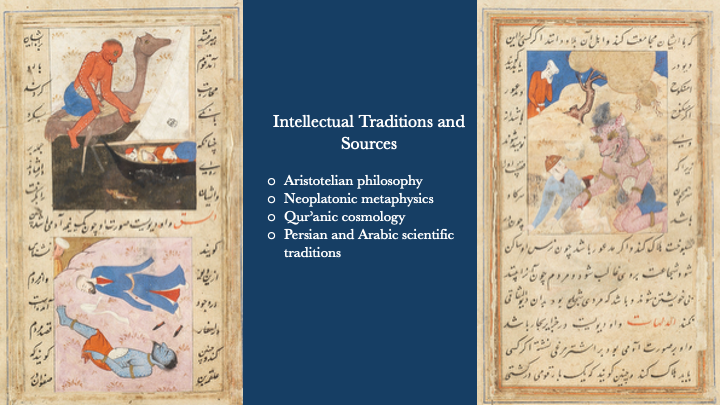
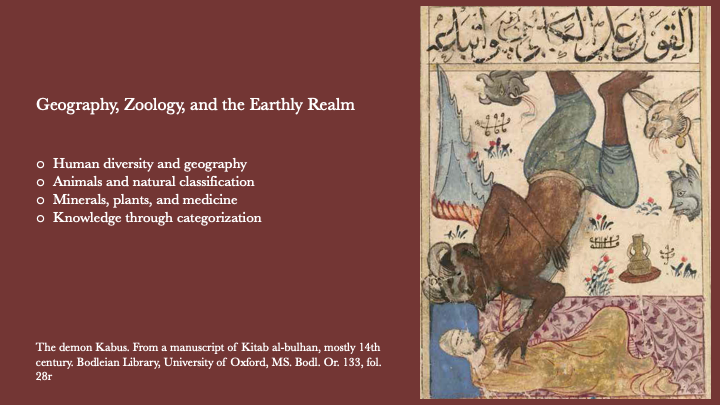
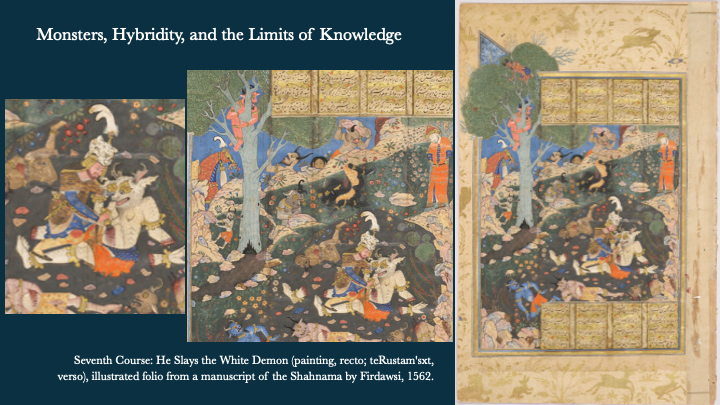
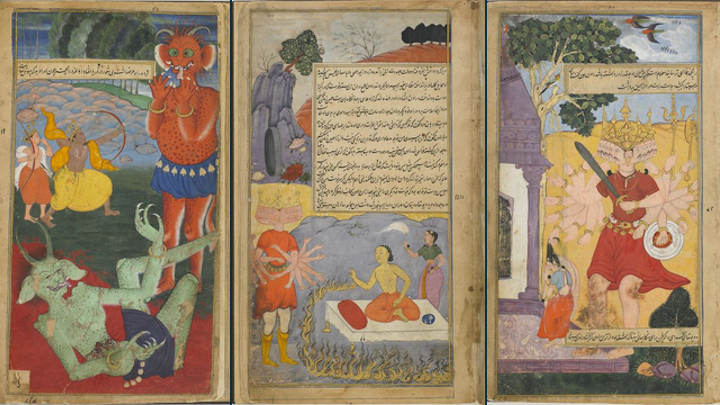
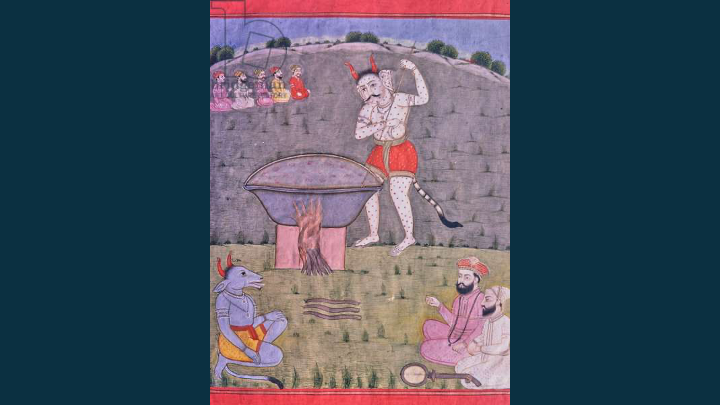
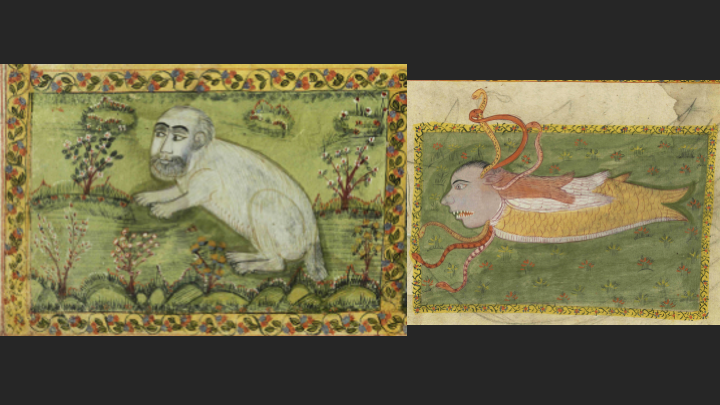
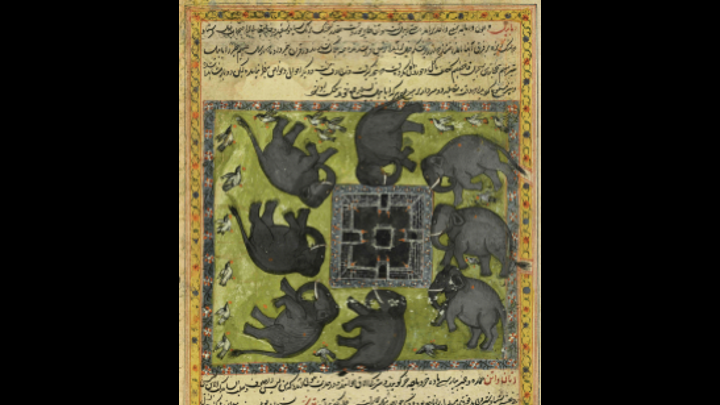
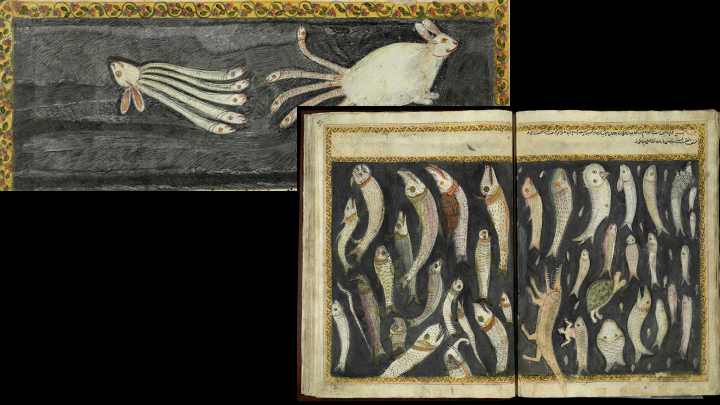
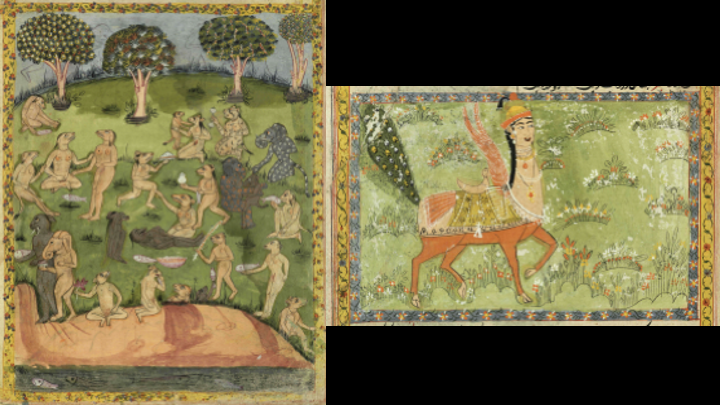
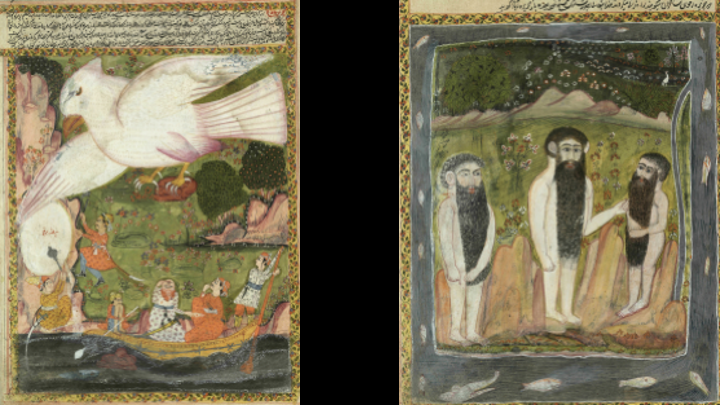
In May 2026, I presented a paper at the 61st International Congress on Medieval Studies in Kalamazoo, Michigan. Titled The World of Djinns and Rakshasas: Monsters as Visual Epistemic Devices in Medieval Islamicate Manuscripts, my talk examined how monstrous beings in medieval Islamicate manuscripts played a role as sophisticated vehicles for the transmission, organization, and visualization of knowledge.
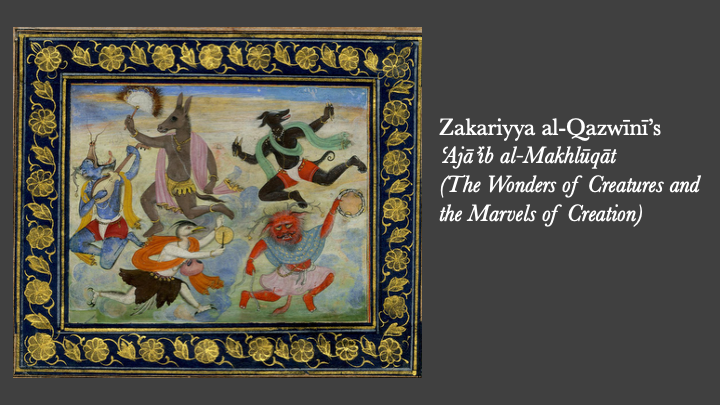
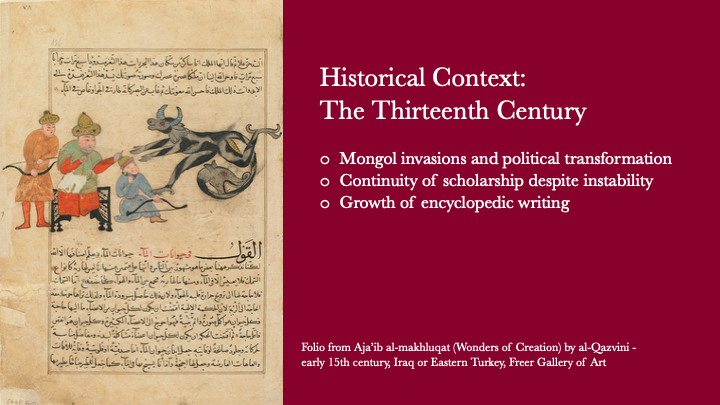
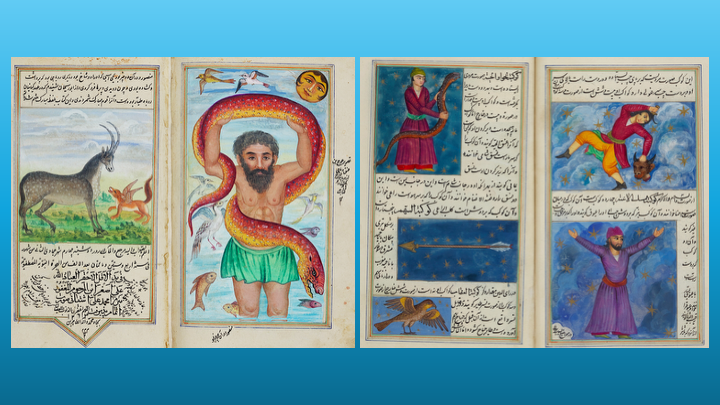
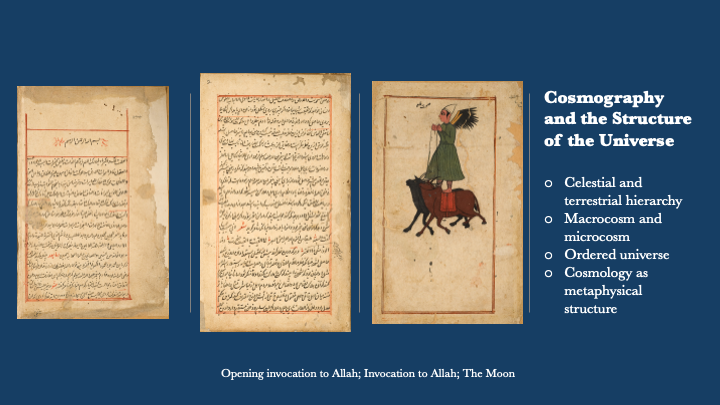
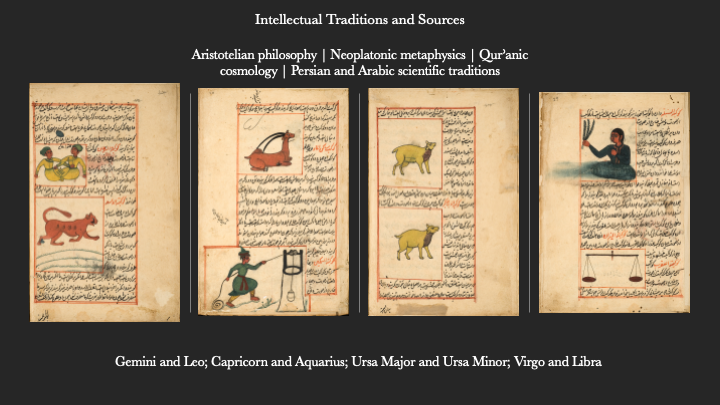
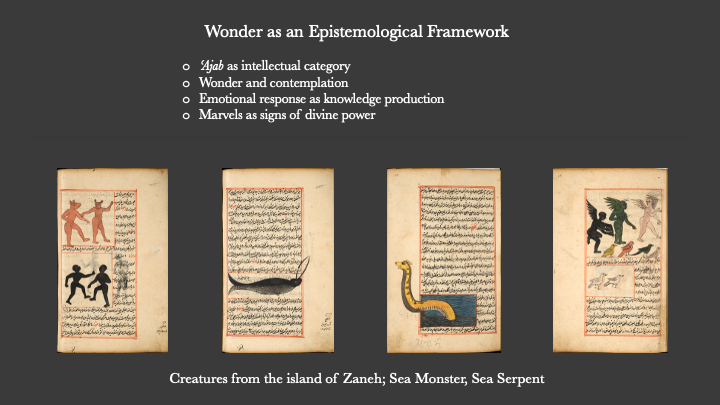
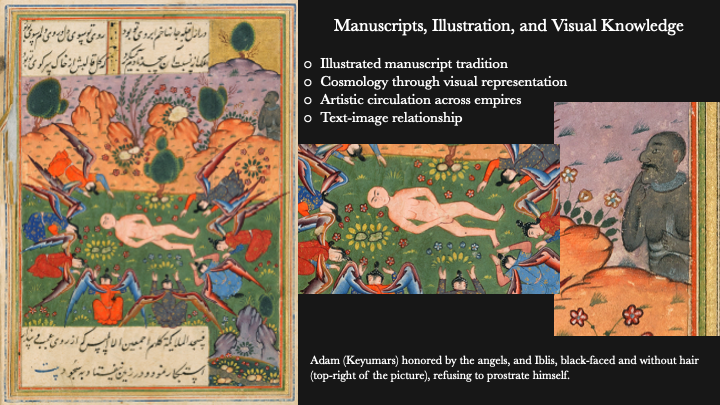
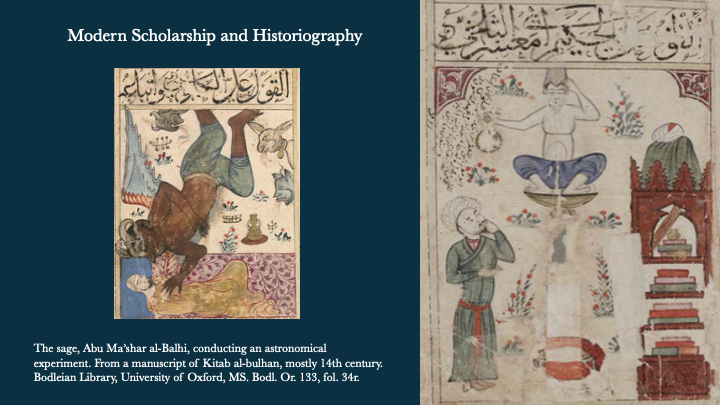
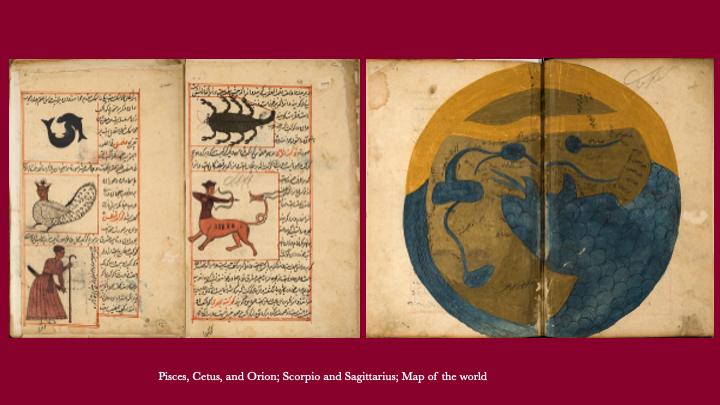
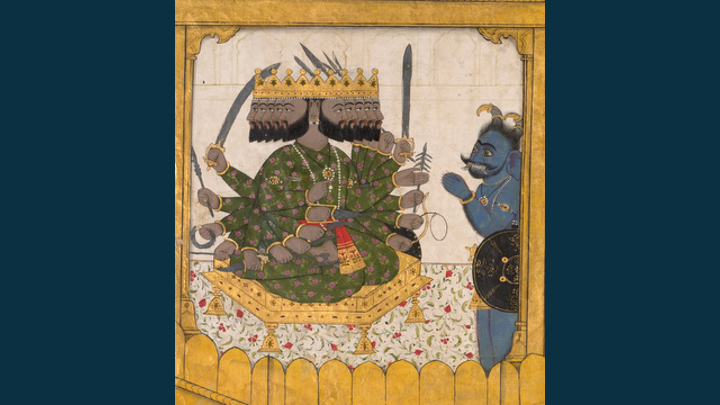
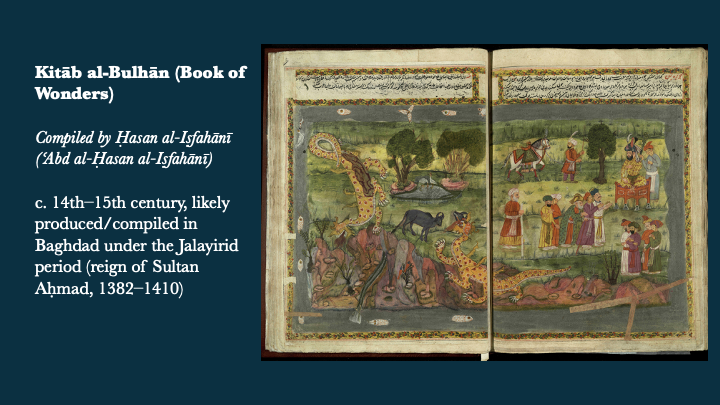
Drawing on Zakariyya al-Qazwini's ʿAjāʾib al-Makhlūqāt wa Gharāʾib al-Mawjūdāt (عجائب المخلوقات وغرائب الموجودات) and the Kitāb al-Bulhān (كتاب البلهان), I explored how images of djinns, rakshasas, and other extraordinary beings participated in broader intellectual and cosmological discourses. Rather than serving merely as illustrations of fantasy, these figures helped medieval audiences conceptualize the boundaries between the visible world (al-shahāda الشهادة) and the unseen realm (al-ghayb الغيب), the known and unknown, and the natural and supernatural orders of creation.
The presentation engaged with complex currents of medieval Islamic thought, including cosmology, metaphysics, and epistemology. Particular attention was given to the concepts of āyāt (آيات), divine signs embedded within creation; marātib al-wujūd (مراتب الوجود), the hierarchical gradations of being; and the intellectual tradition of ʿajāʾib (عجائب), in which marvels and wonders served as legitimate subjects of inquiry into the nature of God's creation. The paper also considered how these images intersected with broader questions concerning perception, ontology, and humanity's place within a divinely ordered cosmos governed by the principle of tawḥīd (توحيد), the unity of God. Through this lens, monsters emerge not as peripheral curiosities but as meaningful visual devices that invited contemplation of realities beyond immediate human experience.
The conference provided a valuable opportunity to engage with scholars across medieval studies, art history, religious studies, and manuscript cultures.
Please note that the following slides are from my presentation and are shared here for limited use only. They should not be reproduced or distributed without prior permission. If you would like to discuss this paper further, I would be happy to do so via email at kaurh@stthom.edu.